Tag: online communities

  • DIY Fertility: Tools for Finding Support in Online Communities

    Blog Post Title: DIY Fertility: Tools for Finding Support in Online Communities

    Summary:

    Dealing with fertility struggles can be a challenging and isolating experience. Many people often feel alone and have limited resources for support. However, with the rise of technology, online communities have become a valuable tool for individuals and couples going through fertility treatments. In this blog post, we will explore the benefits of finding support in online communities, the types of communities available, and tips for effectively utilizing them in your fertility journey.

    Online communities are a safe space for individuals to connect with others who understand their struggles and offer support and advice. One of the most significant benefits of online communities is the ability to connect with people from all over the world, providing a diverse range of perspectives and experiences. These communities also offer a sense of anonymity, allowing individuals to share their stories without fear of judgment or stigma.

    There are various types of online communities available for those dealing with fertility issues. Social media groups, forums, and blogs are some of the most popular options. Social media groups, such as Facebook and Instagram, offer a more interactive experience, with the ability to share photos, videos, and live streams. Forums, on the other hand, are more traditional and allow for more in-depth discussions and information sharing. Blogs often feature personal stories and experiences, providing a sense of connection and inspiration for those going through similar struggles.

    blue box with "mosie" logo, syringes, and informational pamphlet on a pink background

    DIY Fertility: Tools for Finding Support in Online Communities

    To effectively utilize online communities, it is essential to find the right one for your specific needs. Research different groups and communities, read reviews, and reach out to others who have used them. It is also crucial to establish boundaries and know when to disconnect from the online world. While online support is helpful, it is essential to find a balance and not rely solely on it for emotional support.

    Another essential aspect of utilizing online communities is to actively participate. Don’t be afraid to share your story and ask questions. Be respectful and supportive of others, and avoid judgment or negative comments. Remember that everyone’s journey is unique, and it’s crucial to maintain a positive and uplifting environment within these communities.

    Finding support in online communities can also extend beyond emotional support. Many groups and forums offer valuable resources, such as tips for coping with the emotional toll of fertility treatments, recommendations for fertility clinics and doctors, and information on alternative treatments. These resources can be incredibly beneficial, especially for those who feel overwhelmed or lost in their fertility journey.

    Along with finding support, online communities can also serve as a platform for advocating and raising awareness about fertility struggles. Many groups and individuals use social media to share their stories and educate others about the challenges of infertility. This can help break the stigma surrounding fertility issues and create a more open and understanding society.

    In conclusion, online communities have become a valuable tool for those dealing with fertility struggles. They offer a sense of support, connection, and resources that can make a significant impact on one’s fertility journey. However, it’s crucial to find the right community, actively participate, and maintain a healthy balance of online and offline support. These communities can also serve as a platform for advocacy and awareness, helping to break the silence and stigma surrounding infertility.

  • The Support System for At-Home Conception: Who to Turn to for Help

    Blog Post: The Support System for At-Home Conception: Who to Turn to for Help

    In recent years, the option of at-home conception has become increasingly popular for couples and individuals looking to start a family. With advancements in technology and more information readily available, many people are choosing to take control of their fertility journey from the comfort of their own home. However, this process can also be overwhelming and daunting, especially for those who are new to the idea of at-home conception. Fortunately, there is a strong support system available for those embarking on this journey. In this blog post, we will explore the various individuals and resources that can provide support and guidance for at-home conception.

    Family and Friends

    One of the most crucial sources of support for anyone going through at-home conception is their family and friends. These are the people who know and love you the most, and their emotional support can make a significant difference during this journey. It is essential to have a strong support system in place, especially during the challenging times that may arise during at-home conception. Your loved ones can offer a listening ear, words of encouragement, and practical help when needed.

    Partner

    For couples, the partner plays a vital role in the at-home conception journey. They are not only there for emotional support but also for physical support. From tracking ovulation and administering fertility treatments to providing a shoulder to lean on, having a partner by your side can make the process more manageable. It is crucial to communicate openly and honestly with your partner throughout this journey, as it can be a challenging and emotional process for both parties involved.

    Fertility Specialists

    While at-home conception is a personal journey, it is essential to seek the guidance of a fertility specialist. These professionals have the knowledge and expertise to guide you through the process and ensure that you are taking the necessary steps for a successful conception. They can provide individualized treatment plans, monitor your hormone levels and ovulation, and offer support and advice throughout the journey.

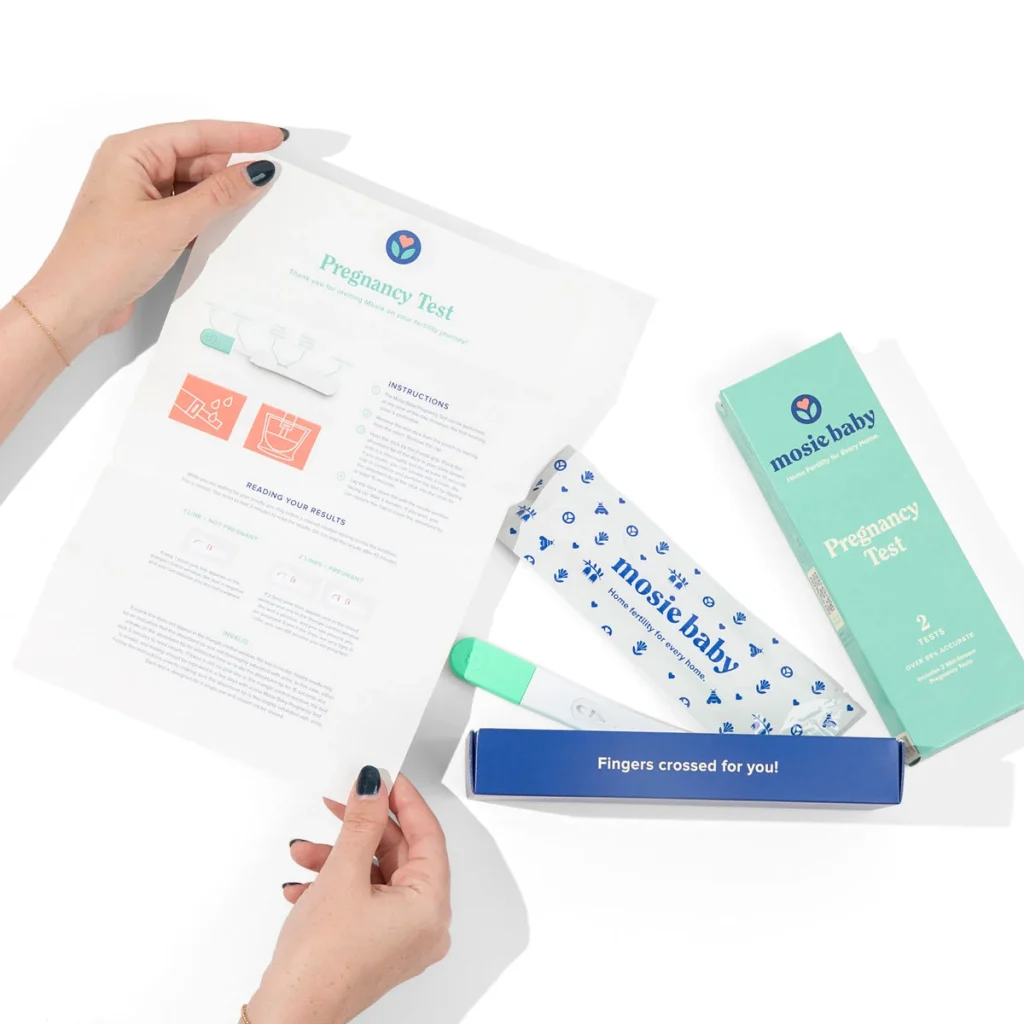
    pregnancy test kit with instructions, test device, and packaging on a white background

    The Support System for At-Home Conception: Who to Turn to for Help

    Online Communities and Support Groups

    In today’s digital age, there are numerous online communities and support groups dedicated to at-home conception. These can be a great resource for connecting with like-minded individuals who are going through a similar journey. These groups provide a safe space for sharing experiences, asking questions, and receiving support and advice from others who have been through the process. They can also be a source of emotional support and understanding during this time.

    Therapists and Counselors

    At-home conception can be a rollercoaster of emotions, and it is essential to take care of your mental health during this time. Therapists and counselors can offer valuable support in navigating the emotional aspects of at-home conception. They can provide guidance on managing stress and anxiety, coping with the challenges of the journey, and maintaining a healthy mindset throughout the process.

    Financial Advisors

    At-home conception can also be a significant financial investment, and it is essential to have a plan in place for managing the costs. Financial advisors can offer advice on budgeting and managing expenses during this time. They can also provide information on financing options, insurance coverage, and any available grants or programs that can help with the costs of at-home conception.

    In Conclusion

    At-home conception may seem like a solitary journey, but it is essential to remember that there is a support system available to help you through it. Whether it is the emotional support of family and friends, the expertise of fertility specialists, or the understanding of online communities, there is no need to go through this process alone. Seeking guidance and support from the various individuals and resources available can make the at-home conception journey more manageable and less overwhelming.

    SEO Metadata:

  • Breaking the Taboo: The Growing Popularity of At-Home Insemination with the Syringe Method

    Summary:

    In recent years, there has been a growing trend towards at-home insemination using the syringe method. This method involves using a syringe to inject sperm directly into the vagina, bypassing the traditional route of intercourse. While it may seem unconventional, more and more people are turning to this method for a variety of reasons, including LGBTQ+ couples, single individuals, and those facing fertility challenges. This blog post will explore the reasons behind the popularity of at-home insemination with the syringe method and provide information for those considering this method as an option.

    The Rise of At-Home Insemination:

    The practice of at-home insemination has been around for decades, but it has gained more attention and acceptance in recent years. This can be attributed to several factors, including advancements in fertility technology, a greater understanding and acceptance of non-traditional families, and the rise of online communities and resources for those interested in at-home insemination.

    One of the main reasons for the growing popularity of at-home insemination is its accessibility. In the past, the only option for those looking to conceive without traditional intercourse was through costly fertility treatments or adoption. However, with the syringe method, individuals and couples can now take matters into their own hands in the privacy of their own home. This allows for more control and autonomy in the conception process.

    LGBTQ+ Couples and Single Individuals:

    At-home insemination has become a popular option for LGBTQ+ couples who may not have the same access to traditional reproductive options as heterosexual couples. In addition, single individuals who are looking to start a family also find this method appealing. By using donor sperm and the syringe method, they can fulfill their desire to have a biological child without a romantic partner.

    Fertility Challenges:

    Colorful promotional image for Mosie Baby, featuring home insemination kit and encouraging text.

    Breaking the Taboo: The Growing Popularity of At-Home Insemination with the Syringe Method

    Another reason for the rise in popularity of at-home insemination is the increasing number of individuals and couples facing fertility challenges. For some, traditional methods of conception may not be an option, whether due to medical conditions, financial constraints, or personal preferences. At-home insemination provides a more affordable and accessible alternative for those facing fertility struggles.

    The Syringe Method:

    The syringe method involves using a needleless syringe to inject sperm into the vagina. This can be done either by a partner or self-insemination. The sperm can be obtained from a known donor or purchased from a sperm bank. While this method may seem simple, there are important steps to follow to ensure success, such as tracking ovulation, properly preparing the sperm, and using a sterile syringe.

    Legal and Ethical Considerations:

    While at-home insemination with the syringe method may seem like a straightforward and convenient option, there are legal and ethical considerations to keep in mind. It is important to understand the laws and regulations surrounding sperm donation and parental rights. It is also crucial to have open and honest communication with all parties involved, including the donor, recipient(s), and potential child.

    Support and Resources:

    With the growing popularity of at-home insemination, there are now numerous online communities and resources available for those considering this method. These communities provide a space for individuals and couples to connect, share experiences, and offer support and advice. There are also resources available to guide individuals through the process, from choosing a donor to navigating legal and ethical considerations.

    In conclusion, the growing popularity of at-home insemination with the syringe method is a reflection of the changing landscape of family planning and fertility. This method offers a more accessible and affordable option for those facing challenges with traditional methods of conception. However, it is important to thoroughly research and understand the process, legal and ethical considerations, and seek support and resources before embarking on this journey.