Blog Post Title: The Legalities of At-Home Insemination: What You Need to Know
At-home insemination, also known as self-insemination, is the process of using a donor’s sperm to impregnate oneself at home without the involvement of a medical professional. This method has become increasingly popular among LGBTQ+ couples and single individuals who want to start a family. However, there are several legal considerations to take into account before embarking on this journey. In this blog post, we will discuss the legalities of at-home insemination and provide you with important information that you need to know.
The Legality of At-Home Insemination
Before delving into the legal aspects of at-home insemination, it is essential to understand the difference between at-home insemination and traditional artificial insemination. At-home insemination involves the use of a donor’s sperm without the guidance or assistance of a medical professional. On the other hand, traditional artificial insemination is performed by a doctor or fertility specialist, and the sperm is typically obtained from a sperm bank. In most countries, traditional artificial insemination is regulated and requires the involvement of a licensed medical professional. However, the laws surrounding at-home insemination are often less clear.
In the United States, at-home insemination is generally legal, but it is not explicitly regulated. This means that there are no laws specifically prohibiting or regulating the practice. However, this does not mean that at-home insemination is entirely risk-free from a legal standpoint. The lack of regulations means that there is no oversight or protection for both the donor and the recipient, leaving them vulnerable to potential legal issues.
Legal Considerations for Recipients
As a recipient of at-home insemination, there are a few legal considerations that you need to be aware of. The most crucial aspect is the paternity and legal rights of the donor. In most countries, the donor of the sperm used in at-home insemination is considered the legal father of the child. This means that the donor may have rights to custody and visitation, and they may also be held responsible for child support. It is essential to discuss and clarify these matters with your donor before proceeding with at-home insemination.
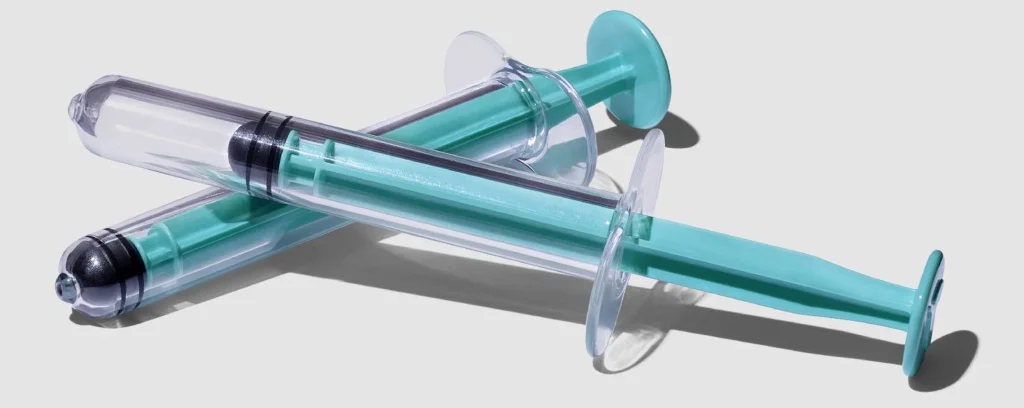
The Legalities of At-Home Insemination: What You Need to Know
Another crucial legal consideration for recipients is the potential risk of using a known donor. A known donor is someone that you have a personal relationship with, such as a friend or family member. While using a known donor may seem like a convenient and comfortable option, it can also lead to legal complications. For example, if the donor is married, their spouse may have parental rights over the child, and they may also be held responsible for child support. It is advisable to seek legal advice and have a written agreement in place with a known donor to avoid any potential legal disputes.
Legal Considerations for Donors
As a donor in at-home insemination, you also have legal considerations to be aware of. As mentioned earlier, in most countries, the donor is considered the legal father of the child. This means that they may be held responsible for child support and other parental rights and obligations. It is crucial for donors to understand their legal rights and obligations before agreeing to donate their sperm for at-home insemination. It is also advisable for donors to have a written agreement in place with the recipient to avoid any potential legal issues in the future.
Other Legal Considerations
Aside from the legal considerations for recipients and donors, there are other legal aspects to be aware of when it comes to at-home insemination. These include the potential risks of using unregulated sperm donors and the lack of medical supervision during the insemination process. It is crucial to thoroughly screen potential donors and use proper sterilization techniques to avoid the risk of contracting sexually transmitted infections. It is also recommended to consult with a medical professional before proceeding with at-home insemination to ensure that both the donor and recipient are in good health and to understand the potential risks involved.
In addition to medical considerations, it is also essential to be aware of the legal rights of the child born through at-home insemination. In most countries, the child has the right to know their biological father’s identity, and they may be entitled to certain legal rights and benefits from the donor. It is advisable to seek legal advice and have a clear understanding of these rights and obligations before proceeding with at-home insemination.
In Conclusion
At-home insemination can be a viable option for individuals and couples who want to start a family, but it is essential to be aware of the legal considerations involved. It is crucial to seek legal advice and have a written agreement in place with the donor to avoid any potential legal disputes. It is also recommended to consult with a medical professional and thoroughly screen potential donors to ensure the safety and well-being of all parties involved. By understanding the legalities of at-home insemination, you can make an informed decision and start your journey to parenthood with peace of mind.
Summary: At-home insemination, or self-insemination, is a popular method for starting a family among LGBTQ+ couples and single individuals. While it is generally legal in the United States, there are several important legal considerations to be aware of before proceeding with at-home insemination. These include the legal rights and responsibilities of both the donor and recipient, the potential risks of using a known donor, and the lack of medical supervision during the insemination process. It is crucial to seek legal advice and have a written agreement in place to avoid any potential legal disputes. Additionally, it is recommended to consult with a medical professional and thoroughly screen potential donors to ensure the safety and well-being of all parties involved.