Tag: Political discourse

  • The Psychology of Political Discourse: Understanding the 16 Most Talked About Issues

    Blog Post Summary:

    Political discourse is a crucial aspect of any democratic society, as it allows individuals to express their opinions and engage in meaningful discussions about important issues. However, in recent years, political discourse has become increasingly polarized and divisive, leading to a breakdown in communication and understanding between individuals with differing beliefs. In this blog post, we will explore the psychology behind political discourse and how it can influence the way we think and communicate about the 16 most talked about issues in modern society.

    The first issue we will examine is immigration. It is a complex and multifaceted issue that often elicits strong emotional reactions from both sides. The psychology behind this issue lies in our innate fear of the unknown and the belief that allowing immigrants into a country may threaten our safety and way of life. This fear is often fueled by political rhetoric and media coverage, leading to a polarized debate between those who support stricter immigration policies and those who advocate for more open borders.

    Next, we will delve into the topic of gun control. This issue is heavily influenced by our emotions, as individuals often have strong beliefs and personal experiences related to guns. The psychology behind this issue lies in our need for self-preservation and protection, as well as our desire for control and power. This can lead to a heated debate between those who believe in stricter gun control laws and those who advocate for the right to bear arms.

    The third issue we will explore is climate change. This topic has become increasingly relevant in recent years as the effects of global warming are becoming more evident. The psychology behind this issue lies in our tendency to prioritize short-term benefits over long-term consequences, as well as our fear of change and the unknown. This can lead to a clash between those who believe in the urgency of addressing climate change and those who deny its existence or downplay its severity.

    Another important issue in political discourse is healthcare. The psychology behind this issue is rooted in our innate desire for self-preservation and our fear of illness and death. This can result in a debate between those who advocate for universal healthcare and those who believe in a free-market approach. The next issue we will examine is income inequality. The psychology behind this issue lies in our sense of fairness and justice, as well as our desire for financial stability and success. This can lead to a divide between those who support policies to reduce income inequality and those who believe in the principles of capitalism and individual success.

    logo featuring a pink heart above two teal leaves on a blue circular background

    The Psychology of Political Discourse: Understanding the 16 Most Talked About Issues

    Moving on, we will explore the issue of race relations. The psychology behind this issue is heavily influenced by our personal experiences and biases, as well as societal norms and stereotypes. This can result in a heated debate between those who believe in the need for social justice and equality and those who deny the existence of systemic racism. The next issue we will discuss is gender equality. The psychology behind this issue is rooted in our beliefs about gender roles and societal expectations. This can lead to a divide between those who advocate for gender equality and those who hold onto traditional gender norms.

    The seventh issue we will examine is education. The psychology behind this issue lies in our belief in the importance of education for personal and societal growth, as well as our fear of falling behind in a competitive world. This can result in a debate between those who support increased funding for education and those who prioritize other areas for government spending. Next, we will delve into the topic of foreign policy. The psychology behind this issue is heavily influenced by our sense of patriotism and nationalism, as well as our fear of threats from other countries. This can lead to a polarized debate between those who support a more isolationist approach and those who believe in a more globalized and interventionist foreign policy.

    The ninth issue we will explore is the role of government. The psychology behind this issue is rooted in our beliefs about individual rights and freedoms, as well as our trust in the government to make decisions on our behalf. This can result in a divide between those who advocate for limited government and those who believe in a more active and involved government. Next, we will discuss the topic of terrorism. The psychology behind this issue is heavily influenced by our fear of violence and our desire for safety and security. This can lead to a clash between those who advocate for stricter security measures and those who prioritize civil liberties and privacy.

    The eleventh issue we will examine is free speech. The psychology behind this issue lies in our beliefs about the importance of expressing our opinions and ideas, as well as our fear of censorship and suppression. This can result in a debate between those who advocate for protecting free speech and those who believe in regulating hate speech and harmful rhetoric. Next, we will delve into the topic of foreign trade. The psychology behind this issue is rooted in our beliefs about the benefits and drawbacks of globalization, as well as our fear of losing jobs and economic stability. This can lead to a divide between those who support free trade and those who believe in protectionist policies.

    The thirteenth issue we will explore is national security. The psychology behind this issue is heavily influenced by our fear of threats to our country and our desire for protection and safety. This can result in a polarized debate between those who support increased military spending and those who prioritize other areas for government funding. Next, we will examine the topic of taxes. The psychology behind this issue lies in our beliefs about the role of government in redistributing wealth and our fear of financial instability. This can lead to a clash between those who advocate for higher taxes on the wealthy and corporations and those who believe in lower taxes and less government intervention.

    The fifteenth issue we will discuss is abortion. The psychology behind this issue is rooted in our beliefs about personal autonomy and the value of human life, as well as our emotional reactions to the topic. This can result in a divide between those who believe in a woman’s right to choose and those who advocate for the protection of unborn life. Finally, we will explore the issue of LGBTQ+ rights. The psychology behind this issue is heavily influenced by our beliefs about gender and sexuality, as well as our fear of change and societal norms. This can lead to a polarized debate between those who support equal rights for the LGBTQ+ community and those who oppose it.

    Overall, the psychology behind political discourse is complex and deeply ingrained in our beliefs, emotions, and personal experiences. Understanding these underlying factors can help us engage in more productive and respectful discussions about the most talked about issues in our society. By recognizing and addressing our biases and emotions, we can work towards finding common ground and bridging the divide between individuals with differing political beliefs.

  • The Ethics of Political Discourse: Examining the 16 Most Talked About Issues

    Blog Post Title: The Ethics of Political Discourse: Examining the 16 Most Talked About Issues

    Political discourse has always been a crucial aspect of any democratic society. It allows for the exchange of ideas, opinions, and perspectives and ultimately shapes the decisions and policies of a nation. However, in recent years, political discourse has become increasingly polarized and toxic, with individuals and groups often resorting to unethical tactics to gain an advantage. This has led to a breakdown of civil discourse and a lack of meaningful conversations about the most pressing issues facing our society.

    In this blog post, we will examine 16 of the most talked-about issues in politics and explore the ethical considerations that should guide our discussions and debates. By understanding the principles of ethical discourse, we can work towards a more respectful and productive exchange of ideas.

    1. Immigration

    Immigration has been a hot-button issue in politics, with debates often centering around border control and the treatment of undocumented immigrants. However, in the midst of these discussions, it is important to remember the ethical implications of our words and actions. Demonizing immigrants or promoting xenophobic policies goes against the values of human dignity and respect for diversity.

    2. Gun Control

    The issue of gun control has been a divisive one, with strong arguments on both sides. However, when discussing this issue, it is essential to maintain a respectful and empathetic attitude towards those who have been impacted by gun violence. Using inflammatory or insensitive language can further perpetuate the problem and fail to address the root causes of gun violence.

    3. Climate Change

    Climate change is a global issue that requires urgent action. However, discussions around this topic often devolve into personal attacks or denial of scientific evidence. It is crucial to approach this issue with a sense of responsibility and empathy for the communities and individuals who are most affected by the consequences of climate change.

    4. Healthcare

    The healthcare system is a complex and deeply personal issue for many individuals. When discussing healthcare policies, it is essential to consider the ethical implications of our decisions. This includes ensuring access to affordable healthcare for all and avoiding stigmatization of certain health conditions.

    5. LGBTQ+ Rights

    The fight for LGBTQ+ rights has been a long and ongoing battle, and discussions around this issue must be approached with sensitivity and respect. The use of derogatory language or discrimination against individuals based on their sexual orientation or gender identity goes against the principles of equality and human rights.

    6. Racism and Discrimination

    Racism and discrimination are systemic issues that continue to plague our society. When discussing these issues, it is crucial to avoid perpetuating harmful stereotypes or promoting discriminatory policies. Instead, we should strive to promote inclusivity and equality for all individuals.

    7. Foreign Policy

    Foreign policy decisions have a significant impact not only on our own nation but also on the global community. When discussing foreign policy, it is crucial to consider the ethical implications of our actions and to promote diplomacy and cooperation rather than aggression or isolationism.

    8. Education

    Education is often touted as the key to a better future, but discussions around education policies can quickly become contentious. It is essential to prioritize the well-being and success of students and teachers and to avoid politicizing education for personal gain.

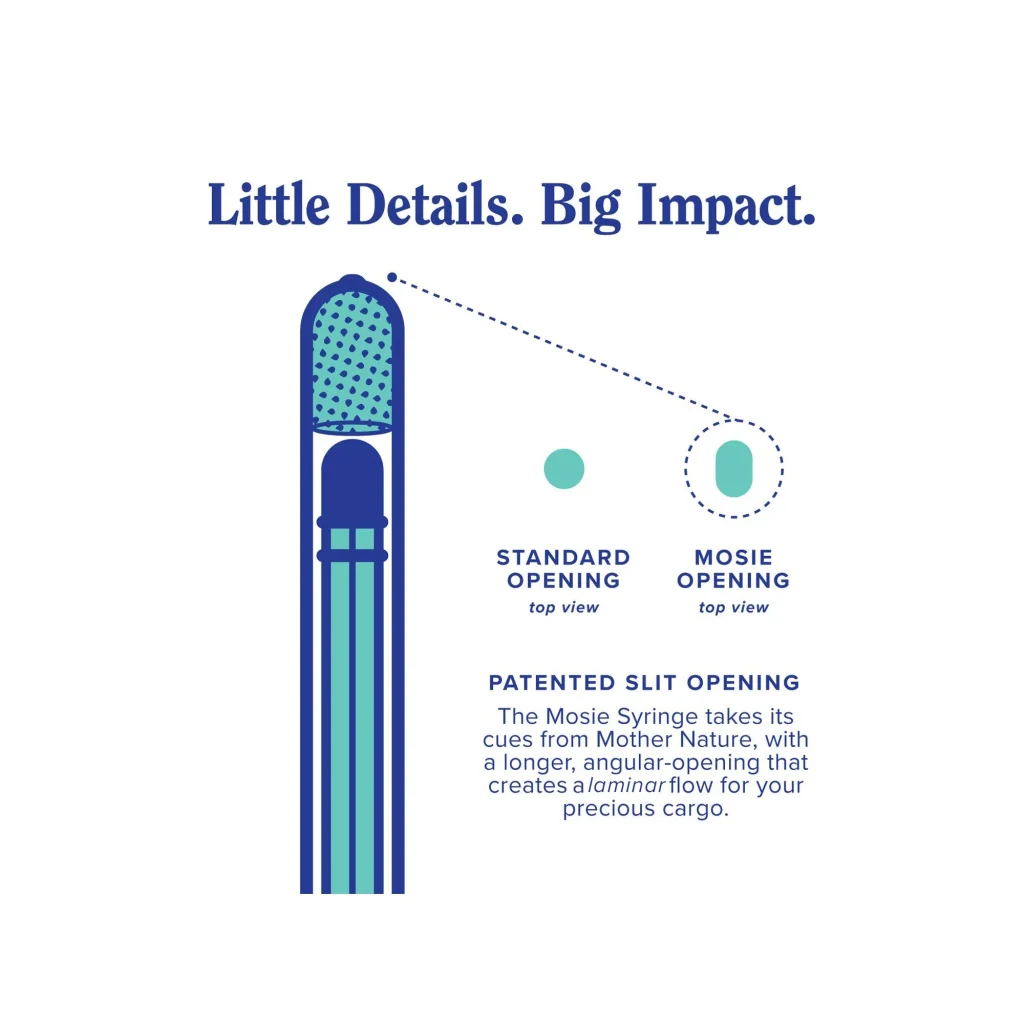
    illustration comparing standard and Mosie syringe openings with text highlighting design benefits for home insemination

    The Ethics of Political Discourse: Examining the 16 Most Talked About Issues

    9. Social Welfare Programs

    Social welfare programs are designed to provide support to those in need, but discussions around these programs often devolve into debates about “handouts” and “personal responsibility.” It is crucial to remember the ethical principles of compassion and empathy when discussing social welfare and to avoid perpetuating harmful stereotypes.

    10. Foreign Aid

    Foreign aid is a controversial topic, with some arguing that it is a necessary form of global solidarity, while others see it as a drain on resources. When discussing foreign aid, it is essential to consider the ethical implications of our decisions and to prioritize the well-being of those in need.

    11. National Security

    National security is a top priority for any nation, but discussions around this issue must be approached with caution and respect. Promoting fear-mongering or discrimination against certain groups in the name of national security goes against the values of human rights and dignity.

    12. Economic Policies

    Economic policies have a significant impact on the distribution of wealth and resources in a society. When discussing economic policies, it is crucial to consider the ethical implications and to prioritize the well-being of all individuals, rather than just a select few.

    13. Abortion

    The topic of abortion is a highly contentious one, with strong beliefs and emotions on both sides. However, discussions around this issue must be approached with sensitivity and respect for the autonomy and bodily integrity of individuals.

    14. Free Speech

    Free speech is a fundamental right in a democratic society, but it also comes with responsibilities. When engaging in political discourse, it is crucial to uphold the principles of respect and civility, rather than using free speech as a shield to spread hate or misinformation.

    15. Mental Health

    Mental health is an often overlooked and stigmatized issue, but it is crucial to prioritize the well-being of individuals when discussing policies related to mental health. This includes promoting access to affordable and quality mental healthcare and avoiding harmful language and attitudes towards mental illness.

    16. Income Inequality

    Income inequality is a growing issue in many countries, with the gap between the rich and the poor widening. When discussing policies related to income inequality, it is crucial to prioritize the well-being of all individuals and to avoid perpetuating harmful stereotypes or promoting policies that further widen the gap.

    In conclusion, political discourse must be guided by ethical principles to ensure that meaningful and productive discussions take place. We must remember to approach these issues with empathy, respect, and a commitment to promoting the well-being of all individuals. By doing so, we can work towards a more inclusive and just society for all.

    Summary:

    Political discourse is a crucial aspect of any democratic society, but in recent years it has become increasingly polarized and toxic. In this blog post, we examine 16 of the most talked-about issues in politics and explore the ethical considerations that should guide our discussions and debates. These issues include immigration, gun control, climate change, healthcare, LGBTQ+ rights, racism and discrimination, foreign policy, education, social welfare programs, foreign aid, national security, economic policies, abortion, free speech, mental health, and income inequality. By approaching these issues with empathy, respect, and a commitment to promoting the well-being of all individuals, we can work towards a more inclusive and just society for all.

  • The Evolution of Political Discourse: How the 16 Most Talked About Issues Have Changed

    Blog Post: The Evolution of Political Discourse: How the 16 Most Talked About Issues Have Changed

    Political discourse has always been a crucial aspect of any society, as it allows for the exchange of ideas and the formation of policies that shape our world. However, the way we discuss and debate political issues has evolved significantly over time. From the ancient Greek agora to modern-day social media, the methods and topics of political discourse have undergone immense changes.

    In this blog post, we will delve into the evolution of political discourse and explore how the 16 most talked about issues have transformed over the years. From the economy to immigration, we will examine how these topics have been discussed and debated throughout history and how they continue to shape our political landscape today.

    1. Economy
    The economy has always been a key issue in political discourse. In ancient times, discussions about the economy revolved around agriculture and trade. As societies evolved and became more industrialized, the focus shifted to manufacturing and capitalism. In the 20th century, the rise of globalization and technology brought about new economic challenges and opportunities, leading to debates about free trade, income inequality, and the role of government in the economy.

    2. Immigration
    Immigration has been a hotly debated topic throughout history, as people have always migrated in search of better opportunities. In ancient Greece, there were discussions about the impact of foreign workers on the local economy. In the United States, the issue of immigration has been a central part of political discourse since its founding, with debates about assimilation, citizenship, and border control.

    3. National Security
    The concept of national security has evolved over time, from protecting a city-state in ancient times to defending a country against external threats in modern times. With the rise of global terrorism and cyber attacks, national security has become an increasingly complex and crucial issue in political discourse.

    4. Climate Change
    While climate change is a relatively new topic in political discourse, it has quickly become one of the most pressing issues of our time. In the past, discussions about the environment focused on conservation and natural resource management. However, as the effects of climate change have become more evident, the debate has shifted to finding solutions and implementing policies to mitigate its impact.

    5. Healthcare
    The concept of healthcare has also evolved significantly over time. In ancient civilizations, healthcare was mainly limited to traditional medicine and home remedies. As societies became more advanced, governments began to play a role in providing healthcare to their citizens. Today, debates about healthcare revolve around accessibility, affordability, and the role of government in the healthcare system.

    6. Education
    Education has always been a key issue in political discourse, as it is seen as a means to improve society and create a more educated and skilled workforce. Throughout history, discussions about education focused mainly on access and funding. However, in recent years, there has been a shift towards debates about the quality of education and the need for reform.

    7. Civil Rights
    The fight for civil rights has been a central part of political discourse for centuries. From ancient Greece to modern-day America, discussions about equality, justice, and human rights have shaped policies and laws. While progress has been made, the issue of civil rights continues to be a topic of debate, particularly in regards to race, gender, and sexual orientation.

    Mosie Baby kit with two jars, a syringe, and a supportive message card inside a colorful box.

    The Evolution of Political Discourse: How the 16 Most Talked About Issues Have Changed

    8. Foreign Policy
    Foreign policy has always been a key area of political discourse, as it involves the relationships and interactions between countries. In ancient times, discussions about foreign policy revolved around alliances and trade agreements. Today, foreign policy debates cover a wide range of issues, from human rights to trade tariffs and military intervention.

    9. Gun Control
    The debate over gun control has been ongoing for centuries, with discussions about the right to bear arms dating back to the ancient world. However, as gun violence has become a major issue in modern societies, the debate has intensified, with discussions about the Second Amendment, background checks, and the role of the government in regulating firearms.

    10. Terrorism
    While terrorism has been a tactic used throughout history, the modern-day concept of terrorism emerged in the 20th century. As terrorist attacks have become more frequent and global, the issue of terrorism has become a top priority in political discourse, with debates about national security, foreign policy, and civil liberties.

    11. Social Welfare
    The idea of social welfare has evolved over time, from charity and religious institutions providing assistance to the poor in ancient civilizations to government-funded programs in modern societies. Today, debates about social welfare focus on the effectiveness of these programs and the role of government in providing support to those in need.

    12. Technology
    Technology has transformed how we live, work, and communicate, and as a result, has become a key issue in political discourse. Discussions about technology range from its impact on the economy and job market to its effects on privacy and national security.

    13. Gender Equality
    The fight for gender equality has been ongoing for centuries, but it wasn’t until the 20th century that it became a central topic in political discourse. Discussions about gender equality cover a wide range of issues, including equal pay, reproductive rights, and representation in government and leadership roles.

    14. Infrastructure
    The discussion about infrastructure has been a part of political discourse since ancient times, as societies have always needed to build and maintain roads, bridges, and other essential structures. In the modern world, the debate has expanded to include topics such as transportation, energy, and internet access.

    15. Immigration
    The issue of immigration has been a constant topic in political discourse, but it has taken on a new form in recent years with the rise of the refugee crisis. Debates about immigration now focus on issues such as refugee resettlement, border security, and the humanitarian response to those seeking asylum.

    16. Social Media
    The emergence of social media has revolutionized political discourse in recent years. It has become a platform for individuals to share their opinions, engage in debates, and shape public opinion. However, the impact of social media on political discourse is still a topic of debate, with discussions about the spread of misinformation and the influence of algorithms on our views.

    In conclusion, the evolution of political discourse has been shaped by a variety of factors, from cultural and societal changes to technological advancements. The 16 most talked about issues have transformed over time, reflecting the ever-changing nature of our world. As we continue to navigate the complexities of these topics, it is essential to understand how they have evolved and how they will continue to shape our political landscape in the future.