Blog Post:
When it comes to starting a family, the health and well-being of a child is the top priority for any parent. With advancements in medical technology, there are now various methods available to ensure the health of a baby even before conception. Two such methods are syringe insemination and genetic testing. In this blog post, we will delve into these techniques and how they can help in ensuring a healthy baby.
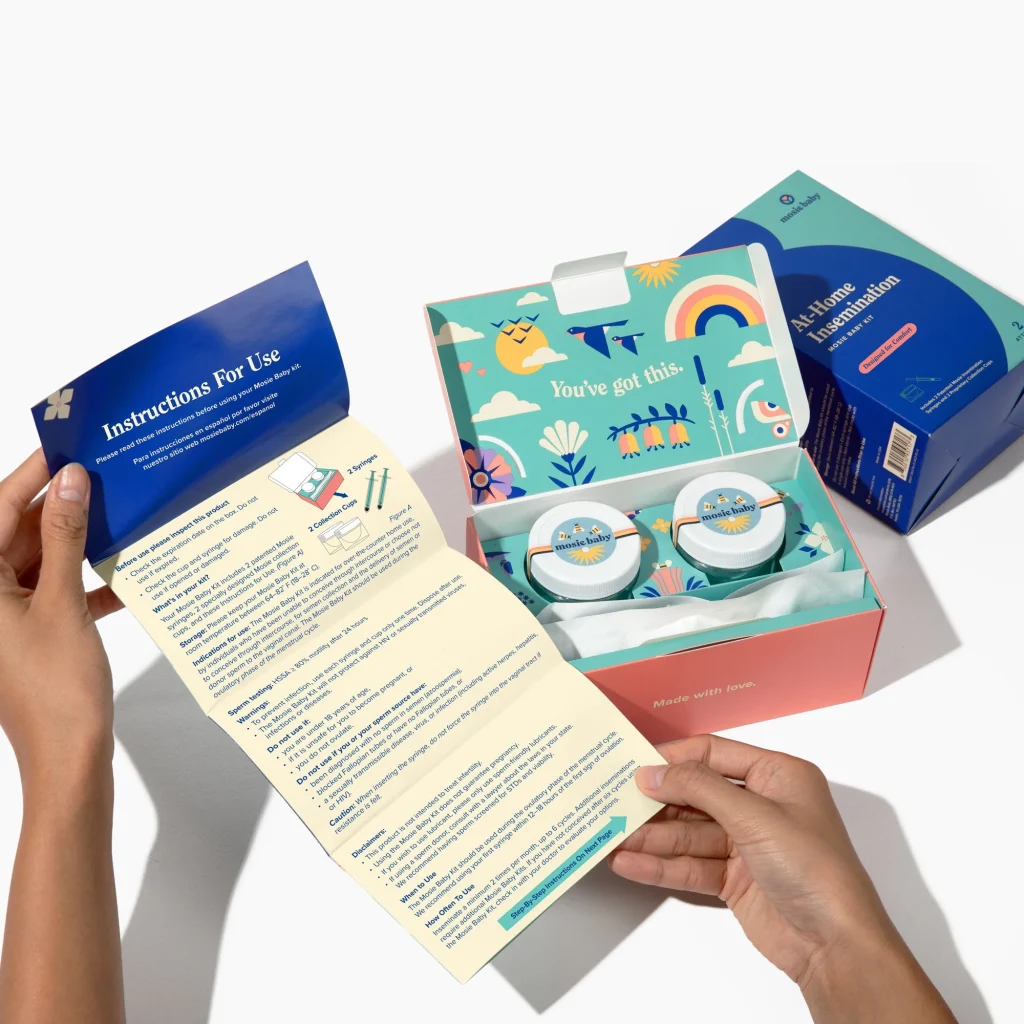
Syringe insemination, also known as artificial insemination, is a process where sperm is inserted into the cervix or uterus using a syringe. This method is often used by couples who are struggling with fertility issues, same-sex couples, or single women who want to conceive. One of the biggest advantages of syringe insemination is that it allows for the selection of a healthy sperm donor. This is crucial in ensuring the health of the baby as genetic diseases and disorders can be passed down through sperm. By choosing a healthy donor, the risk of such diseases can be significantly reduced.
Another benefit of syringe insemination is that it allows for the timing of conception. Sperm can survive for up to five days in the female reproductive tract, so by timing the procedure, couples can increase their chances of conception. This method also bypasses any potential issues with the male partner’s sperm, making it a viable option for couples dealing with male infertility.
However, it is essential to note that syringe insemination does not guarantee a healthy baby. There is still a chance of genetic disorders or inherited diseases being passed down from the mother or donor. This is where genetic testing comes into play.
Genetic testing involves analyzing a person’s genes to identify any potential genetic disorders or diseases. This can be done before conception to determine the likelihood of passing on any conditions to the baby. In cases where a genetic disorder is identified, couples can opt for preimplantation genetic testing (PGT) before undergoing in vitro fertilization (IVF). PGT involves testing the embryos created through IVF for genetic disorders and only implanting the healthy ones. This greatly reduces the risk of having a baby with a genetic disorder.

Syringe Insemination and Genetic Testing: Ensuring a Healthy Baby
Genetic testing can also be done during pregnancy to detect any potential issues early on. This allows parents to make informed decisions and prepare for any necessary medical interventions or treatments for the baby after birth. It also gives them time to emotionally prepare for any challenges they may face.
With advancements in technology, genetic testing has become more accessible and affordable. There are now at-home genetic testing kits available, making it easier for couples to get tested before trying to conceive. These kits analyze a person’s DNA and provide a report on any potential genetic conditions they may carry.
However, it is crucial to note that genetic testing can also come with ethical considerations. Some couples may have to make difficult decisions, such as whether to continue with a pregnancy if a genetic disorder is identified. This is why it is essential to seek guidance from a genetic counselor who can provide support and help couples navigate these difficult decisions.
In addition to syringe insemination and genetic testing, there are other steps that couples can take to ensure a healthy baby. These include maintaining a healthy lifestyle, including a balanced diet and regular exercise, avoiding harmful substances such as alcohol and tobacco, and getting regular prenatal care.
In conclusion, syringe insemination and genetic testing are two powerful tools that can help couples in their journey to have a healthy baby. By choosing a healthy sperm donor and undergoing genetic testing, couples can significantly reduce the risk of passing on genetic disorders to their child. However, it is crucial to seek guidance from medical professionals and genetic counselors to make informed decisions and ensure the well-being of both the parents and the baby.
Summary:
Syringe insemination and genetic testing are two methods that can help couples ensure a healthy baby. Syringe insemination allows for the selection of a healthy sperm donor and timing of conception, while genetic testing can detect potential genetic disorders and allow for preimplantation genetic testing before IVF. It is essential to seek guidance from medical professionals and genetic counselors to make informed decisions. Other steps, such as maintaining a healthy lifestyle and regular prenatal care, can also contribute to a healthy pregnancy.