Tag: professional help

  • Practices for Reducing Stress and Improving Mental Health

    Blog Post: Practices for Reducing Stress and Improving Mental Health

    In today’s fast-paced world, it’s no surprise that many people struggle with stress and its effects on their mental health. From work pressures to personal relationships, there are countless sources of stress that can take a toll on our well-being. However, there are ways to combat this and improve our mental health. In this blog post, we will discuss some effective practices for reducing stress and promoting mental wellness.

    1. Exercise Regularly

    Regular exercise has been proven to have a positive impact on mental health. Physical activity releases endorphins, the feel-good hormones, which can help reduce stress and improve mood. It also helps to reduce the levels of cortisol, the stress hormone, in the body. Exercise can also serve as a distraction from daily worries and give us a sense of accomplishment, leading to a boost in self-esteem.

    2. Practice Mindfulness

    Mindfulness is the practice of being present in the moment and fully aware of our thoughts and feelings. It involves focusing on our breath and observing our surroundings without judgment. By practicing mindfulness, we can learn to let go of negative thoughts and worries, which can help reduce stress and improve our overall mental well-being.

    3. Get Enough Sleep

    Lack of sleep can have a significant impact on our mental health. When we are sleep-deprived, we are more prone to stress, irritability, and anxiety. It is essential to get at least 7-9 hours of sleep every night to allow our bodies and minds to rest and recharge. To improve sleep quality, it’s helpful to stick to a regular sleep schedule and create a relaxing bedtime routine.

    4. Eat a Healthy Diet
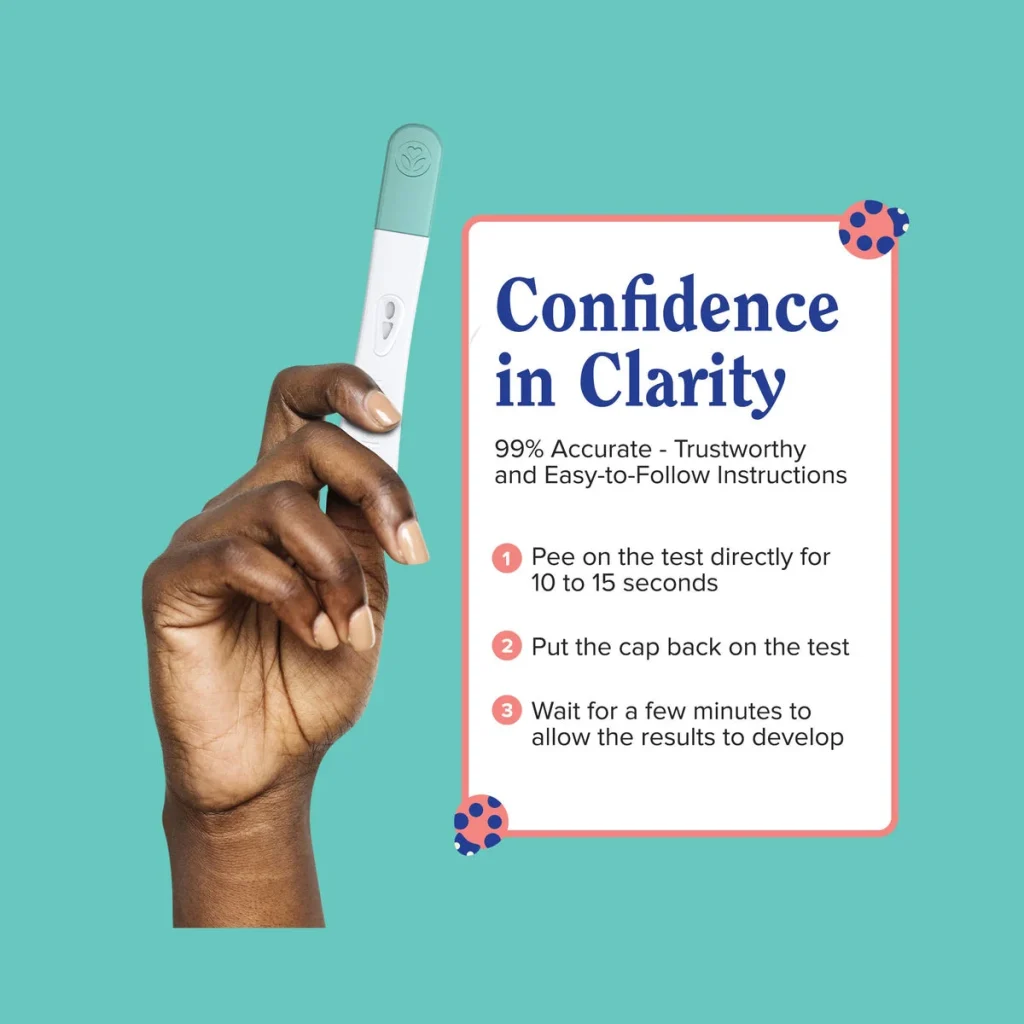
    hand holding a pregnancy test with instructions on a colorful background

    Practices for Reducing Stress and Improving Mental Health

    What we eat can also affect our mental health. A diet rich in whole, unprocessed foods has been linked to improved mental well-being. On the other hand, consuming a lot of processed and sugary foods can contribute to feelings of stress and anxiety. Eating a balanced and nutritious diet can help regulate our mood and energy levels, leading to better mental health.

    5. Connect with Others

    Having a strong support system is crucial for reducing stress and promoting mental wellness. Make an effort to connect with friends and family regularly, whether it’s through in-person meetings or virtual catch-ups. Talking to someone about our worries and problems can help us feel less alone and provide us with different perspectives and solutions.

    6. Set Boundaries

    Setting boundaries is essential for our mental health. It is okay to say no to things that we don’t want to do or feel overwhelmed by. By setting boundaries, we can avoid taking on too much and feeling stressed. It also allows us to prioritize our well-being and focus on activities that bring us joy and peace.

    7. Practice Self-Care

    Self-care is more than just bubble baths and face masks. It’s about taking care of ourselves physically, mentally, and emotionally. This could mean different things to different people, such as taking a walk in nature, reading a book, or listening to music. Find activities that make you feel relaxed and rejuvenated, and make time for them regularly.

    8. Seek Professional Help

    If you are struggling with stress and mental health issues, it’s essential to seek professional help. Therapy can provide a safe and non-judgmental space for you to talk about your feelings and learn coping mechanisms for managing stress. It is also essential to consult a doctor if you are experiencing symptoms such as prolonged sadness, anxiety, or changes in appetite or sleep patterns.

    In summary, stress is a common part of life, but there are ways to manage it and improve our mental health. Regular exercise, mindfulness, sleep, a healthy diet, social connections, setting boundaries, and self-care are all effective practices for reducing stress and promoting mental wellness. It’s also essential to seek professional help if needed. By incorporating these practices into our daily lives, we can take control of our stress levels and improve our overall well-being.

  • Practices for Increasing Self-Love and Improving Mental Health

    Blog Post Title: Practices for Increasing Self-Love and Improving Mental Health

    Self-love is a concept that is often overlooked in our busy lives. We are constantly bombarded with messages about what we should look like, how we should act, and what we should achieve. This can lead to feelings of self-doubt, low self-esteem, and even mental health issues such as anxiety and depression. However, by practicing self-love, we can improve our mental health and overall well-being. In this blog post, we will discuss some simple yet effective practices for increasing self-love and improving mental health.

    1. Practice Positive Self-Talk
    The way we talk to ourselves has a significant impact on our self-esteem and overall mental health. Negative self-talk can be damaging and can lead to a cycle of self-doubt and low self-worth. To combat this, we need to practice positive self-talk. Instead of focusing on our flaws and mistakes, we should focus on our strengths and accomplishments. This can be done by creating a list of positive affirmations and repeating them to ourselves daily. It may feel uncomfortable at first, but over time, we will start to believe these positive thoughts about ourselves.

    2. Set Boundaries
    Setting boundaries is an essential practice for self-love and mental health. Many of us struggle with saying no and feel obligated to please others at the expense of our own well-being. However, setting boundaries is necessary to protect our mental health and show self-respect. This can include saying no to things that do not align with our values or make us feel uncomfortable. It is also essential to set boundaries in relationships and not allow others to treat us poorly. By setting boundaries, we are showing ourselves that we deserve to be treated with love and respect.

    3. Engage in Self-Care Activities
    Self-care is not selfish; it is necessary for our mental and emotional well-being. Engaging in activities that bring us joy and relaxation is an act of self-love. This can include taking a bubble bath, going for a walk in nature, reading a book, or practicing yoga. It is essential to make time for self-care regularly and not feel guilty about it. By taking care of ourselves, we are showing ourselves that we are worthy of love and care.

    hand holding a pregnancy test with instructions on a colorful background

    Practices for Increasing Self-Love and Improving Mental Health

    4. Surround Yourself with Positive People
    The people we surround ourselves with can have a significant impact on our self-esteem and mental health. Negative and toxic people can bring us down and make us doubt ourselves. On the other hand, positive and supportive people can lift us up and make us feel good about ourselves. It is essential to surround ourselves with people who genuinely care about us and support us in our journey of self-love. This may mean letting go of toxic relationships and making new connections with like-minded individuals.

    5. Practice Gratitude
    Practicing gratitude is a powerful tool for increasing self-love and improving mental health. It is easy to get caught up in what we don’t have or what is not going well in our lives. However, by focusing on what we are grateful for, we can shift our perspective and appreciate the good things in our lives. This can be done by creating a gratitude journal and writing down a few things we are thankful for each day. This simple practice can help us cultivate a more positive mindset and increase our self-love.

    6. Learn to Forgive Yourself
    We all make mistakes, and it is essential to learn to forgive ourselves for them. Holding onto guilt and shame can be damaging to our self-esteem and mental health. Instead, we need to practice self-forgiveness and understand that we are human and will make mistakes. We can learn from these mistakes and use them as opportunities for growth and self-improvement. By forgiving ourselves, we are showing ourselves compassion and love.

    7. Seek Professional Help
    If we are struggling with low self-esteem or mental health issues, seeking professional help is crucial. Therapy can provide us with the tools and support we need to work through our issues and develop a more positive relationship with ourselves. It takes courage to ask for help, but it is a powerful step towards self-love and better mental health.

    In conclusion, practicing self-love is essential for our mental health and overall well-being. By incorporating these simple practices into our daily lives, we can increase our self-esteem, cultivate a more positive mindset, and improve our relationships with ourselves and others. Remember, self-love is not a destination, but a journey that requires continuous effort and practice. Let us all make a commitment to love and care for ourselves to live happier and healthier lives.

    Summary:
    In this blog post, we discussed seven practices for increasing self-love and improving mental health. These include positive self-talk, setting boundaries, engaging in self-care, surrounding yourself with positive people, practicing gratitude, learning to forgive yourself, and seeking professional help. By incorporating these practices into our daily lives, we can cultivate a more positive relationship with ourselves, increase self-esteem, and improve our overall well-being.

  • Daily Habits for Better Mental Health and Emotional Well-Being

    Blog Post:

    Mental health and emotional well-being are crucial aspects of our overall health. They affect how we think, feel, and behave, and they can greatly impact our daily lives. In today’s fast-paced and stressful world, it’s more important than ever to prioritize our mental health and take care of our emotional well-being. Fortunately, there are simple daily habits that we can incorporate into our routines to improve our mental health and emotional well-being. In this blog post, we will discuss some of these habits and how they can positively impact our lives.

    1. Practice Mindfulness

    Mindfulness is the practice of being present and aware of our thoughts, feelings, and surroundings without judgment. It helps us to slow down and pay attention to the present moment, rather than dwelling on the past or worrying about the future. By incorporating mindfulness into our daily routine, we can reduce stress and anxiety, improve our focus and concentration, and increase our self-awareness.

    There are many ways to practice mindfulness, such as meditation, deep breathing exercises, or simply taking a few moments to observe our surroundings and tune into our senses. It’s important to find a method that works for you and make it a daily habit to reap the full benefits of mindfulness.

    2. Get Enough Sleep

    Getting enough quality sleep is crucial for our mental health and emotional well-being. Lack of sleep can lead to irritability, mood swings, and difficulty concentrating, which can impact our overall well-being. On the other hand, getting enough sleep can improve our mood, reduce stress and anxiety, and increase our ability to handle daily challenges.

    To improve your sleep, establish a bedtime routine and stick to it. Avoid using electronic devices before bedtime, as the blue light can interfere with our sleep. Also, make sure your bedroom is dark, quiet, and comfortable for a good night’s rest.

    3. Exercise Regularly

    Regular exercise not only benefits our physical health but also has a positive impact on our mental health and emotional well-being. Exercise can help to reduce stress and anxiety, improve our mood, and boost our self-esteem. It also releases endorphins, which are chemicals that make us feel good and can reduce the symptoms of depression.

    Incorporating exercise into our daily routine doesn’t have to be complicated. It can be as simple as taking a walk or doing some stretching exercises at home. Find an activity that you enjoy and make it a regular part of your day.

    4. Connect with Others

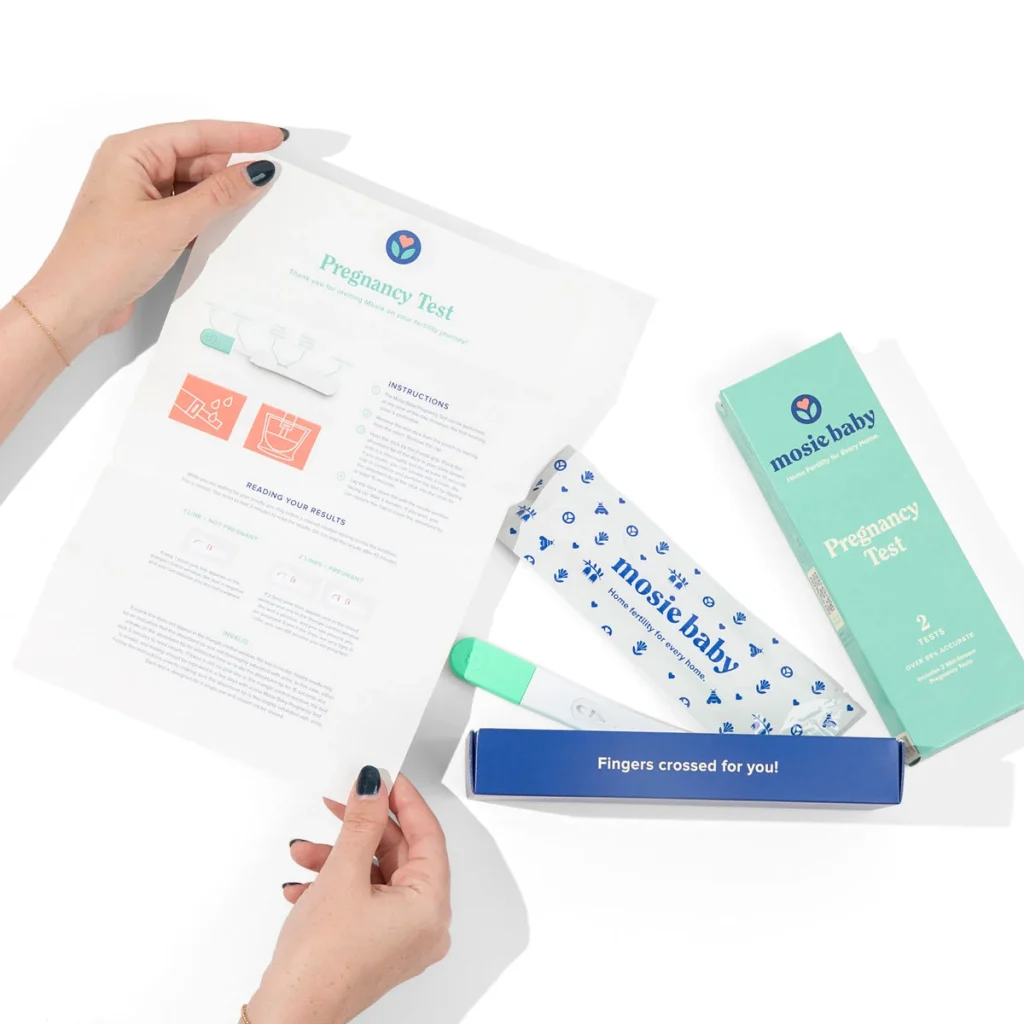
    pregnancy test kit with instructions, test device, and packaging on a white background

    Daily Habits for Better Mental Health and Emotional Well-Being

    Social connections are essential for our mental health and emotional well-being. Humans are social beings, and we thrive when we have meaningful connections with others. Spending time with friends and family, joining a community group, or volunteering are all ways to connect with others and boost our mental health.

    In today’s digital age, it’s also important to disconnect from social media and technology and have face-to-face interactions with others. These connections can provide us with a sense of belonging and support, which are crucial for our well-being.

    5. Practice Gratitude

    Practicing gratitude involves acknowledging and appreciating the good things in our lives. It can help us to shift our focus from the negative to the positive and cultivate a more positive mindset. By regularly practicing gratitude, we can reduce stress and improve our overall well-being.

    One simple way to practice gratitude is to keep a gratitude journal and write down a few things we are thankful for each day. Another way is to express gratitude to others through words or actions, which can also strengthen our relationships and connections.

    6. Set Realistic Goals

    Setting realistic goals and working towards achieving them can provide us with a sense of purpose and accomplishment, which can have a positive impact on our mental health. However, it’s important to set goals that are achievable and not put too much pressure on ourselves. Unrealistic goals can lead to disappointment and negative self-talk, which can harm our mental well-being.

    Make a plan and break down your goals into smaller, manageable tasks. Celebrate your progress and be kind to yourself if you encounter setbacks along the way.

    7. Seek Professional Help

    If you’re struggling with your mental health and emotional well-being, don’t hesitate to seek professional help. Just like we go to a doctor when we have a physical ailment, it’s important to seek help from a therapist or counselor when we’re struggling mentally. They can provide us with the tools and support we need to improve our mental health and well-being.

    In conclusion, our daily habits play a significant role in our mental health and emotional well-being. By incorporating these simple habits into our routines, we can improve our overall well-being and live a happier, more fulfilling life.

    Summary:

    In today’s fast-paced and stressful world, it’s crucial to prioritize our mental health and emotional well-being. Simple daily habits such as practicing mindfulness, getting enough sleep, exercising regularly, connecting with others, and practicing gratitude can have a positive impact on our well-being. It’s also important to set realistic goals, seek professional help when needed, and disconnect from technology to have face-to-face interactions. By incorporating these habits into our daily routine, we can improve our overall well-being and lead happier, more fulfilling lives.

  • Practices for Overcoming Burnout and Boosting Mental Wellness

    Blog Post: Practices for Overcoming Burnout and Boosting Mental Wellness

    In today’s fast-paced and demanding world, burnout has become a common occurrence. Burnout is a state of emotional, physical, and mental exhaustion caused by prolonged stress and overwork. It can lead to a decrease in productivity, motivation, and overall well-being. Fortunately, there are various practices that can help individuals overcome burnout and boost their mental wellness. In this blog post, we will discuss some effective practices for overcoming burnout and maintaining mental wellness.

    1. Recognize the Signs of Burnout

    The first step in overcoming burnout is to recognize the signs and symptoms. Some common signs of burnout include feeling exhausted and drained, losing interest in work or activities that used to bring joy, and experiencing physical symptoms such as headaches and stomach issues. It is essential to pay attention to these signs and identify the root cause of burnout.

    2. Practice Self-Care

    Self-care is crucial for maintaining mental wellness and preventing burnout. It involves taking care of your physical, emotional, and mental well-being. Some self-care practices include getting enough sleep, eating a balanced diet, exercising regularly, and engaging in activities that bring joy and relaxation. It is vital to prioritize self-care and make time for it in your daily routine.

    3. Set Boundaries

    One of the main causes of burnout is overworking and not setting boundaries. It is essential to set clear and realistic boundaries for your work and personal life. This can involve setting specific working hours, learning to say no to extra tasks or responsibilities, and taking breaks throughout the day. By setting boundaries, you can prevent burnout and maintain a healthy work-life balance.

    4. Practice Mindfulness

    Mindfulness is the practice of being present and aware of your thoughts, feelings, and surroundings. It can help reduce stress, improve focus, and increase self-awareness. Some mindfulness practices include meditation, deep breathing, and being mindful of daily activities such as eating and walking. By incorporating mindfulness into your daily routine, you can reduce burnout and enhance your overall well-being.

    5. Take Breaks and Vacations

    Taking breaks and vacations is crucial for preventing burnout. Many individuals feel guilty for taking time off, but it is essential to disconnect and recharge. Taking breaks throughout the day, such as going for a walk or doing a five-minute meditation, can help reduce stress and increase productivity. Planning and going on a vacation can also help individuals relax and recharge, leading to increased motivation and overall well-being.

    Smiling baby in a blue onesie with "made with Love" text, lying on a light blue crocheted blanket.

    Practices for Overcoming Burnout and Boosting Mental Wellness

    6. Seek Support

    It is crucial to seek support when experiencing burnout. This can include talking to a trusted friend or family member, seeking therapy or counseling, or joining a support group. Talking about your feelings and experiences can help alleviate stress and provide a different perspective on the situation. Seeking support can also help individuals feel less alone and more understood.

    7. Practice Gratitude

    Gratitude is the practice of acknowledging and appreciating the good things in life. It can help individuals shift their focus from negative to positive thoughts and improve overall well-being. Some ways to practice gratitude include keeping a gratitude journal, expressing gratitude to others, and taking a moment each day to reflect on what you are thankful for. By practicing gratitude, individuals can reduce stress and increase happiness, leading to a more positive outlook on life.

    8. Engage in Hobbies and Activities

    Engaging in hobbies and activities that bring joy and relaxation can help individuals overcome burnout. It is essential to make time for activities that you enjoy, whether it is reading, painting, or playing a sport. These activities can help reduce stress, increase happiness, and provide a break from work-related tasks.

    9. Prioritize and Delegate Tasks

    Feeling overwhelmed with work can contribute to burnout. It is crucial to prioritize tasks and delegate when possible. This can involve creating a to-do list and determining which tasks are urgent and which can wait. It is also essential to delegate tasks to others when feeling overwhelmed. By prioritizing and delegating tasks, individuals can reduce stress and focus on the most important responsibilities.

    10. Seek Professional Help if Needed

    If burnout symptoms persist or become severe, it is essential to seek professional help. Burnout can lead to more severe mental health issues if left untreated. A therapist or counselor can provide individuals with tools and techniques to overcome burnout and improve mental wellness.

    In conclusion, burnout is a common occurrence in today’s society, but it is not something that should be accepted as a part of life. By practicing self-care, setting boundaries, seeking support, and engaging in activities that bring joy and relaxation, individuals can overcome burnout and boost their mental wellness. It is essential to prioritize mental well-being and make time for self-care in daily routines. Remember, seeking help is not a sign of weakness, but a step towards a healthier and happier life.

    Summary:

    Burnout, a state of emotional, physical, and mental exhaustion caused by prolonged stress and overwork, is a common occurrence in today’s fast-paced world. However, there are various practices that individuals can incorporate into their daily routines to overcome burnout and boost their mental wellness. Some effective practices include recognizing the signs of burnout, practicing self-care, setting boundaries, practicing mindfulness, taking breaks and vacations, seeking support, practicing gratitude, engaging in hobbies and activities, prioritizing and delegating tasks, and seeking professional help if needed. By prioritizing mental well-being and incorporating these practices, individuals can overcome burnout and lead a healthier and happier life.

  • Recommended Practices for Overcoming Depression and Anxiety

    Blog post:

    Depression and anxiety are two of the most common mental health issues that millions of people face every day. While they may seem like separate conditions, they often go hand in hand and can greatly impact a person’s daily life. According to the World Health Organization, over 264 million people globally suffer from depression, and anxiety disorders are the most common mental health condition in the United States, affecting over 40 million adults.

    Dealing with depression and anxiety can be a challenging and overwhelming experience, but it is essential to remember that there is hope. With the right tools and practices, it is possible to overcome these conditions and live a fulfilling life. In this blog post, we will discuss some recommended practices for overcoming depression and anxiety.

    1. Seek Professional Help

    The first and most crucial step in overcoming depression and anxiety is seeking professional help. Many people try to deal with these issues on their own, but it is essential to understand that mental health conditions require proper treatment. A trained therapist or counselor can provide you with the necessary tools and support to manage your symptoms and work through any underlying issues.

    2. Practice Mindfulness

    Mindfulness is the practice of being present and aware of your thoughts, feelings, and surroundings. It can be an effective tool in managing depression and anxiety. By practicing mindfulness, you can learn to observe your thoughts without judgment and let them go. It can also help you cope with stress and difficult emotions. You can practice mindfulness through meditation, yoga, or simply taking a few minutes each day to focus on your breathing.

    3. Exercise Regularly

    Regular physical activity has been proven to have a positive impact on mental health. Exercise releases endorphins, which are natural chemicals that boost mood and reduce stress and anxiety. It can also improve self-esteem and increase energy levels. Aim for at least 30 minutes of physical activity each day, whether it’s going for a walk, joining a fitness class, or doing an at-home workout.

    4. Establish a Healthy Routine

    Depression and anxiety can make it challenging to maintain a regular routine, but having a structured schedule can bring a sense of control and stability to your life. Try to establish a daily routine that includes regular sleep patterns, healthy meals, exercise, and activities that you enjoy. It can also be helpful to set achievable goals for yourself each day, such as completing a household task or spending time with a loved one.

    5. Connect with Others

    Depression and anxiety can make you feel isolated and alone, but it is crucial to remember that you are not alone. Reach out to friends and family for support, or consider joining a support group where you can connect with others who are going through similar experiences. Talking to others can provide you with a sense of belonging and understanding, and it can also help you gain new perspectives and coping strategies.

    At-home insemination kit with syringes and collection cups on a teal background.

    Recommended Practices for Overcoming Depression and Anxiety

    6. Practice Self-Care

    Self-care is essential for maintaining good mental health. It involves taking care of yourself physically, emotionally, and mentally. Make time for activities that bring you joy and relaxation, such as reading, listening to music, or taking a bath. It is also essential to prioritize your needs and set boundaries to prevent burnout. Remember that self-care looks different for everyone, so find what works for you and make it a regular part of your routine.

    7. Challenge Negative Thoughts

    Depression and anxiety can cause negative thoughts and beliefs, which can be challenging to overcome. However, it is essential to challenge these thoughts and replace them with more positive and realistic ones. Keep a journal and write down any negative thoughts you have throughout the day. Then, try to come up with more balanced and positive alternatives. It may take time, but with practice, you can learn to reframe your thinking and develop a more positive outlook.

    8. Consider Medication

    In some cases, medication may be necessary to manage severe symptoms of depression and anxiety. It is essential to consult with a psychiatrist or doctor who can provide you with the right medication and monitor your progress. It is also crucial to remember that medication is not a cure but can be a helpful tool in combination with therapy and other self-care practices.

    9. Be Patient with Yourself

    Recovering from depression and anxiety takes time and patience. There will be good days and bad days, but it is essential to be kind and understanding to yourself throughout the process. Don’t get discouraged if progress seems slow, and remember that it is okay to ask for help when you need it.

    10. Focus on the Present

    Dealing with depression and anxiety can often cause us to dwell on the past or worry about the future. However, it is crucial to focus on the present moment and take things one day at a time. Practice gratitude by acknowledging the good things in your life, no matter how small they may seem. By focusing on the present, you can learn to let go of negative thoughts and find joy in the moment.

    In conclusion, overcoming depression and anxiety is a journey that requires patience, perseverance, and support. By seeking professional help, practicing mindfulness, exercising regularly, establishing a healthy routine, connecting with others, practicing self-care, challenging negative thoughts, considering medication, and being patient with yourself, you can learn to manage your symptoms and live a fulfilling life. Remember that everyone’s journey is unique, so find what works for you and don’t be afraid to ask for help when you need it.

    Summary:

    Depression and anxiety are common mental health conditions that can significantly impact a person’s daily life. To overcome these conditions, it is crucial to seek professional help, practice mindfulness, exercise regularly, establish a healthy routine, connect with others, practice self-care, challenge negative thoughts, consider medication, and be patient with yourself. By incorporating these recommended practices, you can learn to manage your symptoms and live a fulfilling life.

  • Strategies for Maintaining Good Mental Health

    Blog Post: Strategies for Maintaining Good Mental Health

    Mental health is just as important as physical health, yet it is often overlooked and not given the attention it deserves. In today’s fast-paced world, it is easy to get caught up in the daily hustle and neglect our mental well-being. However, taking care of our mental health is crucial for our overall well-being and happiness. In this blog post, we will discuss some effective strategies for maintaining good mental health.

    1. Practice Self-Care

    Self-care is the act of taking care of oneself physically, emotionally, and mentally. It involves making time for activities that bring joy, relaxation, and peace. It can be anything from taking a warm bath, going for a walk in nature, or indulging in a hobby. Self-care is essential for recharging and rejuvenating our bodies and minds, helping us to cope with stress and maintain good mental health.

    2. Exercise Regularly

    Exercise has numerous benefits for both physical and mental health. It releases endorphins, which are chemicals in the brain that act as natural painkillers and boost our mood. Regular exercise can also reduce symptoms of anxiety and depression, improve sleep, and increase self-esteem. It doesn’t have to be a strenuous workout; even a 30-minute walk can have significant benefits for our mental health.

    3. Connect with Others

    Human beings are social creatures, and connecting with others is essential for our mental well-being. Building and maintaining healthy relationships with family, friends, and community can provide us with a sense of belonging and support. In today’s digital age, it is easy to feel isolated and disconnected, so make an effort to reach out and connect with others regularly.

    4. Practice Mindfulness

    at-home insemination kit with syringes, collection cups, and instructions on a pink background

    Strategies for Maintaining Good Mental Health

    Mindfulness is the act of being fully present and aware of our thoughts, feelings, and surroundings. It involves slowing down, focusing on our breathing, and observing our thoughts without judgment. Mindfulness has been shown to reduce stress, anxiety, and depression, and improve overall well-being. It also allows us to appreciate the present moment and not get caught up in worries about the past or future.

    5. Get Enough Sleep

    Sleep is essential for our physical and mental health. Lack of sleep can lead to increased stress, irritability, and difficulty concentrating. Aim to get at least 7-8 hours of sleep each night, and establish a regular sleep schedule. Avoid using electronic devices before bedtime, as the blue light emitted from screens can disrupt our sleep patterns.

    6. Eat a Balanced Diet

    The food we eat can have a significant impact on our mental health. Eating a balanced diet that includes fruits, vegetables, whole grains, and lean proteins can provide our brains with the necessary nutrients to function properly. Avoid excessive consumption of caffeine, alcohol, and processed foods, as they can have a negative effect on our mood and overall well-being.

    7. Seek Professional Help

    If you are struggling with your mental health, do not hesitate to seek professional help. Talking to a therapist or counselor can provide you with the support and guidance you need to overcome any mental health challenges. It is essential to remember that seeking help is a sign of strength and not weakness.

    In conclusion, maintaining good mental health requires effort and dedication, but the benefits are well worth it. By practicing self-care, exercising regularly, connecting with others, being mindful, getting enough sleep, eating a balanced diet, and seeking professional help when needed, we can take control of our mental well-being and lead happier, healthier lives.

    Summary: In this blog post, we discussed seven effective strategies for maintaining good mental health: practicing self-care, exercising regularly, connecting with others, practicing mindfulness, getting enough sleep, eating a balanced diet, and seeking professional help when needed. Taking care of our mental health is crucial for our overall well-being and happiness, and by implementing these strategies, we can lead happier, healthier lives.

  • Mind-Boosting Practices for Improved Mental Health

    Blog Post Title: Mind-Boosting Practices for Improved Mental Health

    In today’s fast-paced and stressful world, it’s important to prioritize our mental health just as much as our physical health. The mind and body are deeply connected, and taking care of one can greatly impact the other. That’s why incorporating mind-boosting practices into our daily routine is crucial for maintaining good mental health. In this blog post, we will discuss some effective practices that can help improve your mental well-being.

    1. Mindfulness Meditation
    Mindfulness meditation involves focusing on the present moment and being aware of your thoughts and feelings without judgment. This practice has been shown to reduce stress, anxiety, and depression. By practicing mindfulness, we can learn to let go of negative thoughts and emotions and cultivate a sense of inner peace and calm. To start, find a quiet and comfortable place to sit and set a timer for 5-10 minutes. Close your eyes, focus on your breath, and observe any thoughts or sensations that arise without getting attached to them. With regular practice, mindfulness meditation can have a profound impact on our mental health.

    2. Gratitude Journaling
    Gratitude is a powerful emotion that can shift our focus from what we lack to what we have. Research has shown that practicing gratitude can improve overall well-being and reduce symptoms of depression. Keeping a gratitude journal is a simple yet effective way to cultivate this positive emotion. Take a few minutes each day to write down things you are grateful for, whether it’s big or small. By doing so, we train our minds to focus on the good in our lives and appreciate the present moment.

    3. Engage in Physical Activity
    Exercise is not just beneficial for our physical health, but it also has a positive impact on our mental well-being. Regular physical activity has been linked to reduced stress, anxiety, and depression. It releases feel-good hormones such as endorphins and serotonin, which can improve our mood and reduce symptoms of mental health disorders. Find an activity that you enjoy, whether it’s going for a walk, dancing, or practicing yoga, and make it a part of your daily routine.

    Mosie Baby Kit features a syringe and container, highlighting safety and usability tests on a blue background.

    Mind-Boosting Practices for Improved Mental Health

    4. Connect with Nature
    Spending time in nature has been proven to have a calming effect on our minds. It can reduce stress, improve mood, and increase feelings of happiness and well-being. Take a break from technology and go for a walk in the park, hike in the mountains, or simply sit and observe the beauty of nature. Connecting with nature allows us to slow down, be present, and appreciate the world around us.

    5. Practice Self-Care
    Self-care is essential for maintaining good mental health. It involves taking care of our physical, emotional, and mental needs. This can include getting enough sleep, eating a balanced diet, setting boundaries, and engaging in activities that bring joy and fulfillment. Self-care looks different for everyone, so it’s important to find what works best for you and make it a priority in your daily life.

    6. Learn Something New
    Learning new skills or taking up a new hobby can have a positive impact on our mental health. It can boost our self-esteem, increase our sense of accomplishment, and provide a sense of purpose and fulfillment. Whether it’s learning a new language, playing an instrument, or taking a cooking class, challenging ourselves to learn something new can also improve cognitive function and memory.

    7. Seek Professional Help
    If you’re struggling with your mental health, don’t hesitate to seek professional help. Therapy can provide a safe and non-judgmental space to talk about your thoughts and feelings and work towards improving your mental well-being. It’s important to remember that seeking help is a sign of strength, and there is no shame in reaching out for support.

    In conclusion, taking care of our mental health is crucial for living a fulfilling and happy life. By incorporating these mind-boosting practices into our daily routine, we can improve our overall well-being and build resilience to cope with life’s challenges. Remember to be patient and kind to yourself, and don’t hesitate to seek help if you need it.

    Summary: In this blog post, we discussed seven mind-boosting practices for improved mental health. These practices include mindfulness meditation, gratitude journaling, physical activity, connecting with nature, self-care, learning something new, and seeking professional help. By incorporating these practices into our daily routine, we can reduce stress, anxiety, and depression, and improve our overall well-being.

  • Self-Care Practices for a Stronger Mind and Better Mental Health

    Self-care is not just about pampering yourself or taking a bubble bath after a long day. It is a crucial practice that helps in maintaining a healthy mind and better mental health. In today’s fast-paced world, where stress and anxiety are common, it is essential to prioritize self-care to avoid burnout and improve overall well-being. In this blog post, we will discuss various self-care practices that can help strengthen your mind and promote better mental health.

    1. Practice Mindfulness
    Mindfulness is the act of being present in the moment and paying attention to your thoughts, feelings, and surroundings without judgment. It is an effective self-care practice that can help reduce stress and anxiety, improve focus and concentration, and promote overall well-being. To practice mindfulness, find a quiet place, sit comfortably, and focus on your breath. Whenever your mind wanders, gently bring it back to your breath. You can also try guided meditations or mindfulness apps to help you stay focused.

    2. Get Enough Sleep
    Getting enough quality sleep is crucial for both physical and mental health. Lack of sleep can lead to irritability, mood swings, and difficulty concentrating. It can also increase the risk of developing mental health issues such as depression and anxiety. Make sure to prioritize getting at least 7-8 hours of sleep each night. Create a relaxing bedtime routine, avoid screen time before bed, and try to go to bed and wake up at the same time each day to establish a healthy sleep schedule.

    3. Engage in Physical Activity
    Regular physical activity is not only beneficial for physical health but also for mental well-being. Exercise releases endorphins, also known as “feel-good” hormones, which can boost mood and reduce stress and anxiety. It can also increase self-confidence and improve sleep quality. Find an activity that you enjoy, whether it’s going for a walk, dancing, or playing a sport. Aim for at least 30 minutes of physical activity every day.

    4. Eat a Balanced and Nutritious Diet
    What we eat can also have a significant impact on our mental health. Eating a balanced and nutritious diet can provide our bodies and minds with the necessary nutrients to function properly. Avoid processed and sugary foods, and instead, focus on whole foods such as fruits, vegetables, lean proteins, and healthy fats. Eating mindfully and paying attention to hunger and fullness cues can also help promote a healthy relationship with food.

    guide and materials for using Mosie Baby fertility kit on a textured surface

    Self-Care Practices for a Stronger Mind and Better Mental Health

    5. Spend Time in Nature
    Spending time in nature has numerous benefits for mental health. It can help reduce stress, improve mood, and increase feelings of happiness and well-being. Take a walk in a park, go for a hike, or simply sit outside and enjoy the fresh air and natural surroundings. Disconnect from technology and take in the sights, sounds, and scents of nature to help calm your mind and improve mental clarity.

    6. Connect with Others
    Human connection is essential for our well-being. Spending time with friends and family, or even just having a meaningful conversation with someone can boost mood and reduce feelings of loneliness and isolation. Make an effort to maintain and strengthen relationships with loved ones. You can also join a support group or volunteer for a cause you care about to connect with like-minded individuals.

    7. Set Boundaries and Learn to Say No
    Setting boundaries and learning to say no is an important aspect of self-care. It is crucial to prioritize your own needs and not overextend yourself. Saying yes to everything can lead to burnout and increased stress levels. It is okay to say no to things that do not align with your values or that you do not have the time or energy for. Practice assertiveness and communicate your boundaries effectively.

    8. Engage in Activities You Enjoy
    Make time for activities that bring you joy and help you relax. Whether it’s reading, painting, cooking, or playing an instrument, engaging in hobbies and interests can help reduce stress and promote creativity. Set aside some time each day or week to do something you enjoy, and make it a priority in your self-care routine.

    9. Seek Professional Help When Needed
    If you are struggling with your mental health, do not hesitate to seek professional help. Therapy can provide a safe and non-judgmental space to work through any issues and develop coping mechanisms. It is essential to prioritize your mental health and seek help if you need it.

    In conclusion, self-care is not a luxury; it is a necessity for maintaining a healthy mind and promoting better mental health. Incorporating these self-care practices into your daily routine can help you feel more balanced, reduce stress and anxiety, and improve overall well-being. Remember to prioritize your needs and make self-care a regular part of your life.

  • Daily Habits for Improved Mental Health

    As the old saying goes, “healthy mind, healthy body.” But in today’s fast-paced world, it can be easy to neglect our mental health. We often prioritize physical health, but neglecting our mental well-being can have serious consequences. That’s why it’s important to incorporate daily habits that promote mental health. In this blog post, we will discuss some simple yet effective daily habits that can improve your mental health and help you lead a happier and more fulfilling life.

    1. Practice Mindfulness
    Mindfulness is the act of being fully present in the moment and aware of your thoughts and feelings without judgment. By practicing mindfulness, you can reduce stress and anxiety, improve focus and productivity, and increase overall well-being. One simple way to practice mindfulness is through meditation. Take a few minutes each day to sit in a quiet place and focus on your breath. This will help you become more aware of your thoughts and let them pass without getting caught up in them.

    2. Get Enough Sleep
    It’s no secret that lack of sleep can have a negative impact on our mental health. Getting enough sleep is crucial for our brains to function properly and to regulate our emotions. Make sure to prioritize getting 7-9 hours of sleep each night. Create a bedtime routine to help you wind down and relax before going to bed. This can include turning off electronics, reading a book, or doing a calming activity like yoga or stretching.

    3. Exercise Regularly
    Exercise not only benefits our physical health but also has a positive impact on our mental health. It releases endorphins, which are chemicals in our brains that boost our mood and reduce stress and anxiety. Find an exercise routine that you enjoy, whether it’s going for a walk, practicing yoga, or playing a sport. Aim for at least 30 minutes of physical activity each day.

    4. Connect with Others
    Human connection is essential for our mental well-being. Make an effort to connect with friends, family, and loved ones on a regular basis. This can be through phone calls, video chats, or in-person meetings. Join a club or group that shares your interests, volunteer in your community, or attend social events to meet new people and build meaningful connections.

    Smiling baby in a blue onesie with "made with Love" text, lying on a light blue crocheted blanket.

    Daily Habits for Improved Mental Health

    5. Eat a Healthy Diet
    The food we eat can directly impact our mental health. A diet rich in whole foods, fruits, and vegetables can provide our brains with the nutrients it needs to function properly. Avoid processed and sugary foods, which can cause mood swings and energy crashes. Make sure to also drink plenty of water to stay hydrated, as dehydration can affect our mood and cognitive function.

    6. Take Breaks and Practice Self-Care
    In today’s busy world, it’s important to take breaks and prioritize self-care. Set aside time each day to do something for yourself, whether it’s reading a book, taking a bath, or doing a hobby you enjoy. Taking breaks and practicing self-care can help reduce stress, improve focus, and boost overall well-being.

    7. Write in a Journal
    Journaling is a great way to express and process our thoughts and feelings. It can also help us identify patterns and triggers for our emotions. Take a few minutes each day to write down your thoughts, feelings, and any events that may have affected your mood. This can help you gain a better understanding of yourself and your mental state.

    8. Seek Professional Help if Needed
    If you are struggling with your mental health, it’s important to seek professional help. There is no shame in asking for support and guidance. A therapist or counselor can provide valuable tools and techniques to help you improve your mental health.

    In summary, incorporating these simple daily habits can have a significant impact on your mental health. By practicing mindfulness, getting enough sleep, exercising regularly, connecting with others, eating a healthy diet, taking breaks, journaling, and seeking professional help when needed, you can improve your mental well-being and lead a happier and more fulfilling life.

  • Proven Mental Health Practices Recommended by Experts

    Blog Post: Proven Mental Health Practices Recommended by Experts

    Mental health has become an increasingly important topic in recent years, as more and more people are opening up about their struggles and seeking help. In fact, according to the World Health Organization, one in four people worldwide will experience a mental health issue at some point in their lives. With this statistic in mind, it’s crucial to prioritize our mental well-being and seek out proven practices that can help us maintain a healthy mind.

    In this blog post, we will discuss some of the top mental health practices recommended by experts. These practices have been proven to be effective in promoting mental wellness and can be incorporated into our daily lives to improve our overall well-being.

    1. Practice Mindfulness

    Mindfulness is the practice of being fully present in the moment, without judgment or distraction. It involves paying attention to your thoughts, feelings, and surroundings, and accepting them without trying to change or control them. This practice has been shown to reduce stress, anxiety, and depression, and improve overall mental well-being.

    To incorporate mindfulness into your daily routine, you can try activities such as meditation, yoga, or simply taking a few minutes each day to focus on your breath and the present moment. It’s essential to set aside time for mindfulness, especially when life gets busy and overwhelming.

    2. Get Regular Exercise

    Regular exercise is not only good for our physical health but also has significant benefits for our mental health. Exercise releases endorphins, which are chemicals in our brain that promote feelings of happiness and reduce stress. It can also help improve sleep, boost self-esteem, and reduce symptoms of anxiety and depression.

    Experts recommend getting at least 30 minutes of moderate to intense physical activity per day. This can include activities such as running, swimming, dancing, or even taking a brisk walk. Find an exercise routine that you enjoy and make it a regular part of your week.

    3. Prioritize Quality Sleep

    Sleep plays a crucial role in our mental health. It allows our bodies and minds to rest and recharge, and lack of sleep can lead to increased stress, anxiety, and depression. On the other hand, getting enough quality sleep can help improve our mood, energy levels, and overall mental well-being.

    Mosie Baby Kit with a syringe and container, highlighting safety and usability features on a blue background.

    Proven Mental Health Practices Recommended by Experts

    To ensure a good night’s sleep, it’s essential to establish a consistent sleep routine. This includes going to bed and waking up at the same time each day, avoiding screens and stimulating activities before bedtime, and creating a comfortable sleep environment.

    4. Connect with Others

    Human connection is vital for our mental health. Studies have shown that having strong relationships with friends, family, and community can help reduce the risk of mental health issues and promote resilience. It’s essential to make an effort to connect with others, especially during times of stress or isolation.

    This can include joining a club or group with similar interests, volunteering in your community, or simply reaching out to friends and family for support. Even small acts of kindness, such as a phone call or text, can help strengthen our relationships and improve our mental well-being.

    5. Seek Professional Help

    If you’re struggling with your mental health, it’s essential to seek professional help. Mental health professionals, such as therapists and counselors, are trained to provide support and guidance in managing mental health issues. They can also offer strategies and tools to help improve your mental well-being.

    There is no shame in seeking help for mental health concerns, and it’s vital to remember that asking for help is a sign of strength. If you’re not sure where to start, talk to your primary care physician, or reach out to a mental health hotline for guidance and resources.

    Conclusion

    In conclusion, our mental health is just as important as our physical health, and it’s crucial to prioritize it in our daily lives. By practicing mindfulness, getting regular exercise, prioritizing quality sleep, connecting with others, and seeking professional help when needed, we can promote and maintain our mental well-being.

    Remember, everyone’s journey to mental wellness is unique, and what works for one person may not work for another. It’s important to find the practices that work best for you and make them a regular part of your routine. By incorporating these proven mental health practices into our lives, we can improve our overall well-being and live happier, healthier lives.

    Summary:

    Mental health is a crucial aspect of our overall well-being, and it’s essential to prioritize it in our daily lives. In this blog post, we discussed five proven mental health practices recommended by experts: practicing mindfulness, getting regular exercise, prioritizing quality sleep, connecting with others, and seeking professional help. Each of these practices has been shown to improve mental well-being and can be incorporated into our daily routine for maximum benefits.