Tag: puberty

  • How to Use Cervical Mucus to Identify and Address Hormonal Imbalances in Teens

    Blog Post:

    As teens go through puberty, their bodies undergo many changes, including fluctuations in hormones. Hormonal imbalances can be common during this time, and they can cause a range of symptoms, from irregular periods to mood swings and acne. One often overlooked yet crucial indicator of hormonal imbalance in teens is cervical mucus. By paying attention to the quality and quantity of cervical mucus, teens can not only identify potential imbalances but also take steps to address them. In this blog post, we will discuss how to use cervical mucus to identify and address hormonal imbalances in teens.

    What is Cervical Mucus?

    Cervical mucus is a fluid produced by the cervix, the narrow passage that connects the vagina and the uterus. The amount and consistency of cervical mucus changes throughout a woman’s menstrual cycle, under the influence of hormones. It serves various purposes, including protecting the reproductive organs, facilitating sperm transport, and providing nourishment for sperm. Cervical mucus also plays a crucial role in fertility, as it helps sperm survive and reach the egg.

    How Does Cervical Mucus Change During a Teen’s Menstrual Cycle?

    During puberty, a teen’s menstrual cycle may not be regular or consistent. This can make it challenging to track changes in cervical mucus. However, the general pattern of cervical mucus changes remains the same. At the beginning of the menstrual cycle, just after a period, cervical mucus is minimal, thick, and sticky. As the cycle progresses, the mucus becomes more abundant, thinner, and more slippery, resembling the texture of raw egg whites. This type of cervical mucus is known as “fertile” mucus, as it indicates that ovulation is approaching, and the body is preparing for pregnancy. After ovulation, the mucus becomes thicker and less abundant, eventually leading to the start of the next cycle.

    Using Cervical Mucus to Identify Hormonal Imbalances

    By monitoring the changes in cervical mucus throughout their menstrual cycle, teens can identify potential hormonal imbalances. For example, if a teen consistently notices that their cervical mucus is thick and sticky, even during the fertile window, it could be a sign of low estrogen levels. On the other hand, if a teen does not produce fertile mucus at all, it could be a sign of anovulation (lack of ovulation), which could be due to high levels of testosterone. Similarly, if a teen notices a sudden change in the amount or consistency of their cervical mucus, it could be a sign of a hormonal imbalance.

    Addressing Hormonal Imbalances in Teens

    Hands holding a syringe and a small container against a blue background.

    How to Use Cervical Mucus to Identify and Address Hormonal Imbalances in Teens

    Once a teen has identified a potential hormonal imbalance through cervical mucus monitoring, the next step is to address it. It is essential to note that hormonal imbalances in teens are often temporary and can be resolved with lifestyle changes. Here are some steps teens can take to address hormonal imbalances:

    1. Eat a balanced and nutritious diet: A diet rich in whole foods, fruits, vegetables, and healthy fats can help regulate hormones and promote overall health.

    2. Exercise regularly: Regular physical activity can help balance hormones and reduce stress, which can contribute to hormonal imbalances.

    3. Get enough sleep: Adequate sleep is crucial for hormone regulation. Teens should aim for 8-10 hours of sleep per night.

    4. Manage stress: Chronic stress can disrupt hormone production and lead to imbalances. Encourage teens to find healthy ways to manage stress, such as practicing yoga, meditation, or talking to a therapist.

    5. Consult a healthcare provider: If a teen’s cervical mucus monitoring indicates a potential hormonal imbalance, it is essential to consult a healthcare provider. They can conduct further testing and provide appropriate treatment, such as hormonal birth control or supplements.

    In conclusion, cervical mucus can be a useful tool for teens to identify and address hormonal imbalances. By monitoring changes in cervical mucus and making lifestyle changes, teens can promote hormonal balance and overall well-being. However, if hormonal imbalances persist, it is essential to seek medical advice to prevent potential health complications.

    Summary:

    Puberty can bring about hormonal imbalances in teens, causing various symptoms. One often overlooked yet crucial indicator of hormonal imbalance is cervical mucus. Cervical mucus is a fluid produced by the cervix and changes throughout the menstrual cycle. By monitoring changes in cervical mucus, teens can identify potential imbalances and take steps to address them, such as eating a balanced diet, exercising regularly, getting enough sleep, managing stress, and consulting a healthcare provider if necessary.

  • Cervical Mucus Changes throughout Different Stages of Life

    Blog Post:

    Cervical mucus is a natural fluid produced by the cells in the cervix. It plays a crucial role in female reproductive health and is often used as an indicator of fertility. The consistency, texture, and volume of cervical mucus can change throughout a woman’s life, depending on various factors such as hormonal changes, age, and overall health. In this blog post, we will explore the different stages of life and how cervical mucus changes during each stage.

    Puberty:
    Puberty is the stage of life when a girl’s body goes through significant changes, preparing her for reproductive capabilities. During this stage, the cervix starts producing estrogen, which leads to the growth and development of the reproductive organs. As a result, cervical mucus starts to appear, but it may not be consistent at first. As the estrogen levels increase, the mucus becomes more abundant, thicker, and stickier. This type of mucus is called “egg white cervical mucus” (EWCM) and is a sign of ovulation. It helps sperm travel more easily through the cervix to fertilize an egg.

    Adolescence:
    Adolescence is a transitional stage between childhood and adulthood, typically starting around the ages of 11 to 14. During this stage, the body goes through various hormonal changes, including the menstrual cycle. As girls start to have their periods, they may notice changes in their cervical mucus. Before ovulation, the mucus may be thick and cloudy, but as ovulation approaches, it becomes clearer and more stretchy. This is the most fertile type of mucus, and it is essential for conception. It also helps protect the sperm from the acidic environment of the vagina, increasing their chances of survival.

    Reproductive Years:
    The reproductive years are from the onset of menstruation until menopause. During this stage, a woman’s body goes through monthly hormonal fluctuations, leading to changes in cervical mucus. As a woman approaches ovulation, the mucus becomes more abundant, watery, and slippery, resembling raw egg whites. This type of mucus allows sperm to swim easily through the cervix and into the fallopian tubes to fertilize an egg. After ovulation, the mucus becomes thicker and less stretchy, acting as a barrier to prevent sperm from entering the cervix.

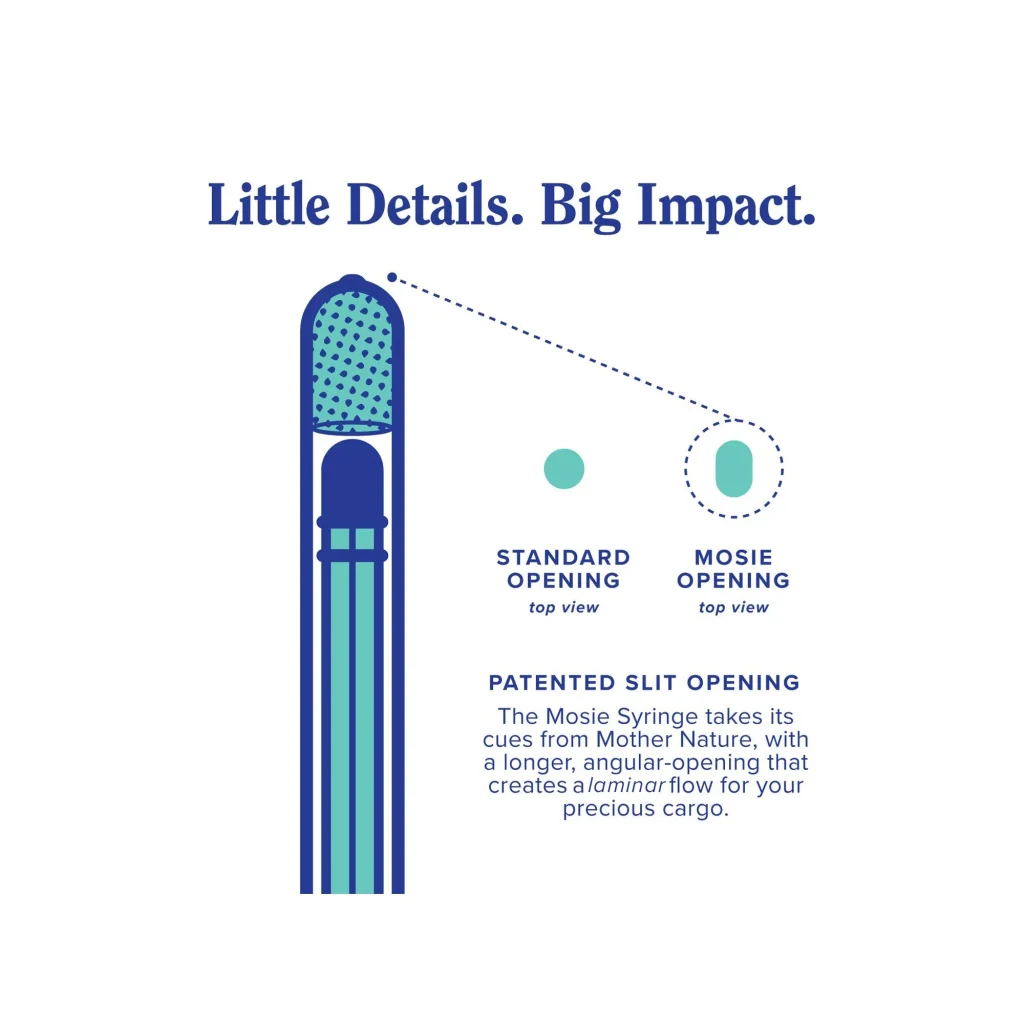
    illustration comparing standard and Mosie syringe openings with text highlighting design benefits for home insemination

    Cervical Mucus Changes throughout Different Stages of Life

    Pregnancy:
    During pregnancy, hormonal changes cause the cervix to produce a lot of mucus, forming a plug that seals the cervix and protects the growing baby. This mucus is thick, sticky, and may have a yellow or white tint to it. It also helps prevent bacteria and other harmful substances from entering the uterus and potentially harming the baby. Some women may also experience increased vaginal discharge during pregnancy, which is often normal. However, if the discharge has a foul odor or is accompanied by itching, it is essential to consult a doctor.

    Perimenopause:
    Perimenopause is the transitional phase leading up to menopause, typically starting in a woman’s late 40s or early 50s. During this stage, hormonal changes can cause irregular periods, and the production of estrogen decreases. This decrease in estrogen can cause changes in cervical mucus, leading to dryness, thinning, and a decrease in volume. As a result, some women may experience vaginal dryness and discomfort during intercourse. Using a lubricant can help alleviate these symptoms.

    Menopause:
    Menopause is the stage of life when a woman stops menstruating, usually around the age of 50. During this stage, estrogen levels drop significantly, causing the cervix to produce very little mucus. This can result in vaginal dryness, which can cause discomfort and pain during intercourse. It can also increase the risk of urinary tract infections and other vaginal infections. Using a water-based lubricant during intercourse can help ease these symptoms.

    In conclusion, cervical mucus plays a vital role in female reproductive health and changes throughout different stages of life. From puberty to menopause, hormonal fluctuations can affect the consistency, texture, and volume of cervical mucus. Understanding these changes can help women track their fertility and take necessary precautions to maintain vaginal health. If you have any concerns about your cervical mucus, it is always best to consult with your healthcare provider.

    Summary:

    Cervical mucus is a natural fluid produced by the cervix that changes throughout a woman’s life depending on various factors. During puberty, estrogen levels increase, leading to the production of cervical mucus. In adolescence, the menstrual cycle starts, and the consistency of mucus changes as ovulation approaches. During the reproductive years, estrogen levels fluctuate, causing changes in mucus that aid in conception. Pregnancy causes the cervix to produce a thick plug of mucus to protect the growing baby. In perimenopause, estrogen levels decrease, leading to dryness and vaginal discomfort, while in menopause, estrogen levels drop significantly, resulting in very little mucus production. It is essential to understand these changes and consult with a healthcare provider if there are any concerns.

  • Cervical Mucus Production at Different Stages of Life

    Blog Post: Cervical Mucus Production at Different Stages of Life

    Cervical mucus is a fluid produced by the cervix, the lower part of the uterus, and plays a vital role in a woman’s reproductive health. It helps in the transportation and nourishment of sperm, as well as provides protection against infections. The production of cervical mucus varies throughout a woman’s life, depending on different factors such as hormonal changes, age, and overall health. In this blog post, we will explore the different stages of life and how cervical mucus production changes during each stage.

    Puberty and Adolescence

    The first stage of a woman’s life is puberty, which usually occurs between the ages of 9 to 16. During this stage, the body undergoes significant hormonal changes, and the reproductive system starts to develop. As a result, cervical mucus production begins, but it may take some time for it to become regular and consistent.

    In the initial stages of puberty, cervical mucus may be thin, watery, and have a milky appearance. This type of mucus is not suitable for sperm survival and fertilization. As a girl continues to go through puberty, her cervical mucus will gradually become thicker, stretchier, and more slippery. This type of mucus is known as fertile cervical mucus, and it helps to create a suitable environment for sperm survival and transportation.

    During adolescence, cervical mucus production can also be affected by external factors such as stress, diet, and medication. Irregular menstrual cycles and hormonal imbalances can also impact the production and quality of cervical mucus during this stage.

    Reproductive Years

    The reproductive years start when a woman begins to menstruate, usually between the ages of 13 to 51. During this stage, a woman’s body is at its peak reproductive potential, and cervical mucus production is at its most fertile state.

    As a woman approaches ovulation, her cervical mucus becomes clear, stretchy, and slippery, similar to the consistency of egg whites. This type of mucus helps to create a conducive environment for sperm to survive and swim towards the egg for fertilization. The presence of fertile cervical mucus is a good indication that a woman is in her most fertile window and can increase her chances of getting pregnant.

    At-home insemination kit with ovulation and pregnancy tests, promoting fertility and family planning.

    Cervical Mucus Production at Different Stages of Life

    After ovulation, cervical mucus production decreases, and the mucus becomes thicker and stickier. This type of mucus is not suitable for sperm survival and can act as a barrier to prevent any further fertilization during the menstrual cycle.

    Pregnancy and Postpartum

    During pregnancy, cervical mucus production changes as the body prepares for childbirth. The mucus becomes thicker and forms a plug that seals the cervix to prevent any infections from entering the uterus. This plug also helps to support the growing baby and provides a protective barrier against any external factors.

    After giving birth, the cervix begins to heal, and cervical mucus production gradually returns to its pre-pregnancy state. However, it may take some time for the production to become regular and consistent, and it may also differ from woman to woman.

    Perimenopause and Menopause

    Perimenopause is the transition phase before menopause, and it usually starts in a woman’s 40s, but can also occur in her 30s. During this stage, the body begins to produce less estrogen and progesterone, leading to changes in the menstrual cycle and cervical mucus production.

    As a woman enters menopause, her body stops ovulating, and the production of cervical mucus decreases significantly. The mucus may become thicker, drier, and less stretchy, making it difficult for sperm to survive and travel towards the egg. This change in cervical mucus production is a natural part of the aging process and is a sign that a woman’s reproductive years are coming to an end.

    In conclusion, cervical mucus production varies at different stages of a woman’s life and is influenced by various factors such as hormones, age, and overall health. Understanding these changes can help women to track their reproductive health and increase their chances of conceiving if they are trying to get pregnant. It is essential to pay attention to any changes in cervical mucus production and consult a healthcare provider if there are any concerns.

    Summary:

    Cervical mucus production varies throughout a woman’s life, depending on factors such as hormonal changes, age, and overall health. During puberty and adolescence, cervical mucus gradually becomes thicker and more suitable for sperm survival. In the reproductive years, fertile cervical mucus helps with sperm transportation and increases chances of pregnancy. During pregnancy, the mucus forms a plug to protect the uterus, and after childbirth, it takes some time for production to become regular. During perimenopause and menopause, the production of cervical mucus decreases, making it difficult for sperm to survive. It is essential to track changes in cervical mucus production and consult a healthcare provider if there are any concerns.

  • Understanding the Role of Age in Cervical Mucus Production

    As women, we are often taught to pay attention to our menstrual cycles for various reasons – pregnancy, fertility, or just overall health. However, one aspect of our cycle that is often overlooked or not fully understood is the role of age in cervical mucus production. Cervical mucus, also known as cervical fluid, is a natural substance produced by the cervix that plays a crucial role in the reproductive process. In this blog post, we will dive deeper into the relationship between age and cervical mucus production, and how it can affect our overall health and fertility.

    What is Cervical Mucus?

    Before we can understand the role of age in cervical mucus production, let’s first understand what cervical mucus is and why it is important. Cervical mucus is a fluid secreted by the cervix, the lower part of the uterus that connects to the vagina. This fluid serves as a protective barrier for the reproductive system, protecting it from bacteria and other harmful substances. It also plays a vital role in the process of conception, as it helps sperm reach the egg and provides a nourishing environment for the sperm to survive.

    The Role of Age in Cervical Mucus Production

    Cervical mucus production is influenced by various factors, including hormonal changes, diet, and overall health. But one factor that can significantly affect cervical mucus production is age. As women age, their bodies go through various changes, including hormonal fluctuations, which can directly impact cervical mucus production. Let’s take a closer look at the different stages of a woman’s life and how age affects cervical mucus production.

    Puberty and Cervical Mucus Production

    During puberty, girls’ bodies go through various changes as they enter into their reproductive years. One of these changes is the production of cervical mucus. As girls hit puberty, their bodies start to produce estrogen, the hormone responsible for cervical mucus production. As a result, girls will start to see an increase in the amount of cervical mucus they produce, which is often clear and stretchy in consistency. This type of mucus is known as fertile cervical mucus and indicates that a girl’s body is preparing for potential pregnancy.

    Reproductive Years and Cervical Mucus Production

    pregnancy test kit with instructions, test device, and packaging on a white background

    Understanding the Role of Age in Cervical Mucus Production

    During a woman’s reproductive years, the amount and consistency of cervical mucus produced can vary throughout her menstrual cycle. After menstruation, the body produces little to no cervical mucus, as the cervix is closed. As a woman approaches ovulation, which occurs around day 14 of a 28-day cycle, her body starts to produce more fertile cervical mucus. This type of mucus is essential for sperm to survive and reach the egg for fertilization. After ovulation, cervical mucus production decreases, and the mucus becomes thicker and less hospitable to sperm. This change is due to a surge in progesterone, the hormone responsible for preparing the uterus for potential pregnancy.

    Perimenopause and Menopause

    As women enter their 40s and 50s, their bodies start to go through perimenopause, the transition period leading up to menopause. During this stage, hormone levels start to fluctuate, and the body produces less estrogen. As a result, cervical mucus production decreases, and the mucus may become thicker and less hospitable to sperm. This change can make it harder for women to conceive during this stage of life.

    Understanding the Changes in Cervical Mucus Production

    Now that we have a better understanding of how age can affect cervical mucus production let’s look at how these changes can impact women’s overall health and fertility. Cervical mucus plays a crucial role in the reproductive process, and any significant changes in its production can affect a woman’s fertility. For example, women in their reproductive years may experience difficulty getting pregnant if they do not produce enough fertile cervical mucus or if the mucus is too thick and not hospitable to sperm. On the other hand, women in perimenopause or menopause may experience changes in their menstrual cycle, including irregular periods, due to changes in cervical mucus production.

    Additionally, cervical mucus can also provide valuable insights into a woman’s overall health. Changes in the amount, color, or consistency of cervical mucus can indicate underlying health issues, such as hormonal imbalances, infections, or even certain health conditions. Therefore, it is essential for women of all ages to pay attention to their cervical mucus and discuss any changes with their healthcare provider.

    In Conclusion

    In conclusion, age plays a significant role in cervical mucus production. As women go through different stages of life, their bodies go through various changes that can impact the amount and quality of cervical mucus produced. Understanding these changes and how they can impact our overall health and fertility is crucial for women’s reproductive health. Whether trying to conceive or simply monitoring our overall health, paying attention to our cervical mucus is an essential aspect of understanding our bodies and taking care of ourselves.

    In summary, cervical mucus is a natural substance produced by the cervix that plays a crucial role in the reproductive process. Age can significantly affect cervical mucus production, with puberty, reproductive years, and perimenopause/menopause being the three main stages where changes are most noticeable. These changes can impact a woman’s fertility and overall health, making it essential for women of all ages to pay attention to their cervical mucus and discuss any concerns with their healthcare provider.

  • The Evolution of Cervical Mucus: How It Changes as You Age

    The Evolution of Cervical Mucus: How It Changes as You Age

    Cervical mucus, also known as cervical fluid, is a vital part of a woman’s reproductive system. It plays a crucial role in fertility, as it helps sperm to travel through the cervix and into the uterus towards the egg. But what many women may not know is that cervical mucus changes in consistency and appearance as they age. In this blog post, we will explore the evolution of cervical mucus and how it changes throughout a woman’s life.

    Puberty and Adolescence

    The journey of cervical mucus begins during puberty, when a girl’s body starts to produce hormones that prepare her for fertility. During this stage, cervical mucus is typically thick, sticky, and may have a milky or cloudy appearance. This type of mucus helps to protect the cervix from bacteria and other harmful substances.

    As a girl enters adolescence, her cervical mucus continues to change. This is when the body starts to produce estrogen, which helps to thicken the cervical mucus. The mucus also becomes more elastic and stretchy, resembling the consistency of egg whites. This type of mucus is known as “fertile mucus” and is a sign that ovulation is approaching.

    Reproductive Years

    Once a woman reaches her reproductive years, her cervical mucus continues to change in response to her menstrual cycle. Before ovulation, the cervix produces more estrogen, causing the mucus to become even more stretchy and transparent. This type of mucus is ideal for sperm to travel through and helps to nourish and protect them on their journey to the egg.

    Instructions for reading pregnancy test results with visual indicators for "Not Pregnant," "Pregnant," and "Invalid.

    The Evolution of Cervical Mucus: How It Changes as You Age

    During ovulation, cervical mucus is at its peak in terms of quantity and quality. It is clear, slippery, and has a consistency similar to raw egg whites. This type of mucus is designed to provide an optimal environment for sperm to swim through and reach the egg. It also helps to filter out weaker sperm, ensuring that only the strongest ones can make it to the egg.

    After ovulation, cervical mucus starts to change again. The body produces less estrogen and more progesterone, causing the mucus to become thicker and stickier. This type of mucus is known as “infertile mucus” as it creates a barrier that makes it difficult for sperm to travel through. This helps to prevent pregnancy from occurring during this time.

    Perimenopause and Menopause

    As a woman enters her late 30s and early 40s, her body starts to produce less estrogen, which can have an impact on cervical mucus. This can lead to a decrease in the amount of fertile mucus produced, making it more difficult for sperm to reach the egg. As a result, this may make it more challenging for women to get pregnant naturally during this stage.

    During perimenopause, which typically occurs in a woman’s late 40s, cervical mucus continues to change. Estrogen levels fluctuate, causing the mucus to become inconsistent in its appearance and quantity. Some women may experience dryness, while others may have an increase in discharge. This stage can last for several years until menopause, which marks the end of a woman’s reproductive years.

    Summary:

    Cervical mucus plays a crucial role in fertility and changes throughout a woman’s life. During puberty and adolescence, it is thick and sticky, protecting the cervix. In the reproductive years, it becomes more stretchy and transparent, aiding sperm in their journey to the egg. After ovulation, it becomes thicker and less conducive to sperm, preventing pregnancy. During perimenopause and menopause, it becomes more inconsistent and can impact fertility. Understanding these changes can help women track their fertility and plan for pregnancy.

