Tag: relationships

  • Practices for Better Relationships and Improved Mental Health

    Blog Post:

    Having strong relationships is essential for our overall well-being and mental health. When we have supportive and positive relationships, we feel happier, more supported, and more connected to others. On the other hand, unhealthy relationships can lead to stress, anxiety, and even depression. Therefore, it is important to develop practices that can help improve our relationships and ultimately, our mental health.

    In this blog post, we will discuss some practices that can help us build better relationships and improve our mental health.

    1. Effective Communication
    The foundation of any healthy relationship is effective communication. This means being able to express your thoughts and feelings openly and honestly, as well as being able to actively listen to your partner. Effective communication also involves avoiding negative communication patterns such as criticism, defensiveness, and stonewalling. Instead, try to use “I” statements to express your feelings and needs, and practice active listening by acknowledging and validating your partner’s feelings.

    2. Practice Empathy
    Empathy is the ability to understand and share the feelings of another person. It plays a crucial role in building strong and healthy relationships. When we practice empathy, we are better able to understand our partner’s perspective and feelings, which can help us to communicate and resolve conflicts more effectively. To develop empathy, try to put yourself in your partner’s shoes and imagine how they might be feeling in a particular situation.

    3. Set Boundaries
    Setting boundaries is an important part of maintaining healthy relationships. Boundaries help us to establish and maintain our personal limits, needs, and preferences. They also help to create a sense of respect and trust in our relationships. When setting boundaries, it is important to communicate them clearly and assertively. It is also important to respect your partner’s boundaries and to be open to negotiating and compromising when necessary.
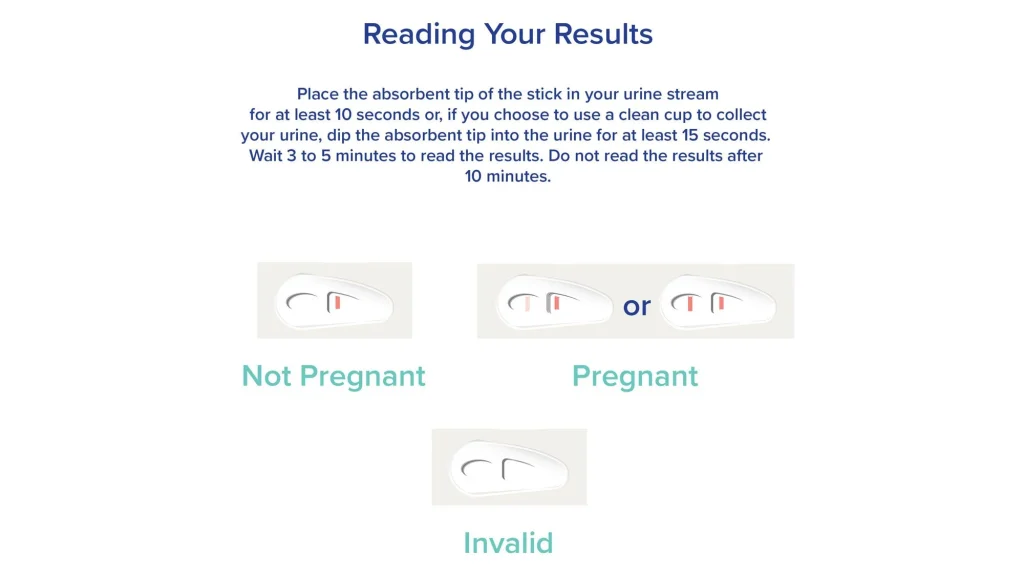
    Instructions for reading pregnancy test results with visual indicators for "Not Pregnant," "Pregnant," and "Invalid.

    Practices for Better Relationships and Improved Mental Health

    4. Show Appreciation
    Expressing gratitude and appreciation for your partner is a simple yet powerful way to improve your relationship and boost your mental health. When we feel appreciated, we feel valued and validated, which can increase our overall happiness and well-being. Make a habit of expressing gratitude for the things your partner does, big or small. This can be as simple as saying “thank you” or leaving a note to show your appreciation.

    5. Spend Quality Time Together
    In today’s busy world, it is easy to get caught up in work and other responsibilities, leaving little time for our relationships. However, spending quality time with our partner is crucial for building and maintaining a strong connection. This can involve doing activities together, having meaningful conversations, or simply spending time relaxing and enjoying each other’s company.

    6. Practice Forgiveness
    No relationship is perfect, and conflicts are bound to arise. However, it is how we handle these conflicts that can make or break a relationship. Learning to forgive is an important practice for maintaining healthy relationships. Holding onto grudges and resentment can lead to feelings of anger, bitterness, and even depression. Instead, try to practice forgiveness by letting go of past hurts and focusing on moving forward in a positive way.

    7. Seek Support
    Sometimes, we need outside help to improve our relationships and our mental health. Seeking support from a therapist or counselor can be beneficial, especially if you are struggling with communication, trust, or other issues in your relationship. A therapist can provide a safe and non-judgmental space to work through challenges and help you develop healthy coping strategies.

    In summary, building and maintaining strong relationships is crucial for our mental health and overall well-being. By practicing effective communication, empathy, setting boundaries, showing appreciation, spending quality time together, practicing forgiveness, and seeking support when needed, we can improve our relationships and ultimately, our mental health.

    SEO Metadata:

  • Habits of Highly Mentally Healthy Individuals

    Blog Post: Habits of Highly Mentally Healthy Individuals

    Mental health has become a hot topic in recent years, and for good reason. With the rise in mental health issues such as anxiety, depression, and stress, it’s more important than ever to prioritize our mental well-being. And while there are many factors that contribute to our mental health, our habits play a crucial role in maintaining a healthy mind. In this blog post, we will explore the habits of highly mentally healthy individuals and how you can incorporate them into your life to improve your mental well-being.

    1. Prioritize Self-Care

    Highly mentally healthy individuals understand the importance of self-care and make it a priority in their daily lives. Self-care can take many forms, such as getting enough sleep, exercising regularly, eating a healthy diet, and taking breaks when needed. It also involves setting boundaries and saying no to things that don’t serve you. By prioritizing self-care, you are showing yourself love and compassion, which is essential for maintaining good mental health.

    2. Practice Mindfulness

    Mindfulness is the practice of being present and fully engaged in the current moment. It involves focusing on your thoughts, feelings, and surroundings without judgment. Highly mentally healthy individuals incorporate mindfulness into their daily routines, whether it’s through meditation, journaling, or simply taking a few minutes to breathe and be present. By practicing mindfulness, you can reduce stress and anxiety, improve your mood, and increase your overall sense of well-being.

    3. Cultivate Positive Relationships

    Our relationships play a significant role in our mental health. Highly mentally healthy individuals surround themselves with positive and supportive people who uplift and encourage them. They also prioritize building and maintaining healthy relationships with their loved ones. By surrounding yourself with positive relationships, you can increase your sense of belonging, reduce stress, and have a support system in times of need.

    4. Set Realistic Goals

    Having goals and aspirations is essential for personal growth and development. However, highly mentally healthy individuals understand the importance of setting realistic goals. They know that setting unattainable goals can lead to disappointment and negatively impact their mental health. Instead, they set achievable goals and celebrate their accomplishments, no matter how small. By setting realistic goals, you can build self-confidence and motivation, which are crucial for maintaining good mental health.

    Mosie Baby pregnancy test kit with two tests and packaging, featuring a mint green color scheme.

    Habits of Highly Mentally Healthy Individuals

    5. Practice Gratitude

    Gratitude is the practice of acknowledging and appreciating the good things in our lives. Highly mentally healthy individuals make it a habit to express gratitude daily, whether it’s through journaling, saying thank you, or simply taking a moment to reflect on what they are grateful for. By practicing gratitude, you can shift your focus from what you lack to what you have, which can improve your overall outlook on life and boost your mental well-being.

    6. Embrace Imperfections

    Perfectionism is a common trait among individuals with poor mental health. Highly mentally healthy individuals understand that perfection is unattainable and embrace their imperfections. They know that making mistakes is a part of the learning process and use setbacks as opportunities for growth. By embracing imperfections, you can reduce self-criticism and increase self-acceptance, which are essential for maintaining good mental health.

    7. Engage in Hobbies and Creative Activities

    Engaging in hobbies and creative activities is an excellent way to reduce stress and improve mental well-being. Highly mentally healthy individuals make time for activities they enjoy, whether it’s painting, playing an instrument, or reading. These activities provide a sense of joy and fulfillment and can serve as a form of self-care and stress relief. By incorporating hobbies and creative activities into your life, you can improve your overall mood and reduce anxiety and depression.

    8. Seek Help When Needed

    Lastly, highly mentally healthy individuals understand the importance of seeking help when needed. They know that it’s okay to not be okay and are not afraid to ask for help when they need it. Whether it’s talking to a therapist, seeking support from loved ones, or joining a support group, seeking help is a sign of strength, not weakness. By seeking help when needed, you can prevent small issues from turning into more significant problems and improve your overall mental health.

    In conclusion, maintaining good mental health requires effort and commitment. By incorporating these habits into your daily life, you can improve your mental well-being and live a happier and healthier life. Remember, it’s essential to be patient with yourself and understand that building healthy habits takes time. Start small, be consistent, and watch as your mental health improves.

    Summary:

    In this blog post, we explored the habits of highly mentally healthy individuals and how you can incorporate them into your life. These include prioritizing self-care, practicing mindfulness, cultivating positive relationships, setting realistic goals, practicing gratitude, embracing imperfections, engaging in hobbies and creative activities, and seeking help when needed. By incorporating these habits into your life, you can improve your mental well-being and live a happier and healthier life.

  • Proven Mental Health Practices Recommended by Experts

    Blog Post: Proven Mental Health Practices Recommended by Experts

    Mental health has become an increasingly important topic in recent years, as more and more people are opening up about their struggles and seeking help. In fact, according to the World Health Organization, one in four people worldwide will experience a mental health issue at some point in their lives. With this statistic in mind, it’s crucial to prioritize our mental well-being and seek out proven practices that can help us maintain a healthy mind.

    In this blog post, we will discuss some of the top mental health practices recommended by experts. These practices have been proven to be effective in promoting mental wellness and can be incorporated into our daily lives to improve our overall well-being.

    1. Practice Mindfulness

    Mindfulness is the practice of being fully present in the moment, without judgment or distraction. It involves paying attention to your thoughts, feelings, and surroundings, and accepting them without trying to change or control them. This practice has been shown to reduce stress, anxiety, and depression, and improve overall mental well-being.

    To incorporate mindfulness into your daily routine, you can try activities such as meditation, yoga, or simply taking a few minutes each day to focus on your breath and the present moment. It’s essential to set aside time for mindfulness, especially when life gets busy and overwhelming.

    2. Get Regular Exercise

    Regular exercise is not only good for our physical health but also has significant benefits for our mental health. Exercise releases endorphins, which are chemicals in our brain that promote feelings of happiness and reduce stress. It can also help improve sleep, boost self-esteem, and reduce symptoms of anxiety and depression.

    Experts recommend getting at least 30 minutes of moderate to intense physical activity per day. This can include activities such as running, swimming, dancing, or even taking a brisk walk. Find an exercise routine that you enjoy and make it a regular part of your week.

    3. Prioritize Quality Sleep

    Sleep plays a crucial role in our mental health. It allows our bodies and minds to rest and recharge, and lack of sleep can lead to increased stress, anxiety, and depression. On the other hand, getting enough quality sleep can help improve our mood, energy levels, and overall mental well-being.

    Mosie Baby Kit with a syringe and container, highlighting safety and usability features on a blue background.

    Proven Mental Health Practices Recommended by Experts

    To ensure a good night’s sleep, it’s essential to establish a consistent sleep routine. This includes going to bed and waking up at the same time each day, avoiding screens and stimulating activities before bedtime, and creating a comfortable sleep environment.

    4. Connect with Others

    Human connection is vital for our mental health. Studies have shown that having strong relationships with friends, family, and community can help reduce the risk of mental health issues and promote resilience. It’s essential to make an effort to connect with others, especially during times of stress or isolation.

    This can include joining a club or group with similar interests, volunteering in your community, or simply reaching out to friends and family for support. Even small acts of kindness, such as a phone call or text, can help strengthen our relationships and improve our mental well-being.

    5. Seek Professional Help

    If you’re struggling with your mental health, it’s essential to seek professional help. Mental health professionals, such as therapists and counselors, are trained to provide support and guidance in managing mental health issues. They can also offer strategies and tools to help improve your mental well-being.

    There is no shame in seeking help for mental health concerns, and it’s vital to remember that asking for help is a sign of strength. If you’re not sure where to start, talk to your primary care physician, or reach out to a mental health hotline for guidance and resources.

    Conclusion

    In conclusion, our mental health is just as important as our physical health, and it’s crucial to prioritize it in our daily lives. By practicing mindfulness, getting regular exercise, prioritizing quality sleep, connecting with others, and seeking professional help when needed, we can promote and maintain our mental well-being.

    Remember, everyone’s journey to mental wellness is unique, and what works for one person may not work for another. It’s important to find the practices that work best for you and make them a regular part of your routine. By incorporating these proven mental health practices into our lives, we can improve our overall well-being and live happier, healthier lives.

    Summary:

    Mental health is a crucial aspect of our overall well-being, and it’s essential to prioritize it in our daily lives. In this blog post, we discussed five proven mental health practices recommended by experts: practicing mindfulness, getting regular exercise, prioritizing quality sleep, connecting with others, and seeking professional help. Each of these practices has been shown to improve mental well-being and can be incorporated into our daily routine for maximum benefits.

  • Parenting Books That Will Help You Build a Strong Support System for Your Family

    Blog Post:

    Building a strong support system is essential for any family. It provides a sense of security, love, and guidance for both parents and children. As a parent, it can be overwhelming to navigate the challenges of parenthood alone. That’s where parenting books come in. They offer valuable insights, practical tips, and effective strategies to help you build a strong support system for your family. In this post, we will discuss some of the best parenting books that will guide you in creating a supportive and loving environment for your family.

    1. “The Whole-Brain Child: 12 Revolutionary Strategies to Nurture Your Child’s Developing Mind” by Daniel J. Siegel and Tina Payne Bryson

    This book offers a unique approach to parenting by incorporating the latest brain research into everyday parenting. It teaches parents how to understand and connect with their child’s emotions, which is crucial in building a strong support system. The book also provides practical strategies to help parents navigate through challenging situations, such as tantrums and meltdowns. It promotes the idea of “whole-brain” parenting, where parents use both logic and emotion when interacting with their children.

    2. “No-Drama Discipline: The Whole-Brain Way to Calm the Chaos and Nurture Your Child’s Developing Mind” by Daniel J. Siegel and Tina Payne Bryson

    Another gem from the authors of “The Whole-Brain Child,” this book focuses on discipline and how to handle misbehaving children without causing unnecessary drama. It emphasizes the importance of connection and understanding your child’s perspective when disciplining them. The authors also provide practical techniques to help parents discipline effectively and build a strong relationship with their children.

    3. “Siblings Without Rivalry: How to Help Your Children Live Together So You Can Live Too” by Adele Faber and Elaine Mazlish

    Having siblings can be both a blessing and a challenge. This book offers valuable insights on how to handle sibling rivalry and foster a loving and supportive relationship between siblings. It teaches parents how to acknowledge and validate their children’s feelings, communicate effectively, and teach problem-solving skills. By implementing the strategies in this book, parents can create a harmonious and supportive environment for their children to grow and thrive in.

    4. “The 5 Love Languages of Children: The Secret to Loving Children Effectively” by Gary Chapman and Ross Campbell

    sperm-ready insemination kit with a syringe and container, featuring a screw top lid and non-tip safety wall

    Parenting Books That Will Help You Build a Strong Support System for Your Family

    Every child has a unique way of feeling loved and appreciated. This book explores the concept of love languages and how parents can use it to strengthen their relationship with their children. It explains the five love languages: physical touch, words of affirmation, quality time, acts of service, and gifts, and how to identify your child’s primary love language. By understanding your child’s love language, you can effectively communicate your love and support, thus building a strong bond with them.

    5. “The Power of Showing Up: How Parental Presence Shapes Who Our Kids Become and How Their Brains Get Wired” by Daniel J. Siegel and Tina Payne Bryson

    Parental presence is crucial in building a strong support system for children. This book emphasizes the importance of being present and available for your child emotionally. It teaches parents how to create a secure attachment with their children, which is vital for their emotional well-being. The authors also provide practical tips on how to be more present in your child’s life and how to repair any ruptures in the parent-child relationship.

    6. “The Conscious Parent: Transforming Ourselves, Empowering Our Children” by Dr. Shefali Tsabary

    This book challenges traditional parenting methods and encourages parents to become more conscious and mindful in their approach. It emphasizes the importance of self-awareness and healing past wounds to become better parents. The book teaches parents how to connect with their inner selves, understand their child’s behavior, and create an emotionally healthy and supportive environment for their family.

    7. “The Awakened Family: A Revolution in Parenting” by Dr. Shefali Tsabary

    Another insightful book by Dr. Shefali Tsabary, “The Awakened Family” delves into the concept of conscious parenting and how it can transform your family dynamics. It teaches parents how to let go of controlling their children and instead focus on their own self-growth. The book also offers practical advice on how to handle conflicts and challenges in a conscious and mindful manner, fostering a strong support system within the family.

    In conclusion, parenting books can be a valuable resource for building a strong support system for your family. They offer a wealth of knowledge, practical advice, and effective strategies to help parents navigate the challenges of parenthood and create a loving and supportive environment for their children. By implementing the insights from these books, parents can strengthen their relationship with their children and nurture a strong and healthy support system for their family.

    Summary:

    Parenting books are a valuable resource for building a strong support system for families. They offer practical tips, effective strategies, and valuable insights on how to navigate the challenges of parenthood and create a loving and supportive environment for children. Some of the best parenting books include “The Whole-Brain Child” and “No-Drama Discipline” by Daniel J. Siegel and Tina Payne Bryson, “Siblings Without Rivalry” by Adele Faber and Elaine Mazlish, and “The 5 Love Languages of Children” by Gary Chapman and Ross Campbell. Other recommended books are “The Power of Showing Up” by Daniel J. Siegel and Tina Payne Bryson, “The Conscious Parent” and “The Awakened Family” by Dr. Shefali Tsabary. By implementing the strategies and insights from these books, parents can strengthen their bond with their children and create a strong support system for their family.

  • Parenting Books That Will Teach You How to Communicate Effectively with Your Child

    Parenting can be one of the most challenging and rewarding experiences in life. As parents, we want to do everything we can to ensure that our children grow up to be happy, healthy, and well-adjusted individuals. One of the most important aspects of parenting is communication. Effective communication with our children not only helps us build strong relationships with them but also teaches them valuable skills for their future relationships. However, communicating with children can be tricky, as they often have a limited understanding of language and emotions. That’s where parenting books come in – they offer valuable insights, techniques, and strategies to help parents communicate effectively with their children. In this blog post, we will discuss some of the best parenting books that will teach you how to communicate effectively with your child.

    1. “How to Talk So Kids Will Listen and Listen So Kids Will Talk” by Adele Faber and Elaine Mazlish

    One of the classic parenting books on communication, “How to Talk So Kids Will Listen and Listen So Kids Will Talk” has been helping parents for over 35 years. This book provides practical and effective strategies for parents to communicate with their children of all ages. It covers various topics such as handling emotions, engaging cooperation, and resolving conflicts. The authors use real-life examples and cartoons to make the concepts easy to understand and apply in real-life situations.

    2. “No-Drama Discipline” by Daniel J. Siegel and Tina Payne Bryson

    In this book, the authors emphasize the importance of connection and empathy in parenting. They believe that children’s behavior is a form of communication, and it is the parents’ responsibility to understand and respond to it in a positive and loving manner. The book offers a unique approach to discipline, focusing on teaching children self-control and problem-solving skills rather than punishment. It also includes practical exercises and techniques for parents to apply in their daily interactions with their children.

    3. “How to Talk so Little Kids Will Listen: A Survival Guide to Life with Children Ages 2-7” by Joanna Faber and Julie King

    This book is a follow-up to “How to Talk so Kids Will Listen and Listen So Kids Will Talk” and is tailored specifically for parents of young children. It provides helpful tips and tricks for communicating with children between the ages of 2 to 7, who may have a limited understanding of language and emotions. The book offers techniques for dealing with common challenges such as tantrums, sibling rivalry, and mealtime battles. It also emphasizes the importance of building a strong and respectful relationship with your child.

    4. “Simplicity Parenting: Using the Extraordinary Power of Less to Raise Calmer, Happier, and More Secure Kids” by Kim John Payne

    Baby with blue eyes wearing a light blue onesie that says "made with Love" on a soft white background.

    Parenting Books That Will Teach You How to Communicate Effectively with Your Child

    In this book, the author focuses on simplifying parenting by removing unnecessary clutter and distractions from children’s lives. The book highlights how overstimulation and too much choice can affect children’s behavior and emotional well-being. It offers practical advice on how to simplify your child’s environment, schedule, and expectations for a more peaceful and harmonious family life. The book also includes tips for effective communication with children, such as using fewer words and providing clear and consistent boundaries.

    5. “The Whole-Brain Child: 12 Revolutionary Strategies to Nurture Your Child’s Developing Mind” by Daniel J. Siegel and Tina Payne Bryson

    Another book by the authors of “No-Drama Discipline,” “The Whole-Brain Child” focuses on understanding the brain development of children and using that knowledge to communicate effectively with them. It offers 12 strategies for parents to help their children develop emotional intelligence, self-regulation, and resilience. The book also includes real-life examples and practical exercises for parents to implement the strategies in their daily interactions with their children.

    6. “Peaceful Parent, Happy Kids: How to Stop Yelling and Start Connecting” by Dr. Laura Markham

    In this book, the author emphasizes the importance of building a strong emotional connection with your child. She believes that children are more likely to listen and cooperate when they feel loved, understood, and respected. The book offers practical tips and techniques for parents to improve their communication skills, manage their own emotions, and create a peaceful and loving home environment. It also includes a chapter on sibling relationships and offers strategies for handling conflicts between siblings.

    7. “The Conscious Parent: Transforming Ourselves, Empowering Our Children” by Dr. Shefali Tsabary

    “The Conscious Parent” challenges traditional parenting methods and offers a new approach to raising children. The author believes that true parenting is about personal growth and self-awareness, and it is the key to creating a healthy and fulfilling relationship with our children. The book encourages parents to be present and mindful in their interactions with their children, to let go of their own ego, and to see their children as whole and complete beings. It offers insights and exercises for parents to understand and manage their own emotions, which in turn will help them communicate more effectively with their children.

    In summary, effective communication with our children is crucial for building strong relationships and teaching them valuable skills for their future. These seven parenting books offer a wealth of knowledge, strategies, and techniques to help parents communicate effectively with their children. Whether you have toddlers or teenagers, these books can provide valuable insights and practical tips to improve your communication skills and create a harmonious and loving relationship with your child.

  • The Importance of Self-Care: 36 Best-Selling Self-Help Books

    Blog Post Summary:

    Self-care has become a buzzword in recent years, but what exactly does it mean and why is it so important? In this blog post, we will explore the concept of self-care and its significance in our lives. We will also dive into 36 best-selling self-help books that can guide us in developing a self-care routine that works for us.

    The Importance of Self-Care:

    Self-care is the practice of taking care of our physical, mental, and emotional well-being. It involves recognizing our needs and prioritizing activities that promote our overall health and happiness. In today’s fast-paced world, it is easy to get caught up in daily responsibilities and neglect our own needs. However, self-care is crucial for our overall well-being and can have a positive impact on all aspects of our lives.

    Benefits of Self-Care:

    1. Improved Mental Health: Practicing self-care can reduce stress, anxiety, and depression. It allows us to take a break from our daily stressors and focus on ourselves, leading to improved mental health.

    2. Increased Productivity: When we take care of ourselves, we are better equipped to handle the demands of our daily lives. Self-care allows us to recharge and renew our energy, leading to increased productivity.

    3. Better Relationships: When we are in a good place mentally and emotionally, we can be more present and attentive in our relationships. Self-care helps us to cultivate a healthy relationship with ourselves, which in turn, can lead to better relationships with others.

    4. Enhanced Physical Health: Self-care involves taking care of our physical health by getting enough rest, eating well, and exercising regularly. By prioritizing our physical well-being, we can improve our overall health and prevent illnesses.

    5. Increased Self-Awareness: Self-care is a journey of self-discovery. It allows us to tune in to our needs, desires, and values, leading to increased self-awareness and personal growth.

    36 Best-Selling Self-Help Books:

    1. “The Gifts of Imperfection” by Brené Brown: This book explores the concept of self-acceptance and teaches readers how to embrace their imperfections.

    2. “The Power of Now” by Eckhart Tolle: This book emphasizes the importance of living in the present moment and how it can lead to a more fulfilling life.

    3. “The 7 Habits of Highly Effective People” by Stephen R. Covey: This book provides practical advice on how to become more effective in our personal and professional lives.

    4. “You Are a Badass” by Jen Sincero: This book is a humorous and motivating guide to help readers overcome self-doubt and create the life they want.

    5. “Atomic Habits” by James Clear: This book delves into the science of habit formation and provides actionable tips to help readers create positive habits.

    6. “The Power of Habit” by Charles Duhigg: This book explores the science behind habits and how we can use it to make positive changes in our lives.

    7. “The Four Agreements” by Don Miguel Ruiz: This book presents four powerful agreements that can help readers transform their lives and relationships.

    8. “Big Magic” by Elizabeth Gilbert: This book encourages readers to embrace their creativity and pursue their passions without fear.

    9. “Girl, Wash Your Face” by Rachel Hollis: This book challenges readers to let go of self-limiting beliefs and live up to their full potential.

    10. “Daring Greatly” by Brené Brown: This book explores the power of vulnerability and how it can lead to more meaningful connections and a more fulfilling life.

    11. “The Subtle Art of Not Giving a F*ck” by Mark Manson: This unconventional self-help book encourages readers to let go of things that don’t matter and focus on what truly does.

    12. “The Happiness Project” by Gretchen Rubin: This book shares the author’s journey to find happiness and provides practical tips for readers to do the same.

    13. “The Miracle Morning” by Hal Elrod: This book outlines a morning routine that can transform our lives by improving our mindset, productivity, and overall well-being.

    mosie baby logo featuring a heart and leaves in blue, pink, and green colors.

    The Importance of Self-Care: 36 Best-Selling Self-Help Books

    14. “The Life-Changing Magic of Tidying Up” by Marie Kondo: This book teaches readers how to declutter their homes and lives, leading to a more peaceful and organized environment.

    15. “The 5 Love Languages” by Gary Chapman: This book explores the five different ways people give and receive love, helping readers to understand their own and their partner’s love language.

    16. “The Gifts of Imperfection” by Brené Brown: This book explores the concept of self-acceptance and teaches readers how to embrace their imperfections.

    17. “Rising Strong” by Brené Brown: This book delves into the process of bouncing back from failure and embracing vulnerability as a strength.

    18. “The One Thing” by Gary Keller: This book emphasizes the importance of prioritizing and focusing on one thing at a time to achieve success.

    19. “You Are a Badass at Making Money” by Jen Sincero: This book is a guide to help readers overcome their limiting beliefs around money and create a more abundant life.

    20. “The Alchemist” by Paulo Coelho: This book is a timeless tale that teaches readers about the power of following our dreams and listening to our hearts.

    21. “The Power of Vulnerability” by Brené Brown: This book shares the author’s popular TED talk on vulnerability and provides practical advice on how to embrace it in our lives.

    22. “The Four Tendencies” by Gretchen Rubin: This book explores the different tendencies people have when it comes to forming habits and achieving goals.

    23. “The 5 AM Club” by Robin Sharma: This book shares a morning routine that can help readers achieve personal and professional success.

    24. “The War of Art” by Steven Pressfield: This book explores the concept of resistance and how it can hold us back from pursuing our passions.

    25. “The Magic of Thinking Big” by David J. Schwartz: This book teaches readers how to think bigger and achieve their goals by changing their mindset.

    26. “You Can Heal Your Life” by Louise Hay: This book explores the mind-body connection and how our thoughts and beliefs can impact our health and well-being.

    27. “Eat, Pray, Love” by Elizabeth Gilbert: This memoir follows the author’s journey of self-discovery and finding happiness after a difficult divorce.

    28. “The Life-Changing Magic of Not Giving a F*ck” by Sarah Knight: This book is a humorous guide to help readers prioritize their time and energy on things that truly matter.

    29. “The 5 AM Miracle” by Jeff Sanders: This book shares a morning routine that can help readers achieve their goals and live a more productive life.

    30. “The Power of Intention” by Wayne Dyer: This book explores the power of our thoughts and how we can use them to manifest our desires.

    31. “The Compound Effect” by Darren Hardy: This book teaches readers how small, consistent actions can lead to significant changes in our lives.

    32. “The Happiness Advantage” by Shawn Achor: This book presents the science behind happiness and how it can lead to success in all areas of our lives.

    33. “Meditations” by Marcus Aurelius: This book is a collection of the Roman emperor’s personal writings on stoic philosophy and provides timeless wisdom on how to live a good life.

    34. “The 7 Spiritual Laws of Success” by Deepak Chopra: This book explores the spiritual laws that can guide us towards success and fulfillment.

    35. “The Power of Positive Thinking” by Norman Vincent Peale: This book teaches readers how to harness the power of positive thinking to achieve success and happiness.

    36. “The Alchemist” by Paulo Coelho: This book is a timeless tale that teaches readers about the power of following our dreams and listening to our hearts.

    In conclusion, self-care is essential for our overall well-being and can have a positive impact on all aspects of our lives. By prioritizing our needs and practicing self-care, we can improve our mental, emotional, and physical health, leading to a more fulfilling life. The 36 best-selling self-help books mentioned above can guide us in developing a self-care routine that works for us and help us on our journey towards personal growth and happiness.

  • Best-Selling Self-Help Books for Improving Relationships

    Summary:

    Relationships are an integral part of our lives and can greatly impact our overall well-being. However, maintaining healthy and fulfilling relationships can be a challenge for many. That’s where self-help books come in. These books offer valuable insights, advice, and techniques to improve our relationships with others and ourselves. In this blog post, we will discuss some of the best-selling self-help books for improving relationships and how they can help us build stronger connections with our loved ones.

    1. “The 5 Love Languages” by Gary Chapman

    “The 5 Love Languages” is a popular book that has helped numerous couples understand the different ways in which people give and receive love. The book introduces the concept of “love languages,” which are five different ways in which people express and interpret love – words of affirmation, acts of service, receiving gifts, quality time, and physical touch. By understanding your partner’s love language and communicating your own, you can deepen your bond and create a more fulfilling relationship.

    2. “Attached” by Amir Levine and Rachel Heller

    In “Attached,” the authors explore the science behind attachment styles and how they affect our relationships. The book explains the three attachment styles – secure, anxious, and avoidant – and how they can impact our romantic relationships. By identifying your own attachment style and understanding your partner’s, you can learn how to communicate effectively, resolve conflicts, and create a more secure and loving relationship.

    3. “The Seven Principles for Making Marriage Work” by John Gottman and Nan Silver

    John Gottman is a renowned relationship expert, and in this book, he shares the seven principles that he believes are essential for a successful marriage. These principles include building love maps, nurturing fondness and admiration, turning towards each other instead of away, and managing conflict effectively. This book provides practical advice and exercises for couples to strengthen their relationship and avoid common pitfalls.

    4. “Nonviolent Communication” by Marshall B. Rosenberg

    In this book, Marshall B. Rosenberg introduces the concept of nonviolent communication, which focuses on compassion and empathy in our interactions with others. The book teaches us how to express ourselves without blame or criticism and how to listen with empathy. By using nonviolent communication, we can improve the quality of our relationships and resolve conflicts peacefully.

    5. “Men are from Mars, Women are from Venus” by John Gray

    Baby wearing a blue shirt with "made with Love" text, surrounded by colorful floral and butterfly designs.

    Best-Selling Self-Help Books for Improving Relationships

    “Men are from Mars, Women are from Venus” is a classic relationship book that has helped millions of couples understand the fundamental differences between men and women. The book explains how men and women have different ways of communicating, expressing love, and dealing with stress. By understanding these differences, we can avoid misunderstandings and strengthen our relationships.

    6. “The Relationship Cure” by John Gottman

    Another book by John Gottman, “The Relationship Cure,” focuses on the importance of emotional connection in relationships. The book discusses how to build and maintain emotional intimacy, how to communicate effectively, and how to repair and strengthen relationships. With practical exercises and real-life examples, this book is a valuable resource for anyone looking to improve their relationships.

    7. “The Power of Now” by Eckhart Tolle

    “The Power of Now” is a spiritual self-help book that teaches us to live in the present moment and let go of the past and future. By learning to be fully present in our relationships, we can improve our communication and connection with others. The book also emphasizes the importance of self-awareness and how it can positively impact our relationships.

    8. “Codependent No More” by Melody Beattie

    Codependency can be a significant issue in relationships, and “Codependent No More” addresses this problem. The book explains what codependency is and how it can affect our relationships. It offers practical advice on how to break free from codependent behaviors and build healthier relationships with ourselves and others.

    9. “The 5 AM Club” by Robin Sharma

    While not specifically focused on relationships, “The 5 AM Club” is a self-help book that can have a positive impact on all aspects of our lives, including our relationships. The book advocates waking up early and using the time to focus on personal growth and development. By starting our day with a positive mindset and investing in ourselves, we can show up as our best selves in our relationships.

    10. “The Four Agreements” by Don Miguel Ruiz

    “The Four Agreements” is a book that offers four essential principles for living a happier and more fulfilling life. These agreements – be impeccable with your word, don’t take anything personally, don’t make assumptions, and always do your best – can also be applied to our relationships. By following these agreements, we can improve our communication, avoid conflicts, and build stronger connections with others.

    In conclusion, relationships require effort, communication, and understanding to thrive. These best-selling self-help books offer valuable insights and techniques to help us improve our relationships with others and ourselves. By implementing the lessons from these books, we can create stronger and more fulfilling connections with our loved ones.

  • Find Your Purpose: 36 Best-Selling Self-Help Books

    Blog Post Summary:

    Finding your purpose in life is a journey that many people embark on. It is a path that can be filled with obstacles, doubts, and confusion. In order to help individuals on this journey, countless self-help books have been written and published. These books offer guidance, inspiration, and practical tips on how to discover your purpose and live a fulfilling life. In this blog post, we will explore 36 of the best-selling self-help books that can help you find your purpose. These books cover a wide range of topics, including personal development, spirituality, career, relationships, and more. Whether you are feeling lost and unsure of your purpose or simply looking for a new perspective on life, these books can provide valuable insights and tools to help you on your journey.

    The first category of books on our list focuses on personal development and self-discovery. These books encourage readers to reflect on their beliefs, values, and goals in order to discover their purpose. One of the most well-known books in this category is “The 7 Habits of Highly Effective People” by Stephen Covey. This book outlines seven principles for personal growth and success, including being proactive, beginning with the end in mind, and putting first things first. Another popular book in this category is “The Power of Now” by Eckhart Tolle, which emphasizes the importance of living in the present moment and letting go of past regrets and future anxieties.

    Another important aspect of finding one’s purpose is understanding one’s unique strengths and passions. This is where books on career and passion come into play. “Do What You Are” by Paul D. Tieger and Barbara Barron-Tieger helps readers identify their personality type and match it with a suitable career path. “The Element” by Sir Ken Robinson encourages readers to find their passion and align it with their talents and skills in order to live a fulfilling life. These books also offer practical advice on how to overcome obstacles and pursue your dreams.

    comparison of Mosie syringe opening versus standard syringe opening with text highlighting benefits

    Find Your Purpose: 36 Best-Selling Self-Help Books

    Spirituality is another important aspect of finding purpose, and there are numerous self-help books that delve into this topic. “The Alchemist” by Paulo Coelho is a beloved novel that follows a young shepherd as he embarks on a journey to find his personal legend. “A New Earth” by Eckhart Tolle explores how identifying with the ego can prevent individuals from finding their true purpose and living a fulfilling life. These books offer a unique perspective on spirituality and provide readers with tools to connect with their inner selves and find their purpose.

    Relationships also play a crucial role in our lives and can impact our sense of purpose. “The 5 Love Languages” by Gary Chapman helps readers understand how to effectively communicate and show love to their partners, family, and friends. This book can help individuals build stronger relationships and ultimately lead to a more fulfilling life. “The Power of Now” by Eckhart Tolle also touches on the importance of relationships and how they can contribute to our overall happiness and sense of purpose.

    In addition to these categories, there are also books that offer a more practical approach to finding one’s purpose. “Designing Your Life: How to Build a Well-Lived, Joyful Life” by Bill Burnett and Dave Evans presents a step-by-step guide on how to design a life that aligns with your values and goals. “The One Thing” by Gary Keller and Jay Papasan encourages readers to focus on one important task at a time in order to achieve their goals and find purpose in their work.

    It is important to note that finding one’s purpose is not a one-size-fits-all process. Different individuals may resonate with different books and find their own unique path to purpose. However, these 36 best-selling self-help books offer valuable insights, strategies, and inspiration for anyone looking to embark on this journey of self-discovery.

    In conclusion, finding your purpose in life can be a challenging and daunting task, but it is also one of the most rewarding journeys you can embark on. The 36 best-selling self-help books mentioned in this blog post can serve as valuable resources to guide and support you along the way. From personal development and career advice to spirituality and relationships, these books cover a wide range of topics and offer practical tips and insights to help you find your purpose and live a fulfilling life.

  • Best-Selling Self-Help Books for Personal Growth

    Blog Post:

    Self-help books have become a popular genre in the literary world, with millions of copies sold each year. These books offer guidance, insight, and practical advice on how to improve oneself and achieve personal growth. With so many options available, it can be overwhelming to choose the best self-help book for your needs. In this blog post, we will explore some of the best-selling self-help books for personal growth.

    1. “The 7 Habits of Highly Effective People” by Stephen R. Covey
    First published in 1989, this book has sold over 25 million copies worldwide and has been translated into 40 languages. In this book, Covey presents a holistic approach to personal and professional development through seven habits that he believes are essential for success. These habits include being proactive, beginning with the end in mind, and putting first things first. Covey’s book has stood the test of time and continues to be a go-to for those seeking personal growth.

    2. “Atomic Habits” by James Clear
    Released in 2018, this book has quickly become a best-seller, with over 1 million copies sold. Clear’s approach to personal growth is centered around the idea that small, consistent habits lead to significant changes. He provides practical strategies and techniques for creating good habits and breaking bad ones. Clear’s book is praised for its easy-to-understand language and actionable advice.

    3. “Girl, Wash Your Face” by Rachel Hollis
    This New York Times bestseller has sold over 3.5 million copies and has been on the list for over a year. In this book, Hollis shares her personal experiences and offers advice on how to let go of the lies we tell ourselves and embrace our true selves. She covers topics such as self-worth, relationships, and achieving goals. Hollis’ relatable and honest writing style has resonated with readers, making this book a must-read for personal growth.

    4. “You Are a Badass” by Jen Sincero
    This self-help book has been on the best-seller list for over 4 years and has sold over 3 million copies. Sincero’s no-nonsense approach to personal growth is both humorous and motivating. She encourages readers to let go of self-doubt and embrace their inner badass. Sincero’s book is a refreshing and inspiring read for those looking to make positive changes in their lives.

    5. “The Power of Now” by Eckhart Tolle
    This book has been on the best-seller list for over 20 years and has sold over 5 million copies. Tolle’s teachings are based on the idea of living in the present moment, rather than dwelling on the past or worrying about the future. Through his simple yet profound insights, Tolle helps readers find inner peace and happiness. This book is a must-read for those seeking personal growth and spiritual enlightenment.

    Mosie Baby kit with two jars, a syringe, and a supportive message card inside a colorful box.

    Best-Selling Self-Help Books for Personal Growth

    6. “Think and Grow Rich” by Napoleon Hill
    First published in 1937, this book has sold over 70 million copies worldwide and is considered a classic in the self-help genre. Hill’s book is based on his extensive research on successful individuals and their thought processes. He shares the 13 principles of wealth and success, including desire, persistence, and imagination. “Think and Grow Rich” continues to be a popular choice for those looking to achieve personal and financial growth.

    7. “The Subtle Art of Not Giving a F*ck” by Mark Manson
    This unconventional self-help book has been on the best-seller list for over 4 years and has sold over 6 million copies. Manson challenges traditional self-help advice and encourages readers to embrace their flaws and imperfections. He also emphasizes the importance of choosing what to care about and letting go of what doesn’t matter. This book is a refreshing and humorous take on personal growth.

    8. “Daring Greatly” by Brené Brown
    Brown’s book has been on the best-seller list for over 6 years and has sold over 1 million copies. In this book, she explores vulnerability and how it can lead to personal growth and meaningful connections with others. Brown’s insights and research-based approach make this book a powerful read for those looking to improve themselves and their relationships.

    9. “The 5 Love Languages” by Gary Chapman
    This book has been on the best-seller list for over 25 years and has sold over 13 million copies. Chapman’s book explores the five different ways people give and receive love, and how understanding these languages can improve relationships. This book is a must-read for anyone looking to strengthen their relationships and deepen their understanding of themselves and others.

    10. “Big Magic” by Elizabeth Gilbert
    Gilbert’s book has been on the best-seller list for over 4 years and has sold over 2 million copies. In this book, she encourages readers to embrace their creativity and let go of fear and self-doubt. Gilbert shares personal stories and practical advice for living a more creative and fulfilling life. “Big Magic” is a great read for those looking to tap into their creative potential and find joy in their passions.

    In conclusion, self-help books can be a valuable tool for personal growth and development. Whether you’re looking to improve your relationships, achieve success, or find inner peace, there is a book out there for you. The best-selling books mentioned in this blog post offer practical advice, personal experiences, and inspiring insights that can help you on your journey towards self-improvement.

    Summary:

    Self-help books have become a popular genre, offering guidance and practical advice for personal growth. In this blog post, we explore the top 10 best-selling self-help books, including “The 7 Habits of Highly Effective People” by Stephen R. Covey, “Atomic Habits” by James Clear, and “Girl, Wash Your Face” by Rachel Hollis. These books cover a wide range of topics, including success, relationships, creativity, and spirituality. Whether you’re looking to make positive changes in your life or deepen your understanding of yourself and others, these books are a great place to start.

  • Life-Changing Self-Help Books You Need to Read

    Life-Changing Self-Help Books You Need to Read: A Comprehensive Guide to Personal Growth and Transformation

    Self-help books have been around for centuries, providing individuals with guidance, advice, and inspiration for personal growth and transformation. These books offer a wealth of knowledge and techniques to help readers improve their lives, overcome challenges, and reach their full potential. With so many self-help books available, it can be overwhelming to decide which books are worth reading. In this blog post, we will explore some of the most impactful and life-changing self-help books that you need to read to enhance your personal growth and transform your life.

    1. “The Power of Now” by Eckhart Tolle
    “The Power of Now” is a spiritual guidebook that teaches readers to live in the present moment and let go of past and future worries. The book emphasizes the importance of mindfulness and helps readers understand the power of their thoughts. Tolle’s simple yet profound teachings can help readers break free from negative thinking patterns and find inner peace and happiness.

    2. “The 7 Habits of Highly Effective People” by Stephen Covey
    One of the most influential self-help books of all time, “The 7 Habits of Highly Effective People” offers a practical and holistic approach to personal and professional success. Covey’s principles, such as being proactive, beginning with the end in mind, and seeking first to understand, have helped millions of readers improve their relationships, communication, and overall effectiveness in life.

    3. “Big Magic” by Elizabeth Gilbert
    In “Big Magic,” author Elizabeth Gilbert encourages readers to embrace their creativity and live a life driven by curiosity and passion. Gilbert’s insights on fear, failure, and perseverance inspire readers to pursue their dreams and overcome self-doubt. This book is a must-read for anyone looking to tap into their creative potential and live a more fulfilling and authentic life.

    4. “Man’s Search for Meaning” by Viktor Frankl
    Written by Holocaust survivor Viktor Frankl, “Man’s Search for Meaning” is a powerful and thought-provoking book that explores the human search for purpose and meaning in life. Through his own experiences in a concentration camp, Frankl teaches readers the importance of finding meaning in even the most challenging circumstances. This book is a reminder to readers to never lose hope and to always strive for a life of purpose and significance.

    illustration comparing standard and Mosie syringe openings with text highlighting design benefits for home insemination

    Life-Changing Self-Help Books You Need to Read

    5. “The Gifts of Imperfection” by Brené Brown
    In “The Gifts of Imperfection,” renowned researcher and storyteller Brené Brown shares her journey towards embracing imperfection and living a wholehearted life. Brown’s insights on courage, vulnerability, and self-acceptance are relatable and empowering, encouraging readers to let go of perfectionism and embrace their true selves. This book is a must-read for anyone struggling with self-worth and self-acceptance.

    6. “Think and Grow Rich” by Napoleon Hill
    “Think and Grow Rich” is a classic self-help book that teaches readers the power of positive thinking and how it can lead to success in all aspects of life. Hill’s principles, such as having a burning desire, having a definite purpose, and taking action, have been used by successful individuals worldwide to achieve their goals and dreams. This book is a timeless guide to achieving success and abundance in life.

    7. “The Alchemist” by Paulo Coelho
    “The Alchemist” is a fictional story that follows a young shepherd on a journey to fulfill his dreams and discover the meaning of life. Through his adventures and encounters, the shepherd learns valuable lessons about following one’s heart, overcoming obstacles, and finding true happiness. Coelho’s beautiful storytelling and profound insights make this book a must-read for anyone on a path of self-discovery and personal growth.

    8. “You Are a Badass” by Jen Sincero
    “You Are a Badass” is a witty and no-nonsense self-help book that encourages readers to let go of self-doubt and step into their power. Sincero’s humorous and relatable writing style makes personal development feel fun and attainable. This book is a great read for anyone looking for a kick of motivation and inspiration to start living their best life.

    9. “The 5 Love Languages” by Gary Chapman
    In “The 5 Love Languages,” relationship counselor Gary Chapman explains the different ways people give and receive love. By understanding your own and your partner’s love language, Chapman teaches readers how to build and maintain healthy and fulfilling relationships. This book is a must-read for anyone looking to improve their communication and connection with loved ones.

    10. “The Miracle Morning” by Hal Elrod
    “The Miracle Morning” is a revolutionary self-help book that introduces readers to the concept of a morning routine for personal growth and success. Author Hal Elrod shares his life-changing morning routine, which includes meditation, affirmations, visualization, exercise, reading, and journaling. This book is a great read for anyone looking to start their day with purpose and intention and transform their life in the process.

    In summary, self-help books offer a wealth of knowledge and techniques to help readers improve their lives and reach their full potential. The books mentioned in this blog post are just a few of the many life-changing self-help books available. Whether you are looking to improve your relationships, find inner peace, or achieve success, these books offer valuable insights and practical tools to help you on your journey of personal growth and transformation.