Tag: Reproductive System

  • Cervical Mucus and Its Impact on Menstrual Health

    Cervical mucus is a natural and important fluid found in the cervix of women. It plays a vital role in maintaining menstrual health and fertility. In this blog post, we will explore what cervical mucus is, its functions, and how it impacts menstrual health.

    What is Cervical Mucus?

    Cervical mucus, also known as cervical fluid, is a clear or white fluid produced by the glands in the cervix. It is a mixture of water, sugars, proteins, and electrolytes. The consistency and amount of cervical mucus changes throughout the menstrual cycle, depending on hormonal fluctuations.

    Functions of Cervical Mucus

    Cervical mucus has several important functions that contribute to menstrual health, including:

    1. Protecting the Reproductive System

    One of the main functions of cervical mucus is to protect the reproductive system from foreign particles, bacteria, and viruses. It creates a barrier that prevents harmful substances from entering the uterus.

    2. Facilitating Sperm Transport

    During ovulation, the consistency of cervical mucus changes to a thin and slippery texture. This type of mucus, known as fertile cervical mucus, helps sperm to swim through the cervix and reach the egg for fertilization.

    3. Indicating Ovulation

    The changes in cervical mucus consistency and amount can also serve as an indicator of ovulation. As ovulation approaches, the amount of cervical mucus increases, and it becomes stretchy and clear, resembling raw egg whites. Tracking these changes can help women determine their most fertile days and improve their chances of conceiving.

    4. Lubricating the Vagina

    Cervical mucus also plays a role in keeping the vagina lubricated and comfortable. It helps to reduce friction during sexual intercourse, making it more enjoyable and preventing any discomfort or pain.

    Impact of Cervical Mucus on Menstrual Health

    1. Fertility

    Cervical mucus is essential for fertility as it helps to facilitate sperm transport and increase the chances of fertilization. Women who experience issues with cervical mucus, such as having too little or too much, may have difficulty getting pregnant.
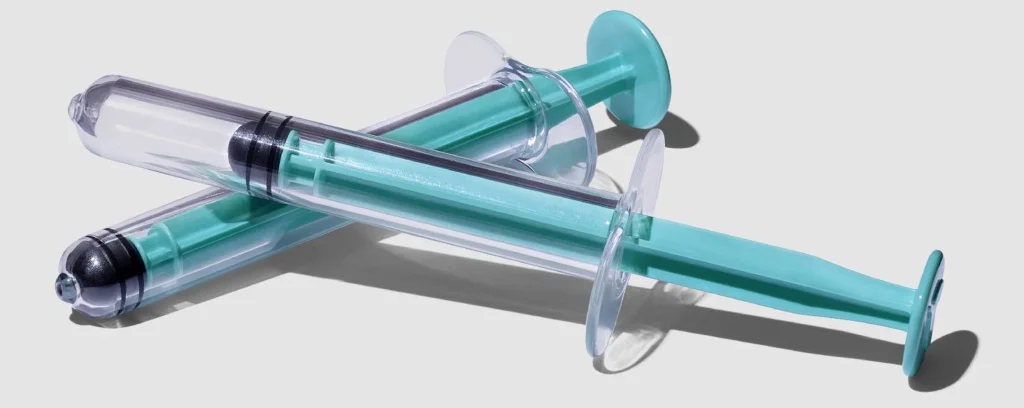
    Two transparent syringes with teal accents positioned diagonally on a light gray background.

    Cervical Mucus and Its Impact on Menstrual Health

    2. Menstrual Cycle Irregularities

    The changes in cervical mucus throughout the menstrual cycle are closely linked to hormonal fluctuations. Therefore, any abnormalities in cervical mucus can be an indication of underlying hormonal issues that can affect the regularity of menstrual cycles.

    3. Infections and Inflammation

    Abnormalities in cervical mucus can also be a sign of infections or inflammation in the reproductive system. For example, thick and yellowish cervical mucus can indicate a yeast infection, while green or foul-smelling mucus can be a sign of an STI. Any changes in the color, consistency, or smell of cervical mucus should be discussed with a healthcare provider to rule out any potential issues.

    4. Menopause

    As women approach menopause, the production and quality of cervical mucus decrease. This can lead to vaginal dryness and discomfort, making sexual intercourse painful. Using lubricants can help alleviate these symptoms and improve sexual health during menopause.

    Tips to Maintain Healthy Cervical Mucus

    1. Stay Hydrated

    Drinking enough water is crucial for maintaining healthy cervical mucus. Dehydration can cause the mucus to become thick and sticky, making it difficult for sperm to reach the egg.

    2. Avoid Douching

    Douching can disrupt the natural balance of bacteria and pH levels in the vagina, leading to changes in cervical mucus. It is best to avoid douching and let the body naturally clean itself.

    3. Use Fertility-Awareness Methods

    Tracking changes in cervical mucus can help women identify their most fertile days and improve their chances of conceiving. Fertility-awareness methods, such as the Billings Ovulation Method and the Creighton Model, use cervical mucus patterns to determine the fertile window.

    4. Seek Medical Help if Needed

    If you experience any abnormalities in cervical mucus, such as changes in color, smell, or consistency, it is important to consult a healthcare provider. They can help identify the underlying cause and provide appropriate treatment.

    In conclusion, cervical mucus plays a crucial role in maintaining menstrual health and fertility. Its functions, such as protecting the reproductive system and facilitating sperm transport, are essential for a woman’s reproductive health. By understanding the impact of cervical mucus and taking care of it, women can improve their overall menstrual health and increase their chances of conception.


  • Why Cervical Mucus is Key to a Happy and Healthy Vagina

    Cervical mucus is a natural fluid produced by the cervix, the lower part of the uterus, that plays a crucial role in maintaining a happy and healthy vagina. Despite its importance, many women are not familiar with cervical mucus and its functions. In this blog post, we will dive into the world of cervical mucus and explore why it is key to a happy and healthy vagina.

    Firstly, let’s understand what cervical mucus is and why it is produced. Cervical mucus is a clear or milky white fluid that is secreted by the cervix throughout a woman’s menstrual cycle. Its consistency, color, and amount may vary depending on the stage of the menstrual cycle. During the beginning of the cycle, the mucus is usually thick and sticky, but as ovulation approaches, it becomes thinner, clearer, and stretchy, resembling raw egg whites. This is known as fertile cervical mucus and indicates the best time for conception.

    Now, let’s take a look at why cervical mucus is essential for a happy and healthy vagina.

    1. Lubrication and Moisture
    One of the primary functions of cervical mucus is to provide lubrication and moisture to the vagina. The mucus acts as a natural barrier, preventing the delicate vaginal tissues from drying out. This lubrication is crucial for comfortable and painless intercourse, and it also helps to reduce the risk of vaginal tears and irritation.

    2. Protection Against Infections
    Cervical mucus also plays a vital role in protecting the vagina against infections. The mucus contains antibodies that help to fight off harmful bacteria and viruses, keeping the vagina healthy and free from infections. It also maintains a healthy balance of good and bad bacteria in the vagina, preventing conditions like yeast infections and bacterial vaginosis.

    Hands holding a syringe and a small container against a blue background.

    Why Cervical Mucus is Key to a Happy and Healthy Vagina

    3. Indicator of Ovulation and Fertility
    As mentioned earlier, the consistency and amount of cervical mucus change throughout the menstrual cycle. The changes in cervical mucus can serve as an indicator of ovulation and fertility. As the mucus becomes thinner and clearer, it creates a hospitable environment for sperm to travel through and fertilize an egg. Monitoring cervical mucus can help women track their fertile window and increase their chances of conceiving.

    4. Maintenance of pH Balance
    The vagina has a delicate balance of pH levels that help to keep harmful bacteria at bay. Cervical mucus contains substances that help to maintain this balance and keep the vagina at a slightly acidic pH. This acidity is essential for preventing the growth of bad bacteria and maintaining a healthy vaginal environment.

    5. Detoxification
    Another vital function of cervical mucus is to help detoxify the vagina. The mucus can trap and remove any harmful substances or toxins that may enter the vagina, preventing them from causing any harm to the reproductive system. This detoxification process is crucial for maintaining a healthy vagina and reproductive system.

    6. Indicator of Overall Health
    The quality and quantity of cervical mucus can also serve as an indicator of overall health. If a woman is experiencing changes in her cervical mucus that are not consistent with her menstrual cycle, it could be a sign of an underlying health issue. For example, if the mucus is discolored, foul-smelling, or accompanied by itching or burning, it could be a sign of an infection or other health problem. In such cases, it is essential to consult a doctor for proper diagnosis and treatment.

    In conclusion, cervical mucus is a vital component of a happy and healthy vagina. Its functions range from lubrication and protection against infections to being an indicator of ovulation and overall health. It is essential for women to be aware of their cervical mucus and monitor any changes in its consistency, color, and amount. If you have any concerns about your cervical mucus, it is always best to consult a healthcare professional for proper guidance and care.

    In summary, cervical mucus is a natural fluid produced by the cervix that plays a crucial role in maintaining a happy and healthy vagina. It provides lubrication and moisture, protects against infections, indicates ovulation and fertility, maintains pH balance and detoxifies the vagina. Changes in cervical mucus can also serve as an indicator of overall health. It is essential for women to be aware of their cervical mucus and consult a doctor if they notice any abnormalities.

  • Unpacking the Connection: Cervical Mucus and Sexual Arousal

    Unpacking the Connection: Cervical Mucus and Sexual Arousal

    Sexual arousal is a complex and multifaceted experience. It involves both physical and psychological responses that can vary greatly from person to person. One aspect of sexual arousal that often goes unnoticed or unmentioned is the role of cervical mucus. Yes, that’s right – cervical mucus, the fluid produced by the cervix, can play a significant role in sexual arousal and pleasure. In this blog post, we will explore the connection between cervical mucus and sexual arousal, and how understanding this link can enhance your sexual experiences and overall sexual health.

    First, let’s understand what cervical mucus is and its purpose. Cervical mucus is a fluid produced by the cervix, the narrow passage that connects the uterus to the vagina. It is a clear or white-colored fluid that changes in consistency and amount throughout a person’s menstrual cycle. Its main function is to help sperm travel through the cervix to fertilize an egg, but it also serves as a protective barrier against bacteria and other foreign substances.

    Now, you may be wondering, how does this fluid have anything to do with sexual arousal? Well, the cervix and its mucus production are closely linked to the reproductive system, which is responsible for sexual desire and pleasure. As a person becomes sexually aroused, blood flow increases to the genital area, causing the cervix to produce more mucus. This process is controlled by the autonomic nervous system, which controls bodily functions that are not consciously directed, such as heart rate and breathing. So, in a way, cervical mucus is a natural response to sexual arousal.

    But why does it matter? For one, cervical mucus can act as a lubricant during sexual activity, making penetration more comfortable and pleasurable. The consistency and amount of cervical mucus can also indicate a person’s fertility and hormonal levels. For example, during ovulation, when a person is most fertile, cervical mucus becomes thinner and more stretchy, allowing sperm to travel more easily. On the other hand, during non-fertile times, such as before and after menstruation, cervical mucus is thicker and less abundant. By paying attention to changes in cervical mucus, a person can better understand their fertility and plan or prevent pregnancy accordingly.

    Moreover, cervical mucus can also affect the pH balance of the vagina, which is crucial for maintaining a healthy environment. When a person is sexually aroused, the cervix produces more alkaline mucus, which helps protect the vagina from harmful bacteria. This is especially important during sexual activity, as friction and bacteria from the genital area can cause infections. Additionally, the presence of cervical mucus can also increase sexual pleasure by providing a slippery surface for stimulation and increasing sensitivity in the genital area.

    hand holding a pregnancy test with instructions on a colorful background

    Unpacking the Connection: Cervical Mucus and Sexual Arousal

    Understanding the connection between cervical mucus and sexual arousal can also help individuals who struggle with low libido or difficulty becoming sexually aroused. For some, a lack of cervical mucus may be a symptom of hormonal imbalances or other health conditions that can affect sexual desire. By addressing and treating these underlying issues, individuals may see an improvement in their sexual experiences.

    On the other hand, excessive or abnormal cervical mucus production may also be a sign of certain health conditions, such as infections or inflammation of the cervix. It is essential to pay attention to changes in cervical mucus and consult a healthcare provider if any concerns arise.

    So, what can you do to enhance the connection between cervical mucus and sexual arousal? First and foremost, communication with sexual partners is vital. Discussing preferences and using lubricants can help make sexual activity more enjoyable and comfortable for all parties involved. Additionally, paying attention to changes in cervical mucus can help individuals track their fertility and plan or prevent pregnancy.

    In conclusion, cervical mucus is often overlooked when it comes to sexual arousal and pleasure, but it plays a crucial role in both. By understanding the connection between the two, individuals can improve their sexual experiences and overall sexual health. Whether it’s through enhancing lubrication, tracking fertility, or identifying underlying health issues, cervical mucus is a significant factor in sexual arousal and should not be ignored.

    Summary:

    In this blog post, we discussed the connection between cervical mucus and sexual arousal. Cervical mucus, the fluid produced by the cervix, plays a significant role in sexual arousal and pleasure by acting as a lubricant, indicating fertility, maintaining a healthy pH balance, and increasing sensitivity. Understanding this link can help individuals improve their sexual experiences and overall sexual health. By communicating with sexual partners, paying attention to changes in cervical mucus, and addressing any underlying health issues, individuals can enhance the connection between cervical mucus and sexual arousal.

  • The Importance of Cervical Mucus During Menopause for Conception and Pregnancy

    Blog Post:

    Menopause is a natural phase in a woman’s life that marks the end of her reproductive years. It usually occurs between the ages of 45 and 55 and is characterized by the cessation of menstrual periods. While menopause is often associated with the end of fertility, many women still have the desire to conceive and carry a child during this time. However, achieving pregnancy during menopause can be challenging, as the body goes through significant hormonal changes that affect the functioning of the reproductive system. One crucial factor that plays a significant role in conception and pregnancy during menopause is cervical mucus.

    Cervical mucus is a fluid secreted by the cervix, the lower part of the uterus. It plays a vital role in the reproductive process by providing a suitable environment for sperm survival, transport, and fertilization. During menopause, the production and quality of cervical mucus are greatly affected by the hormonal changes in the body. As a result, understanding the importance of cervical mucus and how to manage it during menopause is crucial for those who want to conceive.

    The Role of Cervical Mucus in Conception

    Cervical mucus plays a crucial role in the process of conception. It helps to create a hospitable environment for sperm to survive and reach the egg. The mucus also provides a conduit for the sperm to travel through the cervix and into the uterus. Additionally, cervical mucus acts as a filter, protecting the reproductive tract from harmful bacteria and viruses.

    During menopause, the production of cervical mucus decreases due to the decline in estrogen levels. As a result, the mucus becomes thicker, less acidic, and less abundant. These changes make it challenging for sperm to survive and reach the egg, which reduces the chances of conception. Furthermore, the lack of adequate cervical mucus can lead to dryness and discomfort in the vaginal area, making intercourse uncomfortable.

    The Importance of Cervical Mucus During Pregnancy

    Cervical mucus is also crucial during pregnancy. It helps to create a protective barrier against bacteria and other pathogens, preventing them from entering the uterus and potentially harming the developing fetus. Additionally, cervical mucus helps to keep the cervix closed and sealed, providing a stable environment for the fetus to grow.

    at-home insemination kit featuring a syringe and container for fresh or donor sperm conception

    The Importance of Cervical Mucus During Menopause for Conception and Pregnancy

    During menopause, the decrease in estrogen levels can affect the quality and quantity of cervical mucus. This can lead to an increased risk of infections, particularly urinary tract infections, which can be dangerous during pregnancy. It is essential to manage cervical mucus during menopause to maintain a healthy environment for the developing fetus.

    How to Manage Cervical Mucus During Menopause

    While the decrease in cervical mucus production during menopause is a natural process, there are ways to manage it to improve fertility and maintain a healthy pregnancy. One way is to continue having regular intercourse, as it can stimulate the production of cervical mucus. Staying hydrated and consuming foods rich in omega-3 fatty acids, such as fish and nuts, can also help improve the quality and quantity of cervical mucus.

    Using fertility-friendly lubricants can also help women who experience dryness during menopause. These lubricants are designed to mimic the consistency and pH of cervical mucus, providing a suitable environment for sperm to survive and travel through the cervix. It is essential to avoid using any lubricants that may be harmful to sperm, such as those containing glycerin or parabens.

    In some cases, doctors may prescribe estrogen supplements to help improve the production and quality of cervical mucus. However, it is crucial to consult with a healthcare professional before taking any medication during menopause, as it may have side effects and interact with other medications.

    Conclusion

    In conclusion, cervical mucus plays a vital role in conception and pregnancy during menopause. The decrease in estrogen levels during this phase can affect the production and quality of cervical mucus, making it challenging to conceive and maintain a healthy pregnancy. Understanding the importance of cervical mucus and how to manage it can greatly improve the chances of conception and ensure a healthy pregnancy. By following the tips mentioned above and consulting with a healthcare professional, women can navigate through menopause and achieve their dream of conceiving and carrying a child.

    Summary:

    Menopause is a natural phase in a woman’s life that marks the end of her reproductive years. While menopause is often associated with the end of fertility, many women still have the desire to conceive and carry a child during this time. One crucial factor that plays a significant role in conception and pregnancy during menopause is cervical mucus. Cervical mucus helps to create a hospitable environment for sperm to survive and reach the egg, and it also plays a crucial role during pregnancy by providing a barrier against bacteria and keeping the cervix closed. Managing cervical mucus during menopause by having regular intercourse, staying hydrated, and using fertility-friendly lubricants can greatly improve fertility and ensure a healthy pregnancy. Consultation with a healthcare professional is also essential for proper management of cervical mucus during menopause.

  • The Surprising Link Between Cervical Mucus and Miscarriage Risk

    Colorful promotional image for Mosie Baby, featuring home insemination kit and encouraging text.

    The Surprising Link Between Cervical Mucus and Miscarriage Risk

    Summary: Cervical mucus, also known as cervical fluid, is a vital part of a woman’s reproductive system. It plays a crucial role in fertility and conception, as well as maintaining a healthy pregnancy. However, recent studies have shown a surprising link between cervical mucus and the risk of miscarriage. This blog post will explore the connection between cervical mucus and miscarriage risk, and provide insight into how women can monitor and maintain their cervical mucus to reduce the chances of miscarriage.

  • The Dynamic Duo: Cervical Mucus and Its Impact on Sperm Motility

    The Dynamic Duo: Cervical Mucus and Its Impact on Sperm Motility

    When it comes to fertility and reproduction, there are many factors at play. One factor that is often overlooked but plays a crucial role is cervical mucus. This slippery, gel-like substance produced by the cervix may seem insignificant, but it actually plays a major role in sperm motility and overall fertility. In this blog post, we will explore the dynamic duo of cervical mucus and sperm motility, and how understanding their relationship can help couples trying to conceive.

    What is Cervical Mucus?

    Cervical mucus, also known as cervical fluid, is a natural substance produced by the cervix. It is primarily made up of water, along with trace amounts of sugars, proteins, and electrolytes. The amount and consistency of cervical mucus changes throughout a woman’s menstrual cycle under the influence of hormones, particularly estrogen. It is typically thicker and more acidic at the beginning of the cycle, acting as a barrier to sperm, and becomes thinner and more alkaline around ovulation, creating a more hospitable environment for sperm to swim through.

    The Role of Cervical Mucus in Fertility

    Cervical mucus plays a crucial role in fertility by helping sperm reach and fertilize the egg. Sperm are microscopic cells that need to travel a long distance through the female reproductive tract in order to reach the egg. The cervix is the gateway to the uterus, and cervical mucus acts as a key that can either open or close this gateway. During the fertile window, when a woman is most likely to conceive, cervical mucus becomes more watery and slippery, creating a hospitable environment for sperm to swim through. It also provides a protective shield, nourishing and protecting the sperm from the acidic and hostile environment of the vagina.

    The pH level of cervical mucus also plays a crucial role in fertility. Sperm thrive in an alkaline environment, and the more alkaline the cervical mucus is, the better the chances of sperm survival and motility. This is why the consistency and pH level of cervical mucus are important factors to consider when trying to conceive.

    Impact of Cervical Mucus on Sperm Motility

    two teal and clear syringes positioned on a white background

    The Dynamic Duo: Cervical Mucus and Its Impact on Sperm Motility

    Sperm motility refers to the ability of sperm to move and swim through the female reproductive tract towards the egg. This is a crucial factor in successful fertilization and pregnancy. Poor sperm motility is a common cause of male infertility, and the quality of cervical mucus can have a significant impact on this. As mentioned earlier, cervical mucus provides a hospitable environment for sperm to swim through. The thinner and more alkaline the mucus, the easier it is for sperm to move through it.

    Moreover, cervical mucus also contains enzymes that help break down barriers that may impede sperm’s movement. These enzymes, along with the slippery consistency of cervical mucus, help create a “swimming lane” for sperm, making it easier for them to reach the egg. On the other hand, if cervical mucus is thick and acidic, it can act as a barrier to sperm, making it difficult for them to reach the egg and decreasing the chances of fertilization.

    Cervical Mucus and Ovulation Tracking

    Understanding the changes in cervical mucus throughout the menstrual cycle can also be useful for tracking ovulation. As mentioned earlier, cervical mucus becomes thinner and more slippery around ovulation, and this is known as the “egg-white” cervical mucus. This type of mucus is considered the most fertile and indicates that ovulation is near. By tracking changes in cervical mucus, women can identify their most fertile days and time intercourse accordingly, increasing their chances of conception.

    How to Improve Cervical Mucus Quality

    For couples trying to conceive, it is important to have a healthy balance of cervical mucus. If the quality or quantity of cervical mucus is poor, it can affect fertility and decrease the chances of conception. Some ways to improve cervical mucus quality include staying hydrated, maintaining a healthy diet, and avoiding certain medications and products that can disrupt its production. Additionally, certain supplements and fertility treatments can also help improve cervical mucus quality.

    In conclusion, cervical mucus and sperm motility are a dynamic duo that plays a crucial role in fertility and conception. Understanding the relationship between the two can help couples trying to conceive by tracking ovulation, improving sperm motility, and increasing the chances of fertilization. By paying attention to cervical mucus and taking steps to improve its quality, couples can increase their chances of achieving their dream of starting a family.

    Summary:

    Cervical mucus, the gel-like substance produced by the cervix, plays a crucial role in fertility and conception. Its consistency and pH level change throughout a woman’s menstrual cycle, creating a hospitable environment for sperm to swim through during the fertile window. Cervical mucus also contains enzymes that help break down barriers and improve sperm motility. By understanding the relationship between cervical mucus and sperm motility, couples can track ovulation, improve sperm quality, and increase their chances of conception. Taking steps to improve cervical mucus quality, such as staying hydrated and maintaining a healthy diet, can also increase the chances of successful fertilization.

  • The Dynamic Duo: Cervical Mucus and Sperm Motility

    Blog Post:

    The human body is full of incredible and fascinating processes that work together to create new life. One of the most important and dynamic duos in the reproductive system is cervical mucus and sperm motility. These two components play crucial roles in the journey of sperm towards fertilization and are essential for the success of conception. In this blog post, we will dive into the details of cervical mucus and sperm motility, and how they work together to create the perfect environment for fertilization.

    Cervical Mucus:

    Cervical mucus is a fluid produced by the cervix, the narrow passage at the lower end of the uterus. It is an essential part of the female reproductive system, as it helps to protect and nourish sperm as they travel towards the egg. Cervical mucus is produced by special glands in the cervix and is influenced by hormonal changes throughout the menstrual cycle.

    During the beginning of the menstrual cycle, the cervix produces a thick and sticky mucus that acts as a barrier, preventing sperm from entering the uterus. This is because the body is not yet ready for fertilization and wants to protect itself from any potential harm. However, as a woman approaches ovulation, the hormonal levels in her body change, causing the cervical mucus to become thinner, clearer, and more slippery. This type of mucus, known as “fertile mucus,” is designed to help sperm survive and swim towards the egg.

    The Role of Cervical Mucus in Sperm Survival:

    Cervical mucus is crucial for sperm survival because it provides a protective and nourishing environment for the sperm. The thick, sticky mucus at the beginning of the cycle blocks the sperm from entering the uterus, but the fertile mucus during ovulation allows the sperm to swim through and reach the egg. This mucus also acts as a filter, selecting the healthiest and most motile sperm to continue on their journey towards the egg.

    In addition to providing a safe passage for sperm, cervical mucus also helps to keep sperm alive and healthy. The mucus contains antibodies and enzymes that help to fight off any harmful bacteria or viruses that may be present in the vagina. It also provides nourishment for the sperm, containing sugars and proteins that help to keep them alive and active.

    Sperm Motility:

    Sperm motility refers to the ability of sperm to swim and move towards the egg. It is a crucial factor in the success of fertilization, as sperm need to be able to swim through the female reproductive tract to reach the egg. Sperm motility can be affected by various factors, including genetics, lifestyle, and overall health.

    There are two types of sperm motility: progressive and non-progressive. Progressive motility refers to sperm that are actively swimming in a straight line towards the egg. Non-progressive motility, on the other hand, refers to sperm that are moving but not in a straight line. Both types of motility are necessary for fertilization, as non-progressive sperm can still reach the egg with the help of cervical mucus.

    various medical supplies and containers organized in a clear plastic box on a wooden surface

    The Dynamic Duo: Cervical Mucus and Sperm Motility

    The Role of Sperm Motility in Fertilization:

    Sperm motility is essential for fertilization because the sperm need to be able to swim through the female reproductive tract and reach the egg. The journey is not an easy one, as the sperm need to navigate through the acidic environment of the vagina, the thick cervical mucus, and the twists and turns of the fallopian tubes. This is where progressive motility comes into play, as it allows sperm to swim efficiently towards the egg.

    Non-progressive motility is also crucial for fertilization, as it helps sperm navigate through the cervical mucus. The mucus acts as a maze, and the non-progressive sperm can move through it by tumbling and rotating, eventually reaching the egg. Without non-progressive motility, sperm would not be able to make it through the cervical mucus, and fertilization would not occur.

    The Importance of the Dynamic Duo for Conception:

    Both cervical mucus and sperm motility are essential for conception to occur successfully. Without the right type of cervical mucus, sperm would not be able to survive and reach the egg. Similarly, without healthy sperm motility, sperm would not be able to swim through the female reproductive tract and reach the egg. It is a combination of these two factors that creates the perfect environment for fertilization to take place.

    In addition to their individual roles, cervical mucus and sperm motility also work together to increase the chances of conception. During ovulation, the thin and clear fertile mucus helps to create a “sperm highway” that guides sperm towards the egg. The mucus also provides nourishment for sperm, making their journey more comfortable and increasing their chances of survival.

    The Importance of Tracking Cervical Mucus and Sperm Motility:

    For couples trying to conceive, it is crucial to track both cervical mucus and sperm motility. By monitoring changes in cervical mucus, women can determine when they are most fertile and increase their chances of conception. Additionally, men can get their sperm tested to ensure that they have healthy motility, and if not, take steps to improve it.

    In conclusion, cervical mucus and sperm motility are a dynamic duo that plays a crucial role in the journey of sperm towards fertilization. Cervical mucus provides a protective and nourishing environment for sperm, while sperm motility allows them to swim through the female reproductive tract and reach the egg. Together, these two components create the perfect environment for conception to occur successfully.

    Summary:

    Cervical mucus and sperm motility are essential components in the journey of sperm towards fertilization. Cervical mucus, produced by the cervix, helps to protect and nourish sperm, while sperm motility allows them to swim through the female reproductive tract. Both factors work together to create the perfect environment for conception to occur successfully. By tracking changes in cervical mucus and getting sperm tested, couples can increase their chances of conception.

  • The Connection Between Cervical Mucus and Miscarriage Risk in Pregnancy

    Blog Post: The Connection Between Cervical Mucus and Miscarriage Risk in Pregnancy

    Cervical mucus is a natural and important part of a woman’s reproductive system. It plays a crucial role in pregnancy by providing an environment that is conducive for sperm to reach the egg and for the fertilized egg to implant in the uterus. However, recent studies have shown that cervical mucus can also be an indicator of miscarriage risk during pregnancy. In this blog post, we will explore the connection between cervical mucus and miscarriage risk and what expecting mothers can do to protect their pregnancy.

    What is cervical mucus?

    Cervical mucus is a fluid produced by the cervix, the lower part of the uterus that connects to the vagina. It is a clear or milky white substance that provides moisture and lubrication to the vagina. It also acts as a protective barrier against bacteria and other pathogens, preventing them from entering the uterus.

    Cervical mucus is not a constant substance, and its consistency and amount can change throughout a woman’s menstrual cycle. This is due to hormonal fluctuations that occur in the body during different phases of the cycle. The consistency of cervical mucus can range from thick and sticky to thin and watery, depending on the stage of the cycle.

    The role of cervical mucus in pregnancy

    During ovulation, cervical mucus plays a crucial role in helping sperm reach the egg. It creates a slippery pathway for sperm to swim through and provides a nourishing environment for them to survive. Cervical mucus also contains substances that help sperm to stay alive for longer, increasing the chances of fertilization.

    After fertilization, cervical mucus continues to play an important role in pregnancy. It helps to keep the cervix closed and prevent any bacteria from entering the uterus, protecting the developing embryo. As the pregnancy progresses, cervical mucus may become thicker to form a mucus plug, which seals the cervix and protects the growing fetus from infection.

    The connection between cervical mucus and miscarriage risk

    various medical supplies and containers organized in a clear plastic box on a wooden surface

    The Connection Between Cervical Mucus and Miscarriage Risk in Pregnancy

    Recent studies have shown that the quality of cervical mucus can be an indicator of miscarriage risk during pregnancy. One study found that women who experienced recurrent miscarriages had lower levels of cervical mucus production compared to women with successful pregnancies. Another study showed that women with thicker cervical mucus had a lower risk of miscarriage.

    The reason behind this connection is that cervical mucus plays a vital role in providing a hospitable environment for the embryo to implant and grow. If there is a lack of cervical mucus or if it is too thick, it can make it difficult for the embryo to implant in the uterus, leading to a higher risk of miscarriage.

    How to protect your pregnancy

    While the connection between cervical mucus and miscarriage risk is not fully understood, there are steps that expecting mothers can take to protect their pregnancy. Here are some tips to help maintain healthy cervical mucus during pregnancy:

    1. Stay hydrated: Drinking plenty of water can help to keep cervical mucus thin and watery, making it easier for sperm to reach the egg.

    2. Avoid certain foods: Certain foods, such as caffeine, alcohol, and processed foods, can dehydrate the body and affect the production of cervical mucus. It is best to limit or avoid these foods during pregnancy.

    3. Take supplements: Certain supplements, such as vitamin C, can help to increase cervical mucus production. Consult with your healthcare provider before taking any supplements during pregnancy.

    4. Avoid douching: Douching can disrupt the natural balance of bacteria in the vagina and affect cervical mucus production. It is best to avoid douching during pregnancy.

    5. Pay attention to changes in cervical mucus: Keep track of changes in the consistency and amount of your cervical mucus during pregnancy. If you notice any abnormalities, such as a decrease in production or a change in color, consult with your healthcare provider.

    In conclusion, cervical mucus plays a crucial role in pregnancy, and its quality can be an indicator of miscarriage risk. While more research is needed to fully understand this connection, taking steps to maintain healthy cervical mucus during pregnancy can help to protect your pregnancy and increase your chances of a successful outcome.

  • The Science Behind Cervical Mucus and Pregnancy

    Blog post:

    Cervical mucus is a natural and essential part of a woman’s reproductive system. It is produced by the cervix and plays a crucial role in fertility and pregnancy. Despite its importance, many people are not aware of the science behind cervical mucus and how it affects pregnancy. In this blog post, we will dive into the details of cervical mucus and its role in pregnancy.

    What is Cervical Mucus?

    Cervical mucus is a fluid produced by the cervix, the lower part of the uterus that connects to the vagina. It is also known as cervical fluid or vaginal discharge. The production of cervical mucus is influenced by hormones, mainly estrogen and progesterone. The consistency and amount of cervical mucus vary throughout a woman’s menstrual cycle.

    The Science Behind Cervical Mucus and Pregnancy

    Cervical mucus plays a significant role in pregnancy as it helps sperm reach and fertilize the egg. During ovulation, which is the release of an egg from the ovary, the cervix produces a large amount of clear and slippery mucus. This type of mucus is known as fertile cervical mucus and is considered the most conducive for sperm survival and movement. It provides a pathway for sperm to swim through the cervix and into the uterus.

    The fertile cervical mucus also helps to nourish and protect the sperm as it makes its way to the egg. It contains glucose, amino acids, and electrolytes that provide energy and nourishment to the sperm. Additionally, the mucus creates a sperm-friendly environment by neutralizing the acidic pH of the vagina, which can be harmful to sperm.

    at-home insemination kit featuring a syringe and container for fresh or donor sperm conception

    The Science Behind Cervical Mucus and Pregnancy

    Tracking Cervical Mucus for Pregnancy

    Many women use cervical mucus tracking as a method to predict ovulation and increase their chances of getting pregnant. By observing the consistency and color of their cervical mucus, women can determine their most fertile days. As mentioned earlier, fertile cervical mucus is clear, slippery, and stretchy, similar to raw egg whites. This type of mucus is also referred to as “egg white cervical mucus” and is considered the most fertile.

    On the other hand, outside of the fertile window, cervical mucus may be thicker and stickier, making it more difficult for sperm to swim through. It can also be yellow or cloudy in color and may have a stronger odor. These changes in cervical mucus are due to the fluctuations in hormone levels throughout the menstrual cycle.

    The Role of Cervical Mucus in Pregnancy

    After fertilization, cervical mucus continues to play a crucial role in pregnancy. It forms a plug that seals the cervix and protects the developing embryo from bacteria and other harmful substances. This plug also prevents sperm from entering the cervix, ensuring that no new eggs are fertilized.

    As the pregnancy progresses, the cervix produces more mucus to protect the growing baby. The mucus also helps to maintain a healthy balance of bacteria in the vagina, which is essential for a healthy pregnancy. Any changes in the color, consistency, or odor of cervical mucus during pregnancy should be reported to a healthcare provider, as they could be a sign of infection.

    In summary, cervical mucus is a vital part of a woman’s reproductive system and plays a crucial role in pregnancy. It helps sperm reach and fertilize the egg, nourishes and protects the sperm, and creates a sperm-friendly environment. Tracking changes in cervical mucus can also help women predict their most fertile days and increase their chances of getting pregnant. During pregnancy, cervical mucus forms a plug that protects the developing baby and maintains a healthy balance of bacteria in the vagina. It is essential to pay attention to changes in cervical mucus and consult a healthcare provider if there are any concerns.

    In conclusion, understanding the role of cervical mucus in pregnancy can help women better understand their bodies and improve their chances of conception. By paying attention to changes in cervical mucus and tracking it, women can increase their chances of getting pregnant and have a healthy pregnancy.

  • The Importance of Cervical Mucus for a Healthy Pregnancy

    Cervical mucus, also known as cervical fluid, is a vital component in the female reproductive system. It plays a crucial role in a woman’s fertility and her chances of achieving a healthy pregnancy. In this blog post, we will dive into the importance of cervical mucus for a healthy pregnancy and how it affects fertility.

    Cervical mucus is a fluid produced by the cervix, the lower part of the uterus, and is secreted throughout the menstrual cycle. It is affected by hormones and changes in consistency, color, and amount depending on the stage of the menstrual cycle. The main function of cervical mucus is to help sperm travel through the cervix and into the uterus to fertilize an egg. However, its role in pregnancy goes beyond just providing a pathway for sperm.

    One of the most important functions of cervical mucus is to act as a protective barrier for the sperm. The acidic environment of the vagina can be harmful to sperm, making it difficult for them to survive and reach the egg. Cervical mucus, on the other hand, provides a more alkaline and hospitable environment for sperm to thrive. It also contains substances that nourish and protect the sperm, increasing their chances of survival and fertilization.

    Another crucial role of cervical mucus is to help regulate the menstrual cycle. The consistency and amount of cervical mucus can indicate where a woman is in her cycle, providing valuable information for tracking ovulation. During the fertile window, which is usually around 5-6 days before ovulation, cervical mucus becomes thinner, clearer, and stretchy, resembling the consistency of egg whites. This type of mucus, also known as fertile cervical mucus, is essential for sperm survival and is a clear sign that ovulation is imminent.

    Tracking cervical mucus can also help women identify any potential fertility issues. For example, if a woman consistently has very little or no fertile cervical mucus, it could indicate a problem with ovulation. Additionally, certain types of cervical mucus can indicate hormonal imbalances or infections that may affect fertility. Therefore, keeping track of cervical mucus can provide valuable information for women trying to conceive and seeking medical help for fertility issues.

    illustration of Mosie Baby home insemination kit highlighting seamless transfer and size features

    The Importance of Cervical Mucus for a Healthy Pregnancy

    In addition to aiding in fertility and ovulation, cervical mucus also plays a crucial role in maintaining a healthy pregnancy. After fertilization occurs, the fertilized egg travels down the fallopian tubes and into the uterus, where it implants itself into the uterine lining. Cervical mucus helps to nourish and protect the fertilized egg as it travels through the cervix and into the uterus. It also forms a plug in the cervix to prevent any bacteria or harmful substances from entering the uterus, protecting the developing embryo.

    Moreover, the quality and quantity of cervical mucus can also indicate the health of the pregnancy. In the early stages of pregnancy, the cervix produces a thick, white, and creamy type of mucus, known as leukorrhea. This discharge is normal and helps to protect the developing embryo from infections. However, any changes in the color or consistency of this discharge, such as a foul odor or yellow or green color, may indicate an infection and should be promptly addressed by a doctor.

    Cervical mucus can also help women identify if they are pregnant. In the early stages of pregnancy, the amount of cervical mucus increases, and its consistency becomes thicker and more abundant. This is due to an increase in estrogen levels, which stimulates the cervix to produce more mucus. Therefore, tracking changes in cervical mucus can be an early sign of pregnancy, even before a missed period.

    In conclusion, cervical mucus plays a crucial role in a woman’s fertility and the health of her pregnancy. It helps sperm to reach the egg, regulates the menstrual cycle, and protects and nourishes the developing embryo. Monitoring changes in cervical mucus can also provide valuable information for women trying to conceive and seeking medical help for fertility issues. Therefore, paying attention to cervical mucus and understanding its role in pregnancy is essential for a healthy reproductive system.

    In summary, cervical mucus is a vital component in the female reproductive system that helps sperm reach the egg, regulates the menstrual cycle, and contributes to a healthy pregnancy. It acts as a protective barrier for sperm, helps to identify potential fertility issues, and can indicate the health of a pregnancy. Tracking changes in cervical mucus is crucial for women trying to conceive and seeking medical help for fertility issues. Understanding the importance of cervical mucus can lead to a healthier reproductive system and increase the chances of a successful pregnancy.

