Blog Post: Mosiebaby vs. IVF: Comparing the Success Rates and Costs
When it comes to starting or growing a family, there are many options available for couples who are struggling with infertility. Two common methods that are often considered are Mosiebaby and IVF (In Vitro Fertilization). Both of these methods aim to help couples conceive, but they have different success rates and costs associated with them. In this blog post, we will compare the success rates and costs of Mosiebaby and IVF to help couples make an informed decision.
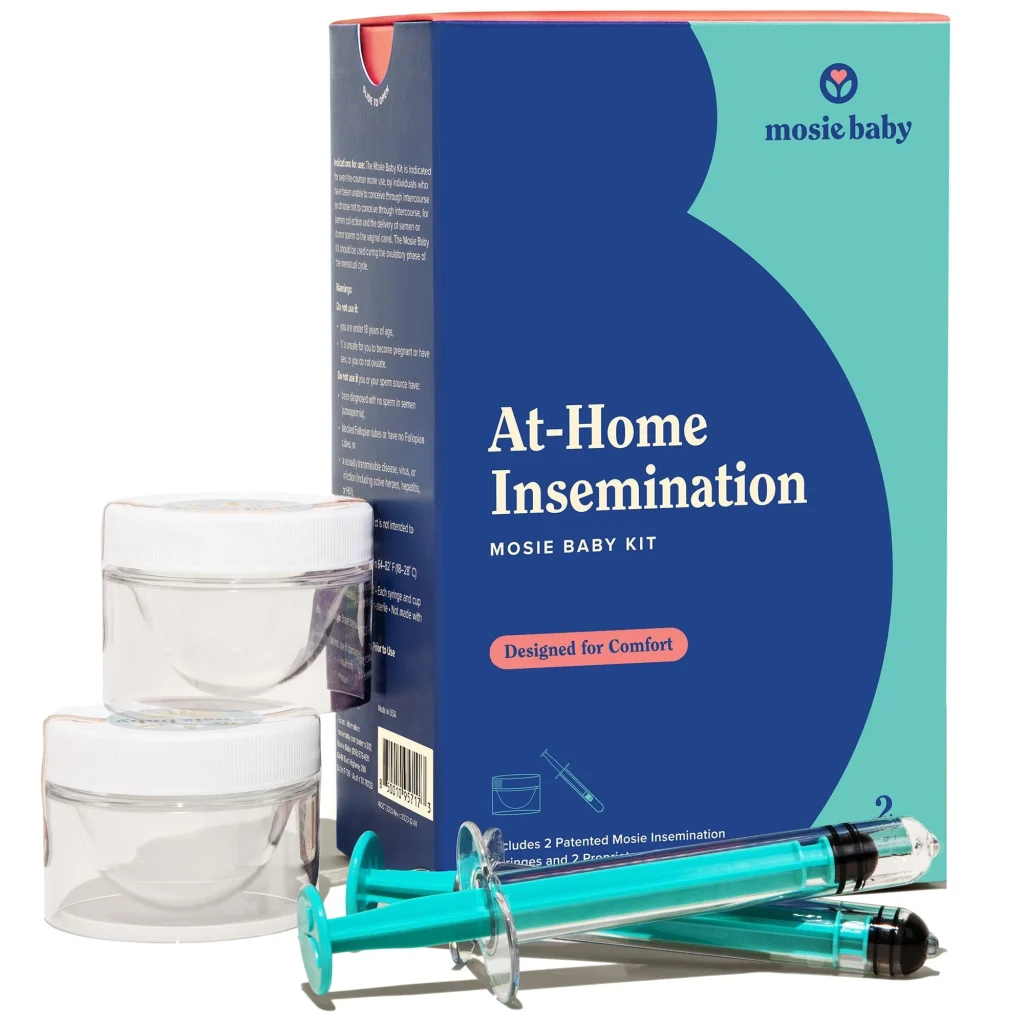
Mosiebaby is a relatively new at-home insemination kit that has gained popularity in recent years. It involves a simple process where a syringe-like device is used to deposit sperm into the vagina. This method is designed for couples who are trying to conceive without any underlying fertility issues. It can also be used by same-sex couples or single women who want to start a family.
On the other hand, IVF is a more complex and invasive procedure that is typically recommended for couples who have been diagnosed with fertility issues. It involves extracting eggs from the woman’s ovaries and fertilizing them with sperm in a laboratory. The resulting embryos are then transferred into the woman’s uterus for implantation.
Success Rates:
One of the most important factors to consider when comparing Mosiebaby and IVF is their success rates. The success rate of Mosiebaby is reported to be around 20-25%, which is comparable to the success rate of natural conception. However, this success rate can vary depending on factors such as the age and overall health of the woman and the quality of the sperm used.
On the other hand, the success rate of IVF is significantly higher, with an average success rate of 40-45% for women under the age of 35. This rate drops as the woman’s age increases, with a success rate of 30% for women aged 35-37 and only 5% for women over the age of 40. It is also important to note that the success rate of IVF can be affected by various factors such as the cause of infertility, the number and quality of embryos transferred, and the experience of the fertility clinic.
Costs:
Another crucial aspect to consider is the cost of Mosiebaby and IVF. Mosiebaby is a relatively affordable option, with a one-time cost of around $89 for a kit that includes two syringes. This makes it a more accessible option for couples who are on a tight budget or cannot afford the high costs associated with IVF.

Mosiebaby vs. IVF: Comparing the Success Rates and Costs
On the other hand, the cost of IVF can range from $10,000 to $15,000 per cycle, and this does not include additional costs such as medications, testing, and embryo storage. This can add up to a significant amount, especially if multiple IVF cycles are needed to achieve a successful pregnancy. Some insurance plans may cover a portion of the costs, but it is essential to check with your provider beforehand.
Risks and Side Effects:
Both Mosiebaby and IVF have potential risks and side effects that couples need to be aware of before making a decision. The main risk associated with Mosiebaby is the possibility of infection if proper hygiene is not maintained during the process. This risk can be minimized by following the instructions provided with the kit.
IVF, on the other hand, is a more invasive procedure and comes with a higher risk of complications such as multiple pregnancies, ovarian hyperstimulation syndrome, and ectopic pregnancy. It also involves a more extensive use of medications, which can have side effects such as bloating, mood swings, and headaches.
Emotional and Physical Impact:
Infertility can take a toll on both the emotional and physical well-being of couples. Mosiebaby can be a less stressful and more intimate option for couples, as it can be done in the privacy of their own home. However, it may not be suitable for couples who have been struggling with infertility for a long time, as the success rate is lower compared to IVF.
IVF, on the other hand, can be a physically and emotionally demanding process. The injections, monitoring appointments, and egg retrieval can be physically taxing, and the emotional rollercoaster of hope and disappointment can be exhausting for couples. It is essential to consider these factors and be prepared for the emotional and physical impact of both methods.
Summary:
In conclusion, Mosiebaby and IVF are two different methods that can help couples conceive, but they have varying success rates, costs, and potential risks and side effects. Mosiebaby is a more affordable and less invasive option, but it may not be suitable for couples with underlying fertility issues. IVF, on the other hand, has a higher success rate but comes with a significantly higher cost and potential risks and side effects. It is essential for couples to consult with their doctor and consider all factors before making a decision.