Tag: risks and benefits

  • The Syringe Insemination System and Natural Conception: What You Need to Consider

    Blog Post:

    When it comes to starting a family, there are various options available to couples who are struggling to conceive naturally. One of these options is the Syringe Insemination System, also known as SIS. This method involves manually inserting semen into the woman’s reproductive system in hopes of achieving pregnancy. While it may seem like a simple and straightforward solution, there are important factors to consider before making the decision to use SIS.

    In this blog post, we will discuss the Syringe Insemination System and its effectiveness compared to natural conception. We will also explore the risks and benefits of using this method, as well as what you need to keep in mind before deciding to try it.

    Understanding the Syringe Insemination System

    The Syringe Insemination System is a fertility treatment method that involves using a syringe to inject semen into the cervix or uterus of a woman in order to increase the chances of fertilization. This method is often used by couples who are struggling with male fertility issues, such as low sperm count or motility. It can also be used by single women or same-sex couples who are hoping to conceive using a sperm donor.

    The procedure can be done at home or in a medical setting, with the help of a doctor or fertility specialist. In a medical setting, the doctor will use a speculum to open the cervix, and then insert a catheter into the cervix to inject the semen. At home, the couple can use a sterile syringe and catheter to perform the procedure themselves.

    Effectiveness of SIS vs. Natural Conception

    When deciding between SIS and natural conception, it’s important to understand the effectiveness of each method. While natural conception relies on sperm being naturally released into the woman’s reproductive system during intercourse, SIS involves manually injecting the sperm into the reproductive system. This can increase the chances of fertilization, especially for couples struggling with male fertility issues.

    However, it’s worth noting that the success rates of SIS can vary depending on various factors such as the woman’s age, sperm quality, and timing of the procedure. According to a study published in the Journal of Assisted Reproduction and Genetics, the pregnancy rate for SIS was 11%, compared to 17% for natural conception. This suggests that while SIS can be effective, it may not be as successful as natural conception.
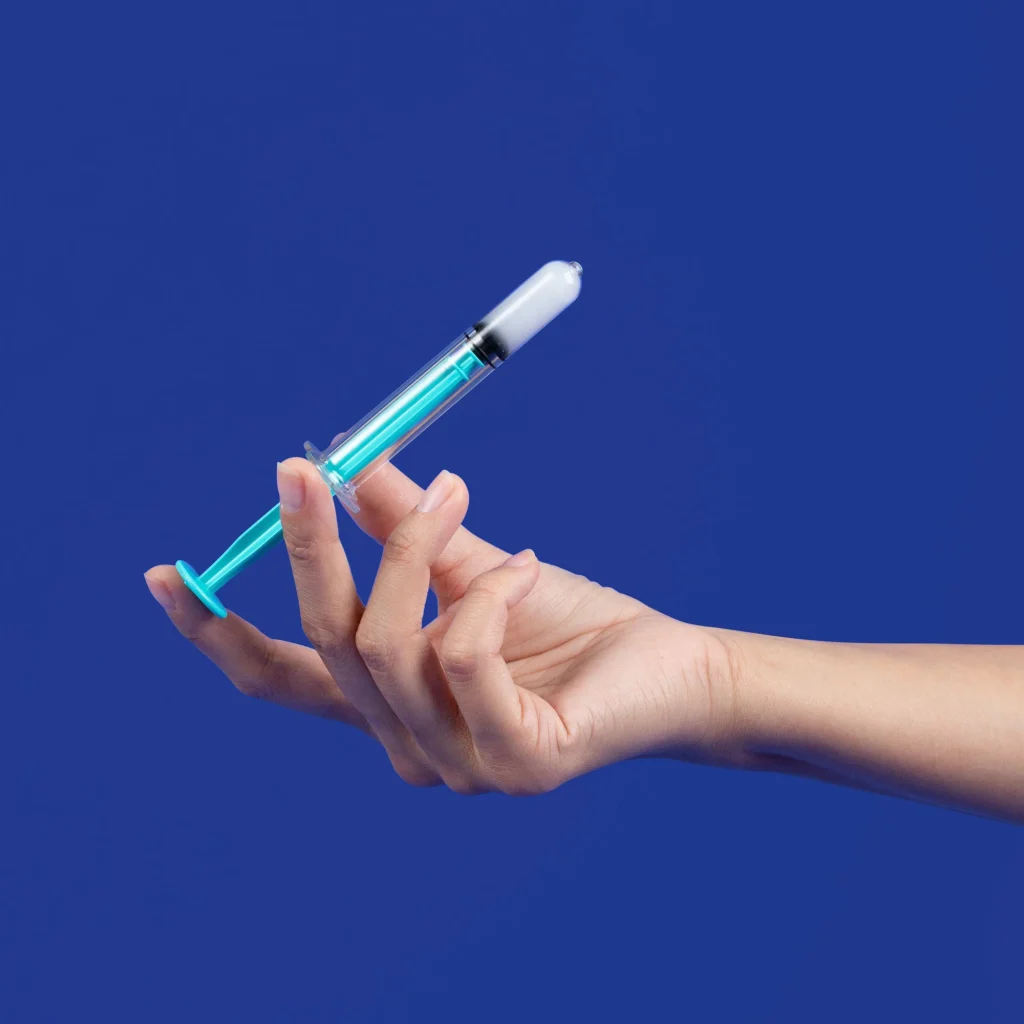
    hand holding a syringe with a blue plunger against a solid blue background

    The Syringe Insemination System and Natural Conception: What You Need to Consider

    Risks and Benefits of SIS

    As with any medical procedure, there are risks and benefits associated with SIS. Some potential risks include infection, injury to the cervix, and discomfort during or after the procedure. It’s important to discuss these risks with your doctor before deciding to try SIS.

    On the other hand, some potential benefits of SIS include increased chances of fertilization, minimal side effects, and the ability to control the timing of the procedure. It can also be a more affordable option compared to other fertility treatments like in vitro fertilization (IVF). Ultimately, the decision to use SIS should be made after carefully weighing the risks and benefits and consulting with a medical professional.

    Factors to Consider Before Trying SIS

    Before deciding to try SIS, there are important factors to consider. First and foremost, it’s crucial to understand the root cause of your fertility struggles. SIS may not be suitable for couples with certain fertility issues, such as blocked fallopian tubes or severe male infertility. In these cases, other fertility treatments may be more effective.

    It’s also important to have realistic expectations and understand that SIS may not work for everyone. As mentioned earlier, the success rates of SIS can vary and it may take multiple attempts before achieving a successful pregnancy. Additionally, it’s important to have open communication with your partner about the decision to use SIS and to be emotionally prepared for any potential challenges that may arise.

    Summary:

    The Syringe Insemination System (SIS) is a fertility treatment method that involves manually injecting semen into a woman’s reproductive system to increase the chances of fertilization. While it can be an effective option for couples struggling with male fertility issues, it’s important to consider its effectiveness compared to natural conception, as well as the potential risks and benefits. Factors such as the underlying cause of fertility struggles and realistic expectations should also be taken into consideration before deciding to try SIS.

    SEO metadata:

  • Syringe Insemination and Multiple Births: Understanding the Risks and Benefits

    Blog Post Title: Syringe Insemination and Multiple Births: Understanding the Risks and Benefits

    Introduction:
    In today’s modern world, assisted reproductive technology has made it possible for couples struggling with infertility to have children. One of the methods used is syringe insemination, also known as intrauterine insemination (IUI). This technique involves injecting washed and concentrated sperm directly into the uterus using a syringe, bypassing the cervix and increasing the chances of fertilization. While this method has proven to be successful for many couples, it also comes with potential risks, especially when it results in multiple births. In this blog post, we will delve into the risks and benefits of syringe insemination and multiple births, and provide a clearer understanding of this reproductive technology.

    Understanding Syringe Insemination:
    Syringe insemination is a relatively simple procedure that can be performed in a doctor’s office. It involves washing and concentrating the sperm sample to remove any debris or non-motile sperm, and then using a syringe to inject the sperm directly into the uterus. This method is often used for couples with unexplained infertility, mild male factor infertility, or women with cervical issues that prevent sperm from reaching the uterus.

    Benefits of Syringe Insemination:
    One of the main benefits of syringe insemination is that it increases the chances of fertilization. By bypassing the cervix, the sperm is placed closer to the fallopian tubes where fertilization takes place, increasing the chances of sperm meeting the egg. This method is also less invasive and less expensive compared to other assisted reproductive techniques such as in vitro fertilization (IVF).

    Risks of Syringe Insemination:
    While syringe insemination has a high success rate, it also comes with potential risks. The most significant risk is multiple births, which occur when more than one embryo implants in the uterus. This can result in twins, triplets, or even higher-order multiples. Multiple pregnancies pose a higher risk for both the mother and the babies. The mother may experience complications such as gestational diabetes, preeclampsia, and premature birth. The babies may also be at risk for low birth weight, developmental delays, and other health issues.

    logo featuring a pink heart above two teal leaves on a blue circular background

    Syringe Insemination and Multiple Births: Understanding the Risks and Benefits

    Understanding Multiple Births:
    Multiple births can occur naturally, but they are more likely to happen with assisted reproductive techniques such as syringe insemination. When multiple embryos are transferred to the uterus during IVF, it increases the chances of multiple births. With syringe insemination, the risk of multiple births is lower, but it is still a possibility. The number of embryos that are transferred and the quality of the embryos can also affect the chances of multiple births.

    Risks of Multiple Births:
    As mentioned earlier, multiple births pose a higher risk for both the mother and the babies. The mother may experience complications during pregnancy, labor, and delivery, and may require a cesarean section. The babies may also be born prematurely, which can lead to health issues such as respiratory problems, developmental delays, and cerebral palsy. Multiple births also put a strain on the family, both emotionally and financially.

    Benefits of Multiple Births:
    While there are significant risks associated with multiple births, there are also some benefits. For couples who have been struggling with infertility, the idea of having more than one child at once can be appealing. It also reduces the need for multiple fertility treatments, which can be emotionally and physically draining. Having twins or triplets can also mean that the parents get to experience the joys of parenthood multiple times over.

    Reducing the Risk of Multiple Births:
    To reduce the risk of multiple births, doctors typically limit the number of embryos transferred during IVF or syringe insemination. They also carefully select the quality of the embryos to increase the chances of a successful pregnancy with a single embryo. For couples who are at a higher risk for multiple births, doctors may recommend selective reduction, a procedure where one or more embryos are removed from the uterus to decrease the likelihood of a high-risk multiple pregnancy.

    Conclusion:
    Syringe insemination is a popular assisted reproductive technique that can help couples struggling with infertility to conceive. While it comes with a high success rate, it also poses the risk of multiple births, which can have significant consequences for both the mother and the babies. It is essential to understand the risks and benefits of syringe insemination and multiple births to make an informed decision about this reproductive technology.

    In summary, syringe insemination, also known as IUI, is a method of assisted reproduction that involves injecting washed and concentrated sperm directly into the uterus. It has a high success rate and is less invasive and less expensive compared to other techniques. However, it also comes with the risk of multiple births, which can have significant consequences for both the mother and the babies. To reduce this risk, doctors limit the number of embryos transferred and carefully select the quality of the embryos. Couples considering syringe insemination should be aware of the risks and benefits to make an informed decision.