Tag: safe sex

  • How to Promote a Healthy Vaginal Microbiome with Cervical Mucus

    The vaginal microbiome is a delicate ecosystem that plays a crucial role in maintaining women’s reproductive health. One of the key components of a healthy vaginal microbiome is cervical mucus. Cervical mucus is a fluid secreted by the cervix that helps to protect and nourish the reproductive system. It also serves as a barrier against harmful bacteria and maintains a balanced pH level in the vagina. In this blog post, we will discuss the importance of promoting a healthy vaginal microbiome through cervical mucus and provide tips on how to do so.

    Understanding the Vaginal Microbiome and Cervical Mucus

    The vaginal microbiome refers to the complex community of microorganisms that inhabit the vagina. These microorganisms include bacteria, fungi, and viruses, and they play a vital role in maintaining the health of the reproductive system. When the balance of these microorganisms is disrupted, it can lead to various vaginal health issues, including bacterial vaginosis, yeast infections, and urinary tract infections.

    Cervical mucus, also known as cervical fluid, is a clear or white fluid secreted by the cervix. It is produced by the glands in the cervix and changes in consistency and volume throughout a woman’s menstrual cycle. Cervical mucus has various functions, including facilitating sperm transport, providing nourishment and protection for sperm, and maintaining a healthy vaginal environment.

    Promoting a Healthy Vaginal Microbiome with Cervical Mucus

    1. Stay Hydrated

    Staying hydrated is crucial for maintaining a healthy vaginal microbiome. Drinking plenty of water helps to thin out cervical mucus, making it easier for sperm to travel through the cervix. It also helps to flush out harmful bacteria and toxins from the body. Aim for at least eight glasses of water per day to keep your body hydrated and promote a healthy vaginal environment.

    2. Consume Probiotics

    Probiotics are beneficial bacteria that help to maintain a healthy balance of microorganisms in the body. They can be found in fermented foods like yogurt, kefir, and kimchi, or taken as supplements. Probiotics can help to prevent and treat vaginal infections by replenishing the good bacteria in the vagina and keeping harmful bacteria at bay.

    3. Avoid Douching

    at-home insemination kit by Mosie Baby, featuring syringes, collection cups, and instructions on a pink background.

    How to Promote a Healthy Vaginal Microbiome with Cervical Mucus

    Douching is the practice of using water or other solutions to clean the inside of the vagina. However, this practice can disrupt the natural balance of bacteria in the vagina and increase the risk of infections. It can also wash away the beneficial cervical mucus, making it more difficult for sperm to reach the egg. It is best to avoid douching and let the vagina clean itself naturally.

    4. Use Gentle Feminine Hygiene Products

    The vagina is a self-cleaning organ, and using harsh chemicals or scented products can disrupt its natural balance. It is best to use gentle, pH-balanced feminine hygiene products to avoid irritation or infection. Look for products that are free of harsh chemicals, fragrances, and dyes to promote a healthy vaginal microbiome.

    5. Practice Safe Sex

    Practicing safe sex is crucial for maintaining a healthy vaginal microbiome. Unprotected sex can introduce harmful bacteria into the vagina, increasing the risk of infections. It is essential to use condoms or other barrier methods to prevent the spread of sexually transmitted infections (STIs) and maintain a healthy balance of microorganisms in the vagina.

    6. Monitor Your Menstrual Cycle

    Cervical mucus changes throughout a woman’s menstrual cycle. It starts off thick and sticky and becomes thinner and more stretchy as ovulation approaches. Monitoring these changes can help you determine your most fertile days, making it easier to conceive. It can also indicate any changes or imbalances in your vaginal microbiome.

    7. Seek Medical Help for Abnormal Discharge

    Any changes in the color, consistency, or smell of your cervical mucus may indicate an infection or other underlying health issues. If you experience abnormal discharge, it is essential to seek medical help to determine the cause and receive appropriate treatment. Ignoring symptoms can lead to more severe health problems in the future.

    In summary, promoting a healthy vaginal microbiome with cervical mucus is crucial for women’s reproductive health. Staying hydrated, consuming probiotics, avoiding douching, using gentle feminine hygiene products, practicing safe sex, monitoring your menstrual cycle, and seeking medical help for abnormal discharge are some ways to maintain a balanced and healthy vaginal environment.

  • Maintaining a Healthy Vaginal Microbiome with Cervical Mucus

    Maintaining a Healthy Vaginal Microbiome with Cervical Mucus

    The vagina is a complex ecosystem that is home to a diverse community of microorganisms, also known as the vaginal microbiome. This microbiome plays a crucial role in maintaining the overall health of the female reproductive system. One key factor in maintaining a healthy vaginal microbiome is the presence of cervical mucus. In this blog post, we will discuss the importance of cervical mucus in maintaining a healthy vaginal microbiome and ways to promote its optimal production.

    What is Cervical Mucus?

    Cervical mucus is a fluid secreted by the cervical glands in the cervix, the lower part of the uterus. It is a natural lubricant that helps with the movement of sperm through the cervix and into the uterus. Cervical mucus also serves as a protective barrier, keeping harmful bacteria and viruses from entering the reproductive system.

    The Role of Cervical Mucus in Maintaining a Healthy Vaginal Microbiome

    The vaginal microbiome is a delicate balance of good and bad bacteria. When this balance is disrupted, it can lead to various health issues such as bacterial vaginosis, yeast infections, and urinary tract infections. Cervical mucus plays a vital role in maintaining this balance by promoting the growth of good bacteria and preventing the overgrowth of harmful bacteria.

    Cervical mucus contains immunoglobulins, which are antibodies that help fight off infections. These antibodies work to maintain the acidic pH of the vagina, which is necessary for the growth of good bacteria and to inhibit the growth of harmful ones. Additionally, cervical mucus also contains glycogen, a sugar that serves as food for good bacteria, promoting their growth and keeping the microbiome balanced.

    Ways to Promote Optimal Cervical Mucus Production

    Hands holding a syringe and a small container against a blue background.

    Maintaining a Healthy Vaginal Microbiome with Cervical Mucus

    Now that we understand the importance of cervical mucus in maintaining a healthy vaginal microbiome, let’s discuss some ways to promote its optimal production.

    1. Stay Hydrated: One simple yet effective way to promote cervical mucus production is to stay hydrated. Drinking plenty of water helps keep the body hydrated and promotes the production of cervical mucus.

    2. Avoid Douching: Douching is the practice of cleaning the internal walls of the vagina with water or other solutions. This disrupts the natural balance of bacteria and can wash away essential cervical mucus, leaving the vagina vulnerable to infections.

    3. Consume Probiotics: Probiotics are live microorganisms that promote the growth of good bacteria in the body. Consuming probiotic-rich foods like yogurt, kefir, and sauerkraut can help maintain a healthy vaginal microbiome and promote optimal cervical mucus production.

    4. Avoid Harsh Chemicals: Harsh chemicals found in scented soaps, bubble baths, and feminine hygiene products can irritate the delicate tissues in the vagina and disrupt the balance of bacteria. It is best to avoid these products and opt for natural, unscented options.

    5. Practice Safe Sex: Engaging in unprotected sex can introduce harmful bacteria into the vagina, leading to infections. It is essential to practice safe sex to protect the vaginal microbiome and promote optimal cervical mucus production.

    Conclusion

    In conclusion, maintaining a healthy vaginal microbiome is crucial for overall reproductive health, and cervical mucus plays a significant role in achieving this. By staying hydrated, avoiding douching, consuming probiotics, avoiding harsh chemicals, and practicing safe sex, we can promote optimal cervical mucus production and maintain a balanced vaginal microbiome.

  • How to Manage Changes in Cervical Mucus During Menopause

    Managing changes in cervical mucus can be a challenging aspect of menopause for many women. Menopause is a natural process that marks the end of a woman’s reproductive years, and it is accompanied by a variety of physical and emotional changes. One of the most common changes experienced during menopause is changes in cervical mucus. Cervical mucus, also known as cervical fluid, is a natural bodily secretion that plays a vital role in a woman’s reproductive health. It helps to transport sperm to the egg and creates an optimal environment for fertilization. However, during menopause, hormonal changes can cause fluctuations in cervical mucus, leading to changes in its consistency, color, and amount. In this blog post, we will discuss how to manage these changes in cervical mucus during menopause.

    Understanding Menopause and Cervical Mucus Changes

    Menopause is a natural biological process that occurs when a woman’s body stops producing estrogen and progesterone. These hormones are responsible for regulating the menstrual cycle and maintaining reproductive health. As a woman approaches menopause, her body starts producing lower levels of estrogen and progesterone, leading to changes in her menstrual cycle, and eventually, the end of her periods. This transition period, known as perimenopause, can last for several years before menopause is officially reached.

    During perimenopause and menopause, the levels of estrogen in a woman’s body fluctuate, which can affect the consistency, color, and amount of cervical mucus. Estrogen is responsible for stimulating the production of cervical mucus, so as its levels decrease, the production of cervical mucus also decreases. This can result in drier and thinner cervical mucus, making it difficult for sperm to travel to the egg. Additionally, hormonal changes can also affect the pH level of the cervical mucus, making it less hospitable for sperm.

    Managing Changes in Cervical Mucus During Menopause

    1. Stay Hydrated

    One of the best ways to manage changes in cervical mucus during menopause is to stay hydrated. Drinking plenty of water can help to maintain the quality and quantity of cervical mucus. It is recommended to drink at least 8-10 glasses of water per day. You can also try to increase your intake of other fluids, such as herbal teas, to stay hydrated.

    2. Use Lubricants

    As estrogen levels decrease during menopause, the vagina can become drier, resulting in discomfort and pain during sexual intercourse. This can also affect the quality of cervical mucus. Using a water-based lubricant can help to alleviate discomfort and improve the consistency of cervical mucus. Make sure to choose a lubricant that is free of harsh chemicals and additives.

    3. Try Natural Remedies

    Some women may prefer to use natural remedies to manage changes in cervical mucus during menopause. Some natural remedies that can help to improve the quality and quantity of cervical mucus include evening primrose oil, vitamin E, and flaxseed oil. However, it is essential to consult with a healthcare provider before trying any natural remedies.

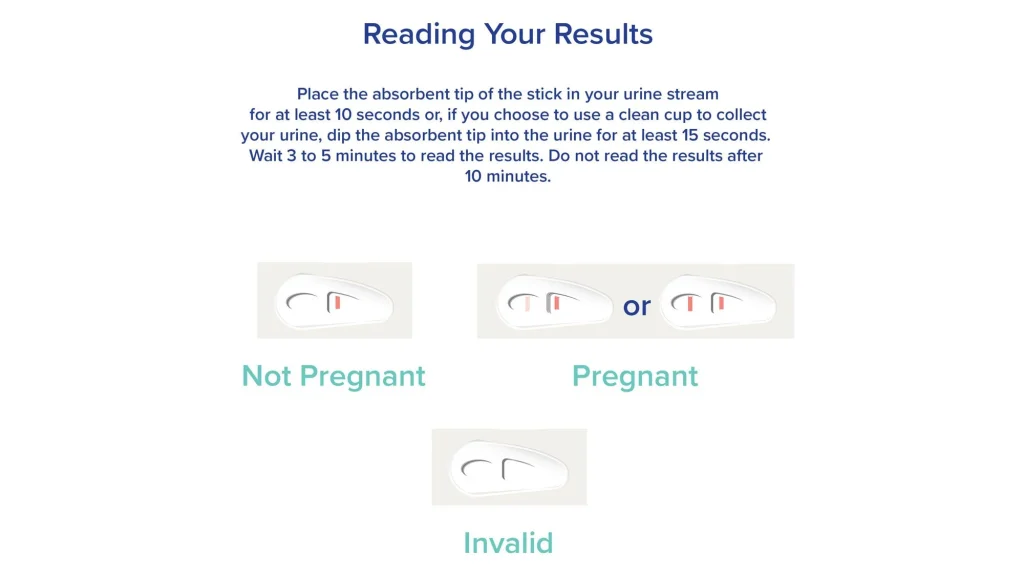
    Instructions for reading pregnancy test results with visual indicators for "Not Pregnant," "Pregnant," and "Invalid.

    How to Manage Changes in Cervical Mucus During Menopause

    4. Consider Hormone Replacement Therapy (HRT)

    Hormone replacement therapy (HRT) is a treatment that involves taking estrogen and progesterone to alleviate symptoms of menopause. HRT can also help to improve the quality and quantity of cervical mucus. It is essential to discuss the risks and benefits of HRT with a healthcare provider before starting this treatment.

    5. Practice Safe Sex

    During menopause, the risk of sexually transmitted infections (STIs) increases due to changes in the cervix and vaginal tissues. It is essential to practice safe sex by using condoms to reduce the risk of contracting an STI. Additionally, using condoms can also help to maintain the pH level of the cervical mucus and prevent infections.

    6. Monitor Your Cervical Mucus

    It is crucial to keep track of changes in your cervical mucus during menopause. This can help you to identify any abnormal changes or infections that may require medical attention. You can use a menstrual cup or a clean finger to check your cervical mucus daily. If you notice any changes, such as a foul odor or unusual color, consult with your healthcare provider.

    7. Take Care of Your Vaginal Health

    Maintaining good vaginal health is crucial during menopause. It is essential to avoid using harsh soaps, douches, and other products that can disrupt the pH balance of the vagina and affect the quality of cervical mucus. It is also important to wear cotton underwear and change out of wet swimwear or workout clothes promptly to prevent infections.

    Conclusion

    Menopause can bring about many changes in a woman’s body, including changes in cervical mucus. While these changes can be uncomfortable, they are a normal part of the menopausal transition. By following the tips mentioned above, you can manage changes in cervical mucus and maintain your reproductive health during menopause. Remember to stay hydrated, use lubricants, try natural remedies, consider HRT, practice safe sex, monitor your cervical mucus, and take care of your vaginal health.

    In summary, menopause is a natural process that marks the end of a woman’s reproductive years and is accompanied by changes in cervical mucus. Estrogen levels decrease during menopause, which can affect the quality and quantity of cervical mucus. To manage these changes, it is essential to stay hydrated, use lubricants, consider natural remedies, HRT, practice safe sex, monitor cervical mucus, and take care of vaginal health.

  • How to Maintain Healthy Cervical Mucus During Menopause

    Menopause is a natural and inevitable stage in a woman’s life that marks the end of her reproductive years. During this time, the body undergoes significant hormonal changes, leading to the cessation of menstruation and the end of fertility. While this process is completely normal, it can also bring about uncomfortable symptoms such as hot flashes, mood swings, and changes in vaginal health. One aspect of vaginal health that is often overlooked during menopause is cervical mucus. Cervical mucus plays a crucial role in maintaining vaginal health and fertility, and it is important to understand how to maintain healthy cervical mucus during menopause. In this blog post, we will discuss the importance of cervical mucus, the changes it undergoes during menopause, and practical tips for maintaining healthy cervical mucus during this stage of life.

    Understanding Cervical Mucus

    Cervical mucus, also known as cervical fluid, is a natural secretion produced by the cervix that plays a vital role in the reproductive process. Its main function is to create a hospitable environment for sperm to travel through the reproductive tract and reach the egg for fertilization. Cervical mucus also acts as a barrier, protecting the reproductive organs from bacteria and other potentially harmful substances.

    Healthy cervical mucus is typically clear or milky in color, with a smooth and slippery texture. It changes in consistency and appearance throughout the menstrual cycle, becoming thinner and more stretchy during ovulation to help sperm reach the egg. This makes it an essential component of fertility and conception.

    Cervical Mucus Changes During Menopause

    During menopause, the body undergoes a significant decline in estrogen levels, leading to changes in the reproductive system. These hormonal changes can impact the production and quality of cervical mucus. As estrogen levels decrease, the cervical mucus becomes drier, thicker, and less abundant. This can make it challenging for sperm to reach the egg, resulting in a decline in fertility.

    Moreover, the decrease in estrogen levels can also cause changes in the pH balance of the vagina, making it more alkaline. This can create an environment that is less hospitable to sperm and more prone to infections. As a result, menopausal women may experience vaginal dryness, itching, and an increased risk of urinary tract infections.

    Tips for Maintaining Healthy Cervical Mucus During Menopause

    While the changes in cervical mucus during menopause are inevitable, there are steps that women can take to maintain healthy cervical mucus and improve their vaginal health.

    1. Stay Hydrated

    Drinking plenty of water is essential for maintaining healthy cervical mucus. Dehydration can lead to thicker and stickier cervical mucus, making it difficult for sperm to travel through the reproductive tract. Aim for at least 8 glasses of water a day to keep your body hydrated and your cervical mucus at a healthy consistency.

    2. Incorporate Healthy Fats in Your Diet

    Baby wearing a blue shirt with "made with Love" text, surrounded by colorful floral and butterfly designs.

    How to Maintain Healthy Cervical Mucus During Menopause

    Healthy fats, such as those found in avocados, olive oil, and fatty fish, are essential for maintaining hormonal balance and promoting the production of cervical mucus. Including these healthy fats in your diet can help improve the quality and quantity of cervical mucus during menopause.

    3. Use Lubricants

    Vaginal dryness is a common symptom of menopause, and it can make sexual intercourse uncomfortable and even painful. Using a water-based lubricant can help reduce friction and make intercourse more comfortable. However, it is important to choose a lubricant that is free from harmful chemicals and additives that can disrupt the pH balance of the vagina.

    4. Consider Hormone Replacement Therapy

    Hormone replacement therapy (HRT) is a common treatment for menopause symptoms, including changes in cervical mucus. By replacing the declining levels of estrogen in the body, HRT can help improve the quality and quantity of cervical mucus, making it easier for sperm to reach the egg. However, it is important to consult with a healthcare provider before starting HRT, as it may not be suitable for everyone.

    5. Practice Safe Sex

    While menopausal women may not be concerned about preventing pregnancy, it is still important to practice safe sex to prevent infections. As the vaginal pH becomes more alkaline during menopause, the risk of infections such as bacterial vaginosis and yeast infections increases. Using barrier methods of contraception, such as condoms, can help reduce the risk of these infections.

    6. Consider Vaginal Moisturizers

    In addition to lubricants, menopausal women may also benefit from using vaginal moisturizers. These products are specifically designed to help improve vaginal dryness and maintain a healthy pH balance. They are available over-the-counter and can be used daily or as needed.

    7. Stay Active

    Regular physical activity can help improve overall health and also promote a healthy balance of hormones. Aim for at least 30 minutes of moderate exercise, such as brisk walking or yoga, every day to help maintain healthy cervical mucus.

    Summary:

    Maintaining healthy cervical mucus during menopause is essential for vaginal health and fertility. The decrease in estrogen levels during menopause can lead to changes in the production and quality of cervical mucus, making it difficult for sperm to reach the egg. To maintain healthy cervical mucus during this stage of life, it is important to stay hydrated, incorporate healthy fats in your diet, use lubricants, consider hormone replacement therapy, practice safe sex, use vaginal moisturizers, and stay physically active.

  • The Importance of Cervical Mucus During Menopause for Your Sexual Health

    Blog Post:

    Menopause is a natural process that occurs in women as they age, typically between the ages of 45 and 55. During this time, the body goes through a series of hormonal changes that mark the end of a woman’s reproductive years. While most people are familiar with the common symptoms of menopause, such as hot flashes and mood swings, there is one aspect that is often overlooked – the changes in cervical mucus.

    Cervical mucus, also known as cervical fluid, is a natural bodily fluid produced by the cervix. It plays a crucial role in a woman’s reproductive health, but its importance during menopause is often underestimated. In this blog post, we will explore why cervical mucus is essential for your sexual health during menopause and how you can ensure its well-being.

    What is Cervical Mucus?

    Cervical mucus is a fluid that is produced by the cervix, the lower part of the uterus that connects to the vagina. It is a clear or whitish fluid that changes in consistency and appearance throughout a woman’s menstrual cycle. The amount and consistency of cervical mucus are regulated by the hormones estrogen and progesterone, which are also responsible for ovulation and menstruation.

    During a woman’s fertile days, cervical mucus is thin, watery, and slippery, resembling the consistency of raw egg whites. This type of mucus helps sperm travel through the cervix and into the uterus, increasing the chances of fertilization. As a woman approaches menopause, her hormone levels decrease, leading to changes in cervical mucus production.

    The Importance of Cervical Mucus During Menopause

    Cervical mucus plays a crucial role in a woman’s sexual health, and its changes during menopause can have a significant impact. Here are some reasons why cervical mucus is essential during this stage of a woman’s life:

    1. Vaginal Dryness

    One of the most common symptoms of menopause is vaginal dryness. As hormone levels decline, the vagina may become drier and less elastic, making sexual intercourse uncomfortable or painful. The lack of cervical mucus can exacerbate this problem, as it acts as a natural lubricant during sexual activity. Without enough mucus, women may experience discomfort, itching, or burning during intercourse.

    2. Increased Risk of Infections

    Cervical mucus plays an essential role in maintaining the health of the vagina. It acts as a protective barrier, preventing harmful bacteria and other pathogens from entering the reproductive system. As women approach menopause and their hormone levels decrease, the production of cervical mucus also decreases, making them more susceptible to vaginal infections such as yeast infections and bacterial vaginosis.

    3. Changes in Libido

    The hormonal changes during menopause can also affect a woman’s libido, or sex drive. Estrogen is responsible for maintaining vaginal health and promoting sexual desire. As estrogen levels decline, women may experience a decrease in libido, making it more difficult to become sexually aroused. Additionally, the lack of lubrication due to decreased cervical mucus production can make sexual activity uncomfortable and less enjoyable, further affecting a woman’s sexual desire.

    4. Changes in Sexual Function

    Cervical mucus also plays a role in sexual function, particularly in sperm survival and movement. As women approach menopause, the quality and quantity of cervical mucus decrease, making it more difficult for sperm to reach and fertilize an egg. This can have a significant impact on a woman’s ability to become pregnant during this stage of her life.

    Colorful promotional image for Mosie Baby, featuring home insemination kit and encouraging text.

    The Importance of Cervical Mucus During Menopause for Your Sexual Health

    How to Ensure Cervical Mucus Well-Being During Menopause

    While the changes in cervical mucus during menopause are a natural part of the aging process, there are ways to maintain its well-being. Here are some tips to help you ensure that your cervical mucus is healthy and functioning correctly during menopause:

    1. Stay Hydrated

    Drinking plenty of water and staying hydrated can help keep cervical mucus production at a healthy level. When the body is dehydrated, it can affect the quality and quantity of cervical fluid, so it is essential to drink enough water throughout the day.

    2. Use Lubricants

    If you are experiencing vaginal dryness during menopause, using a water-based lubricant during sexual activity can help reduce discomfort and pain. Make sure to choose a lubricant that is free of harsh chemicals or fragrances and is safe for vaginal use.

    3. Consider Hormone Therapy

    Hormone therapy, also known as hormone replacement therapy, can help alleviate menopause symptoms, including changes in cervical mucus production. Talk to your doctor about the risks and benefits of hormone therapy to determine if it is the right option for you.

    4. Practice Safe Sex

    During menopause, women may be more susceptible to vaginal infections, so it is essential to practice safe sex to reduce the risk of contracting an STI. Using condoms can also help prevent any potential infections caused by a change in the balance of bacteria in the vagina.

    5. Pay Attention to Changes

    It is crucial to pay attention to any changes in your cervical mucus during menopause. If you notice a significant decrease in production, changes in consistency, or a foul odor, it is essential to consult with your doctor. These changes could be a sign of an infection or other underlying health issues that require medical attention.

    Conclusion

    In conclusion, cervical mucus plays a crucial role in a woman’s sexual health during menopause. Its changes during this stage of life can have a significant impact, including vaginal dryness, increased risk of infections, changes in libido and sexual function. By understanding the importance of cervical mucus and taking steps to maintain its well-being, women can ensure a more comfortable and enjoyable sexual experience during menopause.

    Summary:

    -Menopause is a natural process that occurs in women as they age, marked by hormonal changes.
    -Cervical mucus, also known as cervical fluid, is a natural bodily fluid produced by the cervix.
    -During menopause, hormone levels decrease, leading to changes in cervical mucus production.
    -Cervical mucus plays a crucial role in a woman’s sexual health, including preventing vaginal dryness, reducing the risk of infections, and maintaining libido and sexual function.
    -To ensure cervical mucus well-being during menopause, women can stay hydrated, use lubricants, consider hormone therapy, practice safe sex, and pay attention to changes in cervical mucus.

  • Cervical Mucus and Pregnancy: Tips for Keeping it Healthy

    Cervical mucus is a substance produced by the cervix that plays a crucial role in fertility and pregnancy. It serves as a protective barrier for the reproductive system and also helps sperm travel to the egg for fertilization. In this blog post, we will discuss the importance of cervical mucus in pregnancy, common changes in cervical mucus during pregnancy, and tips for keeping it healthy.

    The Importance of Cervical Mucus in Pregnancy

    Cervical mucus plays a vital role in pregnancy as it helps create a favorable environment for sperm to survive and travel to the egg. Without sufficient and healthy cervical mucus, sperm may not be able to reach the egg, hindering the chances of conception. Additionally, cervical mucus also helps protect the reproductive organs from infections and provides nourishment to the sperm. During pregnancy, cervical mucus also helps keep the cervix tightly closed to prevent any potential harm to the developing baby.

    Common Changes in Cervical Mucus During Pregnancy

    During pregnancy, hormonal changes can cause significant changes in the cervical mucus. The consistency, color, and amount of cervical mucus may vary throughout the different stages of pregnancy. In the early stages of pregnancy, the cervical mucus may become thicker and more abundant, creating a plug to protect the uterus from infections. As the pregnancy progresses, the cervical mucus may become thinner and more watery, making it easier for the baby to pass through the birth canal during delivery.

    Tips for Keeping Cervical Mucus Healthy During Pregnancy

    1. Stay Hydrated: Drinking plenty of water and staying hydrated is crucial for maintaining healthy cervical mucus. Dehydration can cause the mucus to become thicker and less fertile, making it difficult for sperm to travel.

    guide and materials for using Mosie Baby fertility kit on a textured surface

    Cervical Mucus and Pregnancy: Tips for Keeping it Healthy

    2. Avoid Douching: Douching can disrupt the natural pH balance of the vagina, leading to an increase in harmful bacteria and infections. This can also affect the quality and quantity of cervical mucus, making it less favorable for sperm.

    3. Practice Safe Sex: Engaging in unprotected sex can increase the risk of sexually transmitted infections, which can affect the health of the cervix and cervical mucus. It is essential to practice safe sex to protect yourself and your baby’s health.

    4. Take Prenatal Vitamins: Prenatal vitamins are essential for a healthy pregnancy, and they can also help improve the quality of cervical mucus. These vitamins contain nutrients like folic acid and vitamin B6, which can aid in the production of fertile and healthy cervical mucus.

    5. Consider Fertility-Friendly Lubricants: If you are trying to conceive, using a fertility-friendly lubricant can help create a favorable environment for sperm. These lubricants mimic the consistency and pH of cervical mucus, making it easier for sperm to travel.

    6. Avoid Irritants: Certain products like scented soaps, detergents, and perfumes can irritate the delicate balance of the vagina and affect the quality of cervical mucus. It is best to avoid these irritants and opt for unscented and hypoallergenic products.

    7. Consult Your Doctor: If you are experiencing any unusual changes in your cervical mucus, it is essential to consult your doctor. They can evaluate your condition and provide appropriate treatment if needed.

    In conclusion, cervical mucus plays a crucial role in pregnancy, and it is essential to keep it healthy to increase the chances of conception and maintain a healthy pregnancy. By following these tips and consulting with your doctor, you can ensure that your cervical mucus remains healthy throughout your pregnancy journey.

  • From Barrier to Protection: The Role of Cervical Mucus in STI Prevention

    From Barrier to Protection: The Role of Cervical Mucus in STI Prevention

    Sexually transmitted infections (STIs) are a major public health concern, affecting millions of people worldwide each year. While there are various methods of preventing STIs, such as condoms and vaccines, one often overlooked aspect is the role of cervical mucus in protecting against these infections. In this blog post, we will explore the importance of cervical mucus in STI prevention and how understanding its function can help individuals make informed decisions about their sexual health.

    What is Cervical Mucus?

    Cervical mucus, also known as cervical fluid, is a natural secretion produced by cells in the cervix. It serves as a protective barrier for the reproductive system, helping to keep it clean and healthy. Its consistency and amount can vary throughout a woman’s menstrual cycle and is influenced by hormones. During ovulation, cervical mucus becomes more thin and slippery, making it easier for sperm to travel through the cervix and fertilize an egg. However, its role in STI prevention goes beyond facilitating pregnancy.

    The Barrier Effect of Cervical Mucus

    One of the primary ways cervical mucus protects against STIs is by acting as a physical barrier. The mucus forms a thick, sticky layer that covers the cervix, making it difficult for pathogens, such as bacteria and viruses, to enter the reproductive tract. This barrier effect is especially crucial for individuals who engage in vaginal or anal sex without a condom, as it can help prevent the transmission of STIs.

    The Protecting Properties of Cervical Mucus

    In addition to its barrier effect, cervical mucus also contains protective properties that can help fight against STIs. It contains antibodies, enzymes, and other substances that can neutralize or kill pathogens, making it a natural defense mechanism against infections. These protective components can also help to promote a healthy balance of bacteria in the vagina, further reducing the risk of STIs.

    The Role of Cervical Mucus in STI Transmission

    While cervical mucus plays a significant role in preventing STIs, it is essential to understand that it is not foolproof. Its effectiveness can be affected by factors such as the type and amount of mucus produced, the health of the individual, and the type of STI. For example, some STIs, like human papillomavirus (HPV) and herpes, can be transmitted through skin-to-skin contact and may not be entirely prevented by cervical mucus. Additionally, certain factors, such as douching or using spermicides, can change the pH balance of the vagina and disrupt the protective properties of cervical mucus, increasing the risk of STI transmission.

    logo featuring a pink heart above two teal leaves on a blue circular background

    From Barrier to Protection: The Role of Cervical Mucus in STI Prevention

    The Importance of Understanding Cervical Mucus for STI Prevention

    Understanding the role of cervical mucus in STI prevention is crucial for individuals to make informed decisions about their sexual health. For those who are sexually active, regularly monitoring and tracking changes in cervical mucus can help them identify their most fertile and least fertile days, making it easier to plan for safer sex during ovulation. Additionally, individuals can use this knowledge to identify any changes in their cervical mucus that may indicate an underlying infection or health issue, prompting them to seek medical attention.

    Practical Tips for Maintaining Healthy Cervical Mucus

    To maintain a healthy balance of cervical mucus, there are some simple steps individuals can take, including:

    1. Avoiding douching or using harsh soaps or perfumed products in the genital area, as they can disrupt the natural pH balance and protective properties of cervical mucus.

    2. Using water- or silicone-based lubricants during sexual activity to prevent friction and tears in the vaginal walls, which can increase the risk of STI transmission.

    3. Practicing safe sex by using condoms, dental dams, or other barrier methods, even when engaging in oral sex, to reduce the risk of STI transmission.

    4. Staying hydrated by drinking enough water and avoiding excessive alcohol consumption, as dehydration can affect the consistency and amount of cervical mucus produced.

    5. Seeking medical attention if experiencing any changes in cervical mucus, such as an increase in volume, unusual color or texture, or foul odor, as these could be signs of an infection or other health issue.

    In conclusion, cervical mucus plays a vital role in preventing STIs and maintaining overall reproductive health. By understanding its function and taking practical steps to maintain a healthy balance, individuals can better protect themselves against STIs and make informed decisions about their sexual health.

    SEO Metadata:

  • Cervical Mucus and STIs: Breaking Down the Stigma

    Cervical mucus is a natural and normal bodily fluid produced by the cervix in females. It plays a crucial role in the female reproductive system, helping to keep the vagina clean and healthy and aiding in fertility. However, cervical mucus can also be a major indicator of sexually transmitted infections (STIs). Despite its importance, there is a significant stigma surrounding cervical mucus and STIs. In this blog post, we will discuss the function of cervical mucus, how it can indicate the presence of an STI, and how we can break down the stigma surrounding this topic.

    First, let’s understand the importance of cervical mucus. The cervix produces mucus throughout a woman’s menstrual cycle. It changes in consistency and texture depending on where a woman is in her cycle. During ovulation, when a woman is most fertile, cervical mucus becomes thin and stretchy, allowing sperm to swim through and reach the egg. This mucus also helps keep the reproductive tract clean and free from harmful bacteria.

    However, the presence of an STI can alter the appearance and consistency of cervical mucus. STIs like chlamydia, gonorrhea, and trichomoniasis can cause abnormal vaginal discharge, which may include changes in the color, smell, and texture of cervical mucus. This can be a warning sign of an STI and should not be ignored.

    Unfortunately, there is a lot of stigma surrounding STIs and cervical mucus. Many people view STIs as something shameful and embarrassing, leading to a lack of education and open discussion about these infections. This stigma can prevent people from seeking necessary medical care and cause them to feel isolated and ashamed.

    One way to break down the stigma surrounding STIs and cervical mucus is by educating ourselves and others. It’s essential to understand that STIs are common and can happen to anyone, regardless of their gender, sexual orientation, or social status. By educating ourselves, we can also learn how to prevent STIs and promote safe sexual practices.

    guide and materials for using Mosie Baby fertility kit on a textured surface

    Cervical Mucus and STIs: Breaking Down the Stigma

    Another way to break the stigma is to have open and honest conversations about STIs and cervical mucus. It’s crucial to create a safe and non-judgmental environment for people to discuss their sexual health. By talking openly about these topics, we can normalize them and reduce the shame and stigma associated with them.

    Furthermore, it’s essential to get tested regularly for STIs, especially if you are sexually active. Many STIs do not have obvious symptoms, and regular testing is the only way to know for sure if you have an infection. It’s also important to encourage our partners to get tested, as STIs can be easily passed between sexual partners.

    In addition to regular testing, it’s essential to practice safe sex by using condoms and other barrier methods. While condoms do not provide 100% protection against all STIs, they can significantly reduce the risk of transmission. It’s also crucial to have open and honest communication with sexual partners about STIs and to get tested before engaging in sexual activity with a new partner.

    Breaking down the stigma surrounding STIs and cervical mucus is crucial for the health and well-being of individuals and our society as a whole. By educating ourselves, having open conversations, and practicing safe sex, we can reduce the shame and stigma associated with these topics.

    In conclusion, cervical mucus is a vital bodily fluid that can indicate the presence of an STI. It’s essential to understand its function and changes in consistency, and to get tested regularly for STIs. By breaking down the stigma surrounding STIs and cervical mucus, we can promote open communication, education, and safe sexual practices, leading to a healthier and more informed society.

  • Cervical Mucus and STI Protection: What You Need to Know

    Cervical mucus is a natural substance produced by the cervix that plays a crucial role in female reproductive health. It helps to keep the reproductive system clean and lubricated, as well as providing protection against sexually transmitted infections (STIs). However, many people are unaware of the important role that cervical mucus plays in STI prevention and protection. In this blog post, we will dive into the details of cervical mucus and its relationship with STI protection, and provide important information that everyone should know.

    First, let’s start with the basics. Cervical mucus is a fluid produced by the cervix, the lower part of the uterus that connects to the vagina. It is a clear or slightly cloudy substance that can vary in consistency, from thin and watery to thick and stretchy. The amount and consistency of cervical mucus changes throughout the menstrual cycle, and this is due to the influence of hormones.

    Cervical mucus serves several important purposes in the female reproductive system. One of its main functions is to help sperm travel through the cervix and into the uterus towards the egg for fertilization. It also helps to keep the reproductive system clean by flushing out bacteria and other harmful substances. Additionally, cervical mucus provides a lubricating effect, making sexual intercourse more comfortable and enjoyable.

    But what many people don’t realize is that cervical mucus also plays a crucial role in protecting against STIs. The consistency and amount of cervical mucus can act as a barrier to prevent STI-causing bacteria and viruses from entering the uterus and causing infection. This is especially important for preventing STIs that are transmitted through bodily fluids, such as chlamydia, gonorrhea, and HIV.

    The consistency of cervical mucus can also indicate the likelihood of contracting an STI. Generally, during the most fertile days of a woman’s cycle, when cervical mucus is thin and stretchy, it can provide less protection against STIs. This is because the mucus is more conducive to sperm travel, making it easier for STI-causing microorganisms to enter the reproductive system. On the other hand, during non-fertile times of the cycle, when cervical mucus is thicker and less hospitable to sperm, it can act as a more effective barrier against STIs.

    Smiling baby in a blue onesie with "made with Love" text, lying on a light blue crocheted blanket.

    Cervical Mucus and STI Protection: What You Need to Know

    It’s also important to note that the presence or absence of cervical mucus does not necessarily indicate the presence or absence of an STI. Cervical mucus can be affected by a variety of factors, including hormonal changes, medications, and lifestyle habits. Therefore, it’s essential to always practice safe sex and get regularly tested for STIs, regardless of the consistency of cervical mucus.

    So, how can you ensure that cervical mucus is doing its job in protecting against STIs? The answer lies in maintaining a healthy balance of bacteria in the vagina. The vagina contains a delicate balance of good and bad bacteria, and when this balance is disrupted, it can lead to an increased risk of STIs. Some common culprits that can disrupt this balance include douching, using scented products in the vaginal area, and taking antibiotics. To maintain a healthy balance, it’s essential to avoid these practices and opt for more natural and gentle methods of cleaning the vaginal area.

    Furthermore, maintaining good overall vaginal health is crucial in STI prevention. This includes practicing safe sex by using condoms and dental dams, getting tested regularly, and avoiding sexual contact with multiple partners. It’s also essential to maintain good hygiene and to seek medical attention if you experience any unusual symptoms, such as abnormal discharge or itching.

    In addition to these preventive measures, there are also steps you can take to support your body in creating healthy cervical mucus. Eating a balanced and nutritious diet, staying hydrated, and avoiding smoking can all contribute to the production of healthy cervical mucus. You can also try using fertility-awareness methods to track your cervical mucus changes and determine the most fertile and non-fertile days in your cycle.

    In summary, cervical mucus is a natural and vital substance in the female reproductive system that not only helps with fertility and lubrication but also plays a crucial role in protecting against STIs. Its consistency and amount can act as a barrier against STIs, and it’s important to maintain a healthy balance of bacteria in the vagina to support its protective function. By practicing safe sex, maintaining good hygiene, and taking care of overall vaginal health, you can help ensure that cervical mucus is doing its job in keeping you safe from STIs.

    In conclusion, understanding the role of cervical mucus in STI protection is essential for maintaining good reproductive health. By being knowledgeable about the functions and changes of cervical mucus and taking necessary precautions, you can reduce your risk of contracting STIs and promote overall wellness.

  • How Cervical Mucus Can Help You Avoid STIs

    Cervical mucus is a natural substance produced by the cervix, the narrow passage that connects the vagina to the uterus. While many people may not think much about it, cervical mucus plays a crucial role in the reproductive health of women and can also provide important information about their overall sexual health. In particular, cervical mucus can help women identify and avoid sexually transmitted infections (STIs). This blog post will explore how cervical mucus can be used as a tool for STI prevention and why it is essential for everyone to understand its functions.

    First of all, it is essential to understand the role of cervical mucus in the reproductive system. The cervix produces mucus throughout the menstrual cycle, with its consistency and amount changing depending on the stage of the cycle. During ovulation, when a woman is most fertile, the mucus becomes thinner and more slippery, allowing sperm to travel through the cervix easily. On the other hand, during non-fertile times, the mucus becomes thicker and acts as a barrier to sperm, preventing pregnancy.

    But what does this have to do with STIs? Well, the consistency and appearance of cervical mucus can also be affected by the presence of STIs. For example, certain STIs like chlamydia and gonorrhea can cause the mucus to become thicker and more discolored. This change in mucus can be an early sign of an infection, even before any other symptoms appear. By paying attention to the changes in their cervical mucus, women can detect STIs early on and seek treatment before they become more serious.

    In addition to acting as an early warning sign, cervical mucus can also help prevent STIs from entering the body in the first place. The mucus acts as a physical barrier, preventing bacteria and viruses from entering the vagina and reaching the reproductive organs. However, this barrier is not foolproof, and it can be compromised by factors such as hormonal birth control, douching, and certain medications. Therefore, it is crucial to understand the importance of maintaining a healthy balance of cervical mucus to protect against STIs.

    two teal and clear syringes positioned on a white background

    How Cervical Mucus Can Help You Avoid STIs

    So, how can women use cervical mucus to prevent STIs? The first step is to become familiar with their own cervical mucus patterns. This can be done by regularly tracking the changes in consistency and appearance throughout the menstrual cycle. There are also various apps and tools available that can help with this process. By knowing what is normal for their bodies, women can quickly identify any changes that may indicate an STI and seek medical attention.

    Furthermore, being aware of the factors that can affect cervical mucus production is essential. As mentioned earlier, hormonal birth control and douching can alter the mucus, making it less effective as a barrier against STIs. Therefore, it is crucial to use other forms of protection, such as condoms, during sexual activity to prevent the transmission of STIs. It is also essential to communicate openly and honestly with sexual partners about STIs and safe sex practices.

    In addition to preventing STIs, cervical mucus can also be used as a tool for fertility tracking. By monitoring changes in mucus consistency, women can determine when they are most fertile and plan or avoid pregnancy accordingly. This method, known as the “Billings Ovulation Method,” has been found to be 99% effective when used correctly and can also help couples struggling with infertility.

    In summary, cervical mucus is a vital component of women’s reproductive health and can also provide valuable information about their overall sexual health. By paying attention to changes in mucus consistency and appearance, women can detect STIs early on and seek treatment. It also serves as a natural barrier against STIs, making it essential to maintain a healthy balance. By understanding the functions of cervical mucus and using it as a tool for STI prevention, women can take control of their sexual health and well-being.

    In conclusion, cervical mucus is not just a bodily fluid that is often overlooked, but it is a crucial aspect of women’s sexual and reproductive health. By understanding its functions and how it can help prevent STIs, women can take an active role in their sexual health and well-being. Regularly tracking changes in cervical mucus and using protection during sexual activity can go a long way in preventing the transmission of STIs. So, let’s all take the time to learn about our own cervical mucus and use it as a tool for a healthier and safer sex life.





