Breaking the Stigma: At-Home Insemination and Its Benefits
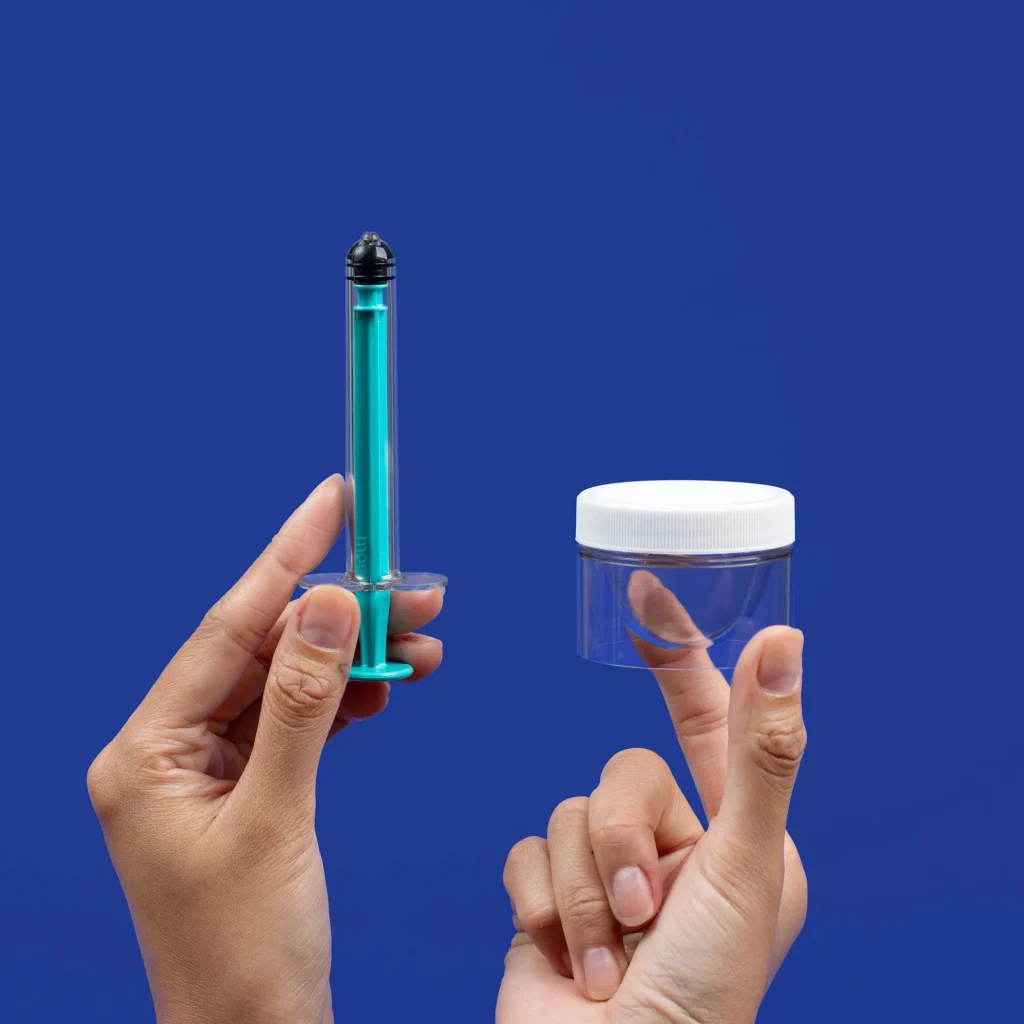
In recent years, there has been a growing trend towards at-home insemination as an alternative method for conceiving a child. This practice involves using a donor’s sperm to artificially inseminate oneself or a partner at home, without the need for medical intervention. While the concept of at-home insemination may seem unconventional and unfamiliar to some, it has been gaining popularity due to its many benefits and the breaking of the stigma surrounding it. In this blog post, we will explore the reasons why at-home insemination is becoming a more viable and accepted option for individuals and couples who are looking to start a family.
Breaking the Stigma
At-home insemination has long been stigmatized as an unconventional and taboo method of conception. This stigma is largely rooted in the societal belief that the only “natural” way to conceive is through sexual intercourse. However, with the advancements in modern medicine and technology, this notion is being challenged and more individuals are choosing alternative methods for starting a family.
One of the main reasons for the stigma surrounding at-home insemination is the misconception that it is only used by same-sex couples or single individuals. While it is true that at-home insemination is a popular option for those who are unable to conceive through traditional methods, it is also a viable option for heterosexual couples who are facing fertility issues or simply prefer the privacy and convenience of at-home insemination.
Benefits of At-Home Insemination
One of the most significant benefits of at-home insemination is the ability to control the process and make it a more intimate and personal experience. Unlike fertility clinics or medical procedures, at-home insemination allows individuals and couples to choose their own donor and have more control over the timing and frequency of insemination. This can be especially beneficial for couples who are struggling with fertility issues and want to increase their chances of conceiving.
Another advantage of at-home insemination is the cost-effectiveness. Traditional methods of conception, such as in-vitro fertilization (IVF), can be extremely expensive and not always covered by insurance. On the other hand, at-home insemination can be done with minimal cost, using donor sperm that can be purchased from reputable sperm banks or acquired through known donors. This makes it a more accessible option for those who may not have the financial means to pursue other fertility treatments.
At-home insemination also offers a greater level of privacy and comfort. Fertility treatments can be emotionally and physically draining, and the thought of undergoing these procedures in a clinical setting can be intimidating for some. With at-home insemination, individuals and couples can perform the procedure in the comfort of their own home without any outside pressure or judgment.
Breaking the Stigma: At-Home Insemination and Its Benefits
Legal Considerations
One of the most important factors to consider when choosing at-home insemination is the legal implications. In some countries, at-home insemination is not regulated and may not be legally recognized, which can lead to potential issues with parental rights and responsibilities. It is crucial to research and understand the laws and regulations surrounding at-home insemination in your country or state before proceeding with the process.
It is also essential to have a clear and comprehensive agreement with the donor, especially if they are known to you. This agreement should outline the rights and responsibilities of each party and address any potential legal issues that may arise in the future.
Safety Precautions
While at-home insemination is a relatively safe and straightforward process, it is essential to take precautions to ensure the safety and health of all parties involved. It is recommended to use donor sperm from a reputable sperm bank or known donor who has undergone proper screenings and testing. This reduces the risk of transmitting any sexually transmitted infections or genetic diseases.
It is also crucial to follow the correct procedures for handling and storing the sperm to maintain its viability. Proper hygiene and sanitation practices should also be observed during the insemination process to minimize the risk of infection.
In Conclusion
At-home insemination is a viable and increasingly popular option for individuals and couples who are looking to start a family. It offers a more intimate and personal experience, cost-effectiveness, and a greater level of privacy and control. However, it is essential to research and understand the legal implications and take necessary safety precautions to ensure a successful and safe process.
In today’s society, the traditional notion of how a family is created is being challenged and redefined. At-home insemination is breaking the stigma surrounding unconventional methods of conception and providing a more inclusive and accessible option for those who wish to become parents.