Tag: SIS

  • Empowering Men: The Role of the Syringe Insemination System in Male Fertility Treatment

    Empowering Men: The Role of the Syringe Insemination System in Male Fertility Treatment

    Fertility issues are often associated with women, but the reality is that male infertility is a significant problem that affects millions of couples worldwide. In fact, about one-third of fertility problems are due to male factors, one-third are due to female factors, and the remaining one-third is a combination of both or unexplained. Unfortunately, there is still a stigma surrounding male infertility, causing men to feel embarrassed, ashamed, and even emasculated. However, with advancements in technology and medical treatments, there is now a solution that not only empowers men but also improves their chances of successfully conceiving a child – the Syringe Insemination System.

    What is the Syringe Insemination System?

    The Syringe Insemination System, also known as the SIS, is a medical device that allows for the direct injection of sperm into the female reproductive tract. It is a simple and minimally invasive procedure that can be performed at a fertility clinic or at home by couples themselves. The SIS consists of a syringe, a catheter, and a sperm sample, making it a cost-effective and convenient option for couples struggling with male fertility issues.

    How Does it Work?

    The Syringe Insemination System works by collecting a semen sample from the male partner, which is then loaded into the syringe. The catheter is then inserted into the female reproductive tract, and the sperm is injected directly into the cervix or uterus. This process bypasses any potential obstacles that may prevent the sperm from reaching the egg, such as low sperm count, poor sperm motility, or blockages in the reproductive system.

    Empowering Men in the Fertility Journey

    Male infertility can significantly impact a man’s self-esteem and sense of masculinity. Many men feel helpless and discouraged when faced with the inability to conceive a child. However, the Syringe Insemination System offers a solution that not only increases their chances of successful conception but also empowers them in the fertility journey. By allowing men to actively participate in the insemination process, they feel a sense of control and involvement in the process, rather than just being a passive observer. This can have a positive impact on their mental and emotional well-being and strengthen their relationship with their partner.

    Smiling baby in a blue onesie with "made with Love" text, lying on a light blue crocheted blanket.

    Empowering Men: The Role of the Syringe Insemination System in Male Fertility Treatment

    The Role of SIS in Male Fertility Treatment

    The Syringe Insemination System has revolutionized male fertility treatment by providing a less invasive, more affordable, and more accessible option for couples struggling to conceive. It offers several benefits, including:

    1. Increased Chances of Conception: By bypassing any potential obstacles in the male reproductive system, the SIS significantly increases the chances of successful conception.

    2. Cost-Effective: Traditional fertility treatments, such as in-vitro fertilization (IVF), can be expensive and not always covered by insurance. The Syringe Insemination System is a more affordable option that can be done at home, reducing the financial burden on couples.

    3. Minimally Invasive: The SIS is a minimally invasive procedure that does not require any anesthesia or recovery time. This makes it a more comfortable and convenient option for couples.

    4. Increased Privacy: Many men feel embarrassed or uncomfortable with the idea of going to a fertility clinic for treatment. The SIS allows for the procedure to be done at home, providing more privacy and discretion.

    5. Positive Impact on Male Mental Health: The ability to actively participate in the fertility journey can have a significant impact on a man’s mental health. It can improve self-esteem, reduce stress and anxiety, and create a sense of empowerment.

    In summary, male infertility is a common and often overlooked problem that can have a significant impact on a couple’s ability to conceive. The Syringe Insemination System offers a solution that not only increases the chances of successful conception but also empowers men in the fertility journey. With its affordability, accessibility, and minimal invasiveness, the SIS is changing the way male fertility is treated and providing hope for couples struggling to conceive.

  • The Syringe Insemination System and IVF: A Complementary Approach

    Blog post:

    In the world of assisted reproductive technologies (ART), two methods have emerged as popular options for couples struggling with fertility issues: the Syringe Insemination System (SIS) and In Vitro Fertilization (IVF). While both methods have their own unique benefits and drawbacks, many experts suggest that using them together in a complementary approach can increase the chances of successful pregnancy. In this blog post, we will delve into the details of SIS and IVF and explore how combining them can offer a more holistic and effective approach to fertility treatments.

    The Syringe Insemination System, also known as the “turkey baster method,” is a relatively simple and non-invasive procedure that involves injecting a concentrated sperm sample directly into the uterus. This method is often used for couples with mild fertility issues or for single women and same-sex couples who are using donor sperm.

    One of the main advantages of SIS is that it is less expensive and less invasive than other ART methods, such as IVF. It also allows for the use of fresh, unprocessed sperm, which can be beneficial for couples with male factor infertility. Additionally, SIS can be performed in a doctor’s office without the need for anesthesia, making it a more convenient option for some patients.

    However, SIS does have some limitations. It is not suitable for couples with severe fertility issues, as it relies on the sperm’s ability to swim and fertilize the egg on its own. It also has a lower success rate compared to other ART methods, with only about a 10-15% chance of pregnancy per cycle.

    On the other hand, In Vitro Fertilization (IVF) is a more complex and invasive procedure that involves fertilizing the egg with sperm in a laboratory setting and then transferring the resulting embryo(s) into the uterus. This method is often used for couples with more severe fertility issues or for those who have not had success with other treatments.

    One of the main advantages of IVF is that it offers the highest success rates among all ART methods, with a success rate of around 40% per cycle. It also allows for the use of various sperm and egg sources, making it a suitable option for couples with a wide range of fertility issues.

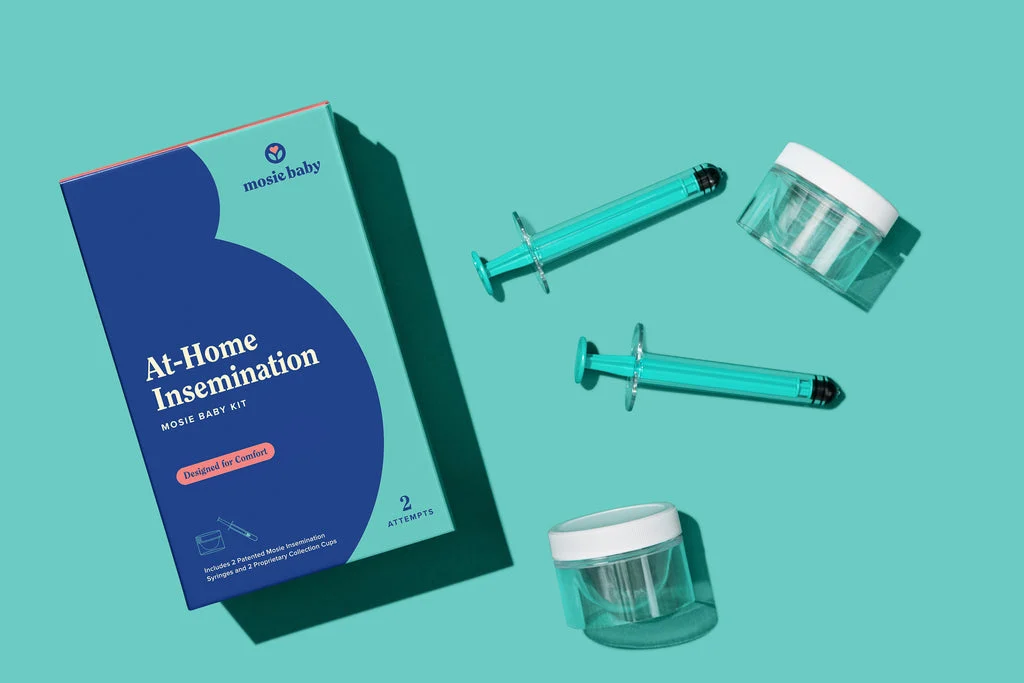
    at-home insemination kit with syringes, collection cups, and instructions on a pink background

    The Syringe Insemination System and IVF: A Complementary Approach

    However, IVF also comes with a higher price tag and a more invasive process. It requires a significant amount of time, energy, and emotional investment from the couple, and it can also be physically taxing for the woman undergoing the procedure. There is also a risk of multiple pregnancies, which can lead to complications for both the mother and the babies.

    While SIS and IVF may seem like completely different approaches, they can actually complement each other and offer a more well-rounded treatment plan for couples struggling with fertility issues. Combining the two methods can help address the limitations of each and increase the chances of successful pregnancy.

    For couples with mild fertility issues, starting with SIS can be a less invasive and more cost-effective option. If SIS does not result in a successful pregnancy, they can then move on to IVF without having to repeat any steps or undergo additional tests. Additionally, using fresh sperm from SIS can potentially improve the quality of the sample used in IVF, resulting in a higher chance of success.

    For couples with more severe fertility issues, SIS can be used as a complementary procedure to increase the chances of successful embryo implantation. By using SIS to deliver the sperm directly into the uterus, the sperm does not have to travel as far to reach the egg, which can be beneficial for couples with sperm quality issues. This can also be a useful option for women with uterine abnormalities or cervical mucus problems, as it bypasses these potential barriers to fertilization.

    In some cases, SIS and IVF may be used together in the same cycle. This is known as “SIS-IVF” or “mini IVF,” and it involves using SIS to deliver the sperm to the uterus, followed by a low-dose IVF cycle. This approach can be beneficial for couples who want to minimize the risks and costs associated with traditional IVF while still increasing their chances of success.

    In conclusion, while SIS and IVF may seem like two different and competing methods, they can actually work together in a complementary way to offer a more holistic and effective approach to fertility treatments. By addressing the limitations of each method and combining their strengths, couples can increase their chances of successful pregnancy and bring their dream of starting a family to life.

    Summary:

    In this blog post, we discussed the Syringe Insemination System (SIS) and In Vitro Fertilization (IVF) as two popular methods for assisted reproductive technologies (ART). While each method has its own benefits and limitations, using them together in a complementary approach can increase the chances of successful pregnancy. SIS is a simple and less invasive method, while IVF offers higher success rates. Combining the two methods can address the limitations of each and increase the chances of successful pregnancy. This can be especially beneficial for couples with mild fertility issues, severe fertility issues, or those who want to minimize the risks and costs associated with traditional IVF. By working together, SIS and IVF offer a more holistic and effective approach to fertility treatments.

  • The Syringe Insemination System and Unexplained Infertility: A Viable Option

    Blog Post Title: The Syringe Insemination System and Unexplained Infertility: A Viable Option

    Summary:

    Dealing with infertility can be a challenging and emotional journey for couples trying to conceive. Many couples may turn to various fertility treatments, such as in vitro fertilization (IVF) or intrauterine insemination (IUI), but these options can be expensive and may not work for everyone. For couples facing unexplained infertility, the Syringe Insemination System (SIS) may be a viable and cost-effective option worth considering.

    The SIS is a relatively new method of insemination that involves using a syringe to inject sperm directly into a woman’s cervix. This technique has gained popularity in recent years due to its simplicity, affordability, and success rates for couples struggling with unexplained infertility. In this blog post, we will explore the SIS in more detail and discuss why it may be a viable option for couples facing unexplained infertility.

    Understanding Unexplained Infertility

    Infertility is defined as the inability to conceive after one year of trying for couples under the age of 35 and after six months for couples over the age of 35. It affects approximately 10-15% of couples worldwide and can be caused by a variety of factors such as hormonal imbalances, ovulation disorders, sperm quality issues, and structural problems in the reproductive organs.

    However, in about 20% of infertility cases, the cause remains unexplained. This can be frustrating for couples, as they may not know why they are having difficulty conceiving. In these cases, traditional fertility treatments like IVF or IUI may not be effective, and the cause of infertility may never be identified.

    What is the Syringe Insemination System?

    The Syringe Insemination System (SIS) is a simple, non-invasive technique for artificial insemination that can be performed at home. It involves using a syringe to inject the sperm into the cervix, bypassing the need for the sperm to travel through the vagina and cervix to reach the egg. This method is often referred to as intracervical insemination (ICI).

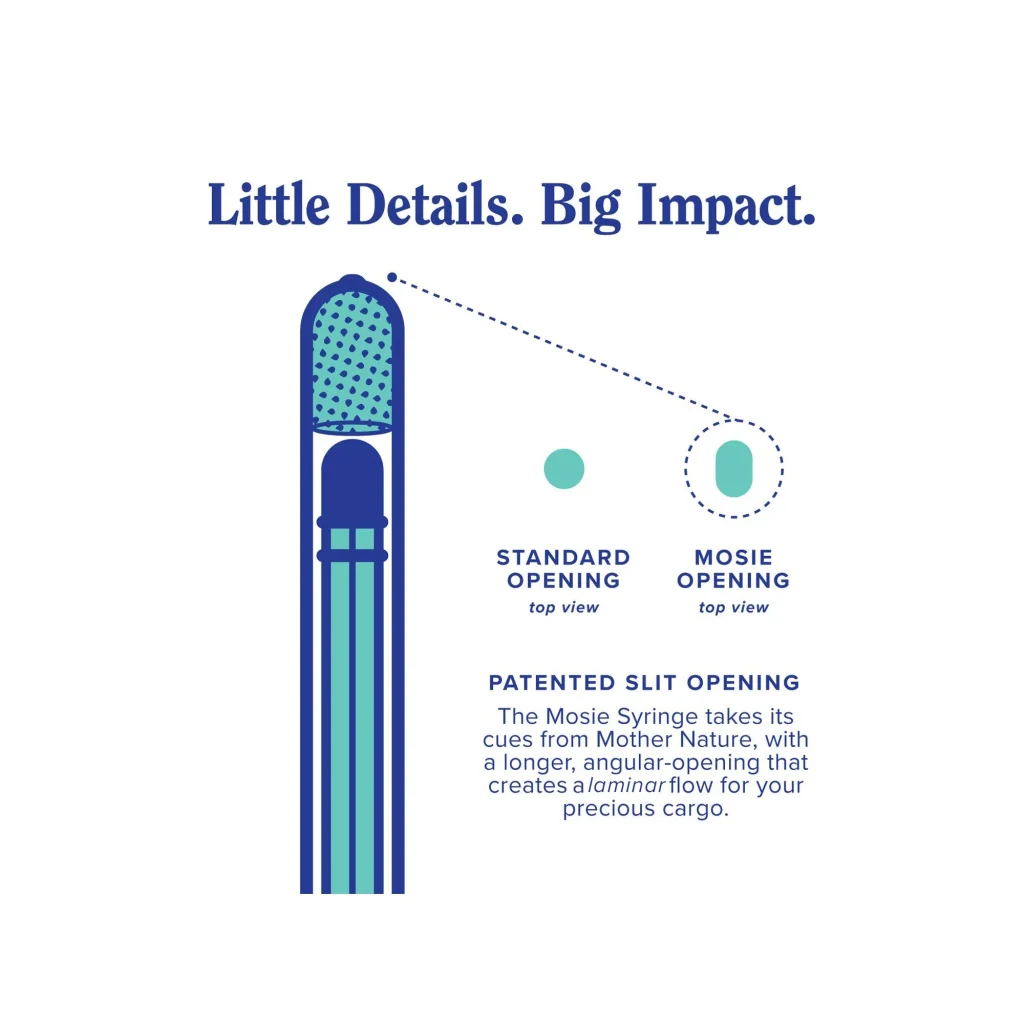
    illustration comparing standard and Mosie syringe openings with text highlighting design benefits for home insemination

    The Syringe Insemination System and Unexplained Infertility: A Viable Option

    The SIS was developed to mimic the natural process of conception, where sperm is directly deposited into the uterus by the penis during intercourse. It can be done with fresh or frozen sperm and can be performed at home or in a clinical setting. The process is relatively painless and can be done without the need for expensive medical procedures.

    How Does the SIS Work?

    The SIS is a straightforward and easy process that can be done in the comfort of your own home. First, the male partner needs to provide a semen sample, which can be collected through masturbation. The sample can then be inserted into the syringe and kept at body temperature until it is ready to be used.

    Next, the female partner needs to lie on her back with her hips elevated. The syringe is then inserted into the vagina and gently pushed through the cervix into the uterus. The sperm is then injected into the uterus, and the syringe is removed. The process is quick, taking only a few minutes to complete.

    Why is the SIS a Viable Option for Unexplained Infertility?

    The SIS has several advantages over traditional fertility treatments, making it a viable option for couples facing unexplained infertility. Firstly, it is a more affordable option, with a single cycle of ICI costing significantly less than a cycle of IVF or IUI. This makes it a more accessible treatment for couples who may not be able to afford more expensive options.

    Secondly, the SIS is a less invasive procedure, making it a more comfortable experience for both partners. Unlike IVF or IUI, there are no injections or medications involved, and the process is relatively painless. It can also be done at home, eliminating the need for multiple clinic visits and reducing the stress and inconvenience associated with fertility treatments.

    Additionally, the SIS has been shown to have higher success rates compared to IUI. A study published in the Journal of Obstetrics and Gynecology Canada found that the pregnancy rate for ICI was 22.8%, while the pregnancy rate for IUI was only 15.5%. This may be due to the fact that the sperm is injected directly into the uterus, bypassing any potential barriers in the cervix.

    Conclusion

    Dealing with unexplained infertility can be a frustrating and emotional experience for couples. The Syringe Insemination System (SIS) offers a simple, affordable, and effective alternative to traditional fertility treatments for couples who may not have success with other methods. While it may not be suitable for everyone, the SIS has shown promising results for many couples struggling to conceive. If you are facing unexplained infertility, it may be worth considering the SIS as a viable option for starting or expanding your family.

  • The Syringe Insemination System and PCOS: A Promising Solution

    Blog post:

    Polycystic Ovary Syndrome (PCOS) is a common hormonal disorder that affects millions of women worldwide. It is characterized by irregular periods, excess androgen production, and multiple cysts on the ovaries. This condition can lead to infertility, making it difficult for women to conceive. In recent years, there has been a promising solution for women with PCOS who are trying to conceive – the Syringe Insemination System (SIS).

    The Syringe Insemination System, also known as the “turkey baster method,” is a simple, cost-effective, and non-invasive way to inseminate at home. It involves using a syringe to deposit semen directly into the cervix, allowing for a higher concentration of sperm to reach the egg compared to natural intercourse. This method has been used for decades by same-sex couples and single women trying to conceive, but it is now gaining popularity as a potential solution for women with PCOS.

    So, how does the Syringe Insemination System work for women with PCOS? Let’s dive deeper into the science behind it.

    PCOS and Infertility

    One of the defining characteristics of PCOS is anovulation, which means that the ovaries do not release an egg every month. This can make it difficult for women with PCOS to get pregnant naturally. In addition, the hormonal imbalances in PCOS can also affect the quality and quantity of cervical mucus, making it difficult for sperm to swim through to reach the egg.

    Furthermore, women with PCOS often have insulin resistance, which can lead to high levels of insulin in the body. This can cause the ovaries to produce excess androgen, which can disrupt ovulation and lead to the formation of multiple cysts. These factors combined can make it challenging for women with PCOS to conceive through natural intercourse.

    How SIS Can Help

    The Syringe Insemination System can help women with PCOS in several ways. Firstly, it bypasses the cervical mucus, allowing for a higher concentration of sperm to reach the egg. This is especially beneficial for women with PCOS who have thicker or hostile cervical mucus that can hinder sperm movement.

    Moreover, the SIS also allows for more precise timing of insemination. Women with PCOS often have irregular periods, making it difficult to track ovulation. With the SIS, women can use ovulation predictor kits or fertility monitors to determine the best time to inseminate, increasing their chances of conception.

    Another advantage of the SIS is that it can help to overcome the effects of insulin resistance on ovulation. By depositing semen directly into the cervix, the sperm can bypass the hormonal imbalances in the body and have a higher chance of reaching the egg.

    At-home insemination kit with syringes and collection cups on a teal background.

    The Syringe Insemination System and PCOS: A Promising Solution

    The SIS is also a more affordable option compared to other fertility treatments, making it accessible to more women. It can be done at home without the need for expensive medical procedures, making it a convenient and private choice for many women with PCOS.

    Success Stories

    There have been several success stories of women with PCOS who have used the Syringe Insemination System to conceive. One such story is that of Emily Johnson, who struggled with PCOS for years and was told she would need expensive fertility treatments to conceive. She decided to try the SIS method and successfully became pregnant after just a few months of trying.

    Similarly, Ashley Brown was diagnosed with PCOS at a young age and was told she would never be able to have children. She and her partner decided to try the SIS method and were thrilled when they conceived on their first try.

    These success stories, along with many others, highlight the potential of the Syringe Insemination System as a promising solution for women with PCOS who are trying to conceive.

    Things to Consider

    While the Syringe Insemination System can be a beneficial option for women with PCOS, it is essential to consult with a healthcare provider before trying it. They can provide guidance on the best timing and techniques for insemination and ensure that there are no underlying issues that may affect conception.

    It is also crucial to use clean and sterile equipment when performing the SIS to avoid any infections. Additionally, it may take a few cycles of insemination before successful conception occurs, so patience and consistency are key.

    In conclusion, the Syringe Insemination System has shown great promise as a solution for women with PCOS who are struggling to conceive. Its affordability, convenience, and effectiveness make it a viable option for many, and the success stories of women who have used it are inspiring. If you are a woman with PCOS trying to conceive, it may be worth considering the SIS as a potential solution.

    Summary:

    Polycystic Ovary Syndrome (PCOS) is a common hormonal disorder that can lead to infertility in women. The Syringe Insemination System (SIS) offers a promising solution for women with PCOS who are trying to conceive. This simple and cost-effective method involves using a syringe to deposit semen directly into the cervix, bypassing the cervical mucus and increasing the chances of conception. The SIS also allows for more precise timing of insemination and can help overcome the effects of insulin resistance on ovulation. Many success stories of women with PCOS who have used the SIS highlight its potential as a solution for infertility. However, it is essential to consult with a healthcare provider and use clean and sterile equipment when performing the SIS. With patience and consistency, the SIS may offer hope for women with PCOS who are trying to conceive.

  • The Syringe Insemination System and LGBTQ+ Families: A Perfect Fit

    Summary:

    The Syringe Insemination System (SIS) has revolutionized the way LGBTQ+ families can conceive and expand their families. This innovative system provides a safe, affordable, and easy way for same-sex couples and individuals to have biological children. In this blog post, we will explore the benefits of the SIS, how it works, and how it has positively impacted the LGBTQ+ community. We will also discuss the legalities and challenges faced by LGBTQ+ families in the process of starting a family and how the SIS has helped overcome these obstacles. Finally, we will share personal stories and experiences of LGBTQ+ families who have used the SIS and their journey towards parenthood.

    The SIS was created by a lesbian couple, Dr. Kim and Dr. Emily, who struggled to conceive using traditional fertility methods. They wanted to create a system that was accessible and affordable for all LGBTQ+ families. The SIS is a simple and effective way to self-inseminate at home, without the need for expensive medical procedures.

    One of the main benefits of the SIS is that it allows same-sex couples and individuals to have a biological connection to their child. This is especially important for LGBTQ+ families who face societal stigmas and discrimination. The SIS gives them the opportunity to have a biological bond with their child, just like any other family.

    The SIS consists of a syringe and a small, flexible catheter. The syringe is used to collect sperm from a donor or partner, and the catheter is inserted into the vagina to deposit the sperm directly into the cervix. This method is less invasive and more comfortable than traditional insemination methods, making it a popular choice for LGBTQ+ families.

    Baby with blue eyes wearing a light blue onesie that says "made with Love" on a soft white background.

    The Syringe Insemination System and LGBTQ+ Families: A Perfect Fit

    The SIS has also been a game-changer for transgender individuals who want to start a family. It provides them with a safe and accessible way to conceive, without having to go through hormone therapy or other medical procedures. This has been a significant step towards inclusivity and equality for the LGBTQ+ community.

    In addition to the physical benefits, the SIS has also helped LGBTQ+ families overcome legal challenges. In many countries, same-sex couples are not allowed to adopt or use assisted reproductive technologies. The SIS allows them to bypass these restrictions and have a child that is biologically theirs. This has opened up new possibilities for LGBTQ+ families and has given them the chance to start a family on their terms.

    However, there are still challenges faced by LGBTQ+ families when using the SIS. The availability and legality of donor sperm vary from country to country, and finding a donor who is willing to be known or anonymous can be a difficult and emotional process. There are also financial challenges, as sperm donors can be expensive, and not all insurance plans cover the cost of donor sperm.

    Despite these challenges, many LGBTQ+ families have successfully used the SIS and have shared their stories to inspire others. For example, the Brown-Grays, a lesbian couple, used the SIS to have their two children and have shared their journey on their blog, “From Two Moms to Three.” They have become advocates for the SIS and have helped other LGBTQ+ families navigate the process.

    In conclusion, the Syringe Insemination System has been a game-changer for LGBTQ+ families, providing them with a safe, affordable, and accessible way to conceive. It has given them the opportunity to have a biological connection to their child and has helped overcome legal challenges. The SIS has also been a significant step towards inclusivity and equality for the LGBTQ+ community. Despite the challenges, many families have successfully used the SIS and have shared their stories to inspire others. With continued advancements in reproductive technology, the future looks bright for LGBTQ+ families wanting to start a family.

  • The Syringe Insemination System and its Role in Reducing the Stigma Surrounding Fertility Treatments

    Blog Post Title: The Syringe Insemination System: Breaking the Stigma of Fertility Treatments

    Summary:

    Infertility is a common struggle faced by many couples around the world. However, due to societal pressure and the stigma surrounding fertility treatments, many individuals and couples suffer in silence. The Syringe Insemination System (SIS) is a revolutionary method of fertility treatment that not only offers a more affordable and accessible option for couples, but also helps to break the stigma surrounding fertility treatments. In this blog post, we will discuss the SIS and its role in reducing the stigma surrounding fertility treatments.

    Firstly, we will explore the current state of the fertility treatment industry and the stigma associated with it. Many individuals and couples facing fertility issues are often met with judgment and shame, causing them to hide their struggles and suffer in silence. The high costs and invasive procedures of traditional fertility treatments only add to the stigma, making it difficult for couples to seek help.

    This is where the Syringe Insemination System comes in. Developed by a team of medical professionals, the SIS offers a more affordable and less invasive option for couples struggling with fertility. It works by using a syringe to inject the sperm directly into the uterus, eliminating the need for expensive equipment and invasive procedures.

    One of the biggest advantages of the SIS is its affordability. Traditional fertility treatments can cost thousands of dollars, making it inaccessible for many couples. However, the SIS is a fraction of the cost, making it a more viable option for those facing financial constraints. This not only helps to reduce the financial burden, but also makes it possible for more couples to seek treatment and start their journey towards parenthood.

    two teal and clear syringes positioned on a white background

    The Syringe Insemination System and its Role in Reducing the Stigma Surrounding Fertility Treatments

    Moreover, the SIS also offers a more private and discreet option for couples. As the procedure can be done at home, it eliminates the need to visit a clinic and face the judgment and stigma associated with fertility treatments. This not only helps to reduce the stress and anxiety of the couple, but also gives them more control over their treatment.

    The SIS also has a high success rate, with studies showing that it has a similar success rate to traditional fertility treatments. This means that couples can have a higher chance of conceiving without having to go through invasive and expensive procedures. This success rate also helps to validate the SIS as a legitimate and effective fertility treatment, breaking the stigma and misconceptions surrounding it.

    Furthermore, the SIS allows couples to take a more active role in their fertility treatment. As it can be done at home, couples can administer the treatment themselves, giving them a sense of control and empowerment over their journey towards parenthood. This not only helps to reduce the stigma surrounding fertility treatments, but also promotes a more positive and inclusive approach towards fertility issues.

    In addition to breaking the stigma, the SIS also offers a more natural and non-invasive option for couples. Traditional fertility treatments often involve medication and procedures that can have negative side effects on the body. The SIS, on the other hand, has no side effects and is a more natural way of conceiving. This not only benefits the physical health of the couple, but also promotes a more holistic approach to fertility treatments.

    The SIS also has the potential to change the narrative surrounding fertility treatments. By offering a more affordable, accessible, and discreet option, it challenges the societal norms and expectations surrounding fertility. This can lead to a more open and accepting attitude towards fertility issues, reducing the stigma and shame associated with it.

    In conclusion, the Syringe Insemination System is not just a fertility treatment, but a game-changer in the fight against the stigma surrounding fertility treatments. By offering a more affordable, accessible, and discreet option, the SIS has the power to break the barriers and misconceptions surrounding fertility. It is time to change the narrative and create a more inclusive and supportive environment for couples struggling with fertility issues.

  • The Syringe Insemination System: How it Gives Hope to Those Struggling with Infertility

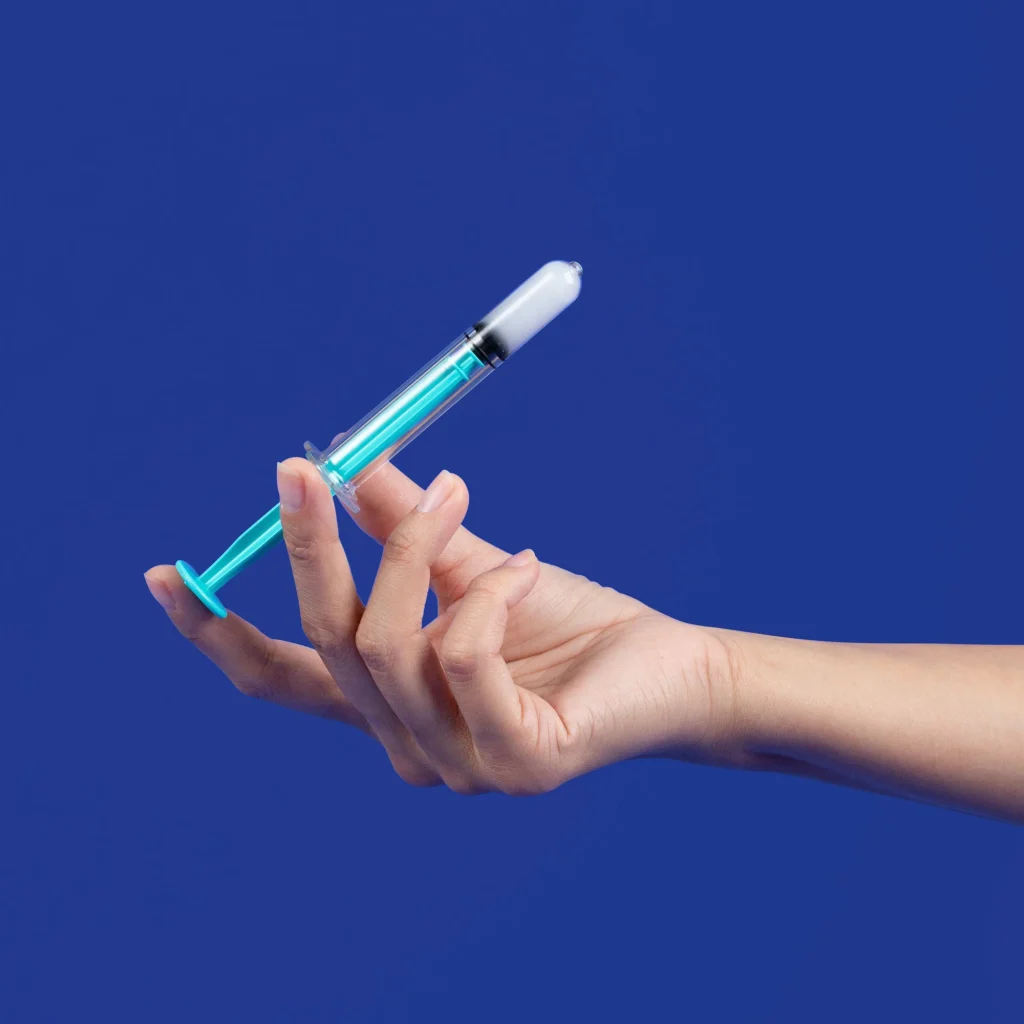
    hand holding a syringe with a blue plunger against a solid blue background

    The Syringe Insemination System: How it Gives Hope to Those Struggling with Infertility

    Summary:
    Infertility affects millions of couples around the world, causing emotional distress and financial strain. While there are various fertility treatments available, they can be expensive and not always successful. However, the Syringe Insemination System (SIS) offers a cost-effective and less invasive option for couples struggling with infertility. This system has given hope to many by providing a simple and efficient way to perform artificial insemination at home. In this blog post, we will discuss what the Syringe Insemination System is, how it works, and why it has become a popular choice for those seeking fertility treatment. We will also address common concerns and questions about the SIS and share success stories from couples who have used it to achieve their dream of starting a family.

  • The Syringe Insemination System and Its Impact on the IVF Industry

    Blog Post:

    The field of assisted reproductive technology has seen significant advancements in recent years, one of which is the development of the Syringe Insemination System (SIS). This innovative system has revolutionized the IVF industry, making the process more efficient, cost-effective, and patient-friendly. In this blog post, we will delve into the details of the Syringe Insemination System, its impact on the IVF industry, and the benefits it brings to patients and clinics alike.

    What is the Syringe Insemination System?

    The Syringe Insemination System is a device used in the IVF process that allows for direct transfer of sperm into the uterus without the need for a catheter. It consists of a syringe with a specially designed tip that can be inserted directly into the cervix, allowing for precise and controlled delivery of sperm. This eliminates the need for a catheter, which can be uncomfortable for patients and can also reduce the risk of potential damage to the uterus.

    How Does it Work?

    The Syringe Insemination System works by collecting the sperm sample and loading it into the syringe. The syringe is then inserted into the cervix, and the sperm is released directly into the uterus. This process is done under ultrasound guidance to ensure accurate placement of the sperm. The entire process takes only a few minutes and can be done in the comfort of a doctor’s office.

    Impact on the IVF Industry

    The introduction of the Syringe Insemination System has had a significant impact on the IVF industry. Here are some of the ways in which this innovative system has transformed the field of assisted reproduction:

    1. Increased Success Rates

    The Syringe Insemination System has been shown to increase the success rates of IVF treatments. Studies have shown that the direct delivery of sperm into the uterus can result in higher pregnancy rates compared to traditional methods that use a catheter. This is because the SIS allows for more precise placement of sperm, increasing the chances of successful fertilization.

    2. Cost-Effective

    The SIS is a cost-effective alternative to traditional IVF methods. It eliminates the need for expensive catheters and reduces the number of clinic visits required for the IVF process. This makes it a more affordable option for patients who may have limited financial resources.

    3. Reduced Discomfort for Patients

    The Syringe Insemination System has also brought about significant benefits for patients. The traditional method of using a catheter can be uncomfortable and even painful for some patients. The SIS eliminates the need for a catheter, making the process more comfortable and less invasive for patients.

    Informative card introducing the Mosie Baby Kit and its mission for at-home insemination.

    The Syringe Insemination System and Its Impact on the IVF Industry

    4. Time-Saving

    The SIS has also reduced the time required for the IVF process. With traditional methods, patients may need to make multiple visits to the clinic for the transfer of sperm. The SIS can be done quickly and efficiently in a single visit, saving time for patients and reducing the burden of frequent appointments.

    5. Minimizes Risks

    The use of a catheter in traditional IVF methods can carry some risks, such as potential damage to the uterus. The SIS eliminates these risks, making the process safer for patients. It also reduces the risk of infection as the system is designed to be sterile and single-use.

    Benefits for Patients and Clinics

    The Syringe Insemination System not only benefits patients but also clinics and healthcare providers. Here are some of the advantages it brings to clinics:

    1. Improved Workflow

    The SIS has streamlined the IVF process, making it more efficient for clinics. It reduces the time and resources required for the transfer of sperm, allowing clinics to see more patients in a shorter amount of time.

    2. Increased Patient Satisfaction

    The SIS has significantly improved patient satisfaction in the IVF process. With its non-invasive and more comfortable approach, patients are more likely to have a positive experience, leading to higher patient satisfaction rates and increased referrals.

    3. Cost Savings

    The SIS is not only cost-effective for patients, but it also brings cost savings for clinics. The reduced need for catheters and the streamlined process allows clinics to save on equipment and other resources, making it a more profitable option.

    In conclusion, the Syringe Insemination System has made a significant impact on the IVF industry, bringing about improvements in success rates, cost, patient comfort, and overall efficiency. It has revolutionized the IVF process and has become a game-changer in the field of assisted reproductive technology.

    Summary:

    The Syringe Insemination System (SIS) is a device used in the IVF process that allows for direct transfer of sperm into the uterus without the need for a catheter. It has revolutionized the IVF industry by increasing success rates, reducing costs, and improving patient comfort. The SIS also brings benefits to clinics, such as improved workflow and cost savings. It has become a game-changer in the field of assisted reproductive technology, making the IVF process more efficient, patient-friendly, and cost-effective.

  • The Syringe Insemination System: A Game-Changer for Couples Struggling with Infertility

    Summary:

    Infertility is a struggle that affects millions of couples around the world. The emotional, physical, and financial toll it takes can be overwhelming. For many, the options for treatment seem limited and intimidating. However, a game-changing technology called the Syringe Insemination System (SIS) is revolutionizing the way couples struggling with infertility can conceive a child.

    Developed by a team of reproductive health experts, the SIS offers a simple, cost-effective, and non-invasive solution for couples trying to conceive. It eliminates the need for expensive and invasive procedures such as in-vitro fertilization (IVF) and intrauterine insemination (IUI), making it a more accessible option for couples struggling with infertility.

    The SIS works by using a syringe to inject the sperm directly into the cervix, bypassing any potential barriers or issues in the reproductive system. This allows for a higher concentration of sperm to reach the egg, increasing the chances of fertilization and pregnancy. The procedure can be done at home, making it a more convenient and private option for couples.

    One of the most significant advantages of the SIS is its affordability. Compared to other fertility treatments, the SIS is significantly cheaper, making it more accessible for couples who may not have the financial means for expensive procedures. It also eliminates the need for multiple doctor visits, reducing the overall cost and stress of treatment.

    various medical supplies and containers organized in a clear plastic box on a wooden surface

    The Syringe Insemination System: A Game-Changer for Couples Struggling with Infertility

    Moreover, the SIS has shown promising success rates, with some studies reporting a pregnancy rate of up to 25%. This is comparable to other fertility treatments, making the SIS a viable option for couples struggling with infertility.

    Another benefit of the SIS is its non-invasive nature. Unlike other fertility treatments that require medication, injections, and invasive procedures, the SIS simply involves using a syringe to deliver the sperm. This means minimal discomfort and reduced risk of complications for the woman.

    Aside from the physical benefits, the SIS also offers emotional benefits for couples. The process of trying to conceive can be emotionally taxing, and the SIS provides a more natural and less stressful option for couples. It also allows for more intimacy and involvement from both partners, fostering a stronger bond during the conception process.

    The SIS is also an excellent option for same-sex couples or single individuals who want to start a family. It provides a simple and effective way for them to conceive without the need for expensive and complicated procedures.

    In conclusion, the Syringe Insemination System is a game-changer for couples struggling with infertility. It offers a simple, affordable, and non-invasive solution for conceiving a child. With its high success rates and numerous benefits, the SIS is giving hope to many couples who are trying to start a family.

  • The Syringe Insemination System and Your Fertility Journey: Tips and Advice

    Blog Post Title: The Syringe Insemination System and Your Fertility Journey: Tips and Advice

    The journey to starting a family can be both exciting and daunting. For many couples, conceiving a child may not come as easily as they had hoped. This is where the Syringe Insemination System (SIS) comes in. This innovative and affordable method has helped many couples achieve their dream of parenthood. In this blog post, we will explore the SIS and its role in your fertility journey, as well as provide some tips and advice for those considering this option.

    What is the Syringe Insemination System?

    The Syringe Insemination System is a simple yet effective method of insemination that can be used at home. It involves using a syringe to insert semen into the vagina, near the cervix, during a woman’s fertile window. This method is often referred to as “at-home insemination” or “artificial insemination” and has gained popularity in recent years due to its convenience and affordability.

    The SIS is a great option for couples who are trying to conceive but are facing challenges such as male factor infertility, same-sex couples, or single women who want to become mothers. It eliminates the need for costly medical procedures and allows couples to take control of their fertility journey.

    How does it work?

    The SIS works by bypassing the natural barriers of the vagina and cervix, allowing the sperm to reach the fallopian tubes where fertilization occurs. The key to success with this method is timing – it is crucial to inseminate during a woman’s fertile window when she is most likely to conceive.

    Before using the SIS, it is essential to track your ovulation using methods such as ovulation kits or monitoring your basal body temperature. Once you have determined your fertile window, the semen is collected in a sterile cup or condom and then inserted into the syringe. The syringe is then inserted into the vagina and the semen is gently released near the cervix.

    Tips for Using the SIS

    1. Seek Professional Advice

    Before starting the SIS, it is important to seek professional advice from a fertility specialist. They can help determine if this method is suitable for you and provide guidance on the best practices for insemination.

    2. Practice Good Hygiene

    hand holding a pregnancy test with instructions on a colorful background

    The Syringe Insemination System and Your Fertility Journey: Tips and Advice

    It is crucial to maintain good hygiene when using the SIS, as it involves handling bodily fluids. Make sure to wash your hands thoroughly and use sterile equipment to prevent any infections or complications.

    3. Be Consistent

    Consistency is key when using the SIS. Make sure to track your ovulation accurately and inseminate during your fertile window every month. It may take a few cycles before achieving a successful pregnancy, so it is important to be patient and not give up.

    4. Consider Supplements

    Taking fertility supplements such as folic acid, zinc, and omega-3 fatty acids can help improve sperm quality and increase the chances of conception. Consult with your doctor before starting any supplements.

    5. Practice Self-Care

    Going through a fertility journey can be emotionally and physically draining. It is essential to take care of yourself and your partner during this time. Practice self-care activities such as yoga, meditation, or talking to a therapist to reduce stress and improve overall well-being.

    Benefits of the SIS

    – Affordable: The SIS is a cost-effective option compared to other fertility treatments.
    – Convenience: With the SIS, you can inseminate in the comfort of your own home, eliminating the need for frequent doctor visits.
    – Non-invasive: The SIS is a non-invasive method that does not require any medical procedures.
    – Increased Privacy: For couples who may feel uncomfortable with the idea of a medical professional being involved in the conception process, the SIS offers increased privacy.
    – Empowerment: The SIS gives couples control over their fertility journey and allows them to be actively involved in the process.

    In conclusion, the Syringe Insemination System is a simple yet effective method that has helped many couples achieve their dream of starting a family. With proper timing, hygiene, and professional guidance, it can be a valuable tool in your fertility journey. Remember to practice self-care and be patient, as it may take a few cycles before achieving a successful pregnancy. With the SIS, you have the power to take control of your fertility journey and make your dream of becoming a parent a reality.

    Summary:

    The Syringe Insemination System (SIS) is a simple and affordable method of at-home insemination that has helped many couples achieve their dream of starting a family. It involves using a syringe to insert semen near the cervix during a woman’s fertile window. Some tips for using the SIS include seeking professional advice, maintaining good hygiene, being consistent, considering supplements, and practicing self-care. The SIS offers benefits such as affordability, convenience, increased privacy, non-invasiveness, and empowerment. With proper guidance and patience, the SIS can be a valuable tool in your fertility journey.