Tag: starter kit

  • From the Comfort of Your Own Home: Why a Starter Kit Is Essential for Home Insemination

    Blog Post:

    In recent years, home insemination has become a popular option for individuals and couples looking to start or grow their families. With the advancements in technology and the increasing acceptance of non-traditional families, many are turning to the comfort and privacy of their own homes for insemination procedures. However, for those considering home insemination, it is essential to have a starter kit to ensure a safe and successful process. In this blog post, we will explore the importance of a starter kit for home insemination and the key components that should be included.

    First and foremost, let’s discuss what a starter kit for home insemination is and why it is necessary. A starter kit typically includes all the necessary tools and materials for a successful insemination process, such as ovulation predictor kits, sperm collection cups, syringes, and instructions. It is a convenient and cost-effective option for those who are new to home insemination and may not know what items they need or where to purchase them separately. It also ensures that all the materials are sterile and specifically designed for home insemination, reducing the risk of any complications or infections.

    One of the most crucial components of a starter kit is the ovulation predictor kit. This kit allows individuals to track their ovulation and determine the best time for insemination. Ovulation predictor kits work by measuring the levels of luteinizing hormone in a person’s urine, which surges right before ovulation. Insemination during this time increases the chances of conception, making the ovulation predictor kit a crucial tool for home insemination.

    Another essential item in a starter kit is the sperm collection cup. This cup is used to collect the sperm from the donor, whether it is a partner or a sperm bank. It is crucial to use a sterile and specifically designed cup for insemination to prevent any contamination or damage to the sperm. Additionally, having a designated cup for this process eliminates the risk of using a cup that may contain harmful chemicals or residues.

    Syringes are another key component of a starter kit for home insemination. They are used to transfer the sperm from the collection cup to the cervix or vagina. Syringes designed for home insemination are typically smaller and more comfortable to use than medical-grade syringes, making the process more manageable and less intimidating. They also typically come with a rounded tip, reducing the risk of injury during the procedure.

    guide and materials for using Mosie Baby fertility kit on a textured surface

    From the Comfort of Your Own Home: Why a Starter Kit Is Essential for Home Insemination

    Instructions are also a crucial part of a starter kit for home insemination. While the process may seem straightforward, having detailed and clear instructions can make all the difference, especially for first-timers. The instructions should cover everything from how to use the tools in the kit to tips for successful insemination. They should also include information on proper sanitation and storage of the items, as well as any precautions to take.

    Apart from the essential items mentioned above, some starter kits may also include other helpful tools, such as lubricant, pregnancy tests, or even a basal thermometer. Lubricant can be used to make the process more comfortable and reduce any potential discomfort. Pregnancy tests can also be beneficial for those who are trying to conceive, as they can provide early detection of pregnancy. A basal thermometer is used to track basal body temperature, which can indicate when ovulation is about to occur.

    Now that we have discussed the importance and components of a starter kit for home insemination, let’s address some common concerns and misconceptions. Some may argue that it is unnecessary to purchase a starter kit and that the items can be bought separately. While this is true, it can be challenging to determine which items are essential and where to purchase them. Additionally, buying items separately can be more expensive in the long run, and there is also the risk of buying the wrong items or ones that are not specifically designed for home insemination.

    Another misconception is that home insemination is not as effective as medical procedures. While it is true that medical procedures may have a higher success rate, home insemination can also be a successful option for those trying to conceive. With proper timing and the use of a starter kit, home insemination can be just as effective as medical procedures for some individuals.

    In summary, a starter kit is an essential tool for those considering home insemination. It provides all the necessary materials and instructions for a safe and successful process. With the advancements in technology and the increasing acceptance of non-traditional families, home insemination has become a popular option for starting or growing a family. A starter kit ensures that the process is convenient, cost-effective, and most importantly, safe.

    SEO Metadata:

  • The Science Behind Home Insemination: Understanding Your Starter Kit

    Blog Post:

    In recent years, there has been a rise in popularity of home insemination as an alternative method of conception for couples struggling with fertility issues. This method involves using a starter kit to collect and inseminate sperm in the comfort of your own home. But what exactly is home insemination and how does it work? In this blog post, we will explore the science behind home insemination and help you understand your starter kit.

    What is Home Insemination?

    Home insemination is the process of collecting and depositing sperm into the vagina or cervix for the purpose of fertilization. It is typically used by couples who are trying to conceive but are facing difficulties due to male infertility, same-sex couples, or single women. This method allows for a more intimate and private approach to conception as it can be done in the comfort of your own home.

    Understanding Your Starter Kit:

    A starter kit for home insemination typically includes everything you need to successfully collect and deposit sperm. It usually contains a sterile collection cup, a syringe or applicator, and various instructions and materials. Let’s take a closer look at each component and understand their role in the process.

    1. Sterile Collection Cup:

    The first step in home insemination is collecting the sperm. This is where the sterile collection cup comes in. It is important to use a sterile cup to avoid any contamination that could affect the quality of the sperm. The cup should be placed in a warm and dark place, such as under your arm or between your legs, to maintain the temperature of the sperm.

    2. Syringe or Applicator:

    Once the sperm is collected, it needs to be deposited into the vagina or cervix. This is where the syringe or applicator comes in. The syringe is used to transfer the sperm from the collection cup into the vagina, while the applicator is inserted into the cervix for direct deposit of the sperm. Both options are effective, and it is a matter of personal preference which one to use.

    Home insemination kit by Mosie Baby with instructions and colorful packaging.

    The Science Behind Home Insemination: Understanding Your Starter Kit

    3. Instructions and Materials:

    Most starter kits also come with detailed instructions on how to use the kit, as well as other materials such as ovulation predictor kits, pregnancy tests, and fertility supplements. These materials can help you track your ovulation and increase your chances of conception.

    The Science Behind Home Insemination:

    Now that we understand the components of a starter kit, let’s dive into the science behind home insemination. The main goal of home insemination is to get the sperm as close to the cervix as possible, where it can easily reach and fertilize the egg. This is why timing is crucial in home insemination. It is recommended to perform the insemination during ovulation, which is when the egg is released from the ovary and travels through the fallopian tubes.

    One of the major benefits of home insemination is that it eliminates the natural barriers that sperm face during intercourse, such as acidic vaginal pH, vaginal secretions, and cervical mucus. By depositing the sperm directly into the vagina or cervix, it has a higher chance of reaching the egg and fertilizing it.

    Another important aspect of home insemination is sperm quality. It is crucial to use high-quality sperm for successful conception. This includes not only the number of sperm, but also their motility (ability to move) and morphology (shape and size). This is why it is important to follow the instructions of the starter kit carefully and to use fresh sperm for the best results.

    Safety and Precautions:

    While home insemination may seem like a simple and safe process, it is important to take certain precautions to ensure the safety of both the person inseminating and the person being inseminated. It is recommended to use sperm from a known donor who has been tested for sexually transmitted infections and to follow proper hygiene practices during the process. It is also important to note that home insemination does not provide any protection against sexually transmitted infections, so it is important to get tested regularly and practice safe sex.

    In conclusion, home insemination is a scientifically-backed method of conception that offers a more private and intimate approach for couples facing fertility issues. Understanding the components of your starter kit and the science behind the process can increase your chances of successful conception. However, it is important to consult with a healthcare professional before starting home insemination to ensure it is the right method for you.

    Summary:

    Home insemination is a method of conception that involves using a starter kit to collect and deposit sperm in the comfort of your own home. The starter kit typically includes a sterile collection cup, a syringe or applicator, and various instructions and materials. The science behind home insemination involves timing the insemination during ovulation, eliminating barriers that sperm face during intercourse, and using high-quality sperm. It is important to take precautions and consult with a healthcare professional before starting home insemination.

  • Breaking Down Barriers: Home Insemination with a Starter Kit

    Breaking Down Barriers: Home Insemination with a Starter Kit

    In recent years, the topic of home insemination has gained more attention as an alternative option for individuals or couples who are having difficulty conceiving through traditional methods. While the idea of inseminating at home may seem daunting, advancements in technology and the availability of starter kits have made the process much more accessible and user-friendly. In this blog post, we will discuss the concept of home insemination, the benefits of using a starter kit, and the barriers that may have previously prevented individuals from considering this option.

    What is Home Insemination?

    Home insemination, also known as self-insemination, is the process of using a syringe or other devices to introduce semen into the vagina in order to achieve pregnancy. This method can be used by individuals or couples who are trying to conceive without medical intervention, or those who are utilizing donor sperm.

    Benefits of Using a Starter Kit

    One of the biggest benefits of using a starter kit for home insemination is convenience. These kits typically come with all the necessary supplies, such as syringes, collection cups, and instructions, making the process much easier and less time-consuming. Additionally, starter kits often include ovulation predictors or pregnancy tests, which can be helpful for tracking fertility and determining the best time for insemination.

    Another advantage of using a starter kit is the cost-savings. Traditional fertility treatments can be expensive, and while home insemination may not be covered by insurance, it is generally more affordable than medical procedures. By using a starter kit, individuals or couples can avoid the cost of purchasing separate supplies and potentially save money in the long run.

    Breaking Down Barriers

    Despite the benefits of using a starter kit for home insemination, there are still some barriers that may have previously prevented individuals from considering this option. One of the main barriers is the lack of information and education surrounding home insemination. Many people are not aware that this is a viable option for conception and may not know where to start.

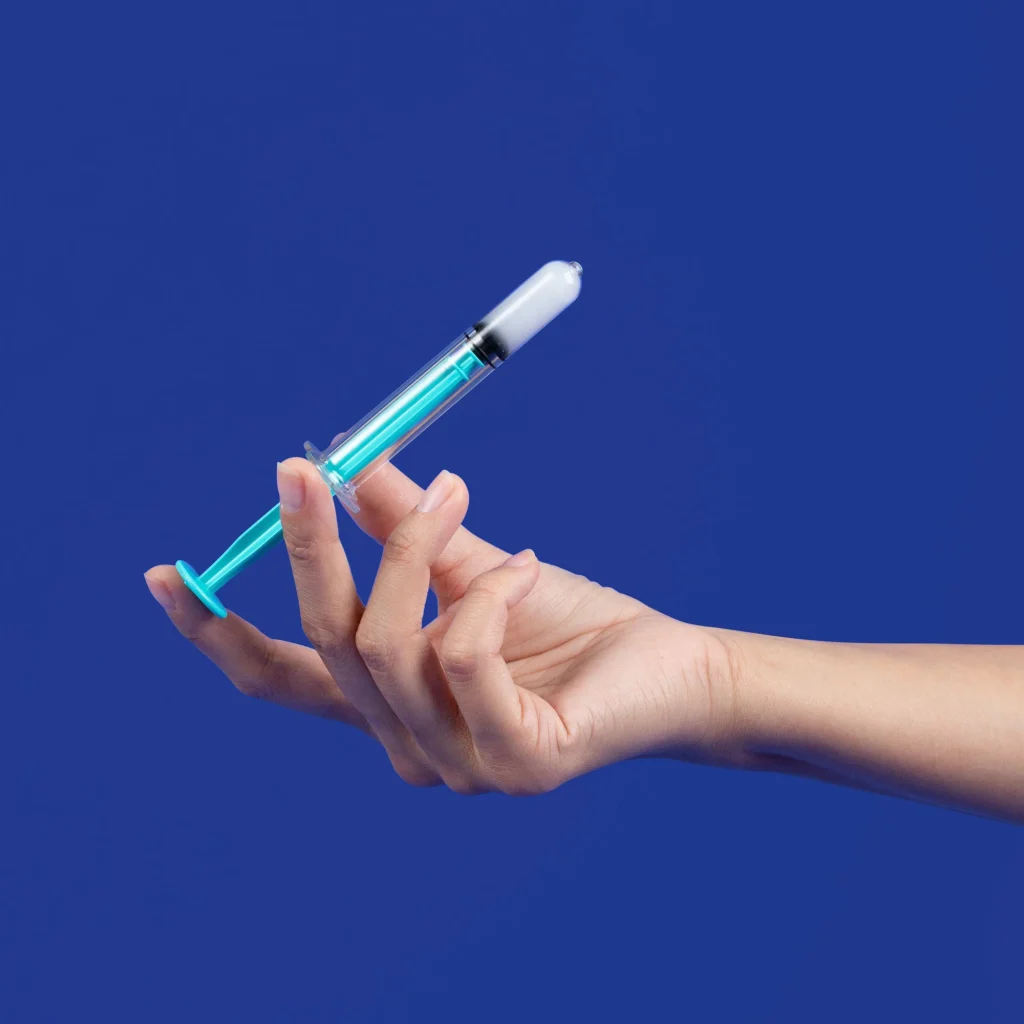
    hand holding a syringe with a blue plunger against a solid blue background

    Breaking Down Barriers: Home Insemination with a Starter Kit

    Another barrier is the stigma surrounding home insemination, particularly for single individuals or same-sex couples. There may be societal pressure to conceive through traditional methods or the fear of judgment from others. However, with more people openly discussing their experiences with home insemination, the stigma is slowly being broken down.

    Additionally, some may feel intimidated by the medical aspect of insemination and may be hesitant to perform the procedure themselves. However, starter kits come with clear instructions and are designed to make the process as simple and safe as possible.

    Tips for Using a Starter Kit

    If you are considering using a starter kit for home insemination, here are some tips to keep in mind:

    1. Research and choose a reputable starter kit: It is important to do your research and choose a reputable company for your starter kit. Look for reviews and recommendations from others who have used the kit.

    2. Follow the instructions carefully: Make sure to read and follow the instructions provided with the starter kit to ensure proper use and safety.

    3. Track your ovulation: Ovulation predictors can be helpful in determining the best time for insemination, but it is also important to track your ovulation through other methods such as monitoring your basal body temperature.

    4. Consider seeking medical advice: While home insemination can be a great option for some, it is important to consult with a healthcare professional if you have any concerns or underlying medical conditions that may affect your fertility.

    In summary, home insemination with a starter kit is a convenient, cost-effective, and stigma-free option for individuals or couples who are trying to conceive. While there may be barriers and challenges, with the right information and resources, home insemination can be a successful and empowering experience.

  • Home Insemination Made Easy: What You Need in Your Starter Kit

    Summary:

    illustration comparing standard and Mosie syringe openings with text highlighting design benefits for home insemination

    Home Insemination Made Easy: What You Need in Your Starter Kit

    Home insemination, also known as self-insemination, is a procedure that allows individuals or couples to use a donor’s sperm to conceive a child in the comfort of their own home. This method has become increasingly popular as it offers a more private and cost-effective option for those looking to start or expand their family. However, it is essential to have the right equipment and supplies in your starter kit to ensure a safe and successful insemination process. In this blog post, we will discuss the essential items needed in a home insemination starter kit and provide tips for making the process as easy and stress-free as possible.