Tag: stress management

  • Mindful Practices for a Calmer and More Peaceful Mind

    Blog Post: Mindful Practices for a Calmer and More Peaceful Mind

    In today’s fast-paced world, it’s easy to get caught up in the hustle and bustle of daily life. With constant distractions, stress, and responsibilities, it’s no wonder that many of us struggle with anxiety and a lack of inner peace. However, with the practice of mindfulness, we can learn to quiet our minds and find a sense of calm and serenity in our lives.

    What is Mindfulness?

    Mindfulness is the state of being fully present and aware of our thoughts, feelings, and surroundings in the present moment. It is the practice of focusing on the present without judgment, allowing us to let go of worries about the past or future. Mindfulness can be cultivated through various practices, including meditation, breathing exercises, and everyday activities like eating, walking, or even brushing our teeth.

    Benefits of Mindfulness

    Research has shown that regular mindfulness practice can have numerous benefits for our mental, emotional, and physical well-being. Some of these benefits include:

    1. Reduced Stress and Anxiety: Mindfulness allows us to observe our thoughts and emotions without getting caught up in them. This helps us to manage stress and anxiety better, leading to a calmer and more peaceful mind.

    2. Improved Focus and Concentration: By training our minds to stay present, mindfulness can help improve our ability to concentrate and focus on tasks at hand.

    3. Enhanced Emotional Regulation: Mindfulness can help us become more aware of our emotions and learn to respond to them in a more balanced and healthy way.

    4. Better Sleep: Many people struggle with insomnia due to an overactive mind. Mindfulness can help quiet the mind and promote relaxation, leading to better sleep.

    5. Increased Self-Awareness: By paying attention to our thoughts and feelings, we can gain a better understanding of ourselves and our patterns of behavior, leading to personal growth and self-improvement.

    6. Improved Relationships: Mindfulness can help us become more present and attentive in our relationships, leading to better communication and deeper connections with others.

    Mindful Practices for a Calmer and More Peaceful Mind

    1. Meditation: Meditation is one of the most well-known mindfulness practices. It involves sitting in a quiet and comfortable place, focusing on the breath, and observing any thoughts or sensations without judgment. Regular meditation can help calm the mind and promote a sense of inner peace.

    Two transparent syringes with teal accents positioned diagonally on a light gray background.

    Mindful Practices for a Calmer and More Peaceful Mind

    2. Mindful Breathing: Our breath is always with us, and we can use it as an anchor to bring our minds back to the present moment. By focusing on our breath, we can slow down and quiet our thoughts, promoting relaxation and calmness.

    3. Mindful Eating: Many of us rush through our meals, barely paying attention to what we’re eating. Mindful eating involves slowing down, savoring each bite, and paying attention to the taste, texture, and smell of our food. It can help us develop a healthier relationship with food and promote mindful living.

    4. Gratitude Practice: It’s easy to get caught up in negative thoughts and worries, but practicing gratitude can shift our focus to the positive aspects of our lives. Take a few moments each day to reflect on what you’re grateful for, and you’ll start to see a shift in your mindset.

    5. Mindful Movement: Physical activity can also be a form of mindfulness practice. Whether it’s yoga, tai chi, or simply going for a walk, paying attention to our body’s movements and sensations can help quiet the mind and promote relaxation.

    6. Mindful Technology Use: Technology has become an integral part of our lives, but it can also be a significant source of stress and distraction. Setting boundaries and being intentional with our technology use can help promote a calmer and more peaceful mind.

    Incorporating Mindfulness into Daily Life

    Incorporating mindfulness into our daily lives doesn’t have to be complicated. It’s about being intentional and present in our thoughts, actions, and interactions. Here are a few ways to incorporate mindfulness into your daily routine:

    1. Start your day with a few minutes of meditation or mindful breathing.

    2. Take a mindful pause before responding to a stressful situation or reacting to a strong emotion.

    3. Practice mindfulness while doing everyday tasks, such as washing dishes or taking a shower.

    4. Take breaks throughout the day to check in with yourself and your thoughts.

    5. Set boundaries with technology, such as turning off notifications or taking breaks from social media.

    Summary:

    In today’s fast-paced world, mindfulness can help us find a sense of calm and inner peace. By being fully present and aware in the present moment, we can reduce stress and anxiety, improve focus and concentration, and enhance our emotional regulation. Mindfulness can be cultivated through practices like meditation, mindful breathing, mindful eating, and mindful movement. By incorporating mindfulness into our daily lives, we can experience a calmer and more peaceful mind.

  • Recommended Practices for Nurturing Your Mental Health

    Summary:

    Mental health is an essential aspect of our overall well-being that is often overlooked. It is important to prioritize and nurture our mental health, just like we do with our physical health. In this blog post, we will discuss some recommended practices for nurturing your mental health.

    Firstly, it is crucial to understand that mental health is a spectrum, and it is normal to experience a range of emotions. However, it is essential to recognize when these emotions become overwhelming and start to affect our daily lives. One of the best ways to nurture mental health is by practicing self-care. Self-care can look different for everyone, but it essentially means taking time for yourself and doing things that bring you joy and relaxation. This can include activities like reading, exercising, or indulging in a hobby.

    Another important practice for nurturing mental health is stress management. Stress can have a significant impact on our mental well-being, and it is essential to find healthy ways to cope with it. Some effective stress management techniques include exercise, deep breathing, and meditation. It is also crucial to identify and eliminate sources of unnecessary stress from our lives.

    at-home insemination kit featuring a syringe and container for fresh or donor sperm conception

    Recommended Practices for Nurturing Your Mental Health

    Practicing mindfulness is another recommended practice for nurturing mental health. Mindfulness is the act of being present in the moment and observing our thoughts and feelings without judgment. It can help us become more aware of our emotions and thoughts, and in turn, manage them better. Mindfulness can be practiced through activities like meditation, yoga, or simply taking a few minutes to focus on our breath.

    In addition to self-care and stress management, having a positive mindset is also important for mental health. Our thoughts and beliefs have a significant impact on our emotions and behaviors. It is essential to practice positive thinking and challenge negative thoughts. This can be done by reframing negative thoughts into more positive and realistic ones.

    Incorporating healthy habits into our daily routines is another recommended practice for nurturing mental health. These habits can include getting enough sleep, eating a balanced diet, and staying physically active. Our physical health and mental health are closely interconnected, and taking care of our bodies can have a positive impact on our mental well-being.

    Lastly, seeking professional help is crucial for nurturing mental health. If you are struggling with your mental health, do not hesitate to reach out to a therapist or counselor. They can provide you with the necessary support and guidance to manage your mental health effectively.

    In conclusion, nurturing our mental health is essential for our overall well-being. By practicing self-care, stress management, mindfulness, positive thinking, and healthy habits, we can improve our mental well-being. And if necessary, seeking professional help is always a good option.

  • Simple Habits for Better Mental Health

    Summary:

    Mental health is just as important as physical health, yet it often gets overlooked. In fact, one in five adults in the United States experience some form of mental illness in a given year. While there are various treatments available for mental health, there are also simple habits that can have a big impact on our overall well-being. By incorporating these habits into our daily routine, we can improve our mental health and lead a happier, more fulfilling life.

    The first habit to adopt is practicing self-care. This means taking care of our physical, emotional, and mental needs. This can include getting enough sleep, eating a healthy diet, and engaging in activities that bring us joy and relaxation. By prioritizing our own well-being, we can better manage stress and reduce the risk of developing mental health issues.

    Another important habit is practicing mindfulness. This involves being fully present in the moment and focusing on our thoughts, feelings, and surroundings without judgment. Mindfulness can help reduce anxiety and stress, improve mood, and increase self-awareness. It can also help us appreciate the little things in life and find joy in everyday moments.

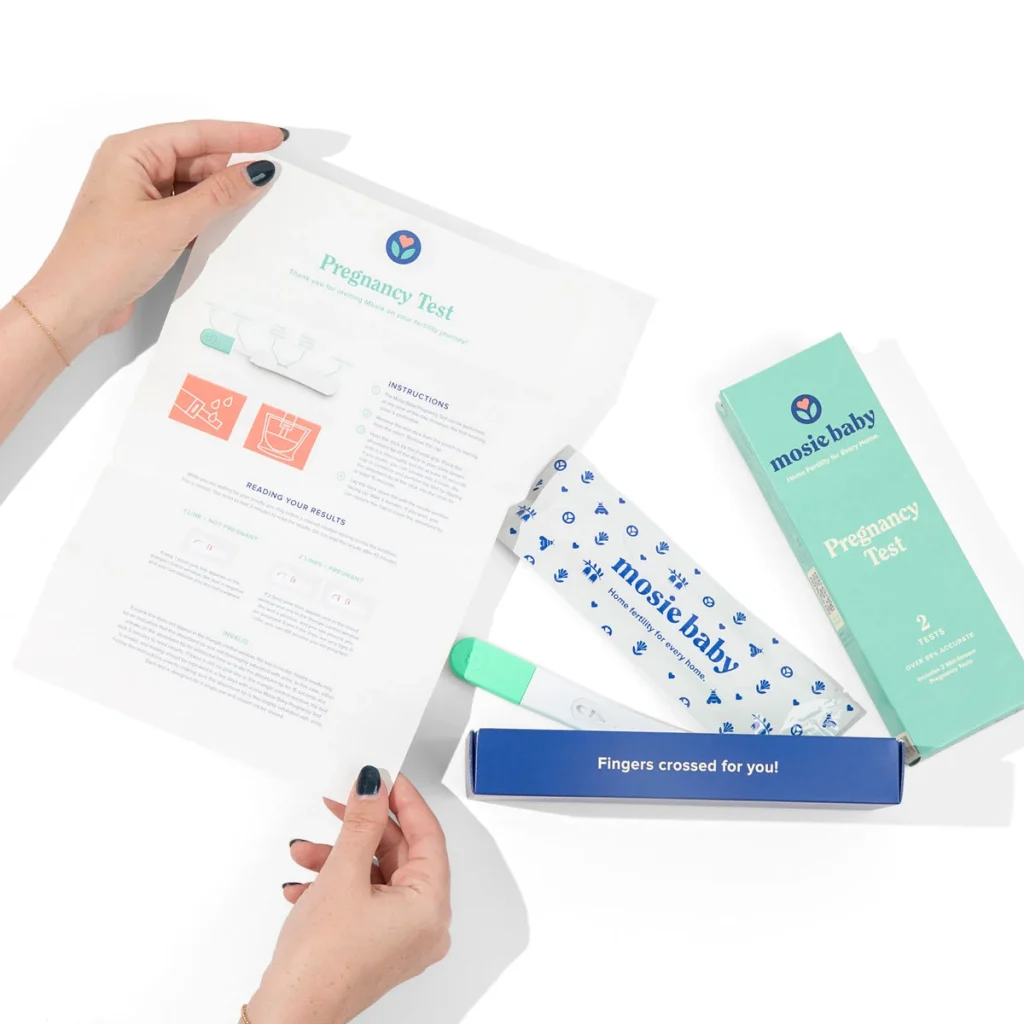
    pregnancy test kit with instructions, test device, and packaging on a white background

    Simple Habits for Better Mental Health

    In addition to self-care and mindfulness, incorporating healthy habits into our lifestyle can also have a positive impact on our mental health. This includes regular exercise, which has been shown to reduce symptoms of anxiety and depression, improve mood, and boost self-esteem. Eating a balanced diet with plenty of fruits, vegetables, and whole grains can also contribute to better mental health.

    Managing stress is another key habit for maintaining good mental health. Chronic stress can have negative effects on both our physical and mental well-being. It’s important to find healthy ways to cope with stress, such as exercise, meditation, journaling, or spending time in nature. It’s also important to set boundaries and learn to say no to things that may cause excessive stress.

    Building and maintaining healthy relationships is another important aspect of mental health. Social support is crucial for our well-being, and having a strong support system can help us through difficult times. It’s important to surround ourselves with positive and supportive people, and to also be a good friend and support system for others.

    Lastly, seeking professional help when needed is a crucial habit for better mental health. Just as we would see a doctor for a physical ailment, it’s important to seek help from a therapist or counselor for mental health issues. Therapy can provide a safe and non-judgmental space to work through our thoughts and feelings, and can be a valuable tool for managing and improving our mental health.

    In conclusion, our mental health is greatly influenced by our daily habits. By prioritizing self-care, practicing mindfulness, incorporating healthy habits, managing stress, building strong relationships, and seeking professional help when needed, we can improve our mental health and overall well-being. These simple habits may seem small, but they can have a big impact on our mental health and happiness.

  • Recommended Practices for Managing Stress and Anxiety

    Managing stress and anxiety is something that many people struggle with on a daily basis. In today’s fast-paced world, it seems like stress and anxiety have become a normal part of life. However, if left unmanaged, they can have serious negative effects on our mental and physical well-being. That’s why it’s important to have recommended practices in place to help manage and reduce stress and anxiety. In this blog post, we will discuss some effective techniques and strategies for managing stress and anxiety.

    1. Identify the source of stress and anxiety

    The first step in managing stress and anxiety is to identify their source. It could be work-related, family-related, or even something personal. Once you know the root cause, it becomes easier to find ways to cope with it. Keep a journal or talk to a friend or therapist to help you pinpoint the source of your stress and anxiety.

    2. Practice relaxation techniques

    Relaxation techniques such as deep breathing, meditation, and yoga can help reduce stress and anxiety. These techniques help to calm the mind and body and promote a sense of inner peace. Incorporate these practices into your daily routine to help manage stress and anxiety.

    3. Exercise regularly

    Regular exercise not only helps to keep your body fit and healthy, but it also has a positive impact on your mental well-being. Exercise releases feel-good hormones called endorphins, which can help reduce stress and anxiety. Find an exercise routine that works for you, whether it’s going to the gym, running, or practicing a sport.

    4. Get enough sleep

    Lack of sleep can significantly contribute to stress and anxiety. It’s important to make sure you are getting enough rest each night. Aim for 7-9 hours of sleep and establish a bedtime routine to help you relax and fall asleep more easily.

    5. Practice positive self-talk

    sperm-ready insemination kit with a syringe and container, featuring a screw top lid and non-tip safety wall

    Recommended Practices for Managing Stress and Anxiety

    Our thoughts have a powerful impact on our emotions. When we constantly have negative thoughts, it can lead to increased stress and anxiety. Practice positive self-talk by challenging negative thoughts and replacing them with positive ones. This can help to improve your overall mindset and reduce stress and anxiety.

    6. Set boundaries and learn to say no

    One of the major causes of stress and anxiety is taking on too much and not setting boundaries. Learn to say no to things that you don’t have the time or energy for. It’s okay to prioritize your well-being and set limits on what you can handle.

    7. Seek support

    Don’t be afraid to reach out for support when you are feeling overwhelmed by stress and anxiety. Talk to a trusted friend or family member, or seek professional help from a therapist or counselor. Having a support system can provide comfort and help you manage stress and anxiety more effectively.

    8. Take breaks and practice self-care

    In today’s busy world, it can be easy to get caught up in the hustle and forget to take breaks and prioritize self-care. Taking short breaks throughout the day can help you recharge and refocus. Additionally, make time for activities that bring you joy and relaxation, such as reading, listening to music, or taking a bath.

    9. Avoid unhealthy coping mechanisms

    When faced with stress and anxiety, it can be tempting to turn to unhealthy coping mechanisms such as alcohol, drugs, or binge eating. While these may provide temporary relief, they can have long-term negative effects on your overall well-being. Instead, try to find healthier ways to cope, such as exercise, talking to someone, or practicing relaxation techniques.

    In summary, managing stress and anxiety is crucial for maintaining our mental and physical health. This can be achieved by identifying the source of stress, practicing relaxation techniques, exercising regularly, getting enough sleep, practicing positive self-talk, setting boundaries, seeking support, taking breaks and practicing self-care, and avoiding unhealthy coping mechanisms.

  • Daily Practices for a Happier and Healthier Mind

    Daily Practices for a Happier and Healthier Mind: How to Cultivate Positive Mental Health Habits

    Our minds are powerful tools that can greatly impact our overall well-being and happiness. Just like physical health, our mental health requires consistent care and maintenance to thrive. In today’s fast-paced and stressful world, it’s more important than ever to prioritize our mental health and adopt daily practices that promote a happier and healthier mind. In this blog post, we will discuss some simple yet effective daily practices that you can incorporate into your routine to cultivate positive mental health habits.

    1. Start your day with gratitude

    Practicing gratitude has been scientifically proven to improve mental health and overall well-being. When we intentionally focus on the things we are grateful for, our brain releases dopamine and serotonin, also known as the “happy hormones.” This helps us feel more positive, content, and optimistic throughout the day. Make it a habit to start your day by writing down three things you are grateful for. It could be as simple as having a roof over your head, a warm cup of coffee, or the love of your family. This practice will help shift your mindset to a more positive and grateful one.

    2. Engage in physical activity

    Regular physical activity not only benefits our physical health but also has a positive impact on our mental health. Exercise releases endorphins, which are chemicals in the brain that act as natural painkillers and improve mood. It also reduces stress and anxiety, boosts self-esteem, and promotes better sleep – all of which contribute to a happier and healthier mind. You don’t need to spend hours at the gym to reap the benefits of exercise. Even a short walk or a quick yoga session at home can make a significant difference.

    3. Practice mindfulness and meditation

    In this fast-paced world, it’s easy to get caught up in the chaos and forget to be present in the moment. Mindfulness is the practice of being fully aware and present in the present moment. It helps us slow down, take a break from our racing thoughts, and appreciate the present. Meditation is another powerful tool that can help us quiet our minds, reduce stress, and improve focus. Try to incorporate at least 10 minutes of mindfulness or meditation into your daily routine to reap the benefits.

    4. Make time for hobbies and activities you enjoy

    illustration comparing standard and Mosie syringe openings with text highlighting design benefits for home insemination

    Daily Practices for a Happier and Healthier Mind

    We often get so caught up in our daily responsibilities and obligations that we forget to make time for things we enjoy. Engaging in hobbies and activities that bring us joy and relaxation is essential for our mental well-being. It could be as simple as reading a book, painting, gardening, or cooking. These activities help us disconnect from the stressors of life and recharge our minds. Make it a priority to set aside some time each day to do something you love.

    5. Connect with loved ones

    Human connection is vital for our mental health. In today’s digital age, we often rely on social media to stay connected with others, but nothing can replace the warmth and comfort of face-to-face interactions. Make an effort to connect with your loved ones regularly, whether it’s through a phone call, video chat, or in-person meetups. Surrounding ourselves with positive and supportive people can greatly improve our mood and overall well-being.

    6. Practice self-care

    Self-care is not selfish; it’s necessary for our mental and emotional well-being. It’s essential to prioritize our needs and take care of ourselves, both physically and mentally. This could mean something different for each person, but some common self-care practices include getting enough sleep, eating nutritious meals, taking breaks when needed, and setting boundaries. Remember that taking care of ourselves is not a luxury; it’s a crucial aspect of maintaining a happier and healthier mind.

    7. Learn to manage stress effectively

    Stress is a normal part of life, but when left unmanaged, it can wreak havoc on our mental health. It’s essential to learn healthy ways to cope with stress, such as exercising, practicing deep breathing, talking to a friend, or seeking professional help. Don’t let stress build up and overwhelm you. Take proactive steps to manage it before it takes a toll on your mental health.

    8. Get enough quality sleep

    Sleep is crucial for our mental and physical health. Lack of sleep can lead to irritability, fatigue, difficulty concentrating, and other negative effects on our mood and mental health. Aim for 7-9 hours of quality sleep each night. Create a comfortable and relaxing sleep environment, avoid screens before bedtime, and establish a consistent sleep schedule to improve your sleep quality.

    In summary, our daily habits and practices have a significant impact on our mental health. By incorporating these simple yet powerful practices into our routine, we can cultivate positive mental health habits and lead happier and healthier lives. Remember to be patient and kind to yourself as you work on adopting these habits. With consistency and dedication, you can transform your mind and improve your overall well-being.

  • Mindfulness Practices for Improved Mental Health

    Mindfulness Practices for Improved Mental Health

    Mental health is a vital aspect of our overall well-being and should not be taken lightly. It affects how we think, feel, and behave, and can have a significant impact on our relationships, work, and daily life. Unfortunately, mental health issues are prevalent, with approximately 1 in 5 adults in the United States experiencing some form of mental illness in a given year. This highlights the importance of taking care of our mental health and finding ways to improve it. One effective way to do so is through mindfulness practices.

    Mindfulness is the practice of being fully present and aware of our thoughts, feelings, bodily sensations, and surroundings without judgment. It involves paying attention to the present moment and accepting it as it is, without trying to change or control it. This practice has been around for centuries and has roots in Buddhism, but it has gained popularity in recent years as a way to improve mental health.

    So, how can mindfulness practices help improve our mental health? Let’s explore some of the ways below.

    1. Reducing Stress and Anxiety

    Stress and anxiety are common mental health issues that can have a significant impact on our daily lives. They can lead to physical symptoms such as headaches, muscle tension, and fatigue, and can also affect our mood and behavior. Mindfulness practices can help reduce stress and anxiety by allowing us to focus on the present moment and let go of worries and negative thoughts. By practicing mindfulness, we can learn to observe our thoughts and feelings without judgment and let them pass without getting caught up in them. This can help us feel more calm and at ease, reducing the impact of stress and anxiety on our mental health.

    2. Improving Self-Awareness

    Being aware of our thoughts, emotions, and behaviors is crucial for our mental health. Mindfulness practices can help us become more self-aware by bringing our attention to the present moment and our internal experiences. By noticing our thoughts and feelings, we can better understand the root causes of our emotions and behaviors. This self-awareness can help us make positive changes in our lives and improve our overall well-being.

    3. Enhancing Emotional Regulation

    Emotional regulation is the ability to manage and control our emotions effectively. It is an essential skill for maintaining good mental health. Mindfulness practices can help us develop this skill by allowing us to observe our emotions without judgment and accept them as they are. This can help us become more aware of our emotional triggers and learn how to respond to them in a healthy and productive way. By practicing mindfulness, we can also learn to let go of unhelpful or negative emotions, leading to a calmer and more balanced emotional state.

    4. Cultivating Gratitude and Positive Thinking

    illustration comparing standard and Mosie syringe openings with text highlighting design benefits for home insemination

    Mindfulness Practices for Improved Mental Health

    Practicing gratitude and positive thinking can have a significant impact on our mental health. Mindfulness practices can help us cultivate these qualities by encouraging us to focus on the present moment and the things we are grateful for. By being more present and aware, we can learn to appreciate the small things in life and shift our focus from negative thoughts to more positive ones. This can lead to increased happiness and improved overall mental well-being.

    5. Increasing Resilience

    Resilience is the ability to bounce back from challenging situations and adapt to change. It is a crucial skill for maintaining good mental health, especially during difficult times. Mindfulness practices can help us become more resilient by teaching us to accept and let go of things we cannot control. By focusing on the present moment and practicing non-judgment, we can learn to cope with adversity and bounce back stronger than before.

    Incorporating Mindfulness Practices into Your Daily Life

    Now that we understand the benefits of mindfulness practices for our mental health, how can we incorporate them into our daily lives? Here are a few simple ways to get started:

    1. Start with small steps: Mindfulness is a skill that takes time and practice to develop. Start with small steps, such as taking a few minutes each day to focus on your breath or observe your thoughts without judgment.

    2. Set reminders: In our fast-paced lives, it can be easy to forget to practice mindfulness. Set reminders on your phone or calendar to take a few moments each day to be mindful.

    3. Try guided meditations: Guided meditations can be a helpful tool for beginners to learn mindfulness practices. There are many apps and online resources available that offer guided meditations for free.

    4. Be consistent: Consistency is key when it comes to mindfulness. Try to practice it daily, even if it’s just for a few minutes.

    5. Incorporate mindfulness into daily activities: You don’t have to set aside a specific time to practice mindfulness. You can incorporate it into your daily activities, such as eating, walking, or even brushing your teeth. Simply focus on the present moment and be fully aware of your senses.

    Summary:

    Mindfulness practices can have a significant impact on our mental health by reducing stress and anxiety, improving self-awareness, enhancing emotional regulation, cultivating gratitude and positive thinking, and increasing resilience. By incorporating small steps into our daily lives, such as guided meditations and being present in daily activities, we can reap the benefits of mindfulness and improve our overall well-being.

  • Mental Health 101: 48 Essential Practices for Well-Being

    Mental Health 101: 48 Essential Practices for Well-Being is a comprehensive guide that explores the basics of maintaining good mental health and overall well-being. In today’s fast-paced and stressful world, it is crucial to prioritize our mental health and take care of ourselves. This blog post covers 48 essential practices that can help individuals improve their mental health and lead a happier and healthier life.

    1. Practice Gratitude: Begin each day by expressing gratitude for what you have in your life. This simple practice can help shift your mindset and improve your overall outlook.

    2. Connect with Others: Strong social connections are essential for our mental health. Make an effort to spend time with friends and family, join a club or group, or volunteer in your community.

    3. Get Enough Sleep: Lack of sleep can significantly impact our mental health. Make sure to get 7-9 hours of quality sleep each night to feel rested and rejuvenated.

    4. Exercise Regularly: Physical activity not only benefits our physical health but also has a positive impact on our mental well-being. Aim for at least 30 minutes of exercise each day.

    5. Practice Mindfulness: Mindfulness is the practice of being present in the moment and paying attention to our thoughts and feelings without judgment. It can help reduce stress and anxiety and improve overall well-being.

    6. Eat a Balanced Diet: Our diet plays a significant role in our mental health. Make sure to eat a balanced diet that includes fruits, vegetables, whole grains, and lean proteins.

    7. Manage Stress: Stress is a common part of life, but too much of it can negatively impact our mental health. Find healthy ways to manage stress, such as exercise, meditation, or spending time in nature.

    8. Set Realistic Goals: Setting realistic goals and working towards them can give us a sense of purpose and accomplishment, which can boost our mental well-being.

    9. Learn to Say No: It’s okay to say no to things that don’t align with our priorities or values. Learning to set boundaries can help reduce stress and improve our mental health.

    10. Seek Help When Needed: If you’re struggling with your mental health, don’t be afraid to seek help. Reach out to a therapist, counselor, or trusted friend or family member for support.

    11. Practice Self-Care: Self-care is crucial for maintaining good mental health. Make time for activities that bring you joy and recharge your batteries.

    12. Cultivate a Positive Mindset: Our thoughts can greatly impact our mental health. Practice positive self-talk and challenge negative thoughts to cultivate a more optimistic mindset.

    13. Engage in Creative Activities: Engaging in creative activities such as painting, writing, or playing an instrument can be a great outlet for stress and a way to express ourselves.

    14. Make Time for Relaxation: In our busy lives, it’s essential to make time for relaxation. This can include taking a bath, reading a book, or simply sitting in silence.

    15. Express Your Emotions: Allowing ourselves to feel and express our emotions is crucial for our mental health. Find healthy ways to express yourself, such as journaling or talking to a trusted friend.

    16. Cut Out Toxic Relationships: Toxic relationships can take a toll on our mental health. Set boundaries and distance yourself from people who are negative or bring you down.

    17. Volunteer: Helping others can be incredibly fulfilling and boost our mental well-being. Consider volunteering your time and skills to make a positive impact in your community.

    18. Practice Forgiveness: Holding onto grudges and anger can negatively impact our mental health. Practice forgiveness for yourself and others to let go of negative emotions.

    19. Spend Time in Nature: Spending time in nature has been shown to reduce stress and improve overall well-being. Take a walk in the park or go for a hike to reap the benefits of nature.

    20. Take Breaks: It’s essential to take breaks throughout the day to recharge and avoid burnout. Take short breaks to stretch, go for a walk, or simply close your eyes and breathe.

    21. Learn to Manage Emotions: Emotions are a natural part of life, but learning to manage them can help us maintain good mental health. Practice deep breathing, meditation, or other techniques to manage intense emotions.

    22. Avoid Alcohol and Drugs: Substance abuse can have a severe impact on our mental health. Avoid or limit alcohol and drug use to maintain a healthy mind.

    23. Practice Good Hygiene: Good hygiene can improve our self-esteem and overall mood. Take care of your physical appearance by showering, brushing your teeth, and wearing clean clothes.

    24. Find a Hobby: Hobbies can provide a sense of purpose and joy in our lives. Find a hobby that you enjoy and make time for it regularly.

    at-home insemination kit with syringes, collection cups, and instructions on a pink background

    Mental Health 101: 48 Essential Practices for Well-Being

    25. Get Outside Your Comfort Zone: Trying new things and stepping outside our comfort zone can help us grow and improve our mental health. Take small steps to push yourself out of your comfort zone.

    26. Surround Yourself with Positive People: The people we surround ourselves with can greatly impact our mental health. Spend time with positive and supportive people who bring out the best in you.

    27. Practice Deep Breathing: Deep breathing can help calm our minds and reduce stress. Take a few deep breaths when feeling overwhelmed or anxious.

    28. Don’t Compare Yourself to Others: Comparison is the thief of joy. Avoid comparing yourself to others and focus on your own journey and progress.

    29. Find a Support System: Having a support system in place can help us navigate life’s challenges and improve our mental health. Reach out to friends, family, or a therapist for support when needed.

    30. Learn to Let Go: Holding onto things that are out of our control can cause unnecessary stress and negatively impact our mental health. Learn to let go of things we cannot change.

    31. Take a Mental Health Day: Just like our physical health, we also need to prioritize our mental health. Take a day off to rest and recharge when needed.

    32. Keep a Journal: Writing down our thoughts and feelings can be therapeutic and help us gain insight into our emotions. Make journaling a regular habit to improve your mental well-being.

    33. Take a Social Media Break: Social media can be overwhelming and contribute to feelings of inadequacy. Take a break from social media to disconnect and focus on yourself.

    34. Find a Creative Outlet: Engaging in creative activities or finding a creative outlet can help us express ourselves and cope with stress and negative emotions.

    35. Learn to Manage Time: Poor time management can lead to stress and feelings of overwhelm. Learn to manage your time effectively to reduce stress and improve productivity.

    36. Seek Out Positive News: The news can be overwhelming and negative, which can impact our mental well-being. Seek out positive news sources that can uplift and inspire us.

    37. Practice Assertiveness: Being assertive can help us set boundaries and effectively communicate our needs. Practice being assertive in a respectful manner to improve your mental health.

    38. Take a Mental Break: It’s essential to take mental breaks throughout the day to recharge. Close your eyes, take a few deep breaths, or listen to calming music to clear your mind.

    39. Learn a Relaxation Technique: There are many relaxation techniques such as deep breathing, meditation, or progressive muscle relaxation that can help us reduce stress and promote relaxation.

    40. Attend Therapy: Therapy can be incredibly beneficial for our mental health, even when we’re not facing significant challenges. Consider attending therapy to work on personal growth and self-awareness.

    41. Learn to Communicate Effectively: Communication is crucial for our relationships and overall well-being. Learn to communicate effectively and express your thoughts and feelings in a healthy way.

    42. Take a Break from Technology: Constantly being connected to technology can be overwhelming and contribute to stress and anxiety. Take a break from technology to disconnect and recharge.

    43. Set Realistic Expectations: Setting unrealistic expectations for ourselves can lead to feelings of failure and negatively impact our mental health. Set realistic expectations to avoid unnecessary stress.

    44. Learn to Manage Conflict: Conflict is a part of life, but learning to manage it effectively can prevent unnecessary stress and improve our mental well-being.

    45. Learn a New Skill: Learning new skills can boost our self-esteem and provide a sense of accomplishment. Consider learning a new language, instrument, or hobby to improve your mental health.

    46. Take Care of Your Physical Health: Our physical health and mental health are closely connected. Make sure to take care of your physical health by eating well, exercising, and getting regular check-ups.

    47. Practice Compassion: Being compassionate towards ourselves and others can improve our relationships and overall well-being. Practice kindness and empathy to cultivate a more positive mindset.

    48. Find a Therapist Who Fits Your Needs: If you decide to seek therapy, make sure to find a therapist who fits your needs and makes you feel comfortable. A good therapist can help you navigate difficult emotions and improve your mental health.

    In summary, our mental health is a crucial aspect of our overall well-being, and it’s essential to prioritize it. By practicing these 48 essential habits, we can improve our mental health and lead a happier and healthier life.

  • A Comprehensive Guide to 48 Mental Health Practices That Work

    Title: A Comprehensive Guide to 48 Mental Health Practices That Work

    Mental health is a crucial aspect of overall well-being, yet it is often overlooked and stigmatized in society. With the increasing pressures and stresses of daily life, it is essential to have effective tools and practices that can help improve and maintain mental health. In this comprehensive guide, we will explore 48 mental health practices that have been proven to work and benefit individuals of all ages and backgrounds.

    1. Practice Mindfulness: Mindfulness is the act of being fully present in the moment, without judgment. It can help reduce stress, anxiety, and depression, and improve overall mental well-being.

    2. Engage in Regular Exercise: Exercise has been proven to release endorphins, reduce stress and anxiety, and improve mood. It can be as simple as going for a walk or incorporating a regular exercise routine into your daily life.

    3. Try Yoga: Yoga combines physical movement with mindfulness and can have a positive impact on mental health. It can help reduce stress, anxiety, and depression, and improve overall well-being.

    4. Spend Time in Nature: Being in nature has a calming effect on the mind and can help reduce stress and anxiety. It also provides an opportunity to practice mindfulness and disconnect from technology and daily stressors.

    5. Get Enough Sleep: Adequate sleep is essential for mental health as it allows the brain to rest and reset. Lack of sleep can lead to increased stress, anxiety, and depression.

    6. Practice Gratitude: Expressing gratitude has been linked to increased happiness and overall well-being. Taking the time to appreciate the good things in life can help improve mental health.

    7. Connect with Others: Social connections are critical for mental health. Spending time with loved ones, joining a support group, or volunteering can all help improve overall well-being.

    8. Seek Professional Help: If you are struggling with mental health issues, it is essential to seek professional help. A therapist or counselor can provide support and guidance in managing and improving mental health.

    9. Try Cognitive Behavioral Therapy (CBT): CBT is a type of therapy that focuses on changing negative thought patterns and behaviors. It has been proven to be effective in treating various mental health conditions.

    10. Learn Relaxation Techniques: Breathing exercises, meditation, and progressive muscle relaxation are all techniques that can help reduce stress and anxiety and improve overall mental health.

    11. Set Realistic Goals: Setting achievable goals can help improve motivation and self-esteem. It is essential to break down larger goals into smaller, more manageable ones.

    12. Practice Self-Care: Taking care of yourself is crucial for mental health. It can include activities such as taking a bath, reading a book, or practicing a hobby.

    13. Use Positive Affirmations: Repeating positive affirmations can help improve self-esteem and change negative thought patterns. Examples include “I am enough” and “I am capable.”

    14. Try Art Therapy: Art therapy involves using creative processes to express and explore emotions. It can be helpful for individuals struggling with mental health issues.

    15. Use Essential Oils: Essential oils, such as lavender and peppermint, have been shown to have a calming effect on the mind and can help reduce stress and anxiety.

    16. Eat a Balanced Diet: A diet rich in fruits, vegetables, whole grains, and lean proteins can help improve mental health. Avoiding processed foods and excessive sugar intake is also beneficial.

    17. Limit Alcohol and Drug Use: Substance abuse can worsen mental health conditions and should be avoided. Seek help if you are struggling with addiction.

    18. Challenge Negative Thoughts: Identifying and challenging negative thoughts can help improve self-esteem and overall well-being. Ask yourself if the thought is based on fact or if there is evidence to support it.

    19. Try Acupuncture: Acupuncture has been shown to have a positive impact on mental health, particularly in reducing stress and anxiety.

    20. Learn Stress Management Techniques: Stress is a common trigger for mental health issues. Learning how to manage stress through techniques such as time management and prioritization can help improve overall well-being.

    21. Get a Pet: Pets can provide companionship, reduce stress, and improve mood. They can also provide a sense of purpose and responsibility.

    22. Listen to Music: Music has a powerful impact on mood and can help reduce stress and anxiety. Create a playlist of calming or uplifting songs to listen to when feeling overwhelmed.

    23. Try Aromatherapy: Aromatherapy involves using essential oils and scents to promote relaxation and reduce stress. It can be done through diffusers or by adding a few drops of oil to a bath or massage oil.

    At-home insemination kit with ovulation and pregnancy tests, promoting fertility and family planning.

    A Comprehensive Guide to 48 Mental Health Practices That Work

    24. Write in a Journal: Keeping a journal can help process emotions and thoughts. It can also serve as a way to track progress and identify patterns in moods and behaviors.

    25. Join a Support Group: Connecting with others who are going through similar experiences can be helpful for mental health. Joining a support group can provide a sense of community and understanding.

    26. Get a Massage: Massage can help reduce stress and promote relaxation. It can also help release tension in the body and improve overall well-being.

    27. Use Guided Imagery: Guided imagery involves using mental images to promote relaxation and reduce stress. It can be done through recordings or guided by a therapist.

    28. Try Light Therapy: Light therapy involves exposing oneself to bright light to help regulate mood and improve symptoms of seasonal affective disorder (SAD).

    29. Practice Breathing Techniques: Deep breathing can help reduce stress and promote relaxation. Techniques such as the 4-7-8 breathing method can be helpful in managing anxiety.

    30. Volunteer: Giving back to others can have a positive impact on mental health. It can provide a sense of purpose and fulfillment.

    31. Take a Mental Health Day: Taking a break from daily stressors and responsibilities can be beneficial for mental health. Use the day to relax, engage in self-care, and recharge.

    32. Use a SAD Lamp: SAD lamps mimic natural sunlight and can be helpful for individuals struggling with seasonal affective disorder.

    33. Take Supplements: Supplements such as omega-3 fatty acids, vitamin D, and magnesium have been shown to have a positive impact on mental health.

    34. Practice Visualization: Visualization involves creating mental images to promote relaxation and reduce stress. It can be done through guided imagery or by imagining a calming scene.

    35. Try Biofeedback: Biofeedback involves using electronic monitoring devices to help individuals become more aware of their body’s physiological responses and learn to control them.

    36. Take Breaks from Technology: Constant exposure to technology can be overwhelming and increase stress and anxiety. Take breaks from screens and disconnect to promote mental well-being.

    37. Use a Weighted Blanket: Weighted blankets have been shown to have a calming effect on the body and can help reduce stress and anxiety.

    38. Learn Time Management: Time management skills can help reduce stress and increase productivity. It is essential to prioritize tasks and set realistic goals.

    39. Use Positive Self-Talk: The way we talk to ourselves can have a significant impact on mental health. Replace negative self-talk with positive affirmations.

    40. Try Sound Therapy: Sound therapy involves using sounds and vibrations to promote relaxation and reduce stress. It can be done through music, singing bowls, or tuning forks.

    41. Use a Mood Tracker: Keeping track of moods and behaviors can help identify patterns and triggers. It can also provide valuable information when seeking professional help.

    42. Create a Calming Space: Having a designated space for relaxation can be helpful for mental health. It can be as simple as a corner with a comfortable chair or pillows.

    43. Learn Assertiveness Skills: Being assertive can help improve self-esteem and reduce stress and anxiety. It involves expressing one’s needs and boundaries in a respectful manner.

    44. Use a Stress Ball: Stress balls can help release tension and promote relaxation. They are also a useful tool for managing anxiety and improving focus.

    45. Get a Hobby: Engaging in activities that bring joy and fulfillment can have a positive impact on mental health. It can be anything from painting to playing an instrument.

    46. Practice Forgiveness: Letting go of grudges and practicing forgiveness can help improve mental well-being. Holding onto anger and resentment can be detrimental to mental health.

    47. Take a Relaxing Bath: A warm bath with Epsom salts, essential oils, or bath bombs can help promote relaxation and reduce stress and anxiety.

    48. Create a Self-Care Routine: Incorporating regular self-care practices into one’s routine can help promote mental well-being. It can include activities such as taking a bath, reading a book, or practicing yoga.

    In conclusion, mental health practices are essential for maintaining good mental well-being. It is crucial to find what works best for you and to incorporate them into your daily routine. Whether it’s practicing mindfulness, seeking professional help, or trying alternative therapies, these 48 practices can help improve mental health and overall quality of life.

  • Transform Your Mental Health: 48 Highly Recommended Practices

    Transform Your Mental Health: 48 Highly Recommended Practices

    Mental health is an important aspect of our overall well-being, yet it is often overlooked and neglected. In today’s fast-paced and high-stress society, it is crucial to take care of our mental health in order to live a happy and fulfilling life. Fortunately, there are many practices and techniques that can help us transform our mental health and achieve a state of balance and peace.

    In this blog post, we have compiled a list of 48 highly recommended practices to help you transform your mental health. These practices are based on research and expert advice, and can be easily incorporated into your daily routine. From self-care and mindfulness to therapy and medication, there is something for everyone in this comprehensive guide to improving your mental health.

    1. Practice self-care: Self-care is the act of taking care of yourself physically, mentally, and emotionally. It is essential for maintaining good mental health. Make time for yourself and engage in activities that bring you joy and relaxation.

    2. Set realistic goals: Setting unrealistic goals can lead to stress and disappointment. Instead, set achievable goals and celebrate your progress.

    3. Get enough sleep: Lack of sleep can have a negative impact on our mental health. Make sure to get at least 7-8 hours of sleep each night.

    4. Exercise regularly: Exercise is not only good for our physical health, but it also has numerous benefits for our mental health. It can help reduce stress, improve mood, and boost self-esteem.

    5. Practice gratitude: Focusing on the things we are grateful for can improve our overall well-being and mental health. Make a habit of writing down three things you are grateful for each day.

    6. Learn to manage stress: Stress is a part of life, but it is important to learn how to manage it effectively. This can include techniques such as deep breathing, meditation, and yoga.

    7. Connect with others: Social connection is crucial for our mental health. Make time to connect with friends and family, and seek out support when needed.

    8. Seek therapy: Therapy can be a valuable tool for improving mental health. A therapist can provide a safe and non-judgmental space to work through personal issues and develop coping strategies.

    9. Practice mindfulness: Mindfulness is the act of being fully present in the moment. It can help reduce stress and anxiety, and improve overall well-being.

    10. Limit social media usage: While social media can be a great tool for staying connected, it can also have a negative impact on our mental health. Set boundaries and limit your usage if you find it to be overwhelming.

    11. Find a hobby: Engaging in a hobby can be a great way to relax and take your mind off of stressors. It can also provide a sense of accomplishment and boost self-esteem.

    12. Seek support: It’s important to ask for help when you need it. Whether it’s from a friend, family member, or professional, reaching out for support can be beneficial for your mental health.

    13. Practice deep breathing: Deep breathing can help reduce stress and anxiety. Take a few minutes each day to focus on your breath and practice deep breathing techniques.

    14. Try new things: Stepping out of your comfort zone and trying new things can boost self-confidence and provide a sense of accomplishment.

    15. Take breaks: It’s important to take breaks throughout the day to avoid burnout. Schedule breaks in your day to relax and recharge.

    16. Volunteer: Giving back to others can improve your sense of purpose and well-being. Look for volunteer opportunities in your community.

    17. Practice self-compassion: Treat yourself with kindness and understanding, just as you would a friend. Practice self-compassion and be gentle with yourself.

    18. Seek professional help if needed: If you are struggling with your mental health, don’t hesitate to seek professional help. Mental health professionals can provide support and guidance in managing and improving your mental health.

    19. Learn to say no: It’s okay to say no to things that don’t align with your values or priorities. Setting boundaries is important for maintaining good mental health.

    20. Practice forgiveness: Holding onto grudges and resentment can negatively impact our mental health. Practice forgiveness for yourself and others.

    21. Spend time in nature: Spending time in nature has been shown to have numerous benefits for our mental health. Take a walk in the park, go for a hike, or simply spend time in your backyard.

    22. Reduce caffeine and alcohol intake: While caffeine and alcohol may provide temporary relief from stress, they can also worsen anxiety and disrupt sleep. Limit your intake to promote better mental health.

    23. Read self-help books: There are many self-help books available that can provide valuable insights and techniques for improving mental health. Look for books that resonate with you and your specific needs.

    at-home insemination kit featuring a syringe and container for fresh or donor sperm conception

    Transform Your Mental Health: 48 Highly Recommended Practices

    24. Practice positive self-talk: The way we talk to ourselves can greatly impact our mental health. Practice positive self-talk and replace negative thoughts with more compassionate and realistic ones.

    25. Create a routine: Having a routine can provide structure and stability, which can be beneficial for our mental health. Find a routine that works for you and stick to it.

    26. Seek out support groups: If you are struggling with a specific issue, seek out support groups in your community or online. Connecting with others who understand what you are going through can be helpful.

    27. Take a technology break: While technology can be helpful in many ways, it can also be overwhelming and contribute to stress. Take a break from technology and engage in other activities.

    28. Practice time management: Poor time management can lead to stress and feelings of overwhelm. Learn to prioritize tasks and manage your time effectively.

    29. Practice positive thinking: Our thoughts have a powerful impact on our mental health. Practice positive thinking and focus on the good in your life.

    30. Practice relaxation techniques: Relaxation techniques such as meditation, deep breathing, and progressive muscle relaxation can help reduce stress and promote relaxation.

    31. Keep a journal: Writing down your thoughts and feelings can be a therapeutic practice. Keep a journal to process your emotions and track your progress.

    32. Surround yourself with positive people: The people we surround ourselves with can greatly impact our mental health. Surround yourself with positive and supportive individuals.

    33. Take a mental health day: Sometimes we just need a break from our daily responsibilities. Take a mental health day to rest and recharge.

    34. Find a creative outlet: Engaging in a creative activity can be therapeutic and promote relaxation. Find a creative outlet that you enjoy, such as painting, writing, or playing an instrument.

    35. Practice good nutrition: A healthy diet can positively impact our mental health. Make sure to include plenty of fruits, vegetables, and whole grains in your diet.

    36. Practice forgiveness: Holding onto grudges and resentment can negatively impact our mental health. Practice forgiveness for yourself and others.

    37. Learn to manage perfectionism: Striving for perfection can lead to stress and feelings of inadequacy. Learn to manage perfectionism and be more compassionate with yourself.

    38. Educate yourself about mental health: Educating yourself about mental health can help reduce stigma and increase understanding. Look for reputable sources and learn about different mental health conditions.

    39. Take a break from news and social media: Constant exposure to news and social media can be overwhelming and contribute to stress. Take a break from it when needed.

    40. Seek out hobbies that promote relaxation: Some hobbies, such as knitting or coloring, can promote relaxation and reduce stress levels. Find activities that bring you peace and incorporate them into your routine.

    41. Make time for fun: In our busy lives, it’s important to make time for fun and enjoyable activities. Schedule time for activities that bring you joy and make you laugh.

    42. Practice good hygiene: Taking care of our physical appearance can positively impact our mental health. Make sure to practice good hygiene and take care of yourself.

    43. Learn to manage negative thoughts: Negative thoughts can be overwhelming and contribute to poor mental health. Learn techniques to manage and challenge these thoughts.

    44. Practice assertiveness: Being assertive can help us communicate our needs and boundaries effectively. Practice assertiveness to improve your relationships and mental health.

    45. Set realistic expectations: Setting unrealistic expectations can lead to disappointment and stress. Set achievable expectations for yourself and others.

    46. Seek out a mentor: A mentor can provide guidance and support in various aspects of life. Seek out a mentor to help you on your journey to better mental health.

    47. Practice acceptance: Accepting things that are out of our control can help reduce stress and promote peace of mind. Practice acceptance in your life.

    48. Be patient with yourself: Transforming your mental health takes time and effort. Be patient with yourself and celebrate small victories along the way.

    In summary, taking care of our mental health is essential for living a happy and fulfilling life. Incorporating these 48 highly recommended practices into your daily routine can help transform your mental health and improve your overall well-being. Remember to seek professional help if needed, and be patient with yourself as you embark on this journey towards better mental health.

  • The Power of Adaptogenic Herbs: How These Plants are Improving Health and Wellbeing

    The Power of Adaptogenic Herbs: How These Plants are Improving Health and Wellbeing

    Adaptogenic herbs have been used for centuries in traditional healing practices, but their popularity has recently skyrocketed as more people seek natural solutions for their health and wellbeing. These powerful plants have been praised for their ability to help the body adapt to stress and restore balance, leading to a wide range of health benefits. In this blog post, we will explore the power of adaptogenic herbs and how they are improving the health and wellbeing of people all over the world.

    What are Adaptogenic Herbs?

    Adaptogenic herbs are a group of plants that are known for their ability to help the body adapt to stress and maintain homeostasis, or balance. They have been used in traditional healing systems, such as Ayurveda and Traditional Chinese Medicine, for centuries to promote overall health and vitality. Some of the most popular adaptogenic herbs include ashwagandha, rhodiola, holy basil, and ginseng.

    How do Adaptogenic Herbs Work?

    Adaptogenic herbs contain bioactive compounds that help the body respond to stress and maintain homeostasis. These compounds can help regulate the body’s stress response, reducing the negative effects of chronic stress on the body. They also have antioxidant and anti-inflammatory properties, which can protect the body against oxidative damage and inflammation, both of which are linked to a wide range of health issues.

    Health Benefits of Adaptogenic Herbs

    1. Reduces Stress and Anxiety

    One of the most well-known benefits of adaptogenic herbs is their ability to reduce stress and anxiety. Chronic stress can have a detrimental impact on our physical and mental health, but adaptogenic herbs can help the body cope with stress and promote a sense of calm and relaxation.

    2. Boosts Energy and Stamina

    Mosie Baby ovulation test kit with packaging and instructions on a pink background.

    The Power of Adaptogenic Herbs: How These Plants are Improving Health and Wellbeing

    Adaptogenic herbs are also known for their energizing properties. They can help improve physical and mental stamina, making it easier to cope with daily tasks and challenges. Unlike caffeine, which can cause jitters and crashes, adaptogenic herbs provide a sustained and balanced boost of energy.

    3. Enhances Cognitive Function

    Many adaptogenic herbs have been traditionally used to improve brain function and mental clarity. They can help reduce brain fog, enhance focus and concentration, and even improve memory. This makes them a popular choice for students and professionals looking to boost their cognitive performance.

    4. Supports Immune System

    Adaptogenic herbs have also been shown to have powerful immune-boosting properties. They can help regulate the immune system, making it more efficient at fighting off infections and diseases. Additionally, their anti-inflammatory properties can help reduce inflammation in the body, which is linked to many chronic health conditions.

    5. Promotes Hormonal Balance

    Hormonal imbalances can lead to a wide range of health issues, from irregular periods to mood swings and weight gain. Adaptogenic herbs, such as ashwagandha and maca, have been shown to help regulate hormones and promote hormonal balance. This can be especially beneficial for women going through menopause or those struggling with polycystic ovary syndrome (PCOS).

    How to Incorporate Adaptogenic Herbs into Your Routine

    Adaptogenic herbs can be found in various forms, including teas, tinctures, powders, and capsules. They can also be used in cooking and baking. However, it’s essential to choose high-quality adaptogenic herbs from reputable sources to ensure their potency and purity. It’s also recommended to consult with a healthcare practitioner before incorporating adaptogenic herbs into your routine, especially if you are taking any medications or have underlying health conditions.

    In Summary

    Adaptogenic herbs are powerful plants that have been used for centuries to promote health and wellbeing. They work by helping the body adapt to stress and maintain balance, leading to a wide range of health benefits, including reduced stress and anxiety, increased energy and stamina, improved cognitive function, immune support, and hormonal balance. With their growing popularity, adaptogenic herbs are becoming more accessible, making it easier for people to incorporate them into their daily routine and experience their health-boosting properties.




