Tag: Telemedicine

  • The Future of Healthcare: 14 In-Demand Job Industries

    The healthcare industry is constantly evolving thanks to advancements in technology, changing demographics, and increasing demand for quality care. With these changes comes a growing need for a wide range of healthcare professionals to fill in-demand job industries. From traditional roles such as doctors and nurses to emerging positions in telemedicine and data analytics, the future of healthcare is full of exciting opportunities. In this blog post, we will explore 14 in-demand job industries in the healthcare field and what the future holds for each of them.

    1. Telemedicine
    Telemedicine, also known as telehealth, is the use of technology to provide remote healthcare services. With the rise of virtual communication and the need for convenience, telemedicine is becoming an increasingly popular option for both patients and healthcare providers. It allows patients to receive medical care from the comfort of their own homes, reduces wait times, and improves access to care for those in remote or underserved areas. Telemedicine is expected to continue to grow in the future, creating a demand for healthcare professionals who are trained in this field.

    2. Artificial Intelligence and Machine Learning
    Advances in artificial intelligence (AI) and machine learning are transforming the healthcare industry. These technologies have the potential to improve patient care, streamline administrative tasks, and enhance diagnostic accuracy. AI-powered tools can analyze large amounts of data to identify patterns and predict outcomes, helping healthcare professionals make more informed decisions. As these technologies continue to advance, the demand for professionals with expertise in AI and machine learning will increase.

    3. Data Analytics
    Data analytics plays a crucial role in healthcare, helping providers make more informed decisions and improve patient outcomes. The amount of digital data in healthcare is growing exponentially, creating a need for professionals who can analyze and interpret this data. Healthcare data analysts use statistical methods and technology to identify patterns and trends in data, which can be used to improve patient care and reduce costs. With the increasing focus on data-driven decision making in healthcare, the demand for data analysts is expected to continue to grow.

    4. Personalized Medicine
    Personalized medicine, also known as precision medicine, is an emerging field that uses genetic information and other data to tailor medical treatment to an individual’s specific needs. This approach has the potential to improve patient outcomes and reduce healthcare costs by targeting treatments to those who will benefit the most. As the technology and understanding of genetics and personalized medicine continue to advance, the demand for professionals in this field will grow.

    5. Virtual and Augmented Reality
    Virtual and augmented reality (VR/AR) technologies are already being used in healthcare for training, patient education, and even therapy. VR/AR can simulate realistic medical scenarios, allowing healthcare professionals to practice and improve their skills in a safe environment. It can also be used as a tool for patient education, helping them better understand their conditions and treatments. The potential applications for VR/AR in healthcare are vast and will continue to grow, creating a need for professionals with expertise in this field.

    6. Healthcare Administration
    The administrative side of healthcare is becoming increasingly complex, with the implementation of electronic health records and the need for efficient management of resources. Healthcare administrators are responsible for overseeing the operations of healthcare facilities, ensuring compliance with regulations, and managing budgets and personnel. With the aging population and increasing demand for healthcare services, the demand for skilled healthcare administrators is expected to continue to grow.

    7. Genetic Counseling
    Genetic counselors play a crucial role in the field of personalized medicine, helping individuals understand their genetic risks and make informed decisions about their health. As genetic testing becomes more accessible and affordable, the demand for genetic counselors is expected to increase. These professionals work closely with patients and healthcare providers to interpret genetic test results and provide guidance and support.

    Baby with blue eyes wearing a light blue onesie that says "made with Love" on a soft white background.

    The Future of Healthcare: 14 In-Demand Job Industries

    8. Mental Health Services
    The importance of mental health is gaining more recognition, leading to a growing demand for mental health services. This includes not only traditional roles such as psychologists and therapists but also newer positions such as telepsychiatrists and mental health app developers. With the rise of technology and increased focus on mental health, the demand for professionals who can provide quality mental health services is expected to continue to grow.

    9. Biotechnology
    Biotechnology is a field that combines biology and technology to develop products and processes that improve human health. It includes areas such as drug development, genetic engineering, and medical device manufacturing. As the demand for new and innovative healthcare products and treatments increases, so will the need for skilled professionals in the biotechnology industry.

    10. Health Informatics
    Health informatics is the use of technology and data to improve healthcare delivery and outcomes. This field includes areas such as electronic health records, telemedicine, and health information systems. As the healthcare industry becomes more digitized, the demand for professionals who can manage and analyze health data will continue to grow.

    11. Elderly Care
    With the aging population, there is a growing need for healthcare professionals who specialize in caring for the elderly. This includes roles such as geriatric nurses, home health aides, and hospice care workers. As the number of older adults increases, the demand for professionals with expertise in elderly care will also rise.

    12. Alternative and Integrative Medicine
    Alternative and integrative medicine is gaining popularity as more people seek out holistic and natural approaches to healthcare. This includes practices such as acupuncture, herbal medicine, and mind-body therapies. The demand for professionals in this field is expected to increase as more healthcare facilities incorporate these practices into their treatments.

    13. Public Health
    Public health plays a crucial role in preventing diseases and promoting overall health in communities. This field includes roles such as epidemiologists, health educators, and community health workers. With the increasing focus on prevention and population health, the demand for professionals in public health is expected to continue to grow.

    14. Healthcare Technology
    Technology is revolutionizing the way healthcare is delivered, and with that comes a growing need for professionals with expertise in healthcare technology. This includes roles such as medical device engineers, software developers, and IT specialists. As technology continues to advance and shape the future of healthcare, the demand for skilled professionals in this field will only increase.

    In conclusion, the healthcare industry is constantly evolving, creating a demand for a wide range of professionals in various fields. From technology and data analytics to personalized medicine and elderly care, the future of healthcare offers a plethora of opportunities for those looking to make a difference in people’s lives. As we continue to see advancements in technology and changes in the healthcare landscape, these 14 in-demand job industries are expected to continue to grow and play a crucial role in shaping the future of healthcare.

  • From Tech to Healthcare: 14 Job Industries to Watch

    From Tech to Healthcare: 14 Job Industries to Watch

    In recent years, there has been a rapid increase in the integration of technology in the healthcare industry, resulting in new job opportunities and a shift in traditional job roles. With the rise of digital health, telemedicine, and data-driven healthcare, the lines between technology and healthcare have become increasingly blurred. As a result, many industries are emerging and evolving, creating a plethora of new job prospects. In this blog post, we will explore 14 job industries that are at the forefront of this tech-to-healthcare shift and are worth keeping an eye on.

    1. Health Informatics
    Health informatics is the use of technology and data analytics to improve healthcare delivery and patient outcomes. Professionals in this field are responsible for managing, analyzing, and interpreting healthcare data to support decision making and drive positive change. With the increasing demand for data-driven healthcare, the job opportunities in health informatics are expected to grow exponentially.

    2. Telemedicine
    Telemedicine, also known as telehealth, is the use of technology to provide healthcare services remotely. This industry has seen significant growth in recent years, especially with the rise of virtual consultations and remote patient monitoring. As more people turn to virtual care, the demand for telemedicine professionals such as telehealth coordinators, telehealth nurses, and telemedicine technicians is on the rise.

    3. Electronic Health Records (EHR)
    Electronic Health Records (EHR) are digital versions of a patient’s medical history, which can be accessed and shared by healthcare providers. As healthcare facilities transition from paper-based records to EHRs, there is a growing need for professionals who can manage and maintain these systems. EHR specialists and analysts are in high demand, making this a promising field to watch.

    4. Health IT Security
    With the increasing use of technology in healthcare, the need for cybersecurity professionals has also risen. Health IT security professionals are responsible for keeping patient data secure and protected from cyber threats. As cyber attacks in the healthcare industry continue to rise, this field is expected to see significant growth in the coming years.

    5. Artificial Intelligence (AI) in Healthcare
    Artificial Intelligence (AI) has the potential to revolutionize healthcare by improving diagnosis, treatment, and patient outcomes. AI-powered technologies such as chatbots, virtual assistants, and predictive analytics are being increasingly used in the healthcare industry. As a result, there is a growing demand for professionals who can develop, implement, and manage these technologies.

    6. Virtual Reality (VR) in Healthcare
    Virtual Reality (VR) is being used in healthcare to train medical professionals, treat mental health disorders, and reduce pain and anxiety in patients. As the potential of VR in healthcare continues to grow, so does the demand for professionals who have the skills to develop and implement VR applications in a healthcare setting.

    At-home insemination kit with syringes and collection cups on a teal background.

    From Tech to Healthcare: 14 Job Industries to Watch

    7. Health App Development
    With the increase in smartphone usage, there has been a surge in the number of health apps available in the market. These apps help users track their health, monitor chronic conditions, and access healthcare services remotely. As more people turn to health apps for their healthcare needs, the demand for professionals who can develop and maintain these apps is also on the rise.

    8. Digital Marketing in Healthcare
    Digital marketing has become an essential tool for healthcare facilities to reach and engage with their patients. With the rise of social media and online platforms, healthcare organizations are investing in digital marketing professionals to increase their online presence and improve patient engagement.

    9. Medical Robotics
    Medical robotics is the use of robots in healthcare to assist with surgeries, rehabilitation, and patient care. As technology continues to advance, the use of robots in healthcare is expected to increase, creating job opportunities for professionals who can operate and maintain these machines.

    10. 3D Printing in Healthcare
    3D printing has the potential to revolutionize the way medical devices, prosthetics, and even organs are created. As the technology becomes more advanced and accessible, the demand for professionals who can design and operate 3D printers in a healthcare setting is expected to grow.

    11. Wearable Technology
    Wearable technology such as fitness trackers, smartwatches, and health monitors has become increasingly popular in recent years. These devices can track steps, heart rate, sleep patterns, and more, providing valuable data for both patients and healthcare professionals. As the market for wearable technology continues to expand, there will be a growing need for professionals who can analyze and interpret the data collected by these devices.

    12. Precision Medicine
    Precision medicine is an approach to healthcare that takes into account individual variability in genes, environment, and lifestyle when diagnosing and treating diseases. With the advancements in genetic testing and personalized medicine, the demand for professionals who can analyze and interpret genetic data is expected to increase.

    13. Biotechnology
    Biotechnology is the use of living organisms or their derivatives to develop products and processes for healthcare, agriculture, and other industries. With the constant evolution of technology and the growing demand for sustainable and eco-friendly solutions, the biotechnology industry is expected to see significant growth, creating job opportunities for professionals in various fields.

    14. Data Science in Healthcare
    The use of data science in healthcare has the potential to improve patient outcomes, reduce costs, and increase efficiency. As healthcare organizations collect and analyze large amounts of data, the demand for professionals who can use data science techniques to derive insights and drive decision making is expected to grow.

    In conclusion, the integration of technology in the healthcare industry has created a wave of new job industries that are worth keeping an eye on. From health informatics and telemedicine to AI, VR, and wearable technology, there are plenty of opportunities for individuals with a background in technology to make a difference in the healthcare sector. As these industries continue to evolve and grow, there will be a high demand for professionals who can bridge the gap between technology and healthcare, making it an exciting time to explore these job prospects.

  • The Future of Conception: Emily and James’ Experience with Mosiebaby

    The future of conception has been a hot topic in recent years, with advancements in technology and alternative methods becoming more accessible. One such method is Mosiebaby, a home insemination kit designed to help couples conceive without the need for clinical assistance. In this blog post, we will follow the journey of Emily and James as they share their experience with Mosiebaby and discuss the potential future of conception.

    Emily and James had been trying to conceive for over a year with no success. They had undergone numerous fertility treatments and were growing tired and frustrated with the process. That’s when they heard about Mosiebaby, a company that created a home insemination kit specifically designed for couples like them.

    Mosiebaby was founded by a husband and wife team, Marc and Maureen Brown, who had struggled with their own fertility journey. They found that there were limited options for at-home insemination, and those available were often expensive and intimidating. This led them to create Mosiebaby, a more affordable and user-friendly alternative.

    Emily and James decided to give Mosiebaby a try, and they were pleasantly surprised by how easy it was to use. The kit includes two syringes and a cervical cap, along with detailed instructions on how to perform the insemination. The couple found that the process was much less invasive and stressful compared to their previous fertility treatments.

    But the real highlight for Emily and James was the fact that they could do the insemination in the comfort and privacy of their own home. This was a significant advantage for the couple, as they had found the clinical setting to be impersonal and uncomfortable.

    After using Mosiebaby for a few cycles, Emily and James were overjoyed to find out they were pregnant. They credit Mosiebaby for making their conception journey less stressful and more intimate. They also appreciated the fact that they could continue to use the kit throughout their pregnancy to monitor their cervical mucus and track their ovulation.

    comparison of Mosie syringe opening versus standard syringe opening with text highlighting benefits

    The Future of Conception: Emily and James' Experience with Mosiebaby

    But Emily and James’ experience with Mosiebaby is just one example of the potential future of conception. As technology continues to advance, we can expect to see even more innovative methods and tools for couples trying to conceive.

    One such advancement is the use of artificial intelligence (AI) in fertility treatments. Companies like FutureFamily are already using AI to analyze a woman’s cycle and predict when she is most fertile. This can be incredibly helpful for couples who have irregular cycles or are unsure about their ovulation window.

    Another potential future of conception is the use of genetic testing. With technology like CRISPR, scientists are now able to edit genes and potentially eliminate genetic diseases or disorders in embryos. This could not only help couples struggling with infertility but also prevent certain genetic conditions from being passed down to future generations.

    The rise of telemedicine also has the potential to revolutionize the way couples approach conception. Telemedicine allows patients to consult with doctors and specialists remotely, eliminating the need for in-person visits and making fertility treatments more accessible and convenient.

    However, with these advancements also come ethical concerns. The use of AI and genetic testing raises questions about the potential consequences and implications of manipulating human genes. It also brings up the issue of accessibility and affordability, as these technologies may not be accessible to everyone.

    Despite these concerns, it is clear that the future of conception is constantly evolving and becoming more inclusive and convenient for couples. Mosiebaby and other alternative methods are just the beginning, and we can expect to see even more innovative solutions in the years to come.

    In conclusion, Emily and James’ experience with Mosiebaby is a testament to the potential of alternative methods in conception. With advancements in technology and new approaches emerging, the future of conception is looking brighter and more hopeful for couples struggling with fertility.

  • The Future of Fertility: Insemination Syringe Kits in the Age of Technology

    Blog Post:

    In today’s modern age, technology has revolutionized many aspects of our lives, from the way we communicate to the way we work and even the way we reproduce. With the advancement of science and medicine, fertility treatments have become more accessible and effective, allowing individuals and couples to overcome fertility challenges. One particular technology that has gained popularity in recent years is the use of insemination syringe kits, which offer a convenient and affordable option for at-home insemination. But what does the future hold for these kits in the age of technology? In this blog post, we will explore the potential advancements and impact of insemination syringe kits on the future of fertility.

    First, let’s understand what insemination syringe kits are and how they work. These kits typically include a syringe, a catheter, and a vial of sperm. The process involves collecting semen from a partner or a donor, placing it into the syringe, and then inserting it into the vagina or cervix. This method mimics the natural process of insemination and can be done at home without the need for medical assistance. Insemination syringe kits are often used by same-sex couples, single individuals, or heterosexual couples who are facing fertility challenges.

    One of the main advantages of insemination syringe kits is their convenience and affordability. Traditional fertility treatments such as intrauterine insemination (IUI) or in vitro fertilization (IVF) can be costly and require multiple visits to a fertility clinic. In contrast, insemination syringe kits can be purchased online or over the counter at a lower cost, and the procedure can be done in the comfort of one’s home. This accessibility has made these kits a popular choice for many individuals and couples.

    But what does the future hold for insemination syringe kits? With the rapid advancements in technology, it is only a matter of time before these kits become even more advanced and efficient. One potential development is the use of DNA sequencing to select the best sperm for insemination. This technology can analyze the genetic makeup of sperm and determine which ones have the highest chance of fertilizing an egg. This could significantly increase the success rate of insemination, making it a more reliable option for those trying to conceive.

    In addition to DNA sequencing, there is also the potential for the use of artificial intelligence (AI) in the process of insemination. AI can analyze a person’s medical history, lifestyle, and other factors to predict the best time for insemination and the most suitable sperm donor. This could save individuals and couples a lot of time and money by eliminating the trial and error process of finding the right timing and donor.

    at-home insemination kit featuring a syringe and container for fresh or donor sperm conception

    The Future of Fertility: Insemination Syringe Kits in the Age of Technology

    Another aspect of the future of fertility and insemination syringe kits is the use of telemedicine. With the rise of telehealth services, it is not far-fetched to imagine a scenario where individuals can consult with a fertility specialist remotely and receive guidance on using insemination syringe kits. This could be particularly beneficial for those living in rural or remote areas where access to fertility clinics may be limited.

    Furthermore, the use of wearable technology, such as fertility tracking apps and devices, could also play a role in the future of insemination. These tools can monitor a person’s ovulation cycle, hormone levels, and other fertility indicators, providing valuable information for those using insemination syringe kits. This data could help individuals and couples make more informed decisions about the timing of insemination and increase their chances of success.

    However, with all these potential advancements, there are also ethical and legal considerations that need to be addressed. As the use of DNA sequencing and AI becomes more prevalent in the fertility industry, questions about ownership of genetic material and potential discrimination may arise. It will be essential for laws and regulations to keep up with these advancements to protect individuals and ensure ethical practices.

    In conclusion, insemination syringe kits have already made a significant impact on the world of fertility and will continue to do so in the future. With the potential advancements in technology and their increasing popularity, these kits have the potential to make fertility treatments more accessible, affordable, and efficient. However, it is crucial to consider the ethical and legal implications of these developments and ensure that individuals’ rights are protected. As we move forward, it will be exciting to see how technology will shape the future of fertility and insemination syringe kits.

    Summary:

    Insemination syringe kits have become a popular and affordable option for individuals and couples facing fertility challenges. With the advancement of technology, these kits are expected to become even more efficient and accessible in the future. Potential developments include the use of DNA sequencing and artificial intelligence to increase success rates, telemedicine for remote consultations, and wearable technology for tracking fertility indicators. However, ethical and legal considerations must also be addressed to ensure the responsible use of these technologies. The future of fertility and insemination syringe kits is promising, and it will be exciting to see how technology will continue to shape this field.

  • The Role of Technology: How Insemination Kits Have Revolutionized the Fertility Industry

    The Role of Technology: How Insemination Kits Have Revolutionized the Fertility Industry

    Technology has played a crucial role in transforming various industries, and the fertility industry is no exception. In recent years, the development of insemination kits has revolutionized the way couples struggling with infertility can conceive. These kits provide a convenient and cost-effective alternative to traditional fertility treatments, making it more accessible for individuals and couples to start a family. In this blog post, we will explore the role of technology in the fertility industry and how insemination kits have changed the game for those seeking to get pregnant.

    The Traditional Approach to Fertility Treatments

    Before the development of insemination kits, couples struggling with infertility had limited options for fertility treatments. The most common and widely used method was in vitro fertilization (IVF), which involves extracting eggs and sperm from the female and male partners and fertilizing them in a laboratory. This process is not only invasive and expensive, but it also requires multiple trips to the doctor’s office, which can be time-consuming and emotionally draining for couples.

    The Emergence of Insemination Kits

    With advancements in technology, insemination kits have emerged as a popular and effective alternative to traditional fertility treatments. These kits contain all the necessary tools and equipment for self-insemination, eliminating the need for multiple visits to the doctor’s office. They typically include a soft catheter, a syringe, and instructions for use. The process involves collecting sperm from the male partner and placing it directly into the cervix or uterus of the female partner using the tools provided in the kit.

    Benefits of Insemination Kits

    One of the main advantages of insemination kits is the convenience they offer. Unlike traditional fertility treatments, which require multiple appointments and procedures, insemination kits can be used in the comfort of one’s own home. This not only saves time and money but also allows couples to maintain their privacy and intimacy during the conception process.

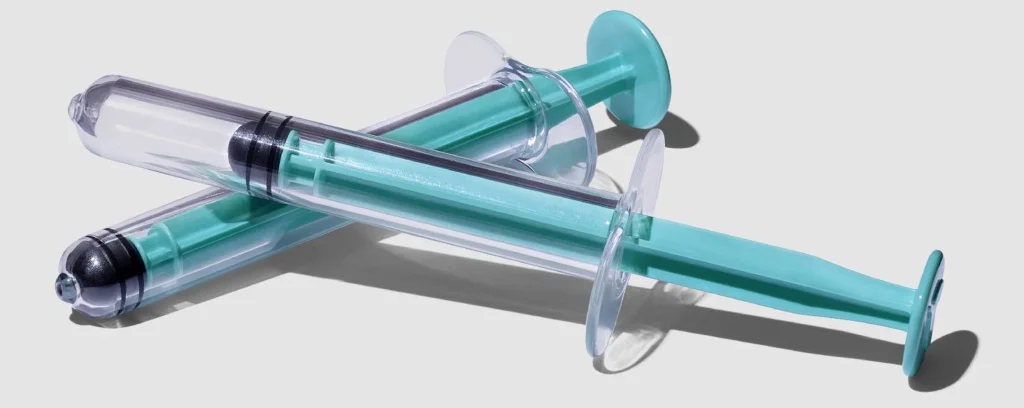
    Two transparent syringes with teal accents positioned diagonally on a light gray background.

    The Role of Technology: How Insemination Kits Have Revolutionized the Fertility Industry

    Insemination kits are also significantly more affordable compared to other fertility treatments such as IVF. This makes it a more accessible option for couples who may not have the financial resources to undergo expensive procedures. Additionally, the use of insemination kits eliminates the need for expensive fertility drugs, making it a more natural and less invasive approach to fertility.

    The Role of Technology

    The development of insemination kits can be attributed to advancements in technology. With the increasing use of artificial insemination in the agricultural industry, scientists and researchers were able to adapt and refine the process for human use. The use of high-quality catheters and syringes, as well as the development of sperm washing techniques, has made insemination kits a safe and effective method for conceiving.

    Insemination kits also utilize technology in the form of telemedicine. Many companies that provide these kits also offer virtual consultations and guidance for users. This allows couples to receive expert advice and support from the comfort of their own homes, making the process more convenient and accessible for those living in remote areas.

    The Impact of Insemination Kits on the Fertility Industry

    The emergence of insemination kits has had a significant impact on the fertility industry. It has opened up new possibilities for couples struggling with infertility, providing them with an affordable and less invasive option for starting a family. It has also increased competition among fertility clinics, leading to a decrease in the cost of traditional fertility treatments and making them more accessible to a wider range of individuals.

    Furthermore, the use of insemination kits has also challenged societal norms and traditional family structures. Same-sex couples and single individuals can now use these kits to start a family, breaking the barriers of traditional methods that often require a male and female partner.

    In conclusion, technology has played a crucial role in revolutionizing the fertility industry, and insemination kits are a prime example of this. They have provided a convenient, affordable, and effective option for couples struggling with infertility to start a family. With constant advancements in technology, it is likely that we will continue to see new innovations in the fertility industry, making it easier for individuals and couples to fulfill their dreams of parenthood.

  • The Future of Conception: How Home Insemination Starter Kits Are Revolutionizing Fertility

    Blog post:

    The process of conception has come a long way in recent years, with advancements in medical technology and treatments. However, a new trend is emerging that is revolutionizing the fertility industry – home insemination starter kits. These kits allow individuals or couples to easily and affordably perform insemination at home, without the need for expensive medical procedures. In this blog post, we will explore the future of conception and how these starter kits are changing the game for those struggling with fertility.

    The Current State of Conception

    Currently, the process of conception typically involves a visit to a fertility clinic, where individuals or couples undergo various tests and procedures to determine the cause of their infertility. This can be a long and expensive process, with no guarantee of success. In vitro fertilization (IVF) is often the next step, which involves retrieving eggs from the woman’s ovaries and fertilizing them with sperm in a lab. The fertilized eggs are then transferred back into the woman’s uterus, with the hope of a successful pregnancy. However, IVF can cost tens of thousands of dollars and is not always covered by insurance.

    The Rise of Home Insemination Starter Kits

    With the high costs and uncertainty of traditional fertility treatments, more and more people are turning to home insemination starter kits as an alternative. These kits typically include everything needed for at-home insemination, such as sperm collection devices, fertility-friendly ovulation tests, and step-by-step instructions. They are also much more affordable, with prices ranging from $50 to $500, depending on the kit. This makes them a much more accessible option for those struggling with fertility.

    The Benefits of Home Insemination

    illustration comparing standard and Mosie syringe openings with text highlighting design benefits for home insemination

    The Future of Conception: How Home Insemination Starter Kits Are Revolutionizing Fertility

    One of the main benefits of home insemination is convenience. Rather than scheduling appointments at a fertility clinic, individuals or couples can perform the insemination in the comfort of their own home. This can reduce stress and make the process more enjoyable. It also allows for more privacy, which can be important for those who prefer to keep their fertility journey more confidential.

    Another benefit of home insemination is cost. As mentioned, traditional fertility treatments can cost tens of thousands of dollars, which is not feasible for many people. Home insemination kits are much more affordable and can be a more realistic option for those on a budget. Additionally, with the ability to perform multiple inseminations at home, the chances of success may be increased.

    Home insemination also puts more control in the hands of the individuals or couples. They can choose when to perform the insemination, rather than relying on the timing of appointments at a fertility clinic. This can be especially helpful for those with busy schedules or those who live in remote areas without easy access to a clinic.

    The Future of Home Insemination

    As home insemination starter kits gain popularity, we can expect to see even more advancements in the future. Some companies are already offering personalized kits that cater to specific fertility needs, such as LGBTQ+ couples or single individuals. These kits may include sperm from a known donor or a sperm bank, giving individuals or couples more options and control over the process.

    Additionally, with the rise of telemedicine, we may see more virtual support and guidance for those using home insemination kits. This could include virtual consultations with fertility specialists or online support groups for individuals or couples going through the process.

    Summary:

    The future of conception is changing with the rise of home insemination starter kits. These kits provide a more affordable and convenient option for those struggling with fertility, allowing them to perform insemination at home without the need for expensive medical procedures. With more control, privacy, and accessibility, home insemination is revolutionizing the fertility industry. As the popularity of these kits continues to grow, we can expect to see even more advancements and personalized options in the future.

  • Breaking Barriers, Building Families: The Success of the Conception on Your Own Terms Kit

    Breaking Barriers, Building Families: The Success of the Conception on Your Own Terms Kit

    In today’s society, there are many barriers that can prevent individuals from starting a family. These barriers can include financial obstacles, societal norms, and fertility issues. However, there is a revolutionary product that is breaking these barriers and giving individuals the opportunity to build their families on their own terms – the Conception on Your Own Terms Kit.

    This kit, created by fertility expert Dr. Emily Sanchez, has been making waves in the fertility industry with its innovative approach to conception. The kit combines natural supplements, ovulation tracking tools, and telemedicine services to offer a holistic and personalized solution for individuals who are looking to conceive.

    One of the biggest barriers to starting a family is the financial burden that comes with fertility treatments. Many people are unable to afford expensive procedures such as in vitro fertilization (IVF) or surrogacy. The Conception on Your Own Terms Kit offers an affordable alternative, with a price point that is significantly lower than traditional fertility treatments. This allows individuals to take control of their fertility journey without breaking the bank.

    Moreover, the kit is designed to be accessible to everyone, regardless of their sexual orientation or relationship status. This is a game-changer for LGBTQ+ individuals and single individuals who may face discrimination or limited options when it comes to fertility treatments. With the Conception on Your Own Terms Kit, anyone can have the opportunity to start a family on their own terms.

    illustration comparing standard and Mosie syringe openings with text highlighting design benefits for home insemination

    Breaking Barriers, Building Families: The Success of the Conception on Your Own Terms Kit

    Another barrier that many individuals face when trying to conceive is societal pressure and norms. Women, in particular, often feel pressure to start a family at a certain age or within a certain timeframe. This can lead to feelings of anxiety and disappointment if they are not able to conceive within this timeframe. The Conception on Your Own Terms Kit allows individuals to take control of their fertility journey and eliminates the societal pressure to conform to traditional family planning timelines.

    Aside from its affordability and inclusivity, what sets the Conception on Your Own Terms Kit apart from other fertility treatments is its holistic approach. The kit includes natural supplements that are scientifically proven to improve fertility and increase the chances of conception. These supplements are made from all-natural ingredients and are free from harmful chemicals, making them safe for individuals to take without any adverse side effects.

    In addition, the kit also includes ovulation tracking tools such as ovulation predictor kits and basal body temperature thermometers. These tools allow individuals to accurately track their fertility and identify the best time to try to conceive. The kit also includes telemedicine services, where individuals can consult with fertility experts from the comfort of their own home. This eliminates the need for frequent and often costly visits to a fertility clinic.

    The success stories of individuals who have used the Conception on Your Own Terms Kit are a testament to its effectiveness. Many individuals who have struggled with fertility issues for years have successfully conceived using the kit. The personalized approach and natural supplements have proven to be a winning combination for many individuals who were previously unable to conceive.

    In conclusion, the Conception on Your Own Terms Kit is breaking barriers and paving the way for individuals to start families on their own terms. With its affordability, inclusivity, and holistic approach, the kit has revolutionized the fertility industry and given hope to many individuals who thought they would never be able to conceive. This kit is a game-changer and a true success story in the world of fertility treatments.

  • At-Home Conception and the Role of Technology: From Apps to Devices

    Blog Post: At-Home Conception and the Role of Technology: From Apps to Devices

    The journey to conception can be an emotional and challenging experience for many individuals and couples. With the advancements in technology, there are now a plethora of tools and resources available to assist in the process of at-home conception. From fertility tracking apps to conception devices, technology has made it easier for individuals to take control of their reproductive health and increase their chances of conceiving. In this blog post, we will explore the different ways in which technology is playing a crucial role in at-home conception and how it is revolutionizing the way we approach fertility.

    Fertility Tracking Apps
    One of the most popular and convenient ways to track and monitor one’s fertility is through the use of fertility tracking apps. These apps use data such as menstrual cycle length, basal body temperature, and cervical mucus consistency to predict ovulation and fertile days. They also allow users to log their daily symptoms, medications, and other relevant information. With the help of these apps, individuals can gain a better understanding of their fertility patterns and identify any potential issues that may be affecting their chances of conceiving.

    Some popular fertility tracking apps include Clue, Flo, and Glow. These apps not only track fertility but also provide educational resources, community support, and personalized insights based on the user’s data. They also offer features like period and ovulation reminders, pregnancy tracking, and partner syncing, making them a comprehensive tool for individuals or couples trying to conceive.

    Conception Devices
    Apart from tracking fertility, technology has also introduced various at-home conception devices that can aid in the process of getting pregnant. These devices aim to mimic natural methods of conception and provide a more controlled and efficient environment for sperm and egg to meet. One such device is the Ava bracelet, which tracks physiological changes in the body to predict the most fertile days. It also monitors sleep, stress, and other factors that can affect fertility.

    Another popular device is the Stork OTC, a cervical cap that is used to collect sperm and deliver it close to the cervix, increasing the chances of conception. It can be used in the comfort of one’s home and does not require any medical assistance. The YO Home Sperm Test is another at-home device that allows men to test their sperm count and motility, providing valuable information about their fertility.

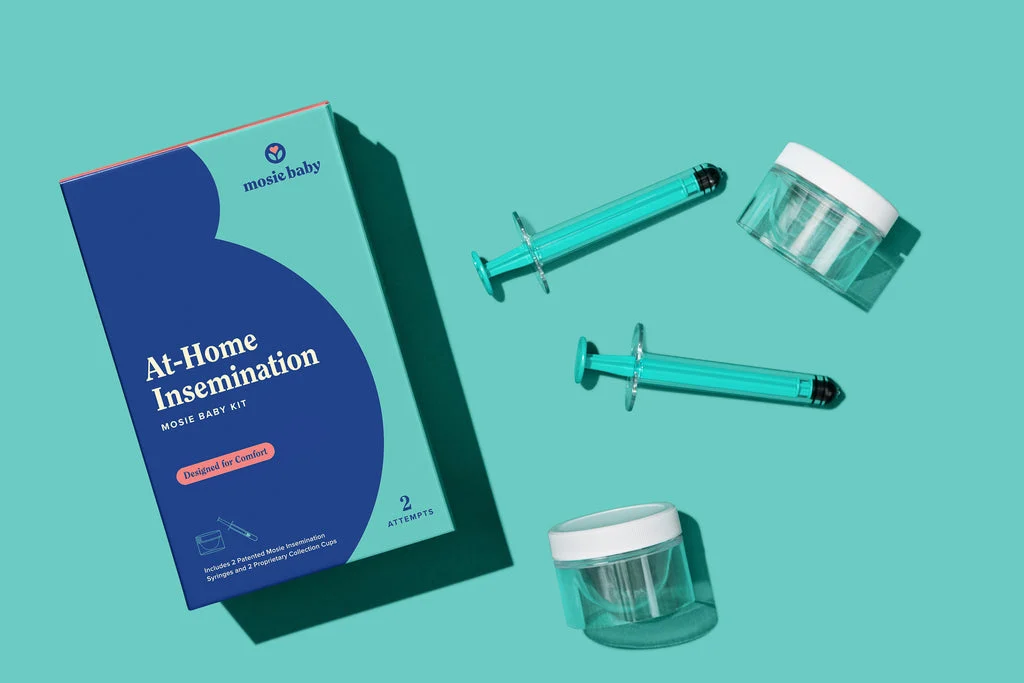
    blue box with "mosie" logo, syringes, and informational pamphlet on a pink background

    At-Home Conception and the Role of Technology: From Apps to Devices

    Telemedicine and Virtual Consultations
    With the rise of telemedicine and virtual consultations, individuals can now seek expert advice and assistance regarding their fertility from the comfort of their homes. This is particularly beneficial for those who live in remote areas or have a busy schedule. Many fertility clinics now offer virtual consultations and even prescribe medication or fertility treatments remotely. This has made it easier for individuals to access fertility care and get personalized treatment plans without having to physically visit a clinic.

    In addition to virtual consultations, telemedicine has also made it possible for individuals to purchase fertility medications online and have them delivered to their doorstep. This not only saves time but also eliminates the need for frequent visits to the pharmacy.

    Genetic Testing
    Another way technology is aiding in at-home conception is through genetic testing. Genetic testing can identify any potential genetic disorders or chromosomal abnormalities that may affect the chances of conception or the health of the baby. With advancements in technology, genetic testing has become more accessible and affordable, allowing individuals to take control of their reproductive health and make informed decisions about their family planning.

    DNA testing kits, such as 23andMe and AncestryDNA, also provide information about potential genetic risks and can help individuals make more informed choices about their fertility journey. These tests can also identify any genetic factors that may affect the success of certain fertility treatments, making them a valuable tool in at-home conception.

    Challenges and Limitations
    While technology has made significant strides in aiding at-home conception, there are still some challenges and limitations that need to be addressed. One of the most significant challenges is the lack of regulation and oversight for fertility tracking apps and devices. As these tools become more popular, it is crucial to ensure that they are accurate, reliable, and backed by scientific research.

    It is also important to note that technology cannot replace medical expertise, and it is always advisable to seek professional help if one is struggling with fertility. Additionally, the cost of some at-home fertility devices and treatments may be a barrier for some individuals, limiting their access to these resources.

    In summary, technology has played a significant role in revolutionizing at-home conception. Fertility tracking apps, conception devices, telemedicine, genetic testing, and other technological advancements have made it easier for individuals to track their fertility, seek expert advice, and make informed decisions about their reproductive health. While there are still challenges and limitations, the future looks promising for those embarking on the journey of at-home conception.

  • The Future of At-Home Insemination: Innovations and Possibilities

    The Future of At-Home Insemination: Innovations and Possibilities

    The traditional method of insemination, where a couple would visit a fertility clinic for assisted reproduction, has become increasingly expensive and limiting for many people. As a result, more and more individuals and couples are turning to at-home insemination as a viable option for starting or expanding their families. With advancements in technology and a growing interest in alternative family planning methods, the future of at-home insemination is filled with exciting innovations and possibilities.

    In this blog post, we will explore the current state of at-home insemination, the challenges it presents, and the potential for future developments in this field.

    The Evolution of At-Home Insemination

    Insemination at home has been around for decades, but it was primarily used by lesbian couples or single women who wanted to conceive without a male partner. However, with the rising cost of fertility treatments and the increasing acceptance of non-traditional families, at-home insemination has gained popularity among heterosexual couples as well.

    The basic process of at-home insemination involves using a syringe or a cervical cap to deposit sperm into the vagina or cervix, respectively. This method is often referred to as the “turkey baster” method, as it mimics the process of inseminating a turkey with a baster. While this method can be effective, it also has its limitations.

    Challenges of At-Home Insemination

    One of the main challenges of at-home insemination is the lack of medical supervision. Unlike in a fertility clinic, there is no trained medical professional to guide the couple through the process, monitor the woman’s ovulation, or ensure the sperm is of good quality.

    Another challenge is the cost and availability of sperm. While some couples may opt to use a known donor, others may need to purchase sperm from a sperm bank, which can be expensive and may have limited options.

    comparison of Mosie syringe opening versus standard syringe opening with text highlighting benefits

    The Future of At-Home Insemination: Innovations and Possibilities

    Innovations in At-Home Insemination

    Despite these challenges, there have been significant developments in at-home insemination that have improved its effectiveness and accessibility. One such innovation is the use of home insemination kits. These kits typically include a collection cup, syringe, and instructions for use. They also often come with ovulation tests, which can help couples time their insemination more accurately.

    Another innovation is the use of fertility tracking apps. These apps use data such as basal body temperature, cervical mucus, and period dates to help women track their ovulation and increase their chances of conceiving. Some apps even offer personalized recommendations for at-home insemination based on the user’s data.

    The Future of At-Home Insemination

    The future of at-home insemination is bright, with many possibilities for further advancements and improvements. One potential development is the use of telemedicine for at-home insemination. This would allow couples to consult with a fertility specialist remotely, providing them with professional guidance and support throughout the process.

    Another possibility is the use of artificial insemination devices. These devices, currently in development, would allow for more precise and controlled insemination at home. They could also potentially eliminate the need for sperm banks, as they would use the male partner’s sperm to create a concentrated sample for insemination.

    The Future of Family Planning

    The rise of at-home insemination is just one example of the changing landscape of family planning. As society becomes more accepting of non-traditional families, there is a growing demand for alternative methods of conception. At-home insemination is not only a more affordable option for many people, but it also allows them to take control of their reproductive choices.

    Despite its challenges, at-home insemination has proven to be a viable and empowering option for many individuals and couples. With continued advancements and innovations, the future of at-home insemination looks promising, and it is likely to become an even more popular choice for family planning in the years to come.

    In summary, at-home insemination has come a long way and has the potential to continue evolving and improving in the future. Innovations such as home insemination kits, fertility tracking apps, and potential developments in telemedicine and artificial insemination devices offer promising possibilities for at-home insemination. This method of conception is not only more affordable but also allows for greater control and flexibility in family planning.