Tag: textures

  • The Art of Layering: Mastering the Latest Fashion Technique

    The Art of Layering: Mastering the Latest Fashion Technique

    Fashion is a constantly evolving industry, with new trends emerging every season. One of the latest fashion techniques that has gained popularity among designers and fashion enthusiasts is the art of layering. Layering is not a new concept in fashion, but it has taken on a whole new level of creativity and innovation. From street style to high fashion, layering has become a staple in creating stylish and unique looks. In this blog post, we will delve into the art of layering and how you can master this technique to elevate your fashion game.

    What is Layering?

    Layering is the technique of wearing multiple pieces of clothing on top of each other to create a cohesive and stylish outfit. It involves combining different textures, colors, and lengths to create depth and dimension in an ensemble. The key to successful layering is to balance the different layers and create a harmonious look. Layering not only adds interest to an outfit but also allows you to mix and match pieces from your wardrobe to create new and exciting looks.

    Layering Basics

    The key to mastering the art of layering is to understand the basics. The first step is to choose a base layer, which is the foundation of your outfit. This could be a basic t-shirt, tank top, or a lightweight sweater. Next, add a mid-layer, which could be a cardigan, jacket, or blazer. The mid-layer should be slightly thicker than the base layer and add warmth and texture to the outfit. Finally, add a top layer, which could be a coat, scarf, or statement piece like a vest or cape. The top layer should be the thickest and most eye-catching layer in your ensemble.

    Playing with Textures and Fabrics

    One of the most important aspects of layering is playing with textures and fabrics. Mixing and matching different textures can add dimension and interest to an outfit. For example, pairing a chunky knit sweater with a silky slip dress can create a chic and sophisticated look. Another way to add texture is by using different fabrics such as leather, denim, and suede. Combining these fabrics can add a touch of edginess to your outfit. However, it is essential to balance the textures and make sure they complement each other.

    two teal and clear syringes positioned on a white background

    The Art of Layering: Mastering the Latest Fashion Technique

    Color Coordination

    Color coordination is also crucial when it comes to layering. Mixing and matching different colors can create a visually appealing outfit. A general rule of thumb is to stick to three colors in one outfit. This will help create a cohesive look without overwhelming the eye. You can also play with different shades of the same color to add depth to your outfit. For a more monochromatic look, choose different textures and fabrics in the same color family.

    Proportion and Fit

    Layering is all about finding the right balance and proportion. When choosing different layers, consider their lengths and how they will look together. For example, a longer top layer can look flattering when paired with a shorter mid-layer. It is also important to pay attention to the fit of the layers. You don’t want to end up looking bulky or shapeless. Make sure each layer fits you well and flatters your body shape.

    Accessorize Wisely

    Accessories are the finishing touch to any outfit, and they can elevate your layering game. However, it is crucial to choose accessories wisely to avoid overwhelming your outfit. For example, if you are wearing a statement coat, opt for minimal accessories such as a pair of earrings or a simple necklace. On the other hand, if your outfit is relatively simple, you can add a bold scarf or a chunky belt to add interest.

    Layering for Different Occasions

    Layering can be a versatile technique for various occasions, from casual days to formal events. For a casual daytime look, you can layer a t-shirt, a denim jacket, and a scarf, paired with jeans and sneakers. For a more formal look, opt for a midi dress, a tailored blazer, and a statement coat. You can also layer different pieces to create a winter-ready outfit, such as a turtleneck sweater, a cardigan, and a coat. The possibilities are endless, and with layering, you can create multiple outfits from a few key pieces in your wardrobe.

    In conclusion, layering is a skill that can take your fashion game to the next level. It allows you to be creative with your outfits and make the most of your wardrobe. Remember to balance textures, colors, and proportions, and don’t be afraid to experiment with different combinations. With these tips, you can master the art of layering and create stylish and unique outfits for any occasion.
  • Understanding the Different Colors and Textures of Cervical Mucus

    Understanding the Different Colors and Textures of Cervical Mucus

    Cervical mucus, also known as cervical fluid, is a natural substance produced by the cervix that plays a crucial role in a woman’s reproductive health. It is often referred to as the “fertile mucus” as it helps to facilitate the sperm’s journey to the egg and supports the fertilization process. However, many women may not be aware of the various colors and textures of cervical mucus and what they signify in terms of their menstrual cycle and overall health. In this blog post, we will dive deeper into understanding the different colors and textures of cervical mucus and their significance.

    White and Creamy Cervical Mucus

    During the beginning and end of a woman’s menstrual cycle, the cervical mucus may appear white or creamy in color. This type of mucus is considered to be infertile and is often referred to as “non-fertile mucus.” It is thick and sticky in texture, making it difficult for sperm to swim through. This type of cervical mucus indicates that a woman is not in her fertile window and is unlikely to conceive during this time.

    Egg White Cervical Mucus

    As a woman approaches her ovulation phase, her cervical mucus may change in color and texture. It may become clear and stretchy, similar to the consistency of raw egg whites. This type of cervical mucus is considered to be fertile and is often referred to as “fertile mucus.” It helps to nourish and protect the sperm, making it easier for them to swim through the cervix and reach the egg. This type of cervical mucus is a strong indicator that a woman is about to ovulate and is at her peak fertility.

    Yellow and Green Cervical Mucus

    While white, creamy, and egg white cervical mucus are considered normal, any changes in color, such as yellow or green, may indicate an infection. These colors are often associated with bacterial or yeast infections, which can affect a woman’s reproductive health and fertility. It is essential to seek medical attention if you notice any changes in the color of your cervical mucus, as it could be a sign of an underlying issue.

    Pink or Brown Cervical Mucus

    Pink or brown cervical mucus can occur during ovulation or at the beginning or end of a menstrual cycle. It is usually a result of small amounts of blood mixing with the cervical mucus. This type of cervical mucus is generally not a cause for concern and can be a sign of ovulation or the shedding of old uterine lining during menstruation. However, if the pink or brown cervical mucus is accompanied by other symptoms, such as pain or unusual odor, it is essential to consult a healthcare provider.

    Watery Cervical Mucus

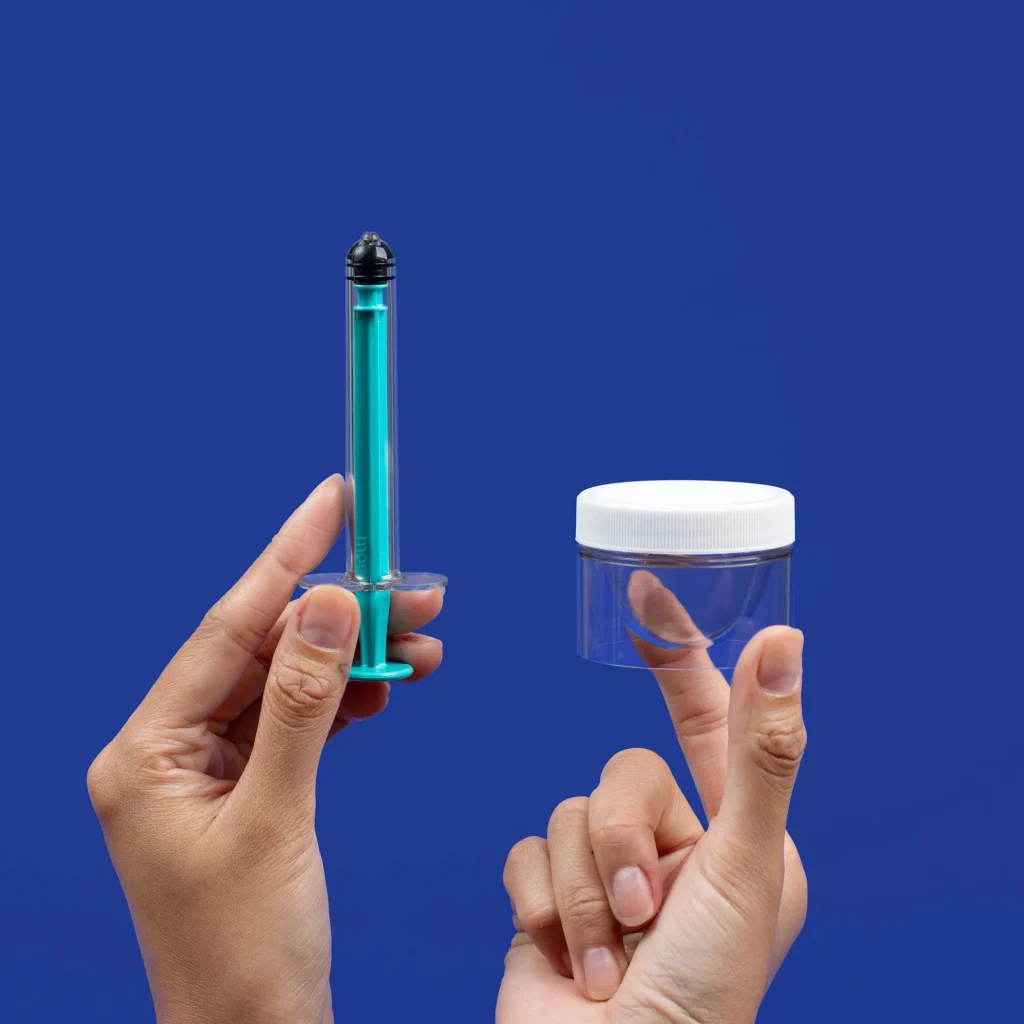
    home insemination kit components: a syringe and a collection container against a blue background.

    Understanding the Different Colors and Textures of Cervical Mucus

    Watery cervical mucus is often seen during the fertile window, just before ovulation occurs. It is clear and slippery in texture, making it easy for sperm to swim through. This type of cervical mucus is considered to be fertile and is an indication that a woman is at her peak fertility. It is also normal to experience watery cervical mucus after sexual intercourse or during pregnancy.

    Understanding the Various Textures of Cervical Mucus

    Apart from the colors, cervical mucus can also vary in texture, which can give valuable insights into a woman’s menstrual cycle and overall health.

    Sticky Cervical Mucus

    Sticky cervical mucus is often seen at the beginning and end of a menstrual cycle. It is thick and pasty in texture, making it difficult for sperm to swim through. This type of cervical mucus is considered to be non-fertile and indicates that a woman is unlikely to conceive during this time.

    Stretchy Cervical Mucus

    Stretchy cervical mucus, also known as “spinnbarkeit,” is a sign of peak fertility. It can stretch up to several inches and is often seen before and during ovulation. This type of cervical mucus is ideal for sperm to travel through and fertilize the egg.

    Dry Cervical Mucus

    Dry cervical mucus is often seen after ovulation, as the body prepares for menstruation. It is thick and pasty in texture, making it difficult for sperm to survive and reach the egg. This type of cervical mucus is considered to be non-fertile and is a sign that a woman is not in her fertile window.

    In conclusion, understanding the different colors and textures of cervical mucus is crucial for a woman’s reproductive health. By paying attention to these changes, women can gain valuable insights into their menstrual cycle and fertility. It is essential to track and monitor cervical mucus throughout the menstrual cycle to identify any abnormalities and seek medical attention if necessary. By understanding and embracing the various colors and textures of cervical mucus, women can take control of their reproductive health and plan for their future.

    Summary:

    Cervical mucus, also known as cervical fluid, plays a crucial role in a woman’s reproductive health. It varies in color and texture throughout the menstrual cycle, with white and creamy mucus indicating the non-fertile phase, egg white mucus indicating the fertile phase, and yellow or green mucus indicating an infection. Pink or brown mucus can occur during ovulation or menstruation, while watery mucus is a sign of peak fertility. The texture of cervical mucus can also vary, with sticky mucus indicating the non-fertile phase, stretchy mucus indicating the fertile phase, and dry mucus indicating the non-fertile phase. By understanding these changes, women can gain valuable insights into their menstrual cycle and overall health.