Blog Post:
Syringe method is a popular technique used in various fields such as medicine, chemistry, and biology for precise and controlled transfer of liquids. It involves using a syringe to draw up the desired amount of liquid and then injecting it into another vessel. While this method is relatively simple, there are common challenges that can arise, causing frustration and delay in experiments. In this blog post, we will discuss the most common challenges faced while using the syringe method and how to overcome them.
Challenge 1: Air Bubbles
One of the most common challenges while using the syringe method is the presence of air bubbles in the syringe. These bubbles can affect the accuracy of the measurement and can also cause inconsistencies in the liquid being transferred. To overcome this challenge, it is essential to prime the syringe before use. This can be done by drawing up and expelling the liquid multiple times, ensuring that all the air bubbles are removed. Another tip is to hold the syringe vertically while drawing up the liquid to prevent air bubbles from entering.
Challenge 2: Leaking or Dripping
Another common challenge while using the syringe method is the leaking or dripping of the liquid from the syringe. This can be caused by a loose or damaged plunger, a damaged needle, or an incorrect attachment of the needle to the syringe. To overcome this challenge, it is crucial to check the syringe and needle for any damage before use. It is also essential to ensure that the needle is securely attached to the syringe to prevent any leakage. In case of a damaged plunger, it is best to replace the syringe altogether.
Challenge 3: Resistance or Difficulty in Dispensing
Sometimes, the liquid in the syringe can become too viscous, making it challenging to dispense. This can be due to several reasons, such as the liquid being too cold or too thick. To overcome this challenge, it is essential to warm the liquid to room temperature before use. This can be done by placing the syringe in a warm water bath or using a heating pad. Another option is to use a larger gauge needle, which will make it easier to dispense the liquid.
Challenge 4: Inaccurate Measurements
Accurate measurements are crucial while using the syringe method, and any inconsistency can affect the outcome of an experiment. One of the common reasons for inaccurate measurements is using the wrong size syringe. It is essential to choose a syringe that can hold the desired amount of liquid without any excess space. Another tip is to hold the syringe horizontally while taking measurements to prevent any errors due to the angle of the syringe.
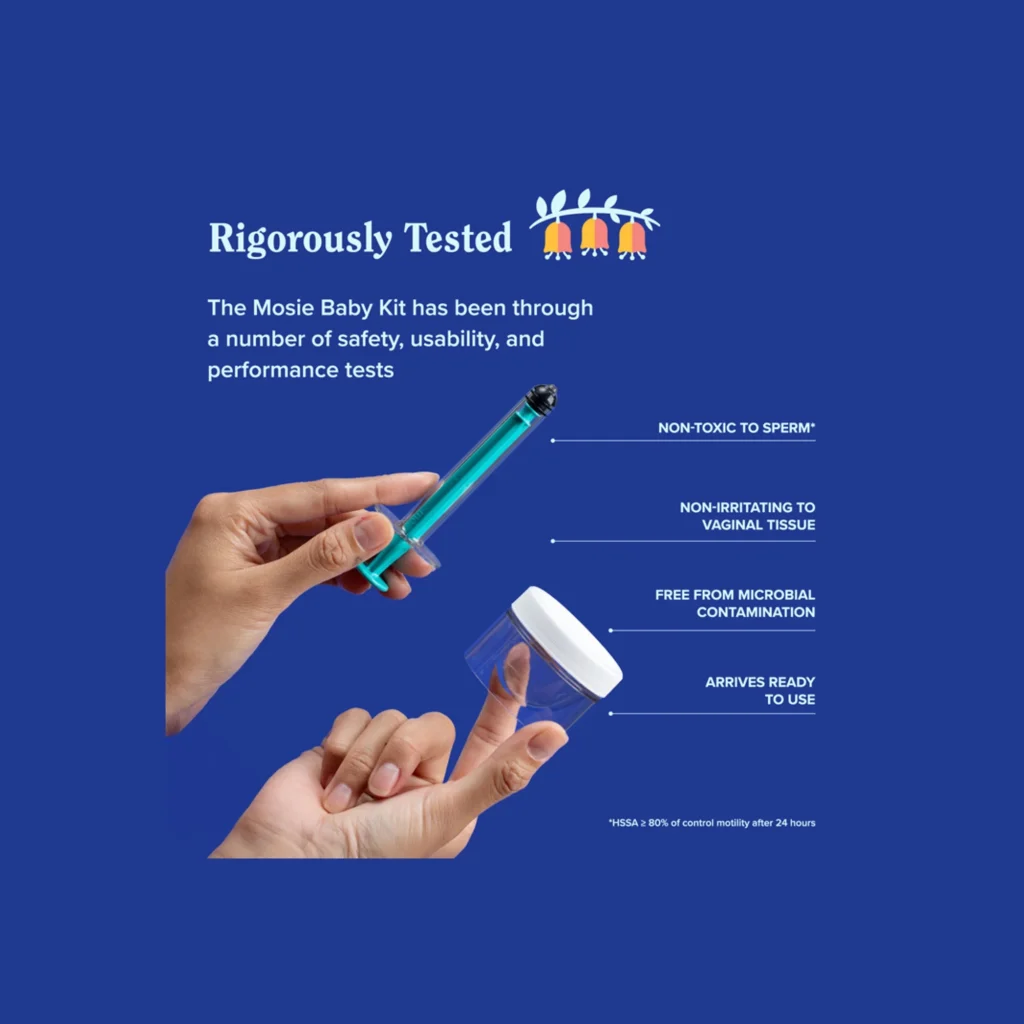
Syringe Method Troubleshooting: Common Challenges and How to Overcome Them
Challenge 5: Contamination
Contamination is a significant concern while using the syringe method, as it can affect the accuracy of the results and even be hazardous in some cases. To prevent contamination, it is essential to use a new and sterile syringe for each use. It is also crucial to properly clean and sterilize the syringe after use to prevent any cross-contamination. In case of multiple injections, it is recommended to use a separate syringe for each injection.
Challenge 6: Difficulties in Aspiration
Aspiration refers to the process of drawing up a liquid into the syringe. Sometimes, it can be challenging to aspirate the desired amount of liquid due to various reasons such as the viscosity of the liquid, the size of the needle, or the angle of the syringe. To overcome this challenge, it is essential to use a needle with a larger gauge to reduce the resistance while aspirating. It is also important to hold the syringe at a slight angle to prevent any air bubbles from entering.
Challenge 7: Clogging of the Needle
Clogging of the needle can occur due to various reasons, such as the presence of particles in the liquid, using a small gauge needle, or reusing a dirty needle. To prevent clogging, it is essential to use a clean and new needle for each use. In case of particles in the liquid, it is recommended to filter the liquid before filling the syringe. If the needle gets clogged during use, it is essential to replace it immediately to prevent any contamination.
In conclusion, the syringe method is a widely used technique that can face various challenges. However, with proper precautions and techniques, these challenges can be easily overcome to ensure accurate and precise results. By priming the syringe, checking for any damage, using the correct size and type of needle, and preventing contamination, the syringe method can be successfully used in various applications.
Summary:
The syringe method is a popular technique used in various fields for precise and controlled transfer of liquids. However, there are common challenges that can arise, such as air bubbles, leaking or dripping, difficulties in dispensing, inaccurate measurements, contamination, difficulties in aspiration, and clogging of the needle. To overcome these challenges, it is essential to prime the syringe, check for any damage, use the correct size and type of needle, prevent contamination, and use proper techniques while aspirating and dispensing.
