Tag: Vaginal flora

  • The Importance of Regularly Testing Vaginal pH for Optimal Reproductive Health

    Regularly testing vaginal pH is an important aspect of maintaining optimal reproductive health. It can provide valuable insight into potential health issues and help prevent future complications.

    The pH level of the vagina is a delicate balance, influenced by hormones, bacteria, and other factors. When this balance is disrupted, it can lead to a variety of problems, including infections, discomfort, and difficulty conceiving. By regularly testing vaginal pH, individuals can stay on top of their reproductive health and address any issues before they escalate.

    In this blog post, we will discuss the importance of regularly testing vaginal pH, the different methods available, and how to interpret the results. We will also explore common causes of pH imbalance and provide tips for maintaining a healthy vaginal pH.

    Why is Regularly Testing Vaginal pH Important?

    The vagina has a natural pH level that falls between 3.8 and 4.5, which is slightly acidic. This acidic environment helps to maintain a healthy balance of good bacteria, known as lactobacilli, and keeps harmful bacteria at bay. However, this balance can be easily disrupted by various factors, such as hormonal fluctuations, douching, sexual activity, and certain medications.

    Regularly testing vaginal pH allows individuals to monitor any changes in their pH level and take appropriate action. A high or low pH level can indicate an imbalance in the vaginal flora, which can lead to various health issues. By catching these imbalances early on, individuals can seek treatment and prevent potential complications.

    Methods for Testing Vaginal pH

    There are a few different methods for testing vaginal pH, and individuals can choose the one that works best for them. These include:

    1. pH Test Strips: These strips are similar to those used for testing pool or aquarium water. They can be purchased at most drugstores and are relatively easy to use. Simply insert the strip into the vagina and wait a few seconds for the color to change. Then match the color to the chart provided to determine the pH level.

    2. Vaginal pH Self-Test Kits: These kits usually come with a swab and a pH testing stick. The swab is inserted into the vagina, and then the stick is dipped in the collected sample. The color change on the stick indicates the pH level.

    3. Vaginal pH Monitor: This is a more advanced method of testing vaginal pH, and it is usually used by healthcare professionals. The monitor measures the pH level of the vagina and provides more accurate results.

    Interpreting the Results

    Once you have completed the pH test, it is essential to understand what the results mean. A pH level between 3.8 and 4.5 is considered normal, and anything above or below this range may indicate an imbalance. Here are some possible interpretations of different pH levels:

    1. pH level below 3.8: This indicates an acidic environment, which may be caused by an overgrowth of lactobacilli. This can lead to conditions such as bacterial vaginosis or yeast infections.

    2. pH level above 4.5: This indicates a more alkaline environment, which may be caused by an overgrowth of harmful bacteria. This can lead to conditions such as bacterial vaginosis, trichomoniasis, or urinary tract infections.

    3. pH level between 3.8 and 4.5: This is considered a healthy pH level and indicates a balanced vaginal flora.

    Smiling baby in a blue onesie with "made with Love" text, lying on a light blue crocheted blanket.

    The Importance of Regularly Testing Vaginal pH for Optimal Reproductive Health

    It is essential to note that a single pH test may not provide a complete picture of your reproductive health. Factors such as recent sexual activity, menstruation, or medication use can affect the results. It is best to track your pH levels over time and consult a healthcare professional if you notice any significant changes.

    Common Causes of pH Imbalance

    There are several factors that can disrupt the delicate balance of the vaginal pH. These include:

    1. Hormonal Fluctuations: Hormonal changes during the menstrual cycle, pregnancy, or menopause can alter the vaginal pH and lead to imbalances.

    2. Douching: This practice, which involves rinsing the vagina with water or other solutions, can disrupt the natural pH balance and increase the risk of infection.

    3. Sexual Activity: Semen has a higher pH level than the vagina, so frequent sexual activity can temporarily raise the vaginal pH.

    4. Medications: Some antibiotics, antihistamines, and steroids can affect the vaginal pH and increase the risk of infections.

    Maintaining a Healthy Vaginal pH

    To maintain a healthy vaginal pH, here are some tips to keep in mind:

    1. Practice Good Hygiene: Avoid using harsh soaps or douches, and always wipe from front to back after using the bathroom.

    2. Wear Breathable Underwear: Cotton underwear allows for better airflow and helps to keep the vaginal area dry.

    3. Avoid Scented Products: Scented tampons, pads, or feminine hygiene products can irritate the vagina and disrupt the pH balance.

    4. Probiotics: Consuming foods or supplements with probiotics can help maintain a healthy balance of good bacteria in the vagina.

    5. Use Protection During Sex: Condoms can help protect against harmful bacteria and prevent pH imbalances.

    Conclusion

    In conclusion, regularly testing vaginal pH is crucial for maintaining optimal reproductive health. By monitoring your pH levels, you can catch any imbalances early on and seek appropriate treatment. Remember to use an appropriate testing method, understand the results, and take necessary steps to maintain a healthy pH balance. By taking care of your vaginal health, you can prevent potential complications and maintain overall well-being.

  • The Link Between Vaginal pH and Hormonal Imbalances

    Blog Post:

    The vagina is a complex and amazing organ that plays a crucial role in a woman’s reproductive health. It is home to a diverse community of bacteria, known as vaginal flora, which helps to maintain a healthy pH balance. However, when this balance is disrupted, it can lead to a variety of issues, including hormonal imbalances. In this blog post, we will explore the link between vaginal pH and hormonal imbalances and how it can affect a woman’s overall health.

    Understanding Vaginal pH:

    The pH level of the vagina refers to the acidity or alkalinity of the vaginal environment. The vagina has a natural pH balance of 3.8 to 4.5, which is slightly acidic. This level is maintained by the lactobacilli, a type of healthy bacteria that produces lactic acid. This acidic environment is essential for keeping harmful bacteria and yeast at bay and maintaining a healthy vaginal flora.

    Hormonal Changes and Vaginal pH:

    Hormonal changes in a woman’s body can have a significant impact on the vaginal pH balance. During puberty, the increase in estrogen levels leads to the thickening of vaginal walls, increased blood flow, and the production of glycogen. Glycogen is a type of sugar that nourishes the lactobacilli, helping to maintain the acidic environment.

    Similarly, during pregnancy, the rise in estrogen and progesterone levels can lead to an increase in vaginal discharge and a more alkaline pH level. This change is necessary for the growth and development of the fetus, but it can also make women more susceptible to vaginal infections.

    Menopause is another phase in a woman’s life that can cause hormonal imbalances and affect vaginal pH. As estrogen levels decrease, the vaginal walls become thinner and less acidic, making women more prone to vaginal infections.

    The Link between Vaginal pH and Hormonal Imbalances:

    Hormonal imbalances can disrupt the delicate balance of vaginal pH, leading to a decrease in the number of lactobacilli and an increase in harmful bacteria. This can result in a variety of issues, including:

    1. Yeast Infections:
    An overgrowth of yeast, specifically Candida albicans, is a common infection that can occur when there is a hormonal imbalance. The increase in estrogen levels during pregnancy or menopause can cause the vagina to become less acidic, creating an ideal environment for yeast to thrive.

    2. Bacterial Vaginosis (BV):
    BV is a common vaginal infection caused by an imbalance in the vaginal flora. It occurs when there is a decrease in the number of lactobacilli, allowing harmful bacteria to take over. BV can cause symptoms such as abnormal discharge, itching, and a foul odor.

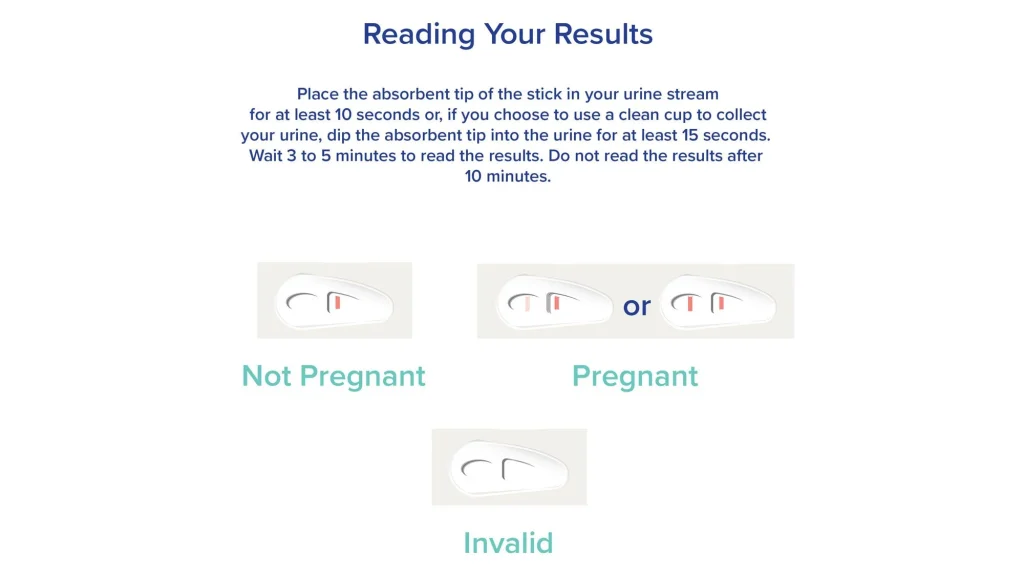
    Instructions for reading pregnancy test results with visual indicators for "Not Pregnant," "Pregnant," and "Invalid.

    The Link Between Vaginal pH and Hormonal Imbalances

    3. Urinary Tract Infections (UTIs):
    UTIs are caused by the overgrowth of bacteria in the urinary tract. Hormonal changes can make women more susceptible to UTIs as the decrease in estrogen levels can weaken the muscles in the urinary tract, making it easier for bacteria to enter.

    4. Menstrual Irregularities:
    Hormonal imbalances can also affect a woman’s menstrual cycle. An increase in estrogen levels can lead to irregular or heavy periods, while a decrease in estrogen can cause missed or lighter periods. These changes in menstrual cycle can also impact the vaginal pH balance.

    5. Infertility:
    Hormonal imbalances can also affect a woman’s fertility. Changes in estrogen and progesterone levels can disrupt the ovulation process, making it difficult for a woman to conceive.

    Maintaining a Healthy Vaginal pH:

    Maintaining a healthy vaginal pH is crucial for overall vaginal health and hormonal balance. Some tips to keep your vaginal pH in check include:

    1. Avoid Douching:
    Douching disrupts the natural balance of vaginal pH and can increase the risk of infections.

    2. Practice Good Hygiene:
    Washing the external genital area with warm water and mild soap is enough to keep it clean. Avoid using harsh soaps, scented products, or feminine sprays, as they can irritate the delicate vaginal flora.

    3. Probiotics:
    Taking probiotics can help to restore the balance of vaginal flora and maintain a healthy pH level.

    4. Wear Breathable Underwear:
    Cotton underwear allows for proper airflow, keeping the vaginal area dry and preventing the growth of harmful bacteria.

    5. Seek Medical Attention:
    If you experience any symptoms of a vaginal infection or notice changes in your vaginal discharge, it is essential to seek medical attention. Your doctor can perform tests to determine the cause and provide appropriate treatment.

    In conclusion, the link between vaginal pH and hormonal imbalances is apparent. Hormonal changes can disrupt the balance of vaginal pH, leading to a variety of issues that can affect a woman’s overall health. By understanding the importance of maintaining a healthy vaginal pH and taking necessary precautions, women can prevent and manage these hormonal imbalances and maintain good reproductive health.

    SEO metadata:

  • The Role of Vaginal pH in Maintaining a Healthy Reproductive System

    Blog Post:

    The female reproductive system is a complex and delicate system that requires proper care and maintenance in order to function at its best. One important factor in maintaining a healthy reproductive system is the vaginal pH balance. The pH level of the vagina plays a crucial role in protecting against infections and maintaining overall reproductive health. In this blog post, we will discuss the role of vaginal pH in maintaining a healthy reproductive system and how to keep it in balance.

    What is Vaginal pH?

    pH, or potential of hydrogen, is a measure of the acidity or alkalinity of a substance on a scale of 0-14. A pH level of 7 is considered neutral, while anything below 7 is acidic and anything above 7 is alkaline. The normal pH level of the vagina is between 3.5 and 4.5, which is slightly acidic. This level is maintained by the presence of good bacteria, known as lactobacilli, which produce lactic acid and help keep harmful bacteria in check.

    The Role of Vaginal pH in Maintaining a Healthy Reproductive System

    1. Protection Against Infections

    The acidic environment of the vagina is crucial in preventing the growth of harmful bacteria, yeast, and other pathogens. When the pH level is balanced, it creates an inhospitable environment for these microorganisms to thrive. This is because the acidic environment helps maintain the natural balance of good bacteria, which helps keep the bad bacteria in check. When the pH level is disrupted, it can lead to an overgrowth of bad bacteria and increase the risk of infections such as bacterial vaginosis, yeast infections, and urinary tract infections.

    2. Maintaining the Vaginal Flora

    The vaginal flora refers to the microorganisms that live in the vagina, including good bacteria, yeast, and other organisms. These microorganisms play an important role in maintaining the health and balance of the vagina. The good bacteria, specifically lactobacilli, produce hydrogen peroxide and other substances that help keep the vaginal flora in balance. When the pH level is balanced, it helps maintain the growth of these good bacteria, which in turn helps keep the vaginal flora healthy.

    3. Promoting Fertility

    Maintaining a healthy vaginal pH is also important for women trying to conceive. An acidic environment in the vagina is crucial for sperm survival and motility. If the pH level is too alkaline, it can hinder the sperm’s ability to reach the egg and decrease the chances of fertilization. Additionally, imbalanced pH levels can also affect the quality of cervical mucus, which plays a vital role in helping sperm reach the egg.

    How to Keep Vaginal pH in Balance

    Colorful promotional image for Mosie Baby, featuring home insemination kit and encouraging text.

    The Role of Vaginal pH in Maintaining a Healthy Reproductive System

    1. Avoid Douching

    Douching is the process of cleaning the vagina with a mixture of water and other substances, such as vinegar or baking soda. However, this practice is not recommended as it can disrupt the natural balance of the vagina and increase the risk of infections. The vagina is self-cleaning and does not require any additional cleaning methods.

    2. Use pH Balanced Products

    Using pH balanced products for feminine hygiene is crucial in maintaining a healthy vaginal pH. This includes soaps, body washes, and feminine washes specifically designed for the vaginal area. These products have a pH level that is similar to the vagina, which helps maintain the natural balance and does not disrupt the good bacteria.

    3. Probiotics

    Probiotics are live microorganisms that are beneficial for the health of the body, including the vaginal flora. Taking probiotic supplements or eating foods that are rich in probiotics, such as yogurt, can help maintain a healthy balance of good bacteria in the vagina.

    4. Wear Breathable Underwear

    Wearing tight, non-breathable underwear can trap moisture and create an ideal environment for harmful bacteria to thrive. Opt for cotton underwear that allows for proper ventilation and helps keep the vaginal area dry.

    5. Practice Safe Sex

    Unprotected sex can disrupt the balance of the vaginal pH by introducing new bacteria into the vagina. It is important to practice safe sex by using condoms or other barriers, and to maintain good genital hygiene before and after sexual activity.

    Conclusion:

    In summary, maintaining a healthy vaginal pH is crucial for the overall health of the reproductive system. It protects against infections, maintains the vaginal flora, and promotes fertility. By following simple steps such as avoiding douching, using pH balanced products, and practicing safe sex, women can maintain a healthy vaginal pH and promote a healthy reproductive system.