Tag: vaginal infections

  • Cervical Mucus and Its Link to Recurrent Vaginal Infections

    Cervical Mucus and Its Link to Recurrent Vaginal Infections: Understanding the Connection

    Cervical mucus is a natural, fluid substance produced by the cervix that plays a crucial role in female reproductive health. It serves as a protective barrier against bacteria and other pathogens, regulates the vaginal pH, and aids in the transportation of sperm. However, when the quality or quantity of cervical mucus is altered, it can lead to recurrent vaginal infections. In this blog post, we will delve deeper into the link between cervical mucus and recurrent vaginal infections, and how understanding this connection can help women better manage and prevent these infections.

    Types of Cervical Mucus

    Before we discuss the link between cervical mucus and vaginal infections, it is essential to understand the different types of cervical mucus that are produced throughout a woman’s menstrual cycle. The consistency and appearance of cervical mucus can vary due to hormonal changes, and these changes can be an indicator of where a woman is in her cycle.

    Dry/Infertile Mucus: This type of mucus is typically thick, sticky, and not conducive to sperm survival. It is produced in the first phase of the menstrual cycle, also known as the follicular phase.

    Egg White Mucus: As a woman approaches ovulation, the amount of estrogen in her body increases, resulting in the production of this type of mucus. It is clear, slippery, and resembles raw egg whites, making it the most fertile type of mucus for sperm survival.

    Sticky/Infertile Mucus: After ovulation, the body produces progesterone, which causes a decrease in estrogen levels, resulting in the production of this type of mucus. It is thick, sticky, and not conducive to sperm survival.

    Cervical Mucus and Vaginal Infections

    The quality and quantity of cervical mucus can be affected by various factors, such as hormonal imbalances, medication, stress, and diet. When there is a change in the cervical mucus, it can disrupt the vaginal environment and lead to recurrent vaginal infections. Here are the top three types of vaginal infections that are linked to cervical mucus:

    Bacterial Vaginosis (BV): BV is an imbalance of bacteria in the vagina, where the good bacteria (Lactobacilli) are replaced by harmful bacteria. The presence of egg white mucus can create an ideal environment for bad bacteria to thrive, leading to BV.

    Mosie Baby kit with two jars, a syringe, and a supportive message card inside a colorful box.

    Cervical Mucus and Its Link to Recurrent Vaginal Infections

    Yeast Infection: Yeast infections are caused by an overgrowth of Candida albicans, a type of fungus that is naturally present in the vagina. The presence of sticky/infertile mucus can create a warm, moist environment, providing the perfect conditions for yeast to grow.

    Trichomoniasis: Trichomoniasis is a sexually transmitted infection caused by the parasite Trichomonas vaginalis. The presence of egg white mucus can increase the chances of contracting this infection as it helps the parasite survive and move through the reproductive tract.

    Managing and Preventing Recurrent Vaginal Infections

    The first step in managing and preventing recurrent vaginal infections is to track your cervical mucus throughout your menstrual cycle. This can help you identify any changes and seek treatment promptly. Here are a few other tips that can help maintain a healthy balance of cervical mucus and prevent vaginal infections:

    Practice good hygiene: Keep the genital area clean and dry, and avoid using harsh soaps or douches, as they can disrupt the natural pH balance of the vagina.

    Stay hydrated: Drinking plenty of water can help maintain a healthy vaginal environment and promote the production of healthy cervical mucus.

    Eat a balanced diet: Consuming a diet rich in probiotics, such as yogurt and fermented foods, can help maintain a healthy balance of good bacteria in the vagina.

    Limit antibiotic use: Antibiotics can kill both good and bad bacteria, leading to an imbalance in the vaginal environment. Use them only when necessary and follow up with probiotic supplements to replenish the good bacteria.

    Consult a healthcare provider: If you experience recurrent vaginal infections, it is essential to consult a healthcare provider. They can perform tests to determine the underlying cause and provide appropriate treatment.

    In conclusion, cervical mucus plays a crucial role in maintaining a healthy vaginal environment. Any changes in the quality or quantity of cervical mucus can disrupt this balance, leading to recurrent vaginal infections. By understanding the link between cervical mucus and vaginal infections, women can take the necessary steps to manage and prevent these infections, leading to better overall reproductive health.

    Summary: Cervical mucus is a natural, fluid substance produced by the cervix that helps maintain a healthy vaginal environment. Changes in the quality or quantity of cervical mucus can lead to recurrent vaginal infections. This blog post discusses the different types of cervical mucus, the link between cervical mucus and vaginal infections, and tips for managing and preventing these infections.


  • Cervical Mucus and Its Impact on Sexual Health

    Blog Post: Cervical Mucus and Its Impact on Sexual Health

    Cervical mucus is a natural fluid produced by the cervix that plays a crucial role in fertility and sexual health. It may not be a topic that is commonly discussed, but understanding the changes in cervical mucus can provide valuable insight into a woman’s reproductive health. In this blog post, we will delve into the world of cervical mucus and its impact on sexual health.

    What is Cervical Mucus?

    Cervical mucus, also known as cervical fluid, is a substance produced by the cervix. The cervix is the lower part of the uterus that connects to the vagina. The mucus is produced by the cervical glands and is made up of water, proteins, electrolytes, and other substances.

    Throughout a woman’s menstrual cycle, the consistency and amount of cervical mucus change. This is due to hormonal fluctuations that occur during different phases of the cycle. The changes in cervical mucus are also influenced by factors such as diet, stress, and medication.

    The Role of Cervical Mucus in Fertility

    One of the primary functions of cervical mucus is to aid in fertility. During ovulation, which typically occurs around the middle of a woman’s menstrual cycle, the cervical mucus becomes thin, slippery, and stretchy. This type of mucus, known as “fertile” mucus, is designed to help sperm travel through the cervix and into the uterus to fertilize an egg.

    On the other hand, during non-fertile times of the cycle, the cervical mucus is thicker, stickier, and less abundant. This type of mucus, known as “infertile” mucus, acts as a barrier to prevent sperm from entering the cervix. It also helps to keep bacteria and other harmful substances out of the reproductive tract.

    Understanding the changes in cervical mucus can help women pinpoint their most fertile days and increase their chances of conception. Keeping track of cervical mucus can also help identify any potential issues with fertility, such as low levels of fertile mucus or a lack of ovulation.

    Impact of Cervical Mucus on Sexual Health

    Aside from its role in fertility, cervical mucus also has a significant impact on sexual health. The presence of cervical mucus is crucial for comfortable and enjoyable sexual intercourse. It helps to provide lubrication, making penetration easier and more comfortable.

    at-home insemination kit featuring a syringe and container for fresh or donor sperm conception

    Cervical Mucus and Its Impact on Sexual Health

    Furthermore, the consistency of cervical mucus can also indicate a woman’s arousal level. During sexual arousal, the cervix produces more mucus, leading to increased lubrication. This is a natural response that helps prepare the body for sexual activity.

    Changes in cervical mucus can also serve as an indicator of potential issues with sexual health. For instance, some women may experience changes in the amount or consistency of their cervical mucus due to hormonal imbalances, infections, or other underlying health conditions. Consulting with a healthcare provider can help identify and address these issues to ensure optimal sexual health.

    Cervical Mucus and Birth Control

    Cervical mucus also plays a role in contraceptive methods that rely on tracking fertility. Methods such as the fertility awareness method (FAM) and the natural family planning method (NFP) utilize changes in cervical mucus to determine a woman’s fertile window. By avoiding intercourse during this time, couples can prevent pregnancy without the use of hormonal birth control.

    However, it is essential to note that relying solely on cervical mucus for birth control is not entirely reliable, and it is always recommended to use a backup method, such as condoms, to prevent unwanted pregnancy.

    Infections and Cervical Mucus

    Changes in cervical mucus can also be an indicator of vaginal infections. For instance, a yeast infection or bacterial vaginosis can alter the appearance and consistency of cervical mucus. In some cases, these infections can also cause an increase in the amount of mucus produced.

    Additionally, some sexually transmitted infections (STIs) can also affect cervical mucus. For example, chlamydia and gonorrhea can cause an increase in the amount of mucus produced, while human papillomavirus (HPV) can cause changes in the appearance of cervical mucus. It is essential to seek medical attention if you experience any changes in your cervical mucus, along with other symptoms of an infection.

    In conclusion, cervical mucus plays a crucial role in sexual health and fertility. Monitoring changes in cervical mucus can provide valuable information about a woman’s reproductive health and help identify potential issues. It is essential to pay attention to your cervical mucus and consult with a healthcare provider if you notice any changes or have concerns about your sexual health.

    Summary:

    Cervical mucus is a natural fluid produced by the cervix that changes throughout a woman’s menstrual cycle under the influence of hormones. It plays a vital role in fertility, sexual health, and birth control. Changes in cervical mucus can help women track their most fertile days, indicate arousal levels, and identify potential issues with reproductive and sexual health. It is essential to pay attention to changes in cervical mucus and consult with a healthcare provider if necessary.

  • The Truth About Cervical Mucus and Vaginal Infections

    Cervical mucus is a natural and important aspect of a woman’s reproductive system. It plays a crucial role in fertility and protects the reproductive organs from infection. However, many women are not aware of the significance of cervical mucus and how it can be an indicator of various vaginal infections. In this blog post, we will dive deeper into the truth about cervical mucus and its relation to vaginal infections.

    What is Cervical Mucus?

    Cervical mucus is a fluid produced by the cervix, the lower part of the uterus. It is secreted by the glands in the cervix and its consistency and appearance change throughout a woman’s menstrual cycle. Under the influence of hormones, particularly estrogen, the cervix produces different types of mucus that serve different purposes.

    Types of Cervical Mucus

    1. Dry and Sticky – During the first few days after menstruation, the cervix produces very little mucus, making it feel dry and sticky. The mucus acts as a barrier to protect the reproductive organs from bacteria and other harmful substances.

    2. Creamy and White – As ovulation approaches, the cervix starts to produce more mucus. This mucus is thicker and appears creamy and white in color. It helps to nourish and protect sperm as they travel through the reproductive tract.

    3. Clear and Stretchy – This type of mucus is known as fertile cervical mucus and it is produced around the time of ovulation. It is clear, slippery, and stretchy, resembling raw egg whites. Fertile cervical mucus is essential for sperm survival and motility, making it easier for them to reach the egg.

    4. Watery and Thin – After ovulation, the cervical mucus becomes watery and thin. This helps sperm to swim more easily through the reproductive tract.

    Mosie Baby pregnancy test kit with two tests and packaging, featuring a mint green color scheme.

    The Truth About Cervical Mucus and Vaginal Infections

    The Truth About Cervical Mucus and Vaginal Infections

    Now that we understand the different types of cervical mucus, let’s explore how it is related to vaginal infections.

    1. Bacterial Vaginosis (BV) – BV is a common vaginal infection caused by an imbalance of bacteria in the vagina. The most common symptom of BV is an increase in vaginal discharge, which may be thin, watery, or grayish-white in color. It may also have a fishy odor and can sometimes be mistaken for fertile cervical mucus. However, unlike fertile cervical mucus, BV discharge does not stretch and is usually accompanied by itching and burning.

    2. Yeast Infection – Yeast infections are caused by an overgrowth of yeast in the vagina. The discharge associated with a yeast infection is typically thick, white, and cottage cheese-like in consistency. It may also have a yeasty odor and can sometimes be mistaken for creamy cervical mucus. However, unlike cervical mucus, the discharge from a yeast infection does not change throughout the menstrual cycle.

    3. Sexually Transmitted Infections (STIs) – Certain STIs, such as gonorrhea and chlamydia, can cause changes in cervical mucus. These infections can lead to an increase in discharge that is yellow or green in color, with a foul odor. It may also be accompanied by burning, itching, and pain during urination or sex. If you notice any changes in your cervical mucus, it is essential to get tested for STIs.

    4. Hormonal Imbalance – Hormonal imbalances, such as low estrogen levels, can also affect cervical mucus. This can lead to a decrease in mucus production, making it difficult for sperm to survive and reach the egg. It can also cause thin, watery mucus that is not conducive to conception.

    5. Fertility Tracking – Cervical mucus can also be used as a tool for tracking fertility. By monitoring changes in cervical mucus, a woman can determine the most fertile time in her cycle and increase her chances of conceiving. This method, known as the Billings Ovulation Method, involves observing the color, consistency, and texture of the mucus and recording it in a fertility chart.

    In summary, cervical mucus is a crucial aspect of a woman’s reproductive health. It not only plays a significant role in fertility but also serves as an indicator of any potential vaginal infections. Being aware of the different types of cervical mucus and their changes can help women to identify and address any potential issues with their reproductive health.

    In conclusion, understanding the truth about cervical mucus and its relation to vaginal infections is essential for every woman. By paying attention to changes in cervical mucus and seeking medical attention when necessary, women can maintain good reproductive health and increase their chances of conception.

  • Cervical Mucus Changes During Menopause: What to Expect and How to Cope

    Cervical Mucus Changes During Menopause: What to Expect and How to Cope

    Menopause is a natural and inevitable part of a woman’s life, marking the end of her reproductive years. Along with the cessation of menstruation, menopause also brings about a host of changes in a woman’s body, including changes in cervical mucus. Cervical mucus is the fluid produced by the cervix, and it plays an important role in fertility and overall vaginal health. During menopause, the hormonal changes in a woman’s body can lead to changes in cervical mucus, which can cause discomfort and affect a woman’s quality of life. In this blog post, we will discuss what to expect in terms of cervical mucus changes during menopause and how to cope with them effectively.

    What is Cervical Mucus and Why is it Important?

    Cervical mucus is a fluid produced by the cervix, the narrow passage that connects the vagina to the uterus. It is a vital aspect of reproductive health as it plays a crucial role in fertility. Cervical mucus helps to protect and nourish sperm as they travel through the reproductive system, making it easier for them to reach the egg. It also acts as a barrier, preventing bacteria and other harmful substances from entering the uterus. Additionally, cervical mucus helps to keep the vagina lubricated and healthy, reducing the risk of infections and discomfort.

    How Menopause Affects Cervical Mucus

    Menopause marks the end of a woman’s reproductive years, and it is defined as the point when a woman has not had a menstrual period for 12 consecutive months. During this time, the ovaries gradually stop producing the hormones estrogen and progesterone, which regulate the menstrual cycle. As a result, the levels of these hormones decrease, leading to several changes in a woman’s body, including changes in cervical mucus.

    The most noticeable change in cervical mucus during menopause is a decrease in its production. Due to the decrease in estrogen, the cervix produces less mucus, resulting in a drier vagina. This can cause discomfort, especially during sexual intercourse. Additionally, the consistency of cervical mucus may also change, becoming thicker and stickier, making it harder for sperm to travel through the reproductive tract.

    Another change that women may experience is an increase in vaginal infections. The decrease in estrogen levels can alter the pH balance of the vagina, making it more acidic and creating an environment that is favorable for the growth of harmful bacteria. This can lead to an increased risk of vaginal infections such as yeast infections and bacterial vaginosis.

    Coping with Cervical Mucus Changes During Menopause

    guide and materials for using Mosie Baby fertility kit on a textured surface

    Cervical Mucus Changes During Menopause: What to Expect and How to Cope

    While the changes in cervical mucus during menopause may be uncomfortable, there are ways to cope with them effectively. Here are some tips to help you manage the changes and maintain good vaginal health during menopause:

    1. Stay hydrated: Drinking plenty of water can help to keep your body hydrated, including your reproductive organs. This can help to prevent dryness and maintain the production of cervical mucus.

    2. Use vaginal lubricants: If you are experiencing discomfort during sexual intercourse due to dryness, consider using a water-based lubricant to make things more comfortable. Avoid using petroleum-based products, which can disrupt the natural pH balance of the vagina.

    3. Practice good hygiene: It is important to maintain good hygiene during menopause to prevent infections. Make sure to wash your genital area with a gentle, fragrance-free cleanser and avoid using harsh soaps or douching, which can disrupt the natural balance of bacteria in the vagina.

    4. Try estrogen therapy: For women experiencing severe dryness and discomfort, estrogen therapy may be an option. This involves using estrogen-containing creams or tablets to improve the production of cervical mucus and alleviate symptoms. However, it is important to consult with your doctor before starting any hormone therapy.

    5. Consider probiotics: Probiotics are beneficial bacteria that can help to maintain the natural balance of bacteria in the vagina. They can be found in certain foods, such as yogurt, or taken in supplement form. Probiotics can help to prevent and treat vaginal infections during menopause.

    6. Stay active: Regular exercise can help to maintain hormonal balance and improve overall health during menopause. It can also help to increase blood flow to the reproductive organs, promoting the production of cervical mucus.

    7. Talk to your doctor: If you are experiencing severe discomfort or an increase in vaginal infections, it is important to speak with your doctor. They can provide personalized advice and treatment options to help you cope with the changes in cervical mucus during menopause.

    In summary, menopause can bring about changes in cervical mucus due to the decrease in estrogen levels. These changes can cause discomfort and increase the risk of vaginal infections. However, by staying hydrated, using lubricants, practicing good hygiene, and considering estrogen therapy or probiotics, women can effectively manage these changes and maintain good vaginal health during menopause. It is also important to consult with a doctor for personalized advice and treatment options. By taking care of our bodies and being aware of the changes that occur during menopause, we can navigate this natural transition with comfort and confidence.

  • Cervical Mucus Changes in Menopause: What’s Normal and What’s Not

    Cervical Mucus Changes in Menopause: What’s Normal and What’s Not

    Menopause is a natural stage in a woman’s life that marks the end of her reproductive years. It is a significant transition that brings about many changes in a woman’s body, including changes in the cervical mucus. Cervical mucus is a fluid produced by the cells in the cervix, and it plays a crucial role in fertility and overall vaginal health. In this blog post, we will discuss the changes in cervical mucus that occur during menopause, what is considered normal, and when to seek medical attention.

    What is Menopause?

    Menopause is defined as the time when a woman has not had her menstrual period for 12 consecutive months. It usually occurs between the ages of 45 and 55, with the average age being 51. During menopause, the ovaries stop producing estrogen and progesterone, leading to the end of a woman’s menstrual cycles. This transition can last for several years, and it is divided into three stages: perimenopause, menopause, and postmenopause.

    Changes in Cervical Mucus During Menopause

    Cervical mucus is a thick, sticky, or watery fluid that is produced by the cervix. Its main function is to keep the vagina clean and lubricated and to help sperm travel through the reproductive tract to fertilize an egg. During menopause, the levels of estrogen and progesterone decline, which can have a significant impact on the production and quality of cervical mucus. As a result, women may experience changes in their cervical mucus, including:

    1. Decreased production: Estrogen is responsible for stimulating the production of cervical mucus. As estrogen levels decline during menopause, the production of cervical mucus decreases, making it thinner and less in quantity.

    2. Thinner consistency: Cervical mucus is usually thick and sticky to prevent bacteria and other pathogens from entering the vagina. However, during menopause, the mucus becomes thinner, making it less effective in protecting the vagina.

    3. Dryness: Due to the decrease in estrogen levels, many women experience vaginal dryness during menopause. This can also affect the production of cervical mucus, leading to a lack of lubrication and discomfort during sexual intercourse.

    4. Changes in color and odor: Cervical mucus can change in color and odor during menopause. The mucus may become more yellow or cloudy and have a stronger odor due to the decrease in good bacteria in the vagina.

    What’s Considered Normal?

    The changes in cervical mucus during menopause are a natural part of the aging process. However, it is essential to know what is considered normal and what may be a cause for concern. Some changes that are considered normal during menopause include:

    Colorful promotional image for Mosie Baby, featuring home insemination kit and encouraging text.

    Cervical Mucus Changes in Menopause: What's Normal and What's Not

    1. Irregularity: As menopause approaches, women may experience irregular periods, and this can also affect the production and consistency of cervical mucus.

    2. Thicker consistency: As mentioned earlier, cervical mucus becomes thinner during menopause. However, it is still normal to have some days with thicker, more abundant mucus.

    3. Dryness: Vaginal dryness is a common symptom of menopause, and it can also affect the production of cervical mucus. This is considered normal as long as it does not cause discomfort or pain.

    What’s Not Normal?

    While changes in cervical mucus are a natural part of menopause, some symptoms may indicate a more serious underlying condition. It is essential to consult a doctor if you experience any of the following:

    1. Persistent itchiness, burning, or irritation: These symptoms may be a sign of a vaginal infection or a hormonal imbalance, and it is important to seek medical attention if they persist.

    2. Strong odor: While some changes in odor are normal during menopause, a strong, foul odor may be a sign of an infection that requires treatment.

    3. Blood in the mucus: If you experience any bleeding or spotting, it is crucial to consult your doctor. While it may be due to hormonal changes, it could also be a symptom of a more serious condition.

    4. Discharge that is thick, white, or gray: While cervical mucus may change in color during menopause, thick, white, or gray discharge may be a sign of an infection that requires treatment.

    When to Seek Medical Attention

    It is essential to seek medical attention if you experience any abnormal changes in your cervical mucus during menopause. Your doctor may perform a pelvic exam and take a sample of the discharge to check for any infections or abnormalities. They may also recommend hormone therapy or other treatments to help alleviate symptoms and improve the quality of your cervical mucus.

    In conclusion, changes in cervical mucus during menopause are normal and expected. However, it is crucial to pay attention to any abnormal symptoms and seek medical attention if necessary. By understanding what is considered normal and what is not, women can better manage their health and well-being during this significant life stage.

  • The Hidden Clues: Cervical Mucus and Reproductive Disorders

    The Hidden Clues: Cervical Mucus and Reproductive Disorders

    Cervical mucus, also known as cervical fluid, is a natural substance produced by the cervix that plays a crucial role in female fertility and reproductive health. While many women may not pay much attention to their cervical mucus, it can actually provide important clues about their overall reproductive health, including the presence of certain disorders. In this blog post, we will explore the hidden clues that cervical mucus can provide about reproductive disorders and the importance of paying attention to this often overlooked aspect of our bodies.

    What is Cervical Mucus and Why is it Important?

    Cervical mucus is a fluid produced by the cervix, the narrow passage at the lower end of the uterus that connects to the vagina. It is made up of water, proteins, and electrolytes and its consistency, color, and amount can vary throughout a woman’s menstrual cycle. Cervical mucus is essential for fertility as it helps sperm travel through the cervix and into the uterus for fertilization. It also creates a protective environment for sperm and can even help filter out unhealthy sperm.

    Cervical mucus also plays a crucial role in keeping the vagina clean and healthy. It helps to flush out bacteria and dead cells, preventing infections and maintaining a balanced pH level in the vagina.

    The different types of Cervical Mucus

    Throughout a woman’s menstrual cycle, her cervical mucus can change in consistency, color, and amount. These changes are a result of fluctuations in hormone levels, particularly estrogen and progesterone, which are responsible for regulating the menstrual cycle.

    Dry/No Cervical Mucus: At the beginning and end of a woman’s menstrual cycle, there may be little to no visible cervical mucus. This is because estrogen levels are low, and the cervix produces less mucus.

    Sticky Cervical Mucus: As estrogen levels begin to rise, the cervix starts producing a sticky, white or cloudy mucus. This type of mucus is not very conducive for sperm survival and can make it difficult for them to swim through the cervix.

    Creamy Cervical Mucus: As ovulation approaches, estrogen levels continue to rise, causing the mucus to become creamy, white, and lotion-like. This type of mucus is more fertile and can help sperm travel through the cervix more easily.

    Egg White Cervical Mucus: During ovulation, estrogen levels peak, causing the cervical mucus to become thin, clear, and stretchy, resembling raw egg whites. This type of mucus is the most fertile and indicates that ovulation is about to occur.

    Watery Cervical Mucus: After ovulation, estrogen levels decrease, and the cervical mucus becomes watery and slippery. This type of mucus is still conducive to sperm survival, but it is not as fertile as egg white cervical mucus.

    Tracking your cervical mucus can help you understand where you are in your menstrual cycle and identify the most fertile days for conception. But aside from fertility, cervical mucus can also provide important clues about reproductive health.

    Cervical Mucus and Reproductive Disorders

    logo featuring a pink heart above two teal leaves on a blue circular background

    The Hidden Clues: Cervical Mucus and Reproductive Disorders

    Abnormal changes in cervical mucus can be a sign of underlying reproductive disorders. These changes can be easily overlooked or mistaken for normal variations, but they can provide valuable information about a woman’s reproductive health and help identify potential issues early on.

    1. Vaginal Infections

    As mentioned earlier, cervical mucus helps to keep the vagina clean and healthy by flushing out bacteria and dead cells. However, an overgrowth of bacteria or yeast in the vagina can disrupt this balance, leading to infections such as bacterial vaginosis or yeast infections. These infections can cause changes in the color, odor, and consistency of cervical mucus, making it thicker, clumpy, and discolored. If left untreated, these infections can lead to more serious complications, so it’s important to pay attention to any changes in cervical mucus and seek medical treatment if necessary.

    2. Hormonal Imbalances

    Hormonal imbalances, particularly in estrogen and progesterone levels, can cause changes in cervical mucus. Low estrogen levels can lead to a lack of cervical mucus, making it difficult for sperm to travel through the cervix. On the other hand, high estrogen levels can cause an overproduction of cervical mucus, leading to a thick, white, and sticky discharge.

    Irregularities in progesterone levels can also cause changes in cervical mucus. Low levels of progesterone can result in a lack of cervical mucus, while high levels can lead to a creamy or watery discharge. These hormonal imbalances can be caused by various factors such as stress, thyroid disorders, and polycystic ovary syndrome (PCOS).

    3. Cervical Abnormalities

    Abnormal changes in cervical mucus can also be a sign of cervical abnormalities such as cervical dysplasia or cervical cancer. In these cases, the mucus may appear bloody, brown, or have an unusual odor. Additionally, cervical mucus may also contain abnormal cells, which can be detected through a Pap smear test. It’s important to regularly monitor cervical mucus and seek medical attention if any abnormal changes are noticed.

    4. Fertility Issues

    Cervical mucus also plays a crucial role in fertility, and changes in its quality or quantity can indicate potential fertility issues. For example, a lack of cervical mucus can make it difficult for sperm to reach the egg, while an overproduction of mucus can create a hostile environment for sperm. Additionally, cervical mucus can also affect the success of assisted reproductive technologies such as in vitro fertilization (IVF), where the quality of cervical mucus can impact the success rate of fertilization.

    The Importance of Paying Attention to Cervical Mucus

    As we can see, cervical mucus can provide important clues about our reproductive health and can help identify potential issues early on. By paying attention to changes in cervical mucus, we can better understand our bodies and take proactive steps to address any potential problems. It’s recommended to track your cervical mucus throughout your menstrual cycle and consult with a healthcare provider if any abnormalities are noticed.

    In conclusion, cervical mucus is not just a bodily fluid that helps with fertility, but it can also provide valuable information about our reproductive health. By understanding the different types of mucus and their significance, we can better monitor our reproductive health and take necessary steps to ensure optimal fertility and overall wellness.

    Summary:

    Cervical mucus is a natural substance produced by the cervix that plays a crucial role in female fertility and reproductive health. Its consistency, color, and amount can vary throughout the menstrual cycle and can provide important clues about reproductive disorders. Changes in cervical mucus can be a sign of vaginal infections, hormonal imbalances, cervical abnormalities, and fertility issues. It’s important to pay attention to these changes and track cervical mucus throughout the menstrual cycle to better understand and address potential reproductive issues.

  • Charting Your Cycle: Cervical Mucus and Reproductive Health

    Blog Post: Charting Your Cycle: Cervical Mucus and Reproductive Health

    Cervical mucus, also known as cervical fluid, is a natural and important part of a woman’s reproductive system. It plays a crucial role in fertility and can also provide valuable insights into overall reproductive health. By understanding the changes in cervical mucus throughout the menstrual cycle, women can better track their ovulation, identify potential fertility issues, and take control of their reproductive health. In this blog post, we will explore the significance of cervical mucus and how to chart it for optimal reproductive health.

    What is Cervical Mucus?

    Cervical mucus is produced by the cervix, the narrow passage that connects the vagina to the uterus. It is a thick, sticky fluid that lines the cervix and provides a protective barrier against bacteria and other harmful substances. The consistency, color, and amount of cervical mucus vary throughout the menstrual cycle due to hormonal changes.

    The Role of Cervical Mucus in Fertility

    One of the main functions of cervical mucus is to aid in fertility. During ovulation, the cervix produces clear and slippery mucus, also known as fertile cervical mucus. This type of mucus allows sperm to travel through the cervix and into the uterus more easily, increasing the chances of fertilization. Additionally, fertile cervical mucus can keep sperm alive for up to five days, providing a wider window of opportunity for conception.

    Charting Your Cervical Mucus for Ovulation Tracking

    Charting your cervical mucus is a natural and effective way to track your ovulation. It involves observing and recording the changes in your cervical mucus throughout your menstrual cycle. By doing so, you can pinpoint the most fertile days of your cycle and increase your chances of conceiving.

    To chart your cervical mucus, you will need to pay attention to the following characteristics:

    1. Consistency: The consistency of cervical mucus can range from dry to creamy to watery to egg-white. Dry or creamy mucus is usually present during the first half of the cycle, while watery or egg-white mucus indicates ovulation.

    2. Color: The color of cervical mucus can also vary from white, yellow, or clear. Clear or egg-white mucus is considered the most fertile.

    3. Amount: The amount of cervical mucus can also change throughout the cycle. During ovulation, you may notice a larger amount of mucus than usual.

    By tracking these changes in your cervical mucus and recording them on a fertility chart, you can predict when you are most likely to ovulate and plan accordingly.

    hand holding a pregnancy test with instructions on a colorful background

    Charting Your Cycle: Cervical Mucus and Reproductive Health

    Cervical Mucus and Reproductive Health

    Cervical mucus can also provide valuable insights into overall reproductive health. Changes in the color, consistency, and amount of cervical mucus can indicate potential fertility issues or hormonal imbalances.

    1. Hormonal Imbalances: Irregular or absent cervical mucus can be a sign of hormonal imbalances such as low estrogen levels or anovulation (lack of ovulation).

    2. Vaginal Infections: Changes in the color or odor of cervical mucus can also indicate the presence of a vaginal infection. It is essential to consult a healthcare provider if you experience any abnormal changes in your cervical mucus.

    3. Fertility Issues: Consistently dry or thick cervical mucus can make it difficult for sperm to reach the egg, leading to fertility issues. Charting your cervical mucus can help you identify any potential problems and seek appropriate treatment.

    Improving Cervical Mucus Quality

    If you are trying to conceive or have fertility issues, there are several ways to improve the quality of your cervical mucus.

    1. Stay Hydrated: Drinking plenty of water can help thin out cervical mucus and make it more conducive for sperm to travel.

    2. Take Supplements: Certain supplements, such as evening primrose oil and vitamin C, can help improve the quality of cervical mucus.

    3. Avoid Certain Products: Some products, such as lubricants, can interfere with the quality of cervical mucus. It is best to avoid using them when trying to conceive.

    4. Consult a Healthcare Provider: If you are experiencing persistent issues with your cervical mucus, it is essential to consult a healthcare provider for appropriate treatment.

    In conclusion, cervical mucus is a vital component of reproductive health and fertility. Charting your cervical mucus is a simple and effective way to track ovulation and identify potential issues. By understanding the changes in your cervical mucus and taking appropriate steps to improve its quality, you can increase your chances of conception and maintain optimal reproductive health.

    Summary:

    Cervical mucus plays a crucial role in fertility and overall reproductive health. By tracking the changes in cervical mucus throughout the menstrual cycle, women can better understand their ovulation and identify potential fertility issues. Charting cervical mucus involves observing and recording its characteristics, such as consistency, color, and amount, on a fertility chart. Changes in cervical mucus can also indicate hormonal imbalances, vaginal infections, or fertility issues. Improving the quality of cervical mucus can be achieved by staying hydrated, taking supplements, avoiding certain products, and consulting a healthcare provider if necessary.

  • The Connection Between Vaginal pH and Your Immune System

    The Connection Between Vaginal pH and Your Immune System

    Vaginal health is often overlooked, but it plays a crucial role in our overall well-being. One key factor that affects vaginal health is pH balance. The normal pH range for a healthy vagina is between 3.8 and 4.5, which is slightly acidic. This level of acidity is maintained by a delicate balance of bacteria and other microorganisms. When this balance is disrupted, it can lead to a host of problems, including infections, discomfort, and even affect your immune system.

    To understand the connection between vaginal pH and your immune system, we must first understand the role of pH in the body. pH is a measure of how acidic or alkaline a substance is on a scale of 0 to 14. A pH of 7 is considered neutral, while anything below 7 is acidic, and anything above 7 is alkaline. The body has different pH levels in different areas, and it is essential to maintain the correct balance for optimal functioning.

    The vagina is naturally acidic, and this is due to the presence of good bacteria, primarily lactobacilli. These bacteria produce lactic acid, which helps to maintain the acidic environment. This acidity is crucial in preventing the growth of harmful bacteria, viruses, and fungi that can lead to infections and diseases. It also helps to keep the vaginal walls healthy and maintain the right balance of bacteria.

    When the vaginal pH becomes imbalanced, it can lead to an overgrowth of bad bacteria, leading to an infection. The most common type of vaginal infection is bacterial vaginosis (BV). BV occurs when there is an overgrowth of harmful bacteria, leading to a decrease in the number of good bacteria. This can happen due to various reasons, such as douching, using scented soaps or sprays, and even hormonal changes. BV can cause symptoms such as a foul-smelling discharge, itching, and irritation. If left untreated, it can increase the risk of other infections and even affect your immune system.

    guide and materials for using Mosie Baby fertility kit on a textured surface

    The Connection Between Vaginal pH and Your Immune System

    When the vaginal pH is imbalanced, it can also increase the risk of other infections, such as urinary tract infections (UTIs) and yeast infections. UTIs and yeast infections are caused by bacteria and fungi, respectively, and both thrive in a less acidic environment. If the vaginal pH is too high, it can create a breeding ground for these microorganisms, leading to infections. These infections can cause discomfort and affect the immune system, making it harder for the body to fight off other infections.

    The immune system is our body’s defense mechanism against infections and diseases. It is a complex network of cells, tissues, and organs that work together to protect our bodies from harmful invaders. The immune system is constantly on the lookout for foreign substances, such as bacteria and viruses, and fights them off to keep us healthy. However, when the body is dealing with an infection, the immune system has to work harder to fight it off, leaving it weakened and vulnerable to other infections.

    Research has shown that the vaginal microbiome, which refers to the balance of microorganisms in the vagina, plays a significant role in the body’s immune response. The good bacteria in the vagina not only help to maintain the acidic environment, but they also produce substances that can directly inhibit the growth of harmful microorganisms. These bacteria also interact with the immune cells in the vagina, helping to regulate the body’s immune response. When the vaginal pH is imbalanced, it can disrupt this delicate balance, leading to an overgrowth of harmful bacteria and weakening the immune system.

    Maintaining a healthy vaginal pH is essential for your overall well-being. There are several ways to keep your vaginal pH balanced, such as avoiding douching, using unscented products, and eating a balanced diet. Probiotics, which are beneficial bacteria, can also help to maintain the balance of good bacteria in the vagina. They can be taken orally or applied topically to the vagina. It is also crucial to seek medical attention if you experience any symptoms of an infection, as early treatment can prevent it from spreading and affecting your immune system.

    In conclusion, the connection between vaginal pH and the immune system is clear. The natural acidity of the vagina, maintained by good bacteria, plays a vital role in preventing infections and keeping the immune system strong. When this balance is disrupted, it can lead to various health problems, including infections and a weakened immune system. Taking care of your vaginal health is crucial for your overall well-being, and maintaining a healthy pH balance is a crucial part of it.

  • The Link Between Vaginal pH and Hormonal Imbalances

    Blog Post:

    The vagina is a complex and amazing organ that plays a crucial role in a woman’s reproductive health. It is home to a diverse community of bacteria, known as vaginal flora, which helps to maintain a healthy pH balance. However, when this balance is disrupted, it can lead to a variety of issues, including hormonal imbalances. In this blog post, we will explore the link between vaginal pH and hormonal imbalances and how it can affect a woman’s overall health.

    Understanding Vaginal pH:

    The pH level of the vagina refers to the acidity or alkalinity of the vaginal environment. The vagina has a natural pH balance of 3.8 to 4.5, which is slightly acidic. This level is maintained by the lactobacilli, a type of healthy bacteria that produces lactic acid. This acidic environment is essential for keeping harmful bacteria and yeast at bay and maintaining a healthy vaginal flora.

    Hormonal Changes and Vaginal pH:

    Hormonal changes in a woman’s body can have a significant impact on the vaginal pH balance. During puberty, the increase in estrogen levels leads to the thickening of vaginal walls, increased blood flow, and the production of glycogen. Glycogen is a type of sugar that nourishes the lactobacilli, helping to maintain the acidic environment.

    Similarly, during pregnancy, the rise in estrogen and progesterone levels can lead to an increase in vaginal discharge and a more alkaline pH level. This change is necessary for the growth and development of the fetus, but it can also make women more susceptible to vaginal infections.

    Menopause is another phase in a woman’s life that can cause hormonal imbalances and affect vaginal pH. As estrogen levels decrease, the vaginal walls become thinner and less acidic, making women more prone to vaginal infections.

    The Link between Vaginal pH and Hormonal Imbalances:

    Hormonal imbalances can disrupt the delicate balance of vaginal pH, leading to a decrease in the number of lactobacilli and an increase in harmful bacteria. This can result in a variety of issues, including:

    1. Yeast Infections:
    An overgrowth of yeast, specifically Candida albicans, is a common infection that can occur when there is a hormonal imbalance. The increase in estrogen levels during pregnancy or menopause can cause the vagina to become less acidic, creating an ideal environment for yeast to thrive.

    2. Bacterial Vaginosis (BV):
    BV is a common vaginal infection caused by an imbalance in the vaginal flora. It occurs when there is a decrease in the number of lactobacilli, allowing harmful bacteria to take over. BV can cause symptoms such as abnormal discharge, itching, and a foul odor.

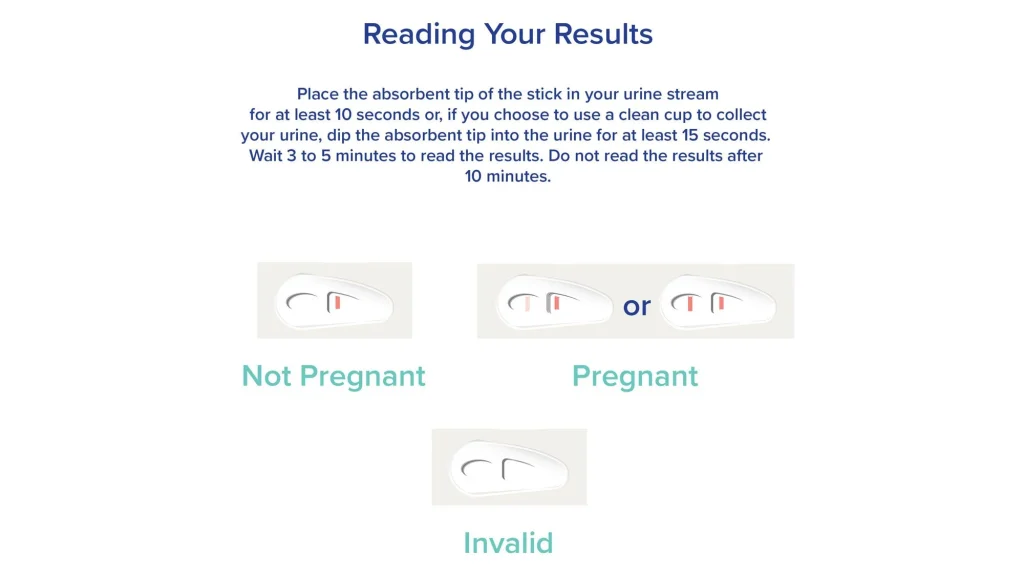
    Instructions for reading pregnancy test results with visual indicators for "Not Pregnant," "Pregnant," and "Invalid.

    The Link Between Vaginal pH and Hormonal Imbalances

    3. Urinary Tract Infections (UTIs):
    UTIs are caused by the overgrowth of bacteria in the urinary tract. Hormonal changes can make women more susceptible to UTIs as the decrease in estrogen levels can weaken the muscles in the urinary tract, making it easier for bacteria to enter.

    4. Menstrual Irregularities:
    Hormonal imbalances can also affect a woman’s menstrual cycle. An increase in estrogen levels can lead to irregular or heavy periods, while a decrease in estrogen can cause missed or lighter periods. These changes in menstrual cycle can also impact the vaginal pH balance.

    5. Infertility:
    Hormonal imbalances can also affect a woman’s fertility. Changes in estrogen and progesterone levels can disrupt the ovulation process, making it difficult for a woman to conceive.

    Maintaining a Healthy Vaginal pH:

    Maintaining a healthy vaginal pH is crucial for overall vaginal health and hormonal balance. Some tips to keep your vaginal pH in check include:

    1. Avoid Douching:
    Douching disrupts the natural balance of vaginal pH and can increase the risk of infections.

    2. Practice Good Hygiene:
    Washing the external genital area with warm water and mild soap is enough to keep it clean. Avoid using harsh soaps, scented products, or feminine sprays, as they can irritate the delicate vaginal flora.

    3. Probiotics:
    Taking probiotics can help to restore the balance of vaginal flora and maintain a healthy pH level.

    4. Wear Breathable Underwear:
    Cotton underwear allows for proper airflow, keeping the vaginal area dry and preventing the growth of harmful bacteria.

    5. Seek Medical Attention:
    If you experience any symptoms of a vaginal infection or notice changes in your vaginal discharge, it is essential to seek medical attention. Your doctor can perform tests to determine the cause and provide appropriate treatment.

    In conclusion, the link between vaginal pH and hormonal imbalances is apparent. Hormonal changes can disrupt the balance of vaginal pH, leading to a variety of issues that can affect a woman’s overall health. By understanding the importance of maintaining a healthy vaginal pH and taking necessary precautions, women can prevent and manage these hormonal imbalances and maintain good reproductive health.

    SEO metadata:

  • The Connection Between Vaginal pH and Your Overall Health

    Blog Post: The Connection Between Vaginal pH and Your Overall Health

    Vaginal health is an important aspect of a woman’s overall well-being, and one key factor that can greatly influence it is vaginal pH. The pH level of the vagina refers to its level of acidity or alkalinity, which is measured on a scale of 0 to 14, with 7 being neutral. A healthy vaginal pH is slightly acidic, ranging from 3.8 to 4.5, and is maintained by a delicate balance of bacteria and other microorganisms.

    In this blog post, we will explore the connection between vaginal pH and your overall health, and how imbalances in vaginal pH can lead to various health issues. We will also discuss ways to maintain a healthy vaginal pH and improve your overall well-being.

    The Importance of Maintaining a Healthy Vaginal pH

    The vagina is a self-cleaning and self-regulating organ, and its pH level plays a crucial role in keeping it healthy. A slightly acidic pH level is necessary for maintaining a healthy balance of bacteria and other microorganisms, which help to protect the vagina from infections and maintain its natural lubrication.

    When the vaginal pH level is disrupted, it can lead to a wide range of health issues, including bacterial vaginosis, yeast infections, and urinary tract infections. These conditions can cause uncomfortable symptoms such as itching, burning, abnormal discharge, and pain during sexual intercourse.

    Vaginal pH and Menstrual Cycle

    The vaginal pH level can fluctuate throughout a woman’s menstrual cycle, depending on the stage of the cycle. During the menstrual period, the pH level tends to be slightly higher due to the presence of menstrual blood, which has a pH of 7.4. This can create an environment that is more conducive to the growth of harmful bacteria, leading to infections.

    After the period, the pH level starts to decrease again, reaching its lowest point during ovulation when the body produces more estrogen. This is because estrogen helps to maintain a healthy balance of Lactobacillus bacteria, which produces lactic acid and helps to keep the vagina acidic.

    During pregnancy, the vaginal pH level may also fluctuate due to hormonal changes, making pregnant women more susceptible to vaginal infections. It is important for pregnant women to monitor their vaginal pH level and seek medical attention if it becomes imbalanced.

    Factors That Can Affect Vaginal pH

    Several factors can disrupt the delicate balance of vaginal pH, including:

    1. Antibiotics: Antibiotics can kill both good and bad bacteria, leading to an imbalance in the vaginal flora and a rise in pH levels.

    2. Douching: Douching disrupts the natural balance of bacteria in the vagina and can increase the risk of infections.

    pregnancy test kit features labeled for comfort and confidence on a teal background

    The Connection Between Vaginal pH and Your Overall Health

    3. Hormonal changes: Fluctuations in estrogen levels, such as during menopause or pregnancy, can affect the pH level of the vagina.

    4. Sexual activity: Semen has a pH of around 7.1 to 8, which is higher than the optimal pH for the vagina. Frequent sexual activity can alter the vaginal pH level and increase the risk of infections.

    5. Poor hygiene: Not keeping the vaginal area clean and dry can lead to an overgrowth of bacteria, causing an increase in pH levels.

    Maintaining a Healthy Vaginal pH

    To maintain a healthy vaginal pH, it is essential to follow good hygiene practices, such as:

    1. Avoiding douching and using harsh soaps or scented products in the vaginal area.

    2. Wearing cotton underwear and changing it daily to allow your vagina to breathe and stay dry.

    3. Practicing safe sex and using condoms to reduce the risk of infections.

    4. Avoiding perfumed products, including laundry detergents and fabric softeners, which can irritate the delicate skin of the vagina.

    5. Eating a healthy diet rich in probiotics, such as yogurt, to promote the growth of good bacteria in the vagina.

    In addition to these practices, it is also important to monitor your vaginal pH level regularly, especially if you are prone to vaginal infections. You can do this with the help of a pH test strip, which can be purchased at most drugstores.

    In Conclusion

    The connection between vaginal pH and your overall health is undeniable. Maintaining a healthy vaginal pH level is crucial for preventing infections and maintaining the overall health of the vagina. By following good hygiene practices and making necessary lifestyle changes, you can maintain a healthy vaginal pH and improve your overall well-being.

    Summary:

    Vaginal pH is the measure of acidity or alkalinity in the vagina and plays a crucial role in maintaining a healthy balance of bacteria and microorganisms. Fluctuations in vaginal pH can lead to various health issues such as bacterial vaginosis, yeast infections, and urinary tract infections. Factors that can affect vaginal pH include antibiotics, douching, hormonal changes, sexual activity, and poor hygiene. Maintaining good hygiene practices and monitoring vaginal pH can help to prevent imbalances and promote overall vaginal health.