Tag: Warning signs

  • Cervical Mucus and Miscarriage: How to Tell If Something Is Wrong

    Blog Post:

    The journey to motherhood is a rollercoaster ride of emotions, and one of the most common fears that expectant mothers have is the risk of miscarriage. Miscarriage, also known as spontaneous abortion, is the loss of a pregnancy before the 20th week. It is estimated that 10-20% of pregnancies end in miscarriage, with most occurring within the first 13 weeks. While it is a heartbreaking experience for any woman, it is essential to understand the warning signs and risk factors to identify if something is wrong. In this blog post, we will delve into the connection between cervical mucus and miscarriage, and how to tell if something is wrong.

    First, let’s understand what cervical mucus is and its role in pregnancy. Cervical mucus is a fluid produced by the cervix that helps sperm travel through the reproductive system to fertilize an egg. It also creates a protective barrier against bacteria and infections, and plays a crucial role in maintaining a healthy vaginal environment. During pregnancy, the cervix produces more mucus due to the increase in estrogen levels, which helps to create a plug that seals the cervix and protects the developing baby.

    Now, let’s explore the connection between cervical mucus and miscarriage. Cervical mucus can provide valuable insights into a woman’s fertility and pregnancy health. Changes in the consistency, color, and amount of cervical mucus can indicate hormonal imbalances or potential issues with the pregnancy. Here are some of the ways cervical mucus can help identify if something is wrong with a pregnancy:

    1. Changes in Cervical Mucus Before and After Miscarriage:
    One of the first signs of a potential miscarriage is a change in cervical mucus. Many women experience an increase in cervical mucus during early pregnancy, but if the mucus becomes thin, watery, or bloody, it could be a sign of a miscarriage. As the cervix starts to open and dilate, the mucus plug may be released, leading to bleeding or spotting. However, it is essential to note that not all bleeding or spotting during pregnancy means a miscarriage. It is best to consult a doctor for a proper diagnosis.
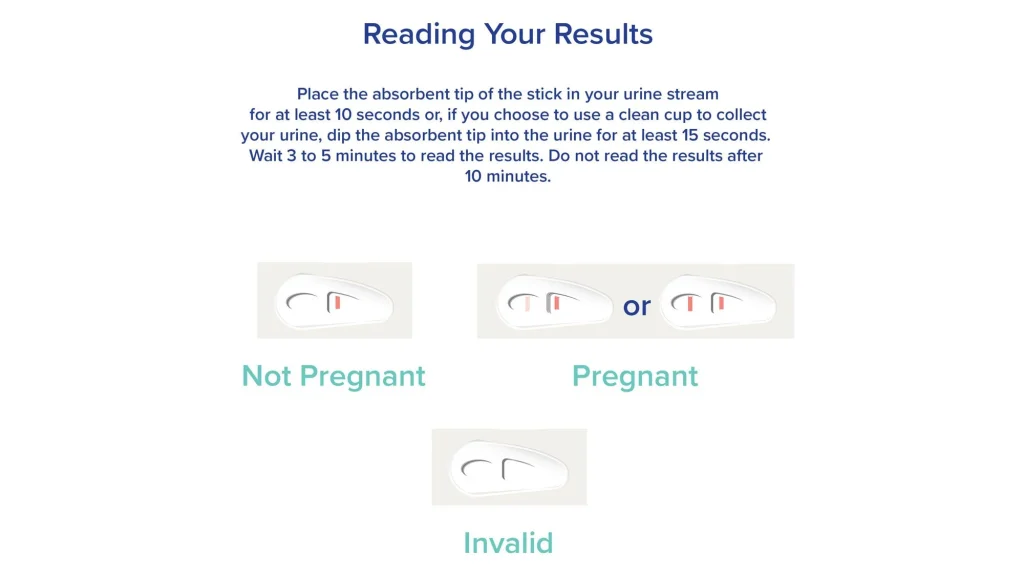
    Instructions for reading pregnancy test results with visual indicators for "Not Pregnant," "Pregnant," and "Invalid.

    Cervical Mucus and Miscarriage: How to Tell If Something Is Wrong

    2. Abnormal Cervical Mucus:
    During pregnancy, the cervical mucus should be thick, sticky, and white in color. If it becomes thin, watery, or yellowish, it could indicate an infection or hormonal imbalance that could increase the risk of miscarriage. Infections such as bacterial vaginosis or sexually transmitted infections can cause changes in cervical mucus and should be treated promptly to protect the pregnancy.

    3. Lack of Cervical Mucus:
    Another possible warning sign is a lack of cervical mucus during early pregnancy. If the cervix does not produce enough mucus, it can make it difficult for the sperm to reach the egg, leading to fertilization failure and a potential miscarriage. In such cases, it is essential to seek medical help to identify the cause and receive appropriate treatment.

    4. Cervical Mucus Plug Discharge:
    As mentioned earlier, the cervical mucus plug acts as a protective barrier during pregnancy. However, if the plug is dislodged or discharged, it could indicate a miscarriage. The discharge may be accompanied by cramping, bleeding, or a feeling of pressure in the pelvic area. If you experience these symptoms, it is crucial to seek immediate medical attention.

    5. Other Risk Factors:
    Apart from changes in cervical mucus, certain risk factors can increase the likelihood of miscarriage. These include advanced maternal age, chronic health conditions, previous miscarriages, and lifestyle factors like smoking, alcohol consumption, and drug use. Women who are at a higher risk of miscarriage should pay extra attention to changes in cervical mucus and consult their doctor if they notice any abnormalities.

    In conclusion, cervical mucus can provide valuable insights into a woman’s fertility and pregnancy health. Changes in its consistency, color, and amount can indicate potential issues with the pregnancy, including a possible miscarriage. It is essential to pay attention to these changes and seek medical help if necessary. While miscarriage can be a devastating experience, it is essential to remember that it is not always preventable, and seeking support and medical care can help cope with the loss.

    In summary, cervical mucus can provide important indications of potential issues with a pregnancy, including a possible miscarriage. Changes in its consistency, color, and amount can be warning signs, and it is essential to seek medical help if necessary. Understanding the connection between cervical mucus and miscarriage can help expectant mothers identify if something is wrong and take appropriate steps to protect their pregnancy.

  • Warning Signs Your Cervical Mucus May Be Indicating a Higher Risk of Cervical Cancer

    Blog Post Title: Warning Signs Your Cervical Mucus May Be Indicating a Higher Risk of Cervical Cancer

    Cervical cancer is a type of cancer that affects the cells in the cervix, the lower part of the uterus that connects to the vagina. It is the fourth most common type of cancer in women worldwide and is responsible for over 300,000 deaths each year. While it is a serious and potentially deadly disease, it is highly preventable with regular screenings and early detection. One of the key warning signs of cervical cancer is changes in cervical mucus. In this blog post, we will explore what cervical mucus is, why it is important, and the warning signs that it may be indicating a higher risk of cervical cancer.

    What is Cervical Mucus?

    Cervical mucus is a fluid produced by the cervix that is essential for fertility and a healthy reproductive system. It plays an important role in the reproductive process by nourishing and protecting sperm, as well as helping them to travel through the reproductive tract to reach the egg. Cervical mucus also helps to prevent infections by keeping harmful bacteria and viruses from entering the uterus.

    The consistency and amount of cervical mucus changes throughout a woman’s menstrual cycle, under the influence of hormones. After menstruation, the cervix produces very little mucus, and what is produced is thick and tacky, making it difficult for sperm to penetrate. As ovulation approaches, the amount of cervical mucus increases, and it becomes thinner and more slippery, creating an ideal environment for sperm to reach and fertilize the egg. After ovulation, the mucus thickens again to form a barrier that prevents sperm from entering the uterus.

    Why is Cervical Mucus Important in Detecting Cervical Cancer?

    Cervical mucus can provide valuable clues about a woman’s reproductive health, including the presence of any abnormalities or diseases. Changes in the amount, color, consistency, and smell of cervical mucus can indicate a variety of health conditions, including cervical cancer.

    Abnormal cervical cells, which can lead to cervical cancer, can cause changes in cervical mucus. These cells can produce more mucus than normal cells, leading to an increase in the amount of mucus. The consistency of the mucus may also change, becoming thicker or more watery. In some cases, cervical mucus may have a foul odor or appear bloody, which are both potential warning signs of cervical cancer.

    Warning Signs Your Cervical Mucus May Be Indicating a Higher Risk of Cervical Cancer

    At-home insemination kit with syringes and collection cups on a teal background.

    Warning Signs Your Cervical Mucus May Be Indicating a Higher Risk of Cervical Cancer

    1. Increased Amount of Mucus: As mentioned earlier, abnormal cervical cells can cause an increase in the production of mucus. If you notice a sudden increase in the amount of mucus you are producing, it could be a warning sign of cervical cancer.

    2. Changes in Consistency: The consistency of cervical mucus typically changes throughout the menstrual cycle. However, if you notice a change in consistency that is not in line with your usual cycle, it could be a cause for concern. Cervical mucus may become thicker, thinner, or more watery in the presence of abnormal cells.

    3. Foul Odor: Normal cervical mucus does not have a strong smell. If you notice a foul odor, it could be a sign of an infection or cervical cancer. Pay attention to any changes in the smell of your cervical mucus and consult your doctor if you have concerns.

    4. Bloody Discharge: Cervical mucus may contain small traces of blood during ovulation, but it should not be present at any other time. If you notice bloody discharge in your cervical mucus, it could be a warning sign of cervical cancer. This is especially true if the blood is dark or brown in color.

    5. Irregular Bleeding: While spotting between periods can be normal for some women, it can also be a warning sign of cervical cancer. Abnormal cervical cells can cause bleeding, which may appear as spotting or light bleeding between periods. If you experience irregular bleeding, it is important to consult your doctor for further evaluation.

    6. Pain During Intercourse: Cervical cancer can cause a range of symptoms, including pain during sexual intercourse. This can be due to inflammation or irritation of the cervix caused by abnormal cervical cells. If you experience pain during intercourse, it is important to speak with your doctor.

    7. Pelvic Pain: In advanced stages of cervical cancer, the tumor can grow and put pressure on surrounding organs, causing pelvic pain. If you experience persistent pelvic pain, it is important to get it checked by a doctor to rule out any serious underlying conditions.

    Conclusion

    Cervical mucus is an important indicator of a woman’s reproductive health, and changes in its amount, color, consistency, and smell can be a warning sign of cervical cancer. It is important to pay attention to any changes in your cervical mucus and consult your doctor if you have any concerns. Regular screenings, such as Pap tests and HPV tests, are also crucial in detecting cervical cancer in its early stages. Remember, early detection can save lives.

    SEO metadata: