Tag: work-life balance

  • Recommended Practices for Maintaining Good Mental Health While Working from Home

    Blog post:

    The rise of remote work has become a common practice for many companies, especially in the wake of the pandemic. While working from home offers flexibility and convenience, it also comes with its own set of challenges, particularly when it comes to maintaining good mental health. Without the structure and boundaries of a traditional office setting, it’s easy to fall into unhealthy habits that can lead to burnout, stress, and other mental health issues. In this blog post, we will discuss some recommended practices for maintaining good mental health while working from home.

    1. Establish a Routine
    One of the most important aspects of maintaining good mental health while working from home is to establish a routine. Without the boundaries of a physical office, it’s easy to blur the lines between work and personal life. To avoid this, create a schedule that mimics your regular workday. Wake up at the same time, take breaks, and log off at the end of the day. This will help you maintain a sense of structure and balance in your day.

    2. Create a Dedicated Workspace
    Working from your bed or couch may seem appealing, but it can actually be detrimental to your mental health. It’s important to create a dedicated workspace that separates your work life from your personal life. This will help you mentally switch off from work and relax at the end of the day. Make sure your workspace is comfortable, well-lit, and free from distractions.

    3. Take Breaks
    It’s easy to get caught up in work and forget to take breaks while working from home. However, breaks are crucial for maintaining good mental health. They give your mind and body a chance to rest and recharge. Schedule breaks throughout your day and make sure to step away from your workspace. Use this time to stretch, go for a walk, or do something that you enjoy.
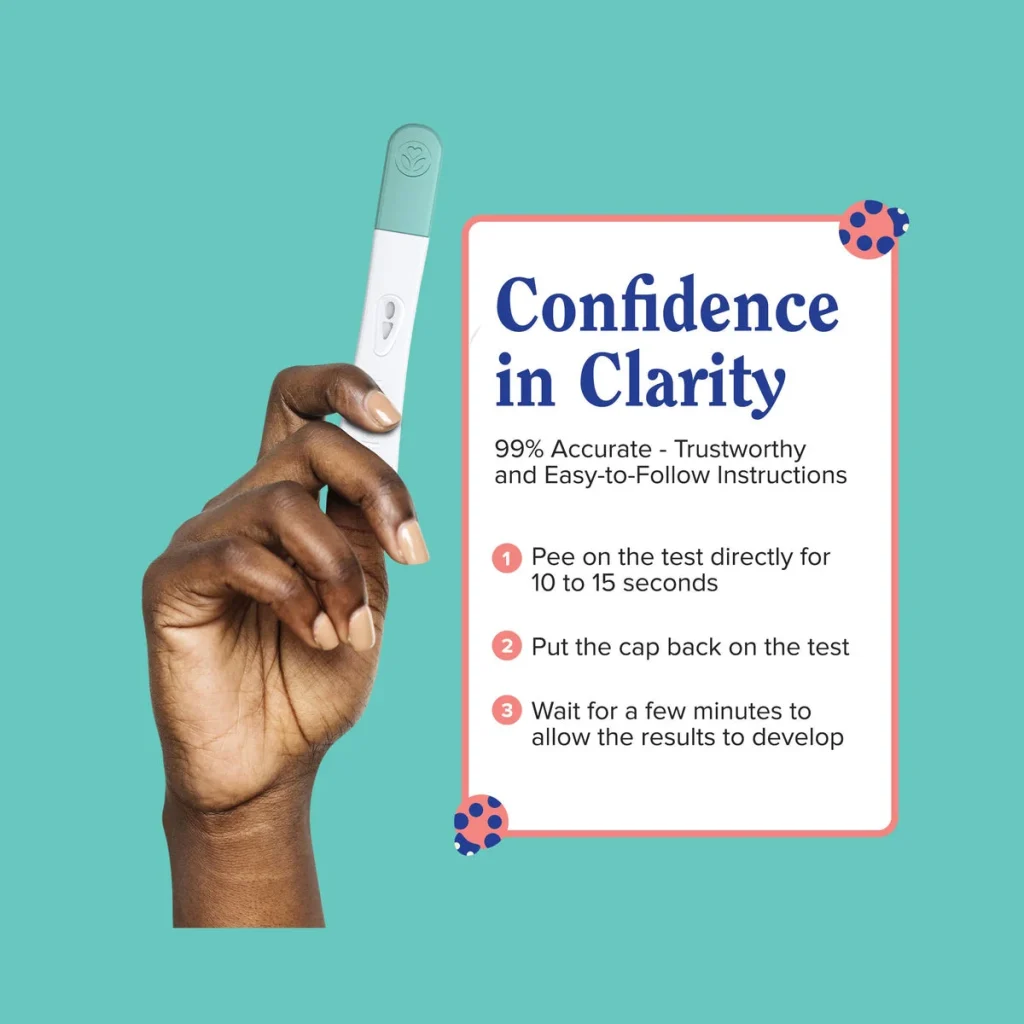
    hand holding a pregnancy test with instructions on a colorful background

    Recommended Practices for Maintaining Good Mental Health While Working from Home

    4. Stay Connected
    Working from home can feel isolating, especially if you are used to being in an office environment. It’s important to stay connected with your colleagues and friends to combat feelings of loneliness. Schedule virtual coffee breaks or lunch dates with your coworkers, and make time for social interactions outside of work hours. This will help you feel more connected and supported.

    5. Practice Self-Care
    Self-care is essential for maintaining good mental health, and it’s even more important when working from home. Make time for activities that bring you joy and help you relax. This can include exercise, meditation, reading, or any other hobby that you enjoy. Taking care of yourself will not only help you feel happier and more balanced, but it will also increase your productivity and overall well-being.

    6. Set Boundaries
    When working from home, it’s easy to blur the lines between work and personal life. It’s important to set boundaries and stick to them. This can include setting specific work hours, turning off notifications after work hours, and communicating your boundaries with your colleagues. By setting boundaries, you are protecting your personal time and reducing the risk of burnout.

    7. Seek Support
    It’s okay to not be okay, and it’s important to recognize when you need support. Working from home can be challenging, and it’s normal to experience feelings of stress, anxiety, or burnout. If you are struggling, don’t hesitate to reach out to a trusted friend, family member, or mental health professional. Seeking support is a sign of strength, and it can help you cope with any challenges you may be facing.

    In summary, maintaining good mental health while working from home requires establishing a routine, creating a dedicated workspace, taking breaks, staying connected, practicing self-care, setting boundaries, and seeking support when needed. By implementing these recommended practices, you can reduce stress, improve your overall well-being, and find a healthy balance between work and personal life while working from home.

  • The Role of Self-Care in Overall Health: How This Trend is Changing the Wellness Industry

    Summary:

    Self-care has become a popular trend in the wellness industry, with more and more people recognizing the importance of taking care of themselves for overall health. In this blog post, we will explore the role of self-care in overall health, and how this trend is changing the wellness industry.

    We will start by defining self-care and discussing its different aspects, including physical, emotional, and mental well-being. We will then delve into the benefits of self-care, such as reducing stress, improving productivity, and boosting self-esteem. Additionally, we will discuss how self-care can positively impact relationships and contribute to a better work-life balance.

    home insemination kit components: a syringe and a collection container against a blue background.

    The Role of Self-Care in Overall Health: How This Trend is Changing the Wellness Industry

    Next, we will look at the ways in which self-care has become a trend in the wellness industry, from the rise of self-care apps and products to the incorporation of self-care practices in spas and retreats. We will also touch on the role of social media in promoting self-care and its impact on consumer behavior.

    Furthermore, we will address the criticisms surrounding the self-care trend, such as its potential to become a form of consumerism and the pressure to constantly engage in self-care activities. We will also discuss the importance of finding a balance between self-care and self-indulgence.

    Lastly, we will provide practical tips for incorporating self-care into daily life, including setting boundaries, prioritizing self-care activities, and finding what works best for each individual.

    In conclusion, self-care is not just a trend, but a crucial aspect of overall health and well-being. As the wellness industry continues to evolve, the role of self-care will only become more prominent, emphasizing the importance of taking care of oneself for a healthier and happier life.

  • Apps to Boost Your Productivity and Time Management Skills

    Blog Post Title: Apps to Boost Your Productivity and Time Management Skills

    In today’s fast-paced world, it’s easy to get overwhelmed by the endless to-do lists and the constant stream of notifications from our devices. With so many distractions, it can be challenging to stay focused and productive. However, technology has also provided us with various tools and apps that can help us manage our time better and increase our productivity. In this blog post, we will discuss some of the best apps to boost your productivity and time management skills.

    1. Todoist
    Todoist is a powerful task management app that helps you organize your to-do lists, set deadlines, and prioritize tasks. With its clean and user-friendly interface, you can easily create projects, add tasks, and set reminders. The app also allows you to collaborate with others, making it an excellent tool for both personal and team productivity.

    2. Toggl
    Toggl is a time tracking app that can help you identify where you’re spending most of your time. By tracking the time you spend on different tasks, you can get a better understanding of your productivity habits and find ways to improve them. Toggl also offers reports and insights to help you make data-driven decisions about your time management.

    3. Forest
    If you find yourself getting distracted by your phone, Forest can help you stay focused. This app allows you to set a timer and grow a virtual tree while you work. If you leave the app to check your notifications, the tree dies, providing a visual reminder to stay on task. Forest also has a feature that allows you to block certain apps or websites for a set period, helping you avoid distractions.

    4. Evernote
    Evernote is a note-taking app that can help you stay organized and keep all your important information in one place. You can create notes, to-do lists, and even scan and save documents with this app. It also has a search function that allows you to find specific information quickly. Evernote syncs across all your devices, making it easy to access your notes and stay on top of your tasks.

    5. Trello
    Trello is a project management app that uses a visual board and cards system to help you track your tasks and projects. You can create boards for different projects, add team members, and assign tasks to each member. Trello also allows you to set deadlines, add attachments, and create checklists for each task, making it a comprehensive tool for managing your projects.

    Home insemination kit by Mosie Baby with instructions and colorful packaging.

    Apps to Boost Your Productivity and Time Management Skills

    6. RescueTime
    RescueTime is another time tracking app that helps you understand your daily habits and patterns. It runs in the background and tracks the time you spend on different apps and websites. It then gives you a productivity score and insights on how you can improve your time management. RescueTime also has a feature that allows you to set goals and receive alerts when you’ve spent too much time on a particular task or app.

    7. Focus Keeper
    Focus Keeper is a time management app that uses the Pomodoro technique, a time management method that involves breaking your work into 25-minute intervals with short breaks in between. This technique is known to improve focus and productivity. Focus Keeper has a simple interface with a timer and a visual progress bar to help you stay on track.

    8. MyLifeOrganized
    MyLifeOrganized is a task management app that helps you break down your goals and tasks into smaller, manageable steps. It allows you to create a hierarchy of tasks and subtasks, set deadlines, and add notes and attachments. The app also has a feature that allows you to plan your daily schedule based on your tasks and priorities.

    9. Google Calendar
    Google Calendar is a popular calendar app that can help you manage your time effectively. It allows you to schedule events, set reminders, and share your calendar with others. You can also create multiple calendars for different areas of your life, making it easy to plan and stay organized.

    10. Asana
    Asana is a project and task management app that is widely used by teams. It allows you to create projects, add tasks, assign them to team members, and set deadlines. Asana also offers a variety of views, including list, board, and timeline, to help you visualize your tasks and projects better.

    In conclusion, these are just some of the many apps available that can help you boost your productivity and time management skills. Each app offers unique features and benefits, so it’s essential to find the one that works best for you and your specific needs. With the help of these apps, you can stay organized, focused, and more productive, ultimately leading to a better work-life balance.

    Summary: This blog post discussed ten apps that can help boost productivity and time management skills. These apps include Todoist, Toggl, Forest, Evernote, Trello, RescueTime, Focus Keeper, MyLifeOrganized, Google Calendar, and Asana. Each app offers unique features and benefits to help users stay organized, focused, and productive. By using these apps, individuals can improve their time management skills and achieve a better work-life balance.

  • Self-Care Practices to Help You Manage Work-Related Stress

    Self-care is an essential aspect of maintaining our physical, mental, and emotional well-being. In today’s fast-paced and demanding work culture, stress is a common occurrence. It can take a toll on our health and overall quality of life if not managed properly. That’s why it’s crucial to prioritize self-care practices to help us manage work-related stress.

    In this blog post, we will discuss various self-care practices that can significantly improve our ability to handle work-related stress. These practices are simple, accessible, and can be incorporated into our daily routine, making them easy to follow.

    1. Prioritize Time for Yourself
    One of the most crucial self-care practices is to prioritize time for yourself. In our busy schedules, it’s easy to get caught up in work and neglect our personal needs. However, taking some time out for yourself can help reduce stress levels and improve overall well-being.

    Set aside some time in your day to do something you enjoy, whether it’s reading a book, taking a walk, or practicing a hobby. This will not only give you a break from work but also help you recharge and feel more energized.

    2. Practice Mindfulness
    Mindfulness is the practice of being present in the moment and paying attention to your thoughts and feelings without judgment. It can help reduce stress, improve focus, and promote a sense of calmness.

    Incorporate mindfulness into your daily routine by taking a few minutes to focus on your breathing, observe your surroundings, or practice a guided meditation. This will help you stay grounded and cope with work-related stress more effectively.

    3. Maintain a Healthy Lifestyle
    Eating a balanced diet, getting enough sleep, and staying physically active are essential for our overall well-being. When we neglect our health, it can have a significant impact on our ability to manage stress at work.

    Make sure to prioritize healthy habits, such as eating nutritious meals, getting 7-8 hours of sleep each night, and incorporating physical activity into your routine. This will not only improve your physical health but also boost your mood and energy levels, making it easier to handle work-related stress.

    two teal and clear syringes positioned on a white background

    Self-Care Practices to Help You Manage Work-Related Stress

    4. Set Boundaries
    In today’s digital age, it’s easy to be connected to work 24/7. However, this can lead to burnout and increased stress levels. It’s essential to set boundaries and disconnect from work during your personal time.

    Avoid checking work emails or responding to work-related messages outside of working hours. It’s also crucial to communicate your boundaries to your colleagues and superiors. This will help you create a healthy work-life balance and prevent work-related stress from taking over your personal life.

    5. Take Breaks
    Taking short breaks throughout your workday can help improve productivity and reduce stress levels. It’s crucial to step away from your desk and give your mind and body some rest.

    Try to take a 5-10 minute break every hour, during which you can stretch, take a short walk, or do some deep breathing exercises. This will help you relax and refocus, making you more efficient and less stressed at work.

    6. Practice Gratitude
    Practicing gratitude has been proven to have a positive impact on mental health and well-being. When we focus on the things we are grateful for, it helps shift our perspective and reduce stress levels.

    Take a few minutes at the end of each day to write down three things you are grateful for. It can be something as simple as having a supportive team or completing a challenging task at work. This practice will help you cultivate a more positive mindset and manage work-related stress more effectively.

    7. Seek Support
    Lastly, it’s essential to seek support when needed. Whether it’s talking to a trusted friend or family member, seeking professional help, or attending a support group, reaching out for support can significantly help reduce work-related stress.

    It’s essential to acknowledge when you need help and not try to handle everything on your own. Seeking support can provide you with a different perspective, offer practical solutions, and give you a sense of comfort during challenging times.

    In summary, managing work-related stress is crucial for our overall well-being and productivity. Prioritizing self-care practices such as setting boundaries, practicing mindfulness, and seeking support can significantly help reduce stress levels and improve our ability to cope with work demands. Remember to take breaks, maintain a healthy lifestyle, and prioritize time for yourself to maintain a healthy work-life balance.

  • Prioritizing Self-Care: 22 Practices to Incorporate into Your Busy Schedule

    Prioritizing Self-Care: 22 Practices to Incorporate into Your Busy Schedule

    In today’s fast-paced and hectic world, it’s easy to get caught up in our busy schedules and neglect our own well-being. We often prioritize work, family, and social obligations over taking care of ourselves, leading to burnout and a decline in physical and mental health. However, self-care should not be seen as a luxury or something that can only be done when we have free time. It is a vital aspect of maintaining a healthy and balanced life. In this blog post, we will discuss 22 practices that you can incorporate into your busy schedule to prioritize self-care.

    1. Start your day with a mindful morning routine: Instead of jumping out of bed and rushing through your morning, take some time to breathe, stretch, and set intentions for the day ahead. This will help you start your day on a positive note and reduce stress and anxiety.

    2. Schedule breaks throughout the day: It’s essential to take short breaks throughout the day to recharge and refocus. Use these breaks to do something that brings you joy, whether it’s taking a walk, reading a book, or listening to music.

    3. Make time for exercise: Regular exercise has numerous physical and mental health benefits. Find an activity that you enjoy and schedule it into your daily routine, even if it’s just for a few minutes.

    4. Practice gratitude: Take a few minutes each day to reflect on what you are grateful for. This will help shift your focus from the negatives to the positives in your life.

    5. Set boundaries: Learn to say no to things that don’t align with your priorities or values. Setting boundaries is crucial for maintaining a healthy work-life balance and reducing stress.

    6. Get enough sleep: Adequate sleep is essential for our physical and mental well-being. Make it a priority to get at least 7-8 hours of sleep each night.

    7. Stay hydrated: Drinking enough water is crucial for our overall health. Keep a water bottle with you at all times and make it a habit to sip on it throughout the day.

    8. Practice self-compassion: Be kind to yourself and practice self-compassion. Treat yourself with the same kindness and understanding you would show to a loved one.

    9. Unplug from technology: Constantly being connected to technology can be draining and overwhelming. Make it a point to unplug from your devices for a few hours each day and engage in activities that don’t involve screens.

    10. Find a creative outlet: Engaging in a creative activity can be therapeutic and help reduce stress. Find a creative outlet that you enjoy, whether it’s painting, writing, or playing an instrument.

    At-home insemination kit with syringes and collection cups on a teal background.

    Prioritizing Self-Care: 22 Practices to Incorporate into Your Busy Schedule

    11. Surround yourself with positive people: The people we surround ourselves with can have a significant impact on our well-being. Surround yourself with positive and supportive individuals who uplift and encourage you.

    12. Practice deep breathing: When we are stressed, our breathing becomes shallow. Take a few minutes each day to practice deep breathing exercises to relax and calm your mind.

    13. Eat a balanced and nutritious diet: What we put into our bodies can greatly affect our physical and mental health. Make it a priority to eat a balanced and nutritious diet to fuel your body and mind.

    14. Take breaks from social media: Social media can be overwhelming and can negatively impact our mental health. Take breaks from social media to disconnect and focus on yourself.

    15. Spend time in nature: Nature has a calming and rejuvenating effect on us. Make it a point to spend some time in nature each week, whether it’s going for a hike, a walk in the park, or simply sitting outside and enjoying the fresh air.

    16. Practice self-care rituals: Create self-care rituals that you can incorporate into your daily routine, such as taking a relaxing bath, lighting candles, or practicing mindfulness.

    17. Learn to delegate: It can be challenging to juggle all of our responsibilities and tasks. Learn to delegate tasks to others to reduce your workload and free up time for self-care.

    18. Keep a journal: Writing in a journal can be a therapeutic way to process your thoughts and emotions. Make it a habit to write in a journal regularly.

    19. Listen to your body: Pay attention to your body’s signals and take breaks when needed. Pushing through exhaustion and ignoring physical and mental cues can lead to burnout.

    20. Establish a bedtime routine: A bedtime routine can help you wind down and prepare for a restful night’s sleep. This can include reading, meditating, or listening to calming music.

    21. Seek professional help when needed: It’s essential to seek professional help when you are struggling with your mental health. Don’t be afraid to reach out to a therapist or counselor for support.

    22. Practice self-care daily: Self-care should not be a one-time or sporadic practice. Make it a habit to incorporate self-care into your daily routine, even if it’s just for a few minutes.

    Incorporating these 22 practices into your busy schedule can help you prioritize self-care and improve your overall well-being. Remember, self-care is not selfish; it’s necessary for us to function at our best and take care of others. Make yourself a priority and watch as your life transforms for the better.

  • Prioritizing Self-Care: 22 Practices for a Healthier Work-Life Balance

    Blog Post Title: Prioritizing Self-Care: 22 Practices for a Healthier Work-Life Balance

    Summary:

    In today’s fast-paced world, it’s easy to get caught up in the demands of work and neglect our own well-being. However, taking care of ourselves is crucial for maintaining a healthy work-life balance. Prioritizing self-care not only benefits our physical and mental health, but it also allows us to be more productive and fulfilled in our personal and professional lives.

    This blog post discusses 22 practices that can help individuals prioritize self-care and achieve a healthier work-life balance. These practices range from simple daily habits to more intentional actions, and can be tailored to fit individual needs and lifestyles.

    hand holding a syringe with a blue plunger against a solid blue background

    Prioritizing Self-Care: 22 Practices for a Healthier Work-Life Balance

    The first section focuses on physical self-care, emphasizing the importance of nourishing our bodies with nutritious food, getting enough sleep, and engaging in regular exercise. It also explores the benefits of incorporating mindfulness practices, such as yoga and meditation, into our daily routines.

    The second section delves into mental and emotional self-care, highlighting the importance of setting boundaries, practicing self-compassion, and seeking support when needed. It also discusses the impact of technology and social media on our mental health and offers tips for managing our digital lives in a healthy way.

    The third section addresses the importance of spiritual self-care, reminding readers to connect with something greater than themselves and explore their inner selves. It encourages individuals to find activities that bring them joy and a sense of purpose, whether it’s through creative outlets, volunteering, or spending time in nature.

    The final section focuses on the importance of self-care in the workplace. It discusses strategies for setting boundaries, managing work-related stress, and creating a positive work environment. It also emphasizes the importance of taking breaks and utilizing vacation time to recharge and avoid burnout.

    Overall, this blog post emphasizes the importance of prioritizing self-care in order to achieve a healthier work-life balance. By incorporating these 22 practices into our daily lives, we can improve our physical and mental well-being, boost productivity, and find more fulfillment in both our personal and professional lives.

  • Job Industries with a Focus on Mental Health and Wellness

    Job Industries with a Focus on Mental Health and Wellness: Promoting Work-Life Balance and Employee Wellbeing

    In today’s fast-paced and highly competitive job market, the concept of work-life balance and employee wellbeing has become increasingly important. As employees spend a large portion of their time at work, the job industry has a significant impact on their mental health and overall wellness. Therefore, it is crucial for employers to prioritize mental health and wellness in their workplace to promote a healthy and positive work environment. In this blog post, we will explore various job industries that have a focus on mental health and wellness, and how they promote work-life balance and employee wellbeing.

    1. Healthcare Industry:
    The healthcare industry has always been at the forefront of promoting mental health and wellness, as it is directly related to the well-being of patients. However, in recent years, there has been a growing emphasis on the mental health of healthcare professionals as well. The demanding nature of their job, long working hours, and high-stress levels can take a toll on their mental health. Therefore, many healthcare organizations have implemented programs such as counseling services, stress management workshops, and flexible schedules to support the mental well-being of their employees.

    2. Education Industry:
    Teachers play a crucial role in shaping the minds of future generations, and their mental health is essential for the overall well-being of students. The education industry has recognized this and has started to prioritize the mental health of teachers. Many schools and universities have implemented mental health support programs for their staff, including counseling services, mindfulness training, and mental health awareness workshops. By promoting a healthy work-life balance for teachers, schools and universities can create a positive and supportive environment that benefits both students and staff.

    3. Technology Industry:
    The technology industry is known for its fast-paced and high-pressure work environment, which can have a significant impact on the mental health of employees. However, many tech companies have recognized the importance of promoting mental health and wellness in the workplace. Companies such as Google, Microsoft, and Apple have implemented various programs and policies to support the mental well-being of their employees, including mental health days, meditation and wellness classes, and flexible work arrangements. By prioritizing employee well-being, these companies have not only created a positive work culture but have also seen an increase in productivity and employee satisfaction.

    At-home insemination kit with ovulation and pregnancy tests, promoting fertility and family planning.

    Job Industries with a Focus on Mental Health and Wellness

    4. Non-Profit Industry:
    Non-profit organizations often have a strong focus on social causes and helping others, but it is also essential for them to take care of their employees’ mental health and well-being. Many non-profits have implemented wellness programs and mental health resources for their employees, recognizing the importance of self-care and work-life balance. These initiatives not only support the mental health of employees but also help them to better serve their communities.

    5. Hospitality Industry:
    The hospitality industry is known for its demanding and high-stress work environment, with long working hours and high levels of customer service. This can take a toll on the mental health of employees, leading to burnout and high turnover rates. Therefore, many hotels and restaurants have started to prioritize employee well-being by implementing mental health resources and wellness programs. Some have also adopted a “no-tipping” policy to reduce the pressure on employees and promote a more equitable work environment.

    6. Media and Entertainment Industry:
    The media and entertainment industry is fast-paced and highly competitive, which can lead to high levels of stress and pressure for employees. To address this, many companies in this industry have started to prioritize mental health and wellness in the workplace. For example, Netflix offers unlimited vacation time to its employees, recognizing the importance of rest and self-care for mental well-being. Other companies have also implemented mental health days, meditation and mindfulness programs, and flexible work arrangements.

    7. Government and Public Services Industry:
    The government and public services industry is responsible for providing essential services to the community, and the mental health of employees in this industry is crucial for their ability to serve effectively. Many government agencies and public service organizations have started to prioritize mental health and wellness in the workplace by offering mental health resources and support programs for their employees. This not only benefits the mental well-being of employees but also improves the quality of services provided to the community.

    In conclusion, promoting mental health and wellness in the workplace is essential for creating a positive and healthy work environment. The job industries mentioned above are just a few examples of how organizations are prioritizing employee well-being and promoting a healthy work-life balance. By implementing mental health resources and support programs, these industries are not only taking care of their employees but also improving productivity, job satisfaction, and overall success. It is crucial for all job industries to recognize the importance of mental health and wellness and take steps to support their employees’ well-being.

    Summary:
    In this blog post, we discussed various job industries that have a focus on mental health and wellness. These industries include healthcare, education, technology, non-profit, hospitality, media and entertainment, and government and public services. We explored how these industries promote work-life balance and employee well-being through various programs and policies, such as counseling services, flexible work arrangements, and mental health resources. It is crucial for all job industries to prioritize mental health and wellness to create a positive work environment and support the well-being of their employees.

  • Conception and Your Career: Balancing Work and Trying to Conceive

    Conception and Your Career: Balancing Work and Trying to Conceive

    Trying to conceive can be an exciting and nerve-wracking experience for couples. On one hand, there is the joy and anticipation of starting a family and bringing a new life into the world. On the other hand, there are the challenges and sacrifices that come with balancing work and trying to conceive. The pressure to succeed in one’s career while also trying to start a family can be overwhelming, and many couples struggle to find the right balance. In this blog post, we will explore the challenges and strategies for balancing work and trying to conceive, and how to navigate this delicate phase of life.

    The Challenges of Balancing Work and Trying to Conceive

    For many couples, the decision to start a family does not come without its fair share of challenges. One of the biggest challenges is balancing work and trying to conceive. The demands of a career can often conflict with the needs and schedules of fertility treatments, doctor appointments, and the general stress of trying to get pregnant. This can lead to added stress and anxiety, which can have a negative impact on both physical and emotional health.

    Another challenge is the financial strain that often comes with fertility treatments. Many couples may have to take time off work for appointments, procedures, and recovery time, which can result in a loss of income. This can put a strain on the couple’s finances and add more pressure to their already stressful situation.

    Strategies for Balancing Work and Trying to Conceive

    Despite the challenges, there are strategies that couples can use to help balance work and trying to conceive. The first step is to communicate openly and honestly with your partner about your goals and priorities. It is important to be on the same page and support each other through this journey. This can also help to alleviate any potential conflicts or misunderstandings in the future.

    It is also important to communicate with your employer about your plans to start a family and any potential disruptions to your work schedule. This can help your employer understand your needs and make accommodations for appointments and treatments. It is also important to know your rights as an employee when it comes to maternity and paternity leave, and to communicate these with your employer as well.

    guide and materials for using Mosie Baby fertility kit on a textured surface

    Conception and Your Career: Balancing Work and Trying to Conceive

    Another strategy is to prioritize and manage your time effectively. This may mean setting boundaries at work and learning to say “no” to extra tasks or projects that may add unnecessary stress during this time. It is also important to take care of your physical and emotional health. This may involve implementing self-care practices such as exercise, mindfulness, and seeking support from friends and family.

    Navigating the Delicate Phase

    The journey of trying to conceive can be a rollercoaster of emotions, and it is important to navigate this delicate phase with care. This means being patient with yourself and your partner, and being understanding of each other’s needs and emotions. It is also important to seek support from loved ones and professionals, such as therapists or support groups, to help manage the stress and emotions that may arise during this time.

    It is also important to have realistic expectations and understand that starting a family may not happen as quickly or easily as planned. This can be difficult for couples who are used to achieving success in their careers, but it is important to remember that starting a family is a journey and that success may look different for each couple. It is important to stay positive and not let setbacks or challenges discourage you from your goals.

    In addition, it is important to maintain a healthy work-life balance. This may mean setting boundaries and learning to disconnect from work during personal time. It is also important to prioritize self-care and make time for activities that bring joy and relaxation. This can help reduce stress and improve overall well-being, which can have a positive impact on fertility.

    Conclusion

    Balancing work and trying to conceive can be a challenging and emotional experience for couples. The pressure to succeed in both areas can add stress and strain to the relationship. However, by communicating openly, managing time effectively, and prioritizing self-care, couples can navigate this delicate phase with more ease and support. It is important to remember that starting a family is a journey and to have patience and compassion for yourself and your partner. With the right strategies and support, couples can find a balance between work and trying to conceive, and ultimately achieve their goal of starting a family.

    In summary, trying to conceive while balancing a career can be a difficult and stressful experience for couples. The challenges of managing work schedules, finances, and emotions can take a toll on both individuals and their relationship. However, by communicating openly, managing time effectively, and prioritizing self-care, couples can navigate this delicate phase with more ease and support. It is important to remember that starting a family is a journey and to have patience and compassion for oneself and one’s partner. With the right strategies and support, couples can find a balance between work and trying to conceive and ultimately achieve their goal of starting a family.

  • DIY Baby-Making for Busy Couples: Essential Tips for Balancing Work and Fertility

    DIY Baby-Making for Busy Couples: Essential Tips for Balancing Work and Fertility

    For many couples, the desire to have a baby is a dream that comes with its fair share of challenges. In today’s fast-paced world, where work and career demands often take center stage, finding the time and energy to focus on starting a family can be overwhelming. However, with the right approach and some essential tips, it is possible for busy couples to balance work and fertility, and make their dream of having a baby a reality. In this blog post, we will discuss DIY baby-making for busy couples, and provide some essential tips to help them navigate this journey.

    Tip #1: Prioritize Your Health and Well-Being
    The first and most crucial step in DIY baby-making for busy couples is prioritizing their health and well-being. With the demands of work and everyday life, it’s easy to neglect self-care and put it on the back burner. However, taking care of your physical and mental health is essential for fertility. Making healthy lifestyle choices, such as eating a balanced diet, exercising regularly, and getting enough rest, can significantly impact your fertility. Couples should also prioritize stress management techniques, such as meditation, yoga, or therapy, to help them cope with the stress of trying to conceive while juggling busy schedules.

    Tip #2: Understand Your Menstrual Cycle
    Understanding your menstrual cycle is crucial for any couple trying to conceive. It is essential to track your ovulation to know when you are most fertile. Many factors can impact the length and regularity of a woman’s menstrual cycle, such as stress, diet, and exercise. Therefore, it’s essential to track your cycle for a few months to get a better understanding of your body’s patterns. Several apps and tools can help with this, making it easier for busy couples to keep track of their fertility window.

    Tip #3: Utilize At-Home Fertility Tests
    For busy couples, finding the time to visit a fertility clinic for tests can be a challenge. However, with the rise of at-home fertility tests, couples can now monitor their fertility from the comfort of their own home. These tests can help identify potential issues that may be impacting fertility, such as low sperm count or ovulation disorders. Having this information can help couples make informed decisions about their next steps and when to seek professional help.

    comparison of Mosie syringe opening versus standard syringe opening with text highlighting benefits

    DIY Baby-Making for Busy Couples: Essential Tips for Balancing Work and Fertility

    Tip #4: Consider Natural Fertility Boosters
    In addition to tracking your cycle and utilizing at-home fertility tests, there are also natural fertility boosters that couples can incorporate into their daily routine. These include dietary supplements, such as folic acid, CoQ10, and omega-3 fatty acids, that have been shown to improve fertility in both men and women. Couples can also explore alternative therapies, such as acupuncture and herbal remedies, which have been known to enhance fertility.

    Tip #5: Plan Intimacy Around Your Fertility Window
    Timing is everything when it comes to trying to conceive. With busy schedules, it can be challenging to find time for intimacy regularly. However, planning intimacy around the woman’s fertile window can significantly increase the chances of conception. As mentioned earlier, tracking your cycle can help determine the best time for intimacy. Additionally, couples can also explore other ways to keep the spark alive and maintain a healthy and fulfilling sex life, such as scheduling date nights and communicating openly about their needs and desires.

    Tip #6: Be Open to Alternative Methods
    While many couples hope to conceive naturally, it’s essential to be open to alternative methods if things don’t go as planned. This can include exploring options like intrauterine insemination (IUI) or in vitro fertilization (IVF) if conception doesn’t happen naturally. These methods may require more time and effort, but they can help couples achieve their dream of starting a family.

    Tip #7: Seek Professional Help When Needed
    Finally, it’s essential to seek professional help when needed. Trying to conceive can be an emotionally and physically draining process, and it’s crucial to have a support system in place. Couples can consult with a fertility specialist who can provide guidance and support throughout their journey. Additionally, seeking therapy or joining support groups can also be beneficial in coping with the challenges of trying to conceive.

    In conclusion, DIY baby-making for busy couples is possible with the right approach and essential tips. Prioritizing health and well-being, understanding the menstrual cycle, utilizing at-home fertility tests, considering natural fertility boosters, planning intimacy around the fertility window, being open to alternative methods, and seeking professional help when needed are all crucial steps in balancing work and fertility. With patience and determination, busy couples can achieve their dream of starting a family.





