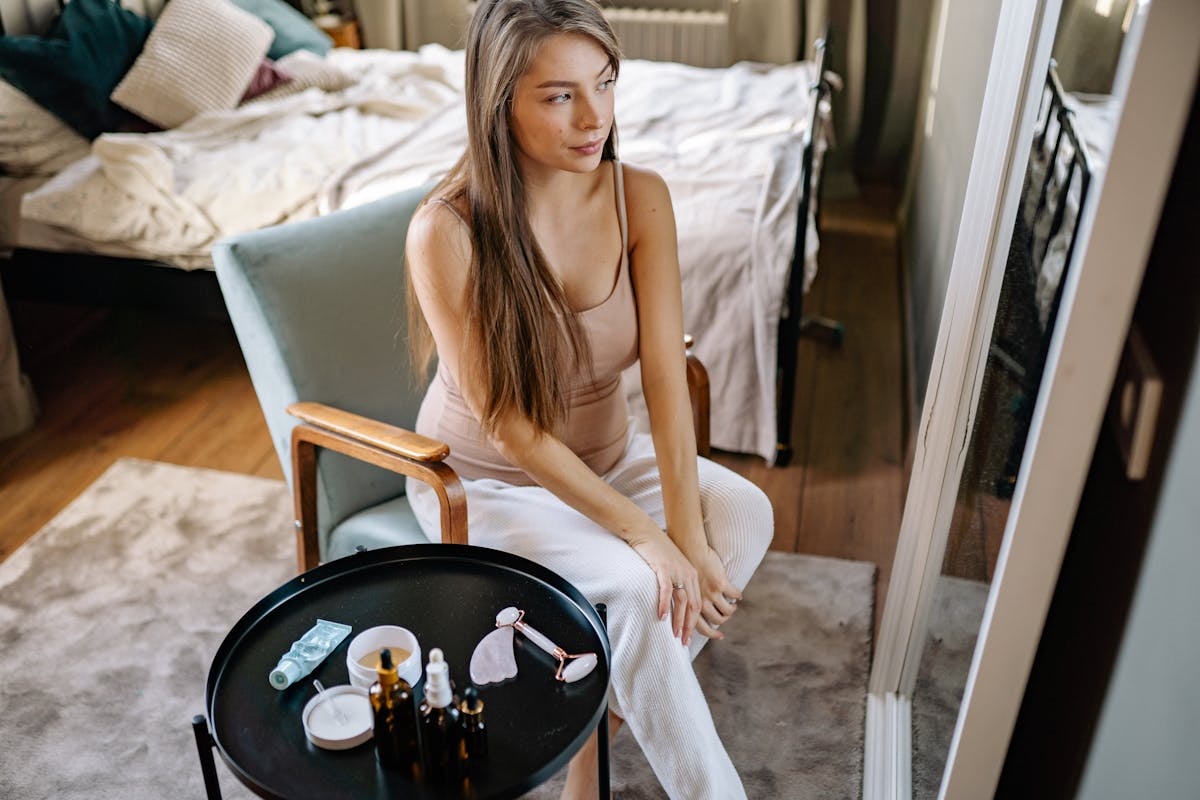
There is something profound about turning a camera toward your own experience — about deciding that what you’re going through is worth witnessing, worth framing, worth preserving. Documenting a fertility journey through photography is not about making it look beautiful or Instagram-ready. It’s about saying: this moment, however hard, is real, and I am here, and that matters.
Photography as a Form of Witnessing
In therapeutic contexts, photography — or photo therapy — is used as a way of externalizing and processing internal experience. When you photograph an aspect of your fertility journey, you’re creating distance from it, moving from pure immersion in the experience to a position of observer. That shift in perspective, however small, can change your relationship to the experience and make it feel slightly more processable. You’re not just going through it; you’re also witnessing yourself going through it.
The fertility journey generates a surprising number of visually specific moments that deserve documentation: the careful arrangement of supplements on a counter, the stack of journals filling up, the window you stared out of during the two-week wait, the test kit on the bathroom tile. These mundane images hold enormous meaning when gathered over time, and they become a visual record of a period of life that was genuinely significant.
Starting a Fertility Documentary Practice
You don’t need an expensive camera to document your fertility journey. A smartphone camera is entirely sufficient. What matters is the intention behind the image — the deliberate act of turning your attention toward your experience and deciding it’s worth capturing. A simple starting practice: at the end of each cycle, take one photograph that represents something true about where you are. It can be a self-portrait, an object, a place. Over time, these images accumulate into a documentary of extraordinary emotional depth.
Some people choose to photograph only the difficult moments; others document a wider range — the ordinary days, the moments of joy and connection that happen alongside the struggle. Both approaches have value. A documentary that includes the full range of experience — not just the hardest parts — tends to feel more true to life over time, and more affirming of the resilience that existed alongside the difficulty.
Privacy and Boundaries Around Your Visual Story
One question worth considering before beginning a photo documentary is how private it will remain. Some people keep their images entirely private; others share them selectively with support people; others eventually choose to share publicly as a way of contributing to the broader conversation about fertility. None of these choices is wrong. What matters is making them consciously, rather than sharing in ways you later regret or keeping your images too locked up to actually revisit and benefit from them.
The Images You’ll Be Most Grateful For
The images that tend to become most precious over time are not the aesthetically polished ones but the honest ones — the ones that captured something true about a specific moment in the journey. A face that shows exactly how you felt. A corner of your home that held significant emotional weight during this period. Your own hands in a specific moment that contained enormous meaning. These images, gathered over time, become a form of evidence: evidence that you were here, that you felt everything, that you lived this fully and bravely.
For a complete at-home insemination solution, the MakeAmom Babymaker Kit includes everything you need for a properly timed, sterile ICI cycle.
Further reading across our network: MakeAmom.com · Mosie.baby
This article is for educational purposes only and does not constitute medical advice. Always consult a qualified healthcare provider before making decisions about your fertility care.