Breaking Down the Taboo: At-Home Conception and Its Growing Popularity
In recent years, there has been a growing trend towards at-home conception, where couples use various methods and techniques to conceive a child in the comfort and privacy of their own home. While this may seem like a taboo topic, the truth is that at-home conception is becoming increasingly popular and is breaking down the barriers surrounding traditional methods of conception. In this blog post, we will explore the reasons behind the rise in at-home conception, the methods and techniques being used, and the potential benefits and drawbacks of this trend.
The Shift Towards At-Home Conception
Traditionally, couples who were struggling with fertility issues or wanted to start a family would turn to fertility clinics and assisted reproductive technologies (ARTs) such as in vitro fertilization (IVF). However, in recent years, there has been a shift towards at-home conception, with couples opting for a more natural and intimate approach to starting a family. This shift can be attributed to several factors, including the rising costs of fertility treatments and the desire for a more personalized and private experience.
One of the main reasons for the rise in at-home conception is the high cost of fertility treatments. According to the American Society for Reproductive Medicine, the average cost of a single IVF cycle in the United States is around $12,000, with additional costs for medications, testing, and other procedures. This cost can be a significant barrier for many couples, making at-home conception a more affordable option.
Additionally, many couples are uncomfortable with the idea of undergoing fertility treatments in a clinical setting, which can be impersonal and invasive. At-home conception allows couples to take control of their own fertility journey and create a more intimate and personalized experience.
Methods and Techniques for At-Home Conception
There are several methods and techniques that couples can use for at-home conception, each with its own set of benefits and limitations. One of the most popular methods is natural conception, which involves tracking ovulation and having intercourse during the woman’s fertile window. This method can be done without any medical intervention and is often used by couples who are trying to conceive naturally.

Breaking Down the Taboo: At-Home Conception and Its Growing Popularity
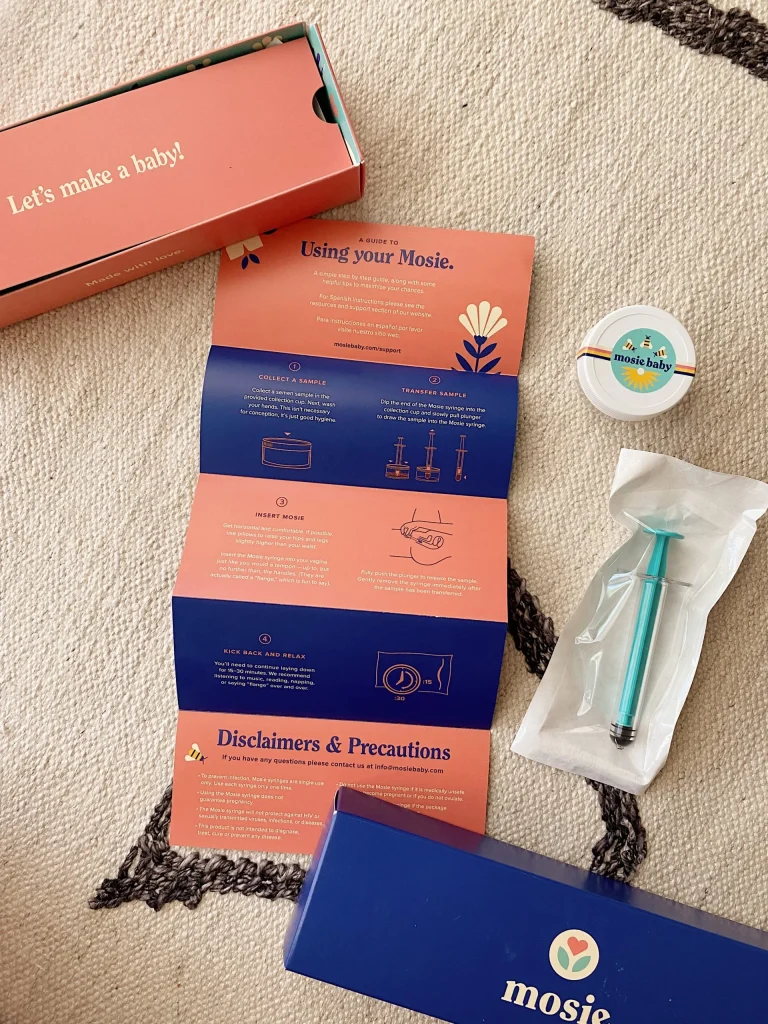
Another technique that has gained popularity is intrauterine insemination (IUI), where the sperm is inserted into the woman’s uterus using a catheter. This can be done at home with a kit that includes a syringe, catheter, and sperm sample, or in a clinical setting with the help of a healthcare professional. IUI is a more affordable option compared to IVF and can also be used by same-sex couples or single parents.
Some couples also opt for at-home IVF, where the entire IVF process is done at home with the help of a fertility specialist who provides guidance and monitoring remotely. This method is gaining popularity due to its lower cost and the ability to have a more hands-on approach to the process.
The Benefits and Drawbacks of At-Home Conception
One of the main benefits of at-home conception is the cost savings. As mentioned earlier, fertility treatments can be expensive, and at-home methods can be a more affordable option for couples who are struggling with fertility issues. Additionally, at-home conception allows for a more personalized and private experience, which can be appealing to some couples.
However, there are also some potential drawbacks to at-home conception. One of the main concerns is the lack of medical supervision and monitoring. Fertility treatments can be complex and require careful monitoring by healthcare professionals to ensure the best chances of success. Without this monitoring, there is a risk of complications or unsuccessful outcomes.
Another concern is the potential for at-home conception to perpetuate unrealistic expectations and place pressure on couples to conceive quickly. The natural conception process can take time, and at-home methods may not always be successful, leading to disappointment and frustration.
In Summary
At-home conception is a growing trend that is breaking down the taboo surrounding traditional methods of conception. This shift can be attributed to factors such as the high cost of fertility treatments and the desire for a more personalized and private experience. Couples have access to various methods and techniques for at-home conception, each with its own set of benefits and drawbacks. While at-home conception can be a more affordable and intimate option for starting a family, it is essential to consider the potential risks and limitations before embarking on this journey.