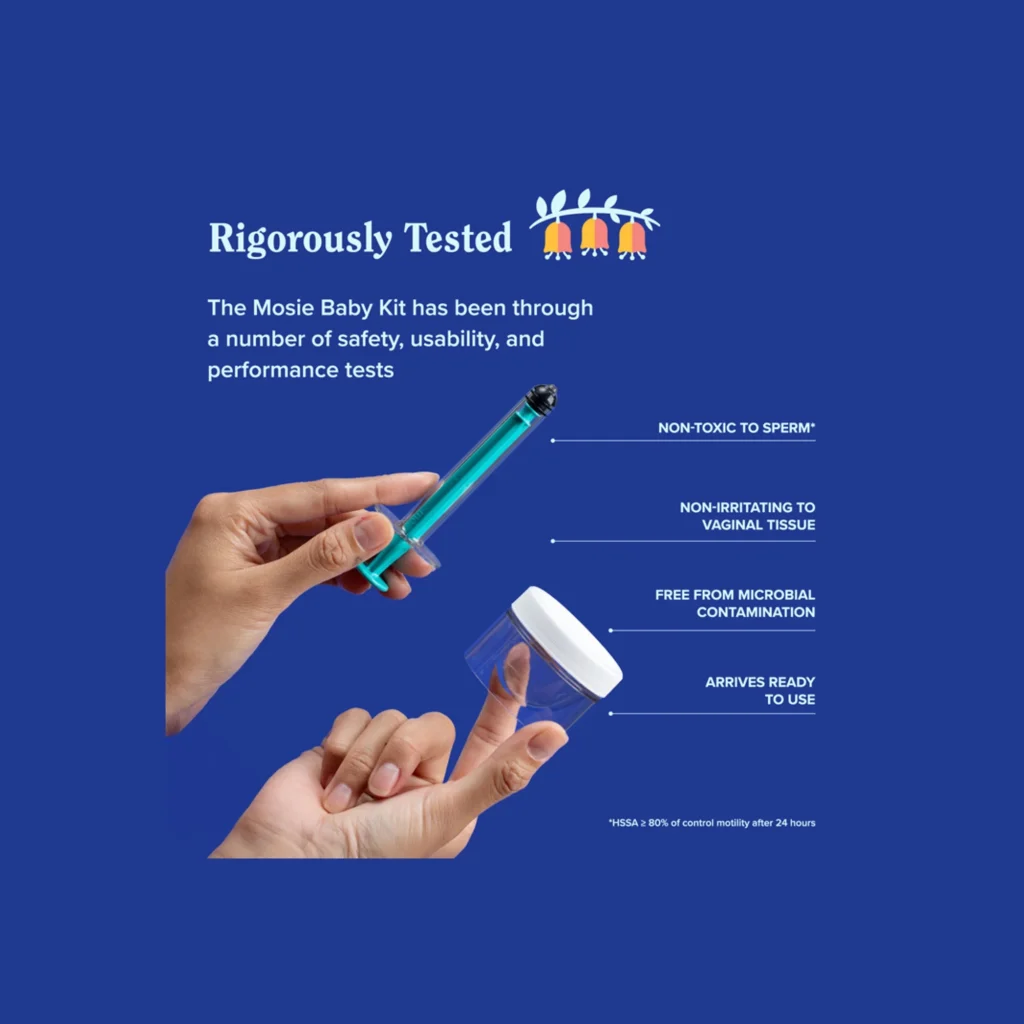
At-home insemination with the syringe method is becoming an increasingly popular option for individuals and couples who are trying to conceive. It offers a more affordable and private alternative to traditional methods, such as intrauterine insemination (IUI) or in vitro fertilization (IVF). However, before embarking on this journey, there are several important things that you need to know about at-home insemination with the syringe method.
1. It is important to consult with a doctor or fertility specialist before starting the process. Although at-home insemination with the syringe method may seem straightforward, it is still a medical procedure that should be approached with caution. A doctor can assess your health and fertility and provide guidance on the best methods for you.
2. Understanding your ovulation cycle is crucial. Unlike traditional methods where the timing is controlled by a fertility specialist, at-home insemination relies on natural ovulation. Therefore, it is important to track your ovulation cycle using methods such as ovulation predictor kits or basal body temperature charting. This will ensure that you are attempting insemination during your most fertile days.
3. Quality sperm is essential for successful insemination. Whether you are using a sperm donor or your partner’s sperm, it is important to ensure that it is of good quality. This includes having a high sperm count and motility. If using a sperm donor, make sure to use a reputable and trustworthy sperm bank.

Things You Need to Know About At-Home Insemination with the Syringe Method
4. The syringe method requires proper preparation. Before insemination, the sperm needs to be collected and prepared in a sterile environment. This can be done at home with a sperm collection kit or at a fertility clinic. It is important to follow the instructions carefully to avoid contamination and decrease the chances of success.
5. The syringe method involves inserting the sperm into the vagina near the cervix. This can be done with a sterile syringe or a cervical cap. It is crucial to insert the sperm as close to the cervix as possible to increase the chances of conception. It is recommended to lie down for at least 15-20 minutes after insemination to allow the sperm to travel towards the cervix.
6. Patience and persistence are key. At-home insemination with the syringe method may not work on the first try, and it may take several cycles before achieving a successful pregnancy. It is important to not get discouraged and continue trying.
7. There are potential risks and complications associated with at-home insemination. These include infections, allergic reactions, and the risk of transferring sexually transmitted infections (STIs) from a sperm donor. It is important to take precautions, such as using sterile equipment and practicing safe sex, to minimize these risks.
In summary, at-home insemination with the syringe method can be a viable option for those trying to conceive, but it is important to approach it with caution and proper preparation. Consulting with a doctor, understanding your ovulation cycle, using quality sperm, proper preparation, correct insertion of sperm, patience, and being aware of potential risks are all crucial factors to consider. With the right approach and mindset, at-home insemination with the syringe method can offer a more affordable and private way for individuals and couples to achieve their dream of starting a family.