Tag: support groups

  • Navigating Fertility Treatments with Low Cervical Mucus Levels

    Navigating Fertility Treatments with Low Cervical Mucus Levels

    Fertility treatments can be a daunting and emotionally taxing journey for couples struggling to conceive. And for those facing the added challenge of low cervical mucus levels, the journey can feel even more overwhelming. Cervical mucus is a vital component in the process of fertilization, as it helps sperm travel through the cervix and into the uterus. Without enough of this essential fluid, the chances of conception decrease significantly. However, with the right knowledge and support, navigating fertility treatments with low cervical mucus levels can become a more manageable and successful experience. In this blog post, we will explore what low cervical mucus levels mean, their impact on fertility treatments, and strategies for increasing cervical mucus levels to improve the chances of conception.

    Understanding Low Cervical Mucus Levels

    Cervical mucus is produced by the cells in the cervix and is present throughout the menstrual cycle. It serves as a protective barrier for the uterus and helps filter out any harmful bacteria or viruses. As a woman approaches ovulation, her cervical mucus changes in consistency and becomes thinner, clearer, and more stretchy. This fertile cervical mucus is essential for sperm to travel through the cervix and into the uterus, where fertilization can occur.

    Low cervical mucus levels refer to a lack of or insufficient amount of fertile cervical mucus during the ovulation phase. This can be caused by various factors, including hormonal imbalances, medication, age, and certain medical conditions. It can also be a side effect of fertility treatments such as intrauterine insemination (IUI) or in vitro fertilization (IVF).

    Impact on Fertility Treatments

    For couples undergoing fertility treatments, low cervical mucus levels can significantly impact the chances of conception. Without enough fertile cervical mucus, sperm may not be able to reach the egg, making fertilization impossible. This can lead to multiple failed attempts at IUI or IVF, causing frustration, disappointment, and emotional distress for the couple.

    In addition, low cervical mucus levels can also affect the quality of the sperm. The acidic environment of the vagina can kill sperm, and fertile cervical mucus helps neutralize this acidity. Without enough fertile mucus, the sperm may not survive long enough to reach the egg, further decreasing the chances of conception.

    Strategies for Increasing Cervical Mucus Levels

    Fortunately, there are several ways to increase cervical mucus levels and improve the chances of successful fertility treatments. Here are some strategies to consider:

    comparison of Mosie syringe opening versus standard syringe opening with text highlighting benefits

    Navigating Fertility Treatments with Low Cervical Mucus Levels

    1. Stay Hydrated: Drinking plenty of water and staying hydrated is crucial for producing fertile cervical mucus. Dehydration can lead to thicker and stickier mucus, making it challenging for sperm to travel through.

    2. Take Supplements: Certain supplements, such as evening primrose oil and guaifenesin, can help increase cervical mucus production. These supplements work by thinning out mucus and making it more fertile for sperm to travel through.

    3. Avoid Caffeine and Alcohol: Caffeine and alcohol can dehydrate the body, making it difficult to produce enough fertile cervical mucus. It is best to limit or avoid these substances when trying to conceive.

    4. Use Pre-Seed Lubricant: Regular lubricants can be harmful to sperm and may decrease cervical mucus production. Using a fertility-friendly lubricant, such as Pre-Seed, can help mimic the consistency and pH of fertile cervical mucus, making it easier for sperm to survive and travel through.

    5. Consider Acupuncture: Acupuncture has been shown to improve cervical mucus production by stimulating blood flow to the reproductive organs. It can also help regulate hormones and reduce stress, which can also impact cervical mucus levels.

    Seeking Support and Guidance

    Navigating fertility treatments with low cervical mucus levels can be a challenging and emotional experience. It is essential to seek support and guidance from medical professionals and support groups. A fertility specialist can help identify the underlying cause of low cervical mucus levels and provide personalized treatment options. Support groups can also provide a safe space to connect with others facing similar challenges and share tips and strategies for coping with low cervical mucus levels.

    In conclusion, low cervical mucus levels can pose a significant barrier to successful fertility treatments. However, with the right knowledge, strategies, and support, couples can increase their chances of conception and navigate the journey with more hope and confidence. Remember to stay hydrated, consider supplements, avoid harmful substances, and seek support and guidance from medical professionals and support groups. With perseverance and determination, couples can overcome the challenges of low cervical mucus levels and realize their dream of starting a family.

    Summary:

    Fertility treatments can be challenging, and for couples with low cervical mucus levels, the journey can be even more daunting. Cervical mucus is essential for fertilization, and without enough of it, the chances of conception decrease significantly. In this blog post, we discussed what low cervical mucus levels mean, their impact on fertility treatments, and strategies for increasing cervical mucus levels. These include staying hydrated, taking supplements, avoiding caffeine and alcohol, using fertility-friendly lubricants, and considering acupuncture. Seeking support and guidance from medical professionals and support groups is also crucial in navigating fertility treatments with low cervical mucus levels. With perseverance and determination, couples can overcome this challenge and achieve their dream of starting a family.

  • The Journey to Parenthood: Kelly and Jason’s Inspiring Story

    As couples embark on the journey to parenthood, they often face many challenges and obstacles along the way. For Kelly and Jason, their story of trying to conceive was no different. However, their journey was filled with determination, hope, and resilience, ultimately leading them to the joy of parenthood.

    The couple had always dreamed of starting a family, and after getting married, they decided it was time to start trying. Unfortunately, after months of trying, they were met with disappointment and frustration as they were unable to conceive. Kelly and Jason sought out medical advice and were diagnosed with infertility. This was a devastating blow to their plans of having a family, but they refused to give up.

    Kelly and Jason began the expensive and emotionally draining process of fertility treatments. They underwent numerous procedures, including intrauterine insemination (IUI) and in vitro fertilization (IVF). With each failed attempt, their hope dwindled, and they were faced with difficult decisions, such as whether or not to continue with treatments.

    Despite the challenges, Kelly and Jason persevered. They leaned on each other for support and found comfort in their faith. They also reached out to a support group for couples going through similar struggles, which provided them with a sense of community and understanding.

    Smiling baby in a blue onesie with "made with Love" text, lying on a light blue crocheted blanket.

    The Journey to Parenthood: Kelly and Jason's Inspiring Story

    After multiple rounds of IVF, Kelly and Jason finally received the news they had been waiting for – they were pregnant! Their journey to parenthood had been long and difficult, but it had all been worth it. The couple welcomed a healthy baby boy, and their hearts were filled with overwhelming love and joy.

    But their journey did not end there. As new parents, Kelly and Jason faced a whole new set of challenges. They had to navigate through sleepless nights, feeding schedules, and the constant worry that comes with being a parent. However, they were grateful for every moment and embraced the ups and downs of parenthood.

    Looking back on their journey, Kelly and Jason realized that it had brought them closer together as a couple. They had learned to communicate better, support each other through difficult times, and appreciate the small blessings in life. They also gained a newfound appreciation for the miracle of life and the strength of the human spirit.

    Kelly and Jason’s story serves as an inspiration to many couples who are struggling to conceive. Their determination, love, and resilience show that even in the face of adversity, anything is possible. Their journey to parenthood was not an easy one, but it was a testament to their unwavering love and commitment to each other.

    In conclusion, the journey to parenthood is a unique and personal experience for every couple. It is often filled with challenges and obstacles, but for Kelly and Jason, it was a journey that ultimately led them to the greatest joy of their lives – their son. Their story is a reminder that with perseverance, hope, and love, anything is possible.

  • Navigating At-Home Insemination with Mosiebaby: Grace and Josh’s Tips and Tricks

    Navigating At-Home Insemination with Mosiebaby: Grace and Josh’s Tips and Tricks

    For couples or individuals who are trying to conceive, at-home insemination can be a convenient and cost-effective option. However, it can also be a daunting process, especially for first-timers. That’s where Mosiebaby comes in – a revolutionary syringe designed specifically for at-home insemination. Grace and Josh, a couple who successfully used Mosiebaby to conceive, share their tips and tricks for navigating at-home insemination with Mosiebaby.

    1. Understand the basics of at-home insemination

    Before diving into the process, it’s important to understand the basics of at-home insemination. This method involves placing sperm into the vagina or cervix using a tool, such as a syringe, instead of traditional intercourse. It can be used by same-sex couples, single individuals, or heterosexual couples struggling with fertility issues. It’s important to note that at-home insemination does not guarantee pregnancy, and it’s always best to consult with a healthcare provider before attempting it.

    2. Choose the right tools

    One of the most critical aspects of successful at-home insemination is choosing the right tools. This is where Mosiebaby comes in – a specially designed syringe that allows for easy and comfortable insertion of sperm into the vagina. Unlike traditional syringes, Mosiebaby’s soft, flexible tip reduces the risk of injury and discomfort. Grace and Josh found Mosiebaby to be a game-changer in their journey to conceive. They recommend purchasing the Mosie Conception Kit, which includes everything you need for at-home insemination, including two Mosie syringes, ovulation strips, and pregnancy tests.

    3. Track your ovulation cycle

    Timing is crucial when it comes to at-home insemination. Grace and Josh stress the importance of tracking your ovulation cycle to increase the chances of success. This can be done through various methods, such as using ovulation prediction kits, tracking basal body temperature, or monitoring cervical mucus changes. Knowing when you are ovulating will help you determine the best time to inseminate.

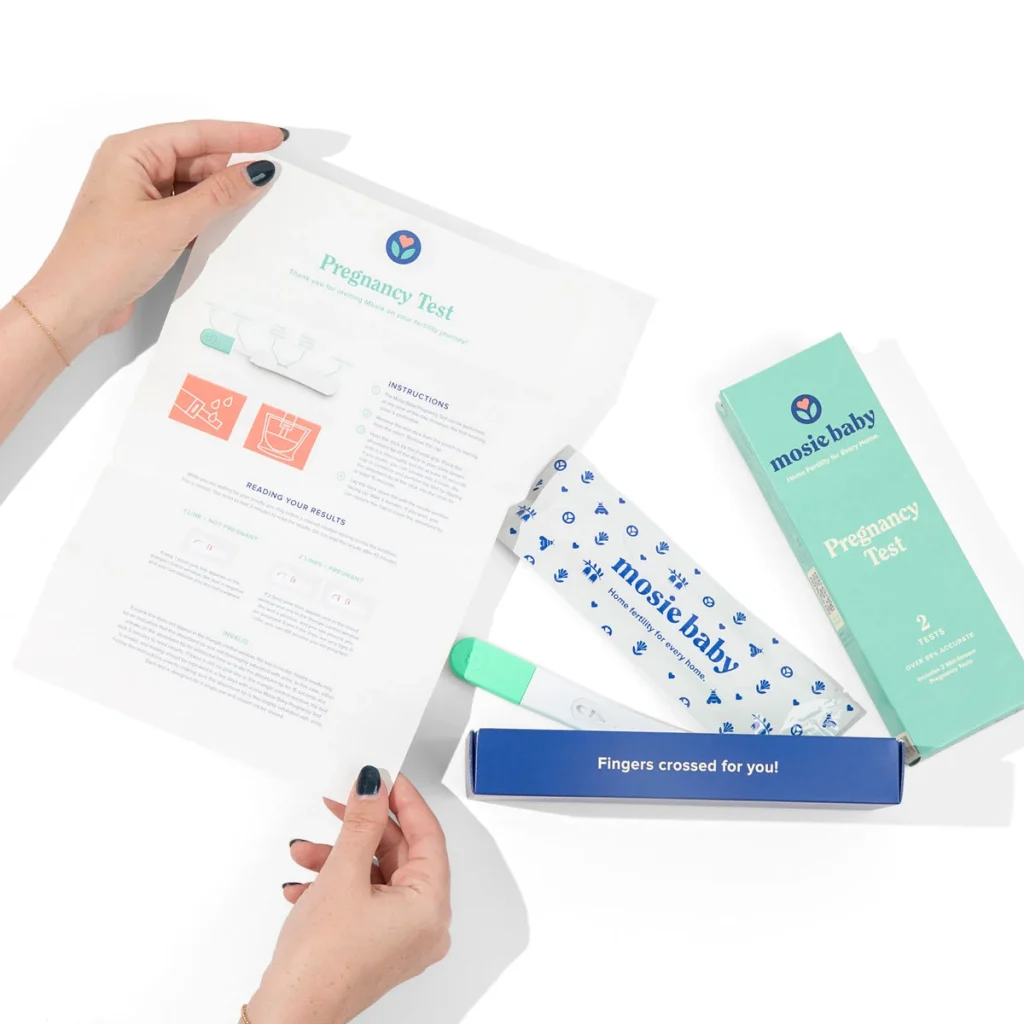
    pregnancy test kit with instructions, test device, and packaging on a white background

    Navigating At-Home Insemination with Mosiebaby: Grace and Josh's Tips and Tricks

    4. Create a comfortable and relaxing environment

    At-home insemination can be a nerve-wracking process, but creating a comfortable and relaxing environment can help ease the tension. Grace and Josh suggest dimming the lights, playing soft music, and using essential oils to create a calming ambiance. It’s also essential to communicate with your partner and express any concerns or fears you may have. A supportive and understanding partner can make a significant difference in the process.

    5. Practice proper hygiene and technique

    Maintaining proper hygiene and following the correct technique are crucial for successful at-home insemination. Grace and Josh recommend thoroughly washing your hands and using sterile equipment, such as Mosiebaby syringes, to avoid any risk of infection. It’s also important to follow the instructions provided in the Mosie Conception Kit carefully. Grace and Josh found that practicing a few times before their actual insemination helped them feel more confident and comfortable with the process.

    6. Stay positive and patient

    The journey to conceiving can be emotionally draining, and it’s important to stay positive and patient throughout the process. Grace and Josh emphasize the importance of having a positive mindset and not getting discouraged if you don’t see immediate results. It may take a few tries before you achieve success, and it’s essential to be patient and keep trying.

    7. Seek support and advice

    Navigating at-home insemination can be overwhelming, and it’s crucial to seek support and advice from others who have gone through a similar experience. Grace and Josh found comfort in joining online support groups for individuals trying to conceive using Mosiebaby. These groups allowed them to share their thoughts, concerns, and successes with others who understood their journey.

    In conclusion, at-home insemination with Mosiebaby can be an effective and convenient option for individuals or couples trying to conceive. By understanding the basics, choosing the right tools, tracking ovulation, creating a comfortable environment, practicing proper hygiene and technique, staying positive and patient, and seeking support and advice, you can navigate at-home insemination successfully. With Grace and Josh’s tips and tricks, you can feel more confident and prepared for your journey to conception with Mosiebaby.

  • Syringe Insemination and Acupuncture: A Holistic Approach to Conception

    Blog Post: Syringe Insemination and Acupuncture: A Holistic Approach to Conception

    Conceiving a child is often thought of as a natural and easy process, but for many couples, it can be a challenging journey. Infertility affects approximately 1 in 8 couples worldwide, and the emotional and physical toll it can take is immense. In recent years, there has been a growing interest in alternative and holistic approaches to conception, and two methods that have gained traction are syringe insemination and acupuncture. These two techniques may seem unrelated, but when used together, they can offer a powerful and holistic approach to fertility.

    What is Syringe Insemination?

    Syringe insemination, also known as artificial insemination or intrauterine insemination (IUI), is a simple and non-invasive procedure used to help couples conceive. During the procedure, a thin, flexible catheter is used to deposit sperm directly into the uterus, bypassing the cervix. This allows for a higher concentration of sperm to reach the fallopian tubes and increases the chances of fertilization.

    Syringe insemination is often recommended for couples who have been trying to conceive for over a year with no success, have unexplained infertility, or have issues with ovulation. It can also be used for same-sex couples or single women who wish to become pregnant.

    What is Acupuncture?

    Acupuncture is a form of traditional Chinese medicine that involves inserting thin needles into specific points on the body to stimulate energy flow and promote healing. It has been used for centuries to treat a variety of conditions, including infertility. In recent years, acupuncture has gained popularity as a complementary therapy for fertility treatments.

    Acupuncture is believed to help with fertility by improving blood flow to the reproductive organs, balancing hormones, and reducing stress and anxiety. It can also help to regulate the menstrual cycle and improve the quality of eggs and sperm.

    How Syringe Insemination and Acupuncture Work Together

    On their own, syringe insemination and acupuncture can both be effective in treating infertility. But when used together, they can offer a more comprehensive and holistic approach to conception.

    Firstly, syringe insemination can be timed to coincide with a woman’s ovulation, which is crucial for successful fertilization. Acupuncture can help with this timing by regulating the menstrual cycle and promoting ovulation. By using acupuncture before and after the insemination procedure, the chances of conception can be increased.

    Mosie Baby Kit features a syringe and container, highlighting safety and usability tests on a blue background.

    Syringe Insemination and Acupuncture: A Holistic Approach to Conception

    Acupuncture can also help to improve the quality of eggs and sperm. A study published in the journal Fertility and Sterility found that acupuncture can increase blood flow to the ovaries and uterus, which can improve the quality of eggs and the thickness of the uterine lining. In men, acupuncture has been found to increase sperm count, motility, and morphology, all of which are essential for successful fertilization.

    In addition to physical benefits, acupuncture can also help to reduce stress and anxiety, which can have a significant impact on fertility. The pressure to conceive can often cause stress and tension in couples, which can negatively affect their chances of getting pregnant. Acupuncture can help to reduce stress by promoting relaxation and improving overall emotional well-being.

    Syringe insemination and acupuncture can also work together to address any underlying health issues that may be affecting fertility. Acupuncture can help to regulate hormone levels and improve overall reproductive health, while syringe insemination can address any structural issues, such as blocked fallopian tubes or low sperm count.

    The Role of Diet and Lifestyle in Conception

    In addition to syringe insemination and acupuncture, diet and lifestyle also play a crucial role in fertility. A healthy and balanced diet can improve overall health and fertility, while certain foods can also have a direct impact on reproductive health. For example, incorporating foods rich in antioxidants, such as berries and leafy greens, can help to improve egg and sperm quality.

    Lifestyle factors such as smoking, excessive alcohol consumption, and stress can also have a significant impact on fertility. Acupuncture can help to reduce stress, and couples can work with a nutritionist to develop a healthy diet and make lifestyle changes that can improve their chances of conceiving.

    Incorporating Mindfulness and Support

    The journey to conception can be emotionally and mentally draining for couples. It is essential to incorporate mindfulness techniques and seek support during this time. Acupuncture can promote relaxation and reduce stress, and it can also be an opportunity for couples to bond and support each other.

    Many acupuncture clinics also offer support groups and resources for couples struggling with fertility. These groups can provide a safe space for couples to share their experiences and offer support and guidance to one another.

    Summary:

    Syringe insemination and acupuncture are two methods that can help couples conceive when used together. Syringe insemination involves depositing sperm directly into the uterus, while acupuncture involves inserting thin needles into specific points on the body to promote healing and balance. Together, these techniques can improve ovulation, sperm and egg quality, reduce stress, and address underlying health issues. A healthy diet and lifestyle, as well as mindfulness techniques and support, can also play a crucial role in the holistic approach to conception.

  • The Journey to Parenthood: Navigating Insemination with Syringe Kits

    The Journey to Parenthood: Navigating Insemination with Syringe Kits

    Parenthood is a journey that is often filled with excitement, anticipation, and love. For many couples and individuals, the journey to parenthood may involve insemination, a process where sperm is placed inside the uterus to increase the chances of conception. While the traditional route to insemination involves a doctor’s office or fertility clinic, many people are now turning to at-home insemination using syringe kits. In this blog post, we will explore the journey to parenthood through the lens of using syringe kits for insemination.

    The Decision to Use Syringe Kits for Insemination

    The decision to use syringe kits for insemination is a personal one, and it may be influenced by a variety of factors. Some individuals or couples may prefer the convenience and privacy of at-home insemination, while others may find it to be a more affordable option compared to traditional methods. Whatever the reason may be, it is essential to do thorough research and consult with a healthcare provider before making the decision to use syringe kits for insemination.

    Understanding the Process of Insemination with Syringe Kits

    Insemination with syringe kits involves collecting sperm from a donor, either through a sperm bank or a known donor, and using a syringe to insert it into the cervix or uterus. The process may sound simple, but there are important steps that need to be followed to increase the chances of conception. First, it is important to track ovulation and make sure that the sperm is inserted during the most fertile window. This can be done through ovulation predictor kits or tracking basal body temperature. Next, the sperm should be collected and placed into the syringe, making sure to follow proper hygiene and handling procedures to ensure the sperm’s viability. Finally, the syringe should be inserted into the cervix or uterus, and the sperm should be released slowly to allow it to travel to the egg.

    various medical supplies and containers organized in a clear plastic box on a wooden surface

    The Journey to Parenthood: Navigating Insemination with Syringe Kits

    The Importance of Proper Preparation and Timing

    One of the most critical factors for successful insemination with syringe kits is proper preparation and timing. As mentioned earlier, tracking ovulation is crucial to ensure that the sperm is inserted during the most fertile window. Additionally, it is crucial to prepare the body for insemination by abstaining from sexual intercourse for two to three days before and after the procedure. This allows the sperm to build up and increases the chances of conception. It is also essential to have a clean and comfortable environment for the insemination process, as this can help reduce stress and increase the chances of success.

    Navigating the Emotional Rollercoaster

    The journey to parenthood is not just a physical one but an emotional one as well. For those using syringe kits for insemination, it can be a rollercoaster of emotions. There may be feelings of excitement, hope, and anticipation, but there may also be feelings of anxiety, disappointment, and frustration if the first attempt is not successful. It is crucial to have a support system in place, whether it be a partner, family, or friends, to help navigate the ups and downs of the journey. Talking to a therapist or joining support groups can also be helpful in managing emotions and finding a sense of community with others going through a similar experience.

    The Importance of Patience and Persistence

    Insemination with syringe kits is not a guaranteed method of conception, and it may take multiple attempts for success. It is essential to have patience and not become discouraged if the first attempt is not successful. It may take time for the body to adjust to the process, and it may also take time to find the right timing and method that works best for each individual or couple. It is crucial to remember that everyone’s journey to parenthood is unique, and what may work for some may not work for others. With patience and persistence, the journey to parenthood with syringe kits can be a rewarding one.

    In conclusion, the journey to parenthood through insemination with syringe kits is a personal and emotional one. It requires proper preparation, timing, and persistence, but it can also be a rewarding experience for those who choose this path. Whether it is due to convenience, affordability, or personal preference, using syringe kits for insemination can be a viable option for those looking to start or expand their family.

  • The Connection Between Insemination Syringe Solutions and Modern Parenthood Prep

    The Connection Between Insemination Syringe Solutions and Modern Parenthood Prep

    In recent years, there has been a significant increase in the use of insemination syringe solutions for fertility treatments and assisted reproduction. These syringe solutions have become an integral part of modern parenthood preparation, as many couples and individuals turn to them for a more accessible and affordable way to start a family. In this blog post, we will explore the connection between insemination syringe solutions and modern parenthood prep, and how they are revolutionizing the way people approach family planning.

    The Rise of Insemination Syringe Solutions

    Insemination syringe solutions, also known as artificial insemination or intrauterine insemination (IUI), involve the placement of washed and concentrated sperm directly into the uterus. This method is often used for couples struggling with infertility, same-sex couples, and single individuals who want to conceive. It is a less invasive and more cost-effective alternative to in vitro fertilization (IVF).

    In recent years, the demand for insemination syringe solutions has increased significantly. This can be attributed to several factors, including the rising costs of IVF, the increase in LGBTQ+ parenting, and the advancements in reproductive technology. As a result, more and more fertility clinics and healthcare providers are offering insemination syringe solutions as part of their services.

    Accessibility and Affordability

    One of the main reasons insemination syringe solutions have become a popular choice for modern parenthood prep is its accessibility and affordability. Unlike IVF, which can cost tens of thousands of dollars, IUI is a much more affordable option, with an average cost of around $500 to $1,000 per cycle. This makes it a more viable option for couples and individuals who may not have the financial means to pursue IVF.

    Moreover, the procedure is relatively simple and can be performed in a doctor’s office or at home with the use of an insemination kit. This allows more people to have control over their fertility journey and eliminates the need for expensive and time-consuming hospital visits.

    Privacy and Control

    two teal and clear syringes positioned on a white background

    The Connection Between Insemination Syringe Solutions and Modern Parenthood Prep

    Insemination syringe solutions also offer a level of privacy and control that many people value. Unlike IVF, which often involves multiple appointments and invasive procedures, IUI can be done discreetly in the comfort of one’s home. This is especially beneficial for those who may not want to share their fertility journey with others or who prefer to keep it private.

    Additionally, the use of insemination syringe solutions allows individuals to have more control over their reproductive choices. They can choose their preferred donor, whether it be a known donor or from a sperm bank, and have more say in the timing and frequency of the insemination process.

    The Role of Technology

    Technology has played a significant role in the rise of insemination syringe solutions and its connection to modern parenthood prep. With the development of fertility apps, individuals can track their ovulation and plan their insemination cycles accordingly. These apps also provide resources and support for those going through the insemination process, making it more manageable and less daunting.

    Moreover, the use of fertility monitors and at-home insemination kits has made the process much more convenient and accessible. These tools allow individuals to perform the insemination procedure at home, without the need for a healthcare provider’s assistance. This further empowers individuals and gives them more control over their fertility journey.

    The Importance of Education and Support

    While insemination syringe solutions have become a popular option for modern parenthood prep, it is essential to note the importance of education and support in this process. It is crucial for individuals to have a thorough understanding of the procedure, its success rates, and any potential risks involved. This is where healthcare providers and fertility clinics play a crucial role in providing accurate information and support to those considering insemination syringe solutions.

    Additionally, support groups and online communities have also become a valuable resource for individuals going through the insemination process. These groups provide a safe space for people to share their experiences, ask questions, and receive support from others who are on a similar journey.

    In conclusion, insemination syringe solutions have become a vital part of modern parenthood prep, offering accessibility, affordability, privacy, and control to individuals and couples looking to start a family. With the advancements in reproductive technology and the growing acceptance of diverse family structures, it is likely that the use of insemination syringe solutions will continue to increase in the years to come.

  • From Fear to Empowerment: Overcoming Anxiety with Syringe Insemination

    Blog Post:

    Anxiety is a common and often debilitating mental health issue that affects millions of people worldwide. It can manifest in various forms, such as social anxiety, generalized anxiety disorder, panic attacks, and phobias. While there are many treatment options available, one unique and effective method that has gained popularity in recent years is syringe insemination.

    In this blog post, we will explore the journey from fear to empowerment through syringe insemination and how it can help individuals overcome anxiety.

    Understanding Syringe Insemination

    Syringe insemination is a process where a small amount of sperm is collected and inserted into the uterus using a syringe. This method is often used as an alternative to traditional medical procedures, such as in vitro fertilization (IVF), for couples struggling with infertility.

    However, syringe insemination has also been found to have benefits beyond fertility. Research has shown that the process can help individuals struggling with anxiety disorders.

    The Role of Anxiety in Infertility

    Infertility is a significant source of stress and anxiety for many couples. The pressure to conceive can create a cycle of fear and worry, leading to more stress, which can, in turn, affect fertility. This vicious cycle can be challenging to break, and traditional medical procedures may not be an option for everyone.

    Syringe insemination offers a less invasive and more affordable alternative for those struggling with infertility. It can also help reduce the anxiety and stress associated with trying to conceive, making it a viable option for many couples.

    Syringe Insemination and Anxiety Relief

    The process of syringe insemination can be empowering for individuals dealing with anxiety. It gives them a sense of control over their fertility journey, which can often feel out of their hands.

    The physical act of self-insemination can also have a calming effect on the mind. It allows individuals to focus on the task at hand and take their mind off their worries and fears. This distraction can be beneficial for those struggling with anxiety, as it helps them break the cycle of negative thoughts.

    logo of mosie baby featuring a heart and leaf design in blue, pink, and green colors

    From Fear to Empowerment: Overcoming Anxiety with Syringe Insemination

    Moreover, syringe insemination involves a more natural and less invasive approach compared to traditional medical procedures. The use of medication and invasive procedures can be triggering for individuals with anxiety, making syringe insemination a more comfortable and empowering option.

    Overcoming Fear and Building Confidence

    One of the biggest obstacles in overcoming anxiety is facing fears head-on and learning to manage them effectively. Syringe insemination can be a powerful tool in this journey. By taking control of the insemination process, individuals can confront their fears and build confidence in their ability to manage them.

    The process of self-insemination may also bring up feelings of vulnerability and fear of failure. However, it provides an opportunity for individuals to work through these emotions and come out stronger on the other side. This sense of empowerment can have a significant impact on an individual’s overall mental well-being.

    Seeking Support and Building a Community

    Embarking on the journey of syringe insemination can be a daunting experience, especially for those struggling with anxiety. However, it is essential to remember that you are not alone. Many individuals have gone through or are going through a similar experience, and having a support system can make all the difference.

    There are various online communities and support groups for individuals considering or going through syringe insemination. These groups can provide a safe space to share experiences, ask questions, and offer support and encouragement to one another.

    Moreover, seeking professional help from a therapist or counselor can also be beneficial. They can provide tools and techniques to manage anxiety and offer support throughout the syringe insemination process.

    Moving Forward with Empowerment

    Syringe insemination is a journey of empowerment for individuals struggling with anxiety. It offers a sense of control, distraction from negative thoughts, and an opportunity to confront fears and build confidence. It also provides a more natural and less invasive approach to fertility treatment, making it a viable option for many individuals.

    If you are considering syringe insemination, remember to seek support from online communities and professionals. Take it one step at a time, and focus on the empowerment and positivity that this process can bring.

    In summary, syringe insemination can be a valuable tool in overcoming anxiety. It offers a sense of control, distraction, and empowerment for individuals struggling with anxiety and dealing with infertility. By seeking support and embracing the journey, individuals can move forward with confidence and hope.

  • Insemination Syringe Collection and Pregnancy: What to Expect During the Two-Week Wait

    Blog Post: Insemination Syringe Collection and Pregnancy: What to Expect During the Two-Week Wait

    Insemination is a common method used by couples who are struggling with fertility issues. This process involves collecting sperm and using a syringe to insert it into the vagina or cervix during the woman’s ovulation period. While the procedure may seem simple, the two-week wait after insemination can be an emotionally challenging time for couples. In this blog post, we will discuss what to expect during the two-week wait and how to cope with the anxieties and uncertainties that come with it.

    What is Insemination Syringe Collection?

    Insemination syringe collection is the process of collecting sperm from the male partner and inserting it into the female partner’s reproductive tract during ovulation. It is a common method used in intrauterine insemination (IUI) and at-home insemination. The process involves washing and preparing the sperm to increase their chances of fertilizing the egg and then using a syringe to place the sperm directly into the cervix or vagina.

    What to Expect During the Two-Week Wait

    After insemination, the waiting period begins. This two-week wait can feel like an eternity for couples who are eager to start a family. Here are some things you can expect during this time:

    1. Physical Changes: After insemination, you may experience some physical changes due to hormonal fluctuations. Some women may experience mild cramping, bloating, and breast tenderness. These symptoms are normal and may mimic early pregnancy symptoms, making it difficult to determine if they are caused by the procedure or actual pregnancy.

    2. Emotional Rollercoaster: The two-week wait can be an emotional rollercoaster for couples. It is a time filled with hope, anxiety, and uncertainty. You may feel excited and optimistic one moment, and then feel discouraged and doubtful the next. These emotions are normal and can be overwhelming at times.

    3. The Urge to Take a Pregnancy Test: The biggest challenge during the two-week wait is resisting the urge to take a pregnancy test. Many couples find themselves taking multiple tests, even though it is too early to get an accurate result. It is essential to follow your doctor’s instructions and wait for the recommended time before taking a test to avoid false results.

    4. The Impact of Stress: The two-week wait can be a stressful time for couples, and stress can have a significant impact on fertility. It is crucial to find ways to manage stress, such as practicing relaxation techniques, exercising, or talking to a therapist. Keeping a positive mindset can also help reduce stress and anxiety during this time.

    At-home insemination kit with ovulation and pregnancy tests, promoting fertility and family planning.

    Insemination Syringe Collection and Pregnancy: What to Expect During the Two-Week Wait

    5. Support from Your Partner: Going through the two-week wait can be tough, but having a supportive partner can make it more manageable. Lean on each other during this time, and remember to communicate openly about your feelings and fears. Your partner can be a great source of comfort and strength during the waiting period.

    Coping Strategies During the Two-Week Wait

    Here are some coping strategies that can help you get through the two-week wait:

    1. Stay Busy: Keeping yourself busy with work, hobbies, or spending time with loved ones can help distract you from constantly thinking about the waiting period.

    2. Avoid Dr. Google: It can be tempting to turn to Google for answers during the two-week wait, but it is essential to avoid searching for pregnancy symptoms or success stories. This can only add to your anxiety and may not be accurate for your situation.

    3. Reach Out to Support Groups: Talking to others who are going through a similar experience can be comforting and reassuring. Joining support groups or forums can help you connect with others who understand what you are going through.

    4. Practice Self-Care: Take care of yourself during this time by getting enough rest, eating a healthy diet, and engaging in activities that bring you joy. Self-care is essential for both physical and emotional well-being.

    5. Have Realistic Expectations: While you may be hoping for a positive outcome, it is essential to keep realistic expectations. Not all insemination attempts will result in pregnancy, and that is okay. Be prepared for all possible outcomes and remember that you are not alone.

    Summary:

    Insemination syringe collection is a common method used in fertility treatments, and the two-week wait after the procedure can be an emotionally challenging time for couples. During this time, couples may experience physical changes, an emotional rollercoaster, and the urge to take a pregnancy test. To cope with the anxieties and uncertainties that come with the two-week wait, it is essential to stay busy, avoid stress, seek support, practice self-care, and have realistic expectations.

  • The Importance of Privacy: Using Insemination Syringe Kits in the Comfort of Your Home

    Blog Post: The Importance of Privacy: Using Insemination Syringe Kits in the Comfort of Your Home

    Privacy is a fundamental human right that is essential for maintaining our personal autonomy and protecting ourselves from unwanted intrusions. In today’s world, where technology and social media have made it easier for our personal information to be accessed and shared, the need for privacy has become more crucial than ever. This is especially true for individuals who are trying to start a family through alternative methods such as at-home insemination using syringe kits. In this blog post, we will discuss the importance of privacy when it comes to using insemination syringe kits in the comfort of your own home.

    Privacy is a basic human need that allows us to have control over our personal information, including our medical history and reproductive choices. When it comes to fertility and conception, privacy is particularly important as it involves sensitive and personal matters. Many individuals who are trying to conceive through alternative methods, such as at-home insemination, value their privacy and prefer to keep their reproductive journey private. This is where the use of insemination syringe kits comes into play.

    Insemination syringe kits are designed to be used in the comfort and privacy of one’s home. They are available over-the-counter and do not require a prescription, making them easily accessible for those who prefer to keep their fertility journey private. These kits typically include a syringe, a vial containing washed sperm, and instructions on how to use them. The process involves the insertion of the sperm into the vagina using the syringe, mimicking the natural process of conception. This method is not only convenient but also allows individuals to have control over their fertility journey, without the need for invasive medical procedures.

    One of the main reasons individuals choose to use insemination syringe kits at home is to maintain their privacy. Many people feel uncomfortable discussing their fertility struggles with others, even healthcare professionals. This can be due to various reasons, such as cultural or personal beliefs, fear of judgment, or simply wanting to keep personal matters private. By using insemination syringe kits, individuals have the freedom to manage their fertility journey on their own terms, without facing any unwanted scrutiny or judgment.

    at-home insemination kit with syringes, collection cups, and instructions on a pink background

    The Importance of Privacy: Using Insemination Syringe Kits in the Comfort of Your Home

    The privacy of using insemination syringe kits at home also extends to the conception process itself. In traditional medical settings, the process of conception through insemination can be impersonal and often involves multiple healthcare professionals. This can make the experience uncomfortable and intrusive for some individuals. In contrast, using syringe kits at home allows individuals to involve only their partner or a trusted individual in the process, making it more intimate and personal.

    Moreover, using insemination syringe kits at home also eliminates the need for individuals to disclose their fertility struggles to their employers. In many countries, employers have the right to access their employees’ medical information, including fertility-related matters. This can cause added stress and anxiety for individuals who are trying to conceive. By using insemination syringe kits at home, individuals can keep their fertility journey private and avoid any potential discrimination or judgment from their employers.

    In addition to the privacy aspect, using insemination syringe kits at home also has practical benefits. It allows individuals to choose the right time and place for insemination, without having to schedule appointments or travel to medical facilities. This can be particularly helpful for those who have busy schedules or live in remote areas. It also eliminates the need for individuals to take time off work or make childcare arrangements, making the process more convenient and stress-free.

    It is important to note that using insemination syringe kits at home does not mean individuals have to go through the process alone. There are various resources and support groups available online and in-person for individuals who are using or considering using these kits. These communities provide a safe space for individuals to share their experiences, ask questions, and seek support from others who are going through a similar journey. This can be particularly helpful for those who may feel isolated or uncertain about their decision to use syringe kits at home.

    In conclusion, the importance of privacy when it comes to using insemination syringe kits at home cannot be overstated. These kits offer a convenient and private option for individuals who are trying to conceive through alternative methods. They allow individuals to have control over their fertility journey and maintain their privacy in a world where personal information is easily accessible. By using insemination syringe kits at home, individuals can embark on their fertility journey on their own terms, without facing any unwanted intrusions or judgments.

    Summary: Privacy is a fundamental human right that is essential for maintaining our personal autonomy and protecting ourselves from unwanted intrusions. This is especially important for individuals using insemination syringe kits at home, as it allows them to maintain their privacy and have control over their fertility journey. These kits offer a private and convenient option for conception and eliminate the need for individuals to disclose their fertility struggles to their employers. In addition, using insemination syringe kits at home also has practical benefits, such as flexibility and convenience. Support groups and resources are available for those who may feel isolated or uncertain about their decision to use these kits at home.

  • Non-Invasive Insemination Resources and Support Groups

    Blog Post: Non-Invasive Insemination Resources and Support Groups

    When it comes to starting a family, there are many different options available for couples and individuals. One option that has gained popularity in recent years is non-invasive insemination, also known as artificial insemination. This procedure involves placing sperm directly into the reproductive tract to increase the chances of fertilization. Non-invasive insemination can be a great option for those who are struggling with fertility issues or for same-sex couples looking to start a family. However, like any medical procedure, it is essential to have proper resources and a support system in place. In this blog post, we will discuss non-invasive insemination resources and support groups and how they can be beneficial for those considering or undergoing this procedure.

    Non-Invasive Insemination Resources

    Before undergoing non-invasive insemination, it is crucial to have a thorough understanding of the procedure, its success rates, and potential risks. This is where non-invasive insemination resources come into play. These resources can provide helpful information and guidance to individuals and couples considering this option. Some of the top non-invasive insemination resources include:

    1. Fertility Clinics: Fertility clinics offer a wide range of services, including non-invasive insemination. They have trained medical professionals who can provide information and guidance on the procedure.

    2. Online Forums and Support Groups: Online forums and support groups are a great resource for those considering or undergoing non-invasive insemination. These platforms allow individuals to connect with others who have gone through a similar experience and share their knowledge and advice.

    3. Books and Websites: There is a wealth of information available in books and on websites about non-invasive insemination. These resources can provide detailed information on the procedure, potential risks, and success rates.

    4. Healthcare Providers: If you are considering non-invasive insemination, it is essential to speak with your healthcare provider. They can provide you with personalized information and guidance based on your specific situation.

    Support Groups for Non-Invasive Insemination

    sperm-ready insemination kit with a syringe and container, featuring a screw top lid and non-tip safety wall

    Non-Invasive Insemination Resources and Support Groups

    While non-invasive insemination can be an exciting and hopeful journey, it can also be emotionally and physically challenging. Having a support system in place is crucial for individuals and couples going through this process. Support groups can provide a safe and understanding space for individuals to share their experiences, ask questions, and receive emotional support. Some of the benefits of joining a support group for non-invasive insemination include:

    1. Emotional Support: Going through non-invasive insemination can be emotionally draining. Support groups provide a safe and non-judgmental environment for individuals to express their feelings and receive support from others who understand what they are going through.

    2. Information and Resources: Support groups can also provide helpful information and resources to individuals and couples. Members can share their knowledge and experiences, providing others with valuable insights and guidance.

    3. Community: Support groups can help individuals and couples feel less isolated and alone during their journey. Connecting with others who are going through a similar experience can provide a sense of community and belonging.

    4. Coping Strategies: Non-invasive insemination can be a stressful and challenging process. Support groups can provide individuals with coping strategies and techniques to help them manage their emotions and stress levels.

    5. Long-lasting Connections: Support groups can also lead to long-lasting connections and friendships. Many individuals and couples who have gone through non-invasive insemination continue to stay in touch and support each other even after the procedure is over.

    It is essential to note that support groups can come in different forms, such as in-person, online, or through social media platforms. It is crucial to find a support group that best fits your needs and preferences.

    In conclusion, non-invasive insemination can be a viable option for individuals and couples looking to start a family. However, it is essential to have proper resources and a support system in place to navigate through this journey successfully. Fertility clinics, online forums and support groups, books and websites, and healthcare providers are all valuable resources for those considering non-invasive insemination. Support groups can provide emotional support, information and resources, a sense of community, coping strategies, and long-lasting connections for individuals and couples undergoing this procedure. With the right resources and support, non-invasive insemination can be a positive and empowering experience for those on the path to parenthood.

    SEO Metadata: