Blog Post: Syringe Insemination and Acupuncture: A Holistic Approach to Conception
Conceiving a child is often thought of as a natural and easy process, but for many couples, it can be a challenging journey. Infertility affects approximately 1 in 8 couples worldwide, and the emotional and physical toll it can take is immense. In recent years, there has been a growing interest in alternative and holistic approaches to conception, and two methods that have gained traction are syringe insemination and acupuncture. These two techniques may seem unrelated, but when used together, they can offer a powerful and holistic approach to fertility.
What is Syringe Insemination?
Syringe insemination, also known as artificial insemination or intrauterine insemination (IUI), is a simple and non-invasive procedure used to help couples conceive. During the procedure, a thin, flexible catheter is used to deposit sperm directly into the uterus, bypassing the cervix. This allows for a higher concentration of sperm to reach the fallopian tubes and increases the chances of fertilization.
Syringe insemination is often recommended for couples who have been trying to conceive for over a year with no success, have unexplained infertility, or have issues with ovulation. It can also be used for same-sex couples or single women who wish to become pregnant.
What is Acupuncture?
Acupuncture is a form of traditional Chinese medicine that involves inserting thin needles into specific points on the body to stimulate energy flow and promote healing. It has been used for centuries to treat a variety of conditions, including infertility. In recent years, acupuncture has gained popularity as a complementary therapy for fertility treatments.
Acupuncture is believed to help with fertility by improving blood flow to the reproductive organs, balancing hormones, and reducing stress and anxiety. It can also help to regulate the menstrual cycle and improve the quality of eggs and sperm.
How Syringe Insemination and Acupuncture Work Together
On their own, syringe insemination and acupuncture can both be effective in treating infertility. But when used together, they can offer a more comprehensive and holistic approach to conception.
Firstly, syringe insemination can be timed to coincide with a woman’s ovulation, which is crucial for successful fertilization. Acupuncture can help with this timing by regulating the menstrual cycle and promoting ovulation. By using acupuncture before and after the insemination procedure, the chances of conception can be increased.
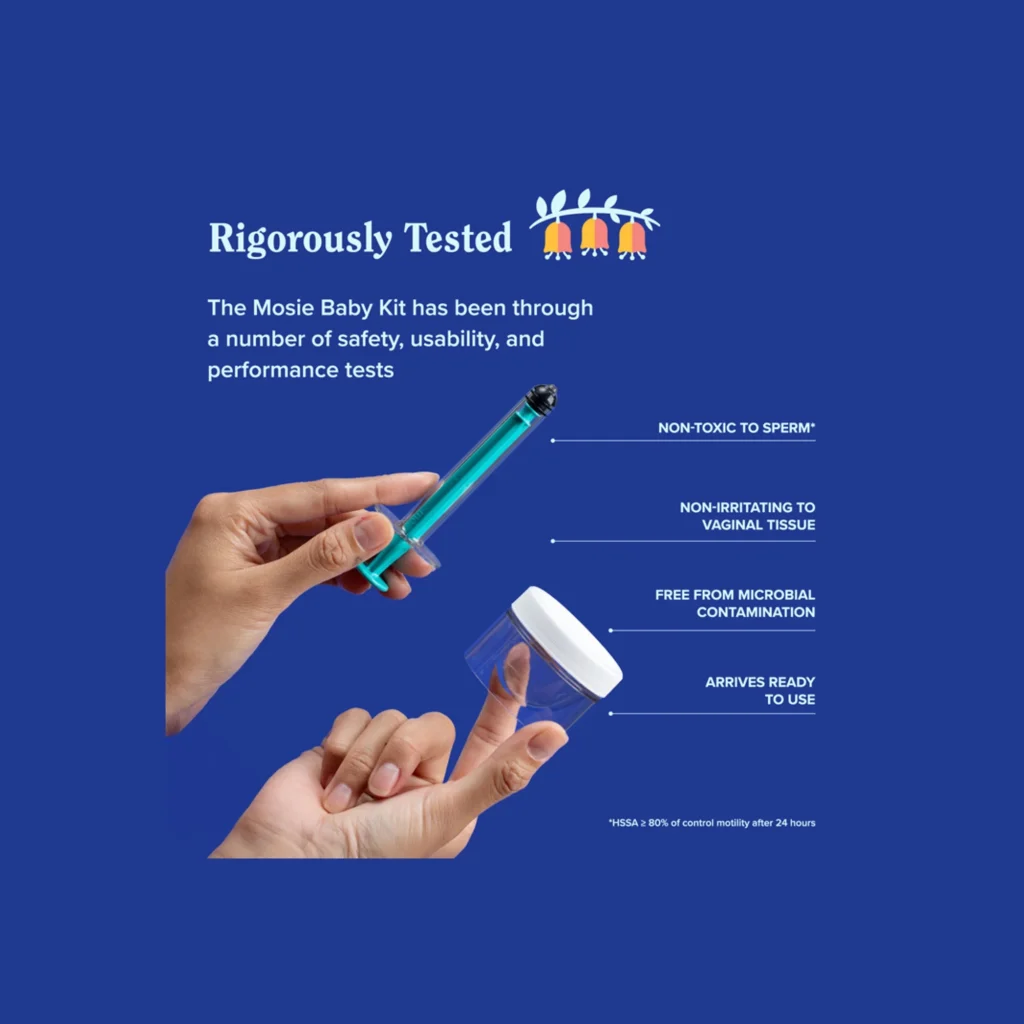
Syringe Insemination and Acupuncture: A Holistic Approach to Conception
Acupuncture can also help to improve the quality of eggs and sperm. A study published in the journal Fertility and Sterility found that acupuncture can increase blood flow to the ovaries and uterus, which can improve the quality of eggs and the thickness of the uterine lining. In men, acupuncture has been found to increase sperm count, motility, and morphology, all of which are essential for successful fertilization.
In addition to physical benefits, acupuncture can also help to reduce stress and anxiety, which can have a significant impact on fertility. The pressure to conceive can often cause stress and tension in couples, which can negatively affect their chances of getting pregnant. Acupuncture can help to reduce stress by promoting relaxation and improving overall emotional well-being.
Syringe insemination and acupuncture can also work together to address any underlying health issues that may be affecting fertility. Acupuncture can help to regulate hormone levels and improve overall reproductive health, while syringe insemination can address any structural issues, such as blocked fallopian tubes or low sperm count.
The Role of Diet and Lifestyle in Conception
In addition to syringe insemination and acupuncture, diet and lifestyle also play a crucial role in fertility. A healthy and balanced diet can improve overall health and fertility, while certain foods can also have a direct impact on reproductive health. For example, incorporating foods rich in antioxidants, such as berries and leafy greens, can help to improve egg and sperm quality.
Lifestyle factors such as smoking, excessive alcohol consumption, and stress can also have a significant impact on fertility. Acupuncture can help to reduce stress, and couples can work with a nutritionist to develop a healthy diet and make lifestyle changes that can improve their chances of conceiving.
Incorporating Mindfulness and Support
The journey to conception can be emotionally and mentally draining for couples. It is essential to incorporate mindfulness techniques and seek support during this time. Acupuncture can promote relaxation and reduce stress, and it can also be an opportunity for couples to bond and support each other.
Many acupuncture clinics also offer support groups and resources for couples struggling with fertility. These groups can provide a safe space for couples to share their experiences and offer support and guidance to one another.
Summary:
Syringe insemination and acupuncture are two methods that can help couples conceive when used together. Syringe insemination involves depositing sperm directly into the uterus, while acupuncture involves inserting thin needles into specific points on the body to promote healing and balance. Together, these techniques can improve ovulation, sperm and egg quality, reduce stress, and address underlying health issues. A healthy diet and lifestyle, as well as mindfulness techniques and support, can also play a crucial role in the holistic approach to conception.
Leave a Reply