Allergies can be a nuisance, causing a range of uncomfortable symptoms such as sneezing, coughing, and itchy eyes. But did you know that allergies can also affect your cervical mucus during ovulation? Cervical mucus is a vital aspect of a woman’s reproductive health, and any changes in its consistency, quantity, or color can have a significant impact on fertility. In this blog post, we will explore the connection between allergies and cervical mucus changes during ovulation, and how it can impact a woman’s chances of conceiving.
Understanding Cervical Mucus
Before delving into the relationship between allergies and cervical mucus changes, it is essential to understand what cervical mucus is and its role in the reproductive system. Cervical mucus is a fluid secreted by the cervix, which is the opening to the uterus. It plays a crucial role in fertility by helping sperm travel through the cervix to reach and fertilize the egg released during ovulation.
During a woman’s menstrual cycle, the consistency and quantity of cervical mucus change due to hormonal fluctuations. At the beginning of the cycle, the mucus is thick and sticky, acting as a barrier to prevent bacteria and other harmful substances from entering the uterus. As the cycle progresses and ovulation approaches, the mucus becomes more elastic and watery, creating a hospitable environment for sperm to survive and travel.
How Allergies Affect Cervical Mucus
Allergies occur when the immune system overreacts to a substance that is usually harmless, such as pollen or pet dander. When a person with allergies is exposed to an allergen, their immune system releases histamine, causing various symptoms like sneezing, watery eyes, and congestion.
Histamine not only affects the nasal passages and respiratory system but can also impact the reproductive organs. In the case of cervical mucus, histamine can cause inflammation in the cervix, leading to changes in the quantity and consistency of mucus. This can make it difficult for sperm to travel through the cervix, hindering the chances of fertilization.
Additionally, allergies can also cause the mucus to become thicker and stickier, making it harder for the sperm to reach the egg. The increased production of mucus due to allergies can also dilute the cervical mucus, making it less hospitable for sperm to survive.
The Impact on Fertility
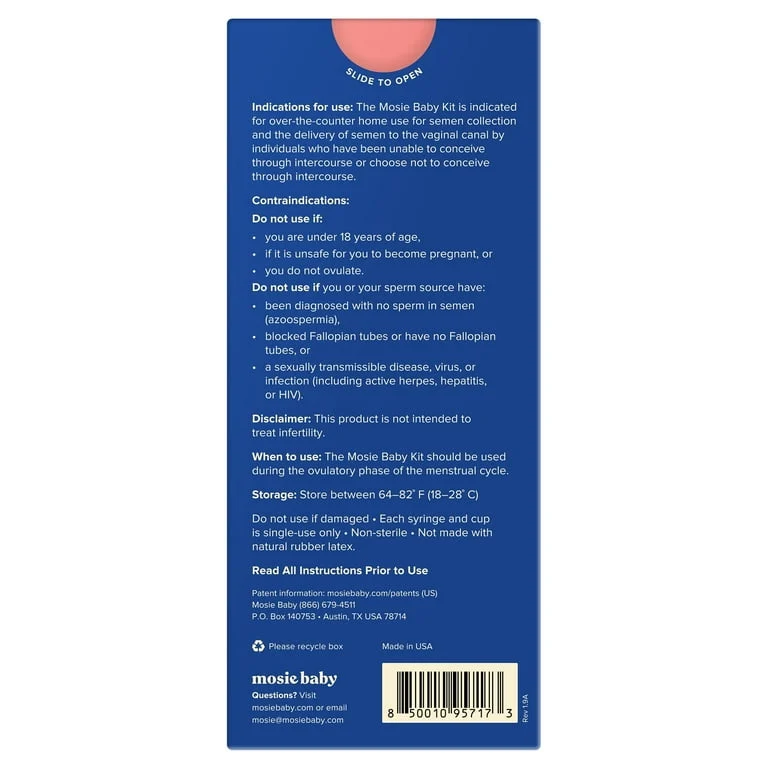
The Connection Between Allergies and Cervical Mucus Changes During Ovulation
The changes in cervical mucus due to allergies can have a significant impact on a woman’s fertility. It can make it more challenging for sperm to reach the egg, reducing the chances of fertilization. If the sperm does manage to reach the egg, the changes in the mucus can also make it difficult for the egg to implant in the uterus, resulting in a failed pregnancy.
Furthermore, allergies can also affect the timing of ovulation. Studies have shown that women with allergies may experience delayed or irregular ovulation, which can make it harder to track and time intercourse for conception.
Managing Allergies and Cervical Mucus Changes
Fortunately, there are ways to manage allergies and minimize the impact on cervical mucus changes during ovulation. The first step is to identify and avoid the allergen that triggers your symptoms. This could involve taking antihistamines, using nasal sprays, or making lifestyle changes such as keeping windows closed during pollen season.
Additionally, using a fertility-friendly lubricant during intercourse can help counteract the changes in cervical mucus caused by allergies. These lubricants mimic the consistency and pH of cervical mucus, creating a more hospitable environment for sperm to survive and travel.
If allergies are significantly impacting your fertility, it is essential to consult with a healthcare professional. They may recommend allergy testing and prescribe medication to manage symptoms and improve your chances of conception.
In conclusion, allergies can have a significant impact on cervical mucus changes during ovulation, making it harder for sperm to reach the egg and leading to fertility issues. By understanding this connection and taking steps to manage allergies, women can increase their chances of conceiving and starting a family.
Summary:
Allergies can not only cause uncomfortable symptoms but can also affect cervical mucus during ovulation. Cervical mucus plays a crucial role in fertility by helping sperm reach the egg, and any changes in its consistency, quantity, or color can hinder the chances of conception. Histamine released during an allergic reaction can cause inflammation in the cervix, impacting the quality of cervical mucus. This can make it harder for sperm to travel and fertilize the egg. Managing allergies and using fertility-friendly lubricants can help counteract these changes and improve fertility. It is essential to consult with a healthcare professional if allergies are significantly impacting fertility.