Tag: allergy management

  • Managing Allergies for Better Cervical Mucus Quality

    Blog Post: Managing Allergies for Better Cervical Mucus Quality

    Many women trying to conceive often overlook the importance of cervical mucus when it comes to fertility. Cervical mucus plays a crucial role in the reproductive process, as it helps sperm reach the egg and provides a nourishing environment for fertilization to occur. However, allergies can significantly impact the quality of cervical mucus, making it difficult for women to conceive. In this blog post, we will explore the connection between allergies and cervical mucus quality and provide tips on managing allergies to improve fertility.

    Understanding Cervical Mucus

    Before we delve into the relationship between allergies and cervical mucus, it’s essential to understand what cervical mucus is and its role in fertility. Cervical mucus is a fluid produced by the cervix that changes in consistency and composition throughout a woman’s menstrual cycle. Its main function is to nourish and protect sperm, providing a conducive environment for them to survive and travel to the egg for fertilization.

    During ovulation, cervical mucus becomes thinner, clearer, and more elastic, resembling the consistency of egg whites. This type of mucus is known as fertile cervical mucus and is considered the most conducive for sperm survival and movement. As a woman approaches her fertile window, the quantity and quality of cervical mucus increase, making it easier for sperm to reach the egg.

    Allergies and Cervical Mucus Quality

    Allergies are an overreaction of the immune system to a particular substance, such as pollen, dust, or animal dander. When exposed to these allergens, the body produces antibodies, which trigger the release of histamine and other chemicals that cause allergy symptoms. These symptoms can include sneezing, runny nose, itchy eyes, and congestion.

    So, what is the connection between allergies and cervical mucus quality? Allergies can cause inflammation in the body, including the reproductive system. This inflammation can affect the production and quality of cervical mucus, making it thicker, stickier, and less conducive for sperm survival. In some cases, allergies can also cause the cervix to produce less mucus, making it difficult for sperm to reach the egg.

    Managing Allergies for Better Cervical Mucus Quality

    If you have been trying to conceive and have allergies, it’s crucial to manage them to improve your cervical mucus quality. Here are some tips to help you manage your allergies for better fertility:

    1. Identify and Avoid Triggers

    Mosie Baby kit with two jars, a syringe, and a supportive message card inside a colorful box.

    Managing Allergies for Better Cervical Mucus Quality

    The first step in managing allergies is to identify the triggers. Keep track of your symptoms and try to pinpoint the substances that cause them. Once you have identified your triggers, try to avoid or minimize your exposure to them. For example, if you are allergic to pollen, stay indoors during peak pollen season or wear a mask when outdoors.

    2. Take Allergy Medications

    Over-the-counter allergy medications, such as antihistamines, can help relieve symptoms and reduce inflammation in the body. These medications can improve the production and quality of cervical mucus, making it easier for sperm to reach the egg. However, it’s essential to consult with your doctor before taking any medication, especially if you are trying to conceive.

    3. Use Natural Remedies

    If you prefer a more natural approach, there are several home remedies that can help manage allergies and improve cervical mucus quality. Some of these include using a saline nasal spray to clear out allergens from the nasal passages, using a neti pot to flush out the sinuses, or using a steam inhaler to relieve congestion.

    4. Consider Allergy Shots

    For severe allergies, your doctor may recommend allergy shots. These shots contain small doses of the allergen, which can help desensitize your body and reduce your allergic reaction to the substance. Allergy shots can take several months to show results, but they can provide long-term relief from allergies.

    5. Maintain a Healthy Lifestyle

    Maintaining a healthy lifestyle can also help improve your cervical mucus quality. Eating a balanced diet, exercising regularly, and reducing stress can boost your immune system and reduce inflammation in the body. This, in turn, can improve your allergies and your overall fertility.

    In conclusion, allergies can significantly impact cervical mucus quality, making it difficult for women to conceive. By identifying and avoiding triggers, taking allergy medications, using natural remedies, considering allergy shots, and maintaining a healthy lifestyle, women can manage their allergies and improve their cervical mucus quality for better fertility.

    Summary:

    Cervical mucus plays a crucial role in fertility, but allergies can significantly impact its quality. Allergies can cause inflammation in the body, affecting the production and quality of cervical mucus. To manage allergies for better fertility, women can identify and avoid triggers, take allergy medications, use natural remedies, consider allergy shots, and maintain a healthy lifestyle.


  • The Impact of Allergies on Cervical Mucus Production: What You Need to Know

    Summary:

    Cervical mucus plays a crucial role in female fertility and overall reproductive health. It is produced by the cervix and helps sperm travel through the reproductive tract, nourishing and protecting them. However, allergies can have a significant impact on cervical mucus production. In this blog post, we will explore the connection between allergies and cervical mucus production, how allergies can affect fertility, and what steps you can take to manage allergies and improve cervical mucus production.

    First, we will discuss how allergies can impact cervical mucus production. Allergens in the environment, such as pollen, dust, and animal dander, can trigger an allergic reaction in the body. This reaction can cause inflammation and irritation in the cervix, leading to changes in cervical mucus production. In particular, allergies can make cervical mucus thicker and stickier, making it difficult for sperm to penetrate and reach the egg. This can significantly decrease the chances of conception.

    Next, we will delve into the effects of allergies on fertility. Studies have shown that women with allergies have a higher risk of experiencing fertility issues, such as difficulty getting pregnant or recurrent pregnancy loss. This is because allergies can disrupt the delicate balance of hormones responsible for regulating the menstrual cycle and cervical mucus production. Allergies can also cause inflammation in the reproductive organs, leading to problems with ovulation and implantation.

    pregnancy test kit with instructions, test device, and packaging on a white background

    The Impact of Allergies on Cervical Mucus Production: What You Need to Know

    Furthermore, we will discuss the importance of managing allergies for optimal cervical mucus production. If you are trying to conceive, it is essential to identify and manage any allergies you may have. This can involve avoiding allergens, taking allergy medication, and incorporating natural remedies, such as nasal irrigation and local honey, into your routine. By reducing the inflammation and irritation caused by allergies, you can improve cervical mucus production and increase your chances of conception.

    In addition to managing allergies, there are other steps you can take to improve cervical mucus production. These include staying hydrated, maintaining a healthy diet, and tracking your menstrual cycle. Drinking plenty of water can help thin out cervical mucus, making it easier for sperm to travel through the reproductive tract. A balanced diet rich in nutrients, such as vitamin C and zinc, can also promote healthy cervical mucus production. And by tracking your menstrual cycle, you can determine your most fertile days and time intercourse accordingly.

    Lastly, we will discuss the benefits of using fertility-friendly lubricants for women with allergies. Many commercial lubricants contain ingredients that can trigger allergic reactions, leading to changes in cervical mucus production. However, there are fertility-friendly lubricants available that are free of allergens and designed to mimic the natural qualities of cervical mucus. These can be a great option for women with allergies who are trying to conceive.

    In conclusion, allergies can have a significant impact on cervical mucus production, which can affect fertility and overall reproductive health. By understanding the connection between allergies and cervical mucus, taking steps to manage allergies, and incorporating fertility-friendly practices, women can improve their chances of conception. It is essential to consult a healthcare professional if you are experiencing fertility issues related to allergies, as they can provide personalized recommendations and treatment options.

  • The Impact of Seasonal Allergies on Cervical Mucus Production

    Blog Post Title: The Impact of Seasonal Allergies on Cervical Mucus Production

    Introduction:
    Seasonal allergies are a common problem that affects millions of people around the world. They are typically caused by pollen, dust, and other environmental factors, and can result in a range of symptoms such as sneezing, congestion, and itchy eyes. However, what many people don’t realize is that seasonal allergies can also have an impact on cervical mucus production. In this blog post, we will explore how seasonal allergies affect cervical mucus and what steps can be taken to manage this impact.

    Understanding Cervical Mucus:
    Before we delve into the effects of seasonal allergies on cervical mucus, it is important to first understand what cervical mucus is and its role in the female reproductive system. Cervical mucus is a fluid secreted by the cervix that plays a crucial role in fertility. It helps to nourish and protect sperm, as well as create a hospitable environment for sperm to travel through the reproductive tract to reach the egg.

    The Impact of Seasonal Allergies on Cervical Mucus Production:
    Seasonal allergies can have a significant impact on cervical mucus production. The main reason for this is the body’s immune response to allergens. When allergens enter the body, the immune system reacts by producing histamine, which causes inflammation and swelling of the mucous membranes. This can lead to a decrease in cervical mucus production, as the inflammation can block the glands responsible for secreting cervical mucus.

    In addition, the antihistamines commonly used to treat allergies can also have a drying effect on the body, including the cervical mucus. This can make the mucus thicker and less hospitable for sperm, making it more difficult for conception to occur.

    Another factor to consider is the use of decongestants, which are often used to relieve the symptoms of allergies. Decongestants work by constricting blood vessels, which can also affect the amount and quality of cervical mucus produced.

    Baby wearing a blue shirt with "made with Love" text, surrounded by colorful floral and butterfly designs.

    The Impact of Seasonal Allergies on Cervical Mucus Production

    Managing the Impact:
    As mentioned earlier, seasonal allergies can have a significant impact on cervical mucus production. However, there are steps that can be taken to manage this impact and improve fertility.

    1. Stay Hydrated: It is important to stay hydrated when dealing with seasonal allergies. Drinking plenty of water can help to thin out cervical mucus and make it easier for sperm to travel through the reproductive tract.

    2. Use Saline Nasal Sprays: Saline nasal sprays can help to relieve congestion without the drying effects of decongestants. This can be a better option for women who are trying to conceive.

    3. Consider Alternative Allergy Treatments: If possible, consider alternative treatments for seasonal allergies that do not have a drying effect on the body. This may include herbal remedies or acupuncture.

    4. Consult with a Doctor: If seasonal allergies are significantly impacting cervical mucus production, it is important to consult with a doctor. They can provide appropriate treatment options and advice on how to manage allergies while trying to conceive.

    Conclusion:
    In conclusion, seasonal allergies can have a significant impact on cervical mucus production, which can affect fertility. It is important to be aware of this impact and take steps to manage allergies in a way that minimizes the effects on cervical mucus. Staying hydrated, using saline nasal sprays, and considering alternative treatments are all ways to help improve cervical mucus production while dealing with seasonal allergies. It is also important to consult with a doctor for proper guidance and treatment options.

    Summary:
    Seasonal allergies can have a significant impact on cervical mucus production, which is crucial for fertility. The body’s immune response to allergens can cause inflammation and block the glands responsible for secreting cervical mucus. The use of antihistamines and decongestants can also dry out cervical mucus, making it more difficult for conception to occur. To manage this impact, it is important to stay hydrated, use saline nasal sprays, consider alternative allergy treatments, and consult with a doctor for proper guidance.

  • The Connection Between Allergies and Cervical Mucus Changes During Ovulation

    Allergies can be a nuisance, causing a range of uncomfortable symptoms such as sneezing, coughing, and itchy eyes. But did you know that allergies can also affect your cervical mucus during ovulation? Cervical mucus is a vital aspect of a woman’s reproductive health, and any changes in its consistency, quantity, or color can have a significant impact on fertility. In this blog post, we will explore the connection between allergies and cervical mucus changes during ovulation, and how it can impact a woman’s chances of conceiving.

    Understanding Cervical Mucus

    Before delving into the relationship between allergies and cervical mucus changes, it is essential to understand what cervical mucus is and its role in the reproductive system. Cervical mucus is a fluid secreted by the cervix, which is the opening to the uterus. It plays a crucial role in fertility by helping sperm travel through the cervix to reach and fertilize the egg released during ovulation.

    During a woman’s menstrual cycle, the consistency and quantity of cervical mucus change due to hormonal fluctuations. At the beginning of the cycle, the mucus is thick and sticky, acting as a barrier to prevent bacteria and other harmful substances from entering the uterus. As the cycle progresses and ovulation approaches, the mucus becomes more elastic and watery, creating a hospitable environment for sperm to survive and travel.

    How Allergies Affect Cervical Mucus

    Allergies occur when the immune system overreacts to a substance that is usually harmless, such as pollen or pet dander. When a person with allergies is exposed to an allergen, their immune system releases histamine, causing various symptoms like sneezing, watery eyes, and congestion.

    Histamine not only affects the nasal passages and respiratory system but can also impact the reproductive organs. In the case of cervical mucus, histamine can cause inflammation in the cervix, leading to changes in the quantity and consistency of mucus. This can make it difficult for sperm to travel through the cervix, hindering the chances of fertilization.

    Additionally, allergies can also cause the mucus to become thicker and stickier, making it harder for the sperm to reach the egg. The increased production of mucus due to allergies can also dilute the cervical mucus, making it less hospitable for sperm to survive.

    The Impact on Fertility

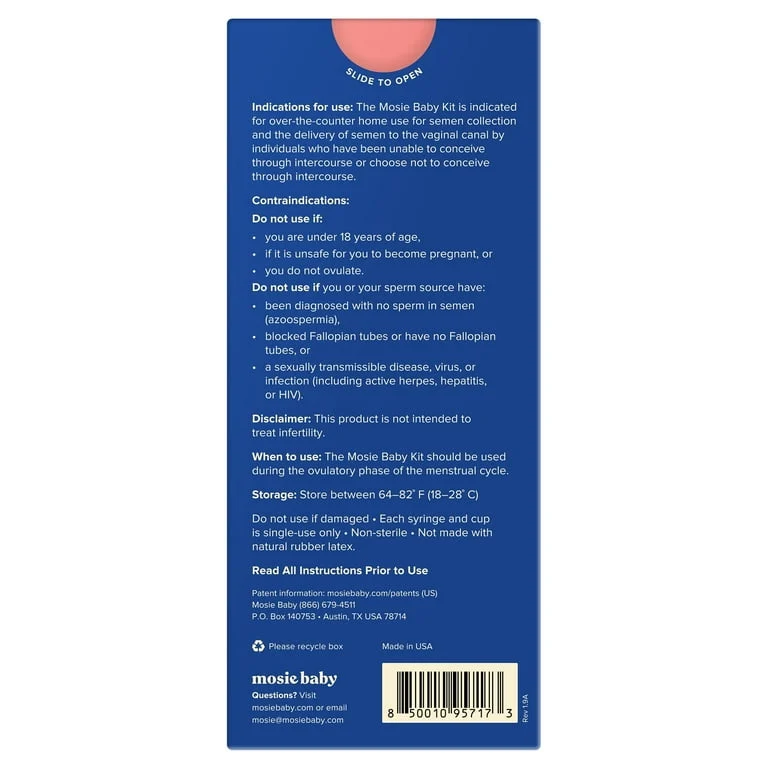
    Mosie Baby At-Home Insemination Kit instructions and storage guidelines on a blue background.

    The Connection Between Allergies and Cervical Mucus Changes During Ovulation

    The changes in cervical mucus due to allergies can have a significant impact on a woman’s fertility. It can make it more challenging for sperm to reach the egg, reducing the chances of fertilization. If the sperm does manage to reach the egg, the changes in the mucus can also make it difficult for the egg to implant in the uterus, resulting in a failed pregnancy.

    Furthermore, allergies can also affect the timing of ovulation. Studies have shown that women with allergies may experience delayed or irregular ovulation, which can make it harder to track and time intercourse for conception.

    Managing Allergies and Cervical Mucus Changes

    Fortunately, there are ways to manage allergies and minimize the impact on cervical mucus changes during ovulation. The first step is to identify and avoid the allergen that triggers your symptoms. This could involve taking antihistamines, using nasal sprays, or making lifestyle changes such as keeping windows closed during pollen season.

    Additionally, using a fertility-friendly lubricant during intercourse can help counteract the changes in cervical mucus caused by allergies. These lubricants mimic the consistency and pH of cervical mucus, creating a more hospitable environment for sperm to survive and travel.

    If allergies are significantly impacting your fertility, it is essential to consult with a healthcare professional. They may recommend allergy testing and prescribe medication to manage symptoms and improve your chances of conception.

    In conclusion, allergies can have a significant impact on cervical mucus changes during ovulation, making it harder for sperm to reach the egg and leading to fertility issues. By understanding this connection and taking steps to manage allergies, women can increase their chances of conceiving and starting a family.

    Summary:

    Allergies can not only cause uncomfortable symptoms but can also affect cervical mucus during ovulation. Cervical mucus plays a crucial role in fertility by helping sperm reach the egg, and any changes in its consistency, quantity, or color can hinder the chances of conception. Histamine released during an allergic reaction can cause inflammation in the cervix, impacting the quality of cervical mucus. This can make it harder for sperm to travel and fertilize the egg. Managing allergies and using fertility-friendly lubricants can help counteract these changes and improve fertility. It is essential to consult with a healthcare professional if allergies are significantly impacting fertility.