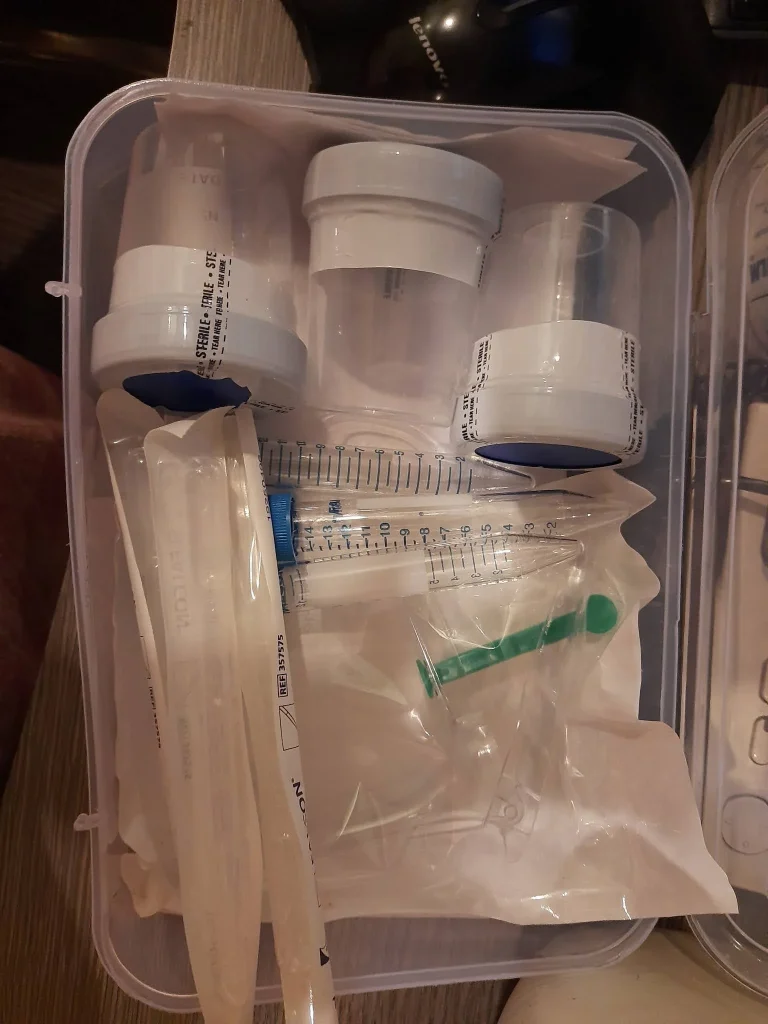
In recent years, there has been a growing trend towards alternative methods of conception, particularly for those in the LGBTQ+ community or individuals and couples struggling with fertility issues. One such method that has gained popularity is home insemination. This process involves self-administering sperm at home, either through a donor or through a partner, in order to achieve pregnancy. While it may seem daunting at first, home insemination offers a number of benefits for prospective parents and can be a viable option for those looking to start or expand their family. In this blog post, we will explore the benefits of home insemination and provide a starter pack for those considering this method.
1. Convenience and Privacy
One of the biggest advantages of home insemination is the convenience and privacy it offers. Unlike traditional methods such as intrauterine insemination (IUI) or in vitro fertilization (IVF), which require multiple appointments and procedures at a clinic, home insemination can be done in the comfort and privacy of your own home. This can be a huge relief for those who may feel uncomfortable or anxious about the clinical setting.
2. Cost-effective
Another benefit of home insemination is its affordability. Fertility treatments can be expensive, and for some, may not be covered by insurance. In contrast, home insemination can be a cost-effective option, as it eliminates the need for medical procedures and clinic visits. Additionally, using a known donor or a sperm bank for the semen can also be more affordable compared to other methods.
3. Flexibility in Timing
Home insemination also offers more flexibility in terms of timing. With traditional methods, there is a limited window of time during which the procedure must take place in order to achieve pregnancy. However, with home insemination, the sperm can be self-administered at any time during the ovulation period, making it easier to plan and schedule.
4. Greater Control and Involvement
For many prospective parents, being directly involved in the conception process can be a deeply meaningful experience. Home insemination allows for this involvement, as the individual or couple can be in control of selecting the donor, preparing the sperm, and administering it. This can be especially beneficial for LGBTQ+ individuals and couples, as it allows them to have a more active role in starting their family.

The Benefits of Home Insemination: A Starter Pack for Prospective Parents
5. No Medical Intervention
Another benefit of home insemination is that it does not involve any medical intervention or drugs. This can be a particularly appealing aspect for those who prefer a more natural approach to conception. Additionally, it eliminates the potential side effects and risks associated with fertility treatments.
6. Bonding Opportunity
For couples using home insemination, the process can be a bonding experience. It requires communication, trust, and teamwork, which can strengthen the relationship and create a deeper bond between partners. This can be especially important for LGBTQ+ couples who may face societal challenges and discrimination, as home insemination allows them to create a family in a more intimate and personal way.
7. Higher Success Rates
While the success rates of home insemination may vary, studies have shown that it can be just as effective as traditional methods, especially for individuals with no known fertility issues. Additionally, the relaxed and comfortable setting of home insemination can also increase the chances of conception, as stress and anxiety can negatively impact fertility.
Starter Pack for Prospective Parents:
– Research and educate yourself on the process of home insemination, including the necessary supplies and procedures.
– Decide on a donor, whether it be a known donor or a sperm bank.
– Obtain the necessary supplies, such as a needleless syringe, sterile specimen cup, and ovulation predictor kits.
– Track your ovulation cycle and plan for insemination during the most fertile days.
– Prepare the sperm according to the instructions provided by the donor or sperm bank.
– Administer the sperm using the syringe, following proper hygiene and safety measures.
– Remain patient and continue trying for a few cycles before seeking medical assistance if needed.
In conclusion, home insemination offers a convenient, cost-effective, and empowering option for prospective parents. It allows for more privacy, involvement, and control in the conception process, and can be a bonding experience for couples. While it may not be suitable for everyone, it is worth considering for those looking for alternative methods of conception. With proper research, preparation, and communication, home insemination can be a viable option for starting or expanding your family.
Meta description: Considering home insemination for starting or expanding your family? Discover the benefits of this alternative method and get a starter pack for prospective parents in this informative blog post.