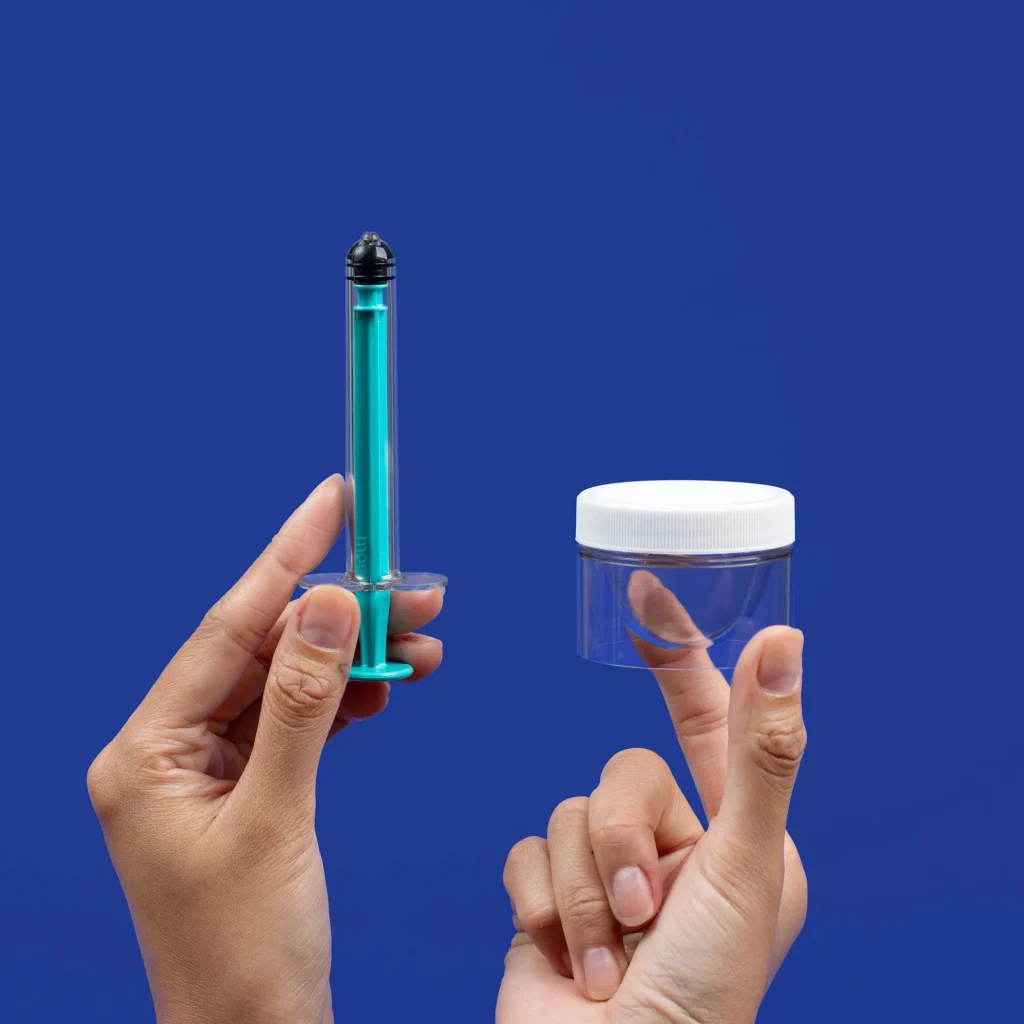
Home insemination, also known as at-home insemination, is a method of conception that involves the placement of sperm into the female reproductive tract in order to fertilize an egg. While this method has been around for centuries, it has recently gained more attention and popularity as an alternative to traditional methods of conception. However, there are still many myths and misconceptions surrounding home insemination that can lead to confusion and hesitation for those considering this option. In this blog post, we will explore the truth about home insemination, dispel common myths, and provide information to help you make an informed decision about whether it is the right choice for you.
Myth 1: Home insemination is only for same-sex couples or single women
One of the most common myths about home insemination is that it is only for same-sex couples or single women. While it is true that home insemination can be a great option for these individuals, it is not exclusive to them. In fact, home insemination is a viable option for any couple struggling with fertility issues or looking for a more private and intimate conception method. It can also be a great choice for couples who have difficulty with traditional methods of conception, such as those with allergies to semen or physical limitations that make intercourse difficult.
Myth 2: It is not as effective as traditional methods of conception
Another misconception about home insemination is that it is not as effective as traditional methods of conception. While it is true that the success rates may vary, studies have shown that home insemination can be just as effective as other methods, such as intrauterine insemination (IUI) or in vitro fertilization (IVF). The key to success with home insemination is proper timing and technique, which we will discuss later in this post. It is important to consult with a fertility specialist and properly prepare for the process to increase your chances of success.
Myth 3: It is not a safe method of conception
Some people may be hesitant to try home insemination because they believe it is not a safe method of conception. However, when done properly, home insemination is a safe and low-risk option for conception. It involves collecting sperm from a donor or partner, and then using a sterile device to place the sperm into the vagina or cervix. As long as the sperm is properly screened for any potential diseases or infections, there is no increased risk of harm or complications compared to traditional methods of conception.
Myth 4: It is an expensive process
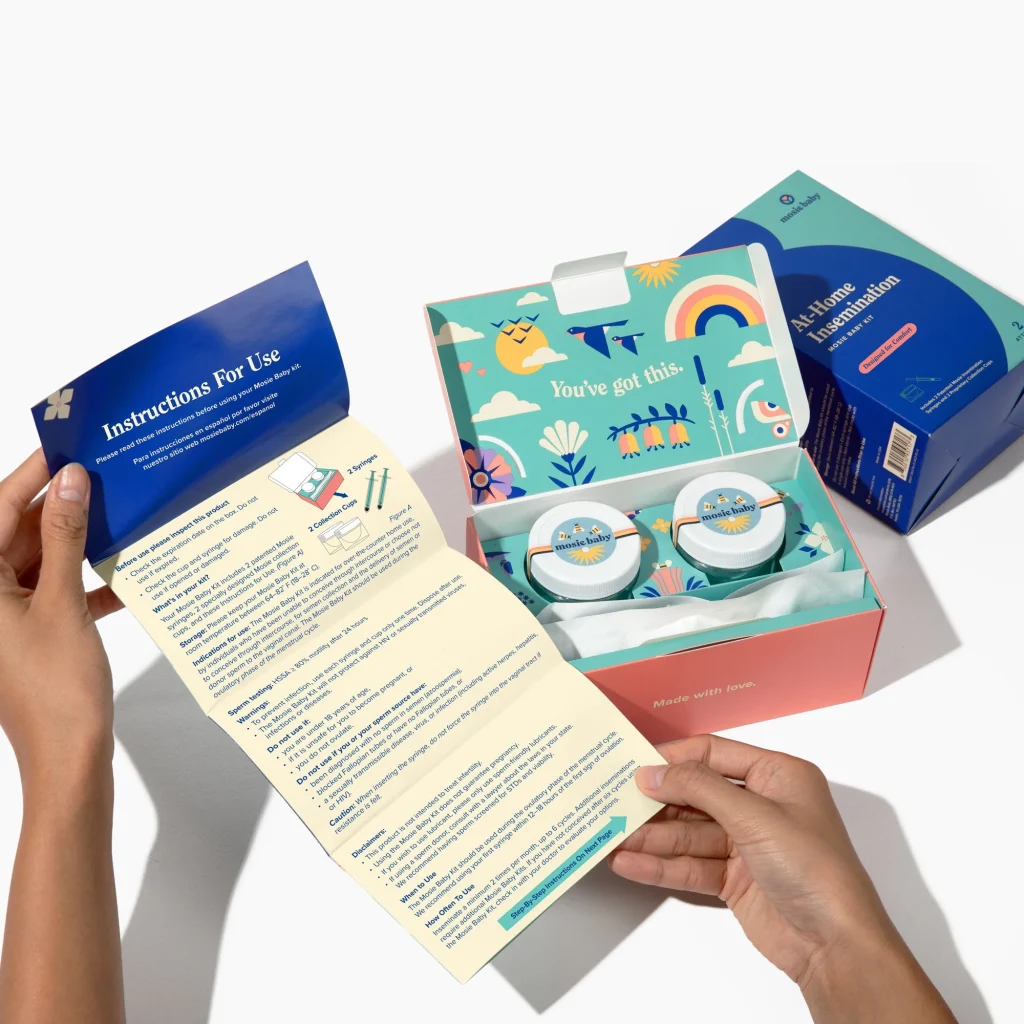
One of the most appealing factors of home insemination is that it can be a much more affordable option compared to traditional methods of conception. While IVF or other fertility treatments can cost thousands of dollars, home insemination can be done with a minimal budget. The cost mainly involves purchasing a sterile insemination kit and potentially paying for sperm from a donor. However, there are also options for using a known donor, such as a friend or family member, which can further reduce the cost.
The Truth About Home Insemination: Dispelling Common Myths and Misconceptions
Myth 5: It is a complicated and awkward process
Many people may feel intimidated by the idea of performing a home insemination, thinking it is a complicated and awkward process. However, with proper preparation and guidance, it can be a simple and comfortable experience. There are various resources available, such as online tutorials and at-home insemination kits, that can make the process easier and more familiar. It is also important to communicate with your partner or donor and establish a comfortable and supportive environment.
Tips for a successful home insemination
Now that we have dispelled some of the common myths and misconceptions about home insemination, let’s discuss some tips for a successful at-home insemination.
1. Timing is crucial: In order for home insemination to be successful, it is important to track your ovulation cycle and perform the insemination during your most fertile days. There are various tools available, such as ovulation predictor kits, that can help you determine the best timing for insemination.
2. Properly prepare the sperm: If you are using a sperm donor, make sure to properly screen the sperm for any potential diseases or infections. If you are using a known donor, discuss and agree upon any necessary testing or precautions. The sperm should also be collected and stored in a sterile container before the insemination.
3. Follow proper technique: It is important to follow proper technique when performing a home insemination. This includes using a sterile device, such as a syringe or soft cup, to place the sperm into the vagina or cervix. It is also recommended to elevate your hips or lie down for 20-30 minutes after the insemination to increase the chances of sperm reaching the egg.
4. Consider consulting with a fertility specialist: It can be helpful to consult with a fertility specialist before attempting a home insemination. They can provide guidance and advice, as well as perform any necessary tests or procedures to increase the chances of success.
In summary, home insemination is a safe, affordable, and effective method of conception that is not limited to same-sex couples or single women. It is important to do your research, consult with a fertility specialist, and properly prepare in order to increase your chances of success. With the right timing, technique, and support, home insemination can be a comfortable and empowering option for those looking to start or expand their family.