Summary:
When it comes to starting a family, there are various options available for couples who may struggle with natural conception. Two popular methods are home insemination and clinical insemination. Home insemination involves the couple performing the insemination process themselves in the comfort of their own home, while clinical insemination is performed by a medical professional in a clinical setting. Both methods have their own advantages and disadvantages, and it is important for couples to carefully consider which option is best for them. In this blog post, we will discuss the differences between home insemination and clinical insemination, as well as some factors to consider when making the right choice for you and your partner.
Home Insemination:
Home insemination, also known as self-insemination, is the process of a couple using a syringe or fertility kit to insert semen into the woman’s vagina or cervix at home. This method is often chosen by couples who prefer a more intimate and private experience, as well as those who may not have access to clinical insemination due to financial or geographical constraints. Home insemination also allows couples to have more control over the timing and process of insemination, as they can do it in the comfort of their own home and at their own pace.
However, home insemination also has its limitations. It requires a high level of preparation and precision, as the couple needs to carefully follow instructions and timing in order to increase the chances of success. There is also a risk of infection or injury if the process is not done correctly. Additionally, home insemination may not be suitable for couples with certain fertility issues, such as low sperm count or blocked fallopian tubes.
Clinical Insemination:
Clinical insemination, also known as artificial insemination, is a medical procedure that involves a doctor or fertility specialist inserting prepared semen directly into the woman’s uterus or cervix. This method is usually done in a clinical setting, such as a fertility clinic or doctor’s office. It is often recommended for couples who have been struggling with infertility, as it allows for a more controlled and monitored process to increase the chances of conception.
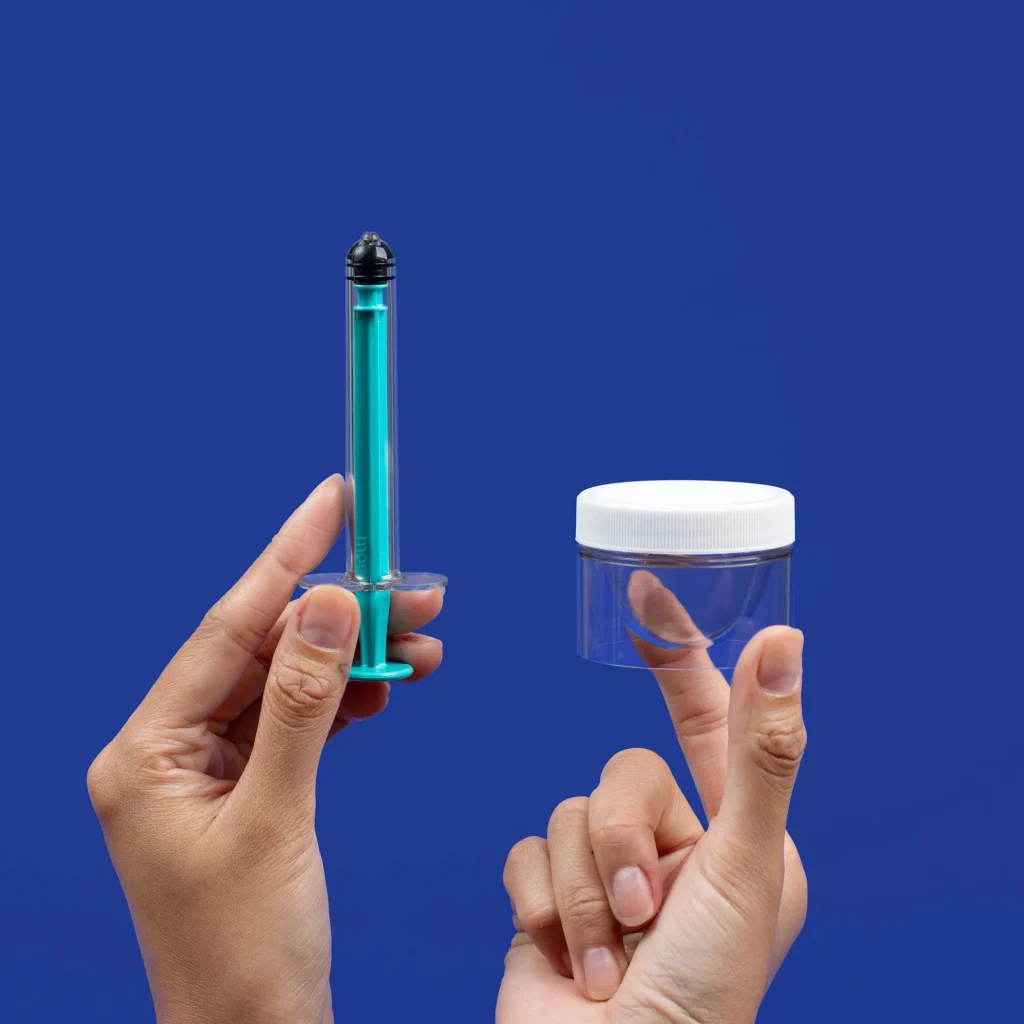
Home Insemination vs. Clinical Insemination: Making the Right Choice for You
One of the main advantages of clinical insemination is the higher success rates compared to home insemination. This is due to the use of advanced techniques, such as sperm washing, to select and prepare the healthiest sperm for insemination. It also allows for the detection and treatment of any underlying fertility issues that may be hindering conception. However, clinical insemination can be a more expensive option, and it may require multiple visits to the clinic for monitoring and procedures.
Factors to Consider:
When deciding between home insemination and clinical insemination, there are several important factors to take into consideration. These include the couple’s personal preferences, their fertility history, and their financial situation. Some couples may prefer the privacy and convenience of home insemination, while others may feel more comfortable with the expertise and technology used in clinical insemination.
It is also important to consult with a medical professional before making a decision, as they can provide valuable insights and recommendations based on the couple’s specific situation. Additionally, it is important to keep in mind that neither home insemination nor clinical insemination guarantee success, and it may take multiple attempts for conception to occur.
In conclusion, both home insemination and clinical insemination have their own advantages and disadvantages, and the decision ultimately depends on what works best for each individual couple. It is important to carefully consider all factors and seek professional guidance before making a decision. With patience, communication, and proper preparation, couples can increase their chances of starting a family through either method.
Leave a Reply