Tag: clinical insemination

  • Navigating the World of Insemination Syringe Boxes: A Comprehensive Buying Guide

    Navigating the World of Insemination Syringe Boxes: A Comprehensive Buying Guide

    Insemination syringe boxes are an essential tool for individuals and couples who are trying to conceive through artificial insemination. These boxes contain all the necessary components for the process, including syringes, catheters, and sperm collection cups. However, with so many options available on the market, navigating the world of insemination syringe boxes can be overwhelming. In this comprehensive buying guide, we will break down everything you need to know to make an informed decision when purchasing an insemination syringe box.

    1. Understand the Different Types of Insemination Syringe Boxes
    Before diving into the details, it’s essential to understand the different types of insemination syringe boxes available. The two main types are at-home insemination kits and clinical insemination kits. At-home kits are designed for self-insemination and are typically used by individuals or couples who are trying to conceive without medical assistance. Clinical kits, on the other hand, are used in medical settings and are often recommended for individuals or couples who require professional medical assistance.

    2. Consider the Quality of the Components
    The quality of the components in an insemination syringe box is crucial. The most important component is the syringe itself, as it is responsible for delivering the sperm into the cervix. Look for syringes made of medical-grade materials and that are specifically designed for insemination purposes. Additionally, make sure that the catheter is long enough to reach the cervix comfortably and that it is flexible for easier insertion. The sperm collection cup should also be made of medical-grade materials and have a wide enough opening to accommodate the syringe.

    3. Check for FDA Approval
    When purchasing an insemination syringe box, it’s crucial to ensure that it is FDA-approved. The Food and Drug Administration (FDA) regulates medical devices and ensures that they meet safety and effectiveness standards. A FDA-approved box gives you peace of mind that the components have been tested and deemed safe for use.

    illustration comparing standard and Mosie syringe openings with text highlighting design benefits for home insemination

    Navigating the World of Insemination Syringe Boxes: A Comprehensive Buying Guide

    4. Read Reviews and Ask for Recommendations
    One of the best ways to determine the quality and effectiveness of an insemination syringe box is by reading reviews from other customers. Look for reviews on the manufacturer’s website, online marketplaces, and fertility forums. Additionally, don’t hesitate to ask for recommendations from friends, family, or healthcare professionals who have experience with using insemination syringe boxes.

    5. Consider the Cost
    The cost of insemination syringe boxes can vary significantly depending on the type and brand. At-home kits are generally more affordable compared to clinical kits, but they may not include all the necessary components for the process. It’s essential to consider the cost of the box, as well as any additional components that may need to be purchased separately, such as ovulation tests or pregnancy tests.

    6. Look for Additional Features
    Some insemination syringe boxes may come with additional features that can make the process more convenient and comfortable. For example, some boxes may include a speculum for easier insertion of the catheter, while others may have a temperature strip on the sperm collection cup to ensure the sperm is at an optimal temperature. Consider your needs and preferences when looking for additional features in an insemination syringe box.

    7. Check the Expiration Date
    Insemination syringe boxes have an expiration date, and it’s crucial to check it before making a purchase. Using an expired box can reduce the effectiveness of the sperm and increase the risk of infection. Make sure to always use a box that is within its expiration date to ensure the best chances of success.

    8. Consult with Your Healthcare Provider
    It’s always recommended to consult with your healthcare provider before using an insemination syringe box. They can provide you with valuable information and recommendations based on your individual needs and medical history. Moreover, if you are using a clinical insemination kit, your healthcare provider can guide you through the process and ensure that it is done correctly.

    In summary, navigating the world of insemination syringe boxes may seem daunting at first, but with the right knowledge, you can make an informed decision and choose the best box for your needs. Consider the type of kit, quality of components, FDA approval, reviews and recommendations, cost, additional features, expiration date, and consulting with your healthcare provider. By following these guidelines, you can increase your chances of success and make the process of conceiving through artificial insemination smoother and more comfortable.


  • From Home to Clinic: The Versatility of a Syringe Kit in Insemination

    From Home to Clinic: The Versatility of a Syringe Kit in Insemination

    Insemination is the process of introducing sperm into the female reproductive system in order to achieve pregnancy. While traditionally done in a clinical setting, advancements in technology have made it possible for individuals and couples to perform insemination in the comfort of their own homes. One of the key tools in this process is a syringe kit, which offers versatility in both home and clinical insemination procedures. In this blog post, we will explore the various uses and benefits of a syringe kit in insemination.

    Home Insemination: Convenience and Privacy

    For many individuals and couples, the idea of undergoing insemination in a clinical setting can be daunting. The process can be invasive and impersonal, leading to feelings of discomfort and anxiety. This is where a syringe kit comes in handy. It allows for home insemination, which offers convenience and privacy to those who prefer it. With a syringe kit, individuals and couples can perform insemination in the comfort and privacy of their own home, making the process less intimidating and more intimate.

    The syringe kit typically includes a sterile syringe, a vial of sperm, and a guide for performing the procedure. This allows for a simple and straightforward home insemination process, eliminating the need for medical assistance. Additionally, home insemination with a syringe kit can be done at a time that is most convenient for the individual or couple, rather than scheduling appointments at a clinic.

    Cost-Effective and Efficient

    Another advantage of using a syringe kit for home insemination is its cost-effectiveness. In comparison to clinical insemination, home insemination with a syringe kit is significantly cheaper. This is beneficial for those who may not have the financial means to afford clinical insemination or those who want to try insemination multiple times without breaking the bank.

    Moreover, a syringe kit is a one-time purchase, and the vials of sperm can be stored for future use. This makes it a cost-effective and efficient option for individuals and couples who are trying to conceive through insemination.

    Versatility in Clinical Settings

    logo featuring a pink heart above two teal leaves on a blue circular background

    From Home to Clinic: The Versatility of a Syringe Kit in Insemination

    While a syringe kit is commonly used for home insemination, it is also a versatile tool in clinical settings. In fact, many fertility clinics and medical professionals also use syringe kits for insemination procedures. This is mainly due to the convenience and simplicity of the process.

    In clinical settings, a syringe kit is often used for intrauterine insemination (IUI), which involves inserting sperm directly into the uterus. This method is commonly recommended for individuals and couples who have been trying to conceive for a while without success. The use of a syringe kit in IUI eliminates the need for more invasive procedures, making the process more comfortable for the patient.

    Additionally, syringe kits can also be used for in vitro fertilization (IVF), a more advanced and complex method of insemination. In IVF, the syringe is used to inject sperm directly into the egg, which is then implanted into the uterus. This method has a higher success rate in achieving pregnancy, and the use of a syringe kit makes the process more efficient and less invasive.

    Ensuring Safety and Cleanliness

    Syringe kits are designed to be sterile and disposable, ensuring safety and cleanliness in the insemination process. This is crucial in both home and clinical settings, as it reduces the risk of infection and contamination. The syringe is also designed to be easy to use, with clear instructions and measurements, making it a safe and reliable tool for insemination.

    In addition, syringe kits also come with a vial of sperm that has been thoroughly tested and screened to ensure its quality and viability. This gives individuals and couples peace of mind knowing that they are using safe and healthy sperm for their insemination journey.

    In conclusion, syringe kits are a versatile tool in insemination, offering convenience, cost-effectiveness, and efficiency in both home and clinical settings. Whether you choose to perform insemination at home or seek medical assistance, a syringe kit is an essential tool that ensures safety, cleanliness, and ease of use in the process. With its many benefits and uses, it is no wonder that syringe kits have become a popular choice for individuals and couples on their journey to parenthood.

    Summary:

    Insemination is the process of introducing sperm into the female reproductive system for pregnancy. While traditionally done in a clinical setting, syringe kits offer versatility for home insemination, providing convenience, privacy, and cost-effectiveness. In clinical settings, syringe kits are used for intrauterine insemination (IUI) and in vitro fertilization (IVF). These kits are designed to ensure safety, cleanliness, and ease of use, making them a popular choice for individuals and couples on their journey to parenthood.

  • Things You Didn’t Know About the Insemination Syringe Combo

    Blog Post:

    When it comes to trying to conceive, there are many different methods and tools available to help couples increase their chances of getting pregnant. One such tool that has gained popularity in recent years is the insemination syringe combo. This device combines the use of an insemination syringe and a cervical cap, and has been praised for its effectiveness in aiding conception. However, there are many things about this tool that most people may not know. In this blog post, we will explore some of the lesser-known facts about the insemination syringe combo and its role in fertility.

    1. It has been used for centuries

    While the insemination syringe combo may seem like a modern invention, it has actually been used for centuries by women trying to conceive. In ancient times, women would use a hollowed-out gourd or animal horn to collect semen from their partner and then insert it into their cervix using a makeshift syringe. This method was known as “artificial insemination” and was often used by women who were unable to conceive naturally.

    2. It can be used for both home and clinical insemination

    The insemination syringe combo is not limited to just clinical use. In fact, many couples use it at home as a more convenient and cost-effective option. The procedure involves collecting semen in a sterile cup, loading it into the syringe, and then inserting it into the cervix. This can be done either by the couple themselves or with the help of a fertility specialist. This method is also commonly used by same-sex couples and single women who are trying to conceive.

    3. It is more effective than natural intercourse

    Studies have shown that using the insemination syringe combo can be more effective than natural intercourse when it comes to conception. This is because the semen is placed directly into the cervix, bypassing the acidic environment of the vagina and increasing the chances of the sperm reaching the egg. Additionally, the cervical cap helps to keep the semen in place, increasing the chances of fertilization.

    4. It can be used for intrauterine insemination (IUI)

    two teal and clear syringes positioned on a white background

    Things You Didn't Know About the Insemination Syringe Combo

    Intrauterine insemination (IUI) is a fertility treatment where sperm is placed directly into the uterus through a catheter. This method is often used for couples who have been trying to conceive for a long time with no success. The insemination syringe combo can also be used for IUI, as the syringe can be attached to the catheter and the sperm can be injected directly into the uterus.

    5. It can be used for sperm donation

    The insemination syringe combo has made sperm donation more accessible and convenient. Instead of having to go to a sperm bank, women can now receive sperm donations from a known donor and use the insemination syringe combo to insert it into their cervix. This method is often preferred by couples who want a more personal connection with the donor, or by single women who want to have a child without a partner.

    6. It is inexpensive and easy to use

    Compared to other fertility treatments, the insemination syringe combo is relatively inexpensive and easy to use. It can be purchased online or from a pharmacy without a prescription, and the procedure can be done at home without the need for medical supervision. This makes it a more accessible option for couples who are trying to conceive.

    7. It can increase the risk of infections

    While the insemination syringe combo is generally considered safe, it does come with some risks. One of the main concerns is the potential for infections. If proper hygiene is not maintained during the collection and insertion process, bacteria can be introduced into the cervix, leading to infections. It is important to thoroughly wash hands and sterilize all equipment before and after use to minimize this risk.

    8. It does not guarantee pregnancy

    Although the insemination syringe combo can increase the chances of conception, it does not guarantee pregnancy. There are many factors that can affect fertility, and using this tool does not guarantee that a woman will get pregnant. It is important for couples to manage their expectations and not rely solely on this method for conception.

    In summary, the insemination syringe combo has a long history and has been used by many couples to aid in conception. It is a convenient and cost-effective option that can be used at home or in a clinical setting. While it does come with some risks, it has been proven to be an effective tool in increasing the chances of pregnancy. However, it is important to remember that it does not guarantee pregnancy and should not be relied upon as the only method for conceiving.

  • Home Insemination vs. Clinical Insemination: Making the Right Choice for You

    Summary:
    When it comes to starting a family, there are various options available for couples who may struggle with natural conception. Two popular methods are home insemination and clinical insemination. Home insemination involves the couple performing the insemination process themselves in the comfort of their own home, while clinical insemination is performed by a medical professional in a clinical setting. Both methods have their own advantages and disadvantages, and it is important for couples to carefully consider which option is best for them. In this blog post, we will discuss the differences between home insemination and clinical insemination, as well as some factors to consider when making the right choice for you and your partner.

    Home Insemination:
    Home insemination, also known as self-insemination, is the process of a couple using a syringe or fertility kit to insert semen into the woman’s vagina or cervix at home. This method is often chosen by couples who prefer a more intimate and private experience, as well as those who may not have access to clinical insemination due to financial or geographical constraints. Home insemination also allows couples to have more control over the timing and process of insemination, as they can do it in the comfort of their own home and at their own pace.

    However, home insemination also has its limitations. It requires a high level of preparation and precision, as the couple needs to carefully follow instructions and timing in order to increase the chances of success. There is also a risk of infection or injury if the process is not done correctly. Additionally, home insemination may not be suitable for couples with certain fertility issues, such as low sperm count or blocked fallopian tubes.

    Clinical Insemination:
    Clinical insemination, also known as artificial insemination, is a medical procedure that involves a doctor or fertility specialist inserting prepared semen directly into the woman’s uterus or cervix. This method is usually done in a clinical setting, such as a fertility clinic or doctor’s office. It is often recommended for couples who have been struggling with infertility, as it allows for a more controlled and monitored process to increase the chances of conception.

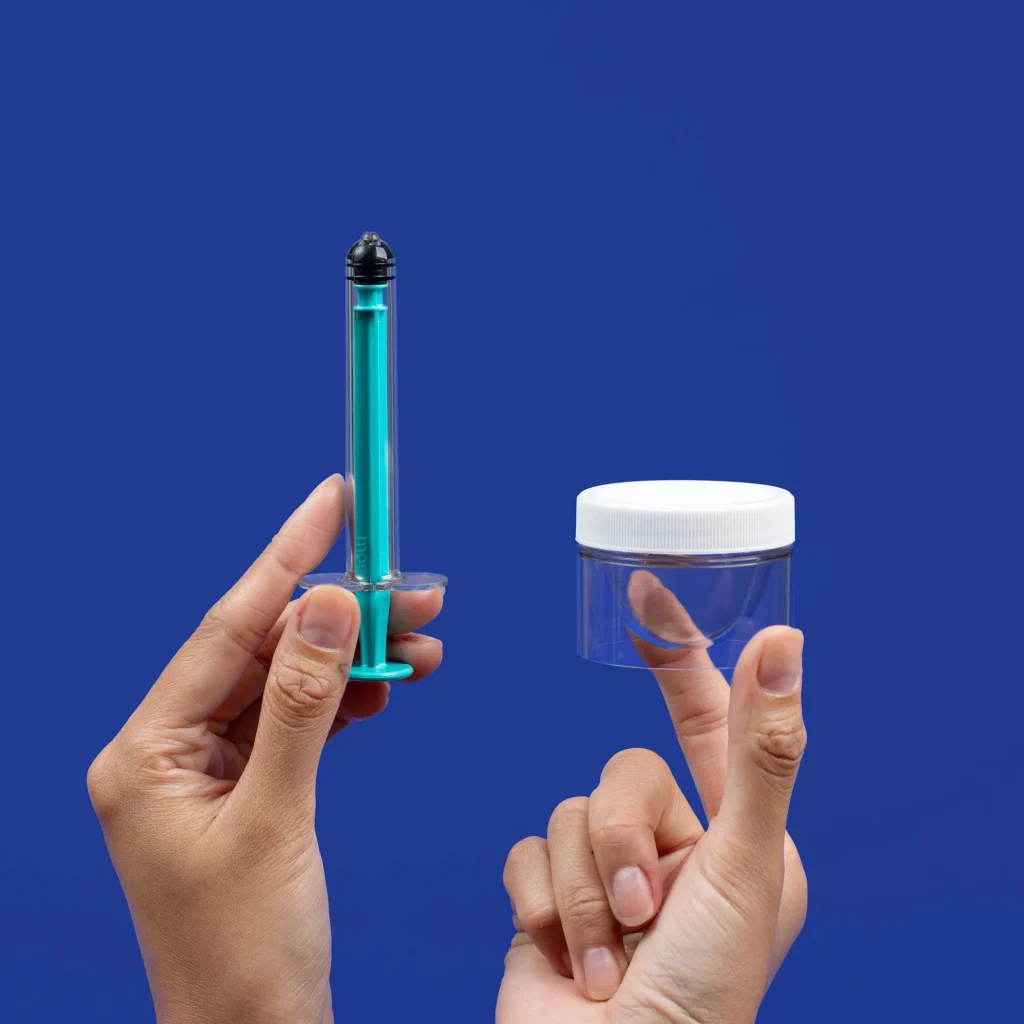
    home insemination kit components: a syringe and a collection container against a blue background.

    Home Insemination vs. Clinical Insemination: Making the Right Choice for You

    One of the main advantages of clinical insemination is the higher success rates compared to home insemination. This is due to the use of advanced techniques, such as sperm washing, to select and prepare the healthiest sperm for insemination. It also allows for the detection and treatment of any underlying fertility issues that may be hindering conception. However, clinical insemination can be a more expensive option, and it may require multiple visits to the clinic for monitoring and procedures.

    Factors to Consider:
    When deciding between home insemination and clinical insemination, there are several important factors to take into consideration. These include the couple’s personal preferences, their fertility history, and their financial situation. Some couples may prefer the privacy and convenience of home insemination, while others may feel more comfortable with the expertise and technology used in clinical insemination.

    It is also important to consult with a medical professional before making a decision, as they can provide valuable insights and recommendations based on the couple’s specific situation. Additionally, it is important to keep in mind that neither home insemination nor clinical insemination guarantee success, and it may take multiple attempts for conception to occur.

    In conclusion, both home insemination and clinical insemination have their own advantages and disadvantages, and the decision ultimately depends on what works best for each individual couple. It is important to carefully consider all factors and seek professional guidance before making a decision. With patience, communication, and proper preparation, couples can increase their chances of starting a family through either method.

  • Home Insemination vs. Clinical Insemination: Pros and Cons

    Blog Post: Home Insemination vs. Clinical Insemination: Pros and Cons

    In recent years, the rise of assisted reproductive technologies has made it possible for couples and individuals to conceive in non-traditional ways. Two methods that have gained popularity are home insemination and clinical insemination. While both have the same goal of achieving pregnancy, there are significant differences between the two. In this blog post, we will discuss the pros and cons of home insemination and clinical insemination, helping you make an informed decision about which method is right for you.

    Home Insemination:

    Home insemination, also known as self-insemination, is the process of placing sperm into the vagina or cervix at home without the assistance of a medical professional. This method can be done with the use of a sperm donor or with the sperm of a partner. Here are some pros and cons of home insemination:

    Pros:

    1. Privacy and comfort: For many couples and individuals, the idea of having a stranger involved in the process of conception can be daunting. With home insemination, the procedure takes place in the comfort and privacy of your own home, making it a more intimate and less stressful experience.

    2. Cost-effective: Home insemination is significantly cheaper than clinical insemination. With clinical insemination, you have to pay for the services of a medical professional, which can be expensive. With home insemination, you only need to purchase a kit or the necessary supplies, making it a more budget-friendly option.

    3. Flexibility: Home insemination allows you to have more control over the timing of the procedure. Unlike clinical insemination, which is typically done during a specific window of time, home insemination can be done at any time, increasing the chances of conception.

    4. Less invasive: As home insemination does not involve any medical procedures, it is a less invasive option for those who may feel uncomfortable with clinical insemination.

    Cons:

    1. Lack of medical expertise: One of the biggest drawbacks of home insemination is the lack of medical expertise. Without the guidance of a medical professional, there is a higher risk of errors or complications during the procedure.

    2. Lower success rates: Home insemination has a lower success rate compared to clinical insemination, as it relies on natural conception methods. The chances of conception can be further reduced if the sperm quality is poor or if there are underlying fertility issues.

    Mosie Baby pregnancy test kit with two tests and packaging, featuring a mint green color scheme.

    Home Insemination vs. Clinical Insemination: Pros and Cons

    3. Risk of infection: As home insemination is done at home, there is a higher risk of infection. Without the proper sterilization of equipment or hands, bacteria can be introduced into the reproductive system, increasing the risk of complications.

    Clinical Insemination:

    Clinical insemination, also known as intrauterine insemination (IUI), is a medical procedure where sperm is placed directly into the uterus using a catheter. Here are some pros and cons of clinical insemination:

    Pros:

    1. Medical expertise: With clinical insemination, the procedure is done by a medical professional who has the necessary expertise and experience. This reduces the risk of errors and increases the chances of success.

    2. Higher success rates: Clinical insemination has a higher success rate compared to home insemination. This is because the sperm is placed directly into the uterus, increasing the chances of fertilization.

    3. Reduced risk of infection: As the procedure is done in a clinical setting, the risk of infection is significantly reduced. The medical equipment used is sterile, minimizing the risk of introducing bacteria into the reproductive system.

    Cons:

    1. Cost: Clinical insemination can be expensive, as it involves the services of a medical professional and the use of medical equipment.

    2. Lack of privacy: For some, the idea of having a medical professional involved in the process of conception can be uncomfortable and invasive.

    3. Limited flexibility: Unlike home insemination, clinical insemination has to be done during a specific window of time, usually around ovulation. This can be inconvenient for those with irregular menstrual cycles.

    In conclusion, both home insemination and clinical insemination have their pros and cons. Home insemination offers privacy, cost-effectiveness, and flexibility, but lacks medical expertise and has lower success rates. Clinical insemination, on the other hand, offers medical expertise, higher success rates, and reduced risk of infection, but can be expensive and less private. It is important to consider your personal preferences, budget, and medical needs when deciding between the two methods.

    In summary, home insemination and clinical insemination are two methods of assisted reproduction that have their own set of advantages and disadvantages. While home insemination offers privacy and cost-effectiveness, clinical insemination has higher success rates and reduced risk of infection. Ultimately, the decision between the two methods should be based on personal preferences and medical needs. Consulting with a medical professional can also help you make an informed decision.