Fertility Support 101: A Starter Pack for Couples Trying to Conceive
Trying to conceive a child can be an exciting and stressful journey for many couples. While some may get pregnant easily, others may face challenges and need extra support. If you and your partner are planning to start a family, it is important to educate yourselves about fertility and the various ways to support it. In this blog post, we will discuss the basics of fertility support and provide a starter pack for couples trying to conceive.
Understanding Fertility:
Before diving into fertility support, it is crucial to understand the basics of fertility and how it works. Fertility is the ability to conceive a child, and it is affected by various factors such as age, lifestyle, and overall health. Women are born with a finite number of eggs, and their fertility declines with age. On the other hand, men produce sperm throughout their lives but may experience a decline in quality and quantity as they age. It is important for both partners to be aware of their reproductive health and how it may affect their ability to conceive.
Healthy Lifestyle Habits for Fertility Support:
One of the first steps towards fertility support is adopting healthy lifestyle habits. This includes maintaining a healthy weight, eating a nutritious diet, and avoiding harmful substances such as alcohol and tobacco. Being overweight or underweight can affect hormone levels and ovulation in women, and sperm production in men. Eating a balanced diet rich in fruits, vegetables, whole grains, and lean proteins can help improve overall health and fertility. Additionally, avoiding alcohol and tobacco can improve fertility and reduce the risk of birth defects in a baby.
Tracking Ovulation and Fertility Window:
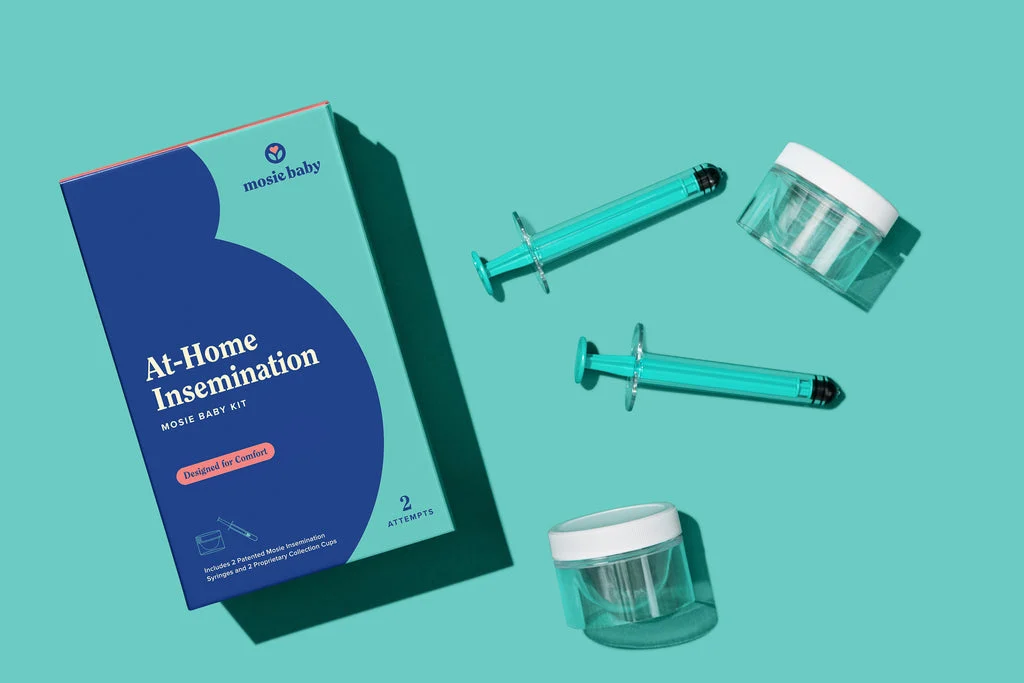
Fertility Support 101: A Starter Pack for Couples Trying to Conceive
Women have a small window each month where they are most fertile and have the highest chance of getting pregnant. This window is known as the fertility window and typically lasts for about six days. Tracking ovulation is crucial for couples trying to conceive as it can help determine the best time to have intercourse. There are various methods to track ovulation, such as using ovulation prediction kits, monitoring basal body temperature, and tracking changes in cervical mucus. Knowing your fertility window can increase the chances of conceiving and reduce stress and frustration in the process.
Supplements for Fertility Support:
There are various supplements available that claim to improve fertility in both men and women. While more research is needed to confirm their effectiveness, some supplements have shown promising results. For women, folic acid and prenatal vitamins are recommended to support a healthy pregnancy. For men, zinc, vitamin C, and coenzyme Q10 may help improve sperm quality. It is important to consult with a doctor before taking any supplements to ensure they are safe and suitable for your individual needs.
Seeking Professional Help:
If you have been trying to conceive for a year without success, it may be time to seek professional help. Fertility specialists, also known as reproductive endocrinologists, can help identify any underlying issues and provide guidance on fertility support. They may recommend fertility tests, such as blood tests, ultrasounds, and semen analysis, to determine the cause of infertility. Depending on the results, they may suggest treatments such as fertility medications, intrauterine insemination (IUI), or in vitro fertilization (IVF). Seeking professional help can increase the chances of conception and provide valuable support during the process.
Coping with Emotional Challenges:
Trying to conceive can be an emotional rollercoaster for many couples. The journey may bring feelings of hope, disappointment, frustration, and even guilt. It is important to acknowledge and address these emotions and find healthy ways to cope with them. This may include talking to a therapist, joining support groups, or finding relaxation techniques such as yoga or meditation. It is also crucial for couples to communicate openly and support each other through the ups and downs of trying to conceive.
In conclusion, fertility support is a crucial aspect of the journey towards parenthood. By understanding the basics of fertility, adopting healthy lifestyle habits, tracking ovulation, considering supplements, seeking professional help, and coping with emotional challenges, couples can increase their chances of conceiving and have a healthier pregnancy. Remember to be patient and kind to yourself and your partner during this process, and seek support when needed.
Leave a Reply