Title: The Future of Fertility: The Rise of Home Insemination
Introduction
The world of fertility has undergone significant changes in recent years, with technological advancements and changing societal norms leading to a rise in home insemination. This once taboo topic is now being openly discussed and embraced by many individuals and couples as a viable option for starting or expanding their families. In this blog post, we will explore the growing trend of home insemination and its potential impact on the future of fertility.
What is Home Insemination?
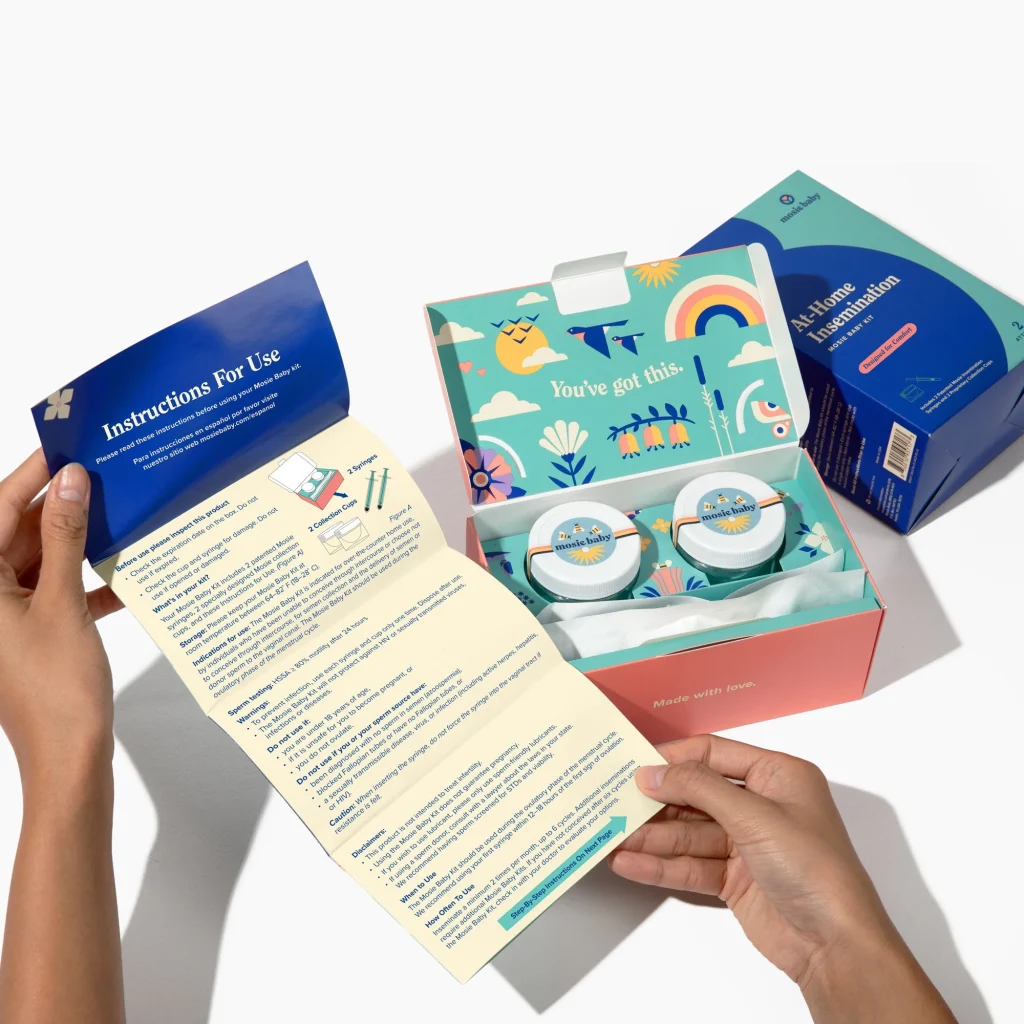
Home insemination, also known as self-insemination or at-home insemination, is the process of placing sperm into the female reproductive tract in the hopes of fertilizing an egg. This can be done through various methods, such as using a syringe or soft cup, and can be performed by individuals or couples in the comfort of their own home.
The Rise of Home Insemination
There are several factors that have contributed to the rise of home insemination in recent years. One of the main drivers is the increasing acceptance and visibility of LGBTQ+ individuals and couples who are seeking to start a family. With the legalization of same-sex marriage and adoption, more and more LGBTQ+ individuals are turning to home insemination as a way to conceive.
Another factor is the rising cost of fertility treatments and the limited access to these treatments for many individuals and couples. Home insemination offers a more affordable and accessible option for those who are unable to afford or access traditional fertility treatments.
Technological advancements have also played a role in the rise of home insemination. With the availability of at-home fertility kits and apps that track ovulation, individuals and couples can now easily and accurately monitor their fertility and plan for insemination at the most opportune time.
Benefits of Home Insemination
The Future of Fertility: The Rise of Home Insemination
One of the primary benefits of home insemination is the privacy and comfort it provides. Many individuals and couples feel more at ease performing the procedure in their own home rather than in a clinical setting. This can also reduce the stress and pressure often associated with fertility treatments.
Home insemination also offers a more natural approach to conception, as it mimics the process of natural intercourse. This can be especially appealing to those who are uncomfortable with the idea of using fertility drugs or undergoing invasive procedures.
Additionally, home insemination can be a more cost-effective option, as it eliminates the need for expensive fertility clinic visits and treatments. It also allows for more flexibility in terms of timing and frequency of insemination attempts.
Challenges and Concerns
While home insemination may seem like a simple and convenient solution for fertility, there are also some challenges and concerns that should be considered. One of the main concerns is the accuracy and safety of the procedure. Without proper training and guidance, there is a risk of infection or injury. It is important for individuals and couples to thoroughly research and educate themselves on the proper techniques and precautions before attempting home insemination.
Another concern is the lack of regulation and oversight in the home insemination industry. Unlike traditional fertility clinics, there are no strict guidelines or protocols in place for home insemination. This can lead to discrepancies in the quality and reliability of products and services being offered.
The Future of Home Insemination
As home insemination continues to gain popularity, it is likely that we will see further advancements and innovations in this area. With the increasing use of technology, we may see the development of more sophisticated at-home fertility kits and tools that make the process even easier and more accurate.
There is also the potential for home insemination to become a more widely accepted and regulated practice. As more individuals and couples turn to this method of conception, there may be a push for stricter guidelines and oversight to ensure the safety and effectiveness of the procedure.
Summary
The rise of home insemination is a reflection of the changing landscape of fertility and the increasing demand for more affordable and accessible options. While there are concerns and challenges surrounding this practice, it also offers numerous benefits and potential for further advancements in the future. Whether it becomes a mainstream method of conception or remains a niche option, the rise of home insemination is certainly a significant trend in the world of fertility.
Leave a Reply