Title: Maximizing Your Chances: Tips for Using a Syringe Kit for Insemination
Insemination is a common medical procedure used to help individuals and couples conceive a child. While many people opt for professional help, some may choose to use a syringe kit for insemination at home. This can be a more affordable and convenient option, but it also requires proper knowledge and technique to maximize chances of success. In this blog post, we will discuss tips for using a syringe kit for insemination to increase your chances of conception.
1. Understand the Basics of Insemination
Before using a syringe kit for insemination, it’s important to understand the basics of the procedure. Insemination involves placing sperm directly into the cervix or uterus to increase the chances of fertilization. This can be done using a syringe or a catheter. It’s important to note that insemination is most effective when done around the time of ovulation, which is typically around day 14 of a woman’s menstrual cycle.
2. Choose the Right Syringe Kit
There are many different types of syringe kits available for insemination. It’s important to choose one that is specifically designed for this purpose. These kits typically include a sterile syringe, a catheter, and instructions for use. It’s important to read the instructions carefully and make sure all the components are included and in good condition before using the kit.
3. Prepare the Sperm
Before using a syringe kit for insemination, it’s important to prepare the sperm. This can be done by obtaining sperm from a sperm bank or from a partner or donor. If using sperm from a partner or donor, it’s important to ensure that it is fresh and has been properly stored. Sperm can be kept at room temperature for up to 1 hour, but it’s best to use it as soon as possible for maximum viability.
4. Prepare Yourself
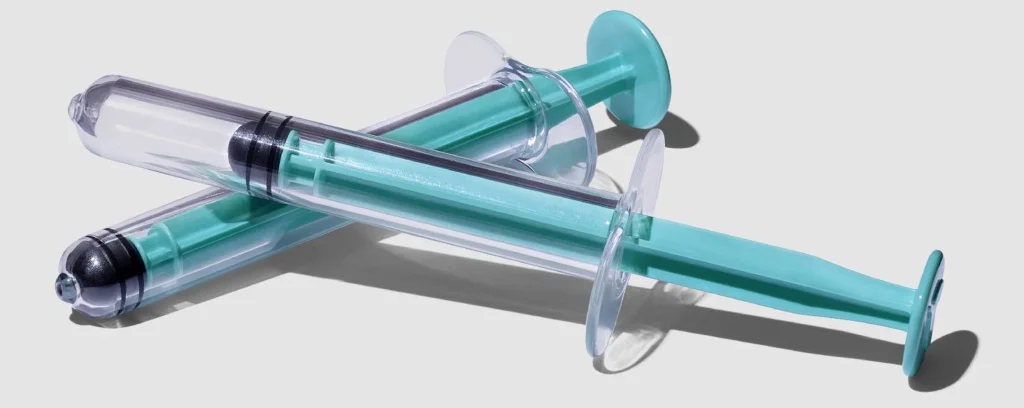
Maximizing Your Chances: Tips for Using a Syringe Kit for Insemination
Insemination is most effective when the cervix is open and the sperm can easily reach the uterus. To help open the cervix, it’s recommended to take a warm bath or use a heating pad on the lower abdomen for 15-20 minutes before insemination. This can help relax the muscles and make insertion of the catheter easier.
5. Follow Proper Technique
Using a syringe kit for insemination requires precise technique to ensure success. It’s important to follow the instructions provided with the kit carefully. Typically, the catheter is inserted into the vagina and guided towards the cervix. Once the catheter is in place, the sperm is slowly injected into the cervix using the syringe. It’s important to take your time and be gentle to avoid any discomfort or injury.
6. Stay in Position
After the sperm has been injected, it’s important to stay in a relaxed position for at least 15-20 minutes. This allows the sperm to travel to the uterus and increases the chances of fertilization. It’s recommended to prop a pillow under the hips to help keep the sperm in place.
7. Consider Using Ovulation Predictor Kits
As mentioned earlier, insemination is most effective when done around the time of ovulation. To increase your chances of success, you may want to consider using ovulation predictor kits. These kits can help you determine when you are ovulating and when is the best time to use the syringe kit for insemination.
8. Be Patient and Positive
Insemination, like any other fertility method, may not always work on the first try. It’s important to be patient and positive, and not become discouraged if it doesn’t result in pregnancy immediately. It may take multiple attempts before achieving success.
In conclusion, using a syringe kit for insemination can be an effective and affordable option for those trying to conceive. By understanding the basics of insemination, choosing the right syringe kit, preparing the sperm and yourself, following proper technique, staying in position, using ovulation predictor kits, and maintaining a positive attitude, you can maximize your chances of success. However, if you are having difficulty conceiving, it’s always best to consult with a healthcare professional for further guidance and assistance.
Leave a Reply