Tag: sperm preparation

  • Maximizing Your Chances: Tips for Using a Syringe Kit for Insemination

    Title: Maximizing Your Chances: Tips for Using a Syringe Kit for Insemination

    Insemination is a common medical procedure used to help individuals and couples conceive a child. While many people opt for professional help, some may choose to use a syringe kit for insemination at home. This can be a more affordable and convenient option, but it also requires proper knowledge and technique to maximize chances of success. In this blog post, we will discuss tips for using a syringe kit for insemination to increase your chances of conception.

    1. Understand the Basics of Insemination

    Before using a syringe kit for insemination, it’s important to understand the basics of the procedure. Insemination involves placing sperm directly into the cervix or uterus to increase the chances of fertilization. This can be done using a syringe or a catheter. It’s important to note that insemination is most effective when done around the time of ovulation, which is typically around day 14 of a woman’s menstrual cycle.

    2. Choose the Right Syringe Kit

    There are many different types of syringe kits available for insemination. It’s important to choose one that is specifically designed for this purpose. These kits typically include a sterile syringe, a catheter, and instructions for use. It’s important to read the instructions carefully and make sure all the components are included and in good condition before using the kit.

    3. Prepare the Sperm

    Before using a syringe kit for insemination, it’s important to prepare the sperm. This can be done by obtaining sperm from a sperm bank or from a partner or donor. If using sperm from a partner or donor, it’s important to ensure that it is fresh and has been properly stored. Sperm can be kept at room temperature for up to 1 hour, but it’s best to use it as soon as possible for maximum viability.

    4. Prepare Yourself
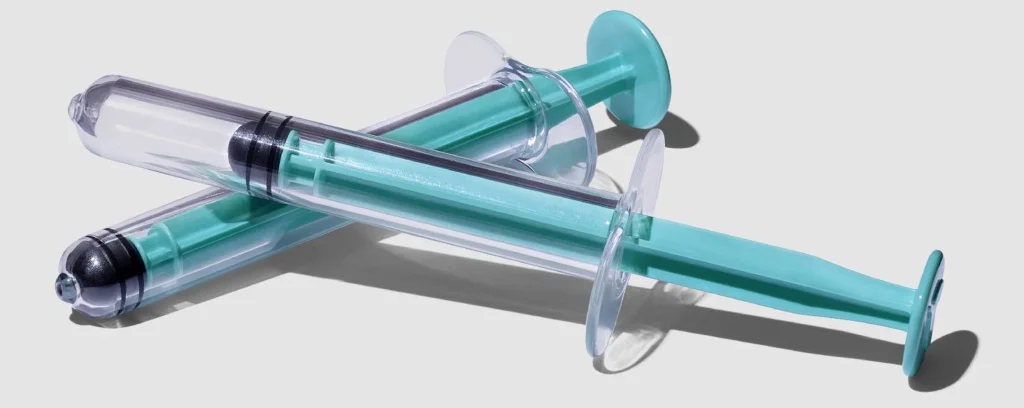
    Two transparent syringes with teal accents positioned diagonally on a light gray background.

    Maximizing Your Chances: Tips for Using a Syringe Kit for Insemination

    Insemination is most effective when the cervix is open and the sperm can easily reach the uterus. To help open the cervix, it’s recommended to take a warm bath or use a heating pad on the lower abdomen for 15-20 minutes before insemination. This can help relax the muscles and make insertion of the catheter easier.

    5. Follow Proper Technique

    Using a syringe kit for insemination requires precise technique to ensure success. It’s important to follow the instructions provided with the kit carefully. Typically, the catheter is inserted into the vagina and guided towards the cervix. Once the catheter is in place, the sperm is slowly injected into the cervix using the syringe. It’s important to take your time and be gentle to avoid any discomfort or injury.

    6. Stay in Position

    After the sperm has been injected, it’s important to stay in a relaxed position for at least 15-20 minutes. This allows the sperm to travel to the uterus and increases the chances of fertilization. It’s recommended to prop a pillow under the hips to help keep the sperm in place.

    7. Consider Using Ovulation Predictor Kits

    As mentioned earlier, insemination is most effective when done around the time of ovulation. To increase your chances of success, you may want to consider using ovulation predictor kits. These kits can help you determine when you are ovulating and when is the best time to use the syringe kit for insemination.

    8. Be Patient and Positive

    Insemination, like any other fertility method, may not always work on the first try. It’s important to be patient and positive, and not become discouraged if it doesn’t result in pregnancy immediately. It may take multiple attempts before achieving success.

    In conclusion, using a syringe kit for insemination can be an effective and affordable option for those trying to conceive. By understanding the basics of insemination, choosing the right syringe kit, preparing the sperm and yourself, following proper technique, staying in position, using ovulation predictor kits, and maintaining a positive attitude, you can maximize your chances of success. However, if you are having difficulty conceiving, it’s always best to consult with a healthcare professional for further guidance and assistance.


  • The Role of Male Partners in Insemination with a Syringe Kit

    Blog Post:

    Insemination with a syringe kit, also known as intracervical insemination (ICI), is a popular method used by many couples who are struggling with fertility issues. This process involves using a syringe to insert the sperm directly into the cervix, bypassing the need for sexual intercourse. While it may seem like a simple and straightforward process, there is a significant role that male partners play in the success of insemination with a syringe kit. In this blog post, we will explore the importance of male partners in this method and how they can support and contribute to the process.

    The first and most crucial role of a male partner in insemination with a syringe kit is providing the sperm. In most cases, the sperm is collected through masturbation into a sterile container and then transferred to the syringe for insertion. This process requires open communication and cooperation between the male partner and the female partner. The male partner needs to be aware of the timing of ovulation and be ready to provide the sperm when needed. This can sometimes be challenging, especially if the male partner has a busy schedule or is not comfortable with providing the sperm in this manner. In such cases, it is essential to have an open and honest conversation about expectations and concerns to avoid any conflicts or misunderstandings.

    Another crucial role of male partners in insemination with a syringe kit is preparing the sperm for insertion. The sperm collected through masturbation may not be in an optimal state to fertilize an egg. It is crucial for the male partner to maintain good overall health, avoid smoking and alcohol, and follow a healthy diet to ensure the quality and quantity of sperm are suitable for insemination. Additionally, it is recommended for male partners to abstain from ejaculation for at least 2-3 days before the scheduled insemination to increase sperm count and motility. By taking care of their health and following these guidelines, male partners can significantly improve the chances of success with insemination.

    Once the sperm is collected and prepared, the male partner’s role shifts to that of a supportive and attentive partner during the insemination process. Insemination with a syringe kit can be an intimate and emotional experience for the female partner, and having the support of their male partner can make a significant difference. Male partners can offer emotional support and reassurance during the procedure and help create a calm and relaxed environment for the female partner. Additionally, they can also assist with the actual insertion of the syringe, which can be challenging for some women to do on their own. By being present and supportive, male partners can help their female partners feel more comfortable and confident during the insemination process.

    at-home insemination kit by Mosie Baby, featuring syringes and containers for comfort and convenience.

    The Role of Male Partners in Insemination with a Syringe Kit

    Moreover, male partners also play a crucial role in the success of insemination with a syringe kit by taking care of their female partner’s needs after the procedure. After the sperm is inserted into the cervix, it is recommended for the female partner to remain lying down for 15-20 minutes to allow the sperm to travel towards the uterus. During this time, male partners can offer physical and emotional support to their partners, making them feel comfortable and cared for. It is also essential for male partners to be understanding and patient throughout the entire process, as it may not always yield immediate results. By being a supportive and understanding partner, male partners can help their female partners navigate the emotional rollercoaster that comes with trying to conceive.

    Aside from the roles mentioned above, male partners can also contribute to the success of insemination with a syringe kit by taking an active interest in the process. This includes attending doctor appointments and consultations, understanding the timing and methods of insemination, and being aware of the potential challenges and complications that may arise. By being actively involved in the process, male partners can offer valuable insights and support to their female partners and make the journey towards conception a shared experience.

    In conclusion, male partners play a significant role in the success of insemination with a syringe kit. From providing the sperm to being a supportive and attentive partner, their involvement and contribution are crucial for the process. By maintaining good health, offering emotional support, and actively participating in the process, male partners can help their female partners navigate the challenges of fertility and increase their chances of conception. It is essential for both partners to communicate openly and work together as a team to achieve their ultimate goal of starting a family.

    Summary:

    Insemination with a syringe kit, also known as intracervical insemination (ICI), is a popular method used by couples struggling with fertility issues. While it may seem like a simple process, male partners play a significant role in its success. They provide the sperm, prepare it for insertion, and offer emotional and physical support during and after the procedure. Male partners can also contribute by actively participating in the process and being understanding and patient throughout. By working together as a team, couples can increase their chances of conception and start their journey towards parenthood.

  • Maximizing Your Chances: Tips for Using Mosie Brand’s Insemination Box

    Blog Post:

    When it comes to starting a family, there are many options available to couples and individuals. One popular method is using an insemination box, such as the one offered by Mosie Brand. This convenient and discreet method allows individuals to perform insemination in the comfort of their own home, without the need for expensive medical procedures. However, to maximize your chances of success, there are important tips that you should keep in mind when using Mosie Brand’s insemination box. In this blog post, we will discuss these tips and how they can help you achieve your goal of starting a family.

    1. Understand the Process

    Before using Mosie Brand’s insemination box, it is crucial to understand the process of insemination. This involves placing sperm into the female reproductive tract in order to fertilize an egg. The Mosie Brand insemination box provides a syringe and a soft, flexible tip that can be used to insert sperm into the vagina near the cervix. It is important to follow the instructions provided by Mosie Brand carefully to ensure proper placement of the sperm.

    2. Timing is Key

    Timing is crucial when it comes to insemination. Mosie Brand recommends using their insemination box during the woman’s ovulation window, which is typically around day 14 of a 28-day menstrual cycle. It is important to track your ovulation using methods such as ovulation predictor kits or basal body temperature tracking. This will help you determine the best time to use Mosie Brand’s insemination box for the highest chances of success.

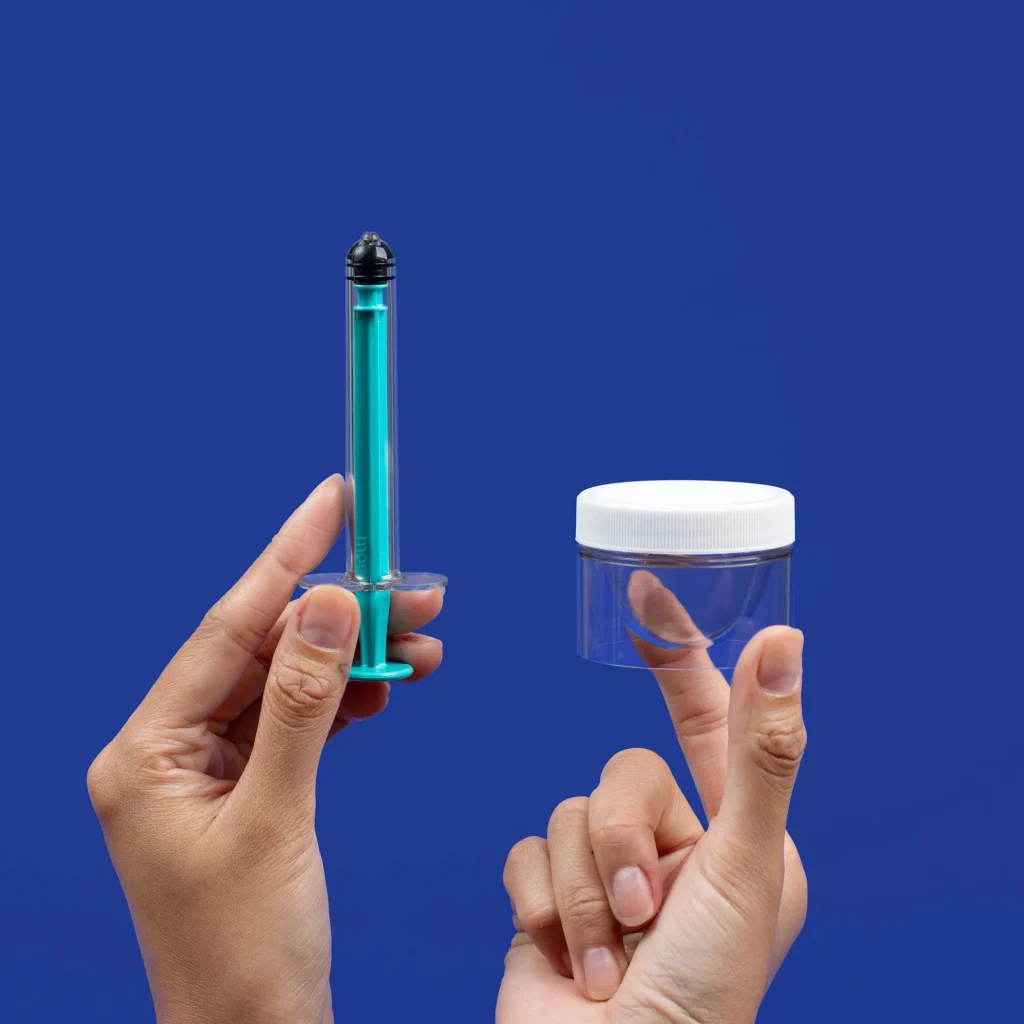
    Mosie Baby Kit with a syringe and container, highlighting safety and usability features on a blue background.

    Maximizing Your Chances: Tips for Using Mosie Brand's Insemination Box

    3. Prepare Sperm Properly

    For those using a donor’s sperm, it is important to prepare it properly before using it with Mosie Brand’s insemination box. It should be kept at room temperature and then warmed to body temperature before use. This can be done by placing the sperm sample in warm water for a few minutes. It is also important to make sure the sperm is free from any debris or clumps before inserting it into the syringe for insemination.

    4. Relax and Stay Comfortable

    Insemination can be a nerve-wracking and uncomfortable process, but it is important to relax and stay comfortable during the procedure. Mosie Brand’s insemination box is designed to be used in a comfortable position, such as lying down with your legs elevated. This will help the sperm reach the cervix more easily and increase the chances of success. It is also important to remain relaxed and calm during the process, as stress and tension can make it more difficult for the sperm to reach the egg.

    5. Follow Up

    After using Mosie Brand’s insemination box, it is important to follow up with your doctor or fertility specialist. They can track your progress and provide guidance on when to take a pregnancy test. It is also important to continue tracking your ovulation and using Mosie Brand’s insemination box during the following cycles if you are not successful on your first attempt.

    In summary, using Mosie Brand’s insemination box can be an effective and convenient method for starting a family. To maximize your chances of success, it is important to understand the process, time your insemination correctly, prepare sperm properly, stay relaxed and comfortable during the procedure, and follow up with a medical professional. By following these tips, you can increase your chances of achieving your goal of starting a family using Mosie Brand’s insemination box.

  • Maximizing Your Chances of Conception: Tips for Using an Insemination Syringe Box

    Maximizing Your Chances of Conception: Tips for Using an Insemination Syringe Box

    Deciding to start a family is an exciting and emotional journey, and for many couples, conception can be a challenging process. For those who are trying to conceive through artificial insemination or self-insemination, using an insemination syringe is a common method. An insemination syringe box contains all the necessary tools and instructions for the process, but there are certain tips and techniques that can help maximize your chances of conception. In this blog post, we will discuss some helpful tips for using an insemination syringe box and increasing your chances of conception.

    1. Understand the Process

    Before using an insemination syringe box, it is crucial to understand the process of artificial insemination. It involves placing sperm directly into the uterus or cervix to increase the chances of fertilization. The sperm can be from a partner or a donor and is often used by couples who have difficulty conceiving naturally or by single individuals who want to start a family. Familiarize yourself with the basics of artificial insemination, including the timing and techniques, to ensure that you are using the insemination syringe box correctly.

    2. Choose the Right Syringe

    When it comes to artificial insemination, using the right syringe is crucial. Insemination syringe boxes usually come with a variety of syringes, but it is essential to choose the one that is recommended for the type of insemination you are planning to do. There are two main types of syringes: bulb syringes and needleless syringes. Bulb syringes are used for insemination through the vagina, while needleless syringes are used for intrauterine insemination (IUI). Make sure to carefully read the instructions and choose the appropriate syringe for your method of insemination.

    3. Follow the Instructions Carefully

    Insemination syringe boxes typically come with detailed instructions on how to use the syringe and perform the insemination process. It is crucial to follow these instructions carefully to maximize your chances of success. Some important things to keep in mind include properly cleaning and sterilizing the syringe, using the right amount of sperm, and following the correct technique for insemination. Skipping steps or not following the instructions can reduce the effectiveness of the insemination process.

    4. Prepare the Sperm

    Preparing the sperm is an essential step in the insemination process. If the sperm is from a partner, it can be collected in a sterile container and then transferred to the syringe. If using donor sperm, it is important to follow the instructions provided by the sperm bank and ensure that the sperm is properly thawed before using it. Properly preparing the sperm will increase its viability and improve the chances of fertilization.

    Mosie Baby pregnancy test kit with two tests and packaging, featuring a mint green color scheme.

    Maximizing Your Chances of Conception: Tips for Using an Insemination Syringe Box

    5. Time it Right

    Timing is crucial when it comes to artificial insemination. The best time to perform insemination is during ovulation when the egg is released from the ovary. This typically occurs around day 14 of a 28-day menstrual cycle but can vary for each individual. Some signs of ovulation include changes in cervical mucus, a slight increase in body temperature, and ovulation predictor kits. Make sure to track your menstrual cycle and signs of ovulation to determine the best time to use the insemination syringe box.

    6. Be Comfortable and Relaxed

    The process of artificial insemination can be stressful and emotional, but it is important to remain calm and relaxed during the procedure. Choose a comfortable and private space to perform the insemination and make sure to have all the necessary supplies within reach. It may also be helpful to have a support person present to assist with the process and provide emotional support. Stress and tension can affect the success of the insemination, so try to stay calm and relaxed throughout the process.

    7. Consider Using a Speculum

    Using a speculum can make the insemination process easier and more effective. A speculum is a medical device that is inserted into the vagina to help visualize the cervix. This can be especially helpful for those using a needleless syringe for intrauterine insemination. The speculum can help guide the syringe to the correct location and ensure that the sperm is placed in the right spot for fertilization.

    8. Be Patient and Persistent

    Conceiving through artificial insemination can take time and patience. It is important not to get discouraged if you do not get pregnant right away. It may take multiple attempts before a successful pregnancy occurs, so it is important to be patient and persistent. Keep track of your ovulation cycles and continue using the insemination syringe box until you achieve the desired result.

    In conclusion, using an insemination syringe box can be an effective method for couples and individuals trying to conceive through artificial insemination. By understanding the process, choosing the right syringe, following instructions carefully, preparing the sperm, timing it right, staying calm and relaxed, using a speculum, and being patient and persistent, you can maximize your chances of conception. With a little bit of knowledge and preparation, you can increase your chances of success and start your journey towards parenthood.

    Summary:

    Starting a family through artificial insemination can be a challenging process, but using an insemination syringe box can increase your chances of success. By understanding the process, choosing the right syringe, following instructions carefully, preparing the sperm, timing it right, staying calm and relaxed, using a speculum, and being patient and persistent, you can maximize your chances of conception. With these tips, you can effectively use an insemination syringe box and increase your chances of starting a family.

  • The Science Behind Insemination Syringe Sets and How They Work

    Blog Post:

    Insemination syringe sets are an effective and widely used method for artificial insemination in both humans and animals. These sets consist of a syringe, a catheter, and a vial of sperm, and are designed to deliver the sperm directly into the cervix or uterus. This process, also known as intrauterine insemination (IUI), has a high success rate and is commonly used by couples struggling with fertility issues, as well as by individuals or couples in the LGBTQ+ community.

    But have you ever wondered about the science behind these insemination syringe sets and how they actually work? In this blog post, we will delve into the details of the process and explore how these sets are designed to increase the chances of successful conception.

    The Basics of Intrauterine Insemination (IUI)

    Before we delve into the science behind insemination syringe sets, let’s first understand the basics of intrauterine insemination. IUI involves the placement of sperm into the uterus using a sterile catheter, bypassing the cervix. This allows the sperm to reach the fallopian tubes and increase the chances of fertilization.

    The process of IUI is usually timed with ovulation, which can occur naturally or be induced with medication. The sperm is usually washed and prepared beforehand to remove any debris or impurities, increasing their motility and viability.

    The Science Behind Insemination Syringe Sets

    Now, let’s explore the science behind insemination syringe sets and how they play a crucial role in the success of IUI.

    Sperm Preparation

    As mentioned earlier, the sperm is usually washed and prepared before being placed into the syringe. This process, known as sperm washing, involves separating the sperm from the seminal fluid. The fluid contains prostaglandins, which can cause uterine contractions and discomfort for the person receiving the insemination. By washing the sperm, these contractions can be avoided, increasing the chances of successful fertilization.

    Sperm washing also allows for the selection of the healthiest and most motile sperm, increasing the chances of successful fertilization. The sperm is usually washed multiple times to ensure that only the best-quality sperm is used in the insemination process.

    Syringe Design

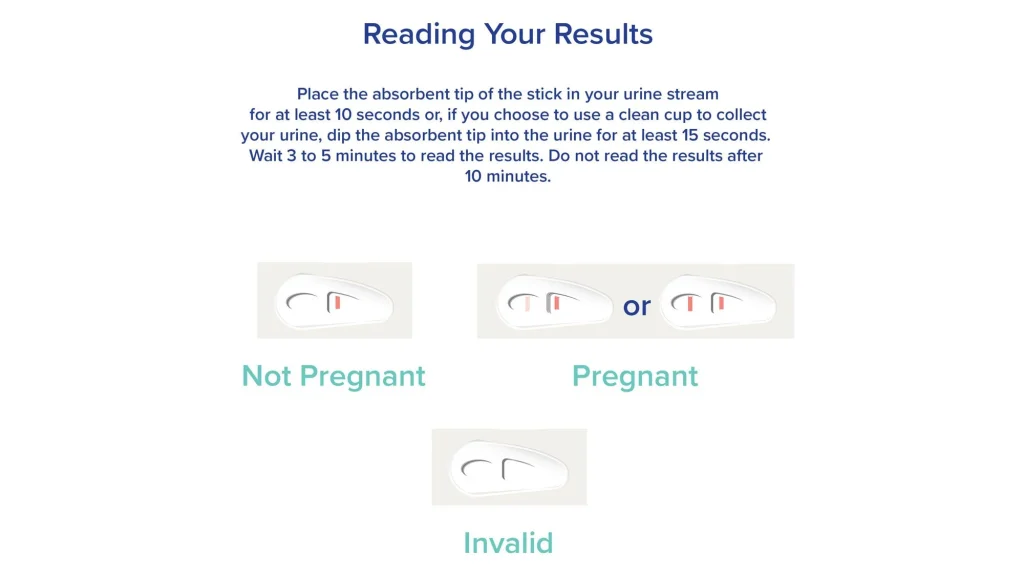
    Instructions for reading pregnancy test results with visual indicators for "Not Pregnant," "Pregnant," and "Invalid.

    The Science Behind Insemination Syringe Sets and How They Work

    The syringe itself plays a crucial role in the success of IUI. It is designed to be sterile and disposable, ensuring that the sperm is not exposed to any contaminants that could affect its viability. The syringe also has a narrow and flexible tip, allowing for easy insertion into the cervix or uterus.

    The size of the syringe also plays a role in the success of IUI. A smaller syringe may not have enough suction to draw in the sperm, while a larger syringe can cause discomfort for the person receiving the insemination. The standard size for an insemination syringe is 3-5ml, which is ideal for the amount of sperm needed for IUI.

    Catheter Design

    The catheter is a thin, flexible tube that is inserted into the cervix or uterus to deliver the sperm. Its design is crucial as it needs to be able to navigate through the cervical canal and reach the uterus without causing any damage or discomfort.

    Most catheters have a soft and rounded tip to prevent any damage to the cervical tissue. They also have a side opening to allow for the easy release of the sperm into the uterus. The length of the catheter is also important, as it needs to reach the uterine cavity without being too long and causing discomfort.

    The Role of Temperature and pH

    Temperature and pH levels also play a crucial role in the success of IUI. The sperm needs to be kept at a specific temperature for optimal viability. Most insemination syringe sets come with a warming device to keep the sperm at body temperature until the moment of insemination. This is important as a drop in temperature can affect the motility and survival of the sperm.

    pH levels also need to be carefully monitored during IUI. The vagina and cervix have a slightly acidic pH, which can be harmful to sperm. The sperm washing process helps to neutralize the pH, making it more favorable for the sperm to survive and reach the uterus.

    Summary:

    Insemination syringe sets play a crucial role in the success of intrauterine insemination (IUI). These sets are designed to prepare the sperm, provide a sterile and easy-to-use delivery system, and maintain optimal temperature and pH levels for the sperm. The syringe, catheter, and sperm washing process all work together to increase the chances of successful fertilization and conception.

    Insemination syringe sets are a popular and effective method for artificial insemination, and understanding the science behind their design can help individuals and couples make informed decisions about their fertility journey.

    SEO metadata:

  • Success Tips for Using the Insemination Syringe Combo for Artificial Insemination

    Blog Post Title: Success Tips for Using the Insemination Syringe Combo for Artificial Insemination

    Artificial insemination (AI) is a widely used assisted reproductive technology that has helped countless individuals and couples achieve their dream of having a child. One of the key components of AI is the insemination syringe combo, a tool that combines an insemination syringe and a catheter to accurately and effectively deposit sperm into the cervix. However, using this combo for the first time can be daunting and may come with a steep learning curve. To help you navigate this process with ease, here are some success tips for using the insemination syringe combo for artificial insemination.

    Tip #1: Familiarize Yourself with the Combo

    Before using the insemination syringe combo, it is essential to familiarize yourself with its components and how they work. The syringe is used to collect and deposit the sperm, while the catheter helps guide the sperm into the cervix. Make sure to carefully read the instructions provided by the manufacturer and practice using the combo a few times before your actual insemination day. This will help you feel more confident and comfortable with the process.

    Tip #2: Choose the Right Position

    Positioning is crucial when it comes to using the insemination syringe combo for artificial insemination. The most recommended position is the “hips raised” position, where the person undergoing insemination lies on their back with their hips elevated on a pillow or rolled-up blanket. This position helps to tilt the cervix, making it easier for the sperm to reach its target. It is also essential to stay in this position for at least 20 minutes after insemination to maximize the chances of success.

    Tip #3: Prepare the Sperm Properly

    The success of artificial insemination heavily relies on the quality and preparation of the sperm. It is crucial to follow the instructions provided by your fertility clinic or sperm bank on how to properly handle and prepare the sperm sample. Generally, the sperm should be collected and allowed to liquefy for at least 30 minutes before insemination. It is also recommended to keep the sperm sample at room temperature before use, as cold temperatures can negatively affect sperm motility.

    Tip #4: Use Lubricant, But Not Just Any Kind

    guide and materials for using Mosie Baby fertility kit on a textured surface

    Success Tips for Using the Insemination Syringe Combo for Artificial Insemination

    Using a lubricant during insemination can make the process more comfortable and less painful. However, it is crucial to choose the right type of lubricant to avoid damaging the sperm. Avoid using oil-based lubricants, as they can harm the sperm and decrease their motility. Instead, opt for a water-based or sperm-friendly lubricant, which will not interfere with the sperm’s journey to the cervix.

    Tip #5: Stay Relaxed and Positive

    Undergoing artificial insemination can be a stressful and emotional experience, but it is crucial to stay relaxed and positive during the process. Stress and anxiety can negatively affect fertility, so it is essential to find ways to relax, such as deep breathing, meditation, or listening to calming music. Additionally, maintaining a positive attitude and believing in the success of the procedure can also have a significant impact on its outcome.

    Tip #6: Follow Post-Insemination Care Instructions

    After insemination, it is essential to follow any post-insemination care instructions provided by your healthcare provider. These instructions may include avoiding strenuous activities, abstaining from sexual intercourse, and taking any prescribed medications. It is crucial to follow these instructions carefully to give the sperm the best chance of reaching and fertilizing the egg.

    Tip #7: Don’t Get Discouraged by Initial Setbacks

    Artificial insemination may not always result in pregnancy on the first try. It is essential not to get discouraged by any initial setbacks and to keep trying. Some couples may need to undergo multiple insemination cycles before achieving pregnancy, and that is completely normal. Stay positive, communicate with your healthcare provider, and keep trying until you reach your goal.

    In conclusion, using the insemination syringe combo for artificial insemination can be a successful and effective method for conceiving a child. By following the tips mentioned above, you can increase your chances of a successful insemination and ultimately, a successful pregnancy. Remember to stay informed, relaxed, and positive throughout the process, and don’t be afraid to seek support from your healthcare provider or loved ones.

    SEO Metadata:

  • Navigating the Road to Parenthood: Tips for Using Mosie Brand Insemination Effectively

    Navigating the Road to Parenthood: Tips for Using Mosie Brand Insemination Effectively

    Parenthood is an exciting and life-changing journey that many people dream of. However, for some couples or individuals, conceiving a child may not come easily. In these situations, alternative methods such as insemination may be considered. Mosie brand insemination is a popular option for those trying to conceive, but it can also be overwhelming and confusing for first-time users. In this blog post, we will explore the road to parenthood and provide tips for using Mosie brand insemination effectively.

    Understanding Mosie Brand Insemination

    Mosie brand insemination is a non-invasive and affordable method of insemination that can be done in the comfort of your own home. It involves using a specially designed syringe to insert sperm into the vagina, near the cervix, to increase the chances of conception. This method is often used by same-sex couples, single individuals, and couples struggling with fertility issues.

    Tips for Using Mosie Brand Insemination Effectively

    1. Consult with Your Doctor

    Before starting any fertility treatment, it is important to consult with your doctor. They can assess your health and provide guidance on the best course of action for you. Your doctor can also discuss any potential risks or side effects of using Mosie brand insemination and address any concerns you may have.

    2. Know Your Fertile Window

    Timing is crucial when it comes to insemination. It is important to know your fertile window, which is the period when you are most likely to conceive. This window typically starts five days before ovulation and ends on the day of ovulation. There are various methods you can use to track your fertile window, such as ovulation predictor kits, basal body temperature tracking, and cervical mucus monitoring. Knowing your fertile window can increase the chances of successful insemination.

    3. Prepare the Sperm

    Baby with blue eyes wearing a light blue onesie that says "made with Love" on a soft white background.

    Navigating the Road to Parenthood: Tips for Using Mosie Brand Insemination Effectively

    Before using Mosie brand insemination, it is important to prepare the sperm. If you are using a sperm donor, make sure to follow the instructions provided by the sperm bank. It is recommended to let the sperm thaw at room temperature for 30 minutes before using it. If you are using fresh sperm, it should be collected in a sterile cup and used immediately. It is important to note that the success of insemination may depend on the quality and quantity of the sperm used.

    4. Follow Proper Hygiene

    Maintaining proper hygiene is crucial when using Mosie brand insemination. Before handling the syringe and sperm, make sure to wash your hands thoroughly with soap and water. Additionally, make sure the area around the vagina is clean and free of any lotions, lubricants, or perfumes that may interfere with the sperm. It is also recommended to use a sterile lubricant, such as Pre-Seed, to aid in the insertion of the syringe.

    5. Follow the Instructions Carefully

    Mosie brand insemination comes with detailed instructions on how to use the syringe effectively. It is important to follow these instructions carefully and not skip any steps. The syringe should be inserted into the vagina, near the cervix, and the sperm should be released slowly. After insemination, it is recommended to lay down for 15-20 minutes to allow the sperm to travel towards the cervix.

    6. Stay Positive and Patient

    The journey to parenthood can be emotionally and physically draining, but it is important to stay positive and patient throughout the process. Mosie brand insemination may not work on the first try, and it may take multiple attempts before achieving success. It is important to not get discouraged and to keep trying.

    In conclusion, Mosie brand insemination can be an effective and affordable method for those trying to conceive. By following these tips and consulting with your doctor, you can navigate the road to parenthood and increase your chances of success. Remember to stay positive, stay patient, and stay hopeful.

    Summary:

    Parenthood is a journey that many people dream of, but for some, it may not come easily. In these situations, alternative methods such as insemination may be considered. Mosie brand insemination is a popular option, but it can be overwhelming for first-time users. This blog post provides tips for using Mosie brand insemination effectively, such as consulting with your doctor, knowing your fertile window, preparing the sperm, maintaining proper hygiene, following instructions carefully, and staying positive and patient. By following these tips, you can navigate the road to parenthood and increase your chances of success.

  • The Science Behind Syringe Insemination: How It Works

    Blog Post:

    In the world of assisted reproductive technology, one method that has gained popularity in recent years is syringe insemination. This procedure involves the use of a syringe to inject sperm directly into the uterus, bypassing the cervix. While it may seem like a simple process, there is actually a lot of science behind syringe insemination. In this blog post, we will explore the steps involved in the procedure and the science behind its success.

    Step 1: Sperm Preparation

    Before syringe insemination can take place, the sperm must be prepared. This involves washing and concentrating the sperm sample. The goal is to remove any debris or dead sperm and to increase the concentration of healthy, motile sperm. This is important because only the strongest and healthiest sperm have a chance of fertilizing an egg.

    Step 2: Cervical Mucus Check

    The next step in syringe insemination is a cervical mucus check. This is done to determine the quality and quantity of cervical mucus present in the woman’s body. Cervical mucus plays an important role in fertility as it helps to nourish and protect sperm as they travel through the reproductive tract. A healthy amount of cervical mucus is necessary for the sperm to survive and reach the egg. If there is a lack of cervical mucus, additional lubricant may need to be added during the insemination process.

    Step 3: Ovulation Tracking

    Timing is crucial when it comes to syringe insemination. The procedure must be done during the woman’s fertile window, which is typically around the time of ovulation. This is why ovulation tracking is an important step. It involves monitoring the woman’s menstrual cycle and using tools such as ovulation predictor kits or basal body temperature tracking to determine when she is most likely to ovulate.

    Step 4: Uterine Preparation

    Smiling baby in a blue onesie with "made with Love" text, lying on a light blue crocheted blanket.

    The Science Behind Syringe Insemination: How It Works

    Before the syringe insemination can take place, the uterus must be prepared. This is done by thinning the uterine lining, a process known as endometrial preparation. This is typically done through hormonal medications, such as estrogen and progesterone, to ensure that the uterus is ready for implantation in case fertilization occurs.

    Step 5: The Insemination Process

    Now that all the preparations have been made, it is time for the actual insemination process. The sperm sample is loaded into a sterile syringe, and the woman is positioned on an exam table with her feet in stirrups. A speculum is inserted into the vagina to hold the walls open, and the cervix is cleaned with a sterile solution. The syringe is then inserted through the cervix and into the uterus, and the sperm is injected. After the insemination, the woman is instructed to lie down for a short period to allow the sperm to swim towards the egg.

    The Science Behind Syringe Insemination

    Now that we have gone through the steps involved in syringe insemination, let’s take a closer look at the science behind its success. The main goal of syringe insemination is to increase the chances of sperm reaching the egg and fertilizing it. By bypassing the cervix, the sperm does not have to swim through the acidic environment of the vagina, which can be harmful to sperm. Additionally, syringe insemination allows for a higher concentration of sperm to be delivered directly to the uterus, increasing the chances of fertilization.

    Another key factor in the success of syringe insemination is the timing of the procedure. By tracking ovulation and performing the insemination during the fertile window, the sperm is more likely to encounter the egg at the right time. This is especially important for couples who may have fertility issues, as it increases the chances of a successful pregnancy.

    Furthermore, the preparation of the sperm and uterus plays a crucial role in the success of syringe insemination. By washing and concentrating the sperm, only the healthiest and strongest sperm are used, increasing the chances of fertilization. Thinning the uterine lining also creates a more favorable environment for implantation in case fertilization occurs.

    In summary, syringe insemination is a scientifically-proven method of assisted reproduction that aims to increase the chances of fertilization and pregnancy. By bypassing the cervix, tracking ovulation, and preparing the sperm and uterus, couples have a higher chance of achieving their dream of starting a family.

    In conclusion, syringe insemination may seem like a simple procedure, but there is a lot of science behind its success. By understanding the steps involved and the science behind them, couples can make informed decisions about their fertility journey and increase their chances of a successful pregnancy.

  • A Comprehensive Guide to Intrauterine Insemination at Home

    Blog Post:

    Intrauterine insemination (IUI) is a fertility treatment that involves placing sperm directly into the uterus to increase the chances of fertilization. While traditionally done in a medical setting, it is possible to do at home with the right knowledge and preparation. In this comprehensive guide, we will discuss everything you need to know about intrauterine insemination at home.

    What is Intrauterine Insemination?

    Intrauterine insemination, also known as artificial insemination, is a fertility treatment that involves placing sperm directly into the uterus when a woman is ovulating. This procedure is commonly used for couples who have trouble conceiving due to male factor infertility, unexplained infertility, or same-sex couples.

    The Process of Intrauterine Insemination at Home

    Before attempting intrauterine insemination at home, it is crucial to consult with a fertility specialist to discuss your options and ensure that this is the right treatment for you. The process of intrauterine insemination at home involves the following steps:

    1. Tracking Ovulation

    The first step to intrauterine insemination at home is tracking your ovulation. This can be done through various methods such as ovulation predictor kits, tracking basal body temperature, or monitoring cervical mucus changes. It is essential to have intercourse or insemination within 12-24 hours of ovulation for the best chance of success.

    2. Preparing the Sperm

    The next step is preparing the sperm for insemination. If using donor sperm, it can be purchased from a sperm bank and shipped to your home. If using the partner’s sperm, it can be collected through masturbation and then washed to remove any seminal fluid that may cause discomfort or an allergic reaction.

    3. Collecting and Preparing the Insemination Device

    The insemination device can be obtained from a fertility clinic or purchased online. It is essential to follow the instructions and sterilize the device before use. The most common device used for intrauterine insemination at home is a sterile syringe.

    4. Performing the Insemination

    Once the sperm and the insemination device are prepared, it is time to perform the insemination. This can be done by inserting the prepared sperm into the cervix using the insemination device. It is essential to remain lying down for at least 15-20 minutes after the insemination to allow the sperm to travel up the uterus.

    home insemination kit components: a syringe and a collection container against a blue background.

    A Comprehensive Guide to Intrauterine Insemination at Home

    5. Rest and Wait

    After the insemination, it is crucial to rest and wait for the next 24 hours. It is recommended to avoid strenuous activities and to stay hydrated during this time. Some women may experience mild cramping or spotting, which is normal and should subside within a few hours.

    6. Pregnancy Test

    Around two weeks after the insemination, a pregnancy test can be taken to check for pregnancy. If the test is positive, it is essential to schedule an appointment with a healthcare provider for confirmation and further monitoring.

    Risks and Considerations of Intrauterine Insemination at Home

    While intrauterine insemination at home can be a convenient and cost-effective option for some couples, there are risks and considerations to keep in mind. Some of the risks include:

    – Infection: If proper sterilization techniques are not followed, there is a risk of infection.
    – Allergic reaction: Some women may be allergic to their partner’s sperm, causing discomfort or an allergic reaction.
    – Low success rates: The success rates of intrauterine insemination at home are lower compared to in-clinic procedures.
    – Multiple pregnancies: There is a higher chance of multiple pregnancies with intrauterine insemination, which can lead to complications.

    It is essential to discuss these risks and considerations with a healthcare provider before attempting intrauterine insemination at home.

    Tips for Successful Intrauterine Insemination at Home

    Here are some tips to increase the chances of success with intrauterine insemination at home:

    1. Follow the instructions carefully and sterilize all equipment.
    2. Use a reliable method to track ovulation.
    3. Have intercourse or insemination within 12-24 hours of ovulation.
    4. Stay hydrated and avoid strenuous activities after the insemination.
    5. Consider using a fertility-friendly lubricant during intercourse or insemination.
    6. Seek the advice of a fertility specialist for any concerns or questions.

    In conclusion, intrauterine insemination at home can be a viable option for couples struggling with infertility. However, it is essential to consult with a healthcare provider and follow the instructions carefully to increase the chances of success. While it may not work for everyone, it can be a less invasive and more affordable option for some couples.

    Summary:

    Intrauterine insemination (IUI) is a fertility treatment that involves placing sperm directly into the uterus when a woman is ovulating. While traditionally done in a medical setting, it is possible to do at home with the right knowledge and preparation. The process involves tracking ovulation, preparing the sperm, collecting and preparing the insemination device, performing the insemination, resting and waiting, and taking a pregnancy test. There are risks and considerations to keep in mind, and it is essential to follow the instructions carefully and seek the advice of a healthcare provider. With these tips in mind, intrauterine insemination at home can be a viable option for couples struggling with infertility.