Blog Post Title: Empowering Yourself with Home Insemination: A Starter Pack for Single Women
Summary:
For many single women, starting a family is a dream they hold close to their hearts. However, the traditional method of conceiving a child may not be an option for everyone. In such cases, home insemination can be a viable alternative. Not only does it give single women the opportunity to become mothers, but it also empowers them to take control of their reproductive journey.
In this blog post, we will discuss everything you need to know about home insemination as a single woman, from the basics to the practical steps and tips for success. By the end, you will have a clear understanding of how to go about this process and feel confident in taking the first step towards building the family you desire.
What is Home Insemination?
Home insemination involves the process of placing sperm inside the vagina or cervix at the time of ovulation to help fertilize an egg. This method is often used by single women or same-sex couples to conceive without the involvement of a male partner. It can be done at home with the use of a home insemination kit or with the help of a fertility clinic.
Why Choose Home Insemination?
There are several reasons why single women may choose home insemination over other methods of conception. For some, it may be a personal choice, while for others, it may be due to medical reasons. Here are some of the benefits of home insemination for single women:
1. Empowerment and Control: Home insemination gives single women the power to take control of their reproductive journey and make decisions about their family planning without relying on a partner.
2. Privacy and Comfort: Many women may feel uncomfortable with the idea of undergoing fertility treatments in a clinical setting. Home insemination allows for a more private and comfortable experience.
3. Cost-effective: Home insemination can be a more affordable option compared to other assisted reproductive techniques, making it accessible to more women.
4. Flexibility: With home insemination, women have the flexibility to choose when and where they want to perform the insemination, making it easier to work around their schedules.
5. Bonding with the Child: By using a known donor or participating in the insemination process, single women can form a deeper connection with their child from the very beginning.
How to Prepare for Home Insemination?
Before starting the home insemination process, it is essential to prepare both physically and emotionally. Here are some steps to follow:
1. Understand Your Body: As a single woman, it is crucial to have a good understanding of your menstrual cycle and ovulation. You can use ovulation predictor kits or track your basal body temperature to determine when you are ovulating.
2. Choose a Donor: If you are using donor sperm, you can either choose a known donor or purchase sperm from a sperm bank. Make sure to do thorough research and select a reputable and reliable donor.
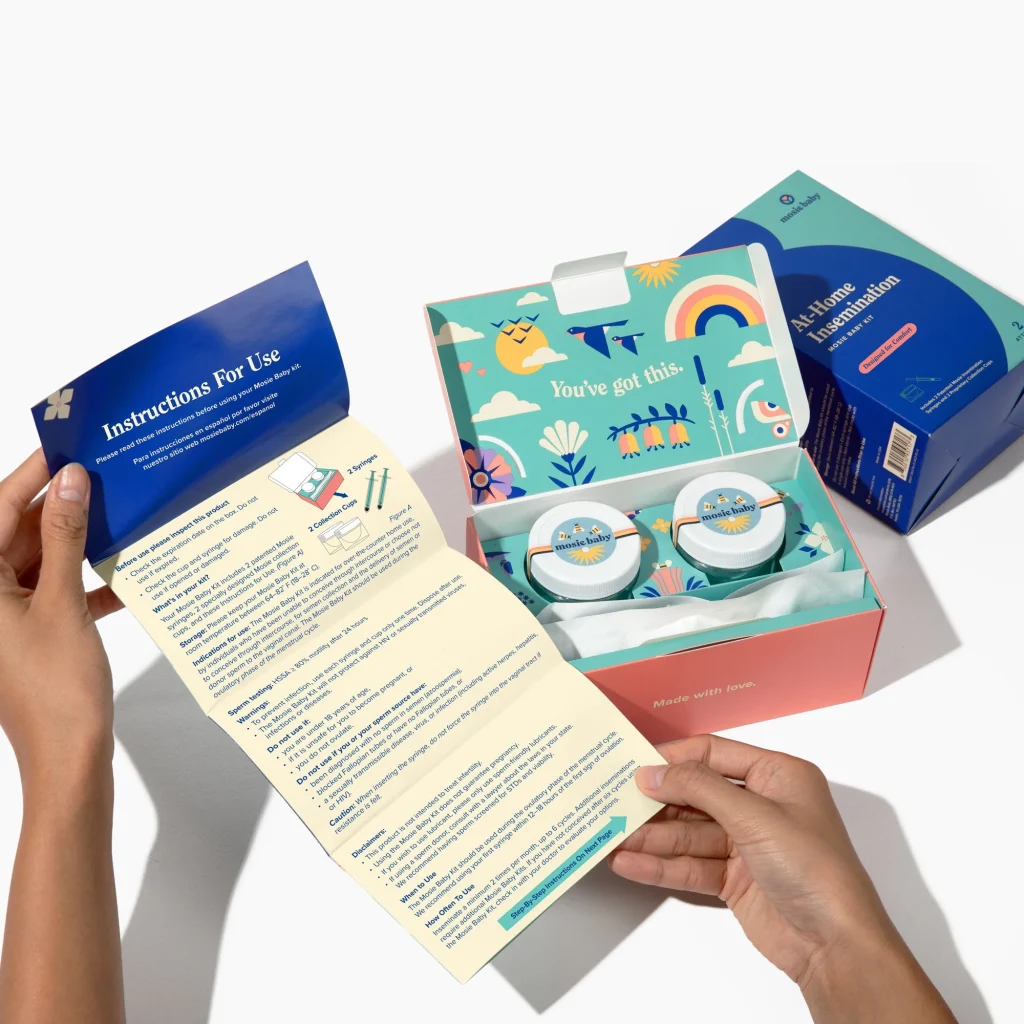
Empowering Yourself with Home Insemination: A Starter Pack for Single Women
3. Gather Supplies: You will need some essential supplies for home insemination, such as a sterile syringe, ovulation predictor kits, and a specimen cup.
4. Create a Support System: Home insemination can be an emotional journey, and having a strong support system in the form of friends, family, or a therapist can be beneficial.
5. Talk to Your Doctor: It is always a good idea to consult with a doctor before starting the home insemination process. They can provide advice on timing, fertility, and any other concerns you may have.
Performing Home Insemination: Step by Step
Now that you have prepared for home insemination let’s walk through the process step by step:
Step 1: Collect Sperm: If you are using a known donor, make sure they provide a fresh sample or freeze it at a reputable sperm bank. If you are using frozen sperm, thaw it according to the instructions.
Step 2: Prepare Sperm: Using a sterile syringe, transfer the sperm into a specimen cup. Allow the sperm to liquefy for 15-20 minutes.
Step 3: Prepare Yourself: Wash your hands thoroughly, and make sure to have a clean and comfortable space to perform the insemination. You can also use a mirror to help guide the syringe.
Step 4: Insert Sperm: Once you have determined that you are ovulating, use the syringe to insert the sperm into your vagina or cervix.
Step 5: Rest: After the insemination, it is recommended to rest for 15-20 minutes with your hips slightly elevated to increase the chances of conception.
Tips for Success with Home Insemination
1. Be Consistent: To increase your chances of success, it is essential to be consistent with ovulation tracking and insemination. Consider using a fertility tracking app to help keep track of your cycle.
2. Stay Positive: It can take several attempts before successfully conceiving, so it is crucial to stay positive and not get discouraged.
3. Consider Alternative Methods: If home insemination does not work for you, there are other alternative methods such as intrauterine insemination (IUI) or in vitro fertilization (IVF) that you can explore.
4. Seek Professional Help: If you are having difficulty with home insemination, do not hesitate to seek professional help. A fertility doctor can provide guidance and support to help you achieve your goal.
Conclusion
Home insemination can be a life-changing experience for single women who want to start a family. It is an empowering process that allows women to take control of their reproductive journey and fulfill their dreams of motherhood. With proper preparation, support, and a positive mindset, home insemination can be a successful and rewarding choice for single women.
SEO Metadata:
Leave a Reply