Breaking Barriers: The Power of At-Home Insemination
In today’s society, the concept of starting a family has evolved drastically. With the advancement of technology and changing societal norms, traditional methods of conception are no longer the only option. One of these alternative methods is at-home insemination, a process that allows individuals and couples to conceive in the comfort of their own home. This method has gained popularity in recent years for its convenience, privacy, and affordability. However, at-home insemination is still a taboo subject in many communities, and there are numerous barriers to access and education surrounding this process. In this blog post, we will explore the power of at-home insemination and how it is breaking barriers in the world of conception.
What is At-Home Insemination?
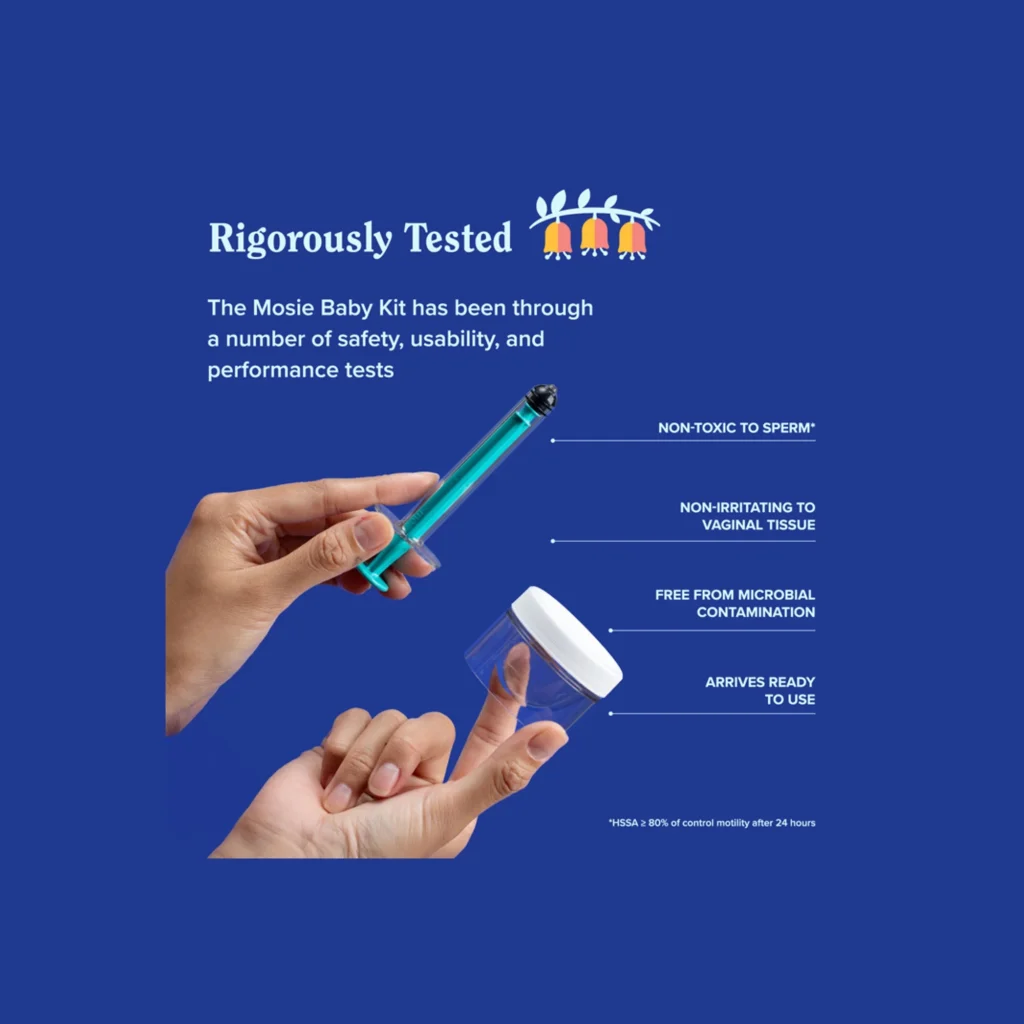
At-home insemination, also known as home insemination or self-insemination, is a method of conception in which sperm is manually inserted into the cervix or vagina of a woman in order to fertilize an egg. This process can be done with the help of a partner or donor, and it can be performed using a variety of methods, such as a needleless syringe, cervical cap, or soft cup. At-home insemination is often used by same-sex couples, single individuals, and heterosexual couples struggling with fertility issues.
Breaking Barriers in the LGBTQ+ Community
At-home insemination has opened up a world of possibilities for the LGBTQ+ community, specifically for lesbian couples who wish to start a family. In the past, many lesbian couples had to resort to expensive and invasive fertility treatments, such as intrauterine insemination (IUI) or in vitro fertilization (IVF). At-home insemination offers a more affordable and less invasive option for these couples, allowing them to take control of their own fertility and start a family on their own terms.
Breaking Barriers for Single Individuals
At-home insemination has also broken barriers for single individuals who wish to become parents. In the past, single individuals who wanted to start a family had limited options, such as adoption or finding a co-parent. However, at-home insemination has given them the opportunity to conceive and carry their own biological child. This process empowers single individuals to take control of their own fertility and become parents without relying on a partner.
Breaking Barriers: The Power of At-Home Insemination
Breaking Barriers for Heterosexual Couples
At-home insemination has also been a game-changer for heterosexual couples struggling with fertility issues. In the past, these couples had to go through expensive and often emotionally taxing fertility treatments. At-home insemination offers a more affordable and less invasive option, allowing these couples to try to conceive in the comfort of their own home. It also gives them the privacy and control over their own fertility journey.
The Benefits of At-Home Insemination
Aside from breaking barriers for various communities, at-home insemination offers numerous benefits for anyone looking to start a family. One of the main advantages is privacy. Many individuals and couples prefer to keep their fertility journey private, and at-home insemination allows them to do so without involving doctors, clinics, or third-party donors. This method also offers convenience, as the process can be done at home on the individuals’ own time. Additionally, at-home insemination is more affordable compared to other fertility treatments, making it a more accessible option for those on a tight budget.
The Importance of Education and Accessibility
While at-home insemination has opened up possibilities for many individuals and couples, there are still barriers to access and education surrounding this process. One of the main barriers is the lack of information and resources available to those considering at-home insemination. Many people are not aware that this is a viable option for conception or do not know how to properly perform the process. This lack of education can lead to safety concerns and unsuccessful attempts.
Another barrier is the stigma surrounding at-home insemination. Due to its association with the LGBTQ+ community and single individuals, at-home insemination is often seen as a controversial or taboo topic. This stigma can prevent individuals and couples from seeking information and resources, further perpetuating the lack of education surrounding this process.
It is crucial to break these barriers and increase access and education surrounding at-home insemination. This can be done through promoting accurate and inclusive information, providing resources and support for those interested in the process, and advocating for its acceptance in society.
In conclusion, at-home insemination is a powerful method of conception that has broken barriers for various communities and individuals. It offers privacy, convenience, and affordability, making it a desirable option for those looking to start a family. However, there are still barriers to access and education surrounding this process that need to be addressed. With increased awareness and acceptance, at-home insemination can continue to empower individuals and couples to take control of their own fertility journey.