From Stress to Fertility: How to Support Cervical Mucus Production Naturally
Cervical mucus is a key component of female fertility, as it helps sperm travel through the reproductive tract to reach the egg. However, many women struggle with low cervical mucus production, which can make it difficult to conceive. In this blog post, we will explore the link between stress and cervical mucus production, as well as natural ways to support and improve cervical mucus production.
The Link Between Stress and Cervical Mucus Production
Stress can have a significant impact on our overall health, including our reproductive health. When we are stressed, our bodies produce higher levels of cortisol, a hormone that can interfere with our reproductive hormones. This can lead to hormonal imbalances and affect cervical mucus production.
Furthermore, stress can also affect the immune system, which plays a role in cervical mucus production. Our immune system produces antibodies that help protect the cervical mucus from being damaged by bacteria or other harmful substances. When we are stressed, our immune system may not function properly, making it difficult for the cervical mucus to do its job effectively.
Natural Ways to Support Cervical Mucus Production
1. Practice Stress Management Techniques
One of the best ways to support cervical mucus production is to manage stress levels effectively. This can include activities such as yoga, meditation, deep breathing, or even going for a walk in nature. Find what works best for you and make it a regular part of your routine to help reduce stress and promote relaxation.
2. Get Enough Sleep
Getting enough quality sleep is crucial for our overall health and fertility. When we are well-rested, our bodies can produce the right amount of hormones, including those that support cervical mucus production. Aim for 7-9 hours of sleep each night and establish a consistent bedtime routine to help improve your sleep quality.
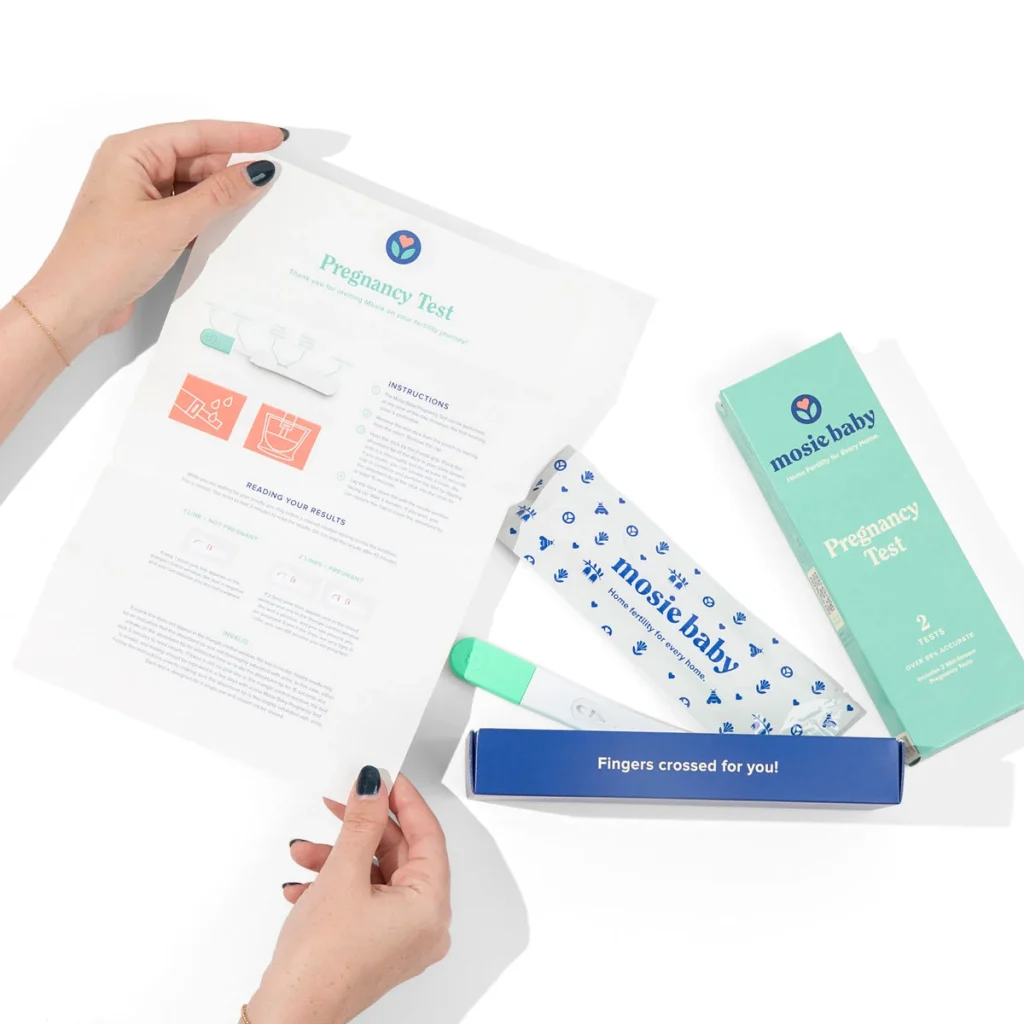
From Stress to Fertility: How to Support Cervical Mucus Production Naturally
3. Stay Hydrated
Drinking enough water is essential for maintaining healthy cervical mucus production. When we are dehydrated, our cervical mucus can become thick and sticky, making it difficult for sperm to travel through. Aim to drink at least 8 glasses of water a day and avoid dehydrating beverages, such as caffeine and alcohol.
4. Eat a Nutrient-Dense Diet
The food we eat plays a significant role in our overall health, including our reproductive health. Consuming a diet rich in whole foods, including fruits, vegetables, lean proteins, and healthy fats, can help support cervical mucus production. Specific nutrients that are beneficial for cervical mucus production include vitamin C, zinc, and omega-3 fatty acids.
5. Consider Natural Supplements
Certain supplements may also help support cervical mucus production. These include evening primrose oil, which is rich in omega-6 fatty acids that can help thin cervical mucus, making it easier for sperm to swim through. Other supplements, such as vitamin C, zinc, and L-arginine, have also been shown to support cervical mucus production.
6. Avoid Harmful Substances
Substances such as tobacco, alcohol, and certain medications can have a negative impact on cervical mucus production. These substances can dry out cervical mucus and make it difficult for sperm to travel through. It is best to avoid them, especially when trying to conceive.
7. Consider Fertility-Friendly Lubricants
Some lubricants can also affect cervical mucus production, making it more difficult for sperm to reach the egg. If you are trying to conceive, consider using fertility-friendly lubricants that are specifically designed to support cervical mucus production and sperm motility.
In conclusion, stress can have a significant impact on cervical mucus production, making it difficult to conceive. However, by implementing these natural strategies, you can support and improve cervical mucus production, making it easier for sperm to reach the egg. By reducing stress, getting enough rest, staying hydrated, and consuming a nutrient-dense diet, you can promote a healthy reproductive system and increase your chances of conception.