Tag: artificial insemination

  • The Truth About Home Insemination: Dispelling Common Myths and Misconceptions

    Home insemination, also known as at-home insemination, is a method of conception that involves the placement of sperm into the female reproductive tract in order to fertilize an egg. While this method has been around for centuries, it has recently gained more attention and popularity as an alternative to traditional methods of conception. However, there are still many myths and misconceptions surrounding home insemination that can lead to confusion and hesitation for those considering this option. In this blog post, we will explore the truth about home insemination, dispel common myths, and provide information to help you make an informed decision about whether it is the right choice for you.

    Myth 1: Home insemination is only for same-sex couples or single women

    One of the most common myths about home insemination is that it is only for same-sex couples or single women. While it is true that home insemination can be a great option for these individuals, it is not exclusive to them. In fact, home insemination is a viable option for any couple struggling with fertility issues or looking for a more private and intimate conception method. It can also be a great choice for couples who have difficulty with traditional methods of conception, such as those with allergies to semen or physical limitations that make intercourse difficult.

    Myth 2: It is not as effective as traditional methods of conception

    Another misconception about home insemination is that it is not as effective as traditional methods of conception. While it is true that the success rates may vary, studies have shown that home insemination can be just as effective as other methods, such as intrauterine insemination (IUI) or in vitro fertilization (IVF). The key to success with home insemination is proper timing and technique, which we will discuss later in this post. It is important to consult with a fertility specialist and properly prepare for the process to increase your chances of success.

    Myth 3: It is not a safe method of conception

    Some people may be hesitant to try home insemination because they believe it is not a safe method of conception. However, when done properly, home insemination is a safe and low-risk option for conception. It involves collecting sperm from a donor or partner, and then using a sterile device to place the sperm into the vagina or cervix. As long as the sperm is properly screened for any potential diseases or infections, there is no increased risk of harm or complications compared to traditional methods of conception.

    Myth 4: It is an expensive process

    One of the most appealing factors of home insemination is that it can be a much more affordable option compared to traditional methods of conception. While IVF or other fertility treatments can cost thousands of dollars, home insemination can be done with a minimal budget. The cost mainly involves purchasing a sterile insemination kit and potentially paying for sperm from a donor. However, there are also options for using a known donor, such as a friend or family member, which can further reduce the cost.

    Home insemination kit by Mosie Baby with instructions and colorful packaging.

    The Truth About Home Insemination: Dispelling Common Myths and Misconceptions

    Myth 5: It is a complicated and awkward process

    Many people may feel intimidated by the idea of performing a home insemination, thinking it is a complicated and awkward process. However, with proper preparation and guidance, it can be a simple and comfortable experience. There are various resources available, such as online tutorials and at-home insemination kits, that can make the process easier and more familiar. It is also important to communicate with your partner or donor and establish a comfortable and supportive environment.

    Tips for a successful home insemination

    Now that we have dispelled some of the common myths and misconceptions about home insemination, let’s discuss some tips for a successful at-home insemination.

    1. Timing is crucial: In order for home insemination to be successful, it is important to track your ovulation cycle and perform the insemination during your most fertile days. There are various tools available, such as ovulation predictor kits, that can help you determine the best timing for insemination.

    2. Properly prepare the sperm: If you are using a sperm donor, make sure to properly screen the sperm for any potential diseases or infections. If you are using a known donor, discuss and agree upon any necessary testing or precautions. The sperm should also be collected and stored in a sterile container before the insemination.

    3. Follow proper technique: It is important to follow proper technique when performing a home insemination. This includes using a sterile device, such as a syringe or soft cup, to place the sperm into the vagina or cervix. It is also recommended to elevate your hips or lie down for 20-30 minutes after the insemination to increase the chances of sperm reaching the egg.

    4. Consider consulting with a fertility specialist: It can be helpful to consult with a fertility specialist before attempting a home insemination. They can provide guidance and advice, as well as perform any necessary tests or procedures to increase the chances of success.

    In summary, home insemination is a safe, affordable, and effective method of conception that is not limited to same-sex couples or single women. It is important to do your research, consult with a fertility specialist, and properly prepare in order to increase your chances of success. With the right timing, technique, and support, home insemination can be a comfortable and empowering option for those looking to start or expand their family.


  • Home Insemination vs. Clinical Insemination: Making the Right Choice for You

    Summary:
    When it comes to starting a family, there are various options available for couples who may struggle with natural conception. Two popular methods are home insemination and clinical insemination. Home insemination involves the couple performing the insemination process themselves in the comfort of their own home, while clinical insemination is performed by a medical professional in a clinical setting. Both methods have their own advantages and disadvantages, and it is important for couples to carefully consider which option is best for them. In this blog post, we will discuss the differences between home insemination and clinical insemination, as well as some factors to consider when making the right choice for you and your partner.

    Home Insemination:
    Home insemination, also known as self-insemination, is the process of a couple using a syringe or fertility kit to insert semen into the woman’s vagina or cervix at home. This method is often chosen by couples who prefer a more intimate and private experience, as well as those who may not have access to clinical insemination due to financial or geographical constraints. Home insemination also allows couples to have more control over the timing and process of insemination, as they can do it in the comfort of their own home and at their own pace.

    However, home insemination also has its limitations. It requires a high level of preparation and precision, as the couple needs to carefully follow instructions and timing in order to increase the chances of success. There is also a risk of infection or injury if the process is not done correctly. Additionally, home insemination may not be suitable for couples with certain fertility issues, such as low sperm count or blocked fallopian tubes.

    Clinical Insemination:
    Clinical insemination, also known as artificial insemination, is a medical procedure that involves a doctor or fertility specialist inserting prepared semen directly into the woman’s uterus or cervix. This method is usually done in a clinical setting, such as a fertility clinic or doctor’s office. It is often recommended for couples who have been struggling with infertility, as it allows for a more controlled and monitored process to increase the chances of conception.

    home insemination kit components: a syringe and a collection container against a blue background.

    Home Insemination vs. Clinical Insemination: Making the Right Choice for You

    One of the main advantages of clinical insemination is the higher success rates compared to home insemination. This is due to the use of advanced techniques, such as sperm washing, to select and prepare the healthiest sperm for insemination. It also allows for the detection and treatment of any underlying fertility issues that may be hindering conception. However, clinical insemination can be a more expensive option, and it may require multiple visits to the clinic for monitoring and procedures.

    Factors to Consider:
    When deciding between home insemination and clinical insemination, there are several important factors to take into consideration. These include the couple’s personal preferences, their fertility history, and their financial situation. Some couples may prefer the privacy and convenience of home insemination, while others may feel more comfortable with the expertise and technology used in clinical insemination.

    It is also important to consult with a medical professional before making a decision, as they can provide valuable insights and recommendations based on the couple’s specific situation. Additionally, it is important to keep in mind that neither home insemination nor clinical insemination guarantee success, and it may take multiple attempts for conception to occur.

    In conclusion, both home insemination and clinical insemination have their own advantages and disadvantages, and the decision ultimately depends on what works best for each individual couple. It is important to carefully consider all factors and seek professional guidance before making a decision. With patience, communication, and proper preparation, couples can increase their chances of starting a family through either method.

  • The Science of Home Insemination: Understanding the Process

    Blog Post: The Science of Home Insemination: Understanding the Process

    Home insemination, also known as artificial insemination or at-home insemination, is the process of placing sperm into a woman’s reproductive tract in order to achieve pregnancy. While it may seem like a daunting and complex process, home insemination is actually a simple and effective method for couples or individuals looking to start a family. In this blog post, we will delve into the science of home insemination and help you understand the process better.

    What is Home Insemination?

    Home insemination is a form of assisted reproductive technology (ART) that does not require the assistance of a medical professional. It involves the placement of sperm into the vagina, cervix, or uterus of a woman in order to fertilize an egg and achieve pregnancy. This technique can be used by heterosexual couples, single women, or same-sex couples.

    Types of Home Insemination

    There are two main types of home insemination: intracervical insemination (ICI) and intrauterine insemination (IUI). In ICI, sperm is placed in the cervix using a syringe or soft cup. This method is less invasive and can be done at home without any assistance. On the other hand, IUI involves placing sperm directly into the uterus using a catheter. This method is more invasive and usually requires the help of a healthcare provider.

    Preparing for Home Insemination

    Before attempting home insemination, it is important to prepare the sperm and the body for the process. For the sperm, it is crucial to select high-quality sperm from a donor or partner. This can be done through a sperm bank or by collecting semen from a partner. The sperm should then be washed and prepared to increase the chances of successful fertilization.

    For the body, it is important to track ovulation and time the insemination accordingly. This can be done through ovulation predictor kits or by monitoring changes in cervical mucus. It is also recommended to have a pelvic exam or ultrasound to ensure that the reproductive organs are healthy and ready for insemination.

    Steps of Home Insemination

    The process of home insemination can vary depending on the type of insemination chosen. However, there are some general steps that apply to both ICI and IUI methods.

    blue box with "mosie" logo, syringes, and informational pamphlet on a pink background

    The Science of Home Insemination: Understanding the Process

    1. Collect the semen: If using donor sperm, follow the instructions from the sperm bank on how to collect and transport the sperm. If using a partner’s sperm, it can be collected through ejaculation into a sterile container.

    2. Prepare the sperm: Once the sperm is collected, it should be washed and prepared according to the instructions provided by the sperm bank or healthcare provider.

    3. Insert the sperm: Using a syringe or soft cup, the sperm is inserted into the vagina for ICI or into the cervix or uterus for IUI. The sperm should be placed as close to the cervix as possible to increase the chances of fertilization.

    4. Relax and rest: After insemination, it is important to relax and rest for at least 15 minutes to allow the sperm to travel towards the egg.

    5. Monitor for pregnancy: It is recommended to monitor for pregnancy symptoms and take a pregnancy test after two weeks to confirm if the insemination was successful.

    Risks and Success Rate of Home Insemination

    Home insemination is considered a safe and effective method for achieving pregnancy. However, there are some risks involved, such as infection or allergic reactions to sperm or sperm preparation materials. It is important to follow proper hygiene practices and use sterile materials to minimize these risks.

    The success rate of home insemination varies depending on factors such as the timing of insemination, the quality of sperm, and the health of the reproductive organs. On average, the success rate for home insemination is around 10-15%, which is comparable to the success rate of natural conception.

    Conclusion

    Home insemination is a simple and accessible method for couples or individuals looking to start a family. By understanding the process and following the necessary steps, it can be a successful way to achieve pregnancy. However, it is important to consult with a healthcare provider and follow proper hygiene practices to ensure safety and increase the chances of success.

    Summary:

    Home insemination is a form of assisted reproductive technology that involves placing sperm into a woman’s reproductive tract to achieve pregnancy. There are two main types of home insemination: intracervical insemination (ICI) and intrauterine insemination (IUI). Before attempting home insemination, it is important to prepare the sperm and the body. The process involves collecting and preparing the sperm, inserting it into the vagina, cervix, or uterus, and monitoring for pregnancy. While it is considered safe and effective, there are some risks involved, and the success rate varies depending on various factors.

  • The Role of Technology: How Insemination Kits Have Revolutionized the Fertility Industry

    The Role of Technology: How Insemination Kits Have Revolutionized the Fertility Industry

    Technology has played a crucial role in transforming various industries, and the fertility industry is no exception. In recent years, the development of insemination kits has revolutionized the way couples struggling with infertility can conceive. These kits provide a convenient and cost-effective alternative to traditional fertility treatments, making it more accessible for individuals and couples to start a family. In this blog post, we will explore the role of technology in the fertility industry and how insemination kits have changed the game for those seeking to get pregnant.

    The Traditional Approach to Fertility Treatments

    Before the development of insemination kits, couples struggling with infertility had limited options for fertility treatments. The most common and widely used method was in vitro fertilization (IVF), which involves extracting eggs and sperm from the female and male partners and fertilizing them in a laboratory. This process is not only invasive and expensive, but it also requires multiple trips to the doctor’s office, which can be time-consuming and emotionally draining for couples.

    The Emergence of Insemination Kits

    With advancements in technology, insemination kits have emerged as a popular and effective alternative to traditional fertility treatments. These kits contain all the necessary tools and equipment for self-insemination, eliminating the need for multiple visits to the doctor’s office. They typically include a soft catheter, a syringe, and instructions for use. The process involves collecting sperm from the male partner and placing it directly into the cervix or uterus of the female partner using the tools provided in the kit.

    Benefits of Insemination Kits

    One of the main advantages of insemination kits is the convenience they offer. Unlike traditional fertility treatments, which require multiple appointments and procedures, insemination kits can be used in the comfort of one’s own home. This not only saves time and money but also allows couples to maintain their privacy and intimacy during the conception process.

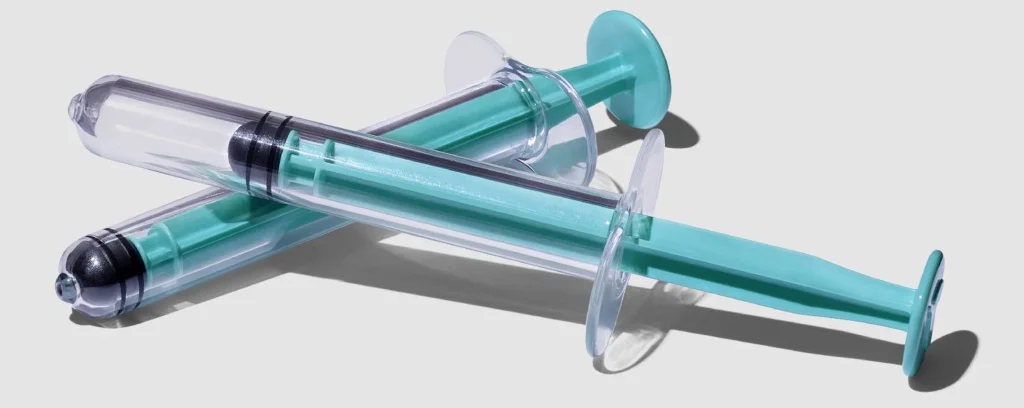
    Two transparent syringes with teal accents positioned diagonally on a light gray background.

    The Role of Technology: How Insemination Kits Have Revolutionized the Fertility Industry

    Insemination kits are also significantly more affordable compared to other fertility treatments such as IVF. This makes it a more accessible option for couples who may not have the financial resources to undergo expensive procedures. Additionally, the use of insemination kits eliminates the need for expensive fertility drugs, making it a more natural and less invasive approach to fertility.

    The Role of Technology

    The development of insemination kits can be attributed to advancements in technology. With the increasing use of artificial insemination in the agricultural industry, scientists and researchers were able to adapt and refine the process for human use. The use of high-quality catheters and syringes, as well as the development of sperm washing techniques, has made insemination kits a safe and effective method for conceiving.

    Insemination kits also utilize technology in the form of telemedicine. Many companies that provide these kits also offer virtual consultations and guidance for users. This allows couples to receive expert advice and support from the comfort of their own homes, making the process more convenient and accessible for those living in remote areas.

    The Impact of Insemination Kits on the Fertility Industry

    The emergence of insemination kits has had a significant impact on the fertility industry. It has opened up new possibilities for couples struggling with infertility, providing them with an affordable and less invasive option for starting a family. It has also increased competition among fertility clinics, leading to a decrease in the cost of traditional fertility treatments and making them more accessible to a wider range of individuals.

    Furthermore, the use of insemination kits has also challenged societal norms and traditional family structures. Same-sex couples and single individuals can now use these kits to start a family, breaking the barriers of traditional methods that often require a male and female partner.

    In conclusion, technology has played a crucial role in revolutionizing the fertility industry, and insemination kits are a prime example of this. They have provided a convenient, affordable, and effective option for couples struggling with infertility to start a family. With constant advancements in technology, it is likely that we will continue to see new innovations in the fertility industry, making it easier for individuals and couples to fulfill their dreams of parenthood.

  • Fertility Boosting Insemination Kits: The Modern Solution for Couples Trying to Conceive

    Blog Post Title: Fertility Boosting Insemination Kits: The Modern Solution for Couples Trying to Conceive

    Summary:

    For many couples, the journey of trying to conceive can be filled with challenges and frustrations. While some may turn to expensive fertility treatments, others are looking for more natural and affordable options. This is where fertility boosting insemination kits come in. These kits provide couples with a convenient and effective way to enhance their chances of getting pregnant. In this blog post, we will discuss what exactly fertility boosting insemination kits are, how they work, and the benefits they offer to couples trying to conceive.

    First, let’s define what fertility boosting insemination kits are. These kits typically include everything needed for artificial insemination at home. This includes a sterile syringe, a collection cup, and a step-by-step guide on how to use the kit. The kits are designed to make the process of insemination as easy and stress-free as possible.

    So, how do these kits work? Fertility boosting insemination kits use a method called intrauterine insemination (IUI), also known as artificial insemination. This involves placing the sperm directly into the uterus, bypassing any potential barriers in the cervix, and increasing the chances of fertilization. The kits also come with ovulation predictor tests to help determine the most fertile days for insemination.

    at-home insemination kit featuring a syringe and container for fresh or donor sperm conception

    Fertility Boosting Insemination Kits: The Modern Solution for Couples Trying to Conceive

    One of the main benefits of using fertility boosting insemination kits is the convenience they offer. Couples can perform the insemination in the comfort of their own home, eliminating the need for multiple doctor visits. This can also save couples a significant amount of money as fertility treatments can be costly. Additionally, using these kits can also help couples maintain their privacy and intimacy during the conception process.

    Another advantage of using fertility boosting insemination kits is the control it gives couples over their fertility journey. With these kits, couples can choose when and how often to inseminate, making it easier to plan around busy schedules. This can also be beneficial for those who may struggle with traditional methods of conception, such as intercourse.

    Furthermore, fertility boosting insemination kits have been shown to have a high success rate. According to a study published in the Journal of Assisted Reproduction and Genetics, the use of IUI kits resulted in a pregnancy rate of 19% per cycle. This makes it a viable option for couples who have been trying to conceive for a while and are looking for alternative methods.

    It’s important to note that fertility boosting insemination kits are not a substitute for medical advice and should not be used as a treatment for fertility issues. It’s always recommended to consult with a healthcare professional before trying any fertility method, including using these kits. They may also not be suitable for those with certain medical conditions, such as blocked fallopian tubes or severe male factor infertility.

    In conclusion, fertility boosting insemination kits offer a modern and convenient solution for couples trying to conceive. They provide couples with control over their fertility journey, privacy, and a cost-effective option for enhancing their chances of getting pregnant. However, it’s essential to consult with a healthcare professional before trying these kits and to keep in mind that they may not be suitable for everyone. With the success rates and benefits these kits offer, they are definitely worth considering for couples who are looking to start or expand their family.
  • The Importance of Preparation: How Insemination Kits Can Help You Get Ready for Pregnancy

    The journey towards parenthood is a beautiful and life-changing experience, but it also requires a lot of preparation. From taking care of your physical and emotional well-being to setting up your home for a new arrival, there are many things that need to be considered before starting a family. One important aspect of preparation for parenthood is ensuring that you are ready for pregnancy. This is where insemination kits come in – they can be a valuable tool in helping you get ready for the journey of pregnancy.

    Insemination kits are designed to aid couples who are trying to conceive through artificial insemination. They typically include all the necessary items for the insemination process, such as a syringe, a cup for collecting semen, and a cervical cap or diaphragm. Using an insemination kit can greatly increase the chances of conception, as it provides a controlled and efficient way of depositing sperm into the vagina near the cervix.

    But aside from its main purpose of aiding conception, insemination kits can also play a crucial role in preparing for pregnancy. In this blog post, we will discuss how these kits can help you get ready for the journey of pregnancy and why they are an essential tool for couples trying to conceive.

    1. Convenience and Ease of Use

    One of the main reasons why insemination kits are helpful for preparing for pregnancy is their convenience and ease of use. These kits are designed to be user-friendly and can be easily used at home, eliminating the need for multiple visits to a fertility clinic. This makes the process more comfortable and less stressful for couples, allowing them to focus on their journey towards parenthood.

    Moreover, insemination kits come with clear instructions and all the necessary items, making the process of artificial insemination much simpler. This convenience helps couples to be more prepared and confident in their journey towards pregnancy.

    2. Accurate Timing of Ovulation

    Timing is crucial when it comes to conception, and insemination kits can help with accurate timing of ovulation. These kits often come with ovulation prediction tools, such as a basal body thermometer or ovulation predictor kits, which can help determine the most fertile time of the month for a woman to conceive.

    By tracking ovulation accurately, couples can plan their insemination process accordingly and increase their chances of conception. This also allows them to be more prepared and organized, making the journey towards pregnancy less stressful.

    at-home insemination kit by Mosie Baby, featuring syringes, collection cups, and instructions on a pink background.

    The Importance of Preparation: How Insemination Kits Can Help You Get Ready for Pregnancy

    3. Boosts Sperm Quality

    Another important aspect of preparing for pregnancy is ensuring that the sperm quality is optimal. Insemination kits are designed to preserve and maintain sperm quality during the insemination process. The sperm sample is collected in a cup and then inserted into the vagina close to the cervix, where the sperm can survive longer and have a better chance of reaching the egg.

    Insemination kits also come with specific instructions on how to handle the sperm sample, ensuring that it is not exposed to harmful elements that can affect its quality. By using an insemination kit, couples can be confident that they are doing everything they can to boost their chances of conception.

    4. Creates a Relaxed Environment

    The journey towards pregnancy can be a stressful and emotionally draining experience. Insemination kits can help create a relaxed environment for couples during the insemination process. As mentioned earlier, these kits can be used at home, eliminating the need for multiple clinic visits, which can cause added stress and pressure.

    Moreover, the process of using an insemination kit is less invasive and more comfortable compared to other fertility treatments. This helps couples to feel more relaxed and at ease, which can positively impact their chances of conception.

    5. Cost-effective

    Fertility treatments can be expensive, and not everyone has the means to afford them. Insemination kits are a cost-effective alternative to other fertility treatments, making it a more accessible option for couples who are trying to conceive.

    Moreover, these kits can be used multiple times, making it a budget-friendly choice for couples who may need to try multiple times before successfully conceiving. This eliminates the financial burden and stress that often comes with fertility treatments, allowing couples to focus on their journey towards parenthood.

    In summary, preparation is key to a successful and healthy pregnancy. Insemination kits can be a valuable tool in helping couples prepare for pregnancy by providing convenience, accurate timing of ovulation, boosting sperm quality, creating a relaxed environment, and being a cost-effective alternative. These kits can greatly increase the chances of conception and make the journey towards parenthood a more manageable and enjoyable experience.

  • Fertility on Demand: The Accessibility of Insemination Kits for Every Couple

    Blog Post: Fertility on Demand: The Accessibility of Insemination Kits for Every Couple

    In today’s society, the concept of family planning has evolved to include not only traditional methods of conceiving, but also alternative options such as sperm donation and artificial insemination. With the rise of technology and the increasing acceptance of non-traditional families, it has become easier for couples to explore these options and start their own families. One of the most convenient and accessible ways to do so is through the use of insemination kits, which allow couples to perform the procedure in the comfort of their own homes. In this blog post, we will delve into the world of insemination kits and explore the accessibility and benefits they offer to every couple.

    What are Insemination Kits?

    Insemination kits, also known as at-home insemination kits, are packages that contain all the necessary tools and supplies for performing artificial insemination. These kits typically include a syringe, a vial of sperm, and instructions for use. They can be purchased online or over the counter at pharmacies, making them easily accessible to anyone looking to start a family.

    The Accessibility of Insemination Kits

    One of the main advantages of using insemination kits is their accessibility. Unlike traditional medical procedures, which can be costly and require multiple visits to a doctor’s office, insemination kits can be purchased and used in the comfort and privacy of one’s own home. This is particularly beneficial for those who may live in remote areas or have limited access to fertility clinics.

    Moreover, insemination kits are also more affordable than other methods of assisted reproduction. The cost of purchasing a kit and performing the procedure at home is significantly lower than the cost of medical procedures, making it a more viable option for couples with financial constraints.

    Insemination Kits and Privacy

    Another factor that adds to the appeal of insemination kits is the privacy they offer. For many couples, the process of conceiving can be a sensitive and personal matter. By using an at-home insemination kit, couples can avoid the potential discomfort of discussing their fertility issues with medical professionals or strangers. This added privacy can be a huge relief for those who may feel embarrassed or self-conscious about their fertility struggles.

    Smiling baby in a blue onesie with "made with Love" text, lying on a light blue crocheted blanket.

    Fertility on Demand: The Accessibility of Insemination Kits for Every Couple

    In addition, same-sex couples and single individuals can also benefit from the privacy that insemination kits offer. With no need for a partner or involvement of a medical professional, these kits provide an inclusive option for all individuals who want to start a family.

    The Role of Technology in Insemination Kits

    The rise of technology has significantly contributed to the accessibility of insemination kits. With the help of online platforms and e-commerce websites, individuals can easily purchase these kits and have them delivered to their doorstep. This eliminates the need for physical visits to a pharmacy or fertility clinic, making the process more convenient and discreet.

    Moreover, some companies have also developed mobile applications that provide step-by-step instructions and support for using insemination kits. This not only simplifies the process but also adds a sense of control and empowerment for individuals who are taking charge of their own fertility journey.

    The Benefits of Insemination Kits

    Apart from their accessibility, insemination kits offer several other benefits that make them a desirable option for many couples. One of the main advantages is that they can be used in the comfort of one’s own home, eliminating the potential stress and anxiety that may come with visiting a fertility clinic.

    In addition, using an at-home insemination kit can also be a more intimate experience for couples, as they can perform the procedure together in a familiar and comfortable environment. This can also strengthen their bond and create a sense of teamwork and support during the fertility journey.

    Summing It Up

    In conclusion, the accessibility of insemination kits has opened up new possibilities for couples and individuals who are struggling with fertility issues. These kits offer a convenient, affordable, and private option for starting a family, making it a viable choice for many. With the help of technology, insemination kits have become more accessible than ever, providing individuals with more control and autonomy over their fertility journey.

    SEO Metadata:

  • A Natural Boost: The Holistic Approach of Using an Insemination Kit for Fertility

    Blog Post Title: A Natural Boost: The Holistic Approach of Using an Insemination Kit for Fertility

    Summary:

    Fertility is a topic that can bring about a wide range of emotions, from excitement and hope to frustration and disappointment. Many couples who are struggling to conceive often turn to medical interventions such as in vitro fertilization (IVF) or intrauterine insemination (IUI). However, these methods can be costly and invasive, causing some individuals to seek out more natural alternatives. One such option is using an insemination kit, which offers a holistic approach to fertility. In this blog post, we will explore the benefits of using an insemination kit and how it can provide a natural boost to your fertility journey.

    What is an Insemination Kit?

    An insemination kit is a non-invasive at-home method of artificial insemination. It typically includes a syringe, a catheter, and a collection cup. The process involves collecting sperm from a male partner or a donor, placing it into the syringe, and using the catheter to insert the sperm into the cervix. This method mimics the natural process of conception, as the sperm is placed directly into the reproductive system.

    Benefits of Using an Insemination Kit

    1. Cost-effective

    One of the main benefits of using an insemination kit is its cost-effectiveness. IVF and IUI can cost thousands of dollars, which can be a financial burden for many couples. In comparison, an insemination kit is relatively inexpensive and can be purchased online or at a local pharmacy.

    2. Non-invasive

    Unlike IVF and IUI, which require medical procedures and medications, an insemination kit is non-invasive. This means that there are no needles, surgeries, or medications involved. This can be a more comfortable and less intimidating option for couples who are looking for a more natural approach to fertility.

    3. Privacy

    Many couples may feel uncomfortable with the idea of undergoing fertility treatments in a medical setting. Using an insemination kit at home allows for privacy and discretion, which can be important for some individuals. It also eliminates the need for multiple appointments and consultations with doctors, making it a more convenient option for busy couples.

    4. Flexibility

    Insemination kits offer more flexibility in terms of timing and location. Unlike medical procedures, which need to be scheduled according to a woman’s menstrual cycle, an insemination kit can be used at any time during ovulation. Additionally, the process can be done in the comfort of one’s own home, eliminating the need to travel to a clinic.

    5. Holistic Approach

    Using an insemination kit offers a holistic approach to fertility. It allows the sperm to enter the reproductive system naturally, without the use of drugs or medical procedures. This can be beneficial for couples who are looking for a more natural and less invasive option.

    Baby with blue eyes wearing a light blue onesie that says "made with Love" on a soft white background.

    A Natural Boost: The Holistic Approach of Using an Insemination Kit for Fertility

    How to Use an Insemination Kit

    1. Familiarize yourself with the kit

    Before using an insemination kit, it is essential to familiarize yourself with the contents and instructions. Read the instructions carefully and make sure you understand each step.

    2. Prepare the sperm

    If using a male partner’s sperm, it is recommended to collect it by masturbation. If using a donor’s sperm, it can be thawed according to the instructions provided by the sperm bank.

    3. Prepare the syringe and catheter

    Assemble the syringe and catheter according to the instructions provided. Make sure they are clean and sterile.

    4. Insert the sperm

    Using the syringe, draw up the sperm from the collection cup. Then, carefully insert the catheter into the cervix and slowly push the plunger to release the sperm.

    5. Rest for 10-15 minutes

    After the sperm has been inserted, it is recommended to rest for 10-15 minutes to allow the sperm to travel to the fallopian tubes.

    6. Clean up

    Dispose of the kit components and clean the area with soap and water.

    Important Considerations

    While using an insemination kit can be a more natural and cost-effective option, it is essential to keep in mind that it may not be suitable for everyone. It is recommended to consult with a doctor before trying this method, especially if you have any underlying fertility issues. Additionally, it is crucial to follow the instructions carefully to ensure the process is done correctly and safely.

    In conclusion, using an insemination kit offers a holistic approach to fertility, providing a more natural and less invasive option for couples struggling to conceive. It is cost-effective, non-invasive, and offers privacy and flexibility. However, it is essential to consult with a doctor and follow the instructions carefully for the best chances of success.

  • Beyond IVF: How Insemination Kits Can Be an Alternative Option for Fertility Treatment

    Beyond IVF: How Insemination Kits Can Be an Alternative Option for Fertility Treatment

    In vitro fertilization (IVF) has long been the go-to fertility treatment for couples struggling to conceive. However, it is a costly, invasive, and emotionally draining process that may not be suitable for everyone. Fortunately, there is another option that is gaining popularity in the fertility world – insemination kits. These at-home kits offer a more affordable, less invasive, and more accessible approach to fertility treatment, making it a viable alternative to IVF. In this blog post, we will explore beyond IVF and delve into the world of insemination kits as a potential solution for couples struggling with infertility.

    What are Insemination Kits?

    Insemination kits, also known as at-home insemination or artificial insemination kits, are a type of fertility treatment that involves the insertion of sperm into the female reproductive tract to facilitate pregnancy. Unlike IVF, which involves retrieving eggs from the ovaries, fertilizing them in a laboratory, and then transferring them back into the uterus, insemination kits use a simpler and more natural approach to conception.

    The kits typically include a syringe, a vial of sperm, and instructions on how to use them. The sperm can either be purchased from a sperm bank or collected from a partner or donor. The insemination process can be done at home, eliminating the need for multiple doctor’s visits and expensive procedures.

    Why are Insemination Kits Gaining Popularity?

    There are several reasons why insemination kits are becoming a popular alternative to IVF:

    1. Cost: IVF can cost tens of thousands of dollars, making it out of reach for many couples. Insemination kits, on the other hand, can cost as little as a few hundred dollars, making it a more affordable option for those on a budget.

    2. Less Invasive: IVF involves multiple procedures, such as egg retrieval and embryo transfer, which can be physically and emotionally taxing. Insemination, on the other hand, is a simple and non-invasive process that can be done at home.

    3. Accessibility: IVF may not be accessible to everyone, especially those living in rural areas or countries with limited fertility treatment options. Insemination kits, on the other hand, can be easily purchased online and used in the comfort of one’s home, making it a more accessible option for many couples.

    at-home insemination kit by Mosie Baby, featuring syringes and containers for comfort and convenience.

    Beyond IVF: How Insemination Kits Can Be an Alternative Option for Fertility Treatment

    How Do Insemination Kits Work?

    The process of using an insemination kit may sound intimidating, but it is actually quite simple and can be done in a few easy steps:

    1. Tracking Ovulation: The first step is to track ovulation to determine the best time for insemination. This can be done through methods such as ovulation predictor kits, tracking basal body temperature, or monitoring cervical mucus.

    2. Preparing the Sperm: If using donor sperm, it will need to be thawed according to the instructions provided. If using sperm from a partner, it can be collected and placed into the syringe.

    3. Inserting the Sperm: Once the sperm is prepared, the syringe is inserted into the vagina and the sperm is released into the cervix. Some kits may also come with a cervical cap that can be used to keep the sperm in place.

    4. Resting: After the sperm has been inserted, it is recommended to lie down for about 20-30 minutes to allow the sperm to travel towards the fallopian tubes.

    5. Monitoring for Pregnancy: Just like with any other fertility treatment, it may take a few weeks to determine if the insemination was successful. Many kits come with pregnancy tests to check for a positive result.

    Are Insemination Kits Right for You?

    While insemination kits may seem like a convenient and affordable option for fertility treatment, it is not suitable for everyone. It is important to consult with a fertility specialist to determine the cause of infertility and whether insemination kits are a viable option.

    Insemination kits may be a good option for couples with unexplained infertility, mild male factor infertility, or same-sex couples. However, it may not be recommended for couples with severe male factor infertility, blocked fallopian tubes, or ovulation disorders.

    In conclusion, beyond IVF, there is a world of alternative fertility treatments, such as insemination kits, that offer a more affordable, less invasive, and more accessible option for couples struggling with infertility. While it may not be suitable for everyone, it is a promising option that is gaining popularity in the fertility world. If you are considering insemination kits, make sure to consult with a fertility specialist to determine if it is the right choice for you.

  • Fertility at Your Fingertips: The Convenience of Using an Insemination Kit

    Blog Post: Fertility at Your Fingertips: The Convenience of Using an Insemination Kit

    For many couples struggling with fertility issues, the process of conceiving a child can be a long and expensive journey. From multiple doctor visits to fertility treatments, the process can take a toll both physically and financially. However, with advancements in technology, there is a convenient and affordable option available to couples – the insemination kit.

    Insemination kits, also known as at-home insemination kits, have gained popularity in recent years as a way for couples to take control of their fertility journey. These kits provide the necessary tools and instructions for performing artificial insemination in the comfort of one’s own home. Let’s explore the benefits and convenience of using an insemination kit.

    Convenience

    One of the primary benefits of using an insemination kit is the convenience it offers. Unlike traditional fertility treatments that require multiple visits to a doctor’s office, insemination kits can be performed in the privacy of one’s own home. This eliminates the need for time-consuming appointments and allows couples to have more control over their fertility journey.

    In addition, many insemination kits come with step-by-step instructions, making the process easy to follow and less daunting for couples. This can be especially helpful for those who are uncomfortable with the idea of undergoing fertility treatments in a clinical setting.

    Affordability

    Fertility treatments can be expensive, with costs ranging from several hundred to thousands of dollars per cycle. This can add up quickly, especially for couples who may require multiple cycles to achieve pregnancy. Insemination kits, on the other hand, are a more affordable option, with prices ranging from $50 to $200 per kit.

    Moreover, traditional fertility treatments may not be covered by insurance, making it even more difficult for couples to afford them. Insemination kits, on the other hand, are often more accessible and can be purchased over the counter without a prescription.

    Privacy

    at-home insemination kit by Mosie Baby, featuring syringes, collection cups, and instructions on a pink background.

    Fertility at Your Fingertips: The Convenience of Using an Insemination Kit

    Many couples struggling with fertility issues may feel uncomfortable discussing their struggles with others. With an insemination kit, the process can be done in the privacy of one’s own home, without the need to involve a third party or discuss the details with anyone else.

    This can be especially beneficial for same-sex couples or single individuals who may not have a partner to support them during the process. Insemination kits allow individuals to take control of their fertility journey and maintain their privacy while doing so.

    Control over Timing

    Another advantage of using an insemination kit is the control it provides over the timing of the insemination. With traditional fertility treatments, couples must adhere to a strict schedule and often have to wait for the right time in a woman’s cycle to undergo treatment. This can be inconvenient and may cause unnecessary stress and anxiety.

    Insemination kits, on the other hand, allow couples to perform the procedure at the most optimal time for them, without having to wait for an appointment or adhere to a specific schedule. This can increase the chances of success and reduce the stress associated with traditional fertility treatments.

    Suitable for Various Fertility Issues

    Insemination kits are not only suitable for heterosexual couples struggling with fertility issues. They can also be used by same-sex couples, single individuals, and couples with certain medical conditions that make traditional fertility treatments difficult.

    For example, individuals with endometriosis or low sperm count may find traditional fertility treatments challenging, but insemination kits offer a more accessible and effective option. Insemination kits can also be used in conjunction with fertility treatments to increase the chances of success.

    Insemination kits have made a significant impact on the world of fertility by providing a convenient, affordable, and private option for couples. As technology continues to advance, we can expect to see even more innovations and improvements in the field of fertility.

    In conclusion, insemination kits offer a convenient and affordable alternative to traditional fertility treatments. With their ease of use, privacy, and flexibility, they have become a popular choice for couples struggling with fertility issues. By empowering individuals to take control of their fertility journey, insemination kits have made it possible for many couples to fulfill their dreams of starting a family.




