Tag: artificial insemination

  • From the Comfort of Home: How to Use a Home Insemination Starter Kit

    From the Comfort of Home: How to Use a Home Insemination Starter Kit

    Starting a family is a dream for many couples, but for some, it may not come as easily as they had hoped. In vitro fertilization (IVF) and artificial insemination are common fertility treatments, but they can be costly and invasive. This is where home insemination becomes a popular option for couples looking to conceive from the comfort of their own home. With the rise of technology and advancements in reproductive medicine, home insemination starter kits have become easily accessible and affordable. In this blog post, we will discuss what a home insemination starter kit is, how to use it, and its benefits.

    What is a Home Insemination Starter Kit?

    A home insemination starter kit is a set of tools and supplies that help couples perform insemination at home. These kits are designed to mimic the process of artificial insemination that is commonly performed in a medical setting. They usually include items such as ovulation prediction kits, syringes, sperm-friendly lubricant, and educational materials on how to perform the insemination.

    How to Use a Home Insemination Starter Kit

    Step 1: Track your ovulation
    The first step in using a home insemination starter kit is to track your ovulation. This can be done through ovulation prediction kits or by tracking your basal body temperature. Knowing when you are ovulating is crucial in increasing your chances of conception.

    Step 2: Prepare the sperm
    If you are using a sperm donor, make sure to thoroughly research the donor and ensure that they have been tested for any sexually transmitted infections. If you are using your partner’s sperm, it is recommended to collect it through masturbation and immediately transfer it to the sterile collection cup provided in the kit.

    Step 3: Prepare the insemination kit
    Before beginning the insemination process, make sure to read the instructions provided in the kit thoroughly. Sterilize the syringe and the collection cup with a disinfectant solution. Fill the syringe with the sperm, and make sure there are no air bubbles.

    hand holding a pregnancy test with instructions on a colorful background

    From the Comfort of Home: How to Use a Home Insemination Starter Kit

    Step 4: Perform the insemination
    Using the syringe, gently insert the sperm into the vagina as close to the cervix as possible. It is recommended to use a sperm-friendly lubricant to help with the insertion. Once the syringe is empty, remove it carefully and discard it.

    Step 5: Rest and relax
    After the insemination, it is recommended to lay down for 15-20 minutes to allow the sperm to travel towards the cervix. Relaxing and avoiding strenuous physical activity will also increase your chances of conception.

    Benefits of Using a Home Insemination Starter Kit

    1. Cost-effective
    One of the main benefits of using a home insemination starter kit is its affordability. Compared to costly fertility treatments, home insemination is a much more budget-friendly option.

    2. Convenience
    Performing insemination at home eliminates the need for multiple visits to a medical facility. It also allows couples to have more control over the process and perform it in the comfort and privacy of their own home.

    3. Lower stress levels
    The process of trying to conceive can be stressful, especially when it involves medical procedures. Home insemination allows couples to reduce their stress levels and approach the process in a more relaxed manner.

    4. Increased intimacy
    Insemination at home can be a more intimate experience for couples compared to a medical setting. It allows them to bond and share the experience together, which can strengthen their relationship.

    5. Natural approach
    Home insemination is a natural approach to conception, as it involves the same process as sexual intercourse. This can be appealing to couples who prefer a more natural approach to starting a family.

    In conclusion, home insemination starter kits offer a more affordable, convenient, and intimate approach to conceiving a child. With proper research and understanding of the process, using a home insemination starter kit can be a successful way for couples to start their journey towards parenthood from the comfort of their own home.


  • Home Insemination Made Easy: What You Need in Your Starter Kit

    Summary:

    illustration comparing standard and Mosie syringe openings with text highlighting design benefits for home insemination

    Home Insemination Made Easy: What You Need in Your Starter Kit

    Home insemination, also known as self-insemination, is a procedure that allows individuals or couples to use a donor’s sperm to conceive a child in the comfort of their own home. This method has become increasingly popular as it offers a more private and cost-effective option for those looking to start or expand their family. However, it is essential to have the right equipment and supplies in your starter kit to ensure a safe and successful insemination process. In this blog post, we will discuss the essential items needed in a home insemination starter kit and provide tips for making the process as easy and stress-free as possible.

  • Creating Your Own Path to Parenthood: The Home Insemination Starter Kit

    Creating Your Own Path to Parenthood: The Home Insemination Starter Kit

    Parenthood is a journey that many people dream of, but for some, it may not come as easily as they hoped. Whether you are a single individual or a same-sex couple, there are many ways to create your own path to parenthood. One option that has become increasingly popular in recent years is home insemination. This method allows individuals or couples to take control of their own fertility and start their journey to parenthood in the comfort of their own home. In this blog post, we will discuss the basics of home insemination and how to create your own home insemination starter kit to help you on your path to parenthood.

    What is Home Insemination?

    Home insemination, also known as at-home insemination, is a method of artificial insemination that can be done in the privacy of your own home. It involves depositing sperm into the vagina or cervix in order to fertilize an egg and initiate pregnancy. This method is often used by same-sex couples or single individuals who want to become parents, as well as by couples who are struggling with fertility issues. It is a simple and cost-effective option compared to other fertility treatments, and it can be done without the involvement of a medical professional.

    Creating Your Home Insemination Starter Kit

    Before starting the home insemination process, it is important to gather all the necessary supplies. Here is a list of items that should be included in your home insemination starter kit:

    1. Sperm

    The most important component of a home insemination starter kit is, of course, sperm. You can obtain sperm from a sperm bank, a known donor, or a friend. If using a sperm bank, you can choose from a variety of donors based on physical characteristics, medical history, and other criteria. If using a known donor or a friend, it is important to have them tested for sexually transmitted infections and to have a legal agreement in place. It is also recommended to have the sperm frozen and tested for quality before use.

    2. Ovulation Predictor Kit

    In order to increase the chances of a successful insemination, it is important to track ovulation. An ovulation predictor kit can help you determine when you are ovulating by detecting the surge in luteinizing hormone (LH) in your urine. This surge usually occurs 24-36 hours before ovulation, giving you the optimal time frame for insemination.

    3. Syringe or Turkey Baster

    A syringe or turkey baster can be used to deposit the sperm into the vagina or cervix. It is important to use a clean and sterile syringe or turkey baster to avoid any risk of infection. It is also recommended to use a soft-tipped syringe or baster to prevent any damage to the cervix.

    4. Speculum

    A speculum is a tool used to hold open the walls of the vagina in order to access the cervix. It is not necessary for home insemination, but it can make the process easier and more comfortable.

    5. Soft Cup or Instead Softcup

    A soft cup or Instead Softcup is a flexible, disposable cup that is placed in the vagina to collect and hold sperm close to the cervix. It can increase the chances of conception by keeping sperm near the cervix for a longer period of time.

    6. Lubricant

    Using a lubricant during insemination can make the process more comfortable and less painful. However, it is important to choose a fertility-friendly lubricant, as some lubricants can harm sperm and decrease their chances of reaching the egg.

    two teal and clear syringes positioned on a white background

    Creating Your Own Path to Parenthood: The Home Insemination Starter Kit

    7. Pregnancy Test

    After insemination, you will have to wait for about two weeks to take a pregnancy test. It is important to have a pregnancy test on hand to check for pregnancy and to avoid any unnecessary stress or anxiety.

    The Process of Home Insemination

    Now that you have gathered all the necessary supplies, it is time to start the home insemination process. Here are the basic steps to follow:

    1. Determine when you are ovulating using an ovulation predictor kit.

    2. Collect the sperm in a sterile container.

    3. Use a syringe or turkey baster to deposit the sperm into the vagina or cervix. If using a soft cup or Instead Softcup, place it in the vagina after depositing the sperm.

    4. Keep your hips elevated for 15-20 minutes to allow the sperm to reach the cervix.

    5. Remove the soft cup or Instead Softcup after 4-6 hours.

    6. Wait for about two weeks before taking a pregnancy test.

    It is important to note that home insemination may not be successful on the first try. It may take several attempts before achieving pregnancy, so it is important to be patient and keep trying.

    Important Considerations

    Before embarking on the home insemination journey, it is important to consider a few important factors.

    1. Consult with a healthcare professional: It is always a good idea to consult with a healthcare professional before starting any fertility treatments. They can provide valuable advice and make sure that you are physically and emotionally ready for the process.

    2. Have realistic expectations: While home insemination can be a successful method of achieving pregnancy, it is important to have realistic expectations. Pregnancy may not happen right away, and it may take several attempts before achieving success.

    3. Seek support: Starting the journey to parenthood can be an emotionally challenging experience. It is important to seek support from your partner, family, friends, or a support group to help you through the process.

    Summary

    Creating your own path to parenthood through home insemination can be a rewarding and empowering experience. By gathering the necessary supplies and following the basic steps, you can take control of your fertility journey and increase your chances of achieving pregnancy. However, it is important to consider the important factors and seek support along the way.

  • DIY Baby Making: The Benefits of a Home Insemination Starter Kit

    Blog Post Title: DIY Baby Making: The Benefits of a Home Insemination Starter Kit

    Introduction:
    Bringing a new life into this world is a beautiful and exciting journey. For some couples, the process of conceiving a baby is not as easy as they had hoped. This can lead to feelings of frustration and disappointment. However, with advancements in medical technology, there are now various options available for couples to help them achieve their dream of having a baby. One such option is home insemination, which can be done using a home insemination starter kit. In this blog post, we will discuss the benefits of using a home insemination starter kit and how it can make the journey of conceiving a baby a little easier.

    What is a Home Insemination Starter Kit?
    A home insemination starter kit is a set of tools and supplies that are used to perform artificial insemination at home. It typically includes a syringe or bulb, a collection cup, and a sample of sperm. These kits are easily available online and can be purchased without a prescription. They are designed to be user-friendly, convenient, and affordable, making it a popular choice among couples trying to conceive.

    Benefits of Using a Home Insemination Starter Kit:
    1. Cost-Effective:
    One of the major benefits of using a home insemination starter kit is that it is cost-effective. Insemination procedures in a medical setting can be quite expensive, and not all insurance plans cover them. Home insemination kits, on the other hand, are relatively affordable and can save couples a significant amount of money.

    2. Privacy:
    For some couples, the idea of going through a medical procedure can be intimidating and uncomfortable. With a home insemination starter kit, the entire process can be done in the comfort and privacy of one’s home. This allows couples to feel more relaxed and at ease, which can have a positive impact on the success of the insemination.

    3. Convenient:
    Using a home insemination starter kit is also a convenient option for couples trying to conceive. It eliminates the need for repeated visits to a medical facility and allows couples to perform the procedure at their own convenience. This can be especially beneficial for couples with busy schedules or those who live far from a fertility clinic.

    4. Increased Chances of Success:
    Studies have shown that home insemination can be just as effective as medical insemination when done correctly. In fact, some couples have reported a higher success rate with home insemination as it allows them to time the procedure based on ovulation, increasing the chances of conception.

    pregnancy test kit with instructions, test device, and packaging on a white background

    DIY Baby Making: The Benefits of a Home Insemination Starter Kit

    5. Control Over the Process:
    Having control over the insemination process can be empowering for couples. With a home insemination starter kit, couples can take charge of their journey and feel more involved in the process. This can be particularly beneficial for those who have had negative experiences with medical procedures in the past.

    Tips for Using a Home Insemination Starter Kit:
    1. Read the Instructions Carefully:
    Before using a home insemination starter kit, it is crucial to read the instructions carefully. Each kit may have different specifications, and it is important to follow them accurately to ensure the best chances of success.

    2. Time it Right:
    Timing is crucial when it comes to insemination. It is essential to track ovulation and perform the procedure during the most fertile days of the menstrual cycle. This increases the chances of the sperm successfully fertilizing the egg.

    3. Consider Using a Fertility Lubricant:
    Some home insemination kits come with a fertility lubricant, which can help the sperm reach the egg more easily. If the kit does not include one, it is recommended to use a fertility-friendly lubricant to avoid any hindrances in the process.

    4. Seek Medical Advice:
    While home insemination can be a convenient and cost-effective option, it is always advisable to seek medical advice before attempting it. A fertility specialist can provide guidance and answer any questions or concerns that couples may have.

    Conclusion:
    The journey of conceiving a baby can be challenging for some couples. Home insemination starter kits offer a convenient, affordable, and private option for those struggling with fertility. With its numerous benefits and success rates, it is definitely worth considering for couples trying to start a family.

    Summary:
    DIY Baby Making: The Benefits of a Home Insemination Starter Kit
    – Home insemination starter kits are tools and supplies used for artificial insemination at home.
    – They are cost-effective, private, and convenient, making them a popular choice for couples trying to conceive.
    – Using a home insemination kit can increase the chances of success, give couples control over the process, and save them from repeated medical visits.
    – It is important to read the instructions carefully, time the procedure correctly, and consider using a fertility lubricant for better results.
    – Seek medical advice before attempting home insemination.

  • Getting Started with Home Insemination: A Complete Guide

    Have you and your partner been trying to conceive through home insemination? Or perhaps you are a single person looking to start a family on your own? Whatever your situation may be, home insemination can be a viable option for those looking to start or expand their family. In this complete guide, we will walk you through everything you need to know about getting started with home insemination.

    What is Home Insemination?

    Home insemination, also known as artificial insemination, is a process where sperm is placed into the reproductive tract of a woman in order to fertilize an egg. This can be done at home, without the assistance of a medical professional, using a variety of methods.

    Why Choose Home Insemination?

    There are many reasons why someone may choose home insemination over other methods of conception. Some of the most common reasons include:

    – Cost: Home insemination is often much more affordable than other methods such as intrauterine insemination (IUI) or in vitro fertilization (IVF).
    – Convenience: With home insemination, you have the flexibility to do it at home, at a time that is most convenient for you and your partner.
    – Privacy: Some people may feel more comfortable and at ease doing the insemination process in the privacy of their own home rather than at a clinic.
    – Control: With home insemination, you have more control over the process, including choosing the donor and the timing of the insemination.

    How to Get Started with Home Insemination

    1. Understand the Process

    Before starting the home insemination process, it is important to understand how it works. The most common method involves collecting sperm from a donor and then inserting it into the vagina or cervix using a syringe or a cervical cap. This can be done using fresh or frozen sperm, depending on your preference and availability.

    2. Choose a Donor

    The next step is to choose a donor. This can be a known donor, such as a friend or family member, or an anonymous donor from a sperm bank. It is important to consider factors such as genetic history, physical characteristics, and personality traits when choosing a donor.

    3. Gather Supplies

    Mosie Baby At-Home Insemination Kit instructions and storage guidelines on a blue background.

    Getting Started with Home Insemination: A Complete Guide

    Once you have chosen a donor, you will need to gather all the necessary supplies for the home insemination process. This may include a sterile specimen cup, a syringe or cervical cap, and a timer.

    4. Track Your Ovulation

    Timing is crucial when it comes to home insemination. It is important to track your ovulation in order to ensure that the sperm is inseminated during your most fertile window. This can be done using ovulation predictor kits or by tracking your basal body temperature.

    5. Prepare for the Insemination

    On the day of the insemination, make sure to thoroughly wash your hands and any supplies that will come in contact with the sperm. You may also want to use a sperm-friendly lubricant to help with the insertion process.

    6. Complete the Insemination

    The actual insemination process involves inserting the sperm into the vagina or cervix using a syringe or a cervical cap. Make sure to follow the instructions provided by your chosen method and to remain lying down for 15-20 minutes after the insemination to allow the sperm to reach the cervix.

    7. Wait for the Results

    After the insemination, you will need to wait and see if you have successfully conceived. This can be determined by taking a pregnancy test around two weeks after the insemination. If the test is positive, congratulations, you are pregnant!

    Tips for Success with Home Insemination

    – Communicate openly and honestly with your partner about the process and any concerns you may have.
    – Familiarize yourself with your menstrual cycle and track your ovulation accurately.
    – Use high-quality supplies and follow all instructions carefully.
    – Consider seeking advice from a fertility specialist or joining online support groups for additional guidance and support.

    In Summary

    Home insemination can be an affordable, convenient, and private option for those looking to start a family. By understanding the process, choosing a donor, tracking ovulation, and following the necessary steps, you can increase your chances of success with home insemination. Remember to communicate with your partner and seek professional advice if needed. With patience and determination, you can achieve your dream of starting or expanding your family through home insemination.

  • The Impact of Insemination Sets on Fertility: What the Research Says

    Blog Post:

    In today’s world, many couples struggle with fertility issues. For some, the solution may come in the form of insemination sets. These sets, also known as artificial insemination kits, are a popular method of assisted reproduction that can help couples conceive. However, there is often confusion and misinformation surrounding these sets and their impact on fertility. In this blog post, we will take a closer look at the research surrounding insemination sets and their impact on fertility.

    What are Insemination Sets?

    Insemination sets are kits that contain all the necessary tools and materials for artificial insemination. This process involves placing sperm directly into a woman’s reproductive tract to increase the chances of fertilization. Insemination sets typically include a syringe, a speculum, a catheter, and a collection cup for the sperm. These kits are widely available and can be used at home or in a medical setting.

    The Impact of Insemination Sets on Fertility

    The use of insemination sets has been a topic of debate and controversy in the medical community. Some experts argue that these sets can increase the chances of pregnancy, while others suggest that they may not be as effective as other fertility treatments. To better understand the impact of insemination sets on fertility, let’s take a look at some of the recent research on the topic.

    1. Success Rates

    One of the biggest concerns with insemination sets is their success rates. According to recent studies, the success rates of insemination sets vary greatly. Some studies have shown success rates as high as 25%, while others have reported rates as low as 5%. These discrepancies may be due to various factors such as the age and health of the couple, the quality of the sperm, and the timing of the insemination.

    2. Timing of Insemination

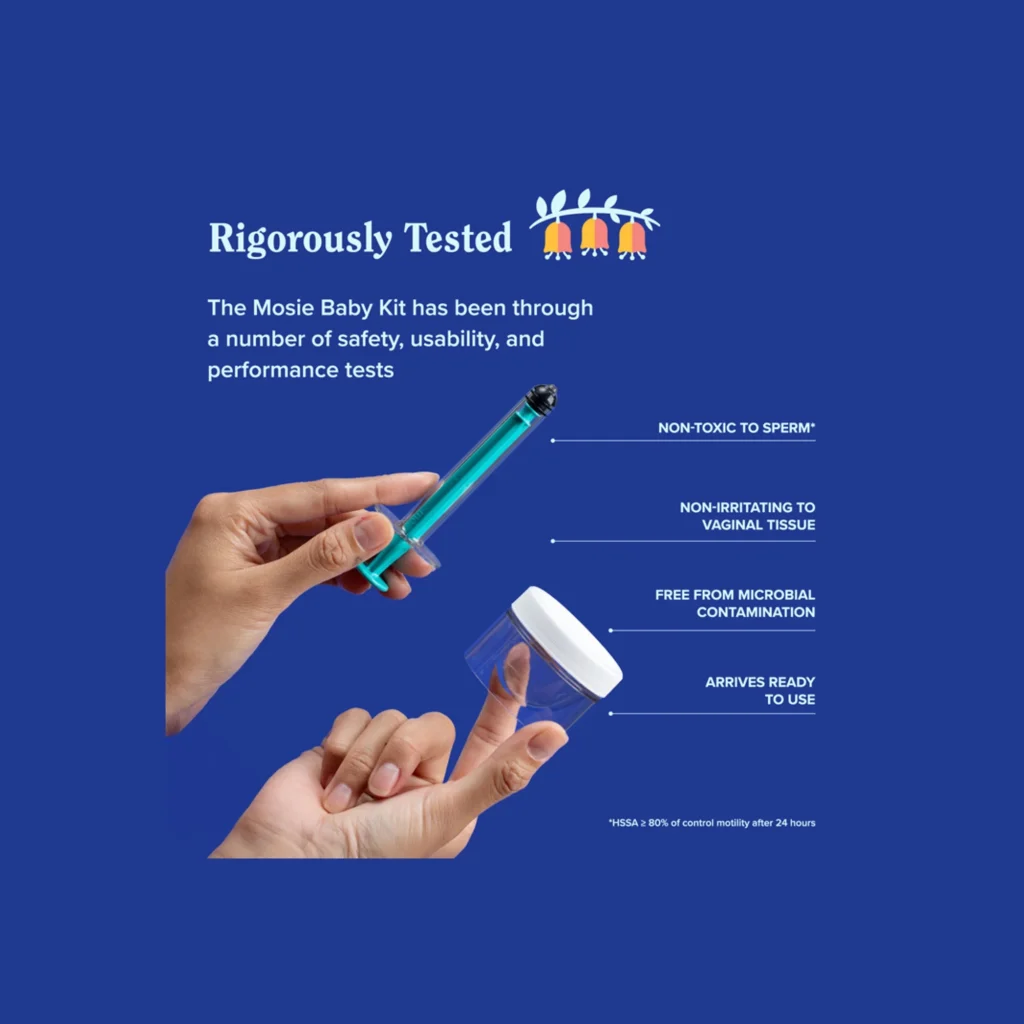
    Mosie Baby Kit features a syringe and container, highlighting safety and usability tests on a blue background.

    The Impact of Insemination Sets on Fertility: What the Research Says

    Timing plays a crucial role in the effectiveness of insemination sets. Research suggests that the success rates of insemination sets are higher when performed within 24 hours of ovulation. This is because the egg has a limited lifespan, and if insemination is not done at the right time, the sperm may not have a chance to fertilize the egg. It is important to track ovulation carefully and perform insemination at the optimal time for the best chances of success.

    3. Sperm Quality

    Another important factor that can impact the success of insemination sets is the quality of the sperm. Studies have shown that the use of fresh, washed sperm can significantly increase the chances of pregnancy compared to using frozen or unwashed sperm. This is because fresh sperm is more mobile and has a higher concentration, making it easier for them to reach and fertilize the egg.

    4. Medical vs. Home Insemination

    One of the biggest debates surrounding insemination sets is whether they should be used in a medical setting or at home. Some couples prefer the convenience and privacy of using the kits at home, while others believe that medical insemination is more effective. Research suggests that the success rates of home insemination are comparable to those of medical insemination. However, medical insemination may offer additional benefits such as the use of more advanced techniques and the expertise of medical professionals.

    5. Risks and Side Effects

    Like any medical procedure, there are risks and potential side effects associated with the use of insemination sets. These can include infection, discomfort, and even allergic reactions. It is essential to carefully follow the instructions provided with the kit and consult with a medical professional if you experience any adverse effects.

    In summary, the impact of insemination sets on fertility is a complex and individualized matter. While the success rates may vary, research suggests that when used correctly, these sets can be an effective option for couples struggling with fertility issues. However, it is crucial to carefully consider factors such as timing, sperm quality, and the potential risks before deciding to use insemination sets.

    In conclusion, the use of insemination sets can be a helpful tool for couples trying to conceive. However, it is important to do thorough research and consult with a medical professional before using these kits. Factors such as timing, sperm quality, and the potential risks should be carefully considered. With the right approach and proper use, insemination sets can be a valuable option for couples on their fertility journey.

    SEO Metadata:

  • Fertility Boosting Insemination Sets: A Comprehensive Comparison to Other Methods

    Title: Fertility Boosting Insemination Sets: A Comprehensive Comparison to Other Methods

    Introduction:

    For couples struggling to conceive, the journey to parenthood can be a challenging and emotional one. Luckily, advancements in fertility treatments have made it possible for many couples to fulfill their dreams of starting a family. One such method that has gained popularity in recent years is fertility boosting insemination sets. In this blog post, we will delve into what these sets are, how they work, and how they compare to other fertility methods.

    What are Fertility Boosting Insemination Sets?

    Fertility boosting insemination sets, also known as artificial insemination or intrauterine insemination (IUI), involve the placement of sperm directly into a woman’s uterus to increase the chances of fertilization. These sets typically include a syringe or catheter, a speculum, and sterile cups for collecting and preparing the semen. This method is often used by couples who have difficulty conceiving due to male infertility, unexplained infertility, or other medical conditions.

    How Does it Work?

    The process of using fertility boosting insemination sets involves several steps. First, the male partner will provide a semen sample, which is then washed and prepared in a laboratory. This process helps to remove any non-viable sperm and increase the concentration of healthy sperm in the sample. Next, the female partner will undergo a series of fertility treatments, including ovulation induction, to increase the chances of successful fertilization. Finally, the prepared sperm is inserted into the uterus using a syringe or catheter, typically during the woman’s ovulation period.

    Advantages of Fertility Boosting Insemination Sets:

    1. Non-Invasive: One of the primary advantages of fertility boosting insemination sets is that it is a non-invasive procedure. Unlike other fertility treatments such as in vitro fertilization (IVF), which involves retrieving eggs from the woman’s ovaries, IUI does not require any surgical procedures.

    At-home insemination kit with ovulation and pregnancy tests, promoting fertility and family planning.

    Fertility Boosting Insemination Sets: A Comprehensive Comparison to Other Methods

    2. Cost-Effective: In comparison to other fertility treatments, IUI is relatively more affordable. It also does not involve the use of expensive medications or surgical procedures, making it a more cost-effective option for couples struggling with infertility.

    3. Less Time-Consuming: The process of using fertility boosting insemination sets is relatively quick and simple. Unlike IVF, which requires multiple appointments and procedures, IUI can be completed in a single visit.

    How Does it Compare to Other Fertility Methods?

    1. In Vitro Fertilization (IVF): IVF involves the retrieval of eggs from the woman’s ovaries, which are then fertilized with sperm in a laboratory. The resulting embryos are then transferred into the woman’s uterus. While IVF has a higher success rate than IUI, it is a more invasive and costly procedure.

    2. Clomid: Clomid is a medication commonly used to induce ovulation in women who have difficulty conceiving. While it can be effective in treating some cases of infertility, it does not address male factor infertility, and the success rate is lower compared to IUI.

    3. Natural Conception: Natural conception, or trying to conceive without any medical intervention, is always an option for couples. However, for those struggling with infertility, this can be a long and emotionally taxing process.

    Conclusion:

    Fertility boosting insemination sets have become a popular option for couples struggling to conceive due to its non-invasive nature, affordability, and relative simplicity. While it may not be the most suitable option for everyone, it is worth considering as a first-line treatment for couples with certain fertility issues. Consulting with a fertility specialist is crucial in determining the best course of action for each individual couple’s unique situation.

    In summary, fertility boosting insemination sets offer a non-invasive, cost-effective, and less time-consuming approach to treating infertility. While it may not be the most effective method for all couples, it is a viable option for those with certain fertility issues. Ultimately, the decision to use this method should be made in consultation with a fertility specialist.

  • Overcoming Fertility Challenges: How Insemination Sets Can Help

    Blog Post Title: Overcoming Fertility Challenges: How Insemination Sets Can Help

    Introduction:
    Infertility is a common struggle that affects millions of couples worldwide. It is defined as the inability to conceive a child after one year of unprotected intercourse. While there are many causes of infertility, one of the most common is the inability to produce or release healthy eggs or sperm. This can be a heartbreaking and frustrating experience for those hoping to start a family. However, there are various treatments and solutions available to help couples overcome fertility challenges, one of which is the use of insemination sets.

    What is Insemination and How Does it Work?
    Insemination, also known as artificial insemination, is the process of placing sperm directly into the uterus or cervix to increase the chances of conception. It is a relatively simple and non-invasive procedure that can be done at home or in a medical setting. Insemination sets, also known as at-home insemination kits, include all the necessary tools and instructions for couples to perform the procedure themselves. These include a syringe, a vial of washed sperm, and instructions for proper use.

    How Can Insemination Sets Help Overcome Fertility Challenges?
    Insemination sets can be a helpful tool for couples struggling with fertility challenges in several ways.

    1. Provides an Alternative to Traditional Insemination Methods:
    Insemination sets offer a less invasive and more affordable option for those who cannot or choose not to undergo traditional insemination methods such as intrauterine insemination (IUI) or in vitro fertilization (IVF). These methods can be physically and emotionally taxing, as well as expensive. Insemination sets provide a more accessible option for couples who may not have access to or cannot afford medical treatments.

    2. Increases Chances of Conception:
    Insemination sets can significantly increase the chances of conception for couples struggling with fertility. The sperm is placed directly into the cervix or uterus, bypassing any potential obstacles that may be hindering natural conception. Additionally, insemination sets often include washed sperm, which has a higher concentration of healthy sperm, further increasing the chances of successful fertilization.

    3. Can be Used in the Comfort of One’s Own Home:
    Many couples find the process of trying to conceive to be stressful and invasive. Insemination sets allow couples to perform the procedure in the comfort and privacy of their own home, reducing the stress and pressure often associated with fertility treatments. This also allows for more control over the timing of the insemination, which can be crucial for successful conception.

    4. Can be Used by Same-Sex Couples and Single Women:
    Insemination sets can be a game-changer for same-sex couples and single women who want to start a family. These sets allow for self-insemination, making it possible for these couples and women to conceive without the need for a male partner. This can be an empowering and inclusive option for those who want to become parents but may face societal barriers.

    two teal and clear syringes positioned on a white background

    Overcoming Fertility Challenges: How Insemination Sets Can Help

    5. Easy to Use and Accessible:
    Insemination sets are designed to be easy to use and accessible for couples. They often come with detailed instructions, making the process simple and straightforward. Additionally, they can be purchased online or in pharmacies, making them easily accessible for those who may not live near a fertility clinic.

    How to Choose the Right Insemination Set:
    With the growing popularity of insemination sets, there are now many options available on the market. Here are some factors to consider when choosing the right one for you:

    1. Reputation of the Company:
    When purchasing an insemination set, it is essential to research the reputation of the company. Look for reviews and testimonials from other couples who have used their products to ensure the quality and effectiveness of the set.

    2. Success Rates:
    While every individual’s fertility journey is unique, it can be helpful to look for sets with high success rates. This can give you more confidence in the product and increase the chances of successful conception.

    3. Cost:
    Insemination sets can vary in cost, so it’s essential to consider your budget when choosing one. However, it’s also important to keep in mind that the most expensive set may not always be the best, so do your research and compare prices.

    4. Additional Features:
    Some insemination sets may include additional features such as ovulation tests or pregnancy tests, which can be helpful for tracking fertility and the success of the insemination.

    Conclusion:
    Fertility challenges can be a difficult and emotional journey for couples. However, the use of insemination sets can provide a more accessible, affordable, and less invasive option for those struggling to conceive. With their easy-to-use nature and potential for increased success rates, insemination sets can be a valuable tool in helping couples overcome fertility challenges and achieve their dream of starting a family.

    Summary:
    Infertility is a common struggle for couples worldwide, but insemination sets can be a helpful tool in overcoming fertility challenges. Insemination is a non-invasive procedure that involves placing sperm directly into the cervix or uterus to increase the chances of conception. Insemination sets provide an alternative to traditional methods, increase the chances of conception, and can be used in the comfort of one’s own home. They are also beneficial for same-sex couples and single women who want to start a family. When choosing an insemination set, it’s essential to consider factors such as the company’s reputation, success rates, cost, and additional features. Overall, insemination sets can be a valuable tool in helping couples achieve their dream of starting a family.

  • Maximizing Your Chances of Conceiving: The Benefits of Insemination Sets

    Blog Post:

    Maximizing Your Chances of Conceiving: The Benefits of Insemination Sets

    Conceiving a child is a deeply personal and emotional journey for many couples. It can also be a frustrating and challenging process, especially for those struggling with fertility issues. In recent years, there has been a rise in the use of insemination sets as a method of increasing the chances of conception. In this blog post, we will explore what insemination sets are, how they work, and the benefits they offer for couples looking to start a family.

    What are Insemination Sets?

    Insemination sets, also known as artificial insemination kits, are a collection of tools and materials used to facilitate pregnancy through artificial insemination. They typically include a syringe, a speculum, and a catheter, along with instructions for use. These sets are available for purchase online or in pharmacies and can be used at home or in a medical setting.

    How Does Artificial Insemination Work?

    Artificial insemination is a process in which sperm is placed directly into a woman’s uterus, cervix, or fallopian tubes to increase the chances of fertilization. This method bypasses the need for sperm to travel through the cervix and into the uterus, which can be a difficult journey for some sperm. By placing the sperm closer to the egg, artificial insemination increases the likelihood of fertilization.

    Benefits of Insemination Sets

    1. Cost-Effective

    One of the main benefits of insemination sets is that they are a cost-effective option for couples trying to conceive. Compared to other fertility treatments, such as in vitro fertilization (IVF), insemination sets are significantly more affordable. This makes them a popular choice for couples who may not have the financial means for more expensive treatments.

    2. Convenience

    Insemination sets offer couples the convenience of being able to perform the procedure in the comfort of their own home. This eliminates the need for frequent visits to a fertility clinic, which can be time-consuming and expensive. It also allows for a more intimate and less clinical experience for couples.

    3. Privacy

    For some couples, the idea of undergoing fertility treatments in a clinical setting may be uncomfortable and intrusive. Insemination sets provide a more private and discreet option for those who value their privacy. The procedure can be done at home, allowing for a more intimate and personal experience.

    4. Increased Chances of Conceiving

    The main benefit of using insemination sets is the increased chances of conception. By placing the sperm closer to the egg, the sperm has a better chance of fertilizing the egg. This method is especially beneficial for couples who may have fertility issues, such as low sperm count or poor sperm motility.

    5. Non-Invasive

    Smiling baby in a blue onesie with "made with Love" text, lying on a light blue crocheted blanket.

    Maximizing Your Chances of Conceiving: The Benefits of Insemination Sets

    Unlike other fertility treatments, such as IVF, insemination sets are non-invasive and do not require any surgery or medication. This makes them a safer and more comfortable option for couples. The procedure is relatively simple and can be done without the need for anesthesia.

    6. Can Be Used with Donor Sperm

    Insemination sets can also be used with donor sperm, making it an option for same-sex couples or for single women who want to start a family. This provides more options for couples who may not have a male partner or who are unable to conceive through traditional methods.

    How to Use Insemination Sets?

    Using insemination sets may seem daunting at first, but with the right instructions and preparation, it can be a simple process. Here are some general steps to follow when using an insemination set:

    1. Determine the Ovulation Date

    It is important to determine the ovulation date, as this is when the chances of conception are highest. This can be done through ovulation predictor kits or by tracking your basal body temperature.

    2. Prepare the Set

    Make sure to read the instructions carefully and gather all the necessary materials. Wash your hands and sterilize the tools according to the instructions provided.

    3. Prepare the Sperm

    If using donor sperm, it will need to be thawed according to the instructions provided. If using fresh sperm, it should be collected and prepared in a sterile container.

    4. Insert the Catheter

    Using the speculum, insert the catheter into the cervix and slowly inject the sperm into the uterus.

    5. Rest

    After the procedure, it is recommended to rest for at least 10-15 minutes to allow the sperm to travel towards the egg.

    Summary:

    Insemination sets offer a cost-effective, convenient, and non-invasive option for couples trying to conceive. They provide increased chances of conception, privacy, and the ability to use donor sperm. By following the proper instructions, using insemination sets can be a simple and effective method for couples on their journey to parenthood.

  • The Pros and Cons of Using Insemination Sets for Fertility

    Blog Post:

    Insemination sets, also known as artificial insemination kits, have gained popularity in recent years as a method for couples struggling with fertility to conceive. These sets contain all the necessary equipment and instructions for self-insemination at home, making the process more convenient and cost-effective. However, like any other medical procedure, there are both pros and cons to using insemination sets for fertility. In this blog post, we will explore the advantages and disadvantages of using insemination sets, so you can make an informed decision about whether it is the right option for you.

    Pros:

    1. Convenient and Cost-Effective: One of the biggest advantages of using insemination sets is that they offer a convenient and cost-effective alternative to traditional fertility treatments. These sets can be purchased online or in pharmacies without a prescription and can be used in the comfort of your own home, eliminating the need for multiple visits to the doctor’s office. This not only saves time but also reduces the overall cost of fertility treatment.

    2. Privacy: Many couples struggling with fertility issues may feel uncomfortable or embarrassed about discussing their problems with doctors or undergoing treatments in a clinical setting. Insemination sets provide privacy and allow couples to perform the procedure in the privacy of their own home.

    3. Less Invasive: Insemination sets are a less invasive option compared to other fertility treatments such as in-vitro fertilization (IVF). IVF involves retrieving eggs from the ovaries and fertilizing them in a lab before implanting them into the uterus. In contrast, insemination sets involve inserting the sperm directly into the uterus, bypassing the need for egg retrieval and fertilization.

    4. No Side Effects: Insemination sets are a natural and non-invasive method, so there are no significant side effects associated with their use. This makes it a more attractive option for couples who want to avoid the potential risks and complications that come with other fertility treatments.

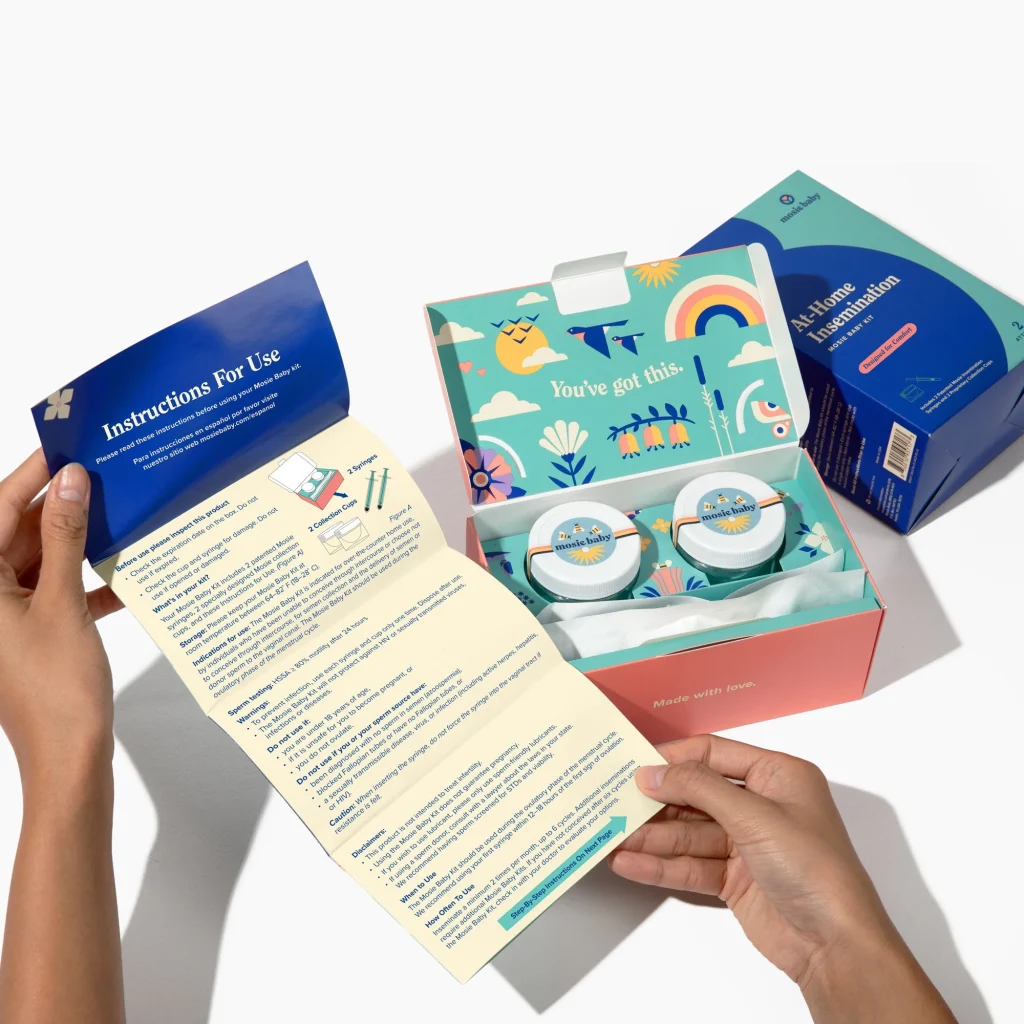
    Home insemination kit by Mosie Baby with instructions and colorful packaging.

    The Pros and Cons of Using Insemination Sets for Fertility

    Cons:

    1. Success Rate: While insemination sets can be a great option for some couples, they may not be as effective for others. The success rate of insemination sets varies and largely depends on factors like the age and health of the woman, the quality of sperm, and the timing of the procedure. According to the American Pregnancy Association, the success rate for insemination ranges from 5% to 25%.

    2. Increased Risk of Multiple Pregnancies: Insemination sets increase the chances of multiple pregnancies, which can come with their own set of risks and complications. This is because more than one egg can be fertilized during the process, leading to the possibility of multiple embryos being implanted in the uterus.

    3. No Guarantee of Pregnancy: Unlike other fertility treatments like IVF, there is no guarantee that using an insemination set will result in pregnancy. It may take multiple attempts before a successful pregnancy occurs, and for some couples, it may not work at all.

    4. Potential for Infection: As with any medical procedure, there is a risk of infection with using insemination sets. It is essential to follow the instructions carefully, use sterile equipment, and practice good hygiene to minimize this risk.

    Summary:

    Insemination sets can be a convenient, cost-effective, and less invasive option for couples struggling with fertility issues. They offer privacy and have no significant side effects. However, there are also some downsides to using these sets, including a lower success rate, an increased risk of multiple pregnancies, no guarantee of pregnancy, and a potential for infection. It is crucial to weigh these pros and cons carefully and consult with a healthcare professional before deciding if insemination sets are the right choice for you.