Tag: tracking

  • The Role of Ovulation in Home Insemination and How to Track It

    Blog Post: The Role of Ovulation in Home Insemination and How to Track It

    Ovulation is a crucial process in a woman’s reproductive cycle, in which a mature egg is released from the ovary and travels down the fallopian tube, ready to be fertilized by a sperm. For couples who are trying to conceive, tracking ovulation is essential to increase the chances of successful fertilization. But what about same-sex couples or single women who are using home insemination to start a family? Can ovulation tracking still play a role in their journey to parenthood? In this blog post, we will discuss the importance of ovulation in home insemination and how to track it effectively.

    Why is Ovulation Important in Home Insemination?

    Home insemination is a method of conception in which sperm is introduced directly into the vagina or cervix using a syringe or a specially designed device. This method is often used by same-sex couples or single women who are unable to conceive through traditional means. In home insemination, timing is everything. The sperm needs to be present in the reproductive tract at the same time as the egg to increase the chances of fertilization.

    This is where ovulation comes into play. By tracking ovulation, couples can determine the most fertile days in a woman’s cycle, increasing the chances of successful insemination. Ovulation typically occurs around day 14 of a 28-day menstrual cycle, but it can vary from woman to woman and even from cycle to cycle. Therefore, it is essential to track ovulation to ensure that sperm is introduced into the reproductive tract at the most opportune time.

    How to Track Ovulation

    1. Calendar Method

    The calendar method, also known as the rhythm method, involves tracking the length of a woman’s menstrual cycle and calculating the most fertile days based on that information. However, this method is not foolproof, as it relies on the assumption that a woman’s cycle is regular. Also, it does not take into account the variations in the length of ovulation from cycle to cycle.

    2. Basal Body Temperature Method

    The basal body temperature (BBT) method involves tracking a woman’s body temperature throughout her menstrual cycle. Just before ovulation, a woman’s BBT will rise by about 0.5-1 degree Fahrenheit. By tracking this temperature rise, couples can determine the most fertile days in the cycle. However, this method requires diligent tracking and may be challenging for couples who have different wake-up times.

    3. Ovulation Predictor Kits

    Ovulation predictor kits (OPKs) are urine tests that detect the surge of luteinizing hormone (LH) that occurs just before ovulation. These kits are available over-the-counter and are relatively easy to use. However, they can be costly, and some women may have trouble interpreting the results.

    4. Cervical Mucus Method

    The cervical mucus method involves tracking changes in the consistency and amount of cervical mucus throughout the menstrual cycle. As ovulation approaches, the mucus becomes clearer, stretchier, and more abundant, resembling raw egg whites. By monitoring these changes, couples can determine the most fertile days in the cycle. However, this method may be difficult for some women to track and interpret.

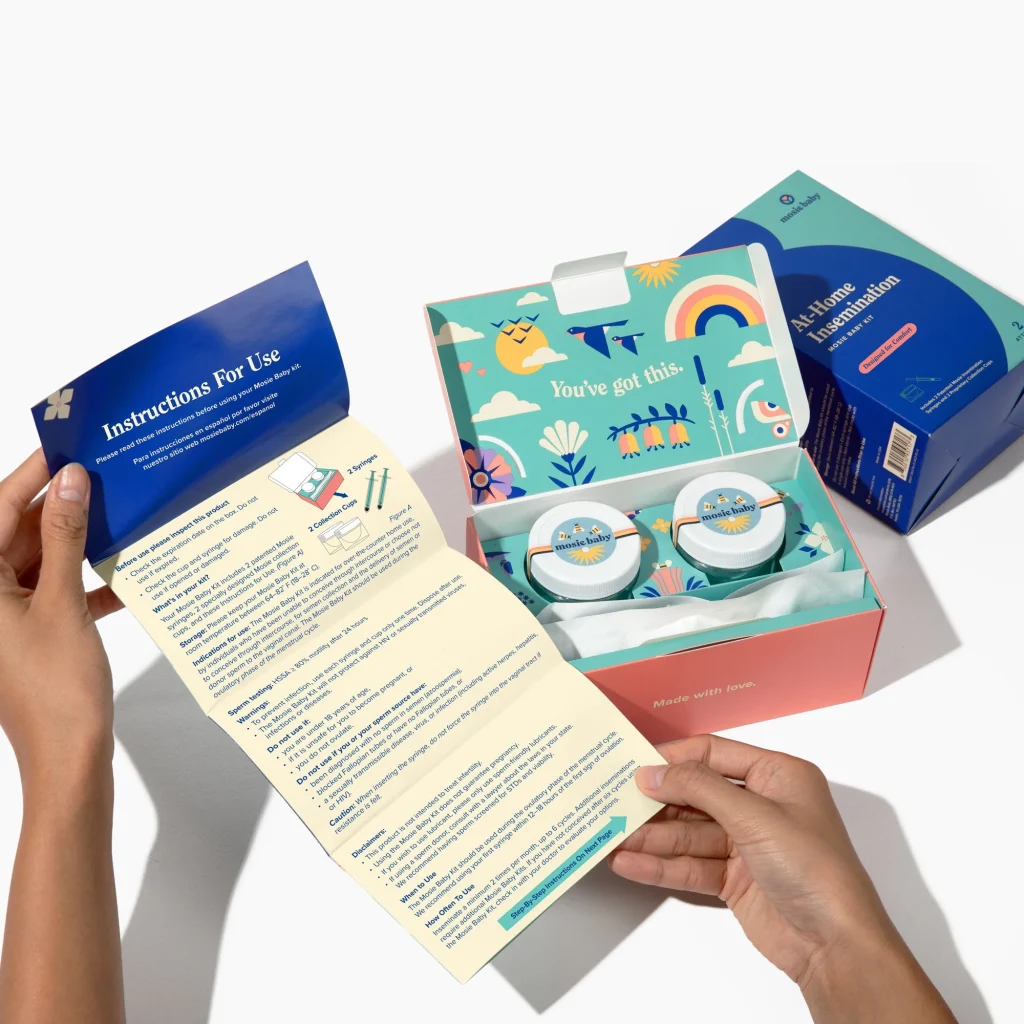
    at-home insemination kit by Mosie Baby, featuring syringes, collection cups, and instructions on a pink background.

    The Role of Ovulation in Home Insemination and How to Track It

    5. Ovulation Tracking Apps

    In today’s digital age, there are numerous apps available that help women track their menstrual cycles and predict ovulation. These apps use algorithms based on data inputted by the user, such as menstrual cycle length, BBT, and cervical mucus changes, to determine the most fertile days in a cycle. However, these apps may not be entirely accurate and should be used in conjunction with other tracking methods.

    Tips for Successful Ovulation Tracking

    1. Start tracking early in the cycle.

    To increase the chances of successful home insemination, it is essential to start tracking ovulation early in the cycle. This will allow you to identify your most fertile days and plan accordingly.

    2. Use multiple tracking methods.

    To ensure the most accurate results, it is best to use multiple tracking methods in conjunction with each other. For example, using an OPK in combination with tracking cervical mucus can help you pinpoint your ovulation more accurately.

    3. Be consistent.

    Whichever tracking method you choose, it is crucial to be consistent and track your data every day. This will help you identify patterns in your cycle and increase the accuracy of your predictions.

    4. Consider seeking professional help.

    If you have been tracking ovulation for several months with no success, it may be time to seek professional help. A fertility specialist can provide more accurate and advanced methods for tracking ovulation, such as ultrasound monitoring.

    In Conclusion

    Ovulation plays a crucial role in home insemination, and tracking it effectively can increase the chances of successful conception. By using a combination of tracking methods and being consistent, couples can identify their most fertile days and plan for home insemination accordingly. However, if you are having trouble tracking ovulation or have been unsuccessful in home insemination, it is best to seek professional help for more accurate and advanced methods.

    Summary: In home insemination, timing is everything, and ovulation tracking plays a crucial role in increasing the chances of successful conception. Couples can track ovulation through methods such as the calendar method, basal body temperature method, ovulation predictor kits, cervical mucus method, and ovulation tracking apps. It is essential to start tracking early in the cycle, use multiple methods, be consistent, and seek professional help if needed.


  • The Missing Piece in Your Conception Puzzle: The At-Home Helper Kit

    The Missing Piece in Your Conception Puzzle: The At-Home Helper Kit

    Trying to conceive can be a daunting process for many couples. It often involves tracking ovulation, taking fertility tests, and undergoing medical procedures. But what if there was a missing piece in the conception puzzle that could make the process easier and more convenient? Enter the at-home helper kit, a versatile and essential tool for couples trying to conceive. In this blog post, we will explore the benefits of an at-home helper kit and how it can help increase your chances of getting pregnant.

    What is an At-Home Helper Kit?
    An at-home helper kit is a comprehensive set of tools and resources designed to assist couples in their journey to conceive. It typically includes ovulation and pregnancy tests, basal body temperature thermometers, fertility tracking charts, and other helpful items. These kits can be purchased online or at your local pharmacy, making them easily accessible for anyone trying to get pregnant.

    The Benefits of an At-Home Helper Kit
    1. Tracking Ovulation Made Easy
    One of the key components of trying to conceive is tracking ovulation. This is when an egg is released from the ovary and is ready to be fertilized. An at-home helper kit typically includes ovulation predictor kits, which use urine samples to detect the surge of luteinizing hormone (LH) that occurs right before ovulation. This allows you to know when the best time for conception is and increase your chances of getting pregnant.

    2. Cost-Effective
    The cost of fertility treatments and procedures can quickly add up, making it financially challenging for some couples to conceive. An at-home helper kit is a cost-effective alternative that provides the necessary tools for tracking ovulation and monitoring fertility. This can save couples hundreds, if not thousands, of dollars in the long run.

    3. Convenience
    Going to a fertility clinic for tests and procedures can be time-consuming and stressful. An at-home helper kit allows you to conduct fertility tests in the comfort of your own home, at your convenience. You can also track your ovulation and fertility progress without having to schedule appointments or leave your house.

    4. Privacy
    For many couples, trying to conceive can be a sensitive and personal matter. An at-home helper kit provides the privacy and discretion needed for such an intimate process. You can conduct the tests and track your fertility progress without having to share this information with anyone else.

    Mosie Baby ovulation test kit with packaging and instructions on a pink background.

    The Missing Piece in Your Conception Puzzle: The At-Home Helper Kit

    5. Versatility
    An at-home helper kit is not just useful for couples trying to conceive naturally. It can also be beneficial for those undergoing fertility treatments, such as intrauterine insemination (IUI) or in vitro fertilization (IVF). The kit can be used to track ovulation and monitor fertility during these procedures, making it a versatile tool for all stages of the conception journey.

    How to Use an At-Home Helper Kit
    1. Familiarize Yourself with the Tools
    Before using an at-home helper kit, make sure to read the instructions and familiarize yourself with the tools included. This will ensure that you are using them correctly and getting accurate results.

    2. Track Your Cycle
    Start tracking your menstrual cycle using the fertility tracking chart included in the kit. This will help you determine when you are most likely to ovulate and when to conduct the ovulation tests.

    3. Conduct Ovulation Tests
    Follow the instructions for the ovulation predictor kit to conduct the tests. These tests typically involve using a urine sample and detecting the LH surge. If the test is positive, it means you will likely ovulate within the next 24-48 hours.

    4. Track Your Basal Body Temperature (BBT)
    Basal body temperature is your body’s temperature at rest. It typically rises slightly after ovulation, making it a useful way to confirm ovulation. Use the basal body temperature thermometer included in the kit to track your temperature every morning before getting out of bed.

    5. Monitor Fertility Progress
    Continue tracking your menstrual cycle, conducting ovulation tests, and monitoring your BBT to see patterns and progress in your fertility journey. This can help you determine the best time for conception and identify any potential issues that may need to be addressed by a medical professional.

    The Missing Piece in Your Conception Puzzle
    With its many benefits and versatility, an at-home helper kit can be the missing piece in your conception puzzle. It provides a convenient, cost-effective, and private way to track ovulation and monitor fertility, making the process of trying to conceive less stressful and more manageable. So if you are struggling to get pregnant, consider adding an at-home helper kit to your conception plan.

    In conclusion, an at-home helper kit is an essential tool for couples trying to conceive. It offers a variety of benefits, including convenience, cost-effectiveness, and privacy, and can be used throughout the entire conception journey. By using the tools included in the kit to track ovulation and monitor fertility, you can increase your chances of getting pregnant and fulfill your dream of starting a family.

  • Take Control of Your Fertility: The At-Home Conception Helper Kit

    Take Control of Your Fertility: The At-Home Conception Helper Kit

    Trying to conceive can be a stressful and overwhelming process for many couples. With so much conflicting information out there, it can be difficult to know the best ways to increase your chances of getting pregnant. That’s where the At-Home Conception Helper Kit comes in. This revolutionary kit is designed to empower women by giving them the tools and knowledge they need to take control of their fertility and increase their chances of conception. In this blog post, we will dive into the details of this kit and explore how it can help you on your journey towards parenthood.

    What is the At-Home Conception Helper Kit?

    The At-Home Conception Helper Kit is a comprehensive fertility kit that includes everything you need to take control of your fertility. It was created by a team of experts and healthcare professionals who understand the struggles of trying to conceive and wanted to provide a solution for women everywhere. The kit includes a variety of tools and resources, including ovulation predictor kits, basal body temperature thermometers, fertility tracking charts, and an informative guidebook.

    Understanding Your Menstrual Cycle

    One of the key components of the At-Home Conception Helper Kit is understanding your menstrual cycle. The kit includes an ovulation predictor kit, which helps you determine the most fertile days of your cycle. By tracking your ovulation, you can identify the best time to try to conceive. The kit also includes a basal body temperature thermometer, which measures your body temperature every morning. This allows you to detect subtle changes in your body that can indicate ovulation.

    The Importance of Tracking and Charting

    Along with understanding your menstrual cycle, tracking and charting your fertility is crucial for increasing your chances of conception. The At-Home Conception Helper Kit comes with a detailed fertility tracking chart that allows you to record your basal body temperature, ovulation dates, and any other important information. This charting system helps you identify patterns in your cycle and can also be used to track any changes in your fertility over time.

    At-home insemination kit with syringes and collection cups on a teal background.

    Take Control of Your Fertility: The At-Home Conception Helper Kit

    The Role of Nutrition and Lifestyle

    While tracking your cycle and understanding your fertile days are important, nutrition and lifestyle also play a significant role in fertility. The At-Home Conception Helper Kit addresses this by including a comprehensive guidebook that covers everything from nutrition and exercise to stress management and sleep. By following the recommendations in the guidebook, you can make positive changes to your lifestyle that can have a significant impact on your fertility.

    The Benefits of Using the At-Home Conception Helper Kit

    Now that we’ve covered the components of the kit, let’s explore the benefits of using it. One of the biggest advantages of this kit is that it empowers women to take control of their fertility. By providing all the necessary tools and resources, the kit eliminates the need for multiple products and allows women to monitor their fertility at home. This not only saves time but also helps to reduce stress and anxiety associated with trying to conceive.

    Another benefit of the At-Home Conception Helper Kit is its affordability. Fertility treatments and consultations can be costly, making it difficult for some couples to pursue their dream of having a baby. This kit offers a more affordable option for those who are trying to conceive, without compromising on the quality of the tools and resources provided.

    The At-Home Conception Helper Kit is also user-friendly and easy to use. The guidebook provides clear and concise instructions, and the charting system is simple to follow. This makes it perfect for women who are new to tracking their fertility or have never used a fertility kit before.

    Summary

    The At-Home Conception Helper Kit is a comprehensive fertility kit designed to empower women and help them take control of their fertility. It includes various tools and resources, such as an ovulation predictor kit, basal body temperature thermometer, and fertility tracking chart, as well as a comprehensive guidebook covering nutrition and lifestyle. By using this kit, women can better understand their menstrual cycle, track their fertility, and make positive lifestyle changes to increase their chances of conception. It is an affordable, user-friendly, and effective solution for couples trying to conceive.

  • Say Goodbye to Infertility: The At-Home Conception Helper Kit Solution

    SUMMARY:

    Infertility can be a challenging and heartbreaking journey for many couples. The constant struggle of trying to conceive and the emotional toll it takes can be overwhelming. However, there is now a solution that can help couples say goodbye to infertility and increase their chances of conceiving at home – the Conception Helper Kit.

    The Conception Helper Kit is a comprehensive and all-natural fertility system that combines the latest medical research with ancient holistic practices to provide a holistic approach to conception. It contains a variety of tools, resources, and supplements that work together to support and enhance the body’s natural fertility.

    One of the key components of the Conception Helper Kit is the Fertility Boosting Supplement. This supplement is made from a blend of vitamins, minerals, and herbs that have been scientifically proven to improve fertility in both men and women. It helps to balance hormones, improve egg and sperm quality, and increase the chances of successful conception.

    The kit also includes a Fertility Tracking Workbook, which helps couples track their fertility cycles and identify the most fertile days for conception. This workbook also includes tips and techniques for optimizing fertility, such as diet and lifestyle changes.

    Smiling baby in a blue onesie with "made with Love" text, lying on a light blue crocheted blanket.

    Say Goodbye to Infertility: The At-Home Conception Helper Kit Solution

    In addition to these resources, the Conception Helper Kit also provides access to an online community of support and guidance. This community allows couples to connect with others who are also on their fertility journey, share experiences, and provide support to one another.

    The Conception Helper Kit is not just a one-size-fits-all solution. It takes into account the unique needs and challenges of each individual couple. The kit is customizable and can be tailored to specific fertility issues, such as PCOS, endometriosis, and male factor infertility.

    One of the biggest advantages of the Conception Helper Kit is that it can be used in the comfort of one’s own home. This eliminates the need for costly and invasive medical procedures, making it a more affordable and convenient option for couples struggling with infertility.

    In addition to the physical benefits, the Conception Helper Kit also focuses on the emotional well-being of couples. It provides tools and resources for managing stress and anxiety, which can have a significant impact on fertility. By promoting a relaxed and positive mindset, the kit aims to create the best possible environment for conception.

    In conclusion, the Conception Helper Kit offers a comprehensive and natural approach to fertility, providing couples with the tools and resources they need to say goodbye to infertility. It combines the latest medical research with ancient holistic practices to provide a holistic and personalized solution for couples struggling to conceive. With its affordable and convenient at-home option, the Conception Helper Kit offers hope and support to couples on their journey to parenthood.

  • Fertility in Your Hands: DIY Tools for Taking Control of Your Journey

    Blog Post Title: Fertility in Your Hands: DIY Tools for Taking Control of Your Journey

    Summary:

    Fertility can be a complex and emotional journey for many individuals and couples. While there are various medical treatments and interventions available, there is also a growing trend of using DIY tools and techniques to take control of one’s fertility journey. In this blog post, we will explore the concept of “fertility in your hands” and discuss some DIY tools that can help you take control of your fertility journey.

    Firstly, we will discuss the importance of understanding your fertility and the various factors that can affect it. This includes understanding your menstrual cycle, ovulation, and the impact of age, lifestyle, and genetics on fertility. By gaining a better understanding of your fertility, you can make informed decisions and take proactive steps towards achieving your desired outcome.

    Next, we will delve into the various DIY tools that can help you track and monitor your fertility. These include fertility tracking apps, ovulation predictor kits, basal body temperature charting, and cervical mucus monitoring. These tools can provide valuable insights into your fertility patterns and help you identify the most fertile days in your cycle.

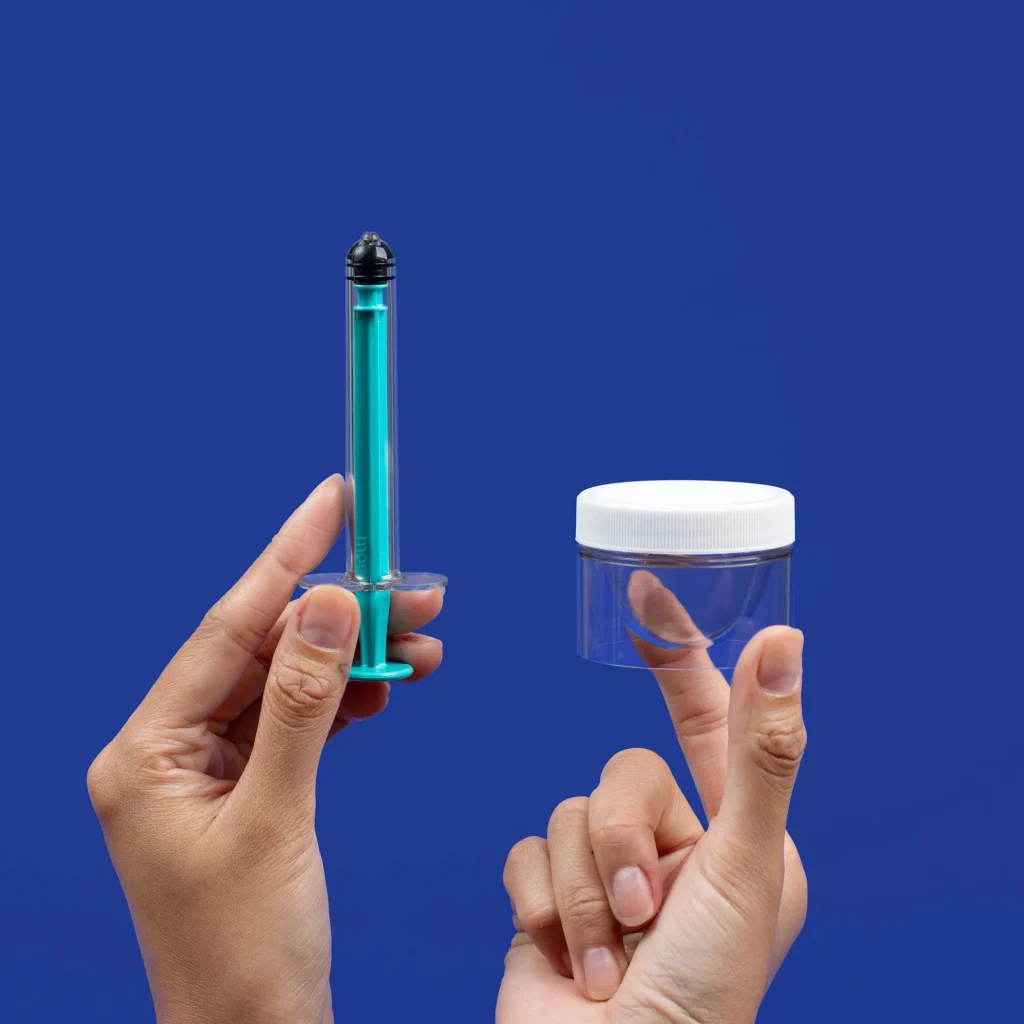
    home insemination kit components: a syringe and a collection container against a blue background.

    Fertility in Your Hands: DIY Tools for Taking Control of Your Journey

    Another important aspect of taking control of your fertility journey is optimizing your lifestyle and making healthy choices. This includes maintaining a healthy weight, reducing stress levels, avoiding harmful substances like alcohol and tobacco, and incorporating fertility-friendly foods into your diet. These DIY lifestyle changes can have a significant impact on your fertility and increase your chances of conception.

    In addition to lifestyle changes, there are also DIY techniques that can be used to improve fertility. These include acupuncture, fertility massage, and yoga. These practices can help improve blood flow to the reproductive organs, reduce stress, and balance hormones, all of which can contribute to a healthy reproductive system.

    Furthermore, there are DIY methods for improving male fertility, such as taking supplements, reducing exposure to environmental toxins, and practicing stress management techniques. Male fertility is often overlooked, but it plays a crucial role in the overall fertility journey.

    Lastly, we will discuss the importance of seeking professional help and guidance when needed. DIY tools and techniques can be helpful, but they should not replace medical advice and interventions. It is essential to consult with a fertility specialist if you are struggling to conceive or have any underlying medical conditions that may affect your fertility.

    In conclusion, taking control of your fertility journey through DIY tools and techniques can be empowering and effective. By understanding your fertility, tracking and monitoring it, making healthy lifestyle choices, and seeking professional help when needed, you can increase your chances of conceiving and have a more positive experience on your fertility journey.

  • DIY Fertility: Tools for Tracking Your Cycle and Ovulation

    Blog Post: DIY Fertility: Tools for Tracking Your Cycle and Ovulation

    Are you and your partner trying to start a family but struggling to conceive? Or perhaps you’re planning for the future and want to understand your fertility better. Tracking your menstrual cycle and ovulation is an essential step in understanding your body and maximizing your chances of conception. In this blog post, we will discuss the importance of tracking your cycle and ovulation, and provide you with some DIY tools to make the process easier.

    Why Track Your Cycle and Ovulation?

    Your menstrual cycle is a crucial aspect of your reproductive health. It is the monthly process of your body preparing for a potential pregnancy, and it is controlled by hormones. Understanding your cycle and being able to predict when you will ovulate can significantly increase your chances of conceiving. Ovulation is when the ovaries release an egg, and it is the most fertile time of your cycle. If you are trying to get pregnant, having sex during this time maximizes your chances of conceiving.

    Tracking your cycle and ovulation can also help you identify any irregularities in your cycle, which could be a sign of an underlying health issue. It can also help you determine the best time to try for a baby. For example, if you have a regular 28-day cycle, you will likely ovulate around day 14. But if you have a longer cycle, you may ovulate later, and tracking can help you pinpoint the exact time.

    Now that we understand the importance of tracking our cycle and ovulation let’s look at some DIY tools that can help us do so effectively.

    Basal Body Temperature (BBT) Charting

    Basal Body Temperature (BBT) charting involves taking your temperature first thing in the morning before getting out of bed. Your BBT is your body’s temperature at rest, and it can help you identify when you have ovulated. Before ovulation, your BBT is lower, and it increases after ovulation due to the release of the hormone progesterone. By tracking your BBT every day, you can identify when your temperature rises, indicating that you have ovulated.

    To track your BBT, you will need a basal thermometer, which is more sensitive and accurate than a regular thermometer. You can also use a BBT chart or an app to record your daily temperature and track your cycle. It’s essential to note that BBT charting requires consistency and should be done every day at the same time to get accurate results.

    Cervical Mucus Monitoring

    Two transparent syringes with teal accents positioned diagonally on a light gray background.

    DIY Fertility: Tools for Tracking Your Cycle and Ovulation

    Monitoring your cervical mucus is another DIY tool for tracking your ovulation. The cervix produces mucus throughout your menstrual cycle, and the texture and consistency of the mucus change depending on where you are in your cycle. During your fertile window, the mucus becomes thin, slippery, and clear, similar to the consistency of egg whites. This type of mucus helps sperm swim through the cervix and survive longer in the reproductive tract, increasing your chances of conceiving.

    To track your cervical mucus, you can use a clean finger to collect a sample of mucus from your vaginal opening and observe its texture and consistency. You can also use a chart or an app to record your observations and determine your fertile days.

    Ovulation Predictor Kits (OPKs)

    Ovulation Predictor Kits (OPKs) are another useful tool for tracking your ovulation. They work by detecting the surge of luteinizing hormone (LH) in your urine, which happens a day or two before ovulation. The LH surge triggers the release of the egg from the ovary, and OPKs can help you determine your most fertile days.

    OPKs are easy to use and are available over-the-counter at most drugstores. They come with test strips that you dip in your urine, and the results are usually ready within a few minutes. It’s essential to follow the instructions carefully and test at the same time each day to get accurate results.

    Menstrual Cycle Tracking Apps

    In this digital age, there are many apps available that can help you track your menstrual cycle and ovulation. These apps allow you to record your period start and end dates, BBT, cervical mucus observations, and other relevant information. They also use algorithms to predict your fertile days and notify you when you are most likely to ovulate. Some apps also allow you to track other factors such as intercourse, ovulation symptoms, and even your mood.

    While these apps are convenient, it’s essential to choose a reliable and accurate one. Look for apps with good reviews and ratings, and make sure they are backed by medical professionals. It’s also crucial to remember that these apps are not a substitute for professional medical advice and should be used as a supplement to other tracking methods.

    In conclusion, tracking your menstrual cycle and ovulation is crucial for understanding your fertility and increasing your chances of conception. Whether you choose to use BBT charting, cervical mucus monitoring, OPKs, or a combination of these methods, consistency is key. By tracking your cycle and ovulation, you can take control of your reproductive health and make informed decisions about your fertility journey.

    Summary:

    Tracking your menstrual cycle and ovulation is crucial for understanding your fertility and increasing your chances of conception. By tracking your BBT, cervical mucus, using OPKs, or a menstrual cycle tracking app, you can determine your fertile days and take control of your reproductive health. These DIY tools require consistency and are not a substitute for professional medical advice.

  • Fertility on Your Terms: The Convenience of an At-Home Support Kit

    Blog Post:

    Fertility is a topic that affects millions of people around the world. Whether you are trying to conceive or simply want to better understand your reproductive health, having the right tools and support can make all the difference. In recent years, there has been a rise in at-home fertility support kits, providing individuals with the convenience and privacy they desire. In this blog post, we will explore the benefits of using an at-home support kit for your fertility journey.

    First and foremost, let’s discuss the convenience factor. Going to a doctor’s office for fertility testing can be time-consuming and often requires multiple appointments. With an at-home support kit, you can perform the necessary tests in the comfort of your own home, at a time that is most convenient for you. This is particularly beneficial for those with busy schedules or those who live in remote areas with limited access to medical facilities.

    Moreover, many at-home support kits come with detailed instructions and easy-to-use tools, making the process less intimidating for individuals who may feel uncomfortable discussing fertility with a doctor. This can be especially helpful for those who are just beginning their fertility journey and may feel overwhelmed by the process.

    Another advantage of using an at-home support kit is the privacy it provides. Fertility can be a sensitive and personal topic, and some individuals may not feel comfortable discussing it with others. With an at-home kit, you have complete control over who knows about your fertility journey. This can be particularly helpful for couples who are trying to conceive and may want to keep their progress private until they are ready to share the news.

    In addition to convenience and privacy, at-home fertility support kits can also be more cost-effective than traditional medical appointments. While fertility treatments can be expensive, at-home kits offer a more affordable option for those who may not have the means to undergo extensive medical procedures. This can be especially beneficial for couples who are just starting their fertility journey and may not want to invest in expensive treatments right away.

    Home insemination kit by Mosie Baby with instructions and colorful packaging.

    Fertility on Your Terms: The Convenience of an At-Home Support Kit

    One of the most significant benefits of using an at-home support kit is the ability to track and monitor your fertility progress over time. Many kits come with apps or online platforms that allow you to input and track your test results and menstrual cycle. This makes it easier to identify patterns and better understand your fertility window. Some kits even offer personalized recommendations based on your data, making it easier to plan and optimize your chances of conception.

    Furthermore, at-home fertility support kits often include a variety of tests that can help you better understand your reproductive health. These tests can range from ovulation and pregnancy tests to hormone level and sperm count tests. By having access to these tools at home, you can gain a better understanding of your body and any potential fertility issues you may be experiencing.

    It is essential to note that at-home support kits should not replace medical advice or treatment. If you have been trying to conceive for an extended period or have any concerns about your reproductive health, it is always best to consult with a doctor. However, using an at-home support kit can provide valuable information and insight that can help you make more informed decisions when it comes to your fertility.

    In conclusion, fertility is a complex and personal journey, and having the right tools and support is crucial. At-home fertility support kits offer convenience, privacy, cost-effectiveness, and the ability to track and monitor your progress. While they should not replace medical advice, they can be a valuable resource for individuals who want to take control of their fertility on their own terms.

    Summary:

    Fertility is a topic that affects many individuals, and having the right tools and support is crucial. At-home fertility support kits offer convenience, privacy, cost-effectiveness, and the ability to track and monitor progress. They are ideal for those with busy schedules, those who want to maintain privacy, and those who may not have access to medical facilities. These kits also offer a variety of tests to better understand reproductive health. While they should not replace medical advice, they can be a valuable resource in taking control of fertility on one’s own terms.

  • DIY Fertility Boosting: 23 Tools for a Healthier Reproductive System

    Blog Post Title: DIY Fertility Boosting: 23 Tools for a Healthier Reproductive System

    Summary:

    Fertility is an important aspect of reproductive health, and for many couples struggling to conceive, it can be a frustrating and emotional journey. While there are medical treatments available, there are also many natural and DIY methods that can help boost fertility and promote a healthier reproductive system. In this blog post, we will explore 23 tools and techniques that you can use to enhance your fertility, from dietary changes and lifestyle adjustments to herbs and supplements. By incorporating these tools into your daily routine, you can take control of your reproductive health and increase your chances of conceiving.

    1. Eat a Nutrient-Dense Diet

    A healthy and balanced diet is essential for overall health, including reproductive health. Foods rich in nutrients such as folate, iron, and zinc can help improve fertility. Some fertility-boosting foods include leafy greens, berries, avocados, nuts, and seeds.

    2. Avoid Processed Foods and Sugar

    Processed foods and excess sugar can disrupt hormone balance and negatively impact fertility. It is essential to limit your intake of these foods and focus on incorporating whole, nutrient-dense foods into your diet.

    3. Stay Hydrated

    Drinking enough water is crucial for maintaining a healthy reproductive system. It helps regulate hormones, flushes out toxins, and aids in the production of fertile cervical mucus.

    4. Exercise Regularly

    Regular exercise can help boost fertility by reducing stress, improving blood circulation, and maintaining a healthy weight. Aim for at least 30 minutes of moderate exercise each day.

    5. Reduce Stress

    Stress can have a significant impact on hormonal balance, which can affect fertility. Incorporating stress-reducing activities such as meditation, yoga, or deep breathing can help promote a calmer state of mind.

    6. Get Enough Sleep

    Lack of sleep can disrupt hormone production and affect fertility. Aim for seven to eight hours of uninterrupted sleep each night to promote a healthy reproductive system.

    7. Limit Alcohol and Caffeine

    Excessive alcohol consumption and high caffeine intake can negatively impact fertility. It is best to limit or avoid these substances altogether when trying to conceive.

    8. Quit Smoking

    Smoking can affect fertility in both men and women. It can damage the reproductive organs and reduce sperm count and quality. Quitting smoking can significantly improve your chances of conceiving.

    9. Maintain a Healthy Weight

    Being underweight or overweight can affect fertility by disrupting hormone production. Maintaining a healthy weight through proper nutrition and exercise can help improve fertility.

    10. Acupuncture

    Acupuncture can help improve fertility by promoting blood flow to the reproductive organs, regulating hormones, and reducing stress. It can also increase the chances of success with fertility treatments.

    11. Massage Therapy

    Massage therapy can help improve circulation and reduce stress, which can positively impact fertility. Focusing on the abdominal and pelvic region can also help stimulate the reproductive organs.

    Baby with blue eyes wearing a light blue onesie that says "made with Love" on a soft white background.

    DIY Fertility Boosting: 23 Tools for a Healthier Reproductive System

    12. Yoga for Fertility

    Specific yoga poses can help improve blood flow to the reproductive organs and promote hormonal balance. There are also yoga classes specifically designed for fertility that you can join.

    13. Chiropractic Care

    Chiropractic care can help improve fertility by ensuring proper alignment of the spine and pelvis, which can positively impact reproductive organ function.

    14. Herbal Supplements

    Several herbs have been traditionally used to boost fertility, such as red raspberry leaf, maca root, and vitex. Consult with a healthcare practitioner before taking any herbal supplements.

    15. Essential Oils

    Essential oils can help promote hormonal balance and reduce stress, which can positively impact fertility. Clary sage, geranium, and lavender are some oils that can be beneficial.

    16. Traditional Chinese Medicine

    Traditional Chinese Medicine, including acupuncture, herbs, and dietary recommendations, can help improve fertility by promoting balance and harmony within the body.

    17. Seed Cycling

    Seed cycling involves incorporating specific seeds into your diet during different phases of your menstrual cycle to promote hormonal balance and support fertility.

    18. Castor Oil Packs

    Applying castor oil packs to the abdomen can help improve circulation, reduce inflammation, and promote detoxification in the reproductive organs, which can improve fertility.

    19. Fertility Massage

    Fertility massage techniques can help improve blood flow to the reproductive organs, reduce scar tissue, and promote hormone balance, all of which can enhance fertility.

    20. Fertility Cleansing

    Fertility cleansing involves using specific herbs and supplements to support the body’s natural detoxification process, which can help improve fertility.

    21. Mindfulness and Visualization

    Practicing mindfulness and visualization techniques can help reduce stress and promote a positive mindset, which can enhance fertility.

    22. Fertility-friendly Lubricants

    Regular lubricants can interfere with sperm motility and survival, making it harder to conceive. Using fertility-friendly lubricants can help improve sperm function and increase the chances of conception.

    23. Tracking and Charting

    Tracking your menstrual cycle and using methods such as basal body temperature charting and ovulation predictor kits can help pinpoint your most fertile days and increase your chances of getting pregnant.

    In conclusion, there are many DIY tools and techniques that you can incorporate into your daily routine to boost fertility and promote a healthier reproductive system. By making dietary and lifestyle changes, using natural remedies, and tracking your cycle, you can take control of your fertility journey and increase your chances of conceiving.

  • DIY Fertility Solutions: The Importance of Tracking Ovulation

    Blog post:

    Fertility is a complex and deeply personal subject for many people. Whether you are trying to conceive or simply want to better understand your body and reproductive health, tracking ovulation is a crucial step in the process. While there are many DIY fertility solutions available, tracking ovulation is often overlooked and undervalued. In this blog post, we will discuss the importance of tracking ovulation and how it can help you take control of your fertility journey.

    What is ovulation?

    Ovulation is the process in which a mature egg is released from the ovary, ready to be fertilized by sperm. This usually occurs once a month, around day 14 of a 28-day menstrual cycle. However, every woman’s body is different and ovulation can occur at different times for different individuals. Tracking ovulation helps you determine when this process is happening in your body, which is crucial for understanding your fertility and planning for pregnancy.

    Why is tracking ovulation important?

    1. Understanding your menstrual cycle

    Tracking ovulation allows you to better understand your menstrual cycle. Many women are taught from a young age that a regular 28-day cycle is the norm, but the reality is that cycles can vary greatly from person to person. By tracking ovulation, you can determine the length of your cycle, how long your luteal phase (the time between ovulation and the start of your period) is, and whether your cycle is consistent or irregular. This information can be helpful in identifying potential fertility issues and seeking appropriate medical assistance if needed.

    2. Predicting your most fertile days

    Ovulation is the key to conception and tracking it can help you determine your most fertile days. The egg is only viable for around 12-24 hours after ovulation, while sperm can survive in the reproductive tract for up to 5 days. By tracking ovulation and knowing when it is likely to occur, you can plan to have intercourse during your most fertile days, increasing your chances of getting pregnant.

    3. Identifying potential fertility issues

    Tracking ovulation can also help identify potential fertility issues. For example, if you consistently have irregular cycles or do not ovulate at all, it could indicate an underlying issue such as polycystic ovary syndrome (PCOS) or a hormonal imbalance. By tracking ovulation and noting any irregularities, you can bring this information to your doctor and seek proper treatment.

    4. Avoiding unwanted pregnancy

    at-home insemination kit featuring a syringe and container for fresh or donor sperm conception

    DIY Fertility Solutions: The Importance of Tracking Ovulation

    On the flip side, tracking ovulation can also help you avoid unwanted pregnancy. By understanding your fertile window and avoiding intercourse during that time, you can prevent unintended pregnancies without relying solely on birth control methods. This can be especially beneficial for women who may have adverse reactions to hormonal birth control or are trying to conceive in the future.

    DIY fertility solutions for tracking ovulation

    Now that we understand the importance of tracking ovulation, let’s discuss some DIY fertility solutions that can help make this process easier and more accurate.

    1. Basal body temperature (BBT) charting

    BBT charting involves taking your temperature every morning before getting out of bed and charting it on a graph. Before ovulation, your BBT will be lower, but after ovulation, it rises slightly due to an increase in progesterone. By tracking your BBT over the course of a few months, you can determine when ovulation occurs in your cycle.

    2. Ovulation predictor kits (OPKs)

    OPKs work by detecting the presence of luteinizing hormone (LH) in your urine. LH levels surge just before ovulation, so by using an OPK, you can predict when you are about to ovulate. These kits can be purchased over the counter and are relatively easy to use.

    3. Cervical mucus monitoring

    The consistency and amount of cervical mucus changes throughout your menstrual cycle. During ovulation, it becomes thinner and stretchier, resembling the consistency of egg whites. By monitoring your cervical mucus, you can determine when you are most fertile.

    4. Fertility tracking apps

    In today’s digital age, there are many fertility tracking apps available for download. These apps allow you to input data such as your period start and end dates, BBT, and other fertility signs. They then use algorithms to predict when ovulation is likely to occur and when you are most fertile.

    In summary, tracking ovulation is an essential step in understanding your fertility and planning for pregnancy. By doing so, you can better understand your menstrual cycle, predict your most fertile days, identify potential fertility issues, and even avoid unwanted pregnancy. With the help of DIY fertility solutions such as BBT charting, OPKs, cervical mucus monitoring, and fertility tracking apps, tracking ovulation has never been easier or more accessible.

  • Fertility Tracking for At-Home Conception: Methods and Tools

    Blog Post: Fertility Tracking for At-Home Conception: Methods and Tools

    Fertility tracking has become a popular method for couples who are trying to conceive. With the advancement of technology, there are now various methods and tools available for at-home fertility tracking. These methods and tools allow couples to monitor their fertility and increase their chances of getting pregnant. In this blog post, we will discuss the different methods and tools for fertility tracking, their benefits, and how to use them effectively.

    Method 1: Basal Body Temperature (BBT) Tracking
    Basal Body Temperature (BBT) tracking is one of the most commonly used methods for fertility tracking. It involves taking your temperature every morning before getting out of bed. This method works on the principle that a woman’s body temperature rises slightly after ovulation. By tracking your BBT over a few months, you can determine your most fertile days and plan intercourse accordingly.

    To track your BBT, you will need a basal body thermometer, which is more sensitive than a regular thermometer. It is important to take your temperature at the same time every day, preferably before any physical activity. There are also many fertility tracking apps available that allow you to record and track your BBT readings, making it easier to identify your fertile window.

    Method 2: Cervical Mucus Monitoring
    Cervical mucus monitoring is another method of fertility tracking that involves observing changes in the consistency and appearance of cervical mucus. As a woman approaches ovulation, her cervical mucus becomes thinner, clearer, and more stretchy, resembling egg whites. This type of mucus allows sperm to travel through the cervix and reach the egg. By monitoring your cervical mucus, you can determine when you are most fertile and plan intercourse accordingly.

    To track your cervical mucus, you can either use a clean finger or a tissue paper to collect a sample from the vaginal opening. The best time to do this is after urinating and before showering. You can then observe the color, texture, and stretchiness of the mucus and record it in a fertility tracking app or chart.

    Method 3: Ovulation Predictor Kits (OPKs)
    Ovulation predictor kits (OPKs) are another popular tool for at-home fertility tracking. These kits detect the surge of luteinizing hormone (LH) in a woman’s body, which typically occurs 24-36 hours before ovulation. By using an OPK, you can predict when you are about to ovulate, and therefore, increase your chances of conceiving.

    OPKs come in various forms, such as urine test strips, digital tests, and handheld monitors. To use an OPK, you will need to collect a urine sample and then dip the test strip or insert it into the monitor. The results will appear within a few minutes, and a positive result indicates that you are about to ovulate.

    Method 4: Fertility Tracking Bracelets
    Fertility tracking bracelets are a relatively new tool for at-home fertility tracking. These bracelets use sensors to track a woman’s body temperature, heart rate, and other physiological markers to predict her fertile window. By wearing the bracelet throughout the day and night, it can collect data and provide accurate predictions of ovulation.

    Smiling baby in a blue onesie with "made with Love" text, lying on a light blue crocheted blanket.

    Fertility Tracking for At-Home Conception: Methods and Tools

    Fertility tracking bracelets are convenient and non-invasive, making them a popular choice among women. They also come with accompanying apps that allow you to track your fertility data and monitor your progress.

    Method 5: Fertility Tracking Apps
    Fertility tracking apps have become a go-to tool for many couples trying to conceive. These apps allow you to record and track your BBT, cervical mucus, ovulation predictor kit results, and other fertility data in one place. They also use algorithms to analyze your data and provide predictions of your fertile window and ovulation.

    Fertility tracking apps come with various features, such as reminders, calendars, and even forums where you can connect with other women trying to conceive. These apps are user-friendly and convenient, making them a popular choice for at-home fertility tracking.

    Tips for Effective Fertility Tracking
    1. Be consistent: For any fertility tracking method or tool to be effective, it is crucial to be consistent. This means taking your BBT at the same time every day, tracking your cervical mucus every day, and using ovulation predictor kits at the same time each day.

    2. Use multiple methods: Using multiple methods of fertility tracking can increase the accuracy of your predictions. For example, you can use BBT tracking and cervical mucus monitoring together to get a more comprehensive understanding of your fertile window.

    3. Track for a few months: Fertility tracking is not a one-time thing; it requires patience and consistency. It is recommended to track your fertility for at least three consecutive months to get a better understanding of your cycle and fertile window.

    4. Seek professional help: If you have been trying to conceive for over a year without success, it is important to seek professional help. A fertility specialist can help you understand your fertility and provide guidance on the best methods and tools for your individual needs.

    In conclusion, fertility tracking is a useful tool for couples trying to conceive. With the availability of various methods and tools, it has become easier for couples to monitor their fertility at home. By being consistent and using multiple methods, couples can increase their chances of conceiving and fulfill their dream of starting a family.

    Summary:
    Fertility tracking is a popular method for couples trying to conceive. It involves monitoring changes in the body to determine the most fertile days. There are various methods and tools available for at-home fertility tracking, such as BBT tracking, cervical mucus monitoring, ovulation predictor kits, fertility tracking bracelets, and fertility tracking apps. To effectively track fertility, it is important to be consistent, use multiple methods, and seek professional help if needed.