Tag: ovulation

  • The Science Behind Insemination on Your Own Terms

    Blog Post:

    Insemination, also known as artificial insemination, is a fertility treatment that has been around for many years. Traditionally, it has been performed in a medical setting with the assistance of healthcare professionals. However, with advancements in technology and the increasing desire for people to take control of their own fertility journey, there has been a rise in self-insemination, also known as at-home insemination. This method allows individuals or couples to perform insemination on their own terms, in the comfort of their own home. But what exactly is the science behind insemination on your own terms? How does it work, and is it a safe and effective option? Let’s dive into the science behind insemination on your own terms.

    First, let’s understand what insemination is. Insemination is a process in which sperm is introduced into the female reproductive tract to fertilize an egg. In traditional medical settings, this is done through intrauterine insemination (IUI) or in-vitro fertilization (IVF). However, with self-insemination, the sperm is introduced into the cervix or vagina using a syringe or other tools.

    One of the key factors in successful self-insemination is timing. Insemination should be performed during the ovulation period, which is when the egg is released from the ovary and is most likely to be fertilized. Ovulation typically occurs around day 14 of a 28-day menstrual cycle, but this can vary from person to person. There are various ways to track ovulation, such as using ovulation predictor kits, tracking basal body temperature, or monitoring changes in cervical mucus.

    Another crucial factor in self-insemination is the quality of the sperm. Sperm quality can be affected by various factors, such as age, lifestyle, and underlying health conditions. It is essential to use fresh sperm for self-insemination, as frozen sperm may have a lower success rate. This is because frozen sperm may lose some of their mobility and viability during the freezing and thawing process. It is recommended to use sperm from a known donor, such as a partner or friend, to ensure the highest quality and safety.

    Now, let’s explore the different methods of self-insemination. The most common method is using a syringe to insert the sperm into the cervix or vagina. The syringe should be sterile and free of any air bubbles, and the sperm should be placed in the syringe immediately before use. Another method is using a menstrual cup, which is inserted into the vagina and holds the sperm near the cervix. This method can be more comfortable for some individuals and allows for the sperm to stay in the vaginal canal for a longer period. Some people also choose to use a softcup, which is a flexible cup inserted into the vagina after intercourse, to hold the sperm closer to the cervix.

    hand holding a syringe with a blue plunger against a solid blue background

    The Science Behind Insemination on Your Own Terms

    One of the advantages of self-insemination is the ability to use natural methods to increase the chances of conception. For example, some people may choose to use a fertility-friendly lubricant or elevate their hips after insemination to help the sperm reach the cervix more easily. There are also supplements and herbs that can be taken to improve sperm quality and increase chances of conception.

    But is self-insemination a safe and effective option? While there are no guarantees, self-insemination can be a successful method for individuals or couples who are struggling with fertility. However, it is crucial to understand the potential risks and limitations of this method. One risk is the possibility of introducing bacteria into the reproductive tract, which can lead to infections. To minimize this risk, it is crucial to use sterile equipment and to follow proper hygiene practices. It is also essential to have regular check-ups with a healthcare provider to monitor the pregnancy and ensure everything is progressing as it should.

    In terms of effectiveness, self-insemination can have a success rate of around 10-15% per cycle, which is similar to the success rate of IUI. However, this success rate can vary depending on various factors, such as age, sperm quality, and timing. It is essential to have realistic expectations and understand that it may take multiple cycles to achieve pregnancy.

    In conclusion, self-insemination is a viable option for individuals or couples who want to take control of their fertility journey. However, it is crucial to understand the science behind it and the potential risks and limitations. Proper timing, quality of sperm, and using natural methods to increase the chances of conception are all crucial factors in successful self-insemination. It is also essential to have regular check-ups with a healthcare provider and to follow proper hygiene practices to ensure a safe and healthy pregnancy.

    Summary:

    Insemination on your own terms, also known as self-insemination, is a fertility treatment that allows individuals or couples to perform insemination at home. The process involves introducing sperm into the cervix or vagina during the ovulation period. Timing and sperm quality are crucial factors in successful self-insemination. Methods such as using a syringe or menstrual cup can be used to insert the sperm. Natural methods, such as using fertility-friendly lubricants and supplements, can also increase the chances of conception. However, there are potential risks, such as the introduction of bacteria, and the effectiveness can vary depending on various factors. It is essential to have realistic expectations and regular check-ups with a healthcare provider.


  • Fertility at Home: DIY Tools for Taking Control of Your Journey

    Blog Post:

    Fertility is a topic that many people struggle with, and it can be a difficult journey to navigate. However, there are DIY tools that you can use at home to take control of your fertility journey. These tools can help you track your ovulation, determine your most fertile days, and even improve your chances of conceiving. In this blog post, we will discuss some of the top DIY tools for fertility at home and how they can help you on your journey.

    1. Ovulation Predictor Kits (OPKs)
    One of the most popular DIY tools for fertility at home is the ovulation predictor kit (OPK). These kits use urine or saliva to detect the surge of luteinizing hormone (LH) that occurs right before ovulation. By tracking this surge, you can determine your most fertile days and time intercourse accordingly. OPKs are easily available at drugstores and are relatively inexpensive, making them a convenient option for at-home use.

    2. Basal Body Temperature (BBT) Thermometer
    Tracking your basal body temperature (BBT) is another way to pinpoint ovulation. Your BBT is your body’s lowest resting temperature, and it typically rises after ovulation due to the release of progesterone. By tracking your BBT every morning before getting out of bed, you can see a pattern of when ovulation occurred. There are many BBT thermometers available on the market, and some even come with fertility tracking apps to make it easier to chart your temperature.

    3. Fertility Tracking Apps
    Speaking of fertility tracking apps, these have become increasingly popular in recent years. These apps allow you to track your menstrual cycle, ovulation, and any other fertility signs you may be monitoring, such as cervical mucus or BBT. Some of these apps also use algorithms to predict your fertile days based on the data you input. With the convenience of having this information at your fingertips, fertility tracking apps can be a valuable tool for taking control of your fertility journey.

    Informative card introducing the Mosie Baby Kit and its mission for at-home insemination.

    Fertility at Home: DIY Tools for Taking Control of Your Journey

    4. Cervical Mucus Monitoring
    Cervical mucus is a vital part of your fertility journey, as it plays a significant role in helping sperm reach the egg. By monitoring the changes in your cervical mucus throughout your cycle, you can determine when you are most fertile. During ovulation, your cervical mucus becomes thin, slippery, and stretchy, resembling the consistency of egg whites. By tracking these changes, you can increase your chances of conceiving.

    5. Fertility Supplements
    While not a DIY tool per se, fertility supplements can be an essential addition to your at-home fertility journey. These supplements often contain vitamins, minerals, and herbs that can help regulate hormones, improve egg quality, and increase sperm count. Some popular supplements for fertility include CoQ10, prenatal vitamins, and maca root. However, it is crucial to consult with your doctor before starting any new supplements.

    6. Fertility-Friendly Lubricants
    Many couples use lubricants during intercourse to make it more comfortable and enjoyable. However, some lubricants can harm sperm and decrease your chances of conceiving. That’s why there are now fertility-friendly lubricants available on the market, specifically designed to be sperm-friendly. These lubricants do not contain any harmful ingredients and can even mimic the consistency of cervical mucus, making it easier for sperm to reach the egg.

    7. Yoga and Meditation
    Stress can have a significant impact on fertility, so it is essential to find ways to relax and de-stress during your fertility journey. Yoga and meditation are great DIY tools that you can do at home to reduce stress and anxiety. Certain yoga poses, such as the legs-up-the-wall pose, can also help increase blood flow to the pelvic area, which can improve fertility. Additionally, meditation can help you release negative thoughts and emotions, allowing you to focus on your journey with a clear and positive mindset.

    Taking control of your fertility journey can be overwhelming, but with the help of these DIY tools, you can feel more empowered and in tune with your body. Remember to consult with your doctor if you have any concerns or questions, and trust the process. With patience, perseverance, and these at-home tools, you can increase your chances of conceiving and starting the family you’ve always dreamed of.

    In summary, fertility at home is possible with the help of DIY tools. Ovulation predictor kits, basal body temperature thermometers, fertility tracking apps, cervical mucus monitoring, fertility supplements, fertility-friendly lubricants, and yoga and meditation are all excellent tools that you can use at home to take control of your fertility journey. With these tools, you can track your cycle, determine your most fertile days, and improve your chances of conceiving. Remember to always consult with your doctor, stay positive, and trust the process.

  • DIY Fertility: Tools for Understanding and Tracking Your Basal Body Temperature

    DIY Fertility: Tools for Understanding and Tracking Your Basal Body Temperature

    When it comes to trying to conceive, many women turn to expensive fertility treatments or medications without fully understanding their own body’s natural fertility cycles. However, there are many tools and methods available for DIY fertility tracking that can provide valuable insights and help increase the chances of conception. One of the most reliable and accessible methods is tracking basal body temperature (BBT). In this blog post, we will explore the basics of BBT tracking, its benefits, and the tools and techniques for accurately monitoring and understanding your body’s fertility patterns.

    Understanding Basal Body Temperature

    Basal body temperature is the body’s lowest resting temperature, which is typically measured first thing in the morning before any physical activity. This temperature is influenced by hormonal changes throughout the menstrual cycle, specifically the rise in progesterone after ovulation. By tracking BBT, women can identify the exact day of ovulation, as well as the length and regularity of their cycles. This information is crucial for those trying to conceive, as it can help determine the most fertile days and optimal timing for intercourse.

    Benefits of BBT Tracking

    The primary benefit of tracking BBT is the ability to accurately predict ovulation and identify the fertile window. This can be especially helpful for women with irregular cycles or those who are not using hormonal birth control. BBT tracking can also help identify potential fertility issues, such as a luteal phase defect or anovulation. By monitoring BBT, women can also track the effectiveness of any changes to their diet or lifestyle in improving their fertility. Additionally, BBT tracking can be a cost-effective and non-invasive method for couples who are not yet ready to seek medical assistance for fertility issues.

    Tools for Tracking BBT

    To track BBT, you will need a BBT thermometer, which is more sensitive and accurate than a regular thermometer. These can be purchased at most drugstores or online. It is important to use the same thermometer throughout your cycle to ensure consistency in readings. Along with a thermometer, you will need a BBT chart or a fertility tracking app to record your daily temperatures and track your cycle. These can be downloaded for free or purchased online.

    Mosie Baby Kit features a syringe and container, highlighting safety and usability tests on a blue background.

    DIY Fertility: Tools for Understanding and Tracking Your Basal Body Temperature

    Techniques for Accurate BBT Tracking

    To get the most accurate readings, it is essential to follow certain techniques when tracking BBT. First, you must take your temperature at the same time every morning, ideally before getting out of bed. Any physical activity or even getting up to use the bathroom can affect your BBT. It is also crucial to use the same thermometer and take your temperature orally, as other methods can provide inconsistent readings. Additionally, it is recommended to track your BBT for at least three consecutive months to establish a clear pattern and identify any irregularities.

    Understanding BBT Patterns

    Once you have been tracking your BBT for a few months, you can start to understand your body’s unique patterns and predict ovulation. Typically, BBT will be lower in the first half of the menstrual cycle, known as the follicular phase, and then rise after ovulation during the luteal phase. This rise in temperature indicates that ovulation has occurred. However, it is essential to note that BBT alone cannot confirm ovulation, as other factors such as illness or stress can also affect temperature. Therefore, it is crucial to track other fertility signs, such as cervical mucus and ovulation predictor kits, to confirm ovulation accurately.

    Tracking BBT for Fertility Treatment

    For women undergoing fertility treatment, tracking BBT can be a useful tool to monitor the effectiveness of treatments such as Clomid or artificial insemination. It can also help identify any potential issues that may be hindering conception, such as a luteal phase defect or anovulation. By tracking BBT, women can also communicate more effectively with their healthcare provider and make informed decisions about their treatment plan.

    DIY Fertility Tracking: Beyond BBT

    While BBT tracking is an essential tool for understanding fertility, it is not the only method available. Other methods that can be used in conjunction with BBT tracking include tracking cervical mucus, using ovulation predictor kits, and monitoring changes in the cervix. Each of these methods provides valuable information about the body’s fertility patterns and can help increase the chances of conception when used together with BBT tracking.

    In conclusion, understanding and tracking basal body temperature can be a valuable tool for women trying to conceive. By accurately predicting ovulation and identifying any potential fertility issues, BBT tracking can help increase the chances of conception without the need for expensive treatments. With the right tools and techniques, women can take control of their fertility and make informed decisions about their reproductive health.

  • DIY Fertility: Tools for Tracking Your Cycle and Ovulation

    Blog Post: DIY Fertility: Tools for Tracking Your Cycle and Ovulation

    Are you and your partner trying to start a family but struggling to conceive? Or perhaps you’re planning for the future and want to understand your fertility better. Tracking your menstrual cycle and ovulation is an essential step in understanding your body and maximizing your chances of conception. In this blog post, we will discuss the importance of tracking your cycle and ovulation, and provide you with some DIY tools to make the process easier.

    Why Track Your Cycle and Ovulation?

    Your menstrual cycle is a crucial aspect of your reproductive health. It is the monthly process of your body preparing for a potential pregnancy, and it is controlled by hormones. Understanding your cycle and being able to predict when you will ovulate can significantly increase your chances of conceiving. Ovulation is when the ovaries release an egg, and it is the most fertile time of your cycle. If you are trying to get pregnant, having sex during this time maximizes your chances of conceiving.

    Tracking your cycle and ovulation can also help you identify any irregularities in your cycle, which could be a sign of an underlying health issue. It can also help you determine the best time to try for a baby. For example, if you have a regular 28-day cycle, you will likely ovulate around day 14. But if you have a longer cycle, you may ovulate later, and tracking can help you pinpoint the exact time.

    Now that we understand the importance of tracking our cycle and ovulation let’s look at some DIY tools that can help us do so effectively.

    Basal Body Temperature (BBT) Charting

    Basal Body Temperature (BBT) charting involves taking your temperature first thing in the morning before getting out of bed. Your BBT is your body’s temperature at rest, and it can help you identify when you have ovulated. Before ovulation, your BBT is lower, and it increases after ovulation due to the release of the hormone progesterone. By tracking your BBT every day, you can identify when your temperature rises, indicating that you have ovulated.

    To track your BBT, you will need a basal thermometer, which is more sensitive and accurate than a regular thermometer. You can also use a BBT chart or an app to record your daily temperature and track your cycle. It’s essential to note that BBT charting requires consistency and should be done every day at the same time to get accurate results.

    Cervical Mucus Monitoring

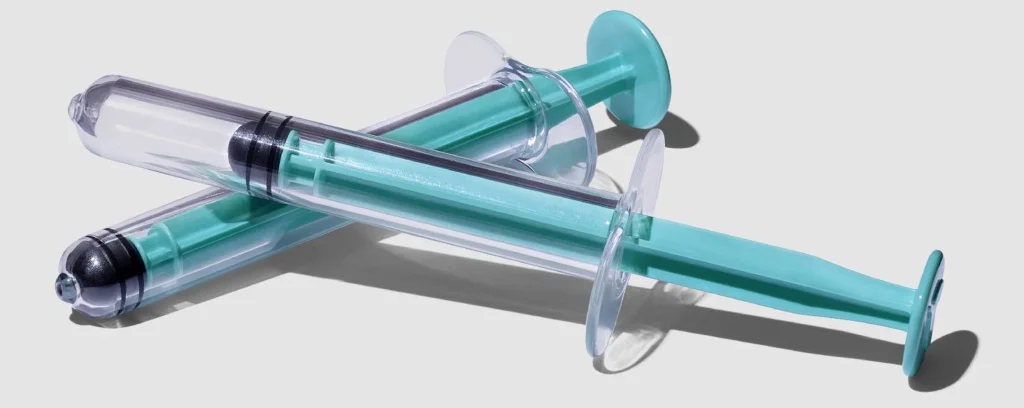
    Two transparent syringes with teal accents positioned diagonally on a light gray background.

    DIY Fertility: Tools for Tracking Your Cycle and Ovulation

    Monitoring your cervical mucus is another DIY tool for tracking your ovulation. The cervix produces mucus throughout your menstrual cycle, and the texture and consistency of the mucus change depending on where you are in your cycle. During your fertile window, the mucus becomes thin, slippery, and clear, similar to the consistency of egg whites. This type of mucus helps sperm swim through the cervix and survive longer in the reproductive tract, increasing your chances of conceiving.

    To track your cervical mucus, you can use a clean finger to collect a sample of mucus from your vaginal opening and observe its texture and consistency. You can also use a chart or an app to record your observations and determine your fertile days.

    Ovulation Predictor Kits (OPKs)

    Ovulation Predictor Kits (OPKs) are another useful tool for tracking your ovulation. They work by detecting the surge of luteinizing hormone (LH) in your urine, which happens a day or two before ovulation. The LH surge triggers the release of the egg from the ovary, and OPKs can help you determine your most fertile days.

    OPKs are easy to use and are available over-the-counter at most drugstores. They come with test strips that you dip in your urine, and the results are usually ready within a few minutes. It’s essential to follow the instructions carefully and test at the same time each day to get accurate results.

    Menstrual Cycle Tracking Apps

    In this digital age, there are many apps available that can help you track your menstrual cycle and ovulation. These apps allow you to record your period start and end dates, BBT, cervical mucus observations, and other relevant information. They also use algorithms to predict your fertile days and notify you when you are most likely to ovulate. Some apps also allow you to track other factors such as intercourse, ovulation symptoms, and even your mood.

    While these apps are convenient, it’s essential to choose a reliable and accurate one. Look for apps with good reviews and ratings, and make sure they are backed by medical professionals. It’s also crucial to remember that these apps are not a substitute for professional medical advice and should be used as a supplement to other tracking methods.

    In conclusion, tracking your menstrual cycle and ovulation is crucial for understanding your fertility and increasing your chances of conception. Whether you choose to use BBT charting, cervical mucus monitoring, OPKs, or a combination of these methods, consistency is key. By tracking your cycle and ovulation, you can take control of your reproductive health and make informed decisions about your fertility journey.

    Summary:

    Tracking your menstrual cycle and ovulation is crucial for understanding your fertility and increasing your chances of conception. By tracking your BBT, cervical mucus, using OPKs, or a menstrual cycle tracking app, you can determine your fertile days and take control of your reproductive health. These DIY tools require consistency and are not a substitute for professional medical advice.

  • Fertility DIY: Tools for Taking Charge of Your Fertility

    Fertility DIY: Tools for Taking Charge of Your Fertility

    Fertility is a complex and often misunderstood aspect of our reproductive health. Many people struggle with fertility issues and feel like they have little control over their own bodies. However, there are steps that you can take to better understand your fertility and increase your chances of conceiving. In this blog post, we will discuss the concept of fertility DIY and explore some tools that can help you take charge of your fertility journey.

    What is Fertility DIY?

    Fertility DIY, or Do-It-Yourself, is a term that refers to taking a proactive and hands-on approach to understanding and improving your fertility. It involves learning about your body, tracking your menstrual cycle, and making lifestyle changes to optimize your reproductive health. Fertility DIY empowers individuals to take control of their fertility journey and make informed decisions about their reproductive health.

    Tools for Fertility DIY

    1. Ovulation Predictor Kits (OPKs)

    Tracking your ovulation is a crucial aspect of fertility DIY. Ovulation predictor kits are a useful tool for determining when you are most likely to conceive. These kits detect the surge in luteinizing hormone (LH) in your urine, which occurs 24-48 hours before ovulation. By tracking your LH surge, you can pinpoint your most fertile days and increase your chances of getting pregnant.

    2. Fertility Apps

    In today’s digital age, there are many fertility apps available that can help you track your menstrual cycle, ovulation, and other important fertility-related information. These apps offer features such as period and ovulation tracking, fertility predictions, and personalized insights based on your data. Some popular fertility apps include Clue, Flo, and Kindara.

    3. Basal Body Temperature (BBT) Thermometer

    Tracking your basal body temperature (BBT) is another crucial aspect of fertility DIY. Your BBT is your body’s temperature at rest, and it can change slightly throughout your menstrual cycle. By tracking your BBT every morning before getting out of bed, you can determine when you have ovulated and when your next period is due. This information can help you plan for intercourse during your most fertile days.

    at-home insemination kit by Mosie Baby, featuring syringes and containers for comfort and convenience.

    Fertility DIY: Tools for Taking Charge of Your Fertility

    4. Fertility Monitors

    Fertility monitors are advanced devices that track your hormone levels to predict ovulation. These monitors work by analyzing your saliva or urine for the presence of hormones such as estrogen and LH. Some monitors also come with a connected app that helps you track your data and provides personalized insights. Popular fertility monitors include OvaCue and Daysy.

    5. Cervical Mucus Monitoring

    Monitoring your cervical mucus is another essential aspect of fertility DIY. Your cervical mucus changes throughout your menstrual cycle, becoming more abundant and stretchy around the time of ovulation. By tracking your cervical mucus, you can determine when you are most fertile and increase your chances of conceiving.

    6. Fertility-Boosting Supplements

    There are several supplements that can help boost your fertility and improve your chances of getting pregnant. These include folic acid, vitamin D, and omega-3 fatty acids. It is essential to consult with your healthcare provider before starting any new supplements, as they may interact with other medications or have adverse effects on your health.

    7. Lifestyle Changes

    In addition to using tools and tracking methods, making lifestyle changes can also play a significant role in improving fertility. These may include maintaining a healthy diet, reducing stress, getting enough sleep, and avoiding harmful substances such as alcohol and tobacco. It is also crucial to establish a healthy exercise routine and maintain a healthy weight, as being overweight or underweight can impact fertility.

    Benefits of Fertility DIY

    The primary benefit of fertility DIY is that it gives individuals more control over their fertility journey. By using the tools and methods mentioned above, you can better understand your body’s natural rhythms and take proactive steps to improve your chances of conceiving. Fertility DIY also allows you to track your progress and make informed decisions about any necessary medical interventions.

    Summary

    Fertility DIY is a proactive and hands-on approach to understanding and improving fertility. It involves using tools such as ovulation predictor kits, fertility apps, BBT thermometers, and fertility monitors to track your menstrual cycle and determine when you are most fertile. Additionally, monitoring cervical mucus and making lifestyle changes can also play a significant role in improving fertility. Fertility DIY empowers individuals to take control of their fertility journey and make informed decisions about their reproductive health.

  • Fertility on a Budget: DIY Support Tools That Work

    Blog post:

    Fertility is a topic that can bring up a wide range of emotions for couples who are trying to conceive. While there are many medical treatments and procedures available, these can often come with a hefty price tag. This can be a major barrier for couples who are on a budget or do not have insurance coverage for fertility treatments. However, there are DIY support tools that can be used to improve fertility and increase the chances of conceiving without breaking the bank.

    1. Fertility tracking apps

    Fertility tracking apps have become increasingly popular and are a great tool for couples on a budget. These apps use algorithms to predict a woman’s most fertile days based on her menstrual cycle and other fertility signs. This can help couples time intercourse during the most optimal days for conception. Fertility tracking apps are also a great way to monitor changes in the menstrual cycle and identify any potential issues that may be affecting fertility. Some popular fertility tracking apps include Flo, Clue, and Ovia.

    2. Basal body temperature (BBT) charting

    Basal body temperature (BBT) charting is a method of tracking ovulation by taking your temperature every morning before getting out of bed. A woman’s BBT rises slightly after ovulation, making this a useful tool for determining the most fertile days. BBT charting is an inexpensive way to monitor ovulation and can also help identify any potential issues with the menstrual cycle. All you need is a BBT thermometer and a chart to track your temperatures. There are also many free BBT tracking apps available to make the process easier.

    3. Ovulation predictor kits (OPKs)

    Ovulation predictor kits (OPKs) are a budget-friendly way to detect the surge in luteinizing hormone (LH) that occurs before ovulation. This surge indicates that ovulation is about to occur, making it the best time for conception. OPKs are similar to pregnancy tests and can be purchased at most drugstores or online. They are easy to use and can help pinpoint the most fertile days for couples trying to conceive.

    4. Diet and supplements

    A healthy diet and supplements can play a significant role in fertility. Certain foods, such as leafy greens, whole grains, and healthy fats, can help improve fertility by providing essential nutrients. Some supplements, such as folic acid, vitamin D, and omega-3 fatty acids, have also been found to improve fertility. These can be purchased inexpensively at most drugstores or online. However, it is important to consult with a healthcare provider before starting any new supplements.

    at-home insemination kit by Mosie Baby, featuring syringes, collection cups, and instructions on a pink background.

    Fertility on a Budget: DIY Support Tools That Work

    5. Stress management techniques

    Stress can have a significant impact on fertility, as it can disrupt hormonal balance and ovulation. Therefore, it is essential to find ways to manage stress while trying to conceive. This can include yoga, meditation, acupuncture, or simply taking time for self-care activities. These techniques can be done at home for little to no cost and can greatly improve fertility.

    6. DIY fertility massage

    Fertility massage is a gentle, non-invasive technique that can help improve blood flow to the reproductive organs and balance hormones. This can be done at home using specific massage techniques and essential oils. There are many tutorials and guides available online for DIY fertility massages, making it a budget-friendly option for couples trying to conceive.

    7. Cervical mucus monitoring

    Cervical mucus monitoring is another useful DIY tool for tracking ovulation. The consistency and amount of cervical mucus can change throughout the menstrual cycle, and these changes can indicate when ovulation is about to occur. By monitoring cervical mucus, couples can identify the most fertile days for conception. This method only requires observation and does not cost anything.

    8. Community support groups

    Trying to conceive can be a challenging and emotional experience, and having a supportive community can make a significant difference. There are many online and in-person support groups for couples struggling with fertility. These groups provide a safe space to share experiences, receive support and advice, and connect with others on a similar journey. They are often free or have a minimal cost and can be a valuable resource for couples on a budget.

    In conclusion, fertility support tools do not have to be expensive to be effective. By utilizing these DIY methods, couples can track ovulation, manage stress, and improve overall fertility without breaking the bank. It is essential to remember that every couple’s journey is unique, and what works for one may not work for another. It is always best to consult with a healthcare provider for personalized recommendations and to rule out any underlying fertility issues.

    Summary:

    Fertility treatments and procedures can be expensive, making it difficult for couples on a budget to conceive. However, there are DIY support tools that can be used to improve fertility without breaking the bank. These include fertility tracking apps, BBT charting, ovulation predictor kits, diet and supplements, stress management techniques, DIY fertility massage, cervical mucus monitoring, and community support groups. By utilizing these methods, couples can increase their chances of conceiving and manage the emotional toll of trying to conceive. It is essential to consult with a healthcare provider for personalized recommendations and to rule out any underlying fertility issues.

  • DIY Fertility: Tools for Empowering Your Journey

    Blog Post:

    Fertility is a journey that can be filled with both excitement and challenges. For many people, the road to conception may not be as easy as they had hoped. This can lead to feelings of frustration, stress, and even hopelessness. However, there are various tools and techniques that you can use to empower yourself on this journey. DIY fertility is a growing trend that has helped many individuals take control of their fertility and increase their chances of conceiving. In this blog post, we will discuss some of the top DIY fertility tools and how they can help you on your journey.

    1. Ovulation Predictor Kits (OPKs)

    One of the most important factors in conception is timing. Knowing when you are ovulating is crucial as it is the prime time for fertilization to occur. OPKs are a great DIY fertility tool that can help you pinpoint your ovulation window. These kits work by detecting the surge in luteinizing hormone (LH) in your urine, which typically occurs 12-36 hours before ovulation. By tracking your LH surge, you can know exactly when to try for a baby. OPKs are easy to use, affordable, and can be found at most drugstores.

    2. Basal Body Temperature (BBT) Charting

    Charting your basal body temperature is another DIY fertility technique that can help you determine when you are ovulating. Your basal body temperature is your body’s lowest resting temperature and typically rises 0.5-1 degree after ovulation. By tracking your BBT every morning before getting out of bed, you can identify a pattern and know when you are most fertile. There are various apps and online resources available to help you chart your BBT, making it a convenient and accessible tool.

    3. Fertility Supplements

    There are many fertility supplements on the market that claim to boost your chances of conception. While the effectiveness of these supplements may vary, some key nutrients have been shown to improve fertility. These include folic acid, vitamin D, and omega-3 fatty acids. Incorporating these supplements into your daily routine can help improve your overall reproductive health and increase your chances of getting pregnant.

    4. Yoga and Meditation

    hand holding a pregnancy test with instructions on a colorful background

    DIY Fertility: Tools for Empowering Your Journey

    Fertility can be a stressful and emotional journey. It is crucial to take care of your mental and emotional well-being during this time. Yoga and meditation are great DIY fertility tools that can help you relax and reduce stress. These practices also help improve blood flow to the reproductive organs, which can enhance fertility. There are many online resources and apps available that offer fertility-specific yoga and meditation classes.

    5. Acupuncture

    Acupuncture is an ancient Chinese practice that involves inserting thin needles into specific points on the body. This technique is believed to help balance the body’s energy and improve overall health. Many studies have shown that acupuncture can be beneficial for fertility. It can help regulate menstrual cycles, improve egg quality, and reduce stress. If you are interested in trying acupuncture for fertility, be sure to find a licensed and experienced practitioner.

    6. Diet and Nutrition

    What you eat can have a significant impact on your fertility. A healthy and balanced diet can improve your overall reproductive health and increase your chances of conception. Some key nutrients to focus on include iron, zinc, and antioxidants. On the other hand, certain foods and drinks, such as caffeine and alcohol, can have a negative effect on fertility. Consult with a fertility specialist or nutritionist to create a diet plan that is tailored to your specific needs.

    7. Fertility Tracking Apps

    There are many fertility tracking apps available that can help you keep track of your menstrual cycle, ovulation, and other important factors. These apps are a convenient and accessible way to monitor your fertility and increase your chances of getting pregnant. They also often offer additional features such as tracking symptoms, stress levels, and sexual activity.

    Summary:

    DIY fertility is a growing trend that has helped many individuals take control of their fertility journey. By using various tools and techniques such as ovulation predictor kits, BBT charting, fertility supplements, yoga and meditation, acupuncture, and diet and nutrition, individuals can increase their chances of conceiving. Additionally, fertility tracking apps can help monitor important factors and provide additional support. By empowering yourself with these DIY fertility tools, you can feel more in control and confident on your journey to conception.

  • Empowering Couples with the Conception Catalyst Syringe Set

    Blog Post Title: Empowering Couples with the Conception Catalyst Syringe Set

    Keywords: conception catalyst, syringe set, fertility, couples, pregnancy, ovulation, sperm, egg, artificial insemination, family planning

    Introduction:
    For many couples, trying to conceive can be a stressful and emotional journey. Whether they are facing fertility issues or simply want to have a baby on their own terms, the process can be overwhelming. However, thanks to advancements in technology and medicine, there are now more options available for couples who are struggling to conceive. One such option is the Conception Catalyst Syringe Set, a revolutionary tool that is empowering couples to take control of their fertility and family planning. In this blog post, we will explore the benefits of the Conception Catalyst Syringe Set and how it is helping couples achieve their dream of starting a family.

    Understanding the Conception Catalyst Syringe Set:
    The Conception Catalyst Syringe Set is a fertility aid that is designed to make artificial insemination at home more accessible and convenient for couples. It includes a specially designed syringe and a collection cup, making it easier for couples to collect and deposit sperm directly into the cervix. This method is known as intracervical insemination (ICI) and is a less invasive and more affordable alternative to traditional methods of artificial insemination.

    The Benefits of Using the Conception Catalyst Syringe Set:
    1. Increased Chances of Conception:
    One of the main benefits of using the Conception Catalyst Syringe Set is that it can increase the chances of conception for couples struggling with infertility. By directly depositing sperm into the cervix, the sperm has a shorter distance to travel to reach the egg, increasing the chances of fertilization. This is especially beneficial for couples who have low sperm count or those with sperm that have difficulty swimming to the egg.

    2. More Affordable Option:
    Traditional methods of artificial insemination can be expensive, with the cost of each procedure ranging from hundreds to thousands of dollars. The Conception Catalyst Syringe Set, on the other hand, is a more affordable option, making it accessible to couples of all financial backgrounds. This allows more couples to explore the option of artificial insemination without breaking the bank.

    mosie baby logo featuring a heart and leaves in blue, pink, and green colors.

    Empowering Couples with the Conception Catalyst Syringe Set

    3. Easy to Use:
    The Conception Catalyst Syringe Set is designed to be user-friendly, making it easy for couples to perform the procedure in the comfort of their own home. The syringe has a curved tip, making it easier to reach the cervix, and the collection cup has a wide opening, making it easier to collect sperm. This eliminates the need for couples to visit a doctor’s office and allows them to take control of their fertility journey.

    4. Discreet:
    Many couples may feel uncomfortable with the idea of undergoing artificial insemination in a clinical setting. With the Conception Catalyst Syringe Set, couples can perform the procedure in the privacy of their own home, without anyone else knowing. This allows for a more discreet and intimate experience, making the process less stressful for couples.

    5. Can be Used for Ovulation Tracking:
    The Conception Catalyst Syringe Set can also be used for ovulation tracking, which is essential for couples trying to conceive. By tracking ovulation, couples can pinpoint the optimal time for insemination, increasing their chances of success. The set comes with an ovulation tracking wheel, making it easier for couples to track their ovulation and plan accordingly.

    Empowering Couples with Family Planning:
    Aside from helping couples struggling with infertility, the Conception Catalyst Syringe Set is also empowering couples with family planning. It allows couples to take control of when and how they want to start a family, without relying on traditional methods or costly procedures. This gives couples the freedom to plan their pregnancy on their own terms, making the process more enjoyable and less stressful.

    In Conclusion:
    The Conception Catalyst Syringe Set is a game-changer for couples trying to conceive. It is an affordable, easy to use, and discreet option for artificial insemination, making it accessible to a wider range of couples. It is also empowering couples with family planning, giving them the freedom to take control of their fertility journey. With the Conception Catalyst Syringe Set, couples can now have a more positive and stress-free experience while trying to start a family.

    Summary:
    The Conception Catalyst Syringe Set is a revolutionary tool that is empowering couples to take control of their fertility and family planning. This fertility aid is designed to make artificial insemination at home more accessible and convenient for couples. It increases the chances of conception, is a more affordable option, and is easy to use. It also allows for a discreet and intimate experience, making the process less stressful for couples. The Conception Catalyst Syringe Set is not only helping couples struggling with infertility, but it is also empowering couples with family planning.

  • The Ultimate Tool for Conception: The Catalyst Syringe Set

    Blog Post Title: The Ultimate Tool for Conception: The Catalyst Syringe Set

    Summary:

    Conception can be a difficult and stressful process for many couples. From tracking ovulation to undergoing fertility treatments, the journey to parenthood can be filled with challenges. However, there is a new tool on the market that aims to make the process of conceiving easier and more effective – the Catalyst Syringe Set.

    The Catalyst Syringe Set is a revolutionary product that has been designed specifically for couples trying to conceive. It is a simple and easy-to-use tool that can significantly increase the chances of successful conception. In this blog post, we will delve into the details of the Catalyst Syringe Set and how it can be the ultimate tool for conception.

    What is the Catalyst Syringe Set?

    The Catalyst Syringe Set is a specially designed syringe set that has been created to aid couples in their journey towards parenthood. It consists of two syringes – the Catalyst Ovulation Syringe and the Catalyst Intrauterine Syringe.

    The Catalyst Ovulation Syringe is used to deliver sperm directly to the cervix during ovulation. This is the most crucial time for conception, as the egg is released from the ovary and travels down the fallopian tube. By delivering sperm directly to the cervix, the Catalyst Ovulation Syringe increases the chances of sperm reaching the egg and fertilizing it.

    The Catalyst Intrauterine Syringe, on the other hand, delivers sperm directly into the uterus. This is particularly beneficial for couples who may have issues with sperm motility or low sperm count. By bypassing the cervix and delivering sperm directly into the uterus, the Catalyst Intrauterine Syringe maximizes the chances of successful conception.

    How does it work?

    Mosie Baby kit with two jars, a syringe, and a supportive message card inside a colorful box.

    The Ultimate Tool for Conception: The Catalyst Syringe Set

    The Catalyst Syringe Set is designed to be used during the ovulation window, which typically lasts for 24-48 hours. The set comes with detailed instructions on how to use it effectively. Essentially, the process involves filling the syringes with sperm and using them to inseminate during ovulation.

    The Catalyst Ovulation Syringe is used first, and the sperm is delivered to the cervix. After a few hours, the Catalyst Intrauterine Syringe is used to deliver sperm into the uterus. This two-step process is based on the concept of double insemination, which has been proven to increase the chances of conception.

    Benefits of using the Catalyst Syringe Set

    1. Increased chances of conception: The primary benefit of using the Catalyst Syringe Set is that it significantly increases the chances of successful conception. By delivering sperm directly to the cervix and uterus, the set maximizes the chances of sperm reaching and fertilizing the egg.

    2. Easy to use: The Catalyst Syringe Set is designed to be user-friendly, even for those who may have no experience with fertility treatments. The instructions are clear and easy to follow, making the process stress-free for couples.

    3. Affordable: Compared to other fertility treatments, the Catalyst Syringe Set is much more affordable. It is a one-time purchase that can be used for multiple cycles, making it a cost-effective option for couples trying to conceive.

    4. Non-invasive: Unlike other fertility treatments, the Catalyst Syringe Set is non-invasive, making it a more comfortable and less intrusive option for couples.

    5. Can be used at home: The Catalyst Syringe Set can be used in the comfort of your own home, eliminating the need for frequent visits to a fertility clinic.

    In conclusion, the Catalyst Syringe Set is the ultimate tool for conception. It is a simple, affordable, and effective option for couples trying to conceive. With its unique design and proven results, it has the potential to make the journey towards parenthood a little easier and less stressful.

    SEO Metadata:

  • Boosting Your Chances of Conception with the Catalyst Syringe Set

    Boosting Your Chances of Conception with the Catalyst Syringe Set

    Conceiving a child is a deeply personal and emotional experience for many couples. However, for some, it can also be a challenging and frustrating process. Infertility affects about 12% of women of childbearing age in the United States, and it can be caused by a variety of factors, including age, health conditions, and lifestyle choices. Fortunately, there are many options available to help boost your chances of conception, including the Catalyst Syringe Set.

    The Catalyst Syringe Set is a revolutionary tool designed to aid in the process of conception. It consists of a specially designed syringe and a unique formula that can improve the viability and motility of sperm, making it easier for couples to achieve pregnancy. In this blog post, we will explore the benefits of using the Catalyst Syringe Set and how it can increase your chances of conceiving.

    Understanding the Catalyst Syringe Set

    The Catalyst Syringe Set was created by a team of fertility experts and scientists to help couples struggling with infertility. It is a simple yet effective tool that can be used in the comfort of your own home, eliminating the need for expensive and invasive medical procedures. The set consists of a high-quality syringe that is designed with a tapered tip to facilitate easy and precise insertion into the cervix, and a unique formula that is inserted into the syringe to improve sperm quality.

    The Benefits of Using the Catalyst Syringe Set

    1. Increases Sperm Viability and Motility

    One of the biggest challenges in conception is the viability and motility of sperm. The Catalyst Syringe Set’s unique formula contains ingredients that have been scientifically proven to improve the quality of sperm, making them more viable and motile. This means that the sperm will have a better chance of reaching and fertilizing the egg, increasing the chances of pregnancy.

    2. Easy to Use

    Unlike other fertility treatments, the Catalyst Syringe Set is easy to use and can be done in the comfort and privacy of your own home. The syringe is designed to be user-friendly and can be easily inserted into the cervix without any discomfort. The unique formula also comes in a pre-filled applicator, making it convenient and mess-free.

    3. Affordable and Non-Invasive

    Many fertility treatments can be expensive and invasive, making them out of reach for many couples. The Catalyst Syringe Set, on the other hand, is affordable and non-invasive, making it accessible to a wider range of people. It also eliminates the need for multiple doctor visits and procedures, making it a stress-free option for couples trying to conceive.

    4. Can Be Used at Any Time

    hand holding a syringe with a blue plunger against a solid blue background

    Boosting Your Chances of Conception with the Catalyst Syringe Set

    Timing is crucial when it comes to conception, and the Catalyst Syringe Set allows couples to have control over when they want to try to conceive. Unlike other fertility treatments that require certain days or times to be effective, the Catalyst Syringe Set can be used at any time during the woman’s menstrual cycle.

    5. Can Be Used in Conjunction with Other Fertility Treatments

    The Catalyst Syringe Set is a complementary tool that can be used in conjunction with other fertility treatments. It can enhance the effectiveness of other methods, such as intrauterine insemination (IUI) or in vitro fertilization (IVF), by improving the quality of sperm.

    Tips for Using the Catalyst Syringe Set

    1. Read the Instructions Carefully

    Before using the Catalyst Syringe Set, it is essential to read the instructions carefully to ensure that you are using it correctly. It is also important to understand the timing and frequency of use to maximize its effectiveness.

    2. Use it During Ovulation

    To increase the chances of conception, it is best to use the Catalyst Syringe Set during ovulation. This is when the egg is released from the ovary and is ready to be fertilized.

    3. Use it Regularly

    Consistency is key when using the Catalyst Syringe Set. It is recommended to use it before and during ovulation for the best results. Using it regularly can also help improve sperm quality over time.

    4. Maintain a Healthy Lifestyle

    While the Catalyst Syringe Set can improve sperm quality, it is also essential to maintain a healthy lifestyle for optimal fertility. This includes eating a balanced diet, exercising regularly, and avoiding unhealthy habits like smoking and excessive alcohol consumption.

    Summary:

    The Catalyst Syringe Set is a revolutionary tool designed to increase the chances of conception for couples struggling with infertility. It consists of a specially designed syringe and a unique formula that can improve sperm quality, making it easier for the sperm to reach and fertilize the egg. The Catalyst Syringe Set is easy to use, affordable, and non-invasive, and can be used in conjunction with other fertility treatments. To maximize its effectiveness, it is essential to read the instructions carefully, use it during ovulation, and maintain a healthy lifestyle.