Tag: vaginal health

  • Cervical Mucus and Menopause: Tips for Coping with Hormonal Imbalance

    Cervical mucus is a fluid produced by the cervix that plays an important role in female reproductive health. It helps to keep the vagina clean, lubricated, and free from infection. However, as women go through menopause, hormonal changes can cause fluctuations in cervical mucus production, leading to various uncomfortable symptoms and challenges. In this blog post, we will discuss the relationship between cervical mucus and menopause, the effects of hormonal imbalance on cervical mucus, and tips for coping with these changes.

    Menopause is a natural biological process that marks the end of a woman’s reproductive years. It usually occurs between the ages of 45-55, with the average age being 51. During menopause, the body goes through significant hormonal changes, particularly a decrease in estrogen and progesterone levels. These hormonal changes can affect various aspects of a woman’s health, including cervical mucus production.

    The production of cervical mucus is controlled by estrogen, which helps to keep the cervix moist and healthy. As estrogen levels decline during menopause, the amount and consistency of cervical mucus also change. This can result in a variety of symptoms, including vaginal dryness, irritation, and discomfort during sexual intercourse. Additionally, changes in cervical mucus can also make women more susceptible to vaginal infections, as the mucus is not as effective in keeping harmful bacteria out.

    One of the most common symptoms of menopause-related hormonal imbalance is vaginal dryness. This occurs when the cervix does not produce enough mucus, leading to a lack of lubrication in the vagina. Vaginal dryness can cause discomfort, pain, and even bleeding during intercourse. It can also increase the risk of developing urinary tract infections.

    Another symptom of hormonal imbalance during menopause is changes in the consistency of cervical mucus. Typically, cervical mucus is thin, clear, and stretchy, resembling raw egg whites. However, during menopause, the mucus may become thicker, stickier, and more opaque. This can make it difficult for sperm to travel through the cervix to fertilize an egg, resulting in a decreased chance of conception.

    In addition to physical symptoms, changes in cervical mucus can also affect women emotionally. Many women feel self-conscious and frustrated about the changes in their bodies, which can lead to a decrease in sexual desire and intimacy. It is essential to address these emotional challenges and seek support from a healthcare professional or a trusted friend or partner.

    So, how can women cope with the changes in cervical mucus during menopause? Here are some tips that can help:

    At-home insemination kit with ovulation and pregnancy tests, promoting fertility and family planning.

    Cervical Mucus and Menopause: Tips for Coping with Hormonal Imbalance

    1. Stay hydrated: Drinking plenty of water can help keep the body hydrated, including the cervix. This can improve the production of cervical mucus and reduce vaginal dryness.

    2. Use lubricants: If vaginal dryness is a problem, using a water-based lubricant during sexual intercourse can help reduce discomfort and pain.

    3. Consider hormone therapy: Hormone replacement therapy (HRT) can be an effective way to manage menopause symptoms, including changes in cervical mucus. However, it is essential to discuss the potential risks and benefits with a healthcare professional before starting HRT.

    4. Maintain good hygiene: During menopause, the vagina becomes more vulnerable to infections due to changes in cervical mucus. It is crucial to maintain good hygiene, including washing the vagina with water only and avoiding harsh soaps or douches.

    5. Eat a balanced diet: A diet rich in fruits, vegetables, whole grains, and healthy fats can help support hormonal balance and overall health during menopause.

    6. Consider supplements: Certain supplements, such as omega-3 fatty acids and probiotics, can help improve vaginal health and reduce inflammation in the body.

    7. Talk to your doctor: If you are experiencing uncomfortable symptoms related to changes in cervical mucus, it is essential to discuss them with your doctor. They can provide personalized recommendations and treatment options to help you manage these symptoms.

    In conclusion, the relationship between cervical mucus and menopause is vital, and changes in cervical mucus are a common occurrence during this stage of life. By understanding the effects of hormonal imbalance on cervical mucus and implementing the tips mentioned above, women can effectively cope with these changes and maintain their reproductive and overall health during menopause.

  • How to Manage Changes in Cervical Mucus During Menopause

    Managing changes in cervical mucus can be a challenging aspect of menopause for many women. Menopause is a natural process that marks the end of a woman’s reproductive years, and it is accompanied by a variety of physical and emotional changes. One of the most common changes experienced during menopause is changes in cervical mucus. Cervical mucus, also known as cervical fluid, is a natural bodily secretion that plays a vital role in a woman’s reproductive health. It helps to transport sperm to the egg and creates an optimal environment for fertilization. However, during menopause, hormonal changes can cause fluctuations in cervical mucus, leading to changes in its consistency, color, and amount. In this blog post, we will discuss how to manage these changes in cervical mucus during menopause.

    Understanding Menopause and Cervical Mucus Changes

    Menopause is a natural biological process that occurs when a woman’s body stops producing estrogen and progesterone. These hormones are responsible for regulating the menstrual cycle and maintaining reproductive health. As a woman approaches menopause, her body starts producing lower levels of estrogen and progesterone, leading to changes in her menstrual cycle, and eventually, the end of her periods. This transition period, known as perimenopause, can last for several years before menopause is officially reached.

    During perimenopause and menopause, the levels of estrogen in a woman’s body fluctuate, which can affect the consistency, color, and amount of cervical mucus. Estrogen is responsible for stimulating the production of cervical mucus, so as its levels decrease, the production of cervical mucus also decreases. This can result in drier and thinner cervical mucus, making it difficult for sperm to travel to the egg. Additionally, hormonal changes can also affect the pH level of the cervical mucus, making it less hospitable for sperm.

    Managing Changes in Cervical Mucus During Menopause

    1. Stay Hydrated

    One of the best ways to manage changes in cervical mucus during menopause is to stay hydrated. Drinking plenty of water can help to maintain the quality and quantity of cervical mucus. It is recommended to drink at least 8-10 glasses of water per day. You can also try to increase your intake of other fluids, such as herbal teas, to stay hydrated.

    2. Use Lubricants

    As estrogen levels decrease during menopause, the vagina can become drier, resulting in discomfort and pain during sexual intercourse. This can also affect the quality of cervical mucus. Using a water-based lubricant can help to alleviate discomfort and improve the consistency of cervical mucus. Make sure to choose a lubricant that is free of harsh chemicals and additives.

    3. Try Natural Remedies

    Some women may prefer to use natural remedies to manage changes in cervical mucus during menopause. Some natural remedies that can help to improve the quality and quantity of cervical mucus include evening primrose oil, vitamin E, and flaxseed oil. However, it is essential to consult with a healthcare provider before trying any natural remedies.

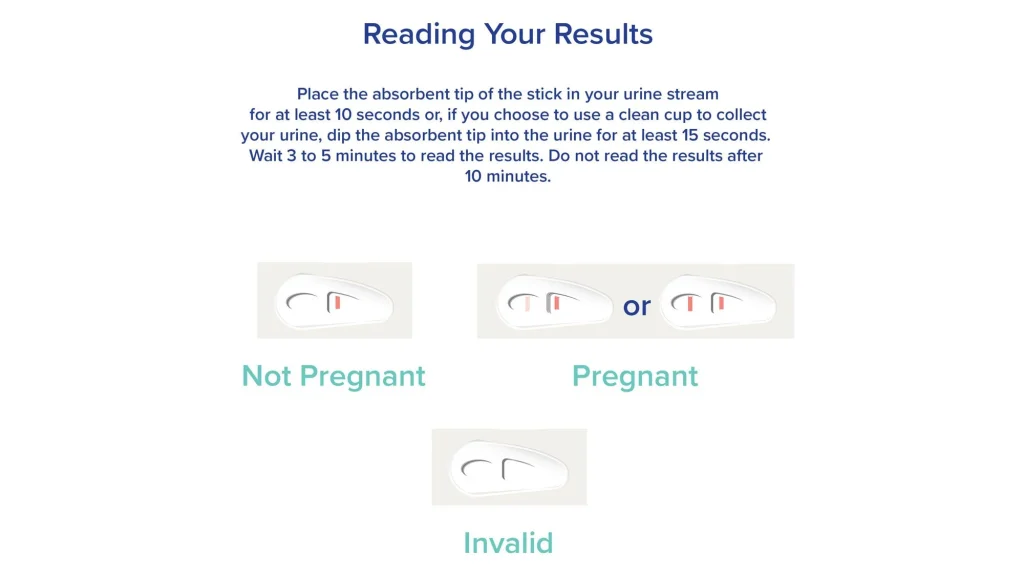
    Instructions for reading pregnancy test results with visual indicators for "Not Pregnant," "Pregnant," and "Invalid.

    How to Manage Changes in Cervical Mucus During Menopause

    4. Consider Hormone Replacement Therapy (HRT)

    Hormone replacement therapy (HRT) is a treatment that involves taking estrogen and progesterone to alleviate symptoms of menopause. HRT can also help to improve the quality and quantity of cervical mucus. It is essential to discuss the risks and benefits of HRT with a healthcare provider before starting this treatment.

    5. Practice Safe Sex

    During menopause, the risk of sexually transmitted infections (STIs) increases due to changes in the cervix and vaginal tissues. It is essential to practice safe sex by using condoms to reduce the risk of contracting an STI. Additionally, using condoms can also help to maintain the pH level of the cervical mucus and prevent infections.

    6. Monitor Your Cervical Mucus

    It is crucial to keep track of changes in your cervical mucus during menopause. This can help you to identify any abnormal changes or infections that may require medical attention. You can use a menstrual cup or a clean finger to check your cervical mucus daily. If you notice any changes, such as a foul odor or unusual color, consult with your healthcare provider.

    7. Take Care of Your Vaginal Health

    Maintaining good vaginal health is crucial during menopause. It is essential to avoid using harsh soaps, douches, and other products that can disrupt the pH balance of the vagina and affect the quality of cervical mucus. It is also important to wear cotton underwear and change out of wet swimwear or workout clothes promptly to prevent infections.

    Conclusion

    Menopause can bring about many changes in a woman’s body, including changes in cervical mucus. While these changes can be uncomfortable, they are a normal part of the menopausal transition. By following the tips mentioned above, you can manage changes in cervical mucus and maintain your reproductive health during menopause. Remember to stay hydrated, use lubricants, try natural remedies, consider HRT, practice safe sex, monitor your cervical mucus, and take care of your vaginal health.

    In summary, menopause is a natural process that marks the end of a woman’s reproductive years and is accompanied by changes in cervical mucus. Estrogen levels decrease during menopause, which can affect the quality and quantity of cervical mucus. To manage these changes, it is essential to stay hydrated, use lubricants, consider natural remedies, HRT, practice safe sex, monitor cervical mucus, and take care of vaginal health.

  • Cervical Mucus and Menopause: How to Maintain Your Vaginal Health

    Blog Post:

    As women age, they go through various changes in their bodies, including menopause. Menopause marks the end of a woman’s reproductive years, and it typically occurs between the ages of 45 and 55. During this time, the body experiences a decline in estrogen and progesterone production, leading to various symptoms such as hot flashes, mood swings, and changes in menstrual cycles. Additionally, menopause can also affect the health of your vagina, specifically the production and quality of cervical mucus. In this blog post, we will explore the relationship between cervical mucus and menopause, and provide tips on how to maintain your vaginal health during this stage of life.

    What is Cervical Mucus?

    Cervical mucus is a thick, slippery fluid produced by the cervix, the lower part of the uterus. It plays a crucial role in the reproductive process by providing a hospitable environment for sperm to travel through the vagina and into the uterus. Cervical mucus also helps to keep the vagina clean and lubricated, preventing infections and irritation.

    How Menopause Affects Cervical Mucus

    During menopause, the body’s production of estrogen and progesterone decreases significantly. These hormones are responsible for regulating the production and quality of cervical mucus. As a result, women may experience changes in their cervical mucus, such as:

    1. Decrease in production: As estrogen levels decline, the body produces less cervical mucus. This can lead to vaginal dryness, making sexual intercourse uncomfortable or painful.

    2. Changes in consistency: Cervical mucus is typically thick and sticky during the first half of the menstrual cycle, but it becomes thin and stretchy during ovulation, making it easier for sperm to travel. However, during menopause, the consistency of cervical mucus may become thicker and less stretchy, making it difficult for sperm to reach the egg.

    3. Increased risk of infections: The decline in estrogen levels also affects the pH balance of the vagina, making it more acidic. This change in pH can disrupt the natural balance of bacteria in the vagina, leading to an increased risk of infections such as yeast infections and bacterial vaginosis.

    Maintaining Vaginal Health during Menopause

    logo of mosie baby featuring a heart and leaf design in blue, pink, and green colors

    Cervical Mucus and Menopause: How to Maintain Your Vaginal Health

    While menopause can bring about changes in cervical mucus, there are steps you can take to maintain your vaginal health during this stage of life:

    1. Stay hydrated: Drinking plenty of water can help to keep your body hydrated, including your vaginal tissues. This can prevent vaginal dryness and maintain the production of cervical mucus.

    2. Use lubricants: If you experience vaginal dryness, using a water-based lubricant can help to make sexual intercourse more comfortable. Avoid using oil-based lubricants, as they can disrupt the natural balance of bacteria in the vagina.

    3. Practice safe sex: As estrogen levels decline, the walls of the vagina become thinner and more susceptible to tears and irritation. Using condoms during sexual intercourse can help to reduce the risk of infections and maintain the pH balance of the vagina.

    4. Practice good hygiene: Keeping the vaginal area clean is essential for maintaining vaginal health. However, avoid using harsh soaps or douches, as they can disrupt the natural balance of bacteria in the vagina. Instead, opt for mild, fragrance-free soaps and clean the area with water only.

    5. Consider hormone replacement therapy: For some women, hormone replacement therapy (HRT) may be recommended to help alleviate symptoms of menopause, including changes in cervical mucus. HRT replaces the hormones that the body stops producing during menopause and can help to maintain the production and quality of cervical mucus.

    6. Consult with your doctor: If you experience any changes in your vaginal health during menopause, it is essential to consult with your doctor. They can provide guidance on how to manage symptoms and may recommend treatments such as HRT or vaginal estrogen therapy.

    Conclusion

    Menopause is a natural stage of life for women, and while it can bring about changes in cervical mucus, it does not have to affect your vaginal health. By staying hydrated, practicing safe sex, and consulting with your doctor, you can maintain your vaginal health and enjoy a comfortable and fulfilling sex life during and after menopause.

    In summary, menopause can lead to changes in cervical mucus, including a decrease in production, changes in consistency, and an increased risk of infections. To maintain vaginal health during this stage of life, it is essential to stay hydrated, use lubricants, practice safe sex, practice good hygiene, consider hormone replacement therapy, and consult with your doctor. By following these tips, women can maintain their vaginal health and enjoy a comfortable and fulfilling sex life during and after menopause.

  • Exploring the Connection Between Cervical Mucus and Menopause Symptoms

    Summary:

    Menopause is a natural process that occurs in a woman’s body as she reaches a certain age. It is a time of significant hormonal changes that can bring about a variety of symptoms, both physical and emotional. One lesser-known symptom of menopause is changes in cervical mucus. Cervical mucus is the fluid secreted by the cervix that plays a vital role in fertility and vaginal health. While it may not be a commonly discussed topic, understanding the connection between cervical mucus and menopause symptoms can provide valuable insight into the changes happening in a woman’s body during this time. In this blog post, we will explore the relationship between cervical mucus and menopause symptoms, including the impact on fertility, vaginal health, and overall well-being. We will also discuss ways to manage these changes and maintain optimal vaginal health during menopause.

    The Role of Cervical Mucus in the Body:

    Before we dive into the connection between cervical mucus and menopause, let’s first understand the role of cervical mucus in the body. Cervical mucus is a fluid produced by glands in the cervix, the lower part of the uterus. It serves as a protective barrier, keeping the cervix moist and preventing bacteria and other harmful substances from entering the uterus. Additionally, cervical mucus plays a crucial role in fertility by providing an optimal environment for sperm to travel through the cervix and reach the egg for fertilization. The consistency, color, and volume of cervical mucus change throughout a woman’s menstrual cycle, indicating the most fertile days for conception.

    How Menopause Affects Cervical Mucus:

    During menopause, the body goes through a significant hormonal shift, with a decrease in estrogen and progesterone levels. These hormones play a crucial role in regulating cervical mucus production and its consistency. As a result, menopause can cause changes in cervical mucus, including a decrease in production and changes in its appearance and consistency. Women may notice that their cervical mucus becomes thinner, drier, and less abundant. This can make it more challenging to track ovulation and may also result in discomfort or irritation in the vaginal area.

    Impact on Fertility:

    One of the most significant concerns for women going through menopause is the impact on their fertility. As estrogen levels decline, the body produces less cervical mucus, making it more difficult for sperm to reach the egg. This decrease in cervical mucus can also make it challenging to predict ovulation, making it challenging for women who are trying to conceive during menopause. Additionally, the changes in cervical mucus can also impact the quality of the cervical mucus, making it less hospitable for sperm.

    Vaginal Health and Comfort:

    Informative card introducing the Mosie Baby Kit and its mission for at-home insemination.

    Exploring the Connection Between Cervical Mucus and Menopause Symptoms

    The decrease in estrogen during menopause can also have a significant impact on vaginal health. Estrogen helps keep the vaginal tissues healthy and maintains the proper pH balance. As estrogen levels decline, the vaginal tissues can become thinner, drier, and less elastic, leading to discomfort, itching, and an increased risk of infections. The decrease in cervical mucus production can also contribute to vaginal dryness, making intercourse uncomfortable or painful. Maintaining optimal vaginal health during menopause is essential for overall well-being and can help alleviate some of the uncomfortable symptoms associated with menopause.

    Managing Cervical Mucus Changes during Menopause:

    While the changes in cervical mucus during menopause are a natural part of the aging process, there are ways to manage these changes and maintain optimal vaginal health. Here are some tips to help you navigate the changes in cervical mucus during menopause:

    1. Stay hydrated: Drinking plenty of water can help keep your body hydrated and maintain adequate cervical mucus production.

    2. Use a lubricant: If you are experiencing vaginal dryness, using a water-based lubricant can alleviate discomfort during intercourse.

    3. Consider hormone therapy: Hormone replacement therapy (HRT) can help alleviate menopause symptoms, including changes in cervical mucus. Talk to your doctor about the risks and benefits of HRT to determine if it’s right for you.

    4. Practice good hygiene: It’s important to maintain good hygiene to prevent infections, especially during menopause when the vagina is more susceptible to irritation and infection.

    5. Talk to your doctor: If you are experiencing significant changes in your cervical mucus, it’s essential to discuss it with your doctor. They can help determine if there are any underlying issues and provide treatment options.

    In conclusion, the connection between cervical mucus and menopause symptoms is an often overlooked but significant factor in a woman’s overall well-being during this stage of life. Understanding the changes in cervical mucus and taking steps to manage them can help maintain optimal vaginal health and alleviate discomfort. It’s essential to stay informed and communicate with your doctor to ensure a smooth transition through menopause.

  • Managing Vaginal Dryness and Changes in Cervical Mucus During Menopause

    Blog post:

    Menopause is a natural and inevitable stage in a woman’s life, typically occurring between the ages of 45 and 55. It marks the end of a woman’s reproductive years and comes with a variety of physical and emotional changes. One common symptom that many women experience during menopause is vaginal dryness and changes in cervical mucus. These changes can be uncomfortable and even painful for some women, but they are a normal part of the menopause process. In this blog post, we will discuss the causes and effects of vaginal dryness and changes in cervical mucus during menopause, as well as ways to manage and alleviate these symptoms.

    Causes of Vaginal Dryness:

    Vaginal dryness is a common symptom of menopause, affecting up to 50% of women. It is caused by a decrease in estrogen levels, which is a hormone that helps maintain the health of the vaginal tissue. As a woman ages and goes through menopause, her body produces less estrogen, leading to a thinning and drying of the vaginal walls. This can cause discomfort during sexual intercourse, as well as a heightened risk of vaginal infections.

    Effects of Vaginal Dryness:

    Aside from discomfort and pain during sexual intercourse, vaginal dryness can also cause itching, burning, and irritation in the vaginal area. It can also lead to recurrent urinary tract infections and an increased risk of developing vaginal atrophy, a condition where the vaginal walls become thin and inflamed. These symptoms can significantly impact a woman’s quality of life, causing her to feel embarrassed, self-conscious, and even avoid sexual intimacy altogether.

    Changes in Cervical Mucus:

    During menopause, a woman’s cervical mucus also undergoes changes. Cervical mucus plays a vital role in fertility, as it helps sperm reach the egg for fertilization. However, as a woman nears menopause, her cervical mucus becomes thicker and stickier, making it difficult for sperm to penetrate. This change is due to the decrease in estrogen levels, which affects the quality and quantity of cervical mucus.

    Managing Vaginal Dryness and Changes in Cervical Mucus:

    Mosie Baby ovulation test kit with packaging and instructions on a pink background.

    Managing Vaginal Dryness and Changes in Cervical Mucus During Menopause

    Fortunately, there are various ways to manage and alleviate vaginal dryness and changes in cervical mucus during menopause. Here are some tips and treatments that can help:

    1. Use Lubricants: Using a water-based lubricant during sexual intercourse can help reduce discomfort and pain caused by vaginal dryness. It is essential to choose a lubricant that does not contain any harsh chemicals or irritants.

    2. Stay Hydrated: Drinking plenty of water can help keep the body hydrated, including the vaginal tissue. It can also help with vaginal dryness by increasing natural lubrication.

    3. Avoid Irritants: Some products, such as scented soaps, douches, and perfumes, can irritate the vaginal area and worsen symptoms of dryness. It is best to avoid these products and opt for mild, fragrance-free alternatives.

    4. Hormone Replacement Therapy: Hormone replacement therapy (HRT) is a treatment option that involves taking estrogen and/or progesterone to replace the hormones that the body is no longer producing. HRT can help alleviate symptoms of vaginal dryness and changes in cervical mucus, as well as other menopause symptoms. However, it is essential to discuss the potential risks and benefits of HRT with a doctor before starting treatment.

    5. Vaginal Moisturizers: Vaginal moisturizers are different from lubricants and are designed to be used regularly to improve vaginal dryness and discomfort. These products are usually hormone-free and can provide long-term relief from symptoms.

    6. Kegel Exercises: Kegel exercises can help strengthen the pelvic floor muscles, which can improve vaginal dryness and urinary incontinence. These exercises involve squeezing and releasing the muscles used to control urine flow.

    7. Talk to a Doctor: If vaginal dryness and changes in cervical mucus are significantly impacting your daily life, it is essential to talk to a doctor. They can provide personalized treatment options and rule out any other underlying conditions that may be causing these symptoms.

    Summary:

    Menopause is a natural stage in a woman’s life that can bring about various physical and emotional changes. One common symptom of menopause is vaginal dryness, which is caused by a decrease in estrogen levels. Vaginal dryness can cause discomfort and pain during sexual intercourse, as well as other symptoms such as itching and burning. Changes in cervical mucus are also common during menopause, which can make it difficult for sperm to reach the egg for fertilization. Fortunately, there are ways to manage and alleviate these symptoms, including using lubricants, staying hydrated, avoiding irritants, hormone replacement therapy, and doing kegel exercises. It is also essential to talk to a doctor if these symptoms are significantly impacting daily life.

  • Cervical Mucus Changes During Menopause: What to Expect and How to Cope

    Cervical Mucus Changes During Menopause: What to Expect and How to Cope

    Menopause is a natural and inevitable part of a woman’s life, marking the end of her reproductive years. Along with the cessation of menstruation, menopause also brings about a host of changes in a woman’s body, including changes in cervical mucus. Cervical mucus is the fluid produced by the cervix, and it plays an important role in fertility and overall vaginal health. During menopause, the hormonal changes in a woman’s body can lead to changes in cervical mucus, which can cause discomfort and affect a woman’s quality of life. In this blog post, we will discuss what to expect in terms of cervical mucus changes during menopause and how to cope with them effectively.

    What is Cervical Mucus and Why is it Important?

    Cervical mucus is a fluid produced by the cervix, the narrow passage that connects the vagina to the uterus. It is a vital aspect of reproductive health as it plays a crucial role in fertility. Cervical mucus helps to protect and nourish sperm as they travel through the reproductive system, making it easier for them to reach the egg. It also acts as a barrier, preventing bacteria and other harmful substances from entering the uterus. Additionally, cervical mucus helps to keep the vagina lubricated and healthy, reducing the risk of infections and discomfort.

    How Menopause Affects Cervical Mucus

    Menopause marks the end of a woman’s reproductive years, and it is defined as the point when a woman has not had a menstrual period for 12 consecutive months. During this time, the ovaries gradually stop producing the hormones estrogen and progesterone, which regulate the menstrual cycle. As a result, the levels of these hormones decrease, leading to several changes in a woman’s body, including changes in cervical mucus.

    The most noticeable change in cervical mucus during menopause is a decrease in its production. Due to the decrease in estrogen, the cervix produces less mucus, resulting in a drier vagina. This can cause discomfort, especially during sexual intercourse. Additionally, the consistency of cervical mucus may also change, becoming thicker and stickier, making it harder for sperm to travel through the reproductive tract.

    Another change that women may experience is an increase in vaginal infections. The decrease in estrogen levels can alter the pH balance of the vagina, making it more acidic and creating an environment that is favorable for the growth of harmful bacteria. This can lead to an increased risk of vaginal infections such as yeast infections and bacterial vaginosis.

    Coping with Cervical Mucus Changes During Menopause

    guide and materials for using Mosie Baby fertility kit on a textured surface

    Cervical Mucus Changes During Menopause: What to Expect and How to Cope

    While the changes in cervical mucus during menopause may be uncomfortable, there are ways to cope with them effectively. Here are some tips to help you manage the changes and maintain good vaginal health during menopause:

    1. Stay hydrated: Drinking plenty of water can help to keep your body hydrated, including your reproductive organs. This can help to prevent dryness and maintain the production of cervical mucus.

    2. Use vaginal lubricants: If you are experiencing discomfort during sexual intercourse due to dryness, consider using a water-based lubricant to make things more comfortable. Avoid using petroleum-based products, which can disrupt the natural pH balance of the vagina.

    3. Practice good hygiene: It is important to maintain good hygiene during menopause to prevent infections. Make sure to wash your genital area with a gentle, fragrance-free cleanser and avoid using harsh soaps or douching, which can disrupt the natural balance of bacteria in the vagina.

    4. Try estrogen therapy: For women experiencing severe dryness and discomfort, estrogen therapy may be an option. This involves using estrogen-containing creams or tablets to improve the production of cervical mucus and alleviate symptoms. However, it is important to consult with your doctor before starting any hormone therapy.

    5. Consider probiotics: Probiotics are beneficial bacteria that can help to maintain the natural balance of bacteria in the vagina. They can be found in certain foods, such as yogurt, or taken in supplement form. Probiotics can help to prevent and treat vaginal infections during menopause.

    6. Stay active: Regular exercise can help to maintain hormonal balance and improve overall health during menopause. It can also help to increase blood flow to the reproductive organs, promoting the production of cervical mucus.

    7. Talk to your doctor: If you are experiencing severe discomfort or an increase in vaginal infections, it is important to speak with your doctor. They can provide personalized advice and treatment options to help you cope with the changes in cervical mucus during menopause.

    In summary, menopause can bring about changes in cervical mucus due to the decrease in estrogen levels. These changes can cause discomfort and increase the risk of vaginal infections. However, by staying hydrated, using lubricants, practicing good hygiene, and considering estrogen therapy or probiotics, women can effectively manage these changes and maintain good vaginal health during menopause. It is also important to consult with a doctor for personalized advice and treatment options. By taking care of our bodies and being aware of the changes that occur during menopause, we can navigate this natural transition with comfort and confidence.

  • Menopause and Cervical Mucus: How to Stay Informed and Empowered

    Menopause is a natural and inevitable phase in a woman’s life, signaling the end of her reproductive years. While most women are familiar with the physical and emotional changes that come with menopause, many are not aware of the changes in cervical mucus that occur during this time. Cervical mucus is a fluid secreted by the cervix that plays a crucial role in fertility and overall vaginal health. In this blog post, we will discuss the relationship between menopause and cervical mucus, and how women can stay informed and empowered during this transitional phase.

    Understanding Menopause and Cervical Mucus
    Menopause typically occurs between the ages of 45 and 55, with the average age being 51. It is a natural process that marks the end of a woman’s menstrual cycle and her ability to conceive. During menopause, the ovaries stop producing estrogen and progesterone, the hormones responsible for regulating the menstrual cycle. As a result, the body goes through various physical and emotional changes, including hot flashes, night sweats, mood swings, and vaginal dryness.

    One of the lesser-known changes that occur during menopause is a decrease in cervical mucus production. Cervical mucus is a fluid secreted by the cervix that helps sperm travel through the reproductive system to fertilize an egg. It also acts as a protective barrier, preventing bacteria and other harmful substances from entering the vagina. As women approach menopause, the levels of estrogen and progesterone decrease, causing changes in the cervical mucus.

    The Role of Cervical Mucus in Menopause
    Cervical mucus is an essential component of the female reproductive system. It not only facilitates fertilization but also helps maintain overall vaginal health. As women go through menopause, the decrease in estrogen and progesterone levels affects the quality and quantity of cervical mucus. This can have several implications, including a higher risk of vaginal infections and discomfort during sexual intercourse.

    Women may also experience changes in the consistency and color of their cervical mucus during menopause. Normally, cervical mucus is clear, slippery, and stretchy, resembling raw egg whites. However, as estrogen levels decline, the mucus may become thicker, cloudier, and less abundant. This can make it difficult for sperm to reach the egg, making it harder for women to conceive during this phase.

    Staying Informed and Empowered During Menopause
    While menopause and its effects on cervical mucus are a natural part of a woman’s life, it is essential to stay informed and empowered during this time. By understanding the changes in cervical mucus, women can better manage any discomfort and maintain their overall vaginal health. Here are a few tips to help you stay informed and empowered during menopause:

    Two transparent syringes with teal accents positioned diagonally on a light gray background.

    Menopause and Cervical Mucus: How to Stay Informed and Empowered

    – Educate yourself: The more you know about menopause and its effects, the better prepared you will be to handle it. Take the time to learn about the changes in your body and how to manage them.

    – Talk to your doctor: If you have any concerns or questions about menopause, don’t hesitate to speak to your doctor. They can provide you with personalized advice and recommend any necessary treatments.

    – Keep track of your cervical mucus: It can be helpful to track your cervical mucus to understand how it changes during menopause. This can also help you identify any abnormalities and bring them to your doctor’s attention.

    – Use vaginal moisturizers: As estrogen levels decrease, vaginal dryness is a common symptom during menopause. Using a vaginal moisturizer can help keep the vaginal tissues healthy and alleviate discomfort.

    – Maintain good hygiene: As the risk of vaginal infections increases during menopause, it is essential to maintain good hygiene. This includes washing the genital area with mild, fragrance-free soap and avoiding douching.

    – Stay sexually active: While the decrease in estrogen levels may affect libido and sexual desire, it is important to stay sexually active during menopause. This can help maintain vaginal health and improve symptoms of vaginal dryness.

    In summary, menopause can cause significant changes in cervical mucus, affecting fertility and vaginal health. It is crucial for women to stay informed and empowered during this time by educating themselves, talking to their doctor, and taking steps to maintain overall vaginal health.

  • The Role of Cervical Mucus in Menopause and Its Impact on Your Vaginal Health

    Blog Post:

    As women age, they experience changes in their reproductive system that can affect their overall health and well-being. Menopause, the natural process of the end of menstruation, brings about a host of physical and emotional changes, including changes in hormone levels, which can have a significant impact on the body. One area that is often overlooked but plays a crucial role in menopause is cervical mucus. In this blog post, we will explore the role of cervical mucus in menopause and its impact on vaginal health.

    What is Cervical Mucus?

    Cervical mucus, also known as cervical fluid, is a natural secretion produced by the cervix. It is a combination of water, mucus, and other substances, and its consistency, texture, and amount can vary depending on factors such as hormones, menstrual cycle, and overall health.

    The Role of Cervical Mucus in Menopause

    During menopause, the ovaries stop producing estrogen, leading to a decrease in hormone levels. This decrease in estrogen causes changes in the cervical mucus, making it thinner, drier, and less abundant. The changes in cervical mucus are primarily due to the decrease in the hormone estradiol, which is responsible for maintaining the thickness and elasticity of the mucus.

    In addition to the hormonal changes, the cervix itself also undergoes changes during menopause. The cervix, which is usually soft and moist, becomes dry and less elastic. This can lead to discomfort and irritation, making the vagina more susceptible to infections and other issues.

    Impact on Vaginal Health

    The changes in cervical mucus during menopause can have a significant impact on vaginal health. The decrease in estrogen levels can lead to a decrease in the production of natural lubrication, making intercourse uncomfortable or painful. The dryness and thinning of the mucus can also make the vagina more susceptible to infections, as the mucus is no longer able to protect against bacteria and other harmful organisms.

    Some common vaginal health issues that women may experience during menopause include:

    1. Vaginal dryness: As estrogen levels drop, the vagina becomes drier, which can cause discomfort, itching, and irritation.

    2. Urinary tract infections (UTIs): The decrease in estrogen can also affect the urinary tract, making women more prone to UTIs.

    mosie baby logo featuring a heart and leaves in blue, pink, and green colors.

    The Role of Cervical Mucus in Menopause and Its Impact on Your Vaginal Health

    3. Vaginal infections: The changes in cervical mucus can make the vagina more susceptible to infections such as yeast infections and bacterial vaginosis.

    4. Painful intercourse: The dryness and thinning of the vaginal walls can make intercourse painful, leading to a decrease in sexual desire and satisfaction.

    5. Vaginal atrophy: Without estrogen, the vaginal walls may become thinner and weaker, leading to a condition known as vaginal atrophy.

    Managing Cervical Mucus Changes in Menopause

    Although the changes in cervical mucus during menopause are natural, they can cause discomfort and impact a woman’s overall well-being. However, there are ways to manage these changes and maintain good vaginal health. Here are some tips:

    1. Stay hydrated: Drinking plenty of water can help keep the body hydrated, including the vaginal tissues.

    2. Use a lubricant: Using a water-based lubricant during intercourse can help alleviate dryness and discomfort.

    3. Maintain good hygiene: Keeping the vaginal area clean and dry can help prevent infections.

    4. Talk to your doctor: If you are experiencing discomfort or other issues related to vaginal health, talk to your doctor. They may recommend hormone replacement therapy or other treatments to help manage symptoms.

    Conclusion

    In conclusion, cervical mucus plays a crucial role in menopause and can have a significant impact on vaginal health. The changes in mucus consistency, texture, and amount can cause discomfort and make women more prone to vaginal infections and other issues. However, by understanding these changes and taking steps to manage them, women can maintain good vaginal health and overall well-being during menopause.

    Summary:

    Menopause brings about changes in the body, including a decrease in estrogen levels, which can affect the production and quality of cervical mucus. The changes in cervical mucus can lead to discomfort and make women more prone to vaginal health issues such as dryness, infections, and painful intercourse. To manage these changes and maintain good vaginal health during menopause, it is essential to stay hydrated, use lubricants, maintain good hygiene, and consult a doctor for treatment options if needed.

  • Cervical Mucus Changes in Menopause: What’s Normal and What’s Not

    Cervical Mucus Changes in Menopause: What’s Normal and What’s Not

    Menopause is a natural stage in a woman’s life that marks the end of her reproductive years. It is a significant transition that brings about many changes in a woman’s body, including changes in the cervical mucus. Cervical mucus is a fluid produced by the cells in the cervix, and it plays a crucial role in fertility and overall vaginal health. In this blog post, we will discuss the changes in cervical mucus that occur during menopause, what is considered normal, and when to seek medical attention.

    What is Menopause?

    Menopause is defined as the time when a woman has not had her menstrual period for 12 consecutive months. It usually occurs between the ages of 45 and 55, with the average age being 51. During menopause, the ovaries stop producing estrogen and progesterone, leading to the end of a woman’s menstrual cycles. This transition can last for several years, and it is divided into three stages: perimenopause, menopause, and postmenopause.

    Changes in Cervical Mucus During Menopause

    Cervical mucus is a thick, sticky, or watery fluid that is produced by the cervix. Its main function is to keep the vagina clean and lubricated and to help sperm travel through the reproductive tract to fertilize an egg. During menopause, the levels of estrogen and progesterone decline, which can have a significant impact on the production and quality of cervical mucus. As a result, women may experience changes in their cervical mucus, including:

    1. Decreased production: Estrogen is responsible for stimulating the production of cervical mucus. As estrogen levels decline during menopause, the production of cervical mucus decreases, making it thinner and less in quantity.

    2. Thinner consistency: Cervical mucus is usually thick and sticky to prevent bacteria and other pathogens from entering the vagina. However, during menopause, the mucus becomes thinner, making it less effective in protecting the vagina.

    3. Dryness: Due to the decrease in estrogen levels, many women experience vaginal dryness during menopause. This can also affect the production of cervical mucus, leading to a lack of lubrication and discomfort during sexual intercourse.

    4. Changes in color and odor: Cervical mucus can change in color and odor during menopause. The mucus may become more yellow or cloudy and have a stronger odor due to the decrease in good bacteria in the vagina.

    What’s Considered Normal?

    The changes in cervical mucus during menopause are a natural part of the aging process. However, it is essential to know what is considered normal and what may be a cause for concern. Some changes that are considered normal during menopause include:

    Colorful promotional image for Mosie Baby, featuring home insemination kit and encouraging text.

    Cervical Mucus Changes in Menopause: What's Normal and What's Not

    1. Irregularity: As menopause approaches, women may experience irregular periods, and this can also affect the production and consistency of cervical mucus.

    2. Thicker consistency: As mentioned earlier, cervical mucus becomes thinner during menopause. However, it is still normal to have some days with thicker, more abundant mucus.

    3. Dryness: Vaginal dryness is a common symptom of menopause, and it can also affect the production of cervical mucus. This is considered normal as long as it does not cause discomfort or pain.

    What’s Not Normal?

    While changes in cervical mucus are a natural part of menopause, some symptoms may indicate a more serious underlying condition. It is essential to consult a doctor if you experience any of the following:

    1. Persistent itchiness, burning, or irritation: These symptoms may be a sign of a vaginal infection or a hormonal imbalance, and it is important to seek medical attention if they persist.

    2. Strong odor: While some changes in odor are normal during menopause, a strong, foul odor may be a sign of an infection that requires treatment.

    3. Blood in the mucus: If you experience any bleeding or spotting, it is crucial to consult your doctor. While it may be due to hormonal changes, it could also be a symptom of a more serious condition.

    4. Discharge that is thick, white, or gray: While cervical mucus may change in color during menopause, thick, white, or gray discharge may be a sign of an infection that requires treatment.

    When to Seek Medical Attention

    It is essential to seek medical attention if you experience any abnormal changes in your cervical mucus during menopause. Your doctor may perform a pelvic exam and take a sample of the discharge to check for any infections or abnormalities. They may also recommend hormone therapy or other treatments to help alleviate symptoms and improve the quality of your cervical mucus.

    In conclusion, changes in cervical mucus during menopause are normal and expected. However, it is crucial to pay attention to any abnormal symptoms and seek medical attention if necessary. By understanding what is considered normal and what is not, women can better manage their health and well-being during this significant life stage.

  • Cervical Mucus and Menopause: What You Need to Know About Vaginal pH

    Blog Post:

    Cervical mucus, also known as vaginal discharge, is a natural and important part of a woman’s reproductive system. It serves to keep the vagina clean and healthy, and also plays a crucial role in fertility and conception. However, as women age and go through menopause, the amount and consistency of cervical mucus can change, often causing confusion and concern. In this blog post, we will discuss everything you need to know about cervical mucus and menopause, including its importance, changes during menopause, and how to maintain a healthy vaginal pH.

    Importance of Cervical Mucus:

    Cervical mucus is produced by the cells in the cervix and the walls of the vagina. Its main function is to keep the vagina clean by flushing out bacteria and dead cells. It also helps to protect the reproductive organs from infection and provides lubrication during sexual intercourse. Additionally, cervical mucus plays a key role in fertility and conception. During ovulation, the consistency of cervical mucus changes to create a hospitable environment for sperm to travel and fertilize an egg. Without the presence of cervical mucus, it can be difficult for sperm to reach the egg, making it more challenging to conceive.

    Changes in Cervical Mucus During Menopause:

    As women age and approach menopause, hormonal changes can affect the production and quality of cervical mucus. Estrogen, the primary female sex hormone, helps to maintain a healthy vaginal pH and promote the production of cervical mucus. However, as estrogen levels decline during menopause, the amount of cervical mucus may decrease, and its consistency may become thicker and more sticky. This can lead to discomfort and dryness in the vaginal area, making sexual intercourse more challenging and increasing the risk of vaginal infections.

    Maintaining a Healthy Vaginal pH:

    The pH balance of the vagina is crucial for maintaining overall vaginal health. A healthy vaginal pH is slightly acidic, between 3.8 and 4.5, which helps to prevent the growth of harmful bacteria and yeast. During menopause, as estrogen levels decrease, the vaginal pH may become less acidic, making it more prone to infections. This is why it is essential to maintain a healthy vaginal pH during menopause to prevent discomfort and protect against infections.

    Tips for Maintaining a Healthy Vaginal pH:

    hands using a blue syringe to extract contents from a clear container for a home insemination kit

    Cervical Mucus and Menopause: What You Need to Know About Vaginal pH

    1. Stay hydrated: Drinking plenty of water can help to keep the vaginal pH balanced.

    2. Avoid douching: Douching can disrupt the natural balance of bacteria in the vagina and increase the risk of infections.

    3. Use pH balanced products: Using pH balanced products, such as vaginal washes and lubricants, can help to maintain a healthy vaginal pH.

    4. Probiotics: Consuming probiotics, either through diet or supplements, can help to maintain a healthy balance of good bacteria in the vagina.

    5. Avoid irritants: Harsh soaps, scented products, and tight clothing can irritate the vagina and disrupt the pH balance. It is best to stick to gentle, pH balanced products and loose-fitting clothing.

    Seeking Medical Help:

    If you are experiencing discomfort or changes in your vaginal discharge during menopause, it is essential to seek medical help. Your doctor can help determine if your symptoms are due to hormonal changes or an underlying infection. They may also recommend estrogen therapy to help restore the vaginal pH and improve the production of cervical mucus.

    In conclusion, cervical mucus and vaginal pH play vital roles in maintaining a healthy reproductive system and fertility. During menopause, hormonal changes can affect the production and quality of cervical mucus, leading to discomfort and an increased risk of infections. By following the tips mentioned above and seeking medical help when necessary, women can maintain a healthy vaginal pH and alleviate any discomfort during menopause.

    Summary:

    As women age and go through menopause, the amount and consistency of cervical mucus can change, often causing confusion and concern. Cervical mucus is produced by the cells in the cervix and the walls of the vagina and serves to keep the vagina clean and healthy. It also plays a crucial role in fertility and conception. However, during menopause, hormonal changes can affect the production and quality of cervical mucus, leading to discomfort and an increased risk of infections. To maintain a healthy vaginal pH during menopause, it is essential to stay hydrated, avoid douching, use pH balanced products, consume probiotics, and avoid irritants. Seeking medical help is also crucial if experiencing discomfort or changes in vaginal discharge.