Tag: ovulation

  • Building Blocks of Fertility: What to Include in Your Starter Pack

    Blog Post Title: Building Blocks of Fertility: What to Include in Your Starter Pack

    Summary:

    Fertility is a complex process that involves various factors, both physical and emotional. For those who are trying to conceive, it can be overwhelming to navigate through all the information available. This is where a fertility starter pack comes in – a collection of essential items and resources to help you on your journey towards parenthood. In this blog post, we will discuss the building blocks of fertility and what you should include in your starter pack.

    1. Fertility Supplements

    One of the first things to include in your fertility starter pack is fertility supplements. These supplements are specially formulated to support reproductive health and increase chances of conception. They may contain a combination of vitamins, minerals, antioxidants, and herbs that are known to improve fertility. Some popular fertility supplements include folic acid, iron, zinc, and coenzyme Q10.

    2. Ovulation Tracking Tools

    Understanding your ovulation cycle is crucial when trying to conceive. This is where ovulation tracking tools come in handy. These can include ovulation predictor kits, basal body temperature thermometers, and fertility tracking apps. Ovulation predictor kits measure the levels of luteinizing hormone (LH) in your urine, which surges right before ovulation. Basal body temperature thermometers track your body temperature, which rises slightly after ovulation. Fertility tracking apps help you keep track of your ovulation cycle and other fertility-related information.

    3. Pregnancy Tests

    While it may seem too early to think about pregnancy tests, it’s always good to have them on hand. These tests can help you confirm if you are pregnant, and if so, how far along you are. Some common types of pregnancy tests include urine tests, blood tests, and digital tests. It’s best to have a few on hand, so you can take multiple tests if needed.

    various medical supplies and containers organized in a clear plastic box on a wooden surface

    Building Blocks of Fertility: What to Include in Your Starter Pack

    4. Healthy Diet and Exercise Plan

    Maintaining a healthy weight and lifestyle is crucial for fertility. This is why a healthy diet and exercise plan should be included in your starter pack. A healthy diet that includes a variety of fruits, vegetables, whole grains, and lean proteins can help improve fertility. Additionally, regular exercise can help with weight management and reduce stress, both of which can affect fertility.

    5. Stress-Relieving Activities

    Stress can have a significant impact on fertility for both men and women. This is why it’s essential to include stress-relieving activities in your fertility starter pack. These can include yoga, meditation, journaling, or any other activity that helps you relax and unwind. It’s crucial to find healthy ways to cope with stress, as chronic stress can affect hormone levels and interfere with ovulation.

    6. Supportive Community

    Trying to conceive can be an emotional rollercoaster, and having a supportive community can make all the difference. Consider joining online support groups or local fertility support groups to connect with others who are going through similar experiences. You can also seek out friends and family members who can provide emotional support and understanding.

    7. Doctor’s Appointment Checklist

    Last but not least, your fertility starter pack should include a doctor’s appointment checklist. This can include a list of questions to ask your doctor, important medical information, and a record of your fertility journey. It’s also essential to schedule regular appointments with your doctor to discuss any concerns and track your progress.

    In conclusion, building a fertility starter pack can help you stay organized and prepared on your journey towards parenthood. Including essential items such as fertility supplements, ovulation tracking tools, healthy lifestyle choices, stress-relieving activities, and a supportive community can all contribute to improving your chances of conception. Remember to consult with your doctor for personalized recommendations and guidance. With the right building blocks and support, you can increase your chances of achieving a healthy pregnancy and starting a family.

  • Unlocking the Secrets to Fertility: A Comprehensive Starter Pack

    Blog Post Title: Unlocking the Secrets to Fertility: A Comprehensive Starter Pack

    Summary:

    Fertility is a complex and often misunderstood topic. Whether you are just beginning your fertility journey or have been trying for months or even years without success, it can be overwhelming and frustrating. However, there are many factors that can impact fertility and several steps you can take to improve your chances of conception. In this blog post, we will delve into the secrets of fertility and provide a comprehensive starter pack to help you on your path to parenthood.

    First, we will discuss the basics of fertility, including what it is and how it works. Understanding the menstrual cycle and the role of hormones in fertility is crucial to improving your chances of conception. We will also cover common fertility issues, such as ovulation disorders and male factor infertility, and how to identify and address them.

    Next, we will discuss the importance of a healthy lifestyle in fertility. From diet and exercise to managing stress and avoiding harmful substances, small lifestyle changes can have a big impact on fertility. We will also explore the role of supplements and alternative treatments in boosting fertility.

    Hands holding a syringe and a small container against a blue background.

    Unlocking the Secrets to Fertility: A Comprehensive Starter Pack

    One of the key secrets to fertility is knowing when you are most fertile. We will provide an overview of the different methods of tracking ovulation, including basal body temperature charting, ovulation predictor kits, and fertility tracking apps. Additionally, we will discuss the benefits and drawbacks of each method and how to choose the one that best fits your lifestyle.

    In addition to understanding your own fertility, it is important to know your partner’s as well. We will cover the basics of male fertility, including factors that can affect sperm count and quality. We will also discuss how to improve male fertility through lifestyle changes and medical treatments.

    Infertility can be a difficult and emotional journey, but it is important to know that you are not alone. We will provide tips on how to cope with the emotional challenges of fertility struggles and how to seek support from loved ones and professionals.

    Finally, we will dive into the various fertility treatment options available. From simple lifestyle changes and medications to assisted reproductive technologies such as intrauterine insemination (IUI) and in vitro fertilization (IVF), we will discuss the different options and how to choose the one that is right for you.

    In conclusion, fertility is a complex and multifaceted topic, but by understanding the basics, making healthy lifestyle choices, and seeking proper medical guidance, you can increase your chances of conceiving. Remember to be patient and kind to yourself throughout this process and know that with the right tools and support, you can unlock the secrets to fertility and achieve your dream of starting a family.

  • Fertility Support 101: A Starter Pack for Couples Trying to Conceive

    Fertility Support 101: A Starter Pack for Couples Trying to Conceive

    Trying to conceive a child can be an exciting and stressful journey for many couples. While some may get pregnant easily, others may face challenges and need extra support. If you and your partner are planning to start a family, it is important to educate yourselves about fertility and the various ways to support it. In this blog post, we will discuss the basics of fertility support and provide a starter pack for couples trying to conceive.

    Understanding Fertility:

    Before diving into fertility support, it is crucial to understand the basics of fertility and how it works. Fertility is the ability to conceive a child, and it is affected by various factors such as age, lifestyle, and overall health. Women are born with a finite number of eggs, and their fertility declines with age. On the other hand, men produce sperm throughout their lives but may experience a decline in quality and quantity as they age. It is important for both partners to be aware of their reproductive health and how it may affect their ability to conceive.

    Healthy Lifestyle Habits for Fertility Support:

    One of the first steps towards fertility support is adopting healthy lifestyle habits. This includes maintaining a healthy weight, eating a nutritious diet, and avoiding harmful substances such as alcohol and tobacco. Being overweight or underweight can affect hormone levels and ovulation in women, and sperm production in men. Eating a balanced diet rich in fruits, vegetables, whole grains, and lean proteins can help improve overall health and fertility. Additionally, avoiding alcohol and tobacco can improve fertility and reduce the risk of birth defects in a baby.

    Tracking Ovulation and Fertility Window:

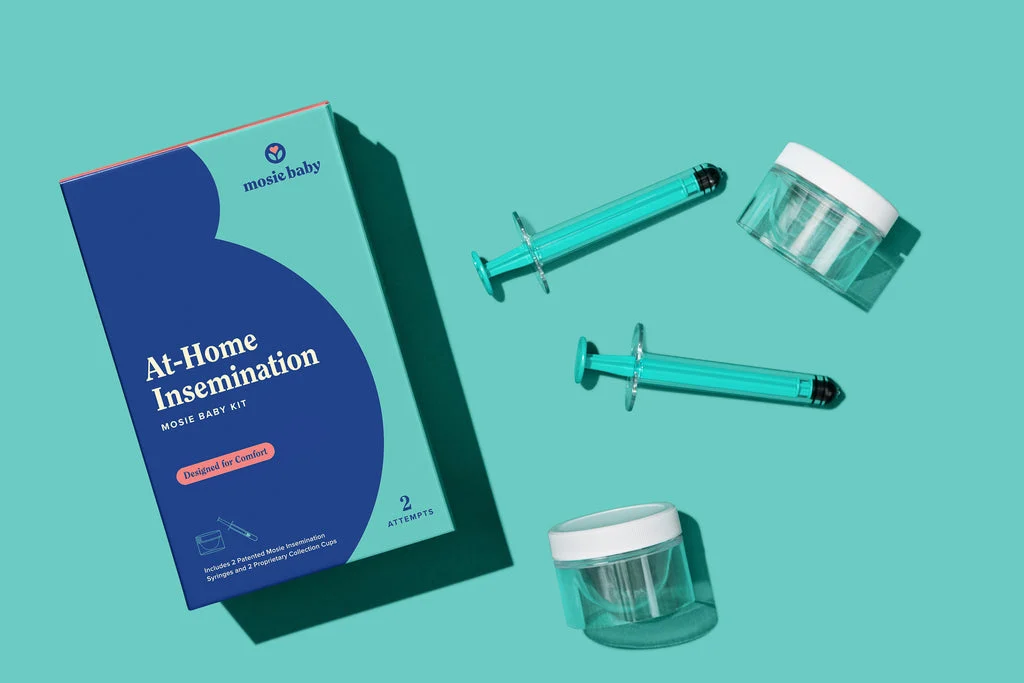
    At-home insemination kit with syringes and collection cups on a teal background.

    Fertility Support 101: A Starter Pack for Couples Trying to Conceive

    Women have a small window each month where they are most fertile and have the highest chance of getting pregnant. This window is known as the fertility window and typically lasts for about six days. Tracking ovulation is crucial for couples trying to conceive as it can help determine the best time to have intercourse. There are various methods to track ovulation, such as using ovulation prediction kits, monitoring basal body temperature, and tracking changes in cervical mucus. Knowing your fertility window can increase the chances of conceiving and reduce stress and frustration in the process.

    Supplements for Fertility Support:

    There are various supplements available that claim to improve fertility in both men and women. While more research is needed to confirm their effectiveness, some supplements have shown promising results. For women, folic acid and prenatal vitamins are recommended to support a healthy pregnancy. For men, zinc, vitamin C, and coenzyme Q10 may help improve sperm quality. It is important to consult with a doctor before taking any supplements to ensure they are safe and suitable for your individual needs.

    Seeking Professional Help:

    If you have been trying to conceive for a year without success, it may be time to seek professional help. Fertility specialists, also known as reproductive endocrinologists, can help identify any underlying issues and provide guidance on fertility support. They may recommend fertility tests, such as blood tests, ultrasounds, and semen analysis, to determine the cause of infertility. Depending on the results, they may suggest treatments such as fertility medications, intrauterine insemination (IUI), or in vitro fertilization (IVF). Seeking professional help can increase the chances of conception and provide valuable support during the process.

    Coping with Emotional Challenges:

    Trying to conceive can be an emotional rollercoaster for many couples. The journey may bring feelings of hope, disappointment, frustration, and even guilt. It is important to acknowledge and address these emotions and find healthy ways to cope with them. This may include talking to a therapist, joining support groups, or finding relaxation techniques such as yoga or meditation. It is also crucial for couples to communicate openly and support each other through the ups and downs of trying to conceive.

    In conclusion, fertility support is a crucial aspect of the journey towards parenthood. By understanding the basics of fertility, adopting healthy lifestyle habits, tracking ovulation, considering supplements, seeking professional help, and coping with emotional challenges, couples can increase their chances of conceiving and have a healthier pregnancy. Remember to be patient and kind to yourself and your partner during this process, and seek support when needed.

  • Empowering Your Fertility: Must-Have Items in Your Starter Pack

    Empowering Your Fertility: Must-Have Items in Your Starter Pack

    For many women, the journey to motherhood can be a challenging one. From tracking ovulation to finding the right supplements, there are a lot of different factors that can impact fertility. However, with the right tools and resources, you can empower your fertility and increase your chances of conceiving. In this blog post, we will discuss the must-have items in your fertility starter pack.

    1. Ovulation Predictor Kit

    One of the most important tools for anyone trying to conceive is an ovulation predictor kit (OPK). These kits use urine or saliva to detect the presence of luteinizing hormone (LH), which surges just before ovulation. By tracking your LH levels, you can determine the most fertile days in your cycle and increase your chances of getting pregnant.

    2. Basal Body Thermometer

    In addition to an OPK, a basal body thermometer (BBT) is another essential tool for tracking ovulation. BBTs are more sensitive than regular thermometers and can measure even the slightest changes in your body temperature. By taking your temperature every morning before getting out of bed, you can see a slight rise in temperature after ovulation, which can help confirm that you have indeed ovulated.

    3. Fertility Tracking App

    With technology at our fingertips, there are now numerous fertility tracking apps available that make it easier to chart your cycle and fertility signs. These apps allow you to input your daily temperature, OPK results, and other fertility signs like cervical mucus changes. They also provide useful insights and predictions about your fertile window and ovulation date.

    4. Prenatal Vitamins

    Informative card introducing the Mosie Baby Kit and its mission for at-home insemination.

    Empowering Your Fertility: Must-Have Items in Your Starter Pack

    Prenatal vitamins are not just for pregnant women. These supplements contain essential vitamins and minerals that are crucial for reproductive health. They can help balance hormones, regulate ovulation, and improve the quality of your eggs. Make sure to choose a prenatal vitamin that contains folic acid, iron, and vitamin D for optimal fertility support.

    5. Fertility-Friendly Lubricant

    Many couples trying to conceive may not realize that certain lubricants can actually hinder sperm from reaching the egg. Traditional lubricants can be too acidic or contain spermicides, which can harm sperm. To avoid this, look for fertility-friendly lubricants specifically designed to support sperm health and improve the chances of fertilization.

    6. Fertility Books or Resources

    Knowledge is power, and when it comes to fertility, there is a lot to learn. Consider adding a fertility book or two to your starter pack. These resources can provide valuable information on everything from understanding your cycle to improving your chances of getting pregnant. Some popular titles include “Taking Charge of Your Fertility” by Toni Weschler and “The Fertility Diet” by Jorge Chavarro and Walter Willett.

    7. Stress-Relief Tools

    Stress can negatively impact fertility by disrupting hormone balance and ovulation. Therefore, it’s crucial to find ways to manage stress during your fertility journey. Consider adding some stress-relief tools to your starter pack, such as a meditation app, a yoga mat, or a journal to help you relax and unwind.

    8. Support System

    Last but certainly not least, your fertility starter pack should include a support system. Trying to conceive can be emotionally and mentally taxing, and having people who understand and support you can make all the difference. This support system can include your partner, family, friends, or even an online community of women going through a similar journey.

    In summary, your fertility starter pack should include an ovulation predictor kit, basal body thermometer, fertility tracking app, prenatal vitamins, fertility-friendly lubricant, fertility books or resources, stress-relief tools, and a support system. These items will not only help you track and understand your fertility better, but they will also empower and support you on your journey to motherhood.

  • A Step-by-Step Guide to Using a Syringe Kit for DIY Conception

    Blog Post: A Step-by-Step Guide to Using a Syringe Kit for DIY Conception

    The journey to starting a family can be a challenging and emotional one, especially for those who are struggling with infertility. While there are many medical procedures and options available for conception, some couples prefer to take a more natural approach and try DIY conception methods. One method that has gained popularity in recent years is using a syringe kit for DIY conception. In this blog post, we will provide a step-by-step guide on how to use a syringe kit for DIY conception, as well as some tips and precautions to keep in mind.

    Step 1: Gather Your Supplies

    The first step in using a syringe kit for DIY conception is to gather all the necessary supplies. These include a syringe, a sterile cup, ovulation predictor kits, and a high-quality sperm donor. It is crucial to use a sterile syringe to minimize the risk of infection. You can purchase syringe kits specifically designed for DIY conception online or from a pharmacy.

    Step 2: Timing is Everything

    Timing is crucial when it comes to conception, so it is essential to track your ovulation cycle. You can use an ovulation predictor kit to determine when you are most fertile. These kits detect the surge in luteinizing hormone (LH), which occurs 24-36 hours before ovulation. It is recommended to have intercourse within 12-24 hours of the LH surge to maximize your chances of conception.

    Step 3: Preparing the Sperm

    Once you have determined your ovulation window, it is time to prepare the sperm. If you have a sperm donor, you can collect the sperm sample in a sterile cup. It is crucial to keep the sample at room temperature and use it within 30 minutes to ensure the viability of the sperm. If you are using frozen sperm, follow the instructions provided by the sperm bank for thawing and preparing the sample.

    Step 4: Preparing the Syringe

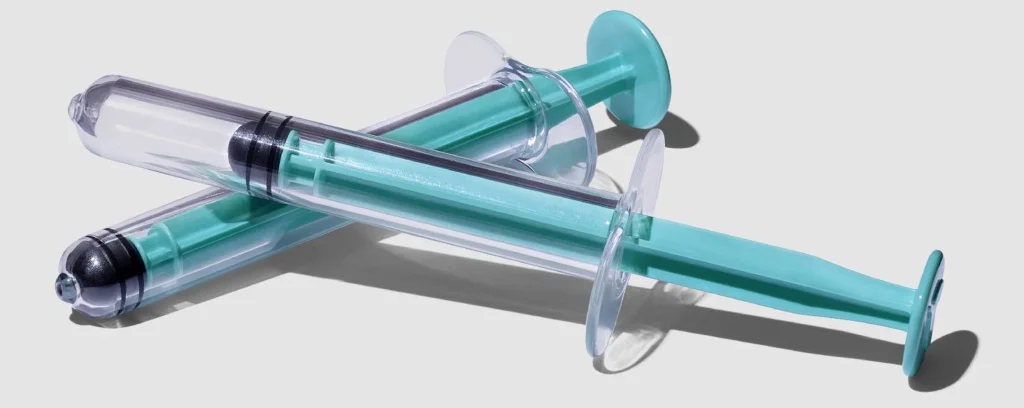
    Two transparent syringes with teal accents positioned diagonally on a light gray background.

    A Step-by-Step Guide to Using a Syringe Kit for DIY Conception

    Before using the syringe, make sure it is clean and sterile. You can sterilize it by boiling it in hot water for 10 minutes or using a sterile solution. Once the syringe is sterile, remove the plunger and place the sperm sample into the syringe using a sterile spoon or dropper.

    Step 5: Insemination

    Now it is time for insemination. Lie down on your back with your hips elevated using a pillow or rolled-up towel. This position helps the sperm reach the cervix and increases the chances of conception. Slowly insert the syringe into the vagina, aiming towards the cervix. Once the syringe is in place, slowly push the plunger to release the sperm.

    Step 6: Post-Insemination

    After insemination, it is essential to remain in the elevated position for at least 15-20 minutes to allow the sperm to travel towards the cervix. You can also use a menstrual cup to hold the sperm in place and increase the chances of conception. It is recommended to stay in this position for a few hours to ensure the sperm has reached the fallopian tubes.

    Safety Precautions and Tips

    – Always use sterile equipment and follow proper hygiene practices to reduce the risk of infection.
    – It is essential to use high-quality sperm from a reputable donor or sperm bank.
    – Do not use a syringe that has been used before.
    – It is recommended to consult with a healthcare provider before trying DIY conception methods.
    – Keep track of your ovulation cycle to ensure accurate timing.
    – It may take multiple attempts before achieving successful conception, so do not get discouraged and keep trying.

    In conclusion, using a syringe kit for DIY conception can be an effective and affordable way for couples to start a family. By following these simple steps and precautions, you can increase your chances of successful conception. However, if you are struggling with infertility, it is always best to consult with a healthcare provider for personalized advice and guidance.

    Summary:

    DIY conception methods have gained popularity in recent years, and one method that has proven to be effective is using a syringe kit. This step-by-step guide provides all the necessary information and precautions for using a syringe kit for DIY conception. It includes gathering supplies, tracking ovulation, preparing the sperm and syringe, insemination, and post-insemination tips. It is crucial to use sterile equipment, high-quality sperm, and consult with a healthcare provider before attempting DIY conception. With patience and proper timing, this method can be an affordable and effective way for couples to start a family.

  • Navigating the World of DIY Conception: Tips for Using a Syringe Kit Successfully

    Navigating the World of DIY Conception: Tips for Using a Syringe Kit Successfully

    In recent years, there has been a rise in the number of couples and individuals turning to DIY methods for conception. This can be due to various reasons such as financial constraints, privacy concerns, or personal preferences. One popular method is using a syringe kit for artificial insemination. However, it is important to understand the proper techniques and precautions when using a syringe kit for DIY conception. In this blog post, we will discuss some essential tips for successfully using a syringe kit for conception.

    1. Consult with a Medical Professional First

    Before embarking on any DIY conception method, it is crucial to consult with a medical professional, especially if you have any underlying health conditions. They can provide you with important information and guidance on the proper use of a syringe kit and any potential risks involved. Additionally, they can also conduct tests to ensure that you are ovulating and your partner’s sperm count is healthy.

    2. Purchase a High-Quality Syringe Kit

    When purchasing a syringe kit for DIY conception, it is essential to invest in a high-quality one. This will ensure that the materials used are safe for use and the measurements are accurate. It is recommended to buy a syringe kit from a reputable medical supplier or a fertility clinic. Avoid using homemade or low-quality kits, as they may not be sterile or calibrated correctly, which can affect the success of the insemination.

    3. Understand Your Menstrual Cycle

    To increase the chances of success, it is necessary to understand your menstrual cycle and ovulation period. This can help you determine the best time to use the syringe kit for insemination. You can track your cycle using various methods, such as using an ovulation predictor kit, monitoring your basal body temperature, or observing changes in cervical mucus. It is also helpful to keep a record of your cycle to identify patterns and predict when you are most likely to ovulate.

    4. Prepare the Sperm Sample Properly

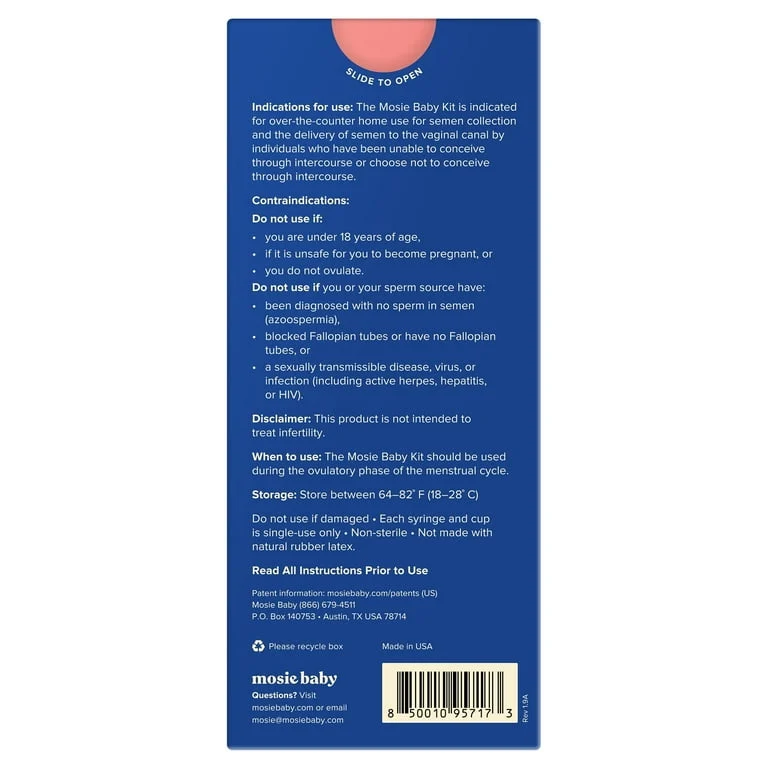
    Mosie Baby At-Home Insemination Kit instructions and storage guidelines on a blue background.

    Navigating the World of DIY Conception: Tips for Using a Syringe Kit Successfully

    Before using a syringe kit for insemination, it is vital to prepare the sperm sample correctly. This involves collecting the semen sample in a sterile container and allowing it to liquefy for 20-30 minutes. Then, using a sterile syringe, transfer the sample into the syringe kit’s container and secure the cap. It is crucial to handle the sample with clean hands and avoid contaminating it.

    5. Practice Proper Hygiene

    Maintaining proper hygiene is crucial when using a syringe kit for conception. Before handling the kit, make sure to wash your hands thoroughly with soap and warm water. Additionally, it is recommended to clean the vaginal area with a mild soap and water before insemination. This will help reduce the risk of infections and increase the chances of success.

    6. Choose the Right Position

    The position during insemination can also affect the success rate. It is recommended to elevate your hips or lie on your back with your hips raised for 15-20 minutes after insemination. This will allow the sperm to travel towards the cervix and increase the chances of fertilization. It is also essential to relax and avoid any physical activities that may interfere with the sperm’s journey.

    7. Be Patient and Positive

    DIY conception using a syringe kit may not be successful on the first try. It is essential to be patient and not get discouraged. It may take several attempts before achieving a successful pregnancy. It is also important to maintain a positive attitude and stay hopeful throughout the process. Seek support from your partner, friends, or a support group if needed.

    In conclusion, using a syringe kit for DIY conception can be a cost-effective and convenient option for those trying to conceive. However, it is crucial to follow these tips and guidelines to increase the chances of success and ensure the process is safe and hygienic. Remember to consult with a medical professional and be patient and positive throughout the journey.

    Summary:

    – Consult with a medical professional before using a syringe kit for conception.
    – Purchase a high-quality syringe kit from a reputable source.
    – Understand your menstrual cycle and ovulation period.
    – Prepare the sperm sample properly and practice proper hygiene.
    – Choose the right position during insemination.
    – Be patient and positive throughout the process.

  • The Ultimate Guide to Using a Syringe Kit for DIY Conception

    Blog Post Title: The Ultimate Guide to Using a Syringe Kit for DIY Conception

    Are you and your partner considering trying to conceive using a DIY method? Many couples are now opting for at-home insemination with the help of a syringe kit. This method is not only more affordable than traditional fertility treatments, but it also allows couples to have more control over the process. However, using a syringe kit for DIY conception may seem overwhelming and intimidating at first. That’s why we have put together the ultimate guide to help you navigate through this process with ease.

    Step 1: Understand the Basics of DIY Conception
    Before diving into the specifics of using a syringe kit, it’s important to understand the basics of DIY conception. This method involves using a syringe to insert sperm into the vagina or cervix in order to fertilize the egg. This can be done during ovulation, which is when the ovary releases an egg. It’s important to track ovulation using methods such as ovulation predictor kits or basal body temperature tracking to ensure the best chances of success.

    Step 2: Choosing the Right Syringe Kit
    The first step in using a syringe kit for DIY conception is choosing the right one. There are a variety of syringe kits available in the market, but the most commonly used one is the oral syringe. This type of syringe is easy to use and has a soft tip, making it more comfortable for insertion. It’s also important to ensure that the syringe is sterile and made of medical-grade materials to avoid any potential risks.

    Step 3: Preparing the Sperm
    Before using the syringe kit, it’s crucial to prepare the sperm to increase the chances of conception. If using sperm from a donor, make sure to follow the instructions provided by the sperm bank. If using sperm from a partner, it’s important to collect the sperm in a sterile container and keep it at room temperature for about 30 minutes to allow it to liquefy. This will make it easier to draw into the syringe.

    Mosie Baby kit with two jars, a syringe, and a supportive message card inside a colorful box.

    The Ultimate Guide to Using a Syringe Kit for DIY Conception

    Step 4: Preparing Yourself for Insemination
    Once the sperm is ready, it’s time to prepare yourself for insemination. Make sure to wash your hands thoroughly and find a comfortable position, such as lying down with your hips propped up on a pillow. This will help the sperm stay near the cervix and increase the chances of conception. It’s also important to use a water-based lubricant to help with the insertion process.

    Step 5: Using the Syringe Kit
    Now it’s time to use the syringe kit. Draw the sperm into the syringe by pulling back the plunger. Then, gently insert the syringe into the vagina or cervix and slowly push the plunger to release the sperm. It’s important to be gentle and avoid any sudden movements to prevent discomfort or injury. After releasing the sperm, keep the syringe in place for a few seconds to allow the sperm to reach the cervix.

    Step 6: Resting After Insemination
    After using the syringe kit, it’s important to rest for about 15-20 minutes to allow the sperm to travel towards the egg. This will increase the chances of successful fertilization. It’s also recommended to stay lying down with your hips propped up for this duration. After resting, you can resume your normal activities, but it’s best to avoid strenuous exercise for the rest of the day.

    Step 7: Tracking Ovulation and Repeat Attempts
    If using the syringe kit during ovulation, it’s important to track your cycle and try again in the following months if conception does not occur. It may take a few attempts before achieving a successful pregnancy. It’s also recommended to consult with a fertility specialist if you have been trying for more than six months without any success.

    Tips for Success:
    – Keep the syringe kit at room temperature before use to prevent discomfort.
    – Do not use the syringe if it is past its expiration date or has been opened.
    – Follow the instructions carefully to ensure proper use and avoid any risks.
    – Stay relaxed during the process to avoid discomfort and allow the sperm to travel easily.

    In conclusion, using a syringe kit for DIY conception can be a simple and effective method for couples trying to conceive. By following these steps and tips, you can increase your chances of success and take control of your fertility journey. Remember to always consult with a healthcare professional if you have any concerns or questions. Good luck on your journey to parenthood!

  • Taking Control of Your Fertility: How Syringe Kits Can Help with DIY Conception

    Taking Control of Your Fertility: How Syringe Kits Can Help with DIY Conception

    For many couples, trying to conceive can be a long and emotional journey. It often involves multiple doctor visits, expensive fertility treatments, and a lot of waiting and disappointment. However, with the rise of DIY conception methods, more and more couples are taking control of their fertility and finding success through at-home insemination using syringe kits.

    In this blog post, we will explore the growing trend of DIY conception and how syringe kits can help couples take control of their fertility journey. We will discuss the benefits of using syringe kits, the steps involved in the process, and important considerations to keep in mind.

    The Benefits of Using Syringe Kits for DIY Conception
    One of the primary benefits of using syringe kits for DIY conception is the affordability. Fertility treatments can cost thousands of dollars, making them unattainable for many couples. On the other hand, syringe kits cost a fraction of the price and can be purchased online or at a local pharmacy.

    Another advantage of using syringe kits is the convenience and privacy they offer. Many couples feel uncomfortable with the idea of visiting a clinic for fertility treatments or having to involve a third party in their conception journey. With syringe kits, the insemination process can be done in the comfort and privacy of one’s own home.

    Syringe kits also offer a more natural approach to conception compared to other fertility treatments. They do not involve any medications or invasive procedures, making them a safer and healthier option for both the mother and potential baby.

    The Process of Using Syringe Kits for DIY Conception
    The first step in using syringe kits for DIY conception is to track ovulation. This can be done through various methods, such as tracking basal body temperature, cervical mucus, or using ovulation predictor kits. Once ovulation is confirmed, the next step is to obtain donor sperm, either through a sperm bank or from a known donor.

    hand holding a pregnancy test with instructions on a colorful background

    Taking Control of Your Fertility: How Syringe Kits Can Help with DIY Conception

    Next, the sperm is collected and prepared for insemination. This involves placing the sperm in a sterile cup and using a syringe to draw it up. The syringe is then inserted into the vagina and the sperm is injected into the cervix. Some couples may also choose to use a soft cup or cervical cap to keep the sperm close to the cervix for a longer period of time.

    After the insemination process, it is important to stay lying down for 15-20 minutes to allow the sperm to travel towards the egg. It is recommended to repeat the insemination process two or three times during the most fertile days of the ovulation cycle to increase the chances of conception.

    Important Considerations for Using Syringe Kits
    While using syringe kits for DIY conception may seem like a simple and affordable option, there are a few important considerations to keep in mind. Firstly, it is crucial to do thorough research on the donor sperm and ensure it is from a reputable source. It is also recommended to get tested for any sexually transmitted infections before beginning the process.

    Another important consideration is the success rate of DIY conception using syringe kits. While it may work for some couples, it is not a guaranteed method of conception. It is important to have realistic expectations and be prepared for the possibility of multiple attempts before achieving a successful pregnancy.

    Additionally, it is important to have a support system in place during this process. DIY conception can be emotionally taxing, and having a partner, friend, or family member to talk to can make a big difference. It is also recommended to consult with a doctor or fertility specialist for guidance and support throughout the process.

    In conclusion, DIY conception using syringe kits is a growing trend that offers an affordable, convenient, and more natural approach to fertility. It allows couples to take control of their fertility journey and offers a more intimate and private experience. However, it is important to do thorough research, have realistic expectations, and seek support throughout the process.

    Summary:
    DIY conception using syringe kits is a growing trend among couples looking to take control of their fertility journey. It offers affordability, convenience, and a more natural approach to conception. The process involves tracking ovulation, obtaining donor sperm, and using a syringe to inseminate the sperm into the cervix. However, it is important to do thorough research, have realistic expectations, and seek support throughout the process.

  • The Benefits of Tracking Your Cycles for Home Insemination

    Blog Post: The Benefits of Tracking Your Cycles for Home Insemination

    Home insemination has become a popular choice for couples and individuals trying to conceive. It involves using a donor’s sperm to impregnate the person at home, without the need for medical procedures. While it may seem like a simple process, tracking your cycles is an essential step for successful home insemination. In this blog post, we will explore the benefits of tracking your cycles for home insemination and how it can increase your chances of conceiving.

    1. Identifies Your Fertile Days

    Tracking your menstrual cycle can help you identify your most fertile days. Ovulation usually occurs in the middle of the menstrual cycle, and it is the best time to try to conceive. By monitoring your menstrual cycle, you can pinpoint your fertile days and plan for insemination accordingly. This increases the chances of the sperm meeting the egg and fertilization occurring.

    2. Helps Determine the Best Time for Insemination

    Timing is crucial when it comes to home insemination. Sperm can survive in the body for up to five days, while the egg is only viable for 12-24 hours after ovulation. Therefore, it is essential to inseminate during the fertile window to increase the chances of conception. By tracking your cycles, you can determine the best time for insemination and increase your chances of success.

    3. Increases the Success Rate of Home Insemination

    Tracking your cycles can significantly increase the success rate of home insemination. A study published in the Journal of Assisted Reproduction and Genetics showed that women who tracked their cycles had a higher success rate of home insemination compared to those who did not. This is because tracking your cycles allows you to optimize the timing of insemination, increasing the chances of fertilization.

    pregnancy test kit features labeled for comfort and confidence on a teal background

    The Benefits of Tracking Your Cycles for Home Insemination

    4. Saves Time and Money

    Tracking your cycles for home insemination can also save you time and money. By knowing your fertile days, you can plan for insemination accordingly, reducing the number of attempts needed. This saves you the cost of purchasing sperm each time and minimizes the time spent trying to conceive. Additionally, tracking your cycles can also help you avoid unnecessary medical procedures, which can be costly.

    5. Provides Valuable Information for Your Doctor

    If you have been trying to conceive for a while without success, tracking your cycles can provide valuable information for your doctor. The data collected from tracking your menstrual cycle can help your doctor identify any potential issues and develop a personalized treatment plan. It can also help determine if there are any underlying fertility issues that may require medical intervention.

    6. Helps You Understand Your Body

    Tracking your cycles can also help you understand your body and its natural rhythms better. By monitoring your menstrual cycle, you can learn about the different phases of your cycle and how they affect your body. This knowledge can also be helpful in identifying any irregularities or potential health concerns that may impact your fertility.

    7. Can Be Used in Conjunction with Other Fertility Tracking Methods

    While tracking your cycles is an essential step for home insemination, it can also be used in conjunction with other fertility tracking methods. For example, using ovulation predictor kits (OPKs) can help confirm ovulation and narrow down your fertile window. Combining different tracking methods can provide a more accurate picture of your fertility and increase your chances of conceiving.

    In summary, tracking your cycles for home insemination has numerous benefits. It helps identify your fertile days, determine the best time for insemination, increases the success rate, saves time and money, provides valuable information for your doctor, helps you understand your body, and can be used with other fertility tracking methods. By tracking your cycles, you can optimize your chances of conceiving and start your journey towards parenthood.

  • Home Insemination and Ovulation: Maximizing Your Chances

    Home insemination has become an increasingly popular option for individuals and couples who are trying to conceive. It offers a more affordable and convenient alternative to traditional methods of assisted reproduction, such as intrauterine insemination (IUI) and in vitro fertilization (IVF). However, in order to maximize the chances of successful conception through home insemination, it is important to understand the role of ovulation and how to properly time the insemination.

    Ovulation is a crucial factor in the fertility process, as it is the release of a mature egg from the ovary into the fallopian tube. This is the time when a woman is most fertile and has the highest chance of becoming pregnant. In a typical 28-day menstrual cycle, ovulation usually occurs around day 14. However, this can vary from woman to woman, and there are several methods to help determine when ovulation is occurring.

    One of the most common methods is tracking basal body temperature (BBT). This involves taking your temperature every morning before getting out of bed and charting it. A slight increase in temperature indicates that ovulation has occurred. Another method is using ovulation predictor kits (OPKs), which detect the surge of luteinizing hormone (LH) that happens right before ovulation. Additionally, paying attention to changes in cervical mucus can also help determine when ovulation is happening. As ovulation approaches, cervical mucus becomes thinner and more slippery, making it easier for sperm to travel through the cervix.

    Once you have determined when ovulation is likely to occur, it is important to time the insemination accordingly. Sperm can survive in the female reproductive tract for up to five days, so having intercourse or inseminating a few days before ovulation can still result in pregnancy. However, the chances of success are highest when the sperm is present in the fallopian tubes at the time of ovulation. This is why it is crucial to have a good understanding of your ovulation cycle and timing the insemination accordingly.

    When it comes to home insemination, there are two main methods – intracervical insemination (ICI) and intrauterine insemination (IUI). ICI involves placing the sperm near the cervix, while IUI involves placing the sperm directly into the uterus. Both methods have their own advantages and disadvantages, and it is important to discuss with your doctor which option is best for you. However, regardless of the method chosen, there are a few tips to keep in mind to maximize your chances of success.

    hand holding a syringe with a blue plunger against a solid blue background

    Home Insemination and Ovulation: Maximizing Your Chances

    Firstly, it is important to have a healthy sperm source. This can be from a sperm donor or from a partner. If using a sperm donor, it is crucial to purchase from a reputable sperm bank to ensure the quality and viability of the sperm. If using sperm from a partner, it is recommended to abstain from ejaculation for at least 3-5 days before the insemination, as this can improve sperm quality and count.

    Secondly, it is important to have a clean and sterile environment for the insemination process. This can be achieved by using sterile equipment, such as a sterile syringe or an insemination kit. It is also important to thoroughly wash your hands and the genital area before the insemination.

    Lastly, it is recommended to lay down for at least 15-20 minutes after the insemination, with your hips slightly elevated. This can help the sperm travel towards the cervix and increase the chances of successful fertilization.

    In addition to these tips, it is important to maintain a healthy lifestyle to increase your chances of conception. This includes eating a balanced diet, exercising regularly, and avoiding harmful substances such as alcohol and tobacco. It is also recommended to take a prenatal vitamin with folic acid to support a healthy pregnancy.

    While home insemination can be a successful method of conception, it is important to keep in mind that it may not work for everyone. If you have been trying to conceive for a while without success, it is recommended to consult with a fertility specialist to explore other options and potential underlying causes.

    In summary, understanding ovulation and properly timing the insemination are crucial factors in maximizing the chances of successful conception through home insemination. By tracking ovulation, choosing the right method of insemination, and following the recommended tips, you can increase your chances of achieving your dream of starting or expanding your family.