Blog Post: The Science Behind At-Home Conception: How Does It Work?
Conceiving a child is a natural process that occurs when a woman’s egg is fertilized by a man’s sperm. While this process may seem simple, there are many factors at play that influence the success of conception. With the advancement of technology, there are now ways to monitor and improve fertility in the comfort of your own home. In this blog post, we will dive into the science behind at-home conception and explore how it works.
Understanding the Menstrual Cycle
Before we can discuss at-home conception methods, it’s important to understand the menstrual cycle. The menstrual cycle is the monthly process that prepares a woman’s body for pregnancy. It typically lasts for 28 days and is divided into three phases: follicular, ovulatory, and luteal.
The follicular phase begins on the first day of a woman’s period and lasts for about 14 days. During this phase, the hormone estrogen increases, causing the lining of the uterus to thicken in preparation for a potential pregnancy.
The ovulatory phase occurs around day 14 of the menstrual cycle when a surge of luteinizing hormone (LH) triggers the release of an egg from the ovary. This is the most fertile time of the cycle, and the egg can survive for 12-24 hours.
The luteal phase begins after ovulation and lasts for about 14 days. During this phase, the hormone progesterone increases, causing the uterine lining to thicken even more to support a potential pregnancy.
Tracking Ovulation at Home
One of the key factors in successful conception is timing. Ovulation must occur for pregnancy to be possible, and it only happens once a month. This is where at-home conception methods come into play.
Ovulation predictor kits (OPKs) are a popular at-home method for tracking ovulation. These kits detect the surge of LH in urine, indicating that ovulation is about to occur. They work similarly to pregnancy tests, with a positive result indicating that ovulation will occur within the next 24-36 hours.
Another method for tracking ovulation is by monitoring basal body temperature (BBT). This involves taking your temperature every morning before getting out of bed and charting it. A slight rise in BBT indicates that ovulation has occurred. While this method is not as precise as OPKs, it can help pinpoint the timing of ovulation.
The Science Behind At-Home Conception: How Does It Work?
Improving Fertility at Home
For couples trying to conceive, there are also at-home methods that can help improve fertility. One of these methods is fertility supplements. These supplements often contain vitamins, minerals, and herbs that support reproductive health and increase the chances of conception.
Another way to boost fertility at home is through a healthy diet and lifestyle. Eating a balanced diet, exercising regularly, and managing stress can all contribute to improving fertility. Additionally, avoiding alcohol, tobacco, and excessive caffeine can also benefit fertility.
Intrauterine Insemination (IUI) at Home
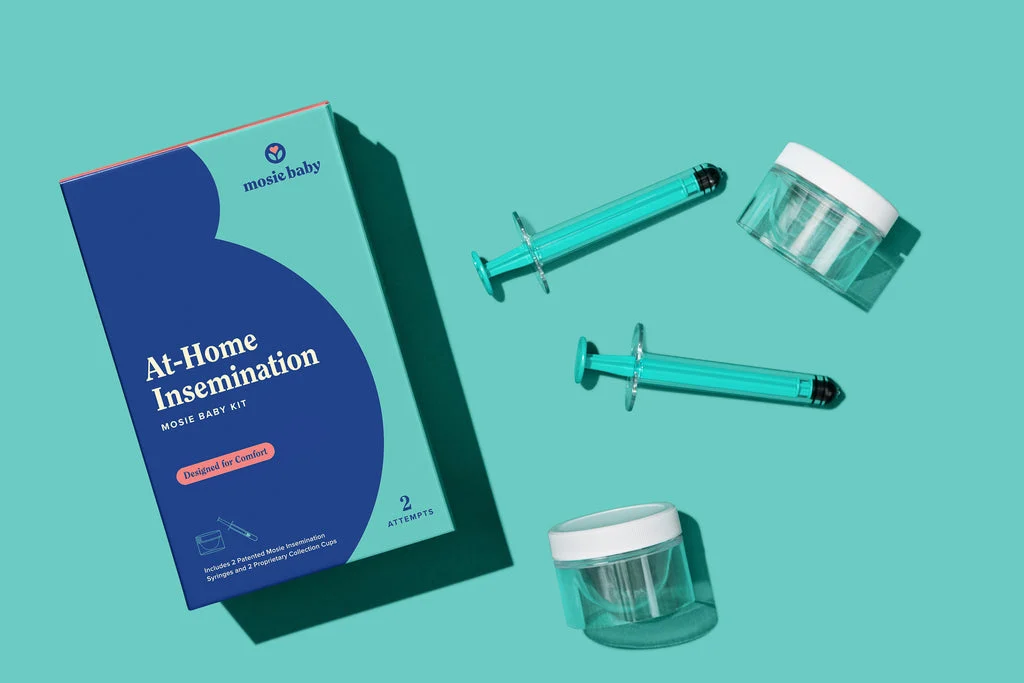
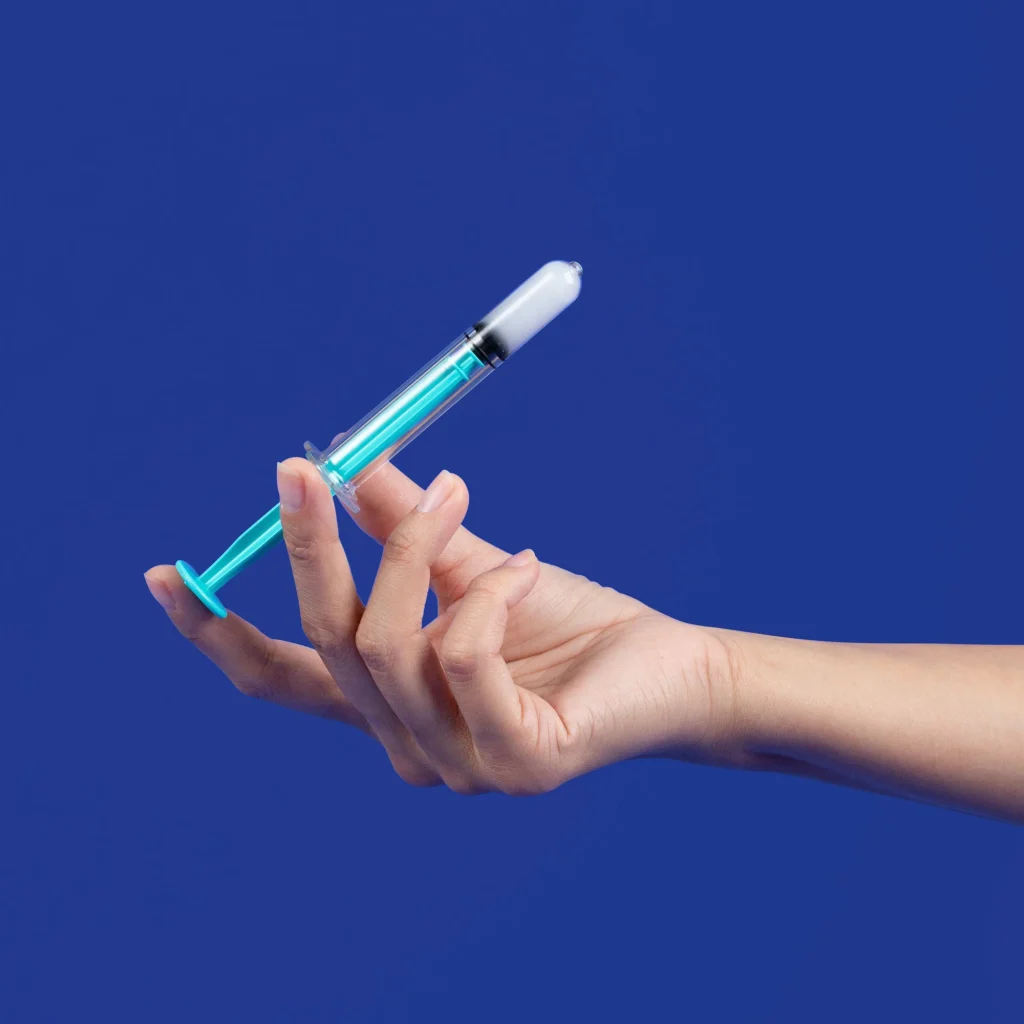
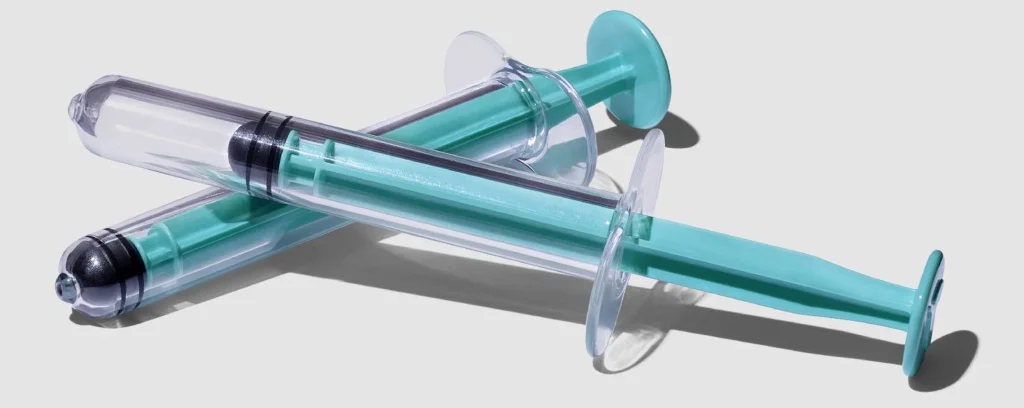
Intrauterine insemination (IUI) is a fertility treatment that involves placing sperm directly into a woman’s uterus during ovulation. While this procedure is typically done in a doctor’s office, there are now at-home IUI kits available for couples to use in the comfort of their own home.
The process involves using a catheter to insert the sperm into the uterus, bypassing the cervix to increase the chances of fertilization. Before attempting an at-home IUI, it’s important to consult with a healthcare professional and ensure that both partners are healthy and have no underlying fertility issues.
In Vitro Fertilization (IVF) at Home
In vitro fertilization (IVF) is a more advanced fertility treatment that involves combining eggs and sperm in a laboratory dish and then transferring the resulting embryo into the uterus. While this procedure is usually done in a fertility clinic, there are now at-home IVF kits available for those who prefer to undergo the procedure in the comfort of their own home.
The process involves taking fertility medications to stimulate egg production, retrieving the eggs, and fertilizing them with sperm in a laboratory. The resulting embryo is then transferred into the uterus for implantation. It’s important to note that at-home IVF treatments are not as effective as those performed in a fertility clinic and should only be done under the guidance of a healthcare professional.
Summary:
The process of conception may seem simple, but there are many factors at play that can influence its success. At-home conception methods, such as tracking ovulation, improving fertility, and using fertility treatments like IUI and IVF, have made it possible for couples to increase their chances of conceiving in the comfort of their own home. However, it’s important to consult with a healthcare professional before attempting any at-home fertility methods to ensure safety and effectiveness.