DIY Baby-Making: The Pros and Cons of Home Insemination
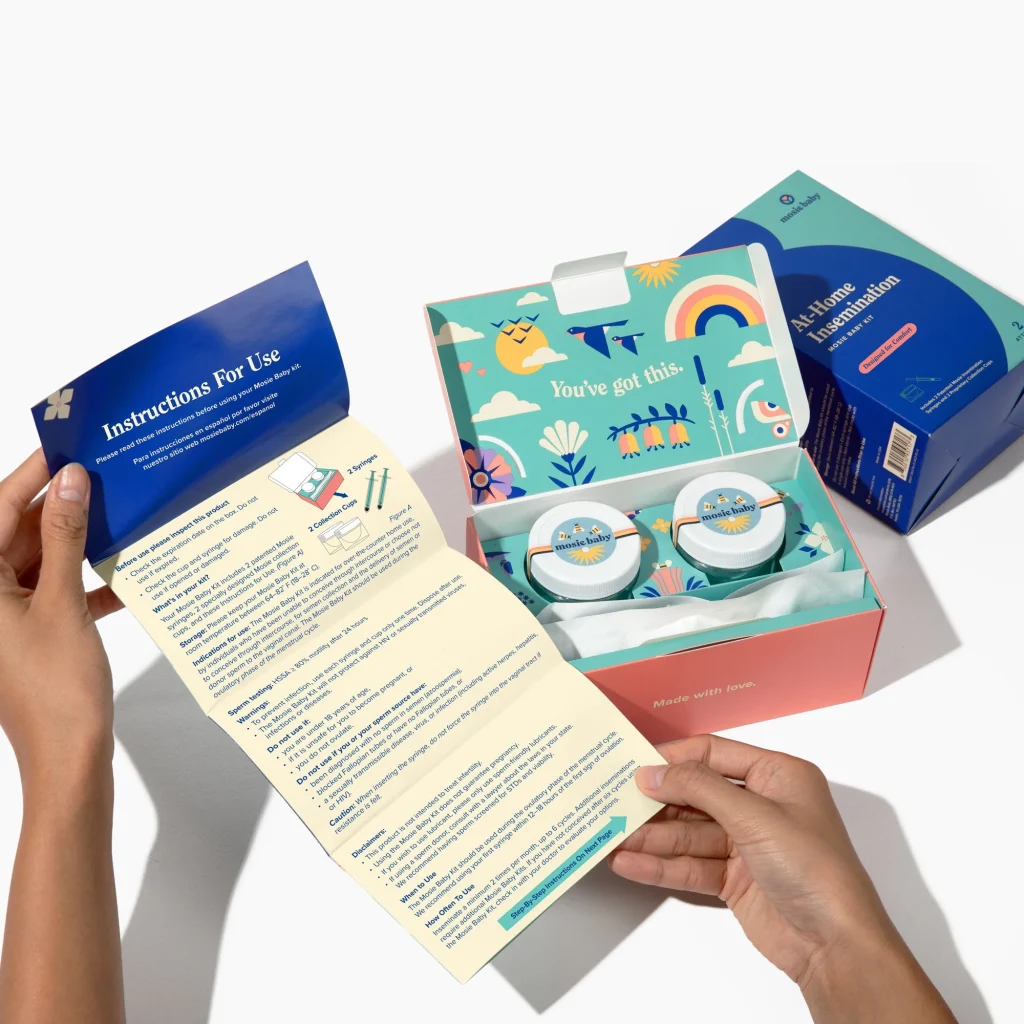
In today’s society, more and more couples are choosing to start their families through non-traditional means. One of these methods is home insemination, also known as DIY baby-making. This process involves using a donor’s sperm to impregnate the female partner at home, without the help of a medical professional. While it may seem like an appealing and budget-friendly option, there are both pros and cons to consider before embarking on this journey. In this blog post, we will delve into the world of DIY baby-making and explore the potential benefits and drawbacks of this method.
Pros of Home Insemination:
1. Cost-Effective: One of the major draws of home insemination is the cost. Compared to other assisted reproductive techniques, such as intrauterine insemination (IUI) or in vitro fertilization (IVF), home insemination is significantly cheaper. The only costs involved are purchasing the necessary supplies, such as sperm and ovulation tests, which can be done at a fraction of the cost of medical procedures.
2. Privacy and Control: For many couples, the idea of undergoing fertility treatments in a clinical setting can be daunting and invasive. Home insemination allows for a more private and intimate experience, giving couples more control over the process. They can choose the timing, location, and the method of insemination that works best for them.
3. Convenience: Home insemination can be done in the comfort of one’s own home, eliminating the need for multiple visits to a fertility clinic. This can be especially beneficial for couples who live in remote areas or have busy schedules that make it difficult to travel for appointments.
4. No Medical Intervention: Some couples may prefer to conceive without the use of medical interventions. Home insemination provides a more natural approach to starting a family, without the influence of doctors or medical procedures.
Cons of Home Insemination:
1. Lack of Medical Supervision: Unlike other fertility treatments, home insemination does not involve the guidance and support of medical professionals. This can be risky, as there is a higher chance of something going wrong during the process. Without proper medical supervision, there is also a possibility of incorrect insemination techniques, which could lead to unsuccessful attempts or potential health risks.

DIY Baby-Making: The Pros and Cons of Home Insemination
2. Limited Success Rates: The success rates of home insemination are significantly lower than medical procedures. This is because home insemination relies on the timing and accuracy of ovulation, which can be difficult to predict. It also does not take into account any potential fertility issues that may be present in either partner.
3. Legal Implications: When using a donor’s sperm for home insemination, there are potential legal implications to consider. If the donor is not known to the couple, there may be concerns about parental rights and responsibilities. It is crucial to have a legal contract in place to protect all parties involved and ensure that everyone understands their roles and responsibilities.
4. Emotional Challenges: Conceiving a child can be an emotional journey, and DIY baby-making can add an extra layer of stress and pressure. The lack of medical support and lower success rates can be emotionally taxing for couples, especially if they have been struggling with infertility for a long time.
Tips for Successful Home Insemination:
– Consult with a doctor: It is essential to consult with a medical professional before attempting home insemination. They can help identify any potential fertility issues and provide guidance on the best approach for your situation.
– Choose a reliable donor: If using a donor’s sperm, make sure they have undergone proper testing and screening for any genetic or health conditions. It is also crucial to have a legal agreement in place to protect all parties involved.
– Use accurate ovulation tests: Timing is crucial for home insemination, so make sure to use reliable ovulation tests to track your menstrual cycle accurately.
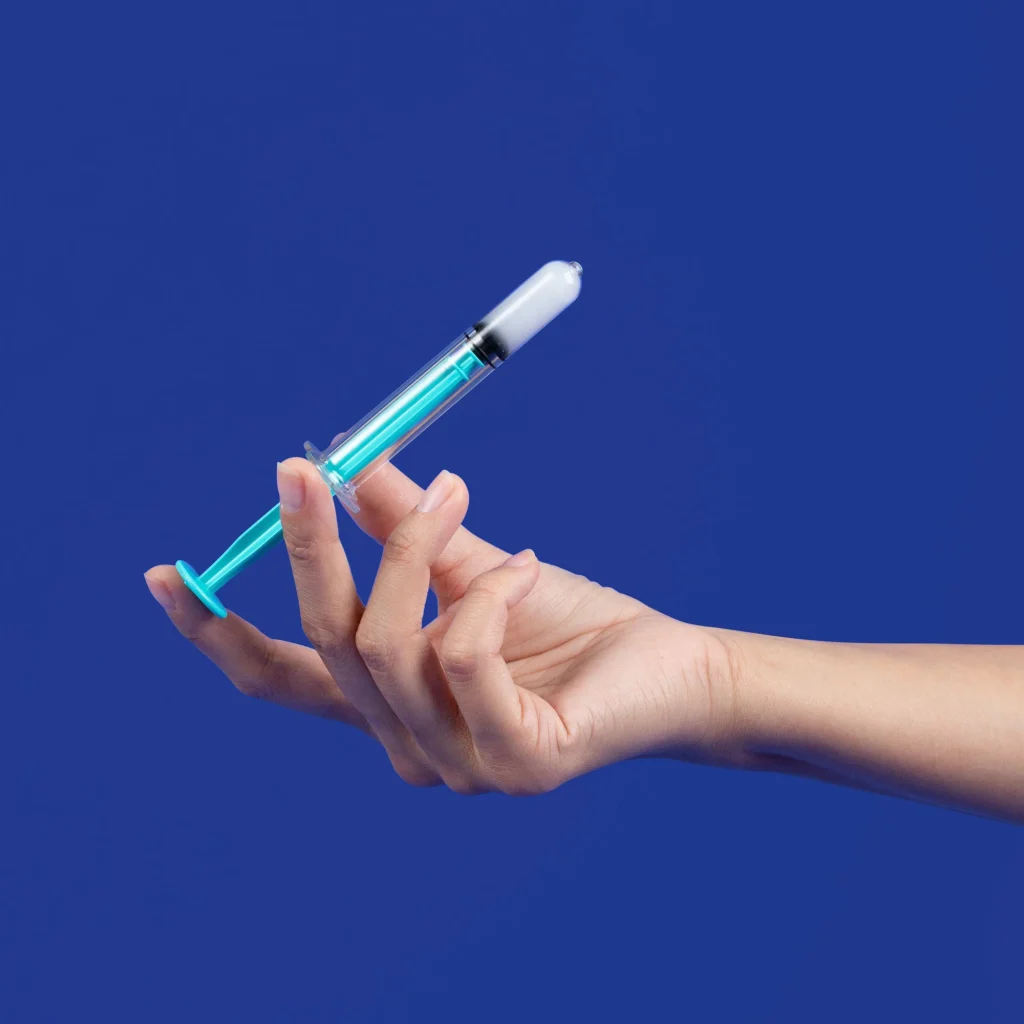
– Follow proper insemination techniques: It is essential to understand and follow proper insemination techniques to increase the chances of success. This may involve using a syringe or a cervical cap to deposit the sperm near the cervix.
– Consider seeking counseling: Home insemination can be a challenging and emotional process, and it may be beneficial to seek counseling to help navigate any difficulties or challenges that may arise.
In conclusion, DIY baby-making through home insemination has both pros and cons to consider. While it may be a more cost-effective and private option, it also comes with risks and limitations. It is crucial to weigh these factors carefully and consult with a medical professional before embarking on this journey. With proper preparation and understanding, home insemination can be a viable option for starting a family.