Tag: sperm donor

  • Step-by-Step Guide to Home Insemination: A Starter Pack for Couples

    Blog Post Title: Step-by-Step Guide to Home Insemination: A Starter Pack for Couples

    Summary:

    Insemination is a commonly used fertility treatment for couples who are struggling to conceive. While it is often done in a clinical setting, many couples are now turning to home insemination as a more affordable and convenient option. Home insemination involves using a syringe or a special device to deposit sperm into the vagina, bypassing the need for intercourse. This blog post will serve as a comprehensive guide for couples who are considering home insemination as a fertility option. We will cover the necessary steps, equipment, and precautions to take when performing home insemination.

    Step 1: Understand the Basics of Home Insemination

    Before diving into the process of home insemination, it is important to have a basic understanding of the procedure. Home insemination is a form of artificial insemination that can be done at home without medical supervision. The goal is to deposit sperm into the vagina, close to the cervix, to increase the chances of fertilization. This method is commonly used by same-sex couples, single women, or heterosexual couples with male factor infertility.

    Step 2: Choose the Right Sperm Donor

    One of the most important steps in home insemination is choosing the right sperm donor. You can either use a known donor, such as a friend or family member, or purchase sperm from a sperm bank. If using a known donor, it is important to have a legal agreement in place to protect all parties involved. When purchasing sperm from a sperm bank, make sure to choose a reputable one and carefully review their screening process and donor profiles.

    Step 3: Gather the Necessary Equipment

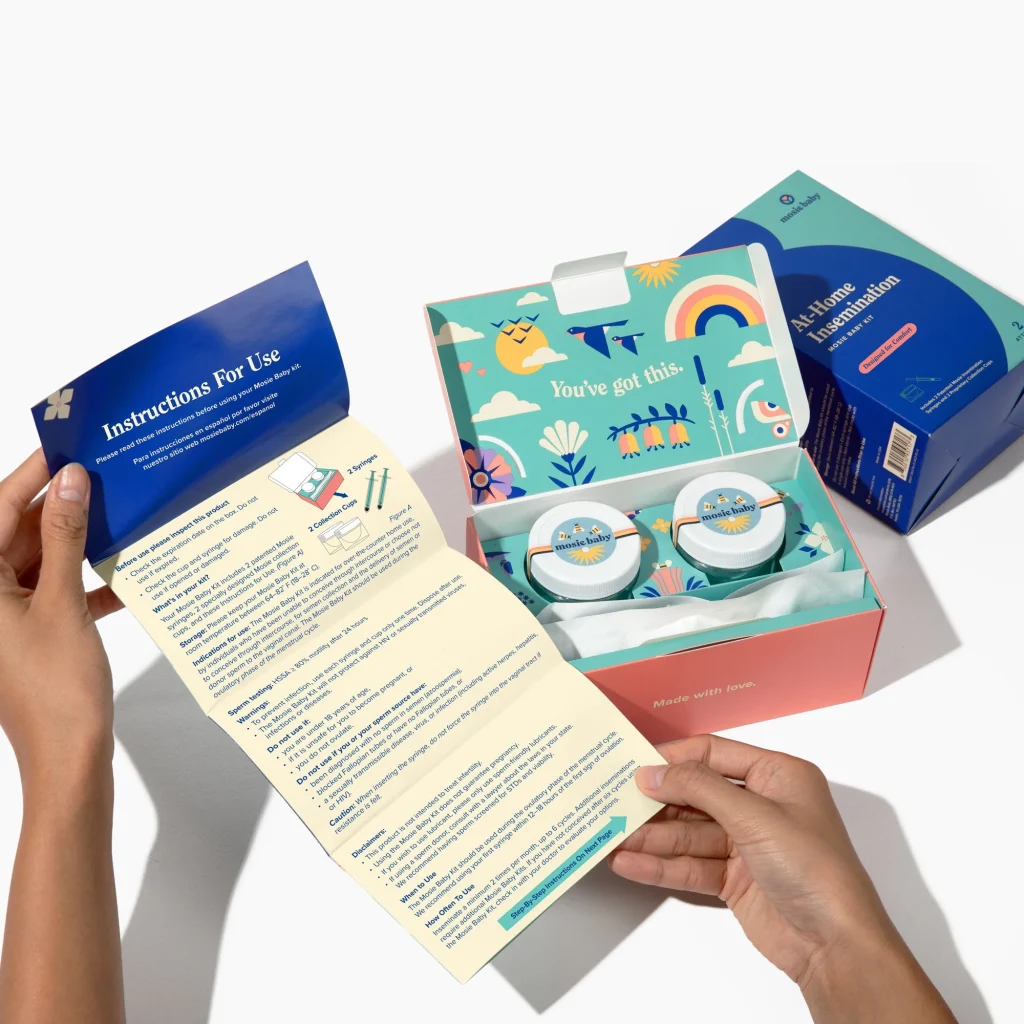
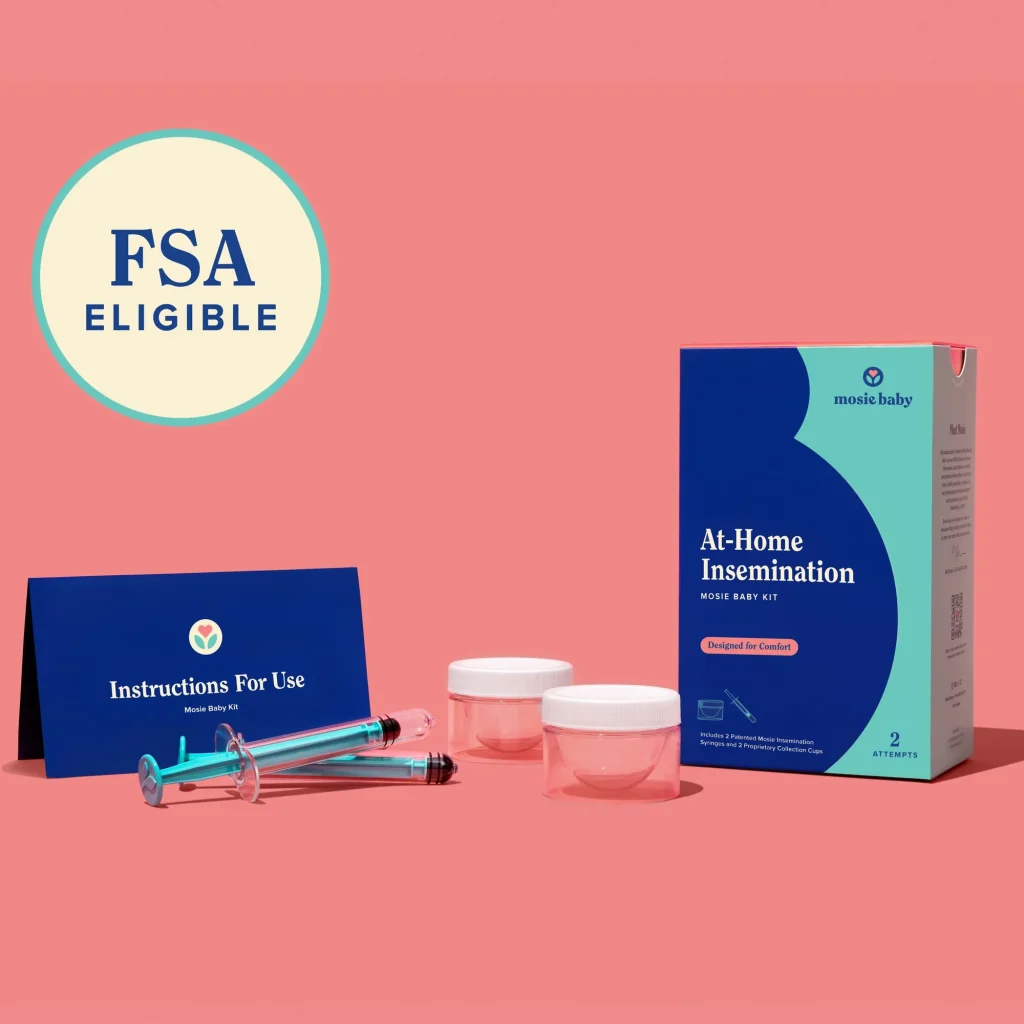
    To perform home insemination, you will need the following equipment: a sterile syringe or insemination device, a collection cup, a timer, and a clean and comfortable space. It is important to use sterile equipment to avoid any risk of infection. You can purchase home insemination kits online, which include all the necessary equipment, or you can assemble your own kit with the above-mentioned items.

    Step 4: Track Your Ovulation

    Timing is crucial when it comes to home insemination. You need to ensure that you are ovulating before attempting the procedure. You can track your ovulation using an ovulation predictor kit or by monitoring your basal body temperature. It is recommended to perform home insemination within 12-24 hours of ovulation for the best chances of success.

    pregnancy test kit with instructions, test device, and packaging on a white background

    Step-by-Step Guide to Home Insemination: A Starter Pack for Couples

    Step 5: Prepare the Sperm

    Before insemination, the sperm needs to be prepared. If using a sperm bank, follow the instructions provided by the bank. If using a known donor, the sperm can be collected in a sterile cup and kept at room temperature for up to an hour. The sperm should be liquefied before being used. You can do this by gently swirling the cup or using a sperm liquefying agent provided by the sperm bank.

    Step 6: Insert the Sperm

    Once the sperm is prepared, it is time to insert it into the vagina. This can be done using a syringe or an insemination device. The syringe should be inserted into the vagina and aimed towards the cervix. Slowly push the plunger to deposit the sperm close to the cervix. The insemination device works similarly, but it is designed to be inserted into the vagina and release the sperm at the right location.

    Step 7: Rest and Relax

    After the insemination is complete, it is important to rest and relax for at least 15-20 minutes. This will allow the sperm to travel towards the cervix and increase the chances of fertilization. You can also elevate your hips by placing a pillow under your hips to help the sperm reach the cervix.

    Step 8: Repeat if Necessary

    Home insemination does not guarantee success in one attempt. It may take multiple tries before achieving a pregnancy. If you do not get pregnant in the first try, you can repeat the process during your next ovulation cycle.

    Important Precautions to Take:

    – Always use sterile equipment to avoid any risk of infection.
    – Keep the sperm at room temperature and do not expose it to extreme temperatures.
    – Make sure to track your ovulation accurately to increase the chances of success.
    – If using a known donor, have a legal agreement in place to protect all parties involved.
    – Take a pregnancy test two weeks after insemination to confirm if the procedure was successful.

    In conclusion, home insemination can be a viable option for couples who are looking for a more affordable and convenient fertility treatment. By following the above-mentioned steps and taking necessary precautions, couples can increase their chances of success with home insemination. It is important to consult with a healthcare professional before attempting home insemination to ensure that it is the right option for you and your partner.

  • Building Your Family on Your Terms: Home Insemination Starter Pack

    Building Your Family on Your Terms: Home Insemination Starter Pack

    Starting a family is a dream for many individuals and couples, but traditional methods may not always be feasible or desirable. For those looking to build their family on their own terms, home insemination can be a viable option. It allows for a more intimate and controlled experience, while also being more cost-effective. In this blog post, we will provide a comprehensive guide to help you navigate the process of home insemination and create your own Home Insemination Starter Pack.

    What is Home Insemination?

    Home insemination, also known as artificial insemination, is the process of manually placing sperm into the reproductive tract of a female in order to achieve pregnancy. It can be done at home with the help of a donor or a partner, or with the assistance of a medical professional. This method is commonly used by same-sex couples, single individuals, or those who are struggling with fertility issues.

    Benefits of Home Insemination

    There are several benefits to choosing home insemination as a method for starting your family. One of the main advantages is the ability to have more control over the process. You can choose the timing, location, and method that works best for you. Home insemination also eliminates the stress and cost of a medical setting, making it a more comfortable and affordable option. Additionally, it allows for a more intimate experience between partners or with a known donor.

    Home Insemination Starter Pack Essentials

    Before embarking on the home insemination process, it is important to have all the necessary supplies and tools. Here are some essential items that should be included in your Home Insemination Starter Pack:

    1. Quality Sperm Donor or Partner: The first step in home insemination is to find a quality sperm donor or partner. This can be someone you know or a donor from a reputable sperm bank. It is important to thoroughly screen any potential donors for genetic and medical history, as well as personal and legal considerations.

    2. Ovulation Predictor Kits: In order to increase your chances of success, it is important to track your ovulation cycle. Ovulation predictor kits can help you determine the most fertile days to inseminate.

    3. Syringe or Softcup: These are the two main methods for insemination. A syringe allows for more precise placement of the sperm, while a Softcup can be inserted and worn for several hours to increase the chances of insemination.

    4. Lubricant: It is important to use a fertility-friendly lubricant, as some types of lubricants can harm sperm mobility. Look for a lubricant that is specifically designed for fertility purposes.

    5. Basal Thermometer: A basal thermometer is used to track your basal body temperature (BBT), which can help determine when you are ovulating.

    6. Insemination Instructions: Having detailed instructions on hand is important for a successful home insemination. These can be found online or provided by your sperm donor or medical professional.

    Two transparent syringes with teal accents positioned diagonally on a light gray background.

    Building Your Family on Your Terms: Home Insemination Starter Pack

    7. Support System: The home insemination process can be emotional and stressful, so having a support system in place is crucial. This can include a partner, family member, or friend who can offer emotional support and help with the process.

    Performing Home Insemination

    Once you have all the essential items, you can begin the home insemination process. It is important to carefully follow the instructions and maintain a sterile environment to ensure the best chances of success. Here are some general steps to follow:

    1. Prepare the sperm: If using a donor, make sure to thaw the sperm according to the instructions provided. If using fresh sperm, it should be collected and used within an hour.

    2. Track ovulation: Use an ovulation predictor kit or track your BBT to determine when you are ovulating.

    3. Prepare the insemination area: Make sure the area is clean and sterile. This can be a bed with a towel or a clean bathroom floor.

    4. Prepare the syringe or Softcup: If using a syringe, draw up the sperm and remove any air bubbles. If using a Softcup, follow the instructions provided.

    5. Inseminate: Follow the instructions provided for your chosen method of insemination. The sperm should be placed as close to the cervix as possible.

    6. Rest: After insemination, it is recommended to lay down for at least 20 minutes to allow the sperm to travel towards the cervix.

    7. Wait and test: Wait for the recommended time frame before taking a pregnancy test. If the test is positive, congratulations! If not, you may need to try again in the next ovulation cycle.

    Conclusion

    Home insemination can be a rewarding and intimate experience for those looking to build their family on their own terms. With the right preparation and tools, you can increase your chances of success and enjoy the journey of starting your family. Remember to always consult with a medical professional and thoroughly research the process before beginning.

    Summary:

    Home insemination is a viable and cost-effective method for building your family on your own terms. It allows for more control, intimacy, and affordability compared to traditional methods. To successfully perform home insemination, it is important to have a Home Insemination Starter Pack that includes essential items such as a quality sperm donor or partner, ovulation predictor kits, syringe or Softcup, fertility-friendly lubricant, and a support system. Following the proper steps and maintaining a sterile environment can increase your chances of success. Always consult with a medical professional and thoroughly research the process before beginning.

  • Navigating the World of Home Insemination: A Starter Pack for LGBTQ+ Couples

    Summary:

    Navigating the world of home insemination can be a daunting task for LGBTQ+ couples, but it is not impossible. With the right knowledge and resources, home insemination can be a viable option for starting a family. In this starter pack, we will discuss the basics of home insemination, including the different methods, safety precautions, and legal considerations. We will also provide tips for finding a sperm donor and creating a supportive environment for the insemination process. By the end of this post, you will have a better understanding of home insemination and the steps you can take to make it a successful and fulfilling experience.

    Introduction:

    For many LGBTQ+ couples, starting a family can be a challenging journey. Adoption and surrogacy can be expensive and have long waiting lists, making it difficult for some couples to have a child. That is why many couples turn to home insemination as an alternative option. Home insemination is the process of placing sperm into the vagina or cervix at home, without the assistance of a medical professional. It is a popular choice for LGBTQ+ couples as it allows them to have a biological connection to their child and can be more affordable than other methods. However, navigating the world of home insemination can be overwhelming, especially for those who are new to the process. That is why we have created this starter pack to help LGBTQ+ couples understand the basics of home insemination and feel more confident in their journey to parenthood.

    Methods of Home Insemination:

    There are several methods of home insemination, each with its own pros and cons. The most common method is the “turkey baster” method, where a clean, sterile syringe or baster is used to inject the sperm into the vagina or cervix. This method is relatively easy and can be done at home without any medical equipment. Another method is the “soft cup” method, where a soft cup is used to hold the sperm near the cervix for several hours. This method is popular as it allows the sperm to stay in place for a longer time, increasing the chances of conception. Finally, there is the “natural insemination” method, where sperm is deposited into the vagina through sexual intercourse. While this method may seem the most natural, it can also be the riskiest as it does not provide any protection against sexually transmitted infections. It is essential to research and discuss with your partner which method works best for you.

    Safety Precautions:

    When it comes to home insemination, safety should always be a top priority. It is crucial to follow proper hygiene practices and ensure that all equipment used is sterilized. Using non-sterile equipment can increase the risk of infection and hinder the chances of conception. It is also recommended to use sperm from a known, tested donor to avoid any potential health risks. If using frozen sperm, make sure to follow the instructions carefully, as improper thawing can damage the sperm. Additionally, it is crucial to keep track of ovulation and plan the insemination accordingly. This can be done by tracking your menstrual cycle or using ovulation predictor kits. Planning the insemination during ovulation can increase the chances of conception.

    at-home insemination kit by Mosie Baby, featuring syringes, collection cups, and instructions on a pink background.

    Navigating the World of Home Insemination: A Starter Pack for LGBTQ+ Couples

    Legal Considerations:

    Before embarking on the journey of home insemination, it is essential to be aware of the legal considerations. Laws and regulations around home insemination can vary depending on your location. It is crucial to research and understand the laws in your area to ensure that you are not breaking any rules. In some places, it is illegal to use donor sperm without a physician’s involvement, while in others, the donor may have parental rights if not done through a licensed medical facility. It is recommended to seek legal advice to understand your rights and obligations before starting the process.

    Finding a Sperm Donor:

    One of the most crucial aspects of home insemination is finding a sperm donor. There are several ways to find a donor, including using a sperm bank, finding a known donor, or using a private donor. Sperm banks offer a safe and regulated option, but it can be expensive. Finding a known donor, such as a friend or family member, can be a more affordable option, but it is essential to have a legal agreement in place to avoid any future conflicts. Using a private donor can be the most affordable option, but it also comes with the most risks. It is essential to thoroughly screen and get to know the donor before moving forward with the insemination process.

    Creating a Supportive Environment:

    The journey of home insemination can be emotionally and physically draining for LGBTQ+ couples. It is crucial to create a supportive environment to make the process more manageable. This can include involving your partner in the process, discussing expectations and fears, and seeking support from friends and family. It is also crucial to take care of your physical and emotional well-being during this time. Practice self-care, communicate openly with your partner, and seek professional help if needed.

    Conclusion:

    Home insemination can be a viable option for LGBTQ+ couples looking to start a family. By understanding the different methods, taking safety precautions, considering legal considerations, finding a sperm donor, and creating a supportive environment, couples can navigate the world of home insemination with confidence and increase their chances of conceiving. Remember to do thorough research, seek legal and medical advice, and take care of yourself and your partner throughout the process. With the right knowledge and resources, home insemination can be a fulfilling and successful journey to parenthood for LGBTQ+ couples.

  • Taking Control of Your Fertility Journey: Home Insemination Starter Pack

    Summary:

    The journey to starting a family can be challenging, especially for those struggling with fertility issues. But with the rise of at-home insemination methods, taking control of your fertility journey has become easier and more accessible. In this blog post, we will discuss everything you need to know about home insemination and how to create your own home insemination starter pack.

    First, let’s understand what home insemination is. Home insemination is a fertility method where the sperm is inserted directly into the cervix or uterus at home, without the involvement of a medical professional. This method is often used by same-sex couples, single women, and those who prefer a more natural approach to conception.

    So, how do you get started with home insemination? Here’s our home insemination starter pack guide:

    1. Know Your Cycle: The key to successful home insemination is to know your menstrual cycle. This will help you determine the best time to inseminate, which is usually during ovulation. You can track your cycle using various methods like ovulation predictor kits, tracking your basal body temperature, or monitoring your cervical mucus.

    2. Choose a Donor: The next step is to choose a sperm donor. You can opt for a known donor, such as a friend or family member, or use a sperm bank. Make sure to thoroughly research the donor and their medical history before making a decision.

    3. Gather Supplies: To perform home insemination, you will need a few supplies. These include a sterile syringe, a sterile cup or container, and a sterile speculum. You can purchase these items online or at a medical supply store.

    At-home insemination kit with syringes and collection cups on a teal background.

    Taking Control of Your Fertility Journey: Home Insemination Starter Pack

    4. Create a Comfortable Environment: It’s important to create a comfortable and relaxing environment for the insemination process. This helps to reduce stress and increase the chances of success. You can dim the lights, play soothing music, or use aromatherapy to create a calming atmosphere.

    5. Follow the Instructions: Before starting the insemination process, make sure to carefully read and follow the instructions provided with your supplies. This will ensure that you perform the procedure correctly and safely.

    6. Insemination Process: Now it’s time for the insemination process. The person receiving the sperm can lie on their back with their legs raised, using a pillow or rolled-up towel under their hips for support. The partner or donor can then use the speculum to gently open the vagina and insert the syringe into the cervix or uterus, slowly releasing the sperm.

    7. Post-Insemination Care: After the insemination, it’s essential to rest for at least 20-30 minutes. This allows the sperm to travel to the egg and increases the chances of fertilization. It’s also recommended to avoid strenuous activities and to stay hydrated.

    8. Tracking and Testing: After the insemination, it’s essential to track your cycle and take a pregnancy test at the appropriate time. If the insemination was successful, you should experience pregnancy symptoms and a positive pregnancy test.

    Home insemination can be a cost-effective and convenient way to start a family, but it’s crucial to remember that it may not work for everyone. If you have been trying for a while without success, it’s best to consult with a fertility specialist for further guidance and support.

    In conclusion, taking control of your fertility journey through home insemination is a personal and empowering experience. With the right information, preparation, and support, you can create your own home insemination starter pack and begin your journey towards parenthood.

  • Breaking Down the Basics of Home Insemination: A Starter Pack

    Blog Post Title: Breaking Down the Basics of Home Insemination: A Starter Pack

    Summary:

    Home insemination is a method of achieving pregnancy at home without the assistance of a medical professional. It involves the insertion of sperm into the vagina to fertilize the egg and can be a great option for those who are unable or unwilling to undergo traditional medical procedures. However, home insemination can be a daunting process for first-timers, which is why having a starter pack of essential items and knowledge is crucial.

    In this blog post, we will break down the basics of home insemination and provide a comprehensive starter pack to help you navigate this journey with confidence. We will discuss the benefits and risks of home insemination, the different methods and techniques, and the necessary supplies to make the process safe and effective. We will also cover important considerations, such as choosing a sperm donor and tracking your ovulation cycle, to increase your chances of success.

    Benefits and Risks of Home Insemination:

    The most significant benefit of home insemination is the convenience and privacy it offers. Many people prefer to have control over the process and feel more comfortable in their own home. It can also be a more cost-effective option compared to traditional medical procedures, which can be expensive.

    However, there are also risks involved with home insemination, such as the potential for infection or incorrect insertion of the sperm. It is essential to follow proper hygiene and safety guidelines to minimize these risks. It is also crucial to understand that home insemination may not be suitable for everyone, and it is recommended to consult with a medical professional before proceeding.

    Methods and Techniques:

    There are two primary methods of home insemination: intracervical insemination (ICI) and intrauterine insemination (IUI). ICI involves placing the sperm in the cervix, while IUI involves inserting the sperm directly into the uterus using a catheter. Both methods have their advantages and disadvantages, and the choice ultimately depends on personal preference and individual circumstances.

    Besides the method, the technique used for home insemination is also crucial for success. It is recommended to use a syringe or a soft cup to insert the sperm into the vagina as it allows for more precise placement. It is also essential to ensure that the sperm is not exposed to air for an extended period, as it can decrease its viability.

    Necessary Supplies:

    To perform a home insemination, you will need a few essential supplies, including:

    Mosie Baby Kit features a syringe and container, highlighting safety and usability tests on a blue background.

    Breaking Down the Basics of Home Insemination: A Starter Pack

    1. Sperm: The most crucial supply is, of course, sperm. You can either use sperm from a sperm bank or ask a known donor to provide it. It is essential to discuss expectations and legalities with the donor beforehand and make sure they have undergone proper screening for any potential health risks.

    2. Syringe or Soft Cup: As mentioned earlier, a syringe or soft cup is necessary for precise insertion of the sperm into the vagina. It is recommended to use a sterile syringe or a disposable soft cup to prevent any contamination.

    3. Ovulation Kit: Tracking your ovulation cycle is crucial for successful home insemination. You can use an ovulation kit to determine when you are most fertile and plan the insemination accordingly.

    4. Lubricant: A lubricant can make the insertion process more comfortable and reduce any potential discomfort. However, it is essential to choose a fertility-friendly lubricant that does not harm the sperm.

    5. Alcohol Wipes: Proper hygiene is crucial during home insemination, and alcohol wipes can be used to clean the syringe or soft cup before insertion.

    Important Considerations:

    Before embarking on the home insemination journey, there are a few important considerations that you should keep in mind. These include:

    1. Choosing a Sperm Donor: If you are using a known donor, it is essential to have an open and honest conversation about expectations, legalities, and potential health risks. If using a sperm bank, do thorough research to ensure their reputation and credibility.

    2. Tracking Your Ovulation Cycle: As mentioned earlier, tracking your ovulation cycle is crucial for successful home insemination. You can use an ovulation kit or track your basal body temperature to determine when you are most fertile.

    3. Timing: It is essential to time the insemination correctly to increase the chances of fertilization. This typically involves inseminating within 24 hours of ovulation.

    4. Follow-Up: After the insemination, it is recommended to follow up with a pregnancy test after two weeks to determine if it was successful.

    In conclusion, home insemination can be a viable option for those looking to achieve pregnancy in the comfort and privacy of their own home. However, it is essential to have a clear understanding of the benefits and risks, the different methods and techniques, and the necessary supplies and considerations for a successful outcome. By following these basics and consulting with a medical professional, you can embark on your home insemination journey with confidence and increase your chances of success.

  • Creating Your Own Path to Parenthood: Home Insemination Starter Pack

    Blog Post:

    Parenthood is a journey that many people dream of, but for some, the traditional path to parenthood may not be an option. Whether you are a same-sex couple, a single person, or struggling with fertility issues, there are alternative methods to starting a family. One such method is home insemination, also known as at-home artificial insemination or DIY insemination. This process involves using a donor’s sperm to fertilize an egg at home, rather than in a medical setting. While it may seem daunting at first, creating your own path to parenthood through home insemination can be a rewarding and empowering experience. In this blog post, we will discuss the basics of home insemination and provide a starter pack to help guide you on your journey to parenthood.

    What is Home Insemination?

    Home insemination involves the insertion of sperm into the cervix or uterus at home, using a syringe or other insemination device. This process can be done with a partner or alone, depending on your individual circumstances and comfort level. While it may sound simple, there are a few important factors to consider before embarking on this journey.

    First and foremost, it is crucial to select a sperm donor that is a good match for you and your family. This can be a known donor, such as a friend or family member, or an anonymous donor from a sperm bank. Whichever route you choose, it is important to thoroughly discuss and consider the donor’s medical history, personal values, and level of involvement in the child’s life.

    Next, it is important to track your ovulation cycle to determine the most optimal time for insemination. There are various methods for tracking ovulation, including ovulation predictor kits, tracking your basal body temperature, and monitoring your cervical mucus. It may take a few cycles to accurately determine your ovulation window, so it is important to be patient and diligent in tracking your cycle.

    Home Insemination Starter Pack:

    Now that you have a basic understanding of home insemination, here is a starter pack to help you on your journey to parenthood:

    1. Insemination Supplies: The first item on your list should be the necessary supplies for insemination. This includes a sterile syringe or insemination device, a sterile cup for collecting the sperm, and a sterile container to hold the sperm during the insemination process. It is important to use sterile supplies to reduce the risk of infection.

    Hands holding a syringe and a small container against a blue background.

    Creating Your Own Path to Parenthood: Home Insemination Starter Pack

    2. Ovulation Tracking Tools: As mentioned earlier, tracking your ovulation cycle is crucial for successful home insemination. Consider investing in ovulation predictor kits, a basal body thermometer, and a fertility tracking app to help you accurately determine your ovulation window.

    3. Quality Sperm: The success of home insemination relies heavily on the quality of the sperm used. If you are using a known donor, make sure they undergo testing for sexually transmitted infections and have a healthy sperm count. If using a sperm bank, choose a reputable one that offers quality sperm from thoroughly screened donors.

    4. Support System: Starting a family through home insemination can be an emotional and sometimes overwhelming process. Make sure you have a support system in place, whether it is a partner, friend, or support group, to help you through any challenges that may arise.

    5. Legal Considerations: It is important to seek legal advice and have a legal agreement in place with your donor before starting the insemination process. This agreement should cover issues such as parental rights, financial responsibilities, and any other important considerations.

    Benefits of Home Insemination:

    There are several benefits to choosing home insemination as your path to parenthood. One major advantage is the ability to have a more hands-on and intimate experience with the conception process. This can be particularly meaningful for same-sex couples or single parents who may not have the option of carrying a child biologically.

    Another benefit is the cost-effectiveness of home insemination. While the cost of sperm donation and insemination supplies can add up, it is still significantly less expensive than other fertility treatments such as in vitro fertilization (IVF). Additionally, home insemination can be done in the comfort and privacy of your own home, avoiding the stress and inconvenience of medical appointments.

    Summary:

    Parenthood is a journey that can be achieved through various paths, including home insemination. This process involves using a donor’s sperm to fertilize an egg at home, and it can be a rewarding and empowering experience for those seeking alternative methods to starting a family. To begin your journey, it is important to select a quality sperm donor, track your ovulation cycle, and have a support system in place. Additionally, consider legal implications and have a legal agreement in place before starting the process. Home insemination offers benefits such as a more intimate experience and cost-effectiveness compared to other fertility treatments. With the right preparation and support, creating your own path to parenthood through home insemination can be a fulfilling and beautiful journey.

  • Tips for Choosing the Right Sperm Donor for Insemination with the Insemination Made Easy Kit

    Blog Post:

    Insemination with the use of a sperm donor has become a popular option for individuals and couples who are struggling to conceive. With advancements in technology, the process has become more accessible and convenient, especially with the Insemination Made Easy Kit. This kit provides a simple and effective way for people to perform insemination in the comfort of their own home. However, one of the most crucial steps in this process is choosing the right sperm donor. In this blog post, we will discuss some tips for choosing the right sperm donor for insemination with the Insemination Made Easy Kit.

    1. Consider Your Personal Preferences

    The first step in choosing the right sperm donor is to consider your personal preferences. While physical characteristics may not be the most important factor, it is still essential to consider them. Think about the traits you would like your child to have and look for donors who possess those traits. It could be physical features such as height, hair color, or eye color, or it could be other qualities such as intelligence, athleticism, or creativity. It is also essential to consider your values and beliefs and look for donors who align with them.

    2. Understand the Different Types of Sperm Donors

    There are three main types of sperm donors – anonymous, known, and open donors. Anonymous donors are individuals who choose to remain anonymous and have no contact with the child. Known donors are usually friends or family members who are willing to donate sperm. Open donors are individuals who are willing to have future contact with the child. It is crucial to understand the implications of each type and choose the one that is most suitable for your needs.

    3. Research the Donor’s Medical History

    Before choosing a sperm donor, it is crucial to research their medical history. This includes any health conditions, allergies, genetic disorders, and any history of mental health issues. The Insemination Made Easy Kit comes with a medical questionnaire that donors are required to fill out. Make sure to thoroughly review this information and consider any potential risks that may affect the health of your future child.

    4. Understand the Legalities Involved

    Home insemination kit by Mosie Baby with instructions and colorful packaging.

    Tips for Choosing the Right Sperm Donor for Insemination with the Insemination Made Easy Kit

    It is essential to understand the legalities involved in using a sperm donor. In some cases, the sperm donor may have parental rights, and it is crucial to have a legal agreement in place to avoid any future legal disputes. It is recommended to consult a lawyer before proceeding with the insemination process. The Insemination Made Easy Kit also comes with a legal agreement that donors are required to sign, ensuring that all parties are aware of their rights and responsibilities.

    5. Consider the Donor’s Motivation

    When selecting a sperm donor, it is essential to understand their motivation for donating. Some donors may have purely altruistic reasons, while others may have financial motives. It is crucial to have a conversation with the donor and get a sense of their intentions. This will help ensure that the donor is committed to the process and that there are no ulterior motives.

    6. Use a Reputable Sperm Bank

    Using a reputable sperm bank is crucial to ensure the quality and safety of the sperm. The Insemination Made Easy Kit comes with a list of approved sperm banks, and it is recommended to choose one from this list. These banks have strict screening procedures for donors, ensuring that they are healthy and have no genetic disorders. They also provide detailed information about the donor, making it easier for you to make an informed decision.

    7. Consider the Cost

    Using a sperm donor can be a significant financial investment, and it is essential to consider the cost before choosing a donor. The Insemination Made Easy Kit comes with a list of affordable sperm banks, making it easier for you to find a donor within your budget. It is also essential to consider any additional costs, such as medical procedures, legal fees, and the cost of the Insemination Made Easy Kit itself.

    8. Don’t Rush the Decision

    Choosing the right sperm donor is a crucial decision, and it is essential not to rush the process. Take your time to research and consider all the factors involved. It is also recommended to consult with a fertility specialist or a counselor to help you make an informed decision. Rushing into the process may lead to regret and future complications.

    In summary, choosing the right sperm donor is a crucial step in the insemination process, and it is essential to consider your personal preferences, understand the different types of donors, research their medical history, understand the legalities, consider their motivation, use a reputable sperm bank, consider the cost, and take your time. With these tips, you can ensure that you choose the right sperm donor for insemination with the Insemination Made Easy Kit.

  • Tips for Finding Support and Resources for At-Home Insemination with the Syringe Method

    Blog Post:

    At-home insemination with the syringe method can be an affordable and convenient option for individuals and couples looking to start a family. However, it can also be a confusing and overwhelming process, especially when it comes to finding support and resources. In this blog post, we will discuss some tips for finding the necessary support and resources for at-home insemination with the syringe method.

    1. Research and Educate Yourself

    The first step in finding support and resources for at-home insemination is to research and educate yourself on the process. There are many online resources, such as blogs, forums, and educational websites, that can provide valuable information on the syringe method and how to properly perform it. Additionally, reading books or articles written by experts can be beneficial in understanding the process and any potential risks or precautions.

    2. Join Online Communities

    Joining online communities can be a great way to find support and connect with others who have experience with at-home insemination. There are various forums and social media groups dedicated to individuals and couples going through the same process. These communities can provide a safe space to ask questions, share experiences, and receive support and advice from others who have been through or are currently going through the same journey.

    3. Consult with a Doctor

    While at-home insemination can be done without the help of a doctor, it is always best to consult with a medical professional before starting the process. They can provide guidance on the proper techniques and also perform necessary tests to ensure the process is safe for both the donor and recipient. Doctors can also provide resources and referrals to reputable sperm banks if needed.

    4. Find a Sperm Donor

    pregnancy test kit with instructions, test device, and packaging on a white background

    Tips for Finding Support and Resources for At-Home Insemination with the Syringe Method

    Finding a suitable sperm donor is a crucial step in the at-home insemination process. There are various options for finding a donor, such as using a known donor, using a sperm bank, or finding a donor through online communities or forums. It is important to thoroughly research and vet any potential donors to ensure they are healthy and have undergone necessary testing.

    5. Seek Counseling

    Insemination can be an emotional and stressful process, and it is essential to seek counseling if needed. Counseling can provide a safe space to discuss any fears, concerns, or doubts and can also help prepare for the emotional journey of parenthood. Additionally, some clinics or sperm banks may offer counseling services as part of their support for at-home insemination.

    6. Attend Workshops or Support Groups

    Attending workshops or support groups specifically designed for at-home insemination can be beneficial in finding support and resources. These events often include educational sessions, group discussions, and the opportunity to connect with others going through the same process. They can also provide valuable information on the latest techniques and advancements in the field.

    7. Consider Legal Advice

    Before starting the insemination process, it is essential to consider the legal implications and seek legal advice if needed. This is especially important for same-sex couples or single individuals who may have different legal rights and regulations regarding parenthood. Consulting with a lawyer can help ensure that all parties involved are legally protected.

    Summary:

    At-home insemination with the syringe method can be a daunting process, but with the right support and resources, it can be a successful and rewarding journey. By researching and educating yourself, joining online communities, consulting with a doctor, finding a suitable sperm donor, seeking counseling, attending workshops or support groups, and considering legal advice, you can find the necessary support and resources for at-home insemination with the syringe method.

  • Step-by-Step Guide to Successfully Performing At-Home Insemination with a Syringe

    Blog Post: Step-by-Step Guide to Successfully Performing At-Home Insemination with a Syringe

    Insemination is a common fertility treatment method used by individuals and couples who are trying to conceive. It involves the introduction of sperm into the reproductive system, either through natural means or medical procedures. While insemination is typically performed in a doctor’s office, some people may prefer to do it at home for various reasons, such as privacy or convenience.

    At-home insemination with a syringe is a popular method among those who are trying to conceive. It involves using a syringe to insert sperm into the vagina or cervix, mimicking the process of traditional insemination. This blog post will provide a step-by-step guide to successfully performing at-home insemination with a syringe.

    Step 1: Prepare for the Insemination

    Before starting the insemination process, it is essential to prepare both the sperm donor and the recipient. If using sperm from a donor bank, ensure that the sample is thawed and at room temperature. If using fresh sperm, make sure it is collected in a sterile container and kept at room temperature until ready to use.

    The recipient should also prepare by emptying their bladder and washing their hands thoroughly. It is also recommended to use a clean, sterile syringe specifically designed for insemination.

    Step 2: Find the Right Position

    The recipient should lie down with their hips slightly elevated, either by placing a pillow under their lower back or elevating their legs against a wall. This position helps to tilt the pelvis and allows for easier insertion of the syringe.

    Step 3: Load the Syringe

    Using a sterile syringe, load the sperm into the syringe. If using a fresh sample, gently swirl the sperm to ensure it is well mixed. If using a donor bank sample, follow the instructions provided by the bank for loading the syringe.

    Step 4: Insert the Syringe

    logo featuring a pink heart above two teal leaves on a blue circular background

    Step-by-Step Guide to Successfully Performing At-Home Insemination with a Syringe

    Once the syringe is loaded with sperm, the recipient or their partner should gently insert the syringe into the vagina and up towards the cervix. It is essential to be gentle and avoid any forceful movements to prevent harming the sensitive reproductive organs.

    Step 5: Release the Sperm

    Slowly push the plunger of the syringe to release the sperm into the vagina or cervix. It is recommended to release the sperm slowly to allow for proper distribution and avoid any discomfort for the recipient.

    Step 6: Stay in Position

    After releasing the sperm, the recipient should remain in the same position for about 20 to 30 minutes. Lying down with their hips elevated helps to keep the sperm near the cervix, increasing the chances of successful insemination.

    Step 7: Clean Up

    Once the recommended time has passed, the recipient can carefully remove the syringe and dispose of it in a safe manner. They can then clean themselves up and go about their day as usual.

    Step 8: Repeat if Necessary

    Some people may choose to repeat the insemination process multiple times during their fertile window. It is important to follow the recommended guidelines for the frequency of insemination to avoid any potential complications.

    Summary:

    At-home insemination with a syringe is a popular method for individuals and couples trying to conceive. This method involves using a syringe to insert sperm into the reproductive system. The first step to successfully performing at-home insemination with a syringe is to prepare both the sperm donor and the recipient. The recipient should then lie down with their hips elevated, and the syringe should be gently inserted into the vagina or cervix. After releasing the sperm, the recipient should remain in the same position for 20 to 30 minutes before cleaning up. This process can be repeated as necessary within the recommended guidelines.

  • The Role of Medical Professionals in At-Home Insemination

    Blog Post:

    In recent years, there has been a growing trend towards at-home insemination for couples and individuals seeking to start a family. This method involves using a donor’s sperm to fertilize an egg at home, rather than through traditional in-office procedures. While at-home insemination may seem like a simple and convenient option, it is important to recognize the crucial role that medical professionals play in the process. In this blog post, we will explore the role of medical professionals in at-home insemination and why their involvement is essential for the safety and success of this method.

    What is At-Home Insemination?

    At-home insemination, also known as home insemination or intrauterine insemination (IUI), is a process where a donor’s sperm is inserted into the uterus using a syringe or a special device. This method is typically used by couples who are struggling with infertility, same-sex couples, or single individuals who want to conceive. The process can be done at home without the need for medical intervention, but it is important to involve medical professionals for several reasons.

    The Role of Medical Professionals

    1. Identification and Screening of Donors

    One of the most critical roles of medical professionals in at-home insemination is the identification and screening of donors. Choosing a sperm donor is a crucial step in the process, and it should not be taken lightly. Medical professionals can help you find a reputable sperm bank or clinic that has a thorough screening process for donors. This includes checking for any genetic disorders, infectious diseases, and other health conditions that could be passed on to the child.

    2. Ensuring Proper Timing and Technique

    Timing and technique are crucial for the success of at-home insemination. Medical professionals can provide guidance and advice on the best time to perform the insemination, based on your ovulation cycle. They can also teach you the proper technique for inserting the sperm into the uterus to increase the chances of fertilization.

    3. Monitoring and Tracking Ovulation

    Baby wearing a blue shirt with "made with Love" text, surrounded by colorful floral and butterfly designs.

    The Role of Medical Professionals in At-Home Insemination

    In order for at-home insemination to be successful, it is essential to track and monitor ovulation. This involves keeping track of your menstrual cycle and using at-home ovulation predictor kits, or having ultrasounds done by a medical professional. This ensures that the sperm is inserted at the optimal time for fertilization to occur.

    4. Addressing Potential Fertility Issues

    At-home insemination may not be suitable for everyone. If you have a history of fertility issues or have been trying to conceive for a long time without success, it is important to consult with a medical professional. They can perform tests to determine the cause of infertility and recommend alternative methods or treatments.

    5. Providing Emotional Support

    Trying to conceive can be an emotional and stressful journey for many people. Medical professionals are trained to provide emotional support and guidance throughout the process. They can offer advice and resources for coping with the ups and downs of trying to conceive and provide a safe space to address any concerns or fears.

    6. Ensuring Safety and Health

    The safety and health of both the mother and potential child should always be the top priority in at-home insemination. Medical professionals can ensure that proper hygiene and sterilization techniques are followed during the process to minimize the risk of infection. They can also provide guidance on using donor sperm safely and avoiding potential complications.

    Conclusion

    At-home insemination may seem like a simple and convenient option for starting a family, but it is important to involve medical professionals in the process. Their expertise, guidance, and support can greatly increase the chances of success and ensure the safety and health of all parties involved. So before embarking on this journey, be sure to consult with a medical professional to ensure a smooth and successful experience.

    Summary:

    At-home insemination is a growing trend for couples and individuals looking to conceive. However, it is crucial to involve medical professionals in the process for various reasons. These include identifying and screening donors, ensuring proper timing and technique, monitoring and tracking ovulation, addressing potential fertility issues, providing emotional support, and ensuring safety and health. Medical professionals play a crucial role in the success and safety of at-home insemination, making their involvement essential.