Tag: LGBTQ+

  • Fertility for All: How Insemination Kits Can Help LGBTQ+ Couples on Their Conception Journey

    Summary:

    For many LGBTQ+ couples, starting a family can be a challenging and emotional journey. Conception options may seem limited or even out of reach due to societal barriers and discrimination. However, with the advancement of assisted reproduction technology, there are now more options available for LGBTQ+ couples to conceive and start their own families. One of these options is the use of insemination kits.

    Insemination kits are a type of assisted reproduction technology that allows individuals or couples to perform insemination at home, without the need for medical intervention. These kits are particularly beneficial for LGBTQ+ couples as they offer a safe, convenient, and affordable way to conceive.

    In this blog post, we will delve into the world of fertility for LGBTQ+ couples and how insemination kits can play a crucial role in their conception journey. We will discuss the benefits and considerations of using insemination kits, as well as the steps involved in using them effectively.

    Challenges Faced by LGBTQ+ Couples in Starting a Family:

    LGBTQ+ couples often face unique challenges when it comes to starting a family. One of the main challenges is the lack of inclusive healthcare options. Many fertility clinics and healthcare providers may not be well-equipped or knowledgeable about the needs and concerns of LGBTQ+ couples, leading to a lack of understanding and support.

    Furthermore, the cost of assisted reproductive treatments can be a significant barrier for many LGBTQ+ couples. Insemination procedures performed in a clinical setting can be expensive and are often not covered by insurance. This can make it challenging for couples to consider these options as a viable path to parenthood.

    The Benefits of Insemination Kits for LGBTQ+ Couples:

    Insemination kits offer an inclusive and affordable solution for LGBTQ+ couples looking to start a family. These kits provide the necessary tools and instructions for individuals or couples to perform insemination at home, eliminating the need for expensive clinical procedures.

    Moreover, insemination kits offer a sense of privacy and control, which can be essential for LGBTQ+ couples who may have faced discrimination or discomfort in clinical settings. With insemination kits, couples can have a more intimate and personal experience on their conception journey.

    Using Insemination Kits Effectively:

    Mosie Baby Kit with a syringe and container, highlighting safety and usability features on a blue background.

    Fertility for All: How Insemination Kits Can Help LGBTQ+ Couples on Their Conception Journey

    Before using an insemination kit, it is crucial to consult with a healthcare provider to ensure that it is a suitable option for you and your partner. It is also essential to follow the instructions carefully and to understand the process thoroughly.

    Insemination kits typically involve collecting sperm from a donor, whether from a known donor or a sperm bank, and using a syringe to insert the sperm into the vagina or cervix. Some kits may also include tools such as an ovulation predictor kit to help determine the best time for insemination.

    Considerations for LGBTQ+ Couples Using Insemination Kits:

    While insemination kits offer many benefits for LGBTQ+ couples, there are also some considerations to keep in mind. One of the main considerations is the legal and emotional implications of using a known sperm donor. It is essential to have a clear and detailed legal agreement in place to avoid any potential conflicts or issues in the future.

    Moreover, it is crucial to have open and honest communication between partners throughout the process. Conception can be an emotional journey, and it is essential to support each other and address any concerns or fears that may arise.

    Insemination kits can also be used by single individuals or LGBTQ+ individuals in a same-sex relationship. However, it is essential to understand the legal implications and potential challenges that may arise in these situations.

    Inclusivity and Accessibility in Fertility Care:

    The use of insemination kits for LGBTQ+ couples highlights the importance of inclusivity and accessibility in fertility care. Every individual and couple deserves the opportunity to start a family, and healthcare providers must strive to offer inclusive and supportive options for all individuals.

    Additionally, it is crucial for society as a whole to recognize and support the diverse paths to parenthood. By promoting inclusivity and accessibility in fertility care, we can create a more welcoming and accepting environment for LGBTQ+ individuals and couples who wish to start a family.

    In conclusion, insemination kits offer a revolutionary solution for LGBTQ+ couples on their conception journey. These kits provide a safe, affordable, and convenient option for individuals and couples to start a family, while also promoting inclusivity and accessibility in fertility care. With the support and understanding of healthcare providers and society, LGBTQ+ couples can have a fulfilling and successful experience on their path to parenthood.

    SEO metadata:

  • Navigating Non-Invasive Insemination: Tips for Same-Sex Couples

    Navigating Non-Invasive Insemination: Tips for Same-Sex Couples

    In recent years, there has been a significant increase in the number of same-sex couples looking to start a family through non-invasive insemination. This process involves using donor sperm to fertilize the egg of one partner, allowing them to carry and give birth to their child. It is a popular choice for many same-sex couples as it allows them to have a biological connection to their child. However, navigating the world of non-invasive insemination can be overwhelming and confusing, especially for those who are new to the process. In this blog post, we will discuss some tips for same-sex couples who are considering non-invasive insemination as a means of starting their family.

    1. Understand the Different Options Available

    Before embarking on the journey of non-invasive insemination, it is crucial to understand the different options available. There are various methods of insemination, including intrauterine insemination (IUI) and intracervical insemination (ICI). IUI involves placing the donor sperm directly into the uterus, while ICI involves depositing the sperm into the cervix. Each method has its advantages and disadvantages, and it is essential to consult with a fertility specialist to determine which one is best for you and your partner.

    2. Research Sperm Banks and Donors

    Selecting a sperm bank and donor is a crucial step in the process of non-invasive insemination. It is essential to research different sperm banks and their reputations, as well as the screening and testing processes they use for donors. Additionally, it is important to consider the physical characteristics and medical history of potential donors to find the best match for you and your partner. Many sperm banks also offer the option of purchasing open donor sperm, which allows your child to have the opportunity to connect with their biological father when they are older.

    Smiling baby in a blue onesie with "made with Love" text, lying on a light blue crocheted blanket.

    Navigating Non-Invasive Insemination: Tips for Same-Sex Couples

    3. Consider Legal and Financial Implications

    Starting a family through non-invasive insemination also involves considering the legal and financial implications. It is essential to consult with a lawyer to understand your rights and the legal process involved in non-invasive insemination. Additionally, the cost of the process can be a significant factor to consider, as it can be expensive, especially if multiple attempts are required. Some insurance companies may cover some of the costs, so it is essential to research and understand your insurance coverage.

    4. Prepare Emotionally and Physically

    Non-invasive insemination can be an emotional and physically demanding process for both partners. It is essential to prepare yourselves emotionally for the possibility of multiple attempts and the potential for disappointment. It is also crucial to take care of your physical health by maintaining a healthy diet, exercising regularly, and reducing stress levels, as these factors can impact fertility.

    5. Seek Support from the LGBTQ+ Community

    Navigating non-invasive insemination can be challenging, and it is crucial to have a support system in place. Seeking support from other same-sex couples who have gone through or are currently going through the process can be beneficial. The LGBTQ+ community can offer valuable insights, resources, and support to help you and your partner through the journey of non-invasive insemination.

    In summary, non-invasive insemination is a popular option for many same-sex couples looking to start a family. It is essential to understand the different options available, research sperm banks and donors, consider legal and financial implications, prepare emotionally and physically, and seek support from the LGBTQ+ community. By following these tips, same-sex couples can navigate the process of non-invasive insemination with more confidence and knowledge, making their dream of starting a family a reality.

  • The Role of Non-Invasive Insemination in the LGBTQ+ Community

    The Role of Non-Invasive Insemination in the LGBTQ+ Community

    In recent years, there has been a significant increase in LGBTQ+ individuals and couples desiring to start families of their own. However, due to biological limitations, many same-sex and transgender couples face challenges when it comes to conceiving a child. This has led to the rise of non-invasive insemination as a viable option for LGBTQ+ individuals and couples to become parents. In this blog post, we will explore the role of non-invasive insemination in the LGBTQ+ community and how it is helping to break down barriers and create more inclusive family structures.

    What is Non-Invasive Insemination?

    Non-invasive insemination, also known as artificial insemination, is a fertility treatment process that involves placing sperm directly into a woman’s reproductive system in order to achieve pregnancy. This procedure can be done using the sperm of a donor or the partner’s sperm, depending on the individual or couple’s situation. Unlike traditional insemination methods, non-invasive insemination does not involve any invasive procedures, making it a less intimidating and more accessible option for many individuals.

    The Role of Non-Invasive Insemination in the LGBTQ+ Community

    For same-sex couples, non-invasive insemination provides a way for them to have a biological child together. Lesbian couples, for example, can choose to use donor sperm and have one partner carry the pregnancy, allowing them to both have a direct genetic connection to their child. This has been a groundbreaking option for many LGBTQ+ couples who previously thought having a biological child was not an option for them.

    In addition, non-invasive insemination has also been a valuable option for transgender individuals who may have undergone gender confirmation surgeries and are unable to conceive naturally. For trans men, non-invasive insemination offers a way for them to carry a child and experience pregnancy, which was once thought to be impossible. This has been a significant step towards inclusivity and acceptance of transgender individuals in the parenting community.

    Breaking Down Barriers and Challenging Traditional Family Structures

    Non-invasive insemination is not just about helping LGBTQ+ individuals and couples become parents, but it also challenges traditional notions of what a family should look like. In the past, society has placed a strong emphasis on the nuclear family unit consisting of a heterosexual cisgender couple and their biological children. However, with the rise of non-invasive insemination, we are seeing a shift towards more diverse and inclusive family structures.

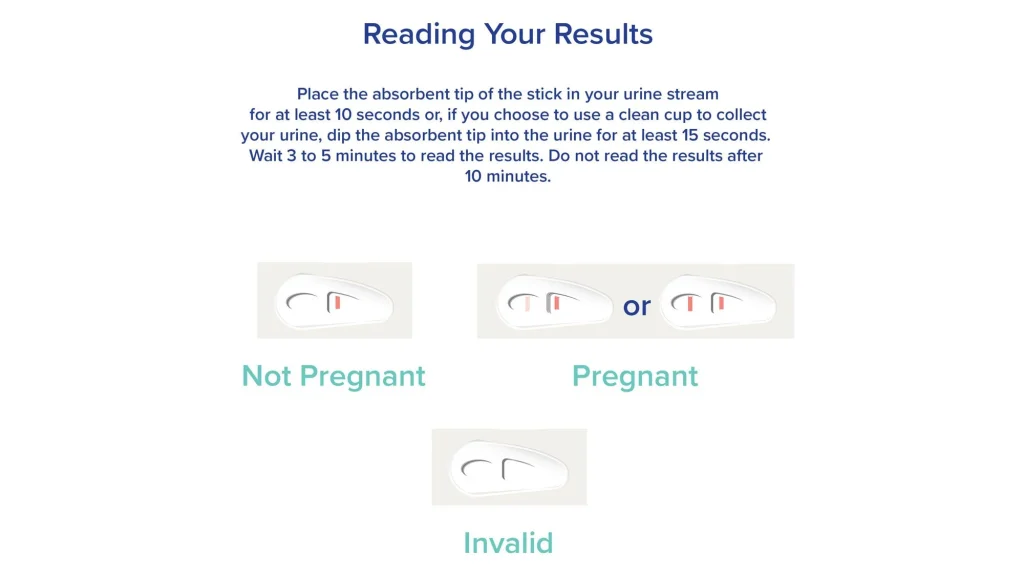
    Instructions for reading pregnancy test results with visual indicators for "Not Pregnant," "Pregnant," and "Invalid.

    The Role of Non-Invasive Insemination in the LGBTQ+ Community

    This is especially important for LGBTQ+ individuals who have faced discrimination and exclusion from traditional family structures. Non-invasive insemination provides them with an opportunity to create their own unique family, one that may not fit into society’s traditional norms but is just as loving and valid.

    The Impact of Non-Invasive Insemination on LGBTQ+ Parenthood

    The ability to have a biological child has a significant impact on LGBTQ+ individuals and couples who desire to start a family. It not only provides them with a sense of connection and belonging but also challenges the notion that only heterosexual couples can have children. Non-invasive insemination has helped to break down barriers and create a more inclusive society where all individuals have the opportunity to become parents, regardless of their sexual orientation or gender identity.

    In addition, non-invasive insemination has also allowed LGBTQ+ individuals and couples to create a support network within the community. With the rise of online forums and support groups, individuals can connect with others who have gone through similar experiences and share their journey towards parenthood. This sense of community and support can be invaluable for LGBTQ+ individuals and couples who may feel isolated or misunderstood by society.

    Challenges and Controversies Surrounding Non-Invasive Insemination

    While non-invasive insemination has opened up a world of possibilities for LGBTQ+ individuals and couples, it is not without its challenges and controversies. One of the main issues is the cost of the procedure. Non-invasive insemination can be expensive, and insurance coverage may not always be available, making it inaccessible for many individuals. This highlights the need for more affordable and accessible options for LGBTQ+ individuals who wish to start a family.

    Another issue is the lack of legal protections for non-invasive insemination in many countries. In some places, the laws have not caught up with the advancements in reproductive technology, leaving LGBTQ+ parents and their children vulnerable to discrimination and legal challenges. It is crucial for governments to address these legal gaps and provide equal protections for all families, regardless of how they are formed.

    In addition, there are also ethical debates surrounding the use of donor sperm and the potential impact on the child’s identity and sense of self. This emphasizes the need for open and honest conversations within the community and proper counseling for individuals and couples considering non-invasive insemination.

    Summary

    Non-invasive insemination has become a vital tool in the LGBTQ+ community, providing individuals and couples with a way to start families and break down traditional barriers. It has opened up possibilities for same-sex and transgender couples to have biological children and challenged societal norms surrounding family structures. However, there are still challenges and controversies surrounding non-invasive insemination, highlighting the need for more affordable options and legal protections for LGBTQ+ families. Overall, non-invasive insemination has had a significant impact on LGBTQ+ parenthood, providing hope and creating a more inclusive society.

  • The Importance of Communication in Home Insemination Partnerships

    The process of home insemination, also known as self-insemination, has become increasingly popular among couples and individuals looking to start or expand their families. This method of conception involves using donor sperm to fertilize an egg at home, without the assistance of a medical professional. While it may seem like a simple and straightforward process, successful home insemination requires a strong foundation of communication between partners. In this blog post, we will discuss the importance of communication in home insemination partnerships and how it can contribute to a positive and successful experience.

    One of the main reasons why communication is crucial in home insemination partnerships is because it involves multiple individuals with different roles and responsibilities. Unlike traditional conception methods, home insemination requires the participation of both partners, as well as a donor (if using non-partner sperm). This means that clear and open communication is necessary to ensure that everyone is on the same page and working towards the same goal.

    In addition, home insemination can bring up a variety of emotions and discussions that may not arise in other fertility journeys. For LGBTQ+ couples or single individuals, it may involve discussions about donor selection, legal considerations, and future parenting roles. For heterosexual couples, it may involve discussions about fertility issues, timing, and financial considerations. All of these topics require honest and effective communication to navigate and make informed decisions.

    Moreover, communication in home insemination partnerships is not limited to just the planning and decision-making process. It also plays a crucial role during the actual insemination process. This can be a vulnerable and intimate experience, and effective communication between partners can help create a safe and comfortable environment. It can also help alleviate any anxiety or stress that may arise during the process.

    Furthermore, communication is essential for tracking and monitoring the home insemination process. Unlike traditional conception methods, home insemination does not involve a doctor or fertility specialist who can provide guidance and monitor the progress. This responsibility falls on the partners, and clear communication is necessary to keep track of important factors such as ovulation timing, sperm quality, and any potential complications.

    In addition to the practical aspects, communication also plays a vital role in the emotional support and well-being of partners during the home insemination journey. As with any fertility journey, it can be an emotionally taxing experience, and having a strong support system and open lines of communication can help partners navigate any challenges or setbacks.

    guide and materials for using Mosie Baby fertility kit on a textured surface

    The Importance of Communication in Home Insemination Partnerships

    So, how can partners ensure effective communication in their home insemination journey? Here are some tips:

    1. Set clear expectations and boundaries: Before embarking on the home insemination process, partners should have a discussion about their expectations, boundaries, and goals. This can include topics such as the number of insemination attempts, donor selection criteria, and plans for future parenthood.

    2. Create a communication plan: It can be helpful to establish a communication plan for tracking and monitoring the home insemination process. This can include regular check-ins, updates on ovulation timing, and any potential side effects or concerns.

    3. Be open and honest: As with any relationship, honesty is key. Partners should feel comfortable sharing their thoughts, feelings, and concerns throughout the home insemination journey. This can help build trust and strengthen the partnership.

    4. Seek outside support: It can also be beneficial for partners to seek outside support from a therapist, counselor, or support group. This can provide a safe space to discuss any challenges or emotions that may arise during the home insemination journey.

    In conclusion, effective communication is essential in home insemination partnerships. It not only helps with the practical aspects of the process but also plays a crucial role in emotional support and well-being. By setting clear expectations, creating a communication plan, and being open and honest, partners can ensure a positive and successful home insemination experience.

    SEO metadata:

  • The Future of Fertility: The Rise of Home Insemination

    Title: The Future of Fertility: The Rise of Home Insemination

    Introduction

    The world of fertility has undergone significant changes in recent years, with technological advancements and changing societal norms leading to a rise in home insemination. This once taboo topic is now being openly discussed and embraced by many individuals and couples as a viable option for starting or expanding their families. In this blog post, we will explore the growing trend of home insemination and its potential impact on the future of fertility.

    What is Home Insemination?

    Home insemination, also known as self-insemination or at-home insemination, is the process of placing sperm into the female reproductive tract in the hopes of fertilizing an egg. This can be done through various methods, such as using a syringe or soft cup, and can be performed by individuals or couples in the comfort of their own home.

    The Rise of Home Insemination

    There are several factors that have contributed to the rise of home insemination in recent years. One of the main drivers is the increasing acceptance and visibility of LGBTQ+ individuals and couples who are seeking to start a family. With the legalization of same-sex marriage and adoption, more and more LGBTQ+ individuals are turning to home insemination as a way to conceive.

    Another factor is the rising cost of fertility treatments and the limited access to these treatments for many individuals and couples. Home insemination offers a more affordable and accessible option for those who are unable to afford or access traditional fertility treatments.

    Technological advancements have also played a role in the rise of home insemination. With the availability of at-home fertility kits and apps that track ovulation, individuals and couples can now easily and accurately monitor their fertility and plan for insemination at the most opportune time.

    Benefits of Home Insemination

    Home insemination kit by Mosie Baby with instructions and colorful packaging.

    The Future of Fertility: The Rise of Home Insemination

    One of the primary benefits of home insemination is the privacy and comfort it provides. Many individuals and couples feel more at ease performing the procedure in their own home rather than in a clinical setting. This can also reduce the stress and pressure often associated with fertility treatments.

    Home insemination also offers a more natural approach to conception, as it mimics the process of natural intercourse. This can be especially appealing to those who are uncomfortable with the idea of using fertility drugs or undergoing invasive procedures.

    Additionally, home insemination can be a more cost-effective option, as it eliminates the need for expensive fertility clinic visits and treatments. It also allows for more flexibility in terms of timing and frequency of insemination attempts.

    Challenges and Concerns

    While home insemination may seem like a simple and convenient solution for fertility, there are also some challenges and concerns that should be considered. One of the main concerns is the accuracy and safety of the procedure. Without proper training and guidance, there is a risk of infection or injury. It is important for individuals and couples to thoroughly research and educate themselves on the proper techniques and precautions before attempting home insemination.

    Another concern is the lack of regulation and oversight in the home insemination industry. Unlike traditional fertility clinics, there are no strict guidelines or protocols in place for home insemination. This can lead to discrepancies in the quality and reliability of products and services being offered.

    The Future of Home Insemination

    As home insemination continues to gain popularity, it is likely that we will see further advancements and innovations in this area. With the increasing use of technology, we may see the development of more sophisticated at-home fertility kits and tools that make the process even easier and more accurate.

    There is also the potential for home insemination to become a more widely accepted and regulated practice. As more individuals and couples turn to this method of conception, there may be a push for stricter guidelines and oversight to ensure the safety and effectiveness of the procedure.

    Summary

    The rise of home insemination is a reflection of the changing landscape of fertility and the increasing demand for more affordable and accessible options. While there are concerns and challenges surrounding this practice, it also offers numerous benefits and potential for further advancements in the future. Whether it becomes a mainstream method of conception or remains a niche option, the rise of home insemination is certainly a significant trend in the world of fertility.

  • Breaking Away from Tradition: Insemination on Your Own Terms

    Breaking Away from Tradition: Insemination on Your Own Terms

    For centuries, the traditional method of conception has been through sexual intercourse between a man and a woman. However, with advancements in medical technology and a shift towards more inclusive family structures, there has been a growing trend towards alternative methods of conception, particularly for those who identify as LGBTQ+ or single individuals. One such method is insemination, or the process of introducing sperm into the reproductive tract of a person with the goal of fertilization. While this may seem like a straightforward process, there are many aspects to consider, including the traditional societal expectations and norms surrounding insemination. In this blog post, we will explore the concept of “breaking away from tradition” in the context of insemination and how individuals can take control of their own fertility journey on their own terms.

    Breaking away from tradition means challenging the societal norms and expectations that have been ingrained in us from a young age. In the case of insemination, this often means breaking away from the idea that conception must happen through sexual intercourse between a man and a woman in a heterosexual relationship. For those who identify as LGBTQ+ or single, this traditional method may not be a viable option or may not align with their personal values and beliefs. In these cases, insemination offers a way to conceive a child without conforming to traditional ideals.

    One of the main reasons individuals may choose to break away from tradition in terms of insemination is to create a family structure that is more inclusive and reflective of their own identity. For LGBTQ+ individuals, insemination can allow them to have a biological connection to their child and create a family unit that includes two parents of the same gender. This can provide a sense of validation and belonging that may not be possible with traditional methods of conception. Similarly, for single individuals who may not have a partner to conceive with, insemination allows them to become a parent and create their own family unit without the need for a romantic relationship.

    Another factor to consider when breaking away from tradition is the control and agency it gives to individuals over their own fertility journey. In traditional methods of conception, the decision to have a child is often made within the confines of a relationship, and the process is shared between two people. However, with insemination, individuals can take full ownership of their reproductive choices and make decisions that align with their own wants and needs. This can be empowering for those who have felt pressure to conform to societal expectations or have had their desires for parenthood disregarded.

    Colorful promotional image for Mosie Baby, featuring home insemination kit and encouraging text.

    Breaking Away from Tradition: Insemination on Your Own Terms

    Insemination also allows individuals to break away from the timeline and pressure often associated with traditional methods of conception. In heterosexual relationships, there is often an expectation to have children within a certain timeframe, and for some individuals, this may not align with their personal goals and aspirations. Insemination provides the flexibility to start a family when the individual is ready and able, rather than feeling rushed or pressured by external factors.

    However, breaking away from tradition in the context of insemination is not always an easy decision. There can be many challenges and obstacles that individuals may face when choosing this alternative method of conception. One major challenge is the lack of societal acceptance and understanding of insemination, which can lead to feelings of isolation and discrimination. This is especially true for LGBTQ+ individuals, who may face additional barriers and stigmatization. It is important for individuals to have a strong support system and access to resources and information to help them navigate these challenges.

    Another challenge is the financial aspect of insemination. In many cases, traditional methods of conception are covered by insurance or are more affordable, while insemination can be costly and may not be covered. This can create a financial barrier for individuals who are considering insemination as an option for starting a family. However, there are organizations and resources available that can provide financial assistance for those in need, as well as alternative methods of insemination that may be more affordable.

    Despite these challenges, it is important for individuals to know that they have the right to make decisions about their own reproductive journey and to break away from traditional norms and expectations. Insemination can provide a way for individuals to create a family on their own terms, and the journey can be fulfilling and rewarding despite any challenges that may arise.

    In conclusion, breaking away from tradition in the context of insemination means challenging societal norms and expectations surrounding conception and taking control of one’s own fertility journey. It allows individuals to create a family structure that is more inclusive and reflective of their own identity, and provides agency and flexibility in decision-making. While there may be challenges and obstacles, it is important for individuals to know that they have the right to make choices that align with their personal values and beliefs when it comes to starting a family.

  • Breaking Down Stigmas: Home Insemination Starter Kits for LGBTQ+ Couples

    SUMMARY:

    In recent years, there has been an increase in visibility and acceptance of the LGBTQ+ community, but there are still many stigmas and barriers that they face. One of these barriers is the struggle to start a family. While adoption and other fertility options have become more accessible, many LGBTQ+ couples still face judgment and discrimination when trying to conceive a child. This is where home insemination starter kits come in, offering a discreet and affordable option for LGBTQ+ couples to start a family in the comfort of their own home.

    Home insemination starter kits have been around for a while, but they have gained more attention and popularity in recent years as more LGBTQ+ couples seek alternative methods for conception. These kits typically include everything needed for the insemination process, such as a syringe, collection cup, and instructions. They are designed to be easy to use and can be purchased online or at select stores.

    One of the biggest advantages of home insemination starter kits is the privacy and comfort they provide for LGBTQ+ couples. Many couples face discrimination and discomfort when seeking fertility treatments from traditional healthcare providers. Home insemination allows them to avoid these challenges and have more control over the process. It also eliminates the need to involve a third party, which can be a concern for some couples.

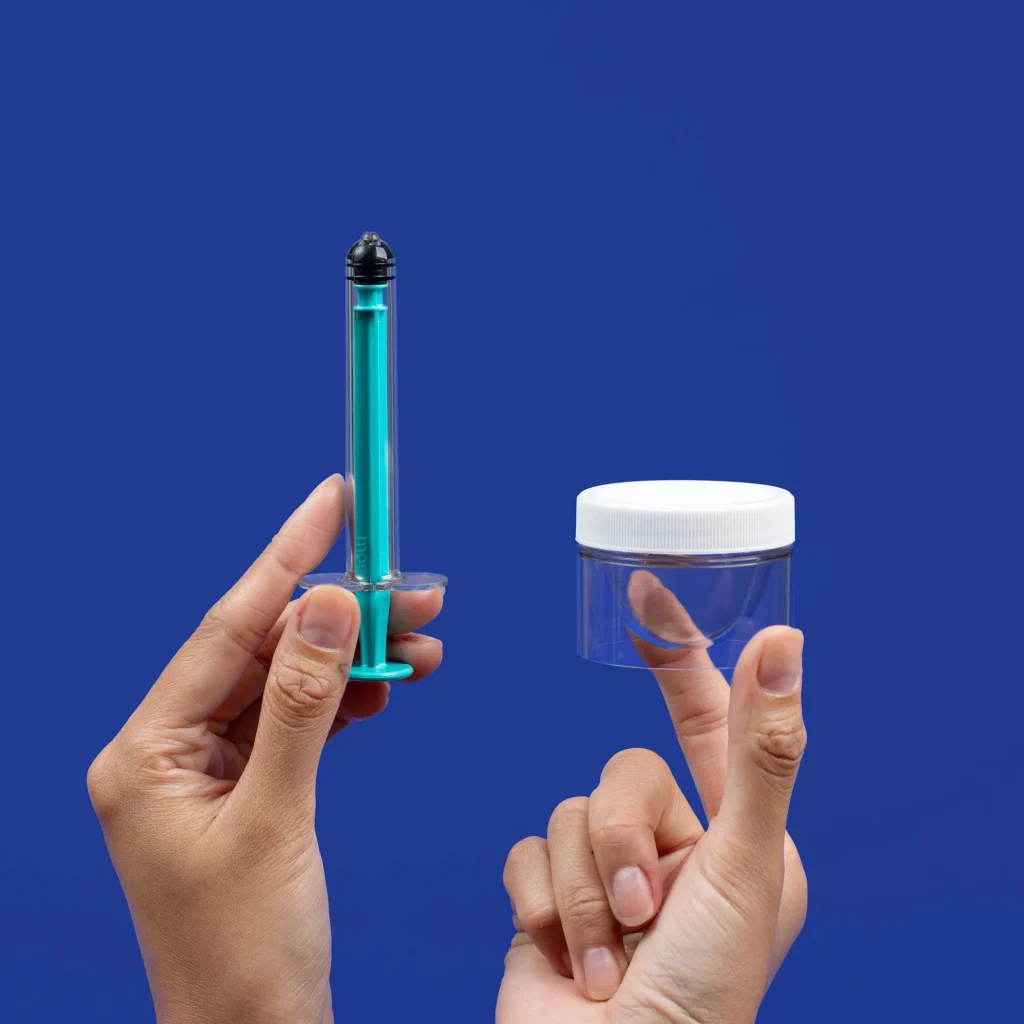
    Mosie Baby Kit with a syringe and container, highlighting safety and usability features on a blue background.

    Breaking Down Stigmas: Home Insemination Starter Kits for LGBTQ+ Couples

    Another benefit of home insemination starter kits is their affordability. Fertility treatments, such as IVF, can be extremely expensive and out of reach for many LGBTQ+ couples. Home insemination starter kits offer a more budget-friendly option, with prices ranging from $50 to $200. This makes it a more accessible option for couples who may not have the financial means for other fertility treatments.

    It’s also important to note that home insemination starter kits are not just for same-sex couples. They can also be used by single individuals and opposite-sex couples who may be facing fertility challenges. These kits offer a more inclusive option for anyone looking to start a family.

    Of course, like any medical procedure, there are risks and considerations to keep in mind when using home insemination starter kits. It’s essential to carefully follow the instructions and ensure that all equipment is clean and sterile. It’s also recommended to consult with a healthcare provider beforehand to rule out any potential health concerns.

    Despite some potential risks, home insemination starter kits offer a safe and effective option for LGBTQ+ couples to start a family. They allow couples to take control of their fertility journey and eliminate many of the stigmas and barriers they may face in traditional healthcare settings.

    In conclusion, home insemination starter kits offer a discreet, affordable, and inclusive option for LGBTQ+ couples to start a family. While there are still stigmas and challenges that the LGBTQ+ community faces, these kits provide a way to bypass them and create a loving and nurturing home for a child. It’s time to break down stigmas and make home insemination starter kits a more widely accepted and accessible option for all couples looking to start a family.

  • The Power of Choice: Why Home Insemination Starter Kits are Growing in Popularity

    The Power of Choice: Why Home Insemination Starter Kits are Growing in Popularity

    In recent years, there has been a growing trend towards home insemination starter kits. These kits, which include everything needed for the process of at-home insemination, have become increasingly popular among individuals and couples looking to start a family. While traditional methods of fertility treatments can be expensive and invasive, home insemination kits offer a more affordable and convenient option. In this blog post, we will explore the reasons behind the rise in popularity of home insemination starter kits and the power of choice that they offer to those looking to start a family.

    The Rise of Home Insemination Kits

    The use of home insemination kits has been on the rise in recent years, with more and more people turning to this method as a way to start a family. This can be attributed to a number of factors, including the increasing acceptance and visibility of LGBTQ+ individuals and couples, as well as the rising costs of traditional fertility treatments. Home insemination kits provide an accessible and affordable option for those looking to conceive without the need for expensive medical procedures.

    Moreover, the rise of technology and the internet has made it easier for individuals and couples to access information and resources about home insemination. Online communities and forums have become a valuable source of support and guidance for those considering this method of conception. This has helped to break down the stigma and taboo surrounding at-home insemination and has made it a more viable option for many.

    The Power of Choice

    One of the most significant reasons for the growing popularity of home insemination starter kits is the power of choice that they offer. For many individuals and couples, starting a family is a deeply personal and intimate decision. The ability to have control over the process and do it in the comfort and privacy of their own home is a powerful factor in choosing home insemination.

    home insemination kit components: a syringe and a collection container against a blue background.

    The Power of Choice: Why Home Insemination Starter Kits are Growing in Popularity

    Home insemination kits allow individuals and couples to take the first step towards starting a family on their own terms. They provide a sense of autonomy and empowerment, which can be lacking in traditional fertility treatments where the process is often dictated by medical professionals. With home insemination, individuals and couples have the freedom to choose the donor, the timing, and the process itself, giving them a greater sense of control over their own fertility journey.

    Affordability and Convenience

    Another key factor in the growing popularity of home insemination starter kits is their affordability and convenience. Traditional fertility treatments can be costly, with expenses such as clinic fees, medication, and travel adding up quickly. Home insemination kits, on the other hand, offer a more budget-friendly option, with prices ranging from a few hundred to a few thousand dollars.

    Moreover, home insemination allows individuals and couples to avoid the inconvenience and stress of frequent clinic visits and invasive procedures. The process can be done in the comfort of one’s own home, eliminating the need for travel and time off work. This makes home insemination a more accessible and convenient option for those with busy schedules or limited resources.

    Privacy and Intimacy

    For many individuals and couples, the idea of having a stranger involved in the conception process can be uncomfortable and intrusive. Home insemination offers a more private and intimate option for those who prefer to keep their fertility journey within their own relationship. This can be especially appealing for LGBTQ+ couples, who may face additional challenges and barriers in traditional fertility treatments.

    Moreover, home insemination can be a more intimate experience for couples, allowing them to share this special moment together in the comfort of their own home. This can help to strengthen their bond and create a deeper connection between them as they embark on the journey of starting a family.

    In conclusion, the power of choice is a significant factor in the growing popularity of home insemination starter kits. These kits offer a more affordable, convenient, and intimate option for individuals and couples looking to start a family. With the rise of technology and the internet, home insemination has become a more accessible and acceptable method of conception, giving individuals and couples the freedom to take control of their own fertility journey.

  • Simplify Your Journey to Parenthood with a Home Insemination Starter Kit

    Becoming a parent is a journey that many people dream of, but for some, it can be a long and challenging process. For those who are struggling with fertility issues or are part of the LGBTQ+ community, the traditional path to parenthood may not be an option. However, advancements in technology and science have allowed for alternative methods such as home insemination to be a viable option for starting a family. In this blog post, we will explore how a home insemination starter kit can simplify your journey to parenthood and make your dreams of becoming a parent a reality.

    What is Home Insemination?

    Home insemination is a process where sperm is placed into the cervix or uterus using a syringe, rather than through sexual intercourse. This method is often used by same-sex couples, single individuals, or heterosexual couples struggling with fertility. It allows for more control over the timing and location of insemination, making it a convenient and comfortable option for many.

    Why Use a Home Insemination Starter Kit?

    While home insemination may seem like a simple process, it is crucial to use the right tools and techniques to increase the chances of success. This is where a home insemination starter kit comes in. These kits provide all the necessary materials and instructions to perform the procedure at home without the need for a medical professional.

    1. Convenience and Privacy

    One of the biggest advantages of using a home insemination starter kit is the convenience and privacy it offers. Many people who are trying to conceive prefer to keep the process private and may not feel comfortable undergoing medical procedures in a clinical setting. The home insemination starter kit allows for the procedure to be done in the comfort and privacy of your own home, eliminating any potential embarrassment or discomfort.

    2. Cost-Effective

    Another benefit of using a home insemination starter kit is its cost-effectiveness. Fertility treatments can be expensive, and for some, it may not be a feasible option. Home insemination kits are more affordable compared to medical procedures, making it a more accessible option for those on a budget. Additionally, these kits can be used multiple times, further reducing the cost.

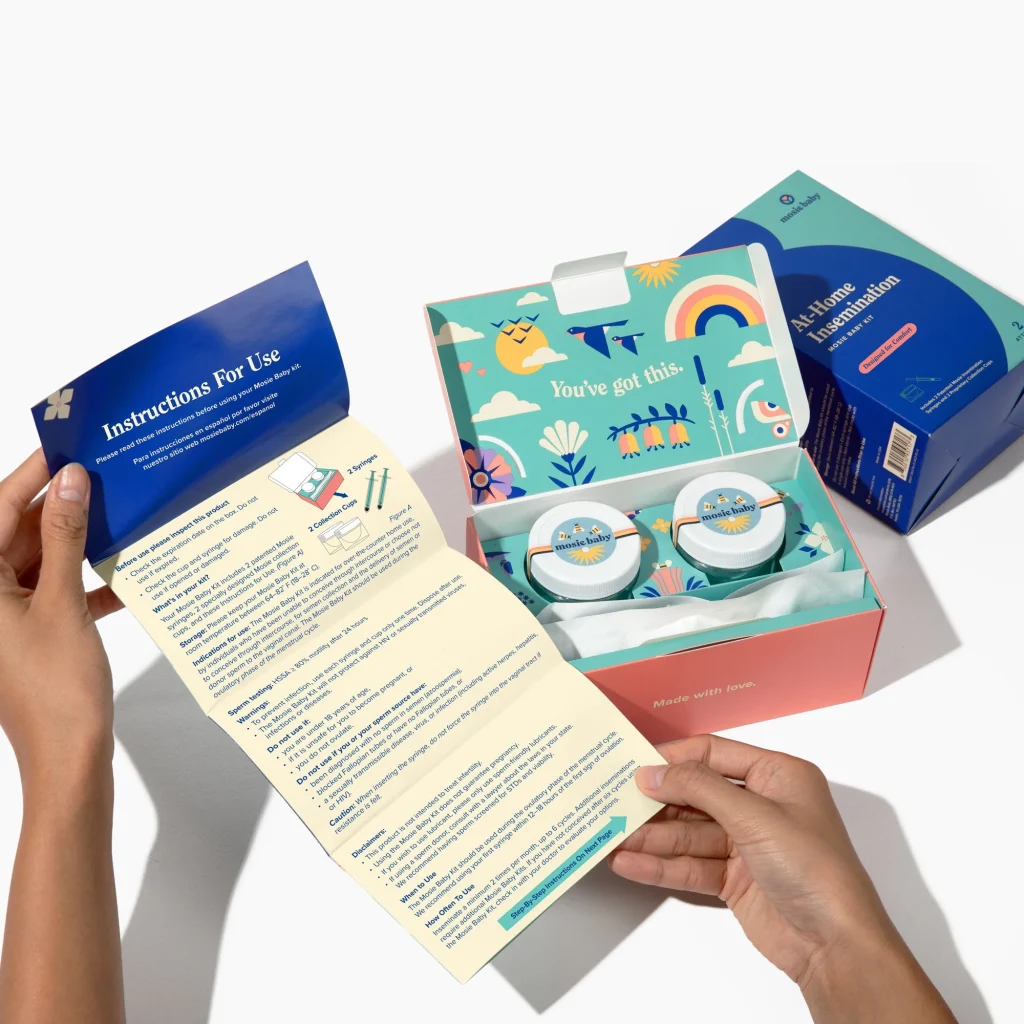
    blue box with "mosie" logo, syringes, and informational pamphlet on a pink background

    Simplify Your Journey to Parenthood with a Home Insemination Starter Kit

    3. Customization

    Each individual or couple’s journey to parenthood is unique, and a home insemination starter kit allows for customization to fit specific needs and preferences. These kits come with different types of syringes, sperm collection cups, ovulation predictor kits, and other materials, allowing for flexibility and personalization.

    4. Ease of Use

    Home insemination starter kits are designed to be user-friendly and easy to use, even for those who have no prior experience. The instructions provided are clear and straightforward, making the process less intimidating and overwhelming. This ease of use can also reduce stress and anxiety, which can often hinder the success of fertility treatments.

    5. Increased Chances of Success

    When using a home insemination starter kit, the materials and techniques used are specifically designed to increase the chances of success. The syringes are designed to ensure the sperm reaches the cervix or uterus effectively, and the ovulation predictor kits can help determine the best time for insemination. These factors can significantly improve the chances of conception.

    Choosing the Right Home Insemination Starter Kit

    With the growing popularity of home insemination, there are now many different kits available in the market. It is essential to do thorough research and choose a kit from a reputable and trustworthy brand. Look for kits that come with detailed instructions, high-quality materials, and good customer reviews.

    In summary, a home insemination starter kit can simplify your journey to parenthood by providing convenience, privacy, cost-effectiveness, customization, ease of use, and increased chances of success. With the right kit and proper techniques, home insemination can be a successful and empowering option for starting a family. So, if you are ready to embark on your journey to parenthood, consider using a home insemination starter kit and take the first step towards fulfilling your dream of becoming a parent.

  • The Role of Insemination Sets in LGBTQ+ Fertility Journey

    Blog Post:

    The journey to parenthood can be a challenging and emotional one for many individuals and couples in the LGBTQ+ community. While adoption and surrogacy are popular options, more and more individuals are turning to assisted reproductive technologies, such as insemination sets, to help them conceive. In this blog post, we will explore the role of insemination sets in the fertility journey of LGBTQ+ individuals and couples.

    What are Insemination Sets?

    Insemination sets, also known as insemination kits or at-home insemination kits, are a type of assisted reproductive technology that can be used by individuals or couples to perform artificial insemination in the comfort of their own home. These sets typically include a sterile syringe or cup, a sterile collection cup, and sometimes other tools such as ovulation predictor kits or pregnancy tests.

    The Role of Insemination Sets in LGBTQ+ Fertility Journey

    For many LGBTQ+ individuals and couples, insemination sets offer a more affordable and accessible option for starting a family. Adoption and surrogacy can be expensive and often come with a long waiting list, while assisted reproductive technologies, such as in vitro fertilization (IVF), can be costly and may not be covered by insurance for LGBTQ+ individuals and couples.

    Insemination sets also offer a sense of privacy and control over the fertility process. Many LGBTQ+ individuals and couples may feel more comfortable and empowered by being able to complete the insemination process in their own home, rather than in a clinical setting.

    Furthermore, insemination sets can be a helpful option for individuals or couples who may not have a sperm donor readily available. With insemination sets, individuals can choose to use sperm from a known donor, such as a friend or family member, or purchase donor sperm from a sperm bank.

    Insemination sets also allow for the option of at-home insemination, which can be especially appealing for individuals or couples who may not have access to fertility clinics or sperm banks in their area. Additionally, at-home insemination can be a more convenient and less time-consuming option for busy individuals or couples.

    Challenges and Considerations for LGBTQ+ Individuals and Couples

    Hands holding a syringe and a small container against a blue background.

    The Role of Insemination Sets in LGBTQ+ Fertility Journey

    While insemination sets offer many benefits for LGBTQ+ individuals and couples, there are also some challenges and considerations to keep in mind. One of the main challenges is the lack of regulation and oversight in the use of these sets. Unlike fertility clinics, which are closely monitored and regulated, at-home insemination is not subject to the same level of scrutiny. This can lead to potential risks and complications, such as the use of non-sterile tools or the use of sperm from a donor with undisclosed medical conditions.

    Another consideration for LGBTQ+ individuals and couples using insemination sets is the legal aspect. Laws and regulations regarding assisted reproductive technologies vary by state and country, and it is important for individuals to research and understand their rights and the legal implications of using these sets.

    Support and Resources for LGBTQ+ Fertility Journey

    Navigating the fertility journey can be overwhelming and emotional, especially for LGBTQ+ individuals and couples who may face additional challenges and barriers. It is important for individuals to seek out support and resources to help them through this process.

    There are many organizations and support groups specifically for LGBTQ+ individuals and couples on their fertility journey, such as the LGBTQ+ Family Building Project and the American Society for Reproductive Medicine’s LGBTQ Special Interest Group. These resources provide valuable information, support, and a sense of community for individuals and couples going through this experience.

    In addition to seeking support from these organizations, it is important for individuals to work with a healthcare provider who is knowledgeable and understanding of the needs and concerns of the LGBTQ+ community. This can help ensure a safe and successful fertility journey.

    In Conclusion

    Insemination sets play a vital role in the fertility journey of LGBTQ+ individuals and couples. They offer a more affordable, accessible, and private option for starting a family, while also giving individuals and couples more control over the process. However, it is important for individuals to research and understand the potential risks, challenges, and legal implications of using these sets. Seeking support and working with a knowledgeable healthcare provider can also greatly benefit individuals on their journey to parenthood.

    Summary:

    Insemination sets, also known as insemination kits, are a type of assisted reproductive technology that allows individuals and couples to perform artificial insemination at home. They offer a more affordable and private option for LGBTQ+ individuals and couples to start a family, and also give them more control over the process. However, there are challenges and considerations, such as lack of regulation and legal implications, that individuals should be aware of. Seeking support from organizations and working with a knowledgeable healthcare provider can greatly benefit individuals on their fertility journey.